
The Little-Known Florida Museum That Houses One Of The World’s Most Impressive Shell Collections
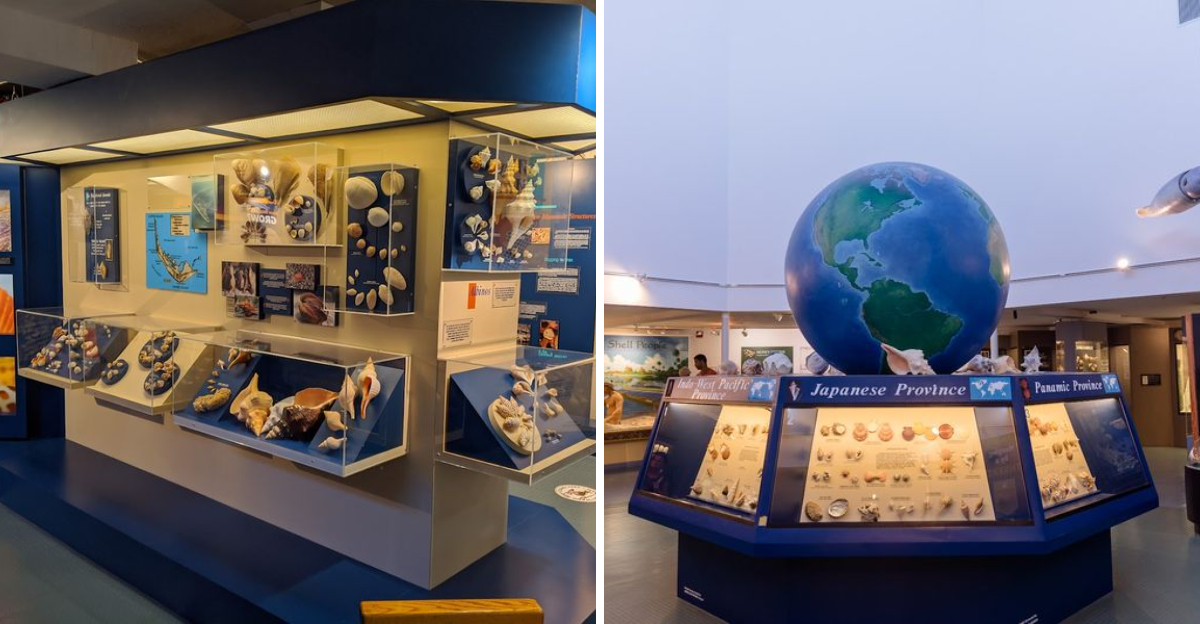
Most people don’t expect a shell museum in Florida to be anything more than a quick stop, and that’s exactly why this one catches them off guard.
On a quiet stretch of Sanibel Island, there is a place that completely shifts that expectation the moment you walk inside. What starts as a simple visit quickly turns into something far more immersive, with rare shells from across the world, intricate patterns that do not feel real, and living marine creatures that pull you in for a closer look.
In Florida, places like this do not rely on big signs or crowds to stand out, they let the experience speak for itself.
People do not rush through it. They slow down, lean in, and start noticing details they would have otherwise missed.
What feels like a short stop turns into something much deeper.
And by the time you leave, you realize this is not just another roadside attraction, it is something you genuinely did not expect to find.
The Only Museum In The U.S. Dedicated Entirely To Shells
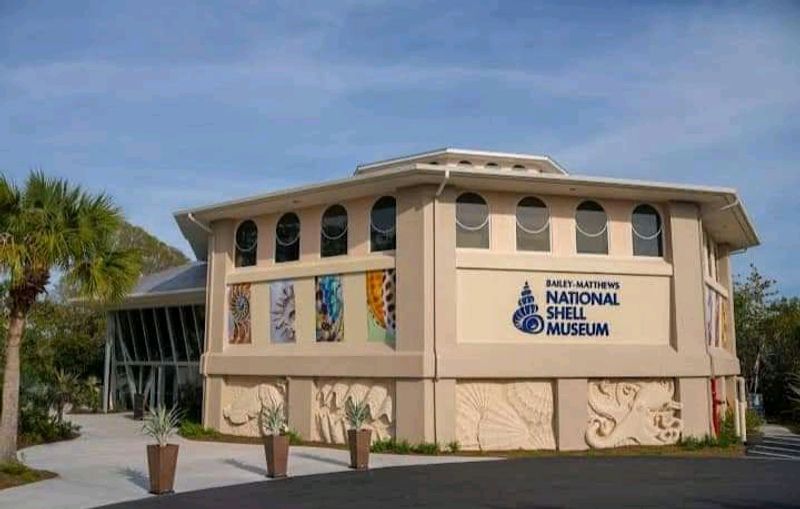
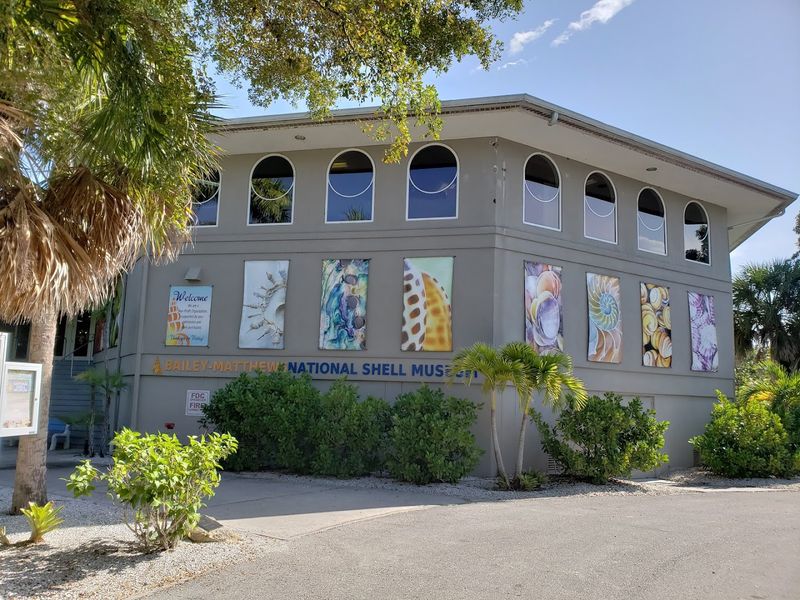
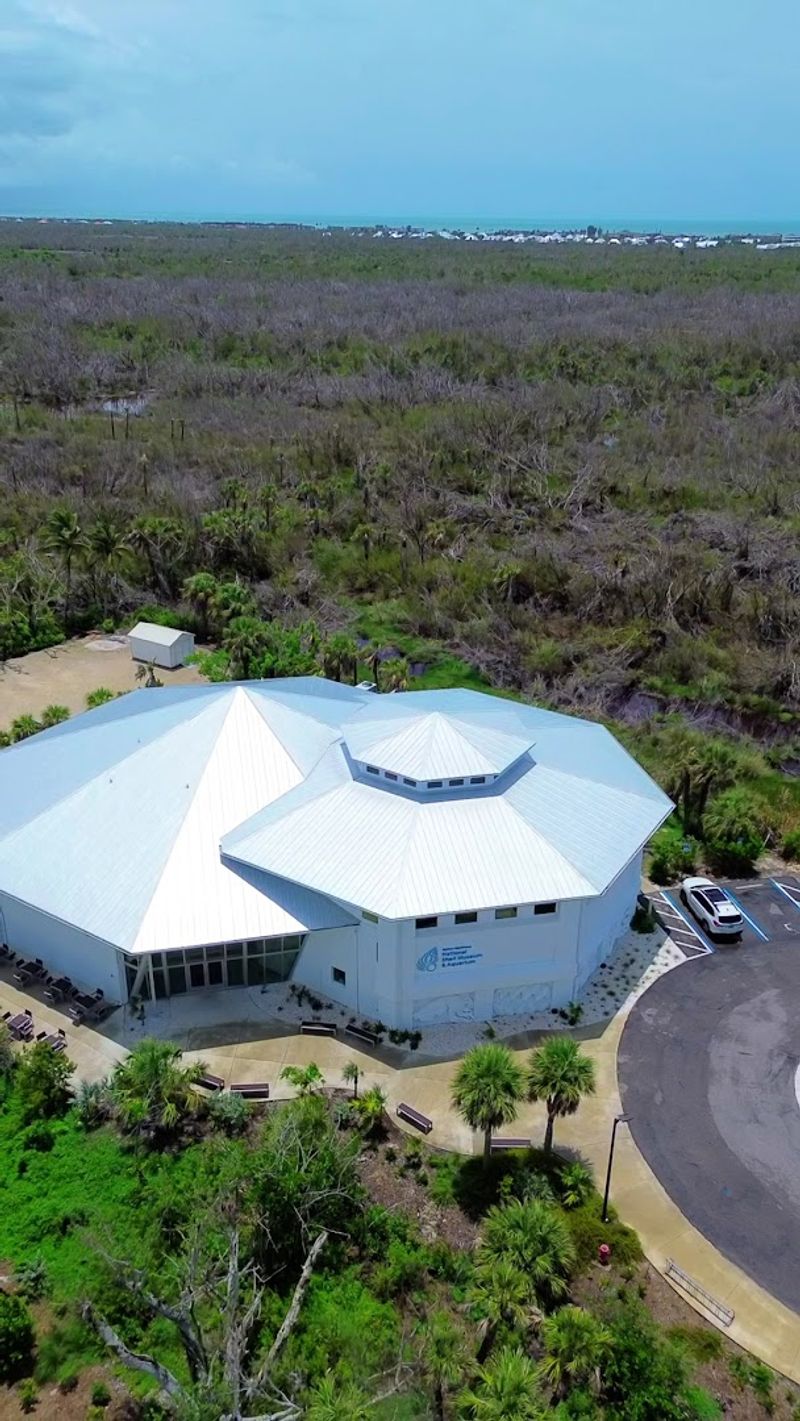
Most museums cover a wide range of topics, but Bailey-Matthews National Shell Museum takes a focused and fearless approach by dedicating every square foot to the world of shells and mollusks.
It proudly holds the title of the only museum in the United States built entirely around this subject, which makes it a genuinely rare institution in the country.
Visitors often walk in expecting a small curiosity shop and walk out having spent two to three hours exploring exhibits that cover everything from ancient shell use in human cultures to the biology of living mollusks.
The museum sits at 3075 Sanibel Captiva Rd, Sanibel, FL 33957, right in the heart of an island already famous for its world-class shelling beaches. That setting is no accident, and it gives the whole experience a sense of place that is hard to replicate anywhere else.
A Collection That Spans Every Ocean On Earth
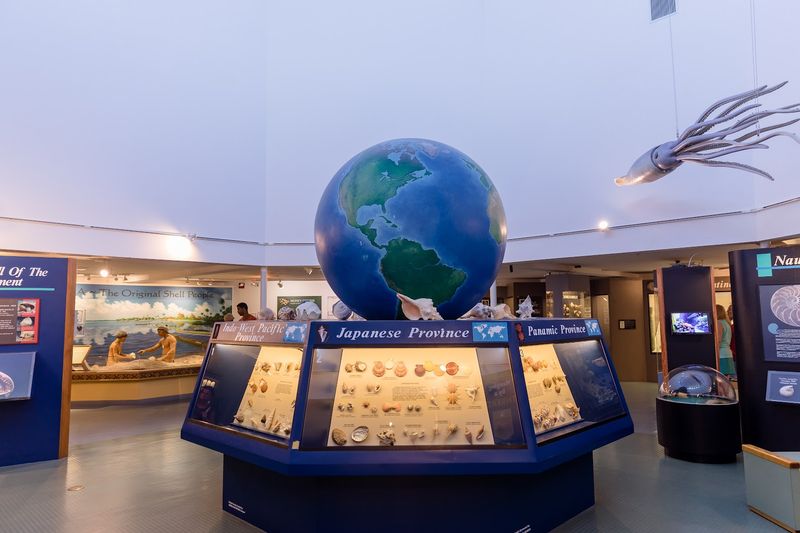
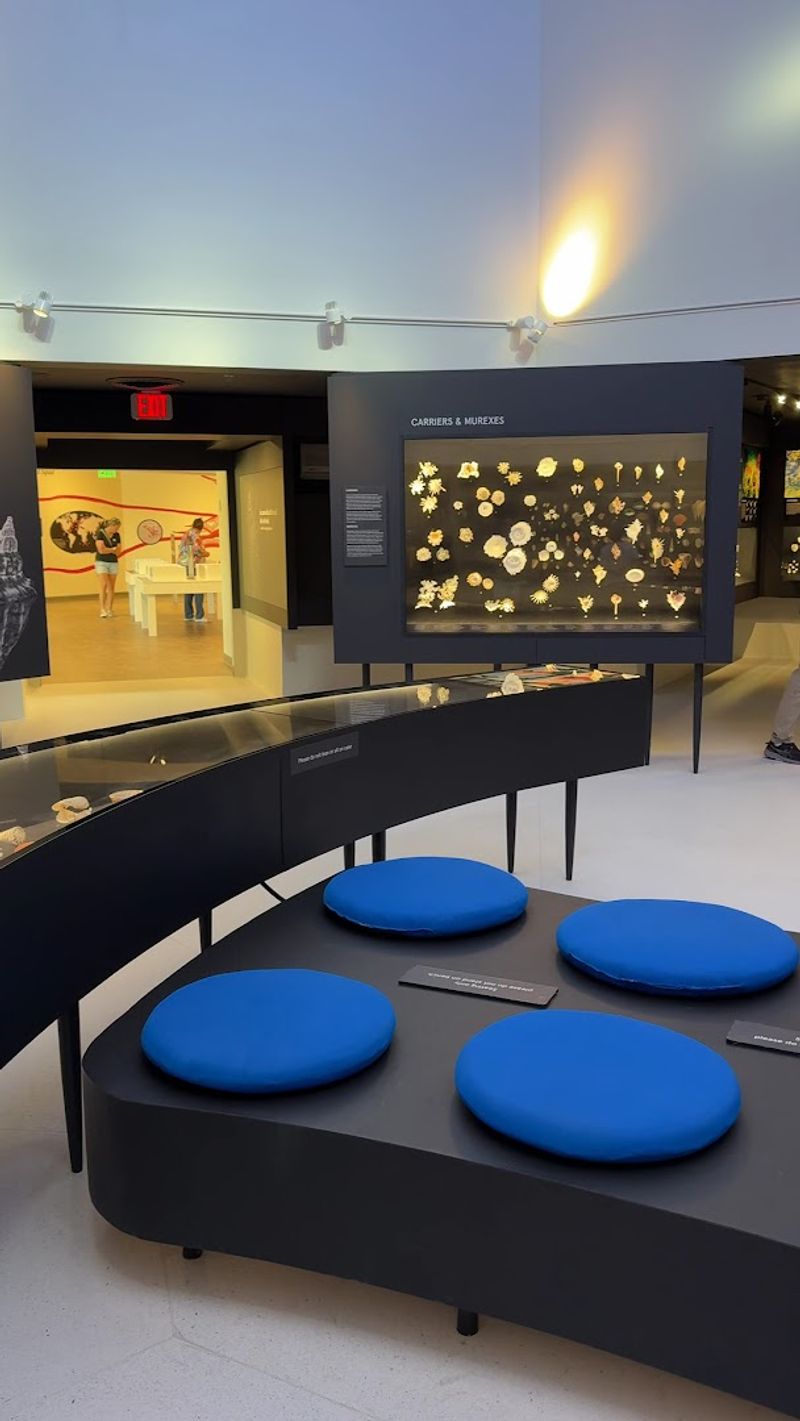
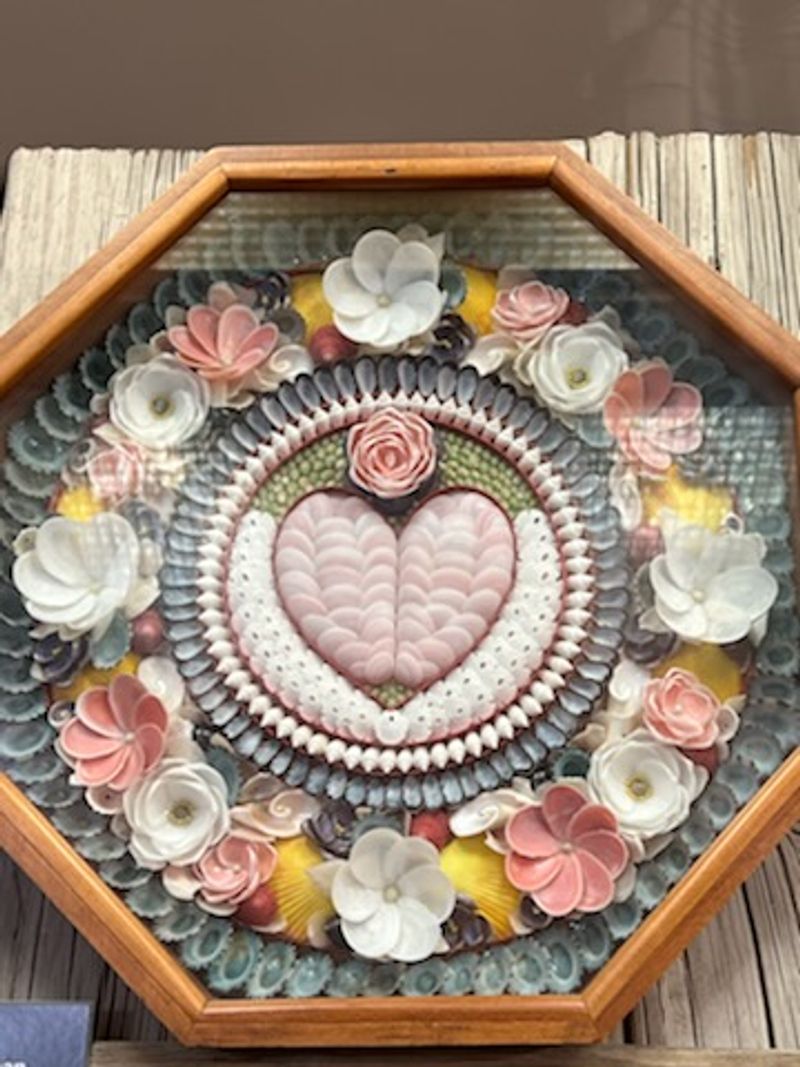
Walking through the Hall of Shells upstairs feels a bit like spinning a globe and stopping your finger on a random coastline, because the collection genuinely pulls from every corner of the world’s oceans.
Shells from the Pacific, Atlantic, Indian, and Arctic oceans sit side by side in beautifully arranged displays that highlight the staggering diversity of mollusk life on this planet.
The sheer quantity is hard to wrap your head around until you are standing in the large circular gallery, slowly realizing that every case holds dozens of specimens you have never seen before.
Many visitors say the experience changes how they think about the ocean entirely, turning what felt like a familiar subject into something full of mystery and new questions.
The curatorial team has arranged the collection with plenty of space between exhibits, so nothing feels cluttered, and every shell gets the attention it deserves.
The Cuban Polymita Display Is A Rare Treat
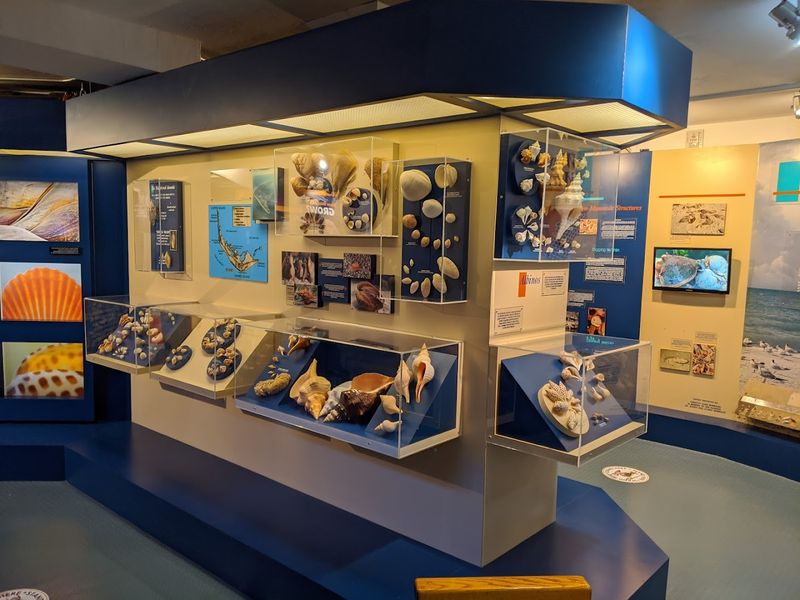
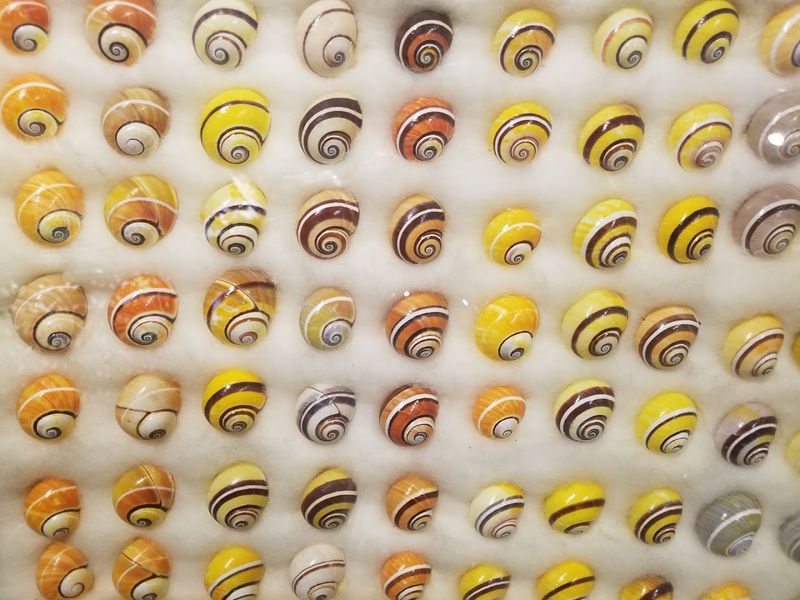
Among all the treasures housed in the museum, the Cuban Polymita display stands out as one of the most visually striking and emotionally resonant corners of the entire building.
Polymita picta is a land snail native to Cuba, and its shell comes in a wild range of bright colors including yellow, orange, red, green, and white, often swirling together in patterns that look almost painted by hand.
These snails are critically endangered in the wild, which makes seeing a collection of their shells feel both beautiful and sobering at the same time.
Multiple visitors in recent reviews specifically mentioned the Cuban Polymita display as a highlight that caught them completely off guard, and it is easy to understand why once you see the vivid colors up close.
It serves as a quiet reminder of why conservation matters, delivered entirely through the language of natural beauty rather than heavy-handed messaging.
A Living Aquarium Shares The Building With The Shell Exhibits
One of the most pleasant surprises waiting downstairs is a fully functioning aquarium that brings the living side of the mollusk world right in front of your eyes.
Tanks filled with colorful fish, including clownfish and blue tang, line the lower floor alongside displays focused on marine invertebrates, creating an environment that feels part science class and part undersea adventure.
The aquarium section also features a giant Pacific octopus, which has become one of the most talked-about residents in recent visitor reviews, drawing people in with its intelligence and alien-like movements.
Staff members regularly give keeper talks near the octopus tank, sharing information about its behavior, diet, and biology in a way that keeps both kids and adults completely hooked.
Having a real aquarium inside a shell museum turns what could have been a purely historical experience into something alive and dynamic, giving every age group something genuinely exciting to engage with.
The Touch Tanks Let You Handle Real Sea Creatures
There is something genuinely thrilling about reaching into a shallow tank and feeling the texture of a living moon snail or a sea hare under your fingertips, and the museum makes that experience available to every visitor.
The touch tanks on the lower floor are staffed by knowledgeable docents who guide visitors through what they are feeling and explain the biology behind each creature in plain, approachable language.
One reviewer noted that being able to touch moon snails, sea hares, and abalones was something they had never encountered at any other aquarium, which speaks to how thoughtfully the museum has designed this hands-on element.
The museum also rotates animals between tanks to give the creatures regular rest periods, which shows a level of care for their wellbeing that visitors genuinely notice and appreciate.
Kids especially respond to the touch tanks with an energy that carries them through the rest of the museum, turning a learning trip into something that feels more like play.
Shells Have Played A Role In Human History For Thousands Of Years
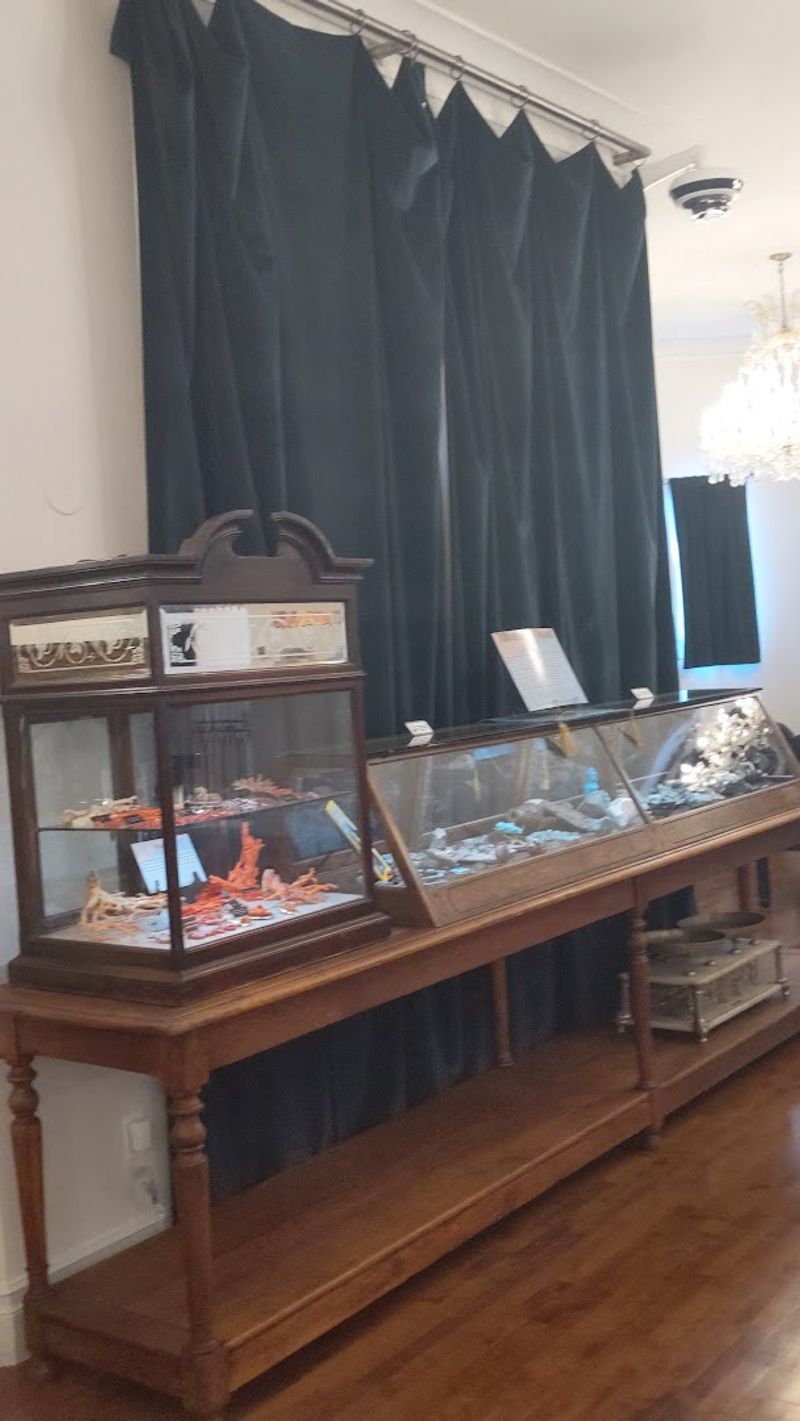
Long before anyone thought to collect shells as a hobby, ancient civilizations were using them as currency, tools, jewelry, and sacred objects, and the museum tells that full story with surprising depth.
One of the upper floor exhibits focuses specifically on the cultural history of shells across different societies, showing how a single object from the beach carried enormous meaning in communities from the Caribbean to Southeast Asia.
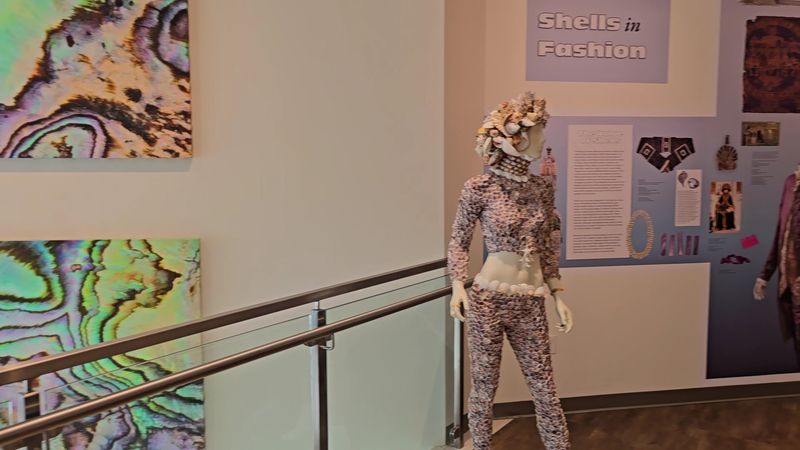
A dedicated fashion exhibit explores how shells have appeared in clothing and accessories throughout history, and it is genuinely eye-opening to see how consistently shells have captured human imagination across centuries and continents.
The displays are written in clear, engaging language that makes complex historical ideas easy to follow for visitors of all ages, including younger kids who might otherwise tune out in a history-heavy gallery.
Walking through this section, I found myself pausing at nearly every case, realizing that the shells on Sanibel’s beaches carry far more stories than I had ever considered before.
The Museum Features An Educational Short Film Worth Watching
Tucked into the upper floor is a short film that multiple visitors have specifically called out as one of the most meaningful parts of the entire visit, and it is easy to overlook if you are moving quickly through the exhibits.
The film focuses on the museum’s core mission around education and conservation, presenting the story of shells and the ecosystems they come from in a way that feels personal and urgent without being preachy.
Running on a loop, it is easy to catch at almost any point in your visit, and the runtime is short enough that it never feels like a detour from the main experience.
Several reviewers mentioned that the film reframed their understanding of why shell collecting practices matter and how individual choices on the beach connect to larger ecological patterns.
Sitting in that small screening space, I felt the kind of quiet shift in perspective that the best museums aim for but rarely achieve quite so cleanly.
Admission Is Affordable And Discounts Are Available
At $25 per adult, the admission price sits at a reasonable level for what the museum delivers, and the experience comfortably fills two to three hours for most visitors, making the value feel solid from the moment you walk in.
Discounts are available for children, first responders, teachers, and students, with teachers and students paying around $10 per person, which is a meaningful gesture toward making science education accessible to school groups and families on tighter budgets.
The museum is open Monday through Sunday from 10 AM to 5 PM, which gives visitors plenty of flexibility to fit it into a beach vacation without rearranging their whole schedule.
For those who want more information before visiting, the museum’s website at shellmuseum.org carries current details on pricing, hours, and any special programs or events that might be running during your trip.
You can also reach the museum directly by phone at +1 239-395-2233 if you have specific questions about accessibility or group visits.
A Scavenger Hunt Turns The Visit Into An Adventure For Kids
Few things keep younger visitors engaged throughout an entire museum visit, but the scavenger hunt at Bailey-Matthews has cracked that challenge in the most satisfying way possible.
Kids who complete the hunt get to pick out a free shell at the end, which turns the whole exercise into a treasure quest with a real, tangible reward waiting at the finish line.
The hunt is designed to guide children through different sections of the museum, which means they end up absorbing far more information than they would during a casual walk-through, all while thinking they are just playing a game.
Parents in multiple reviews mentioned that the scavenger hunt was the detail that kept their youngest family members focused and enthusiastic from the ground floor all the way up through the shell gallery.
It is the kind of thoughtful programming touch that shows the museum genuinely understands its audience and has put real effort into making the visit work for every age in the group.
The Gift Shop Is A Surprisingly Well-Curated Final Stop
By the time most visitors reach the gift shop near the exit, they have already spent a couple of hours absorbing information about shells, and the shop does a smart job of channeling that fresh enthusiasm into something you can take home.
The selection leans toward quality rather than quantity, with curated books on marine biology and shell identification sitting alongside shell specimens, magnets, and educational toys that feel genuinely useful rather than throwaway souvenirs.
One reviewer specifically mentioned finding great books in the gift shop, which is a telling detail about how the museum thinks about the retail space as an extension of the educational experience rather than just a revenue stop.
Prices are described by visitors as reasonable, and the overall curation gives the shop a personality that matches the museum itself: thoughtful, specific, and clearly put together by people who actually care about the subject.
Walking out with a well-chosen book or a real shell specimen feels like the perfect way to close a visit that started with curiosity and ends with genuine knowledge.