
The Little-Known Pennsylvania Automobile Museum That Car Lovers Will Adore
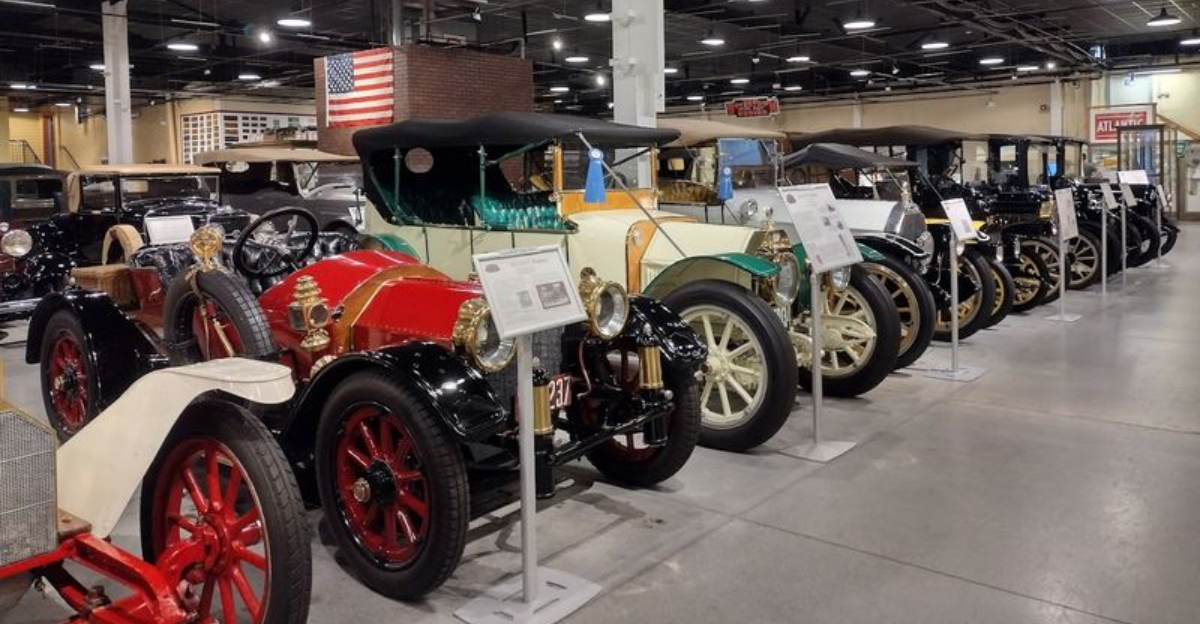
Engines, chrome, and the spirit of the open road have a way of sparking curiosity in almost everyone. Walk into an automobile museum and suddenly time seems to shift gears.
Polished fenders reflect the lights, classic dashboards tell stories from another era, and every vehicle feels like a snapshot from a different chapter of travel history. Places like this celebrate more than machines.
They capture the excitement, creativity, and craftsmanship that shaped the way people explored the world.
A few automotive treasures let visitors admire beautifully preserved vehicles and learn about the innovations that changed transportation forever in Pennsylvania.
The atmosphere often feels part history lesson and part nostalgic journey through decades of design.
Vintage cars gleam under soft lighting while visitors wander from one fascinating model to the next, imagining what it must have been like to drive them when they first appeared on the road.
I always find myself slowing down in museums like this, because standing beside those classic cars makes it easy to picture road trips from another era and wonder what stories those vehicles could tell.
A Factory Floor That Became a Museum
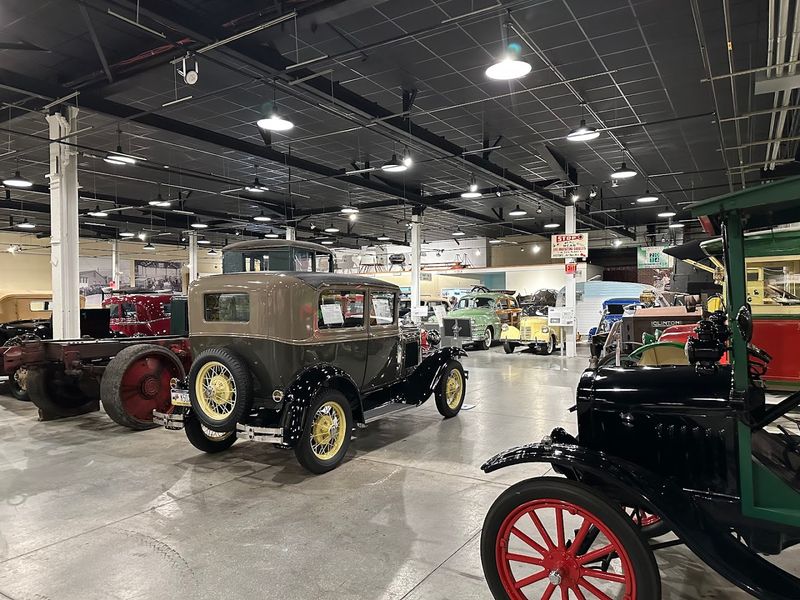
Few museums anywhere in the country can claim they are standing on an actual piece of automotive history, but the Boyertown Museum of Historic Vehicles does exactly that.
The exhibit space is the original factory setting of the Boyertown Auto Body Works, and that authenticity is something you feel the moment you step inside.
Visitors often mention catching the faint scent of engine oil still lingering in the air, a detail that no designer could recreate artificially.
That industrial atmosphere makes every vehicle on display feel even more connected to its roots.
States like Ohio are famous for their manufacturing heritage, but this corner of Pennsylvania quietly shaped transportation in ways many people never learned in school.
Walking across this floor feels less like visiting a museum and more like stepping directly onto a working piece of American industrial history.
Pennsylvania Was an Automotive Powerhouse
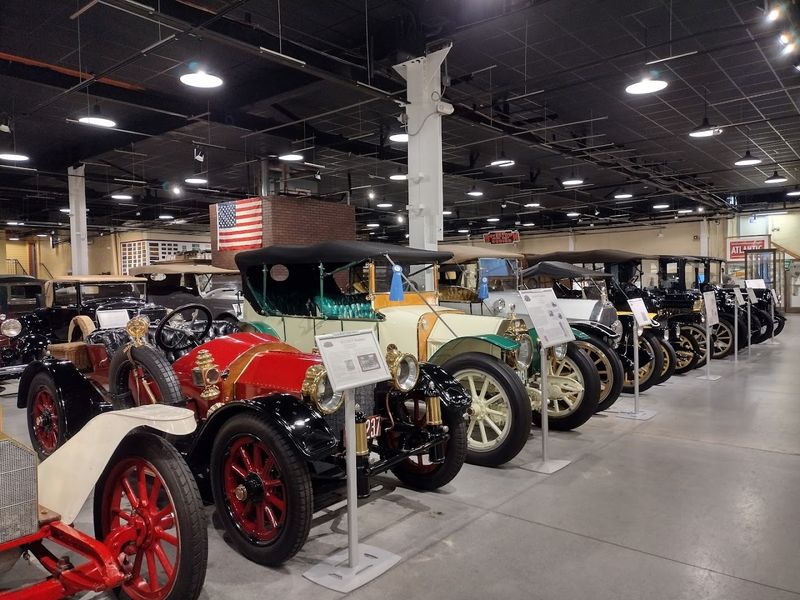
Here is a fact that surprises almost every first-time visitor: Pennsylvania was once home to many early automobile makers and vehicle builders, with a strong concentration of related craftsmanship across southeastern Pennsylvania.
Most Americans associate car manufacturing with Ohio or Michigan, but Pennsylvania held its own in the early days of the industry.
The Boyertown Museum of Historic Vehicles dedicates much of its collection to telling that overlooked story, showcasing vehicles that were partly or entirely built within the state.
Nearly every car on the floor carries a Pennsylvania connection, which gives the collection a focused, deeply regional identity that sets it apart from generic auto museums.
Ohio may get the headlines when people talk about Rust Belt manufacturing, but Pennsylvania’s contribution was significant too.
Understanding that history changes how you see every polished hood and spoke-wheeled carriage inside this remarkable building.
Rare Vehicles Found Nowhere Else on Earth
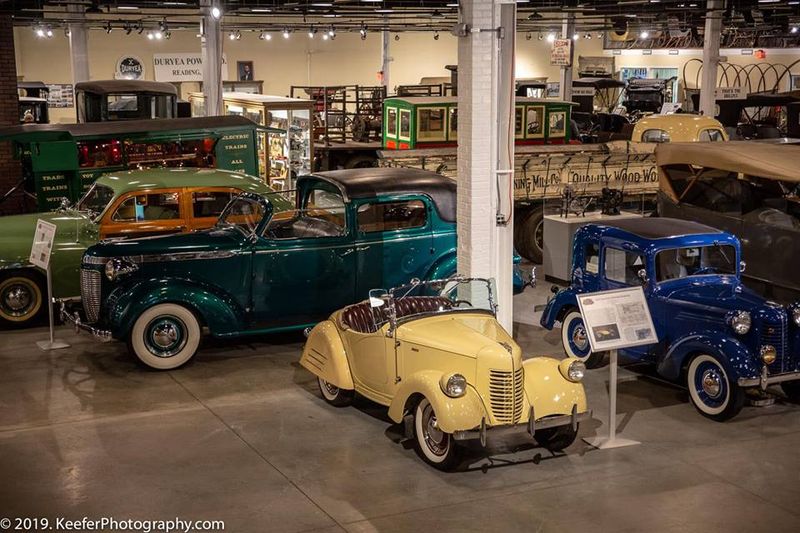
Some of the vehicles at the Boyertown Museum of Historic Vehicles are remarkably rare, and a few are the kind of pieces you do not stumble across in everyday collections.
That is not marketing language or museum hype; it is part of what makes each visit feel genuinely significant.
Collectors and automotive historians travel from far beyond Pennsylvania, and even from states like Ohio and beyond, just to stand in front of machines that are difficult to see elsewhere.
Knowing you are looking at something truly uncommon changes your relationship with a vehicle in an interesting way.
The museum staff takes obvious pride in pointing out which pieces hold that extraordinary distinction, and their enthusiasm is contagious.
When a guide mentions that what you are looking at is extremely rare, it is a quietly thrilling moment that stays with you long after you leave.
Electric Vehicles Were Around Over 100 Years Ago
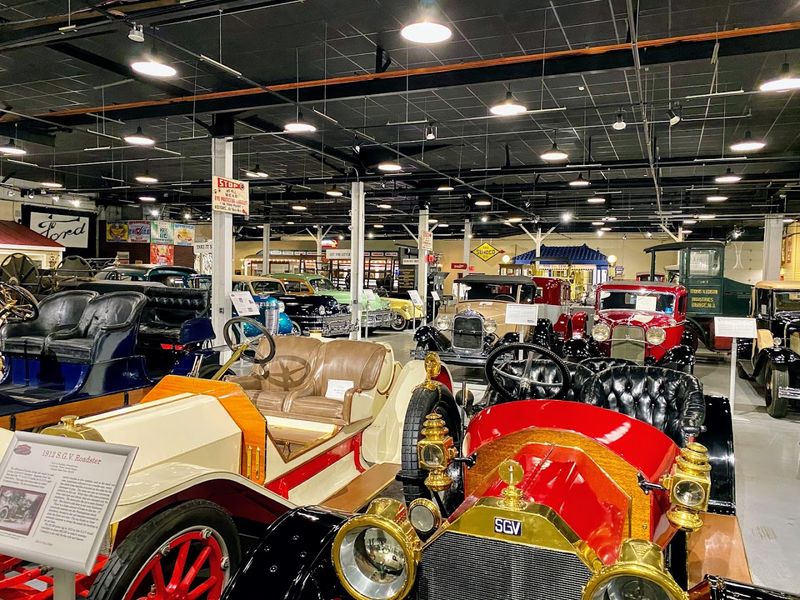
Long before electric cars became a modern trend, Pennsylvania engineers were already building battery-powered vehicles in the early 1900s.
The Boyertown Museum of Historic Vehicles has a collection of these early electric cars and trucks that genuinely stops visitors in their tracks.
One particularly jaw-dropping exhibit features an early electric vehicle connected to heavy-duty work, a reminder that engineers thought big about what electric power could accomplish.
These machines predate much of the automotive story that people usually credit to other states.
Seeing these vehicles in person reshapes the popular narrative that electric cars are a brand-new invention.
The craftsmanship involved in building them without modern tools or computer-aided design is humbling, and it gives today’s electric vehicle moment a fascinating and surprisingly deep historical context that most drivers never consider.
A Real Diner Transported Inside the Museum
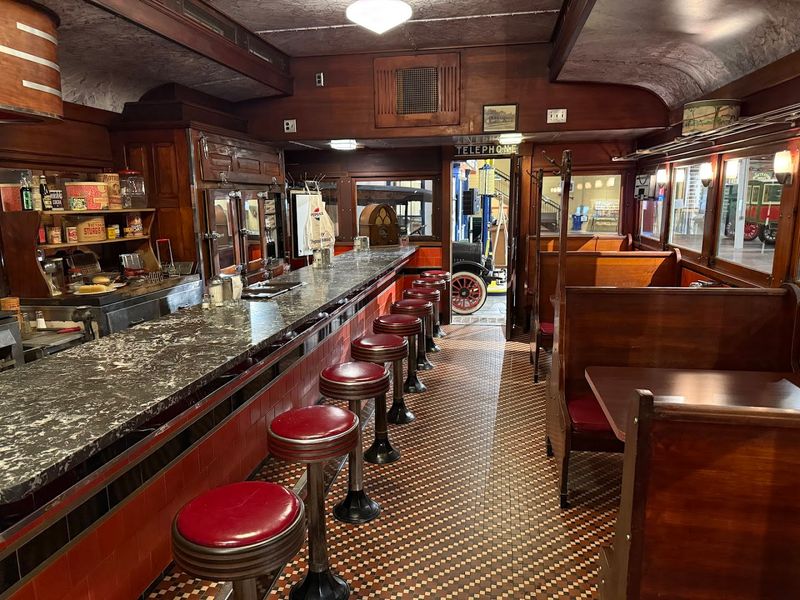
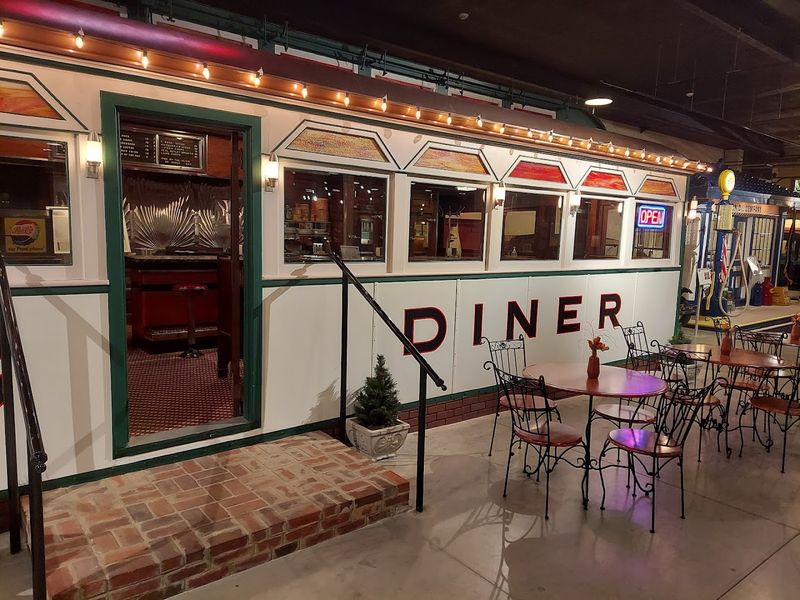
Right in the middle of the vehicle collection sits something completely unexpected: a full-size, authentic diner that was transported from Reading, Pennsylvania, and installed inside the museum.
Known as Fegely’s Reading Diner, it is one of the most talked-about features at the Boyertown Museum of Historic Vehicles.
Stepping inside the diner feels like a genuine time-travel experience, with period-correct details that transport you straight back to mid-century America.
The museum occasionally hosts special events where visitors can sit inside the diner, making it more than just a static display.
Nothing quite like this exists at automotive museums in Ohio or anywhere else in the region, and that novelty alone makes it worth the trip.
The diner serves as a reminder that transportation history is really a story about American life, community, and the culture that grew up around the open road.
Horse Carriages and the Road to the Automobile
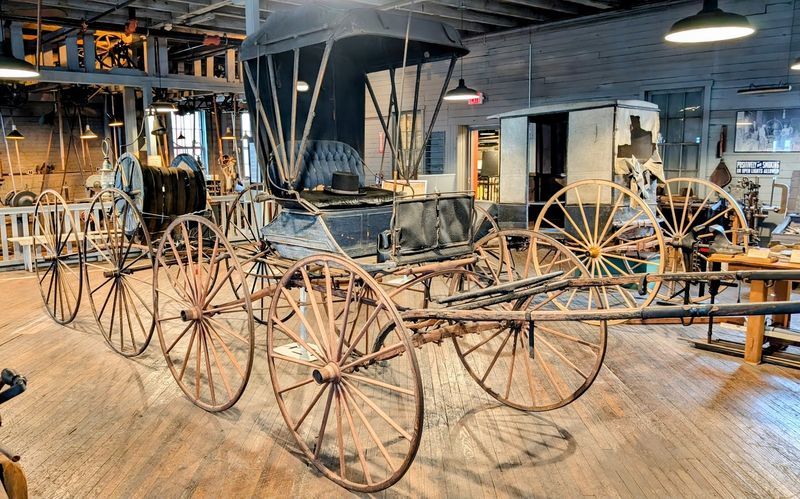
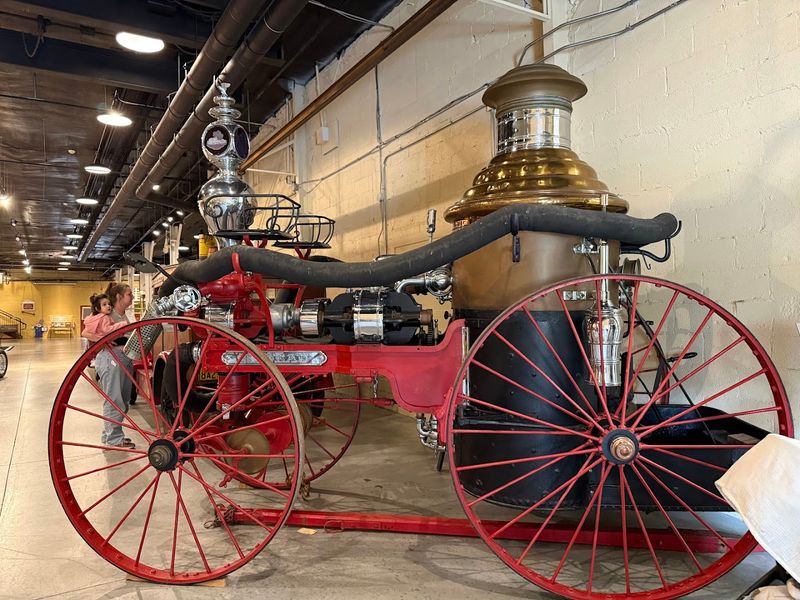
The story of the automobile does not start with gasoline engines; it starts with horse-drawn carriages, and the Boyertown Museum of Historic Vehicles tells that full story beautifully.
The carriage house section of the museum houses an impressive collection of pre-automobile transportation that surprises many visitors who came only expecting cars.
A blacksmith demonstration is sometimes part of the experience during special programs, showing the metalworking craft that made carriage production possible and giving visitors a chance to ask questions.
That hands-on element transforms what could be a passive exhibit into an engaging, interactive experience.
The transition from horse power to engine power is one of the most dramatic technological leaps in human history, and seeing it laid out physically across a museum floor makes the story click in a way that textbooks never quite manage.
The carriage collection alone would justify a visit from anywhere, including Ohio.
An Early Sun Oil Gas Station on the Museum Floor
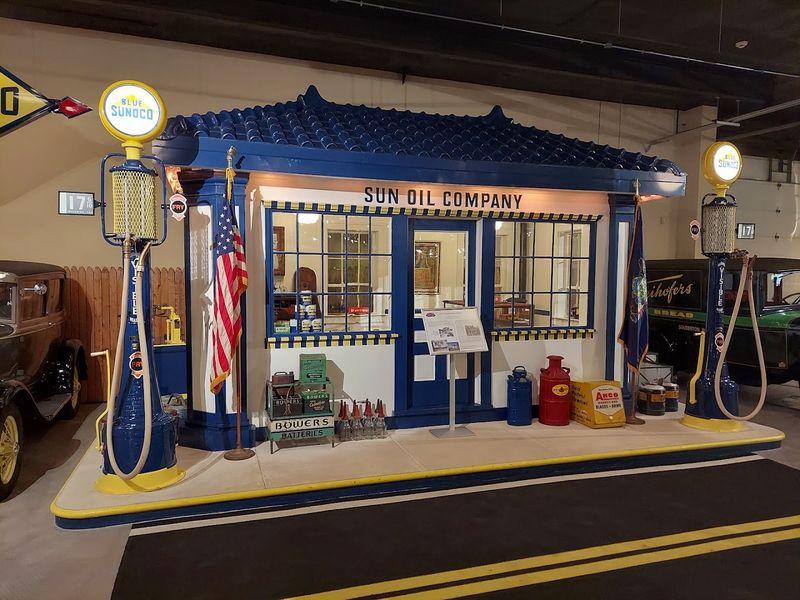
Tucked among the vehicles on the main floor is a fully recreated early Sunoco gas station, complete with period-correct pumps and signage.
It fits so naturally into the surrounding collection that it feels less like a display and more like a functional piece of the neighborhood that somehow got preserved in amber.
Gas stations were the infrastructure that made the automobile revolution possible, and including one inside the Boyertown Museum of Historic Vehicles adds important context to every car parked nearby.
You start to see the vehicles not just as machines but as part of a whole ecosystem of roads, fuel stops, and daily life.
Ohio and Pennsylvania both have deep roots in the petroleum industry, so this exhibit carries regional resonance beyond simple nostalgia.
The attention to detail in the restoration is remarkable, right down to the product labels on the oil cans lining the shelves.
Knowledgeable Guides Who Bring History to Life
One of the most consistent things visitors say about the Boyertown Museum of Historic Vehicles is that the staff and volunteer guides are extraordinary.
These are not people reading from a script; they are passionate historians who know the backstory of nearly every vehicle on the floor.
Guides have been known to give what feels like a private tour, sharing personal stories and obscure facts that turn a casual browse into a genuine education.
That kind of human connection is increasingly rare in the age of audio guides and digital kiosks.
Automotive museums in Ohio and across the country often struggle to make their collections feel alive, but the people at this museum solve that problem effortlessly.
Having someone explain exactly why a particular early truck matters to Pennsylvania history, with obvious personal pride, is the kind of experience that makes a museum truly memorable.
A Collection That Spans Bicycles, Motorcycles, and Military Vehicles
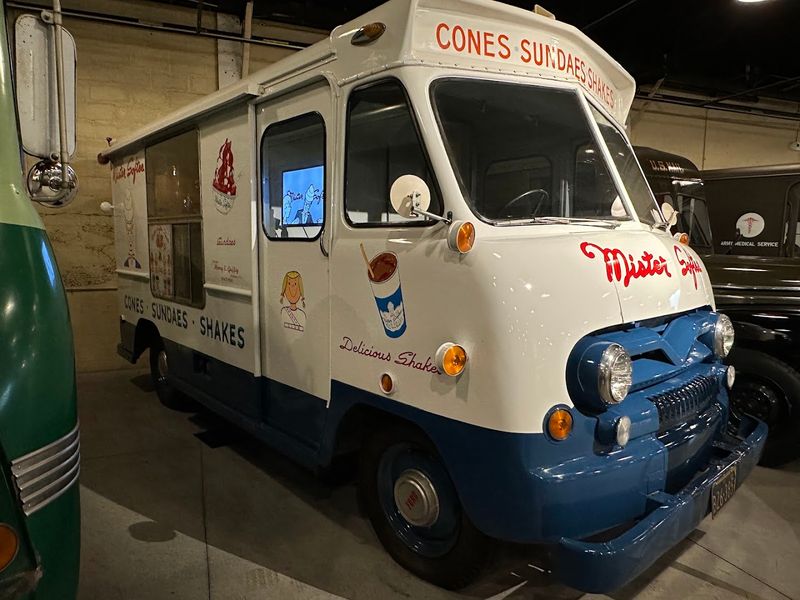
Many visitors arrive expecting rows of classic cars and nothing else, but the Boyertown Museum of Historic Vehicles covers a much wider range of transportation.
The collection includes antique bicycles, early motorcycles, mail vans, ambulances, and military vehicles, all connected by their Pennsylvania manufacturing roots.
That variety keeps the experience fresh no matter how long you spend inside, and it means there is genuinely something for every kind of visitor.
Kids who might not care about a 1910 touring car often light up when they spot an old military vehicle or a bicycle that looks nothing like anything they have ever ridden.
Compared to more narrowly focused automotive museums in Ohio and elsewhere, this breadth of collection tells a richer and more complete story about how people moved themselves and their goods across a changing landscape.
The diversity of machines on display is one of the museum’s greatest and most underappreciated strengths.
Practical Tips for Planning Your Visit
Planning a trip to the Boyertown Museum of Historic Vehicles is straightforward, and knowing a few details in advance makes the experience even better.
The museum is open daily from 9:30 AM to 4:00 PM and is located at 85 South Walnut Street in Boyertown, Pennsylvania 19512, with plenty of parking available nearby.
Admission is very reasonably priced, and most visitors find that two hours is enough time to see everything comfortably, though some enthusiasts happily spend longer.
Checking the website at boyertownmuseum.org is a smart move, since special events are held throughout the year.
Travelers making a road trip from Ohio or from anywhere across the Mid-Atlantic region will find the museum easy to reach and well worth adding to an itinerary.
The combination of rare vehicles, hands-on atmosphere, and genuinely passionate staff makes this one of the most rewarding museum stops in all of Pennsylvania.