
The Longest Cave In Arizona Is Hidden Beneath An Unexpected Landscape
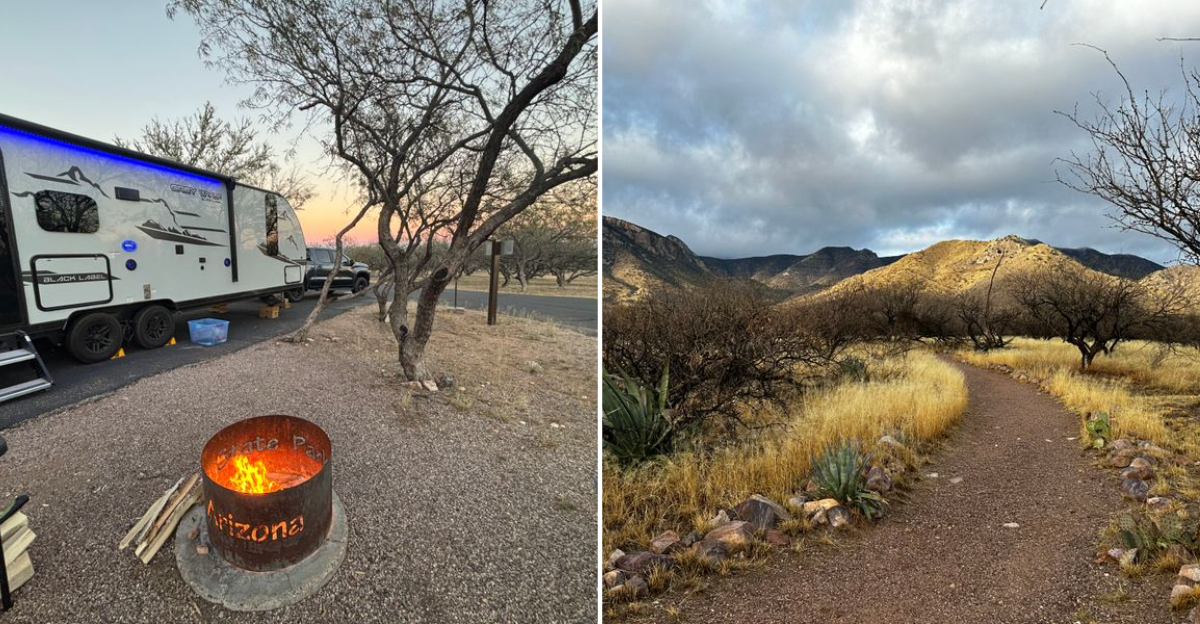
When I first heard about Kartchner Caverns, I pictured Arizona’s typical desert scenery-cacti, red rocks, and endless sunshine.
What I didn’t expect was discovering one of the world’s most spectacular limestone caves hidden beneath rolling grasslands and scrubby hills near the tiny town of Benson.
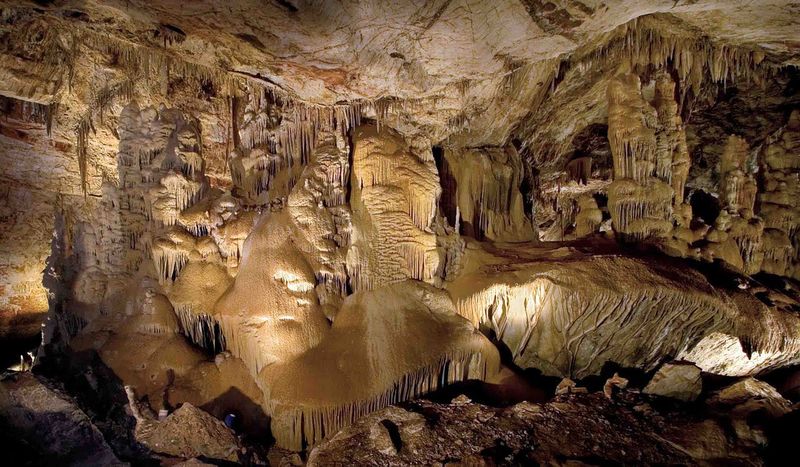
This living cave system stretches over 2.4 miles underground and features formations so delicate and stunning that they’ll leave you speechless. Stepping inside feels like entering a hidden cathedral carved by nature itself, where every stalactite and stalagmite tells a story millions of years in the making.
It’s a magical world beneath the Arizona desert, where silence, shadow, and dripping crystal formations create an otherworldly experience you won’t find anywhere else.
A Secret Kept For Fourteen Years
Picture two college students crawling through a narrow crack in the Whetstone Mountains back in 1974, completely unaware they were about to stumble upon one of North America’s greatest geological treasures.
Randy Tufts and Gary Tenen discovered Kartchner Caverns by following a thin stream of warm, moist air seeping from the rocks. What happened next amazed me when I learned about it-they kept their discovery completely secret for fourteen years!
These guys understood something special when they saw it. Instead of blabbing to everyone and letting the cave get destroyed, they worked quietly with the landowners, the Kartchner family, to protect it.
They knew that most caves open to the public end up damaged by careless visitors touching formations or leaving trash behind.
Walking through the visitor center, I watched a fantastic film about their journey. The dedication these discoverers showed still gives me goosebumps.
They literally camped outside the state capitol, lobbying politicians to turn the cave into a protected state park.
Their patience paid off when Arizona purchased the land in 1988, ensuring future generations could experience this underground wonderland safely and responsibly.
The Throne Room’s Jaw-Dropping Formations
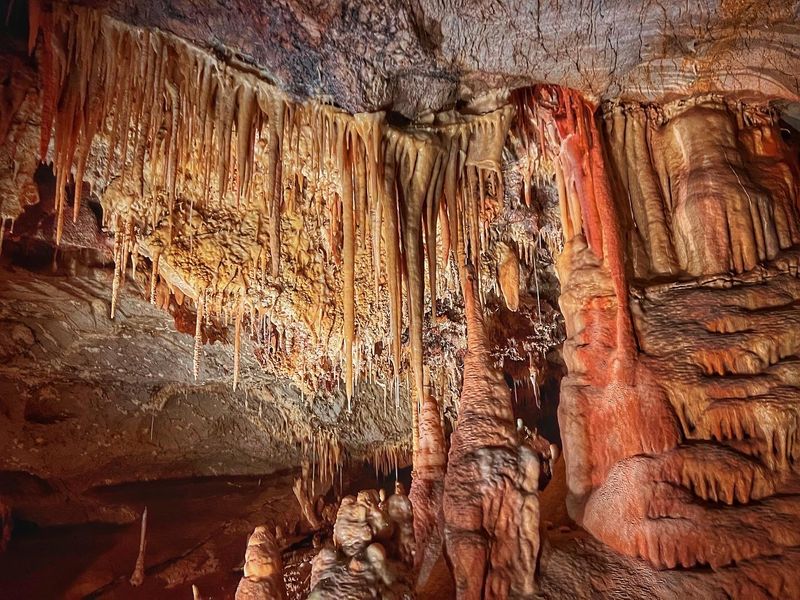
My jaw literally dropped when I stepped into the Throne Room for the first time. This chamber houses some of the most intricate and colorful cave formations I’ve ever witnessed, and I’ve explored caves across three continents.
The highlight? A massive column called Kubla Khan that towers 58 feet high—the tallest in Arizona!
Our guide explained how these formations grow incredibly slowly, about the width of a human hair every century. That means some of the structures surrounding me were hundreds of thousands of years old.
Standing there in the dim lighting, with moisture dripping somewhere in the distance, I felt transported to an alien world right beneath Arizona’s desert surface.
The colors absolutely mesmerized me-rusty reds, creamy whites, and even hints of blue and green from different mineral deposits. Flowstone cascaded down walls like frozen waterfalls.
Draperies hung from the ceiling looking exactly like stone curtains.
My favorite moment came when our guide dimmed all the lights completely, plunging us into absolute darkness. When she slowly brought them back up, it felt like watching the cave come alive again, revealing secrets hidden for millennia.
The Big Room’s Record-Breaking Wonders
Visiting the Big Room felt like stepping onto another planet entirely. This massive chamber stretches over 400 feet long and contains some genuinely mind-blowing world records.
The most famous? A soda straw stalactite measuring 21 feet 2 inches-the longest in the world!
These delicate formations hang from the ceiling like stone straws, hollow in the center where water once dripped through.
I remember craning my neck upward, trying to spot these fragile wonders in the carefully positioned lights. Our guide warned us that even breathing heavily near them could cause damage, which is why the park maintains such strict protection protocols.
One careless touch could destroy formations that took tens of thousands of years to create.
The Big Room tour operates seasonally because thousands of cave myotis bats roost here during their maternity season from April through October.
I visited during winter when the bats were absent, but I’d love to return someday during the brief windows when rangers offer special bat-viewing experiences. The room maintains a constant temperature around 68 degrees with nearly 100% humidity, making it feel like a warm, damp hug from Mother Earth herself.
State-Of-The-Art Cave Protection
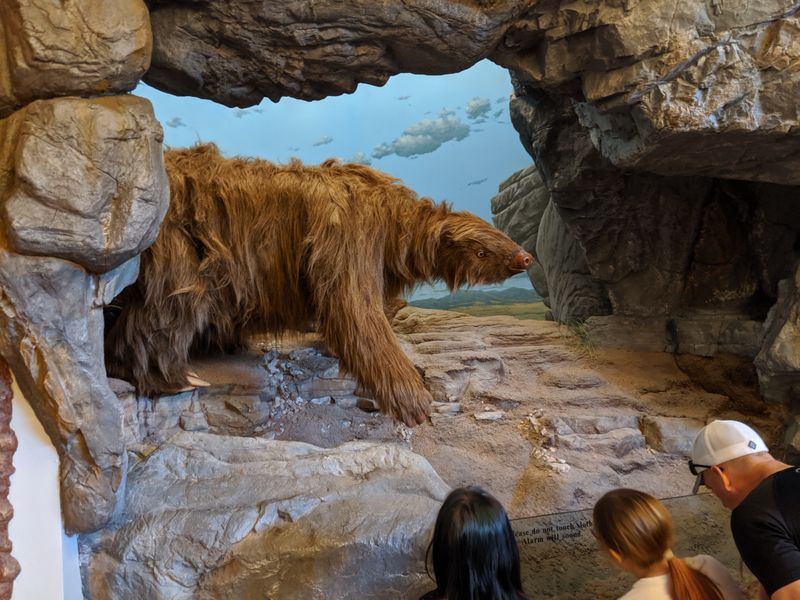
What truly impressed me about Kartchner Caverns wasn’t just the natural beauty-it was the incredible engineering designed to preserve it. Before entering the cave, everyone passes through a series of airlocks that maintain humidity levels and prevent outside air from damaging the delicate formations.
These misting chambers feel slightly surreal, like something from a science fiction movie.
During my visit, a ranger explained how they installed all the walkways, lighting, and infrastructure without harming a single formation.
Engineers literally suspended workers on cables to drill holes for the pathways. The lighting system uses low-heat LEDs positioned specifically to prevent algae growth, which plagued many older cave systems with traditional bulbs.
No photography is allowed inside, which initially disappointed me until I understood the reasoning. Camera flashes can promote algae growth and disturb the cave’s delicate ecosystem.
Plus, forcing everyone to put away their phones creates a more immersive experience.
Instead of viewing the cave through a screen, I actually experienced it with my own eyes, fully present in the moment. Honestly, that policy made my visit so much more meaningful and memorable than if I’d spent the whole time trying to capture the perfect Instagram shot.
The Discovery Center Experience

Before descending underground, I spent over an hour exploring the Discovery Center, and I’m so glad I arrived early. This isn’t your typical boring museum with dusty displays—it’s an interactive learning experience that genuinely entertained me.
The architecture itself mimics the cave’s natural curves and earth tones, blending beautifully into the surrounding landscape.
Inside, hands-on exhibits explain cave geology, formation processes, and the unique ecosystem thriving in darkness.
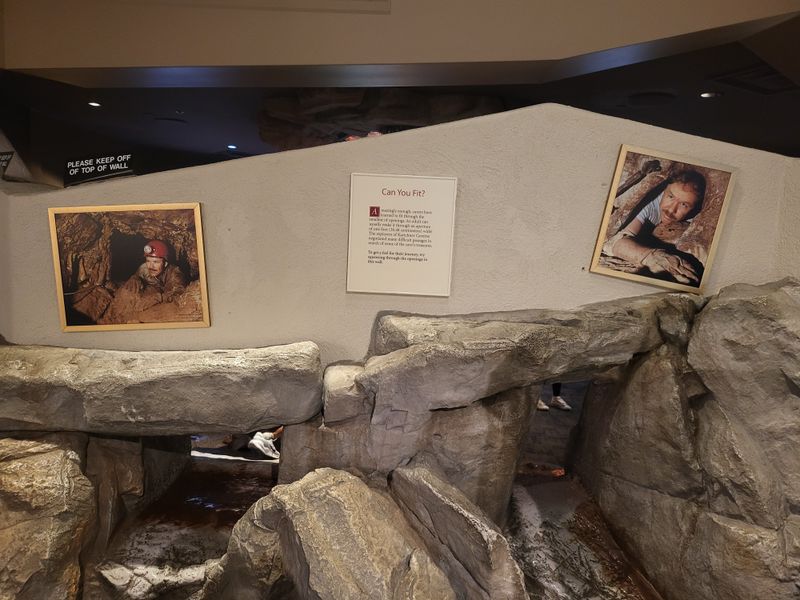
I particularly enjoyed the simulated crawl space where you can experience what Randy and Gary felt squeezing through tight passages during their initial exploration.
Kids absolutely love this part, though I watched several adults get stuck halfway through and have to back out, laughing!
The theater presentation about the cave’s discovery and development moved me unexpectedly. Watching footage of the Kartchner family’s commitment to preservation and the state’s careful planning reminded me that humans can sometimes get conservation right.
The gift shop offers quality souvenirs beyond typical tourist junk—I bought a beautiful book about Arizona caves and a chunk of local limestone for my rock collection. Grab lunch at the café beforehand because once you’re on your tour, you’re committed for the next ninety minutes.
Hiking The Surrounding Foothills
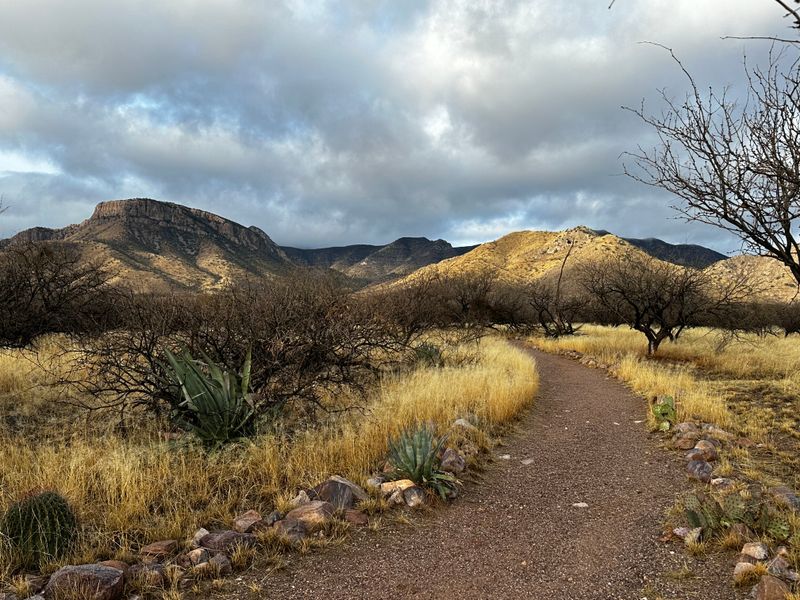
Most visitors focus exclusively on the cave tours, but they’re missing out on some genuinely pleasant desert hiking. After my underground adventure, I needed to stretch my legs, so I tackled the Foothills Loop Trail.
This moderate 2.4-mile path winds through classic Sonoran Desert terrain with surprising variety.
The landscape here doesn’t match most people’s Arizona expectations. Instead of towering saguaro cacti, you’ll find grasslands dotted with mesquite, ocotillo, and agave plants.
The Whetstone Mountains rise dramatically in the distance, creating a scenic backdrop for photos.
I spotted several bird species I’d never seen before, including a brilliant vermillion flycatcher that posed cooperatively on a nearby branch.
Spring wildflower season transforms these hills into a colorful tapestry, though I visited in winter when everything looked brown and dormant. Even then, the hiking proved enjoyable with mild temperatures and clear skies.
The trail offers several overlooks where you can pause and contemplate the hidden world existing just beneath your feet. Bring plenty of water regardless of season-this is still Arizona desert, after all.
I finished the loop in about ninety minutes, taking my time to enjoy the scenery and recover from the cave’s humidity.
The Campground Worth Extending Your Stay
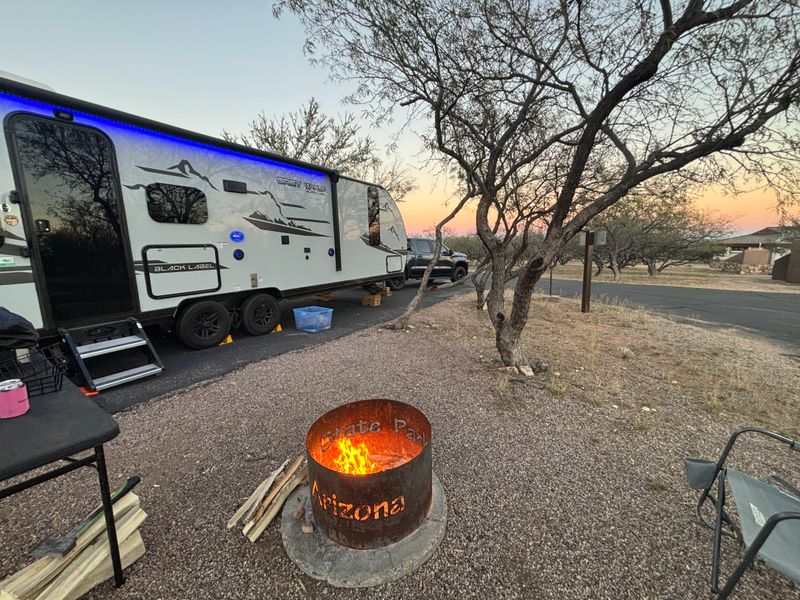
Originally, I planned to visit Kartchner Caverns as a day trip from Tucson, but after researching the on-site campground, I decided to spend the night.
Best decision ever! The RV and tent sites nestle into the foothills with surprisingly good spacing between spots, offering more privacy than typical state park campgrounds.
My site came equipped with electric and water hookups, though I tent camped and didn’t need them. The bathrooms stay remarkably clean, with hot showers available-a luxury I’ve learned not to take for granted at desert campgrounds.
One evening, I sat outside my tent watching the sunset paint the Whetstone Mountains in shades of orange and purple while coyotes yipped in the distance.
Camping here lets you experience the desert’s magic during the cooler morning and evening hours when wildlife becomes active. I woke before dawn to catch the sunrise and spotted a family of javelinas rooting around near the campground entrance.
The night sky absolutely exploded with stars, free from light pollution. Just remember that winter nights get surprisingly cold-I shivered in my sleeping bag despite bringing extra blankets.
Book well ahead during peak season because these spots fill up fast, especially during spring break and holidays.
Planning Your Underground Adventure
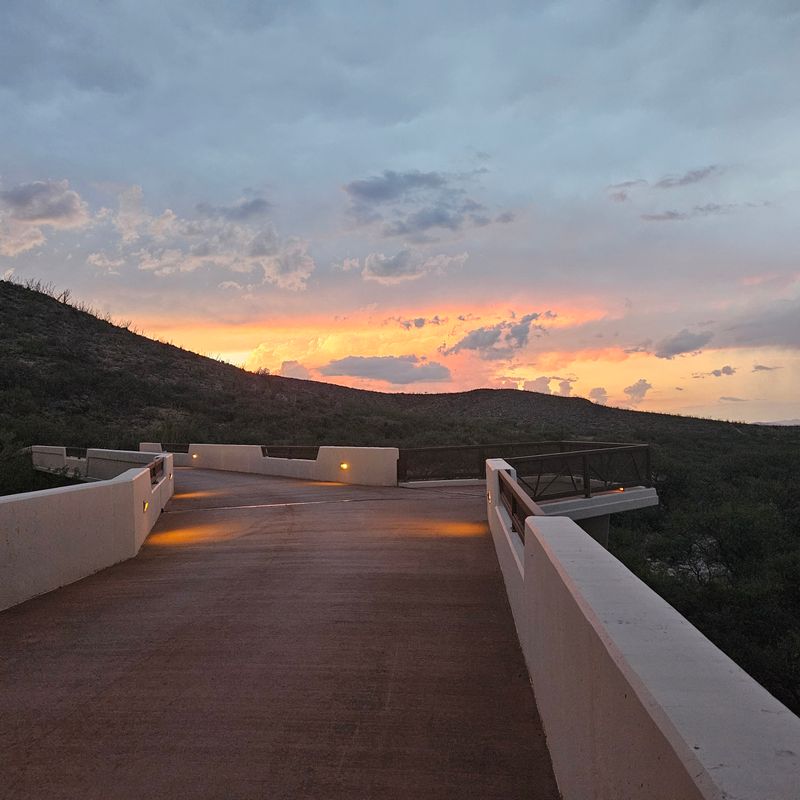
Here’s something crucial I learned the hard way: you absolutely must book cave tours in advance! I showed up on my first attempt thinking I could buy tickets at the door, only to discover every tour sold out for the next three days.
The park offers two different tours-Rotunda/Throne Room and Big Room-and I recommend experiencing both if your schedule allows.
Tours run year-round, though the Big Room closes during bat maternity season from mid-April through mid-October. Each tour lasts approximately 90 minutes and involves walking about half a mile on paved, accessible pathways.
The park maintains the cave at its natural temperature of 68 degrees with nearly 100% humidity, so dress accordingly. Forget heavy jackets-you’ll actually feel warm and slightly sticky inside.
Arrive at least 30 minutes before your scheduled tour to check in, use restrooms, and secure your belongings in provided lockers. No bags, purses, or backpacks are permitted inside the cave.
Photography is strictly prohibited to protect the cave’s ecosystem. Tours accommodate up to 20 people, creating an intimate experience rather than feeling like cattle herded through a tourist trap.
The rangers leading tours genuinely love their jobs, sharing fascinating geological details with infectious enthusiasm that enhanced my entire experience immeasurably.