
The Magical Underwater Observatory In Florida Where You’ll Meet Manatees Face-To-Face
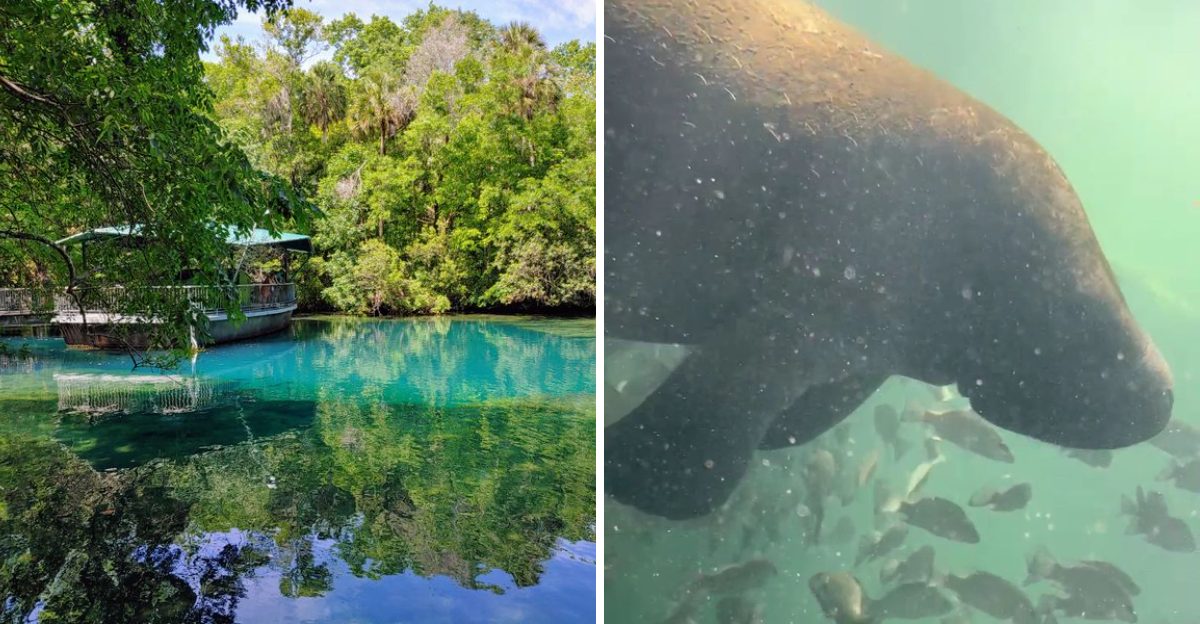
Ever wondered what it feels like to step into another world without leaving Florida?
There’s a place where the rules flip, where you’re the one inside the glass and nature is the one watching back. Instead of peering into tanks, you descend into a hidden underwater room while gentle shapes glide past, slow, silent, and completely unbothered by your amazement.
It feels less like visiting an attraction and more like slipping quietly into a secret chapter of the natural world.
One moment you’re standing on land, the next you’re face to face with creatures that move like drifting clouds, close enough to study every whisker and ripple. Conversations fade.
Eyes widen. Time slows.
Is it peaceful? Absolutely.
Is it surreal? Without question.
Is it the kind of Florida experience people talk about for years afterward?
You already know the answer.
Because some places don’t just show you wildlife—they invite you into its world.
Descending Into The Fish Bowl
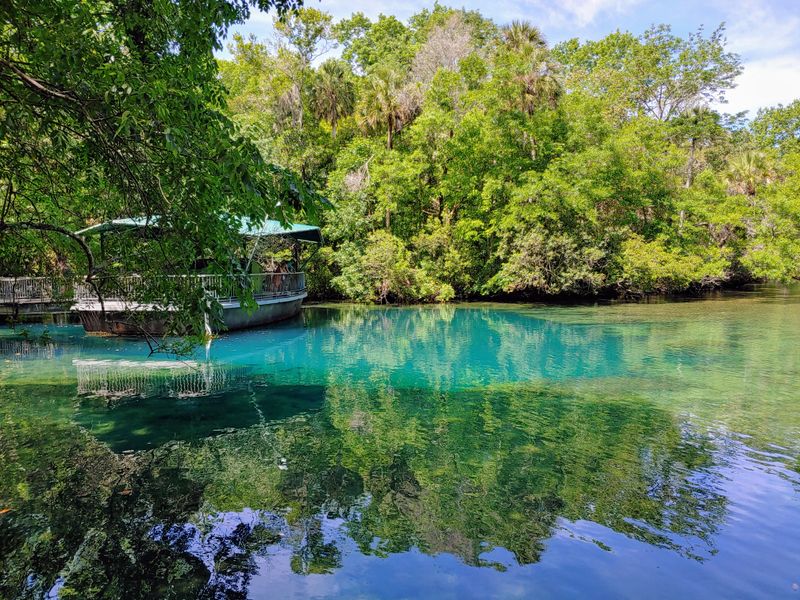
Walking down the spiral staircase into the Fish Bowl feels like entering a secret world that most people never knew existed. The temperature drops a few degrees as you descend below the waterline, and suddenly you’re surrounded by windows looking out into the spring itself.
This isn’t some manufactured exhibit with pumped-in water and artificial rocks. You’re standing inside Homosassa Springs, a natural first-magnitude spring that pumps out millions of gallons of crystal-clear water every single day.
The observatory was built right into the spring head, creating a viewing chamber that puts you at eye level with whatever decides to swim past. On my first visit, I pressed my nose against the glass like a kid at a candy store, watching a manatee the size of a small car drift by with the grace of a ballerina.
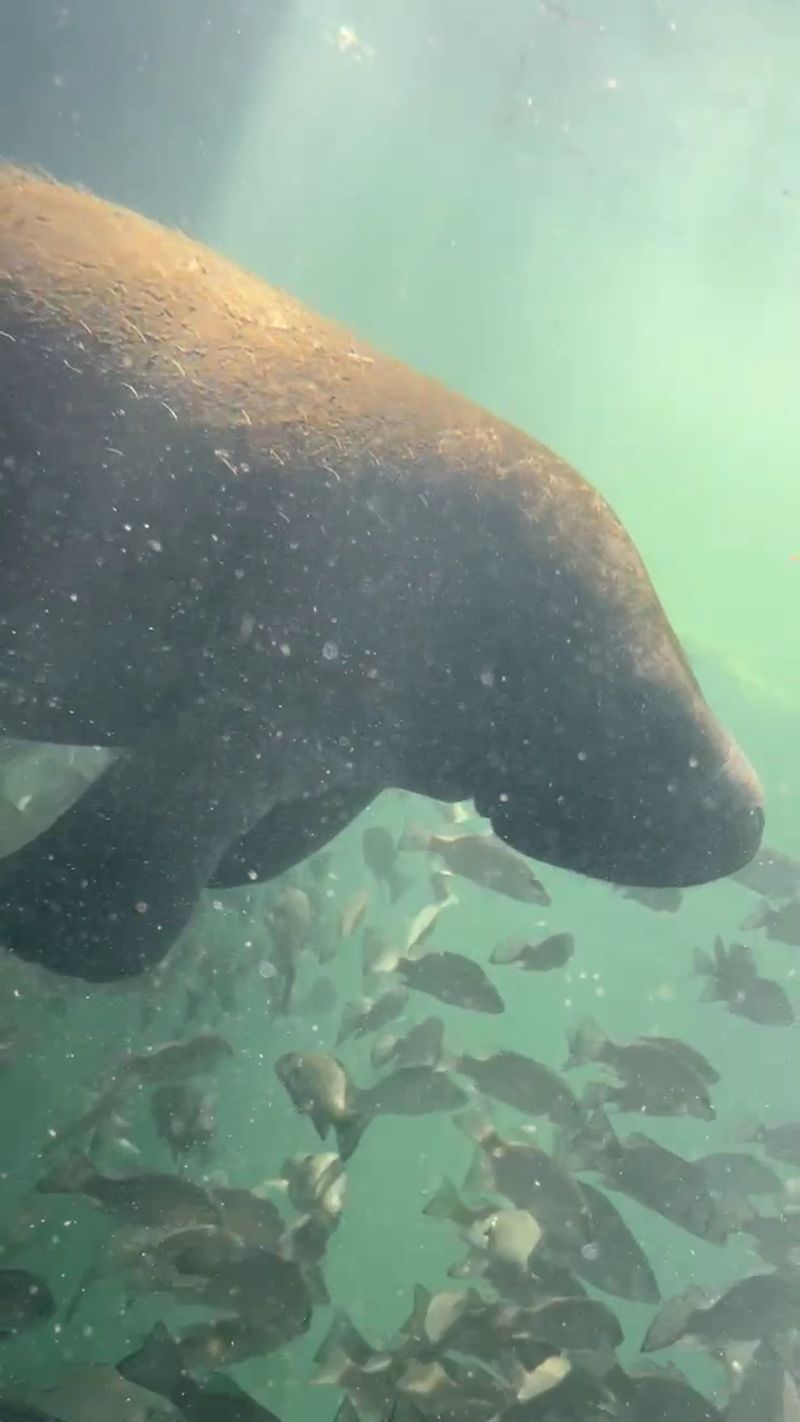
The Fish Bowl doesn’t just offer manatee sightings, though they’re certainly the main attraction during cooler months when these gentle giants seek the spring’s constant 72-degree water. I counted at least fifteen manatees during one winter morning visit, some floating motionless like submarines at rest, others munching on lettuce that rangers toss in during feeding time.
Schools of massive snook circle the space, their silvery bodies flashing in the sunlight that filters down from above.
What makes this experience truly magical is the perspective shift it provides, turning you into the observed rather than the observer in nature’s aquarium — a rare encounter waiting quietly at 4150 S Suncoast Blvd, Homosassa, Florida.
Meeting The Resident Manatees
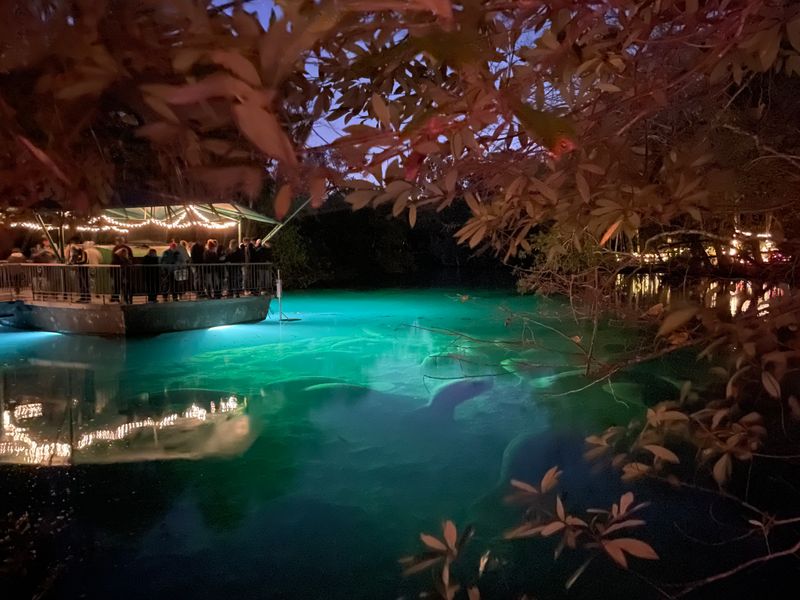
Manatees have faces only a mother could love, unless you’re standing in the Fish Bowl watching one approach the glass with curiosity written all over its whiskered snout. These creatures look like they were assembled from leftover parts, yet somehow the combination works perfectly.
Their paddle-shaped tails propel their rotund bodies with surprising elegance, and those tiny eyes seem to study you with genuine interest.
The park serves as a refuge for manatees that can no longer survive in the wild due to injuries, illness, or other complications. Some residents are permanent, unable to be released, while others are temporary guests healing from boat strikes or cold stress.
During my visits, rangers explained that the spring’s warm water makes it a natural gathering spot for wild manatees too, especially when Gulf temperatures drop below their comfort zone.
Watching these animals interact with each other provides endless entertainment. I’ve seen mothers nursing their calves, young manatees playing what looked suspiciously like tag, and older individuals simply floating in apparent meditation.
Their slow-motion lifestyle seems designed to lower your blood pressure just by observation. One particular morning, a manatee positioned itself directly in front of my window and proceeded to scratch its back against the glass, wiggling with obvious pleasure.
The feeding demonstrations offer another layer of connection, as rangers share individual stories about each manatee while tossing them romaine lettuce and carrots through special feeding tubes.
The Unexpected Stars Of The Show
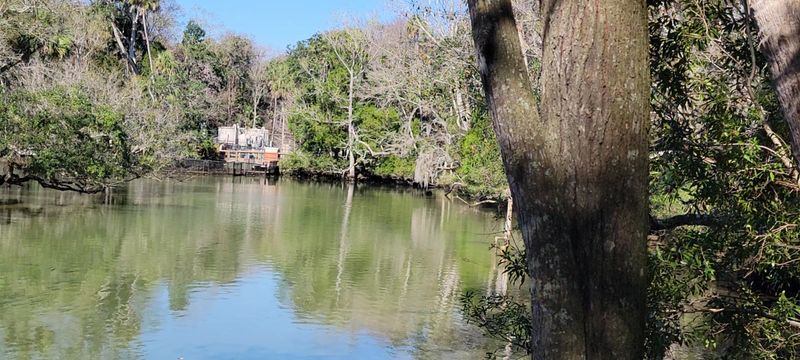
Everyone comes for the manatees, but the snook steal the show if you give them half a chance. These silvery fish congregate in the Fish Bowl by the hundreds, creating a living curtain that parts and reforms as they cruise past the windows.
Some specimens stretch three feet long, their prehistoric-looking faces and powerful bodies commanding respect even through the safety of glass.
I found myself mesmerized by their synchronized swimming patterns, the way they’d all turn at once like a single organism responding to some invisible signal. The spring’s clarity lets you see every detail: the distinctive black lateral line running down their sides, the way their fins adjust for micro-movements, even the smaller fish that tag along hoping for scraps.
Sheepshead, mullet, and various other species add to the aquatic parade, but the snook dominate through sheer numbers and size.
Rangers told me the fish population exploded after the park stopped allowing fishing in the spring decades ago. Now it serves as a nursery and refuge, with generations of fish living their entire lives in this protected bubble.
The diversity surprises first-time visitors who expected only manatees. I watched a massive snook position itself vertically, nose-down, apparently napping in the water column while smaller fish investigated its tail.
The Fish Bowl’s windows provide a front-row seat to behaviors most anglers never witness, making it valuable for anyone interested in Florida’s aquatic ecosystems beyond the charismatic mammals.
The Wildlife Loop Above Water
After surfacing from the Fish Bowl, the real adventure begins along the wildlife loop that winds through the park’s rehabilitation areas. This isn’t a traditional zoo where animals pace behind bars.
Most enclosures use natural barriers and provide spaces so generous that spotting the residents sometimes requires patience and a sharp eye. The boardwalk keeps you elevated above the wetlands, offering perfect sightlines into habitats designed for Florida’s native species that can’t return to the wild.
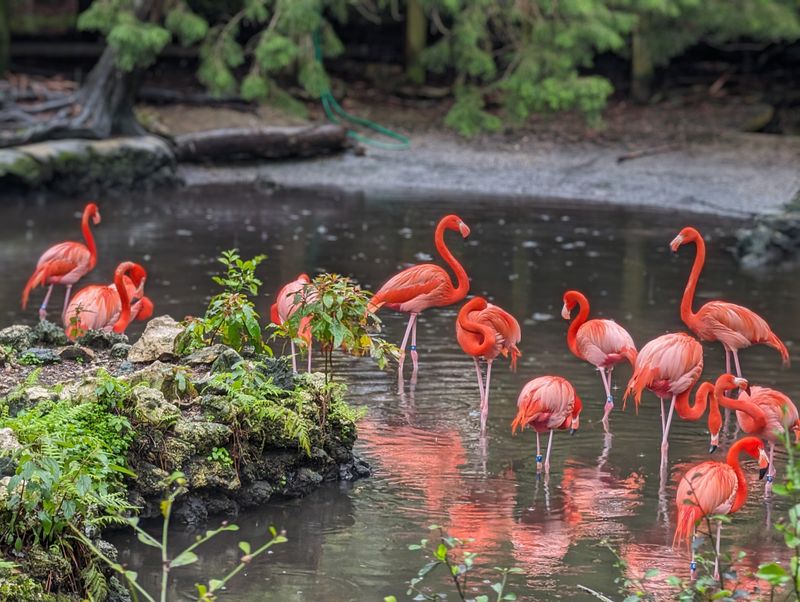
I’ve walked this loop dozens of times, and each visit reveals something new. The flamingo flock provides the most photogenic moment, their pink plumage shocking against green foliage as they wade through shallow pools.
Black bears lumber through wooded enclosures that give them room to exhibit natural behaviors. A Florida panther, one of the state’s most endangered animals, watches visitors with golden eyes from a habitat that mimics its natural territory.
The bird aviaries deserve extra time, with everything from bald eagles to various owl species residing in spacious flight enclosures. During one visit, I watched a red-shouldered hawk demonstrate its hunting dive, swooping down to grab its meal with precision that made me grateful for the protective netting.
Alligators bask on banks, bobcats prowl through palmetto thickets, and white-tailed deer graze peacefully, all animals that arrived injured or orphaned and found permanent homes here.
The loop takes about an hour at a leisurely pace, though I’ve stretched it to two when animal activity peaks during feeding times.
The Journey To The Park
Getting to the main park area offers its own adventure, with visitors choosing between a tram ride or a boat cruise along a narrow waterway lined with old Florida charm. I always choose the boat when available, despite the tram’s efficiency, because that ten-minute ride through the canal sets the perfect mood.
The pontoon-style vessel putters along at a pace that lets you absorb the scenery: cypress trees dripping with Spanish moss, turtles sunning on logs, herons stalking the shallows.
The boat captain narrates the journey, sharing history about the spring’s past as a tourist attraction dating back to the 1920s and pointing out wildlife along the route. On one trip, we spotted a small alligator cruising alongside the boat, completely unbothered by our presence.
Another time, a manatee surfaced right next to us, its broad back breaking the water’s surface before it dove back down into the channel’s depths.
The tram provides a quicker alternative for those with mobility concerns or tight schedules, running along a paved path that parallels the boat route. Both options deposit you at the same entrance area, where you’ll pay admission before accessing the Fish Bowl and wildlife loop.
The return trip offers a second chance to spot animals you might have missed, and I’ve learned to keep my camera ready throughout.
This transitional journey, whether by boat or tram, helps visitors mentally shift from highway traffic to the slower rhythm of a natural spring ecosystem.
Seasonal Spectacles And Special Events
Winter brings the highest concentration of manatees to Homosassa Springs, turning the Fish Bowl into standing-room-only entertainment as dozens of the marine mammals pack into the spring’s warm embrace. I’ve visited during January cold snaps when the observatory hosted twenty or more manatees simultaneously, their bodies layered like living puzzle pieces in the limited space.
Cold weather that sends most tourists fleeing north actually creates the best viewing opportunities here, as manatees abandon the chilly Gulf waters for the spring’s reliable 72-degree temperature.
The park transforms during the holiday season with Christmas light displays that turn the evening wildlife loop into a glowing wonderland. This after-hours event lets visitors experience the park in darkness, with thousands of lights illuminating the pathways and creating magical scenes throughout the habitats.
Animals often become more active during cooler evening temperatures, and I’ve had better black bear sightings during holiday light events than on daytime visits.
Spring and fall offer milder weather that makes the walking loop more comfortable, though manatee numbers drop as the gentle giants disperse into coastal waters. Summer brings afternoon thunderstorms that clear out crowds and create dramatic lighting for photography, plus you might have the Fish Bowl practically to yourself.
The park schedules regular educational programs year-round, including manatee feeding talks that explain each resident’s backstory and the threats facing wild populations.
Hurricane season can impact operations, as the park experienced significant damage in recent years but continues working toward full restoration while maintaining access to its main attractions.
Planning Your Visit
Smart planning turns a good visit into a great one, starting with arrival time. I’ve learned that reaching the park when it opens at 9 AM provides the best experience, with animals most active, crowds lightest, and the Fish Bowl offering clearer water before afternoon sediment stirs up.
The park closes at 5:30 PM, giving you a solid eight-hour window, though most visitors complete the full experience in three to four hours including the boat ride and wildlife loop.
Admission costs remain reasonable for a state park, and the fee includes access to everything except the boat ride, which carries a small additional charge. Annual state park passes work here, making it economical for locals who visit repeatedly throughout manatee season.
The park provides wheelchairs and mobility scooters can navigate the paved pathways easily, though the Fish Bowl’s spiral staircase presents challenges for some visitors. An elevator serves the observatory, ensuring everyone can experience the underwater views.
Comfortable walking shoes are essential, as the wildlife loop covers about a mile on boardwalks and paved paths. Florida’s weather demands preparation: sunscreen, hats, and water bottles for warm months, plus light jackets during winter mornings when temperatures can dip into the 40s.
The park allows outside food, and picnic areas near the entrance provide pleasant lunch spots. A small gift shop offers souvenirs, snacks, and drinks if you forget supplies.
The phone number (352) 423-5600 connects you with staff who can answer questions about current manatee numbers, recent wildlife sightings, and any temporary closures due to weather or maintenance.