
The Maine Town Just Crowned One Of America’s Top Remote Destinations
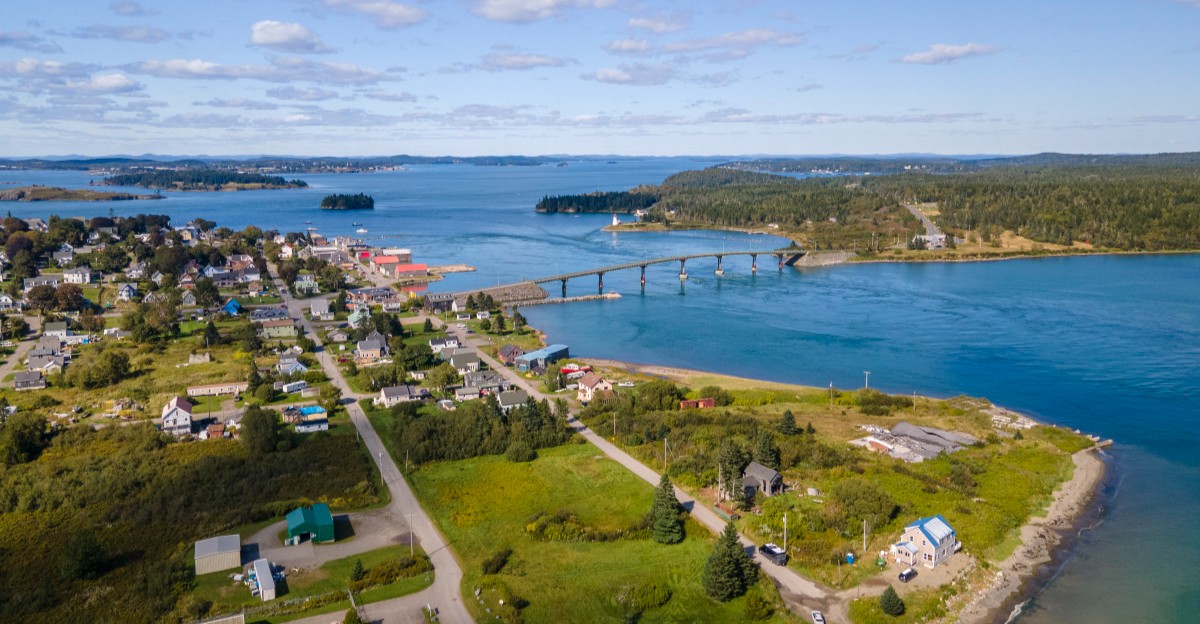
Imagine waking up so far east that sunrise feels like it belongs to you first. On a foggy morning in this tiny Maine fishing town, a red-and-white lighthouse can appear through the mist while seals surface in fast-moving channels nearby.
The ocean adds its own drama, rising and falling close to 20 feet with the tides. Canada sits just beyond the water, close enough for an international day trip without an airport in sight.
Life here moves at an unusually quiet pace. Traffic lights are hard to find, harbor views steal attention, and early mornings can feel wonderfully removed from the rest of the country.
Coastal trails lead past cliffs and unusual bog plants, while old waterfront buildings still carry reminders of a once-booming sardine industry. Even the nearby border crossing comes with a time-zone change.
Life At The Very Edge Of The Map
Picture waking up before the rest of the country and having the sunrise almost to yourself. That is part of daily life in Lubec, a small town in Washington County, Maine, in the United States.
It holds the title of easternmost municipality in the contiguous U.S., which makes it a true edge-of-the-map kind of place.
Around the spring and fall equinoxes, the headland here is one of the first spots in the nation to catch the morning light. Fun fact: Lubec is also the closest point in the continental United States to Africa.
You will not see Morocco across the water, but it is a great line to drop at dinner.
With only 1,237 residents counted in the 2020 census, the town feels quiet in the best way. There are no traffic jams, no giant billboards, and no crowds shoving for a photo spot.
That calm is exactly why travelers looking for true remoteness keep circling it on the map.
Plan to arrive a day early and check the sunrise time the night before. Set two alarms, pack a warm layer even in July, and bring a thermos of hot cocoa.
Early birds get more than the worm out here; they get the whole horizon.
A Lighthouse Dressed In Peppermint Stripes
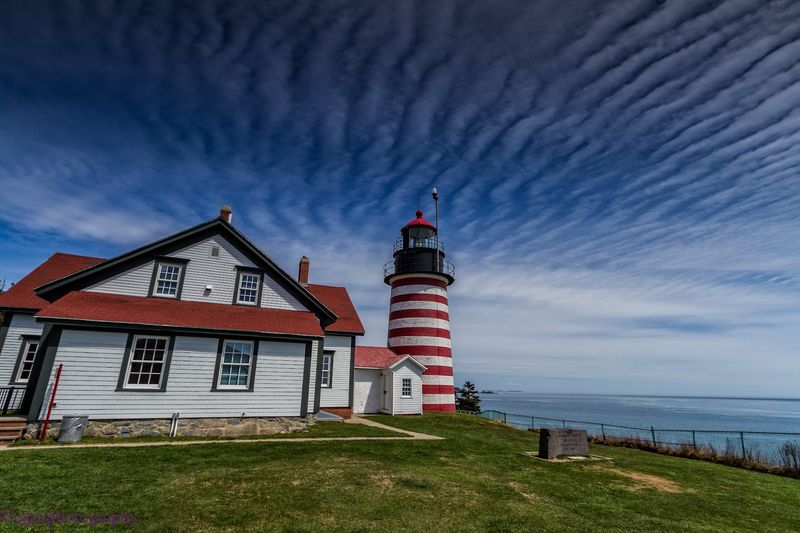
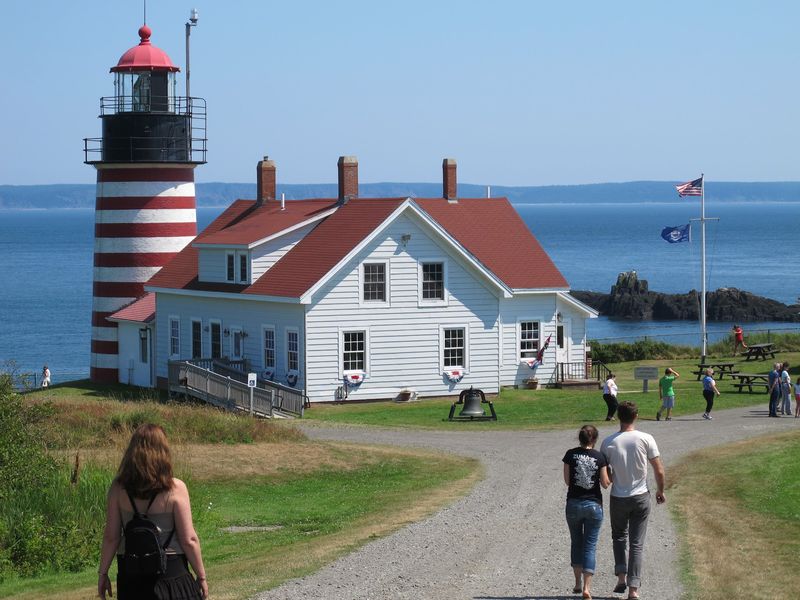
Red and white stripes give West Quoddy Head Light the look of a giant peppermint stick. The tower stands near the easternmost point of land in the contiguous United States, inside Quoddy Head State Park at 973 South Lubec Road.
It is one of the most photographed lighthouses in Maine, and one glance explains why.
The first light here was built in 1808 under President Thomas Jefferson. The current tower dates to 1858, and its bold stripes help sailors spot it against snow and thick fog.
Those stripes are not just for style, though they certainly nail that part too.
Next to the tower sits the old keeper’s house, which now holds a small visitor center and museum during the warmer months. Inside, you can learn how keepers tended the light and sounded fog signals through long, gray days.
Hours can change by season, so check before you go.
For the best photos, walk a few steps down the path toward the cliffs and shoot back toward the tower. Late afternoon light makes the red stripes glow warmly against the blue sky.
Just watch your footing, because the view can be distracting in a very good way.
Cliffside Trails And Bug-Eating Bogs
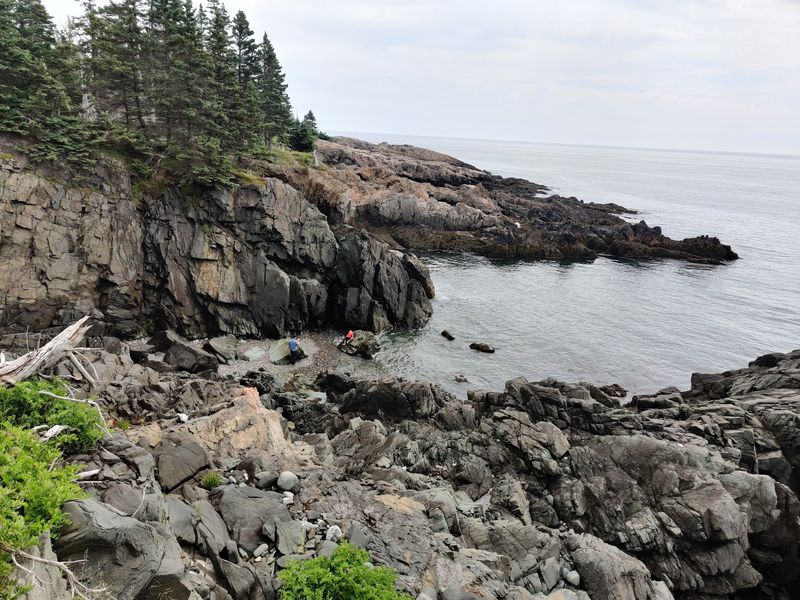
Lace up your boots, because the best parts of Quoddy Head State Park hide beyond the parking lot. The park spreads across hundreds of acres of forest, cliff, and shoreline, with several miles of trails to explore.
Each path shows off a different mood of the coast.
The Coastal Trail is the star. It hugs the edge of tall, dark cliffs, with lookout spots where the Atlantic crashes far below.
On clear days, you can spot Grand Manan Island in Canada floating on the horizon.
The full out-and-back hike to Carrying Place Cove runs about four miles and takes a few relaxed hours.
For something completely different, try the bog trail. A wooden boardwalk leads through a coastal peat bog filled with plants usually found much farther north, including carnivorous pitcher plants and sundews.
Yes, some of the plants here eat bugs, so the mosquitoes finally get what is coming to them.
Trails can be rocky, rooty, and slick when the fog rolls in, so sturdy shoes matter more than fancy ones. Bring water, a snack, and a light rain jacket.
Pack out every wrapper, and you will leave with nothing heavier than a camera roll full of cliffs.
Tides That Rewrite The Harbor Twice A Day
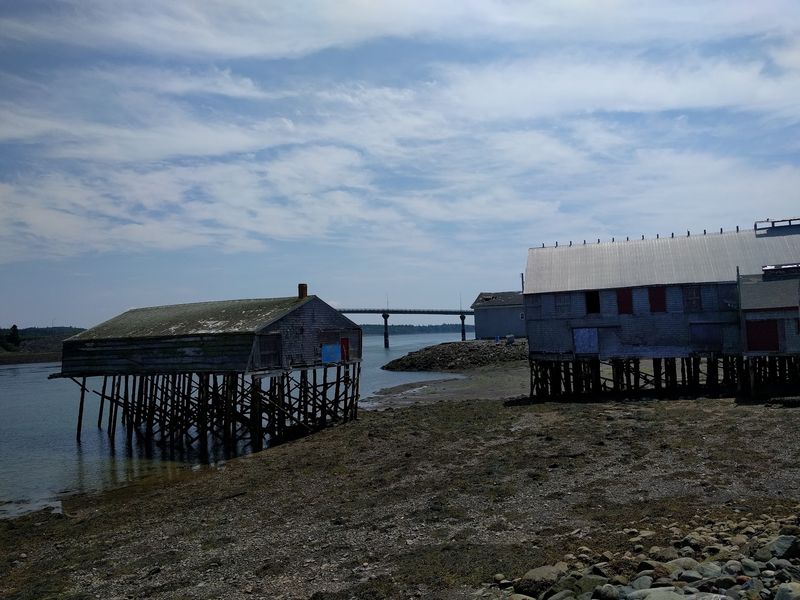
Twice a day, the ocean around Lubec pulls off a vanishing act. Thanks to its spot near the mouth of the Bay of Fundy, the town sees some of the biggest tides in the United States, with the water often rising and falling close to 20 feet.
Stand on the waterfront at low tide and you will see fishing boats resting on mud, wharf pilings coated in seaweed, and tide pools full of periwinkles and crabs. Come back about six hours later, and the same spot is deep water again.
The change is dramatic enough to make first-time visitors check their photos twice.
The Lubec Narrows, the channel between town and Campobello Island, fills with fast-moving water when the tide shifts. Watch the swirling currents and whirlpools from the shore near the bridge.
Boaters here need serious skill, so admiring from land is the smart move for most of us.
Pick up a tide chart in town or check one online before exploring the shore. Low tide is prime time for tide pooling, but always keep an eye on the returning water.
Out here, timing is everything, and the sea never runs late.
Sardine Tins, Smokehouses, And A Golden Mystery
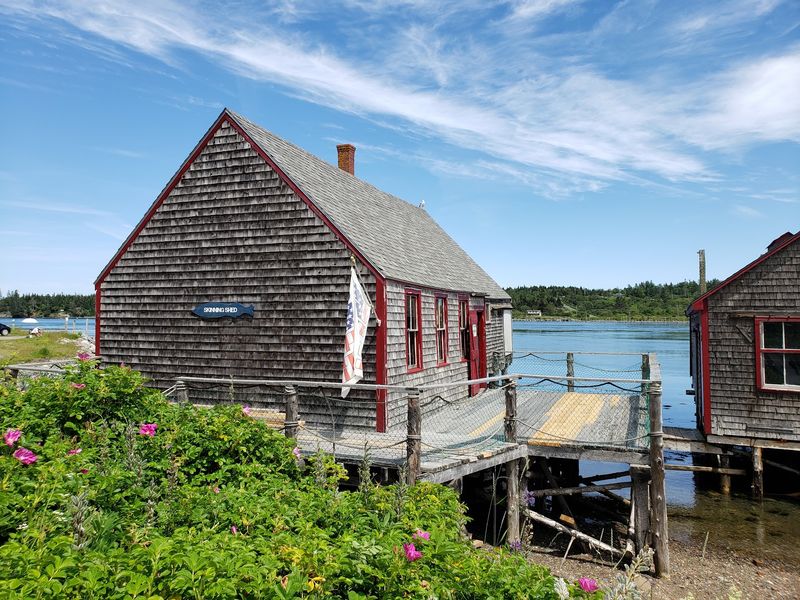
Long before travelers showed up for peace and quiet, this waterfront was loud with clanking cans and whistles. In the late 1800s and early 1900s, Lubec was a busy sardine town, with many canneries packing small herring into tins.
Workers, including plenty of teenagers, lined the packing tables when the boats came in.
The McCurdy Smokehouse still stands on Water Street as a reminder of those days. It was the last traditional herring smokehouse in the United States when it closed in 1991.
Today, local preservation efforts keep the buildings and their story alive for visitors.
Pop into the museum in summer to see old tools, photos, and the racks once used to smoke fish.
Here is a fun bit of trivia: in the 1890s, a scheme in Lubec claimed it could pull gold out of seawater. Investors poured in money, and the organizers quietly disappeared with it.
It remains one of the strangest chapters in Maine history.
Walk Water Street slowly and look for old wharves and weathered buildings. Many connect to the fishing families who built this community, which was named after Lübeck, Germany.
History here is not stuck behind glass; it is right under your sneakers.
A Quick Hop Into Canada
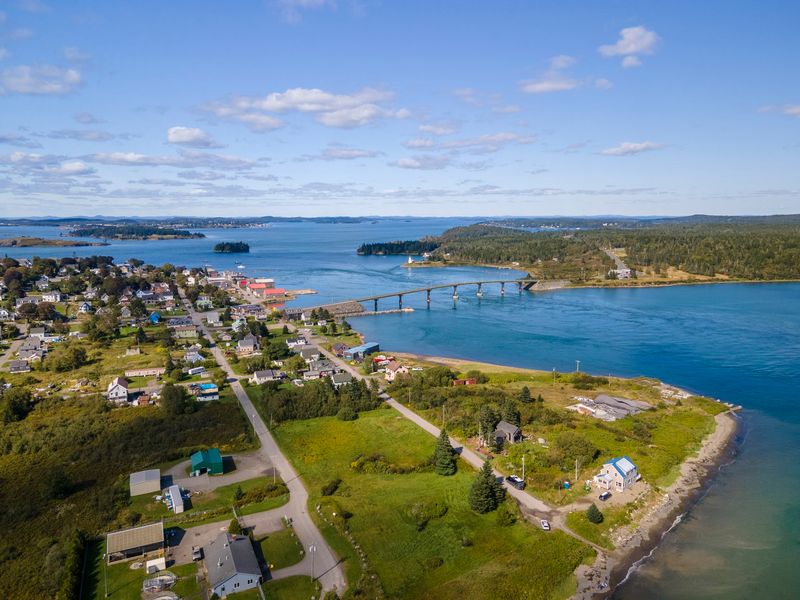
Few towns let you walk to another country before lunch, but Lubec makes it easy. The Franklin Delano Roosevelt International Bridge connects the town to Campobello Island in New Brunswick, Canada.
The crossing takes only a few minutes, not counting the border check.
On the island, Roosevelt Campobello International Park protects the summer home of President Franklin D. Roosevelt.
The big red cottage is filled with original furnishings, and the park is jointly managed by the United States and Canada. Admission to the cottage has long been free, which is a pretty sweet deal.
Beyond the park, island roads lead to East Quoddy Lighthouse, which you can reach on foot only around low tide.
Remember that Campobello runs on Atlantic Time, one hour ahead of Lubec. It is easy to show up late for a tour if your watch stays loyal to Maine.
Set your phone to update automatically and you will be fine.
Bring a valid passport or other approved travel document for both directions. Crossing wait times are usually short, but summer weekends can be busier.
It is a rare day trip where you get two countries, two time zones, and zero airport lines.
Neighbors With Fins, Feathers, And Whiskers
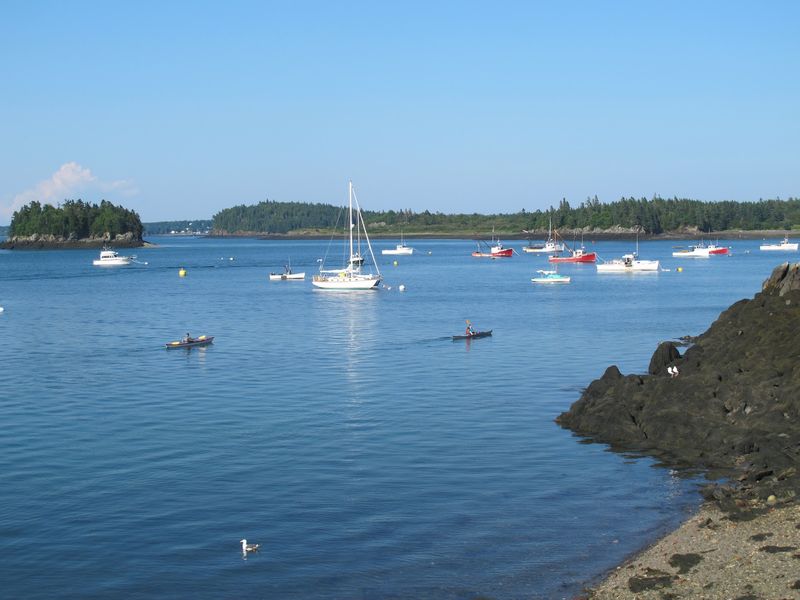
Keep your binoculars close, because the neighbors here have fins, feathers, and whiskers. Cold, nutrient-rich water around the Quoddy region attracts an impressive list of wildlife every year.
In summer and early fall, patient watchers at West Quoddy Head sometimes spot whales spouting offshore. Minke, finback, and humpback whales feed in these waters.
Boat tours leave from nearby harbors if you want a closer look.
Harbor seals are easier to find. They often lounge on ledges or pop their heads up in the Lubec Narrows, looking curious about the people on shore.
Bald eagles cruise overhead, and ospreys dive for fish in the shallows.
Birders flock (pun fully intended) to the mudflats in late summer, when migrating shorebirds stop to refuel. The flats near the South Lubec sandbar can fill with sandpipers and plovers racing the tide.
Some of these tiny travelers are on their way from the Arctic to South America, so they have earned the snack break.
Pack binoculars, a zoom lens, and plenty of patience. Early morning and the hours around low tide tend to be the busiest times for animals.
Give wildlife lots of space, and the show will keep going long after you leave.
Small-Town Rhythm
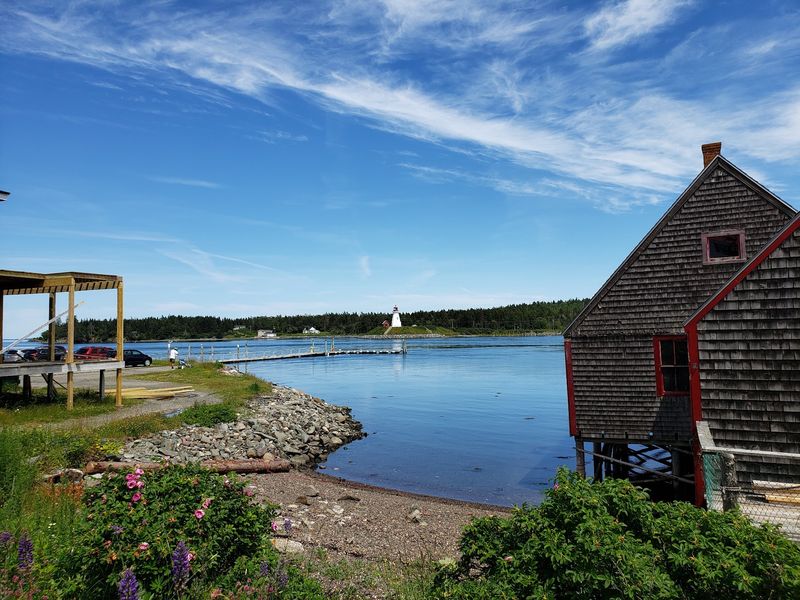
Slow down, because the pace in Lubec runs on tide charts rather than traffic lights. Small galleries, cafes, and gift shops line Water Street, and the harbor views come free with every stroll.
In summer, the SummerKeys music program fills the air with piano, strings, and voices, including concerts open to the public. Local artists often open their studios, giving visitors a chance to see work inspired by fog, rock, and sea.
Getting here takes effort, which is part of the charm. The drive from Bangor runs about two and a half hours, and lodging is limited, so book early for July and August.
Phones sometimes switch to Canadian networks this close to the border, so turn off roaming to avoid surprise charges.
Pack layers, since summer days can swing from sunny to foggy in minutes. Visit in late spring or early fall for fewer crowds and crisp air.
Clear nights also bring wonderfully dark skies, so step outside after sunset and look up.
Out here, sunrise arrives early, the tides keep time, and life moves at a gentler speed. For anyone craving quiet space, big skies, and a real sense of adventure, the easternmost town in the lower 48 is worth every mile of the journey.