
The Massive Used Bookstore In Washington That Takes Nearly All Day To Explore
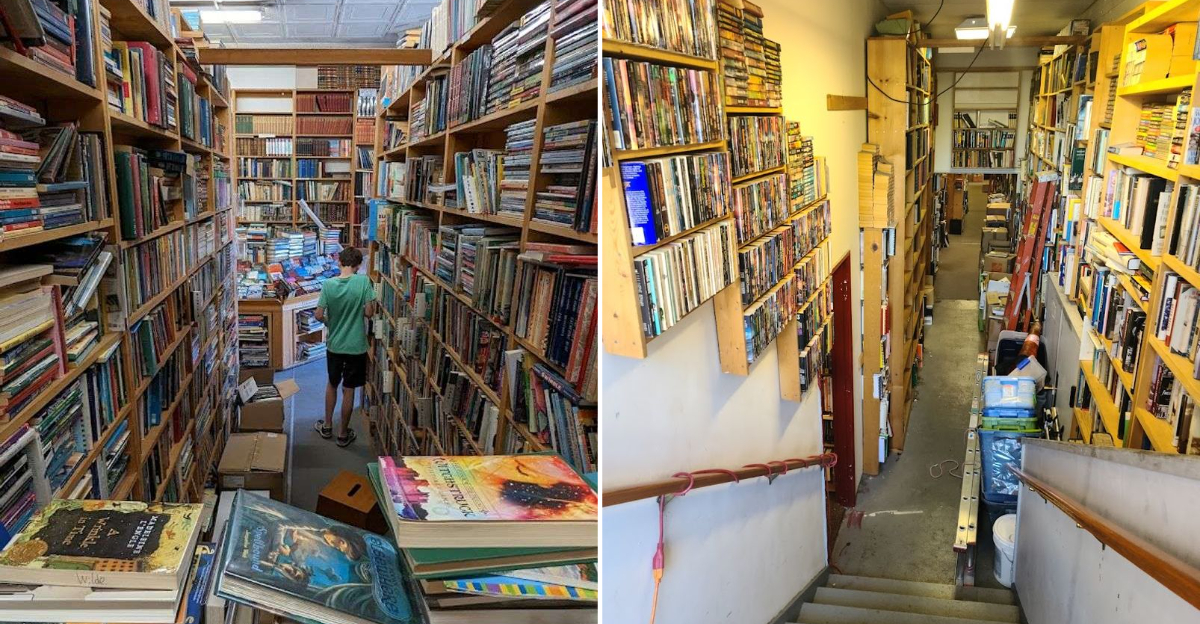
I’m writing this from a pile of paperbacks because, honestly, I might never leave. I came in for one specific title and somehow got sidetracked by a three-hour expedition that felt more epic than the founding of Washington itself.
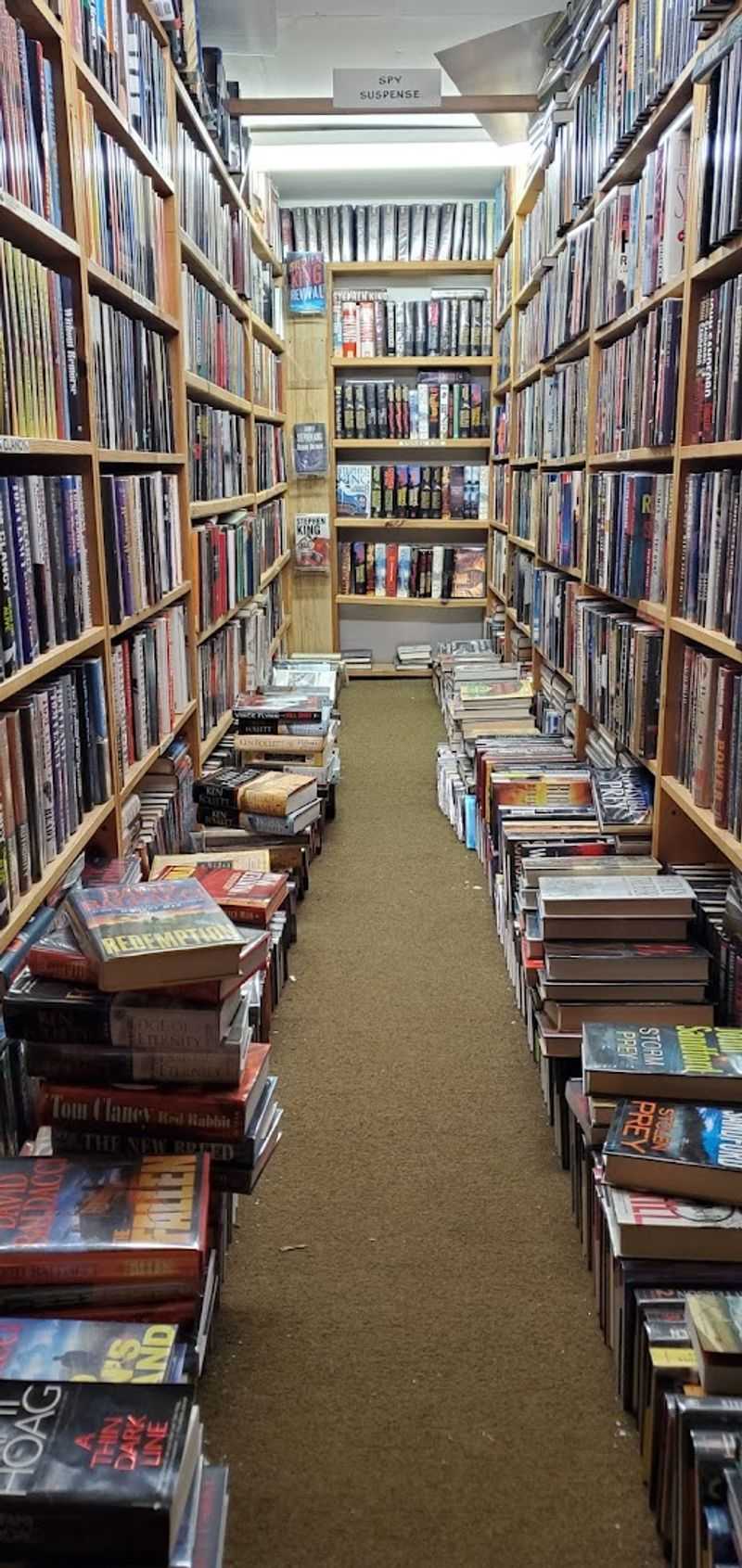
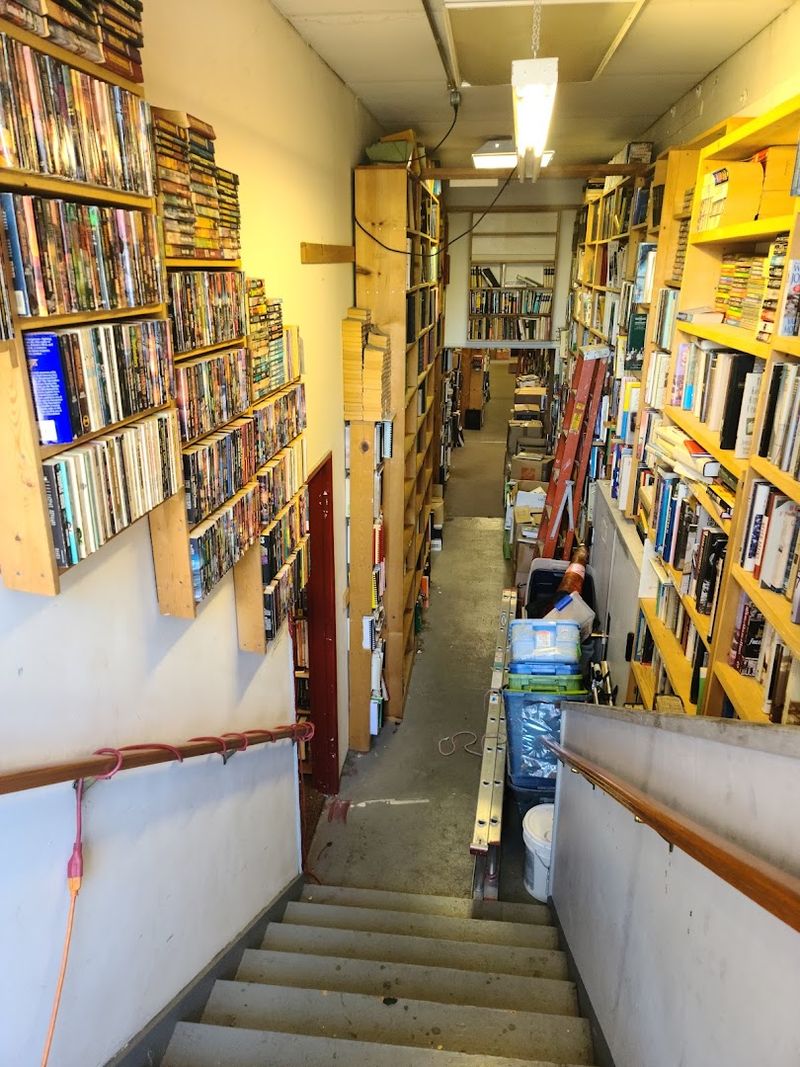
The aisles here are endless, winding corridors of stories that seem to stretch into infinity.
I’ve reached that dangerous level of “just one more shelf” where time loses all meaning and my to-be-read pile at home is currently weeping in fear. Book lovers from across the Pacific Northwest make special trips here because you simply can’t find this kind of treasure hunt anywhere else.
The prices are so reasonable that you’ll leave with arms full of new reads without emptying your wallet.
A Literary Labyrinth That Demands Your Day
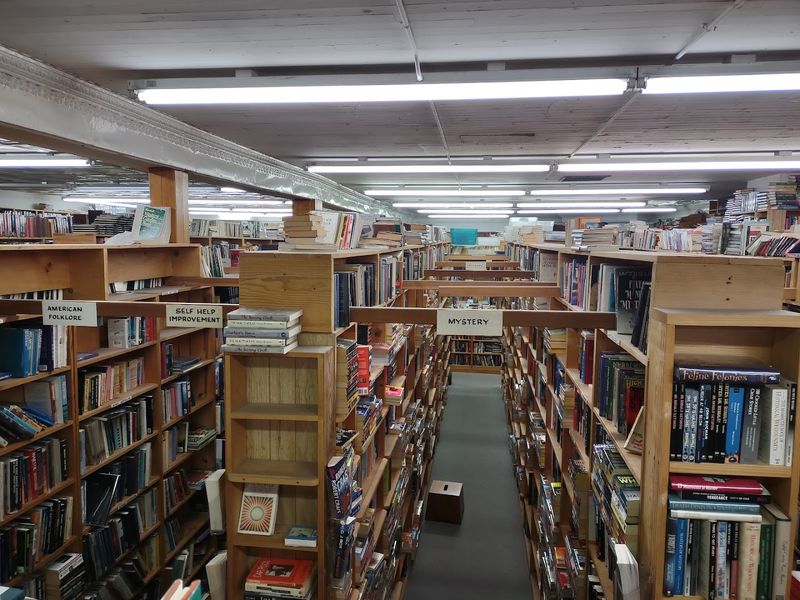
I immediately understood why people block out entire afternoons for this place. The sheer volume of books creates passages that twist and turn like a literary maze, with shelves stretching upward until they nearly touch the ceiling.
Every available inch holds something to discover. I found myself pulling out random titles just to see what treasures were hiding in plain sight. The layout isn’t designed for quick in-and-out shopping; it rewards wanderers and browsers who enjoy the thrill of the hunt.
What makes this setup so engaging is how it forces you to slow down and really look. You can’t rush through when interesting spines keep catching your eye from unexpected angles. I watched other visitors settle into comfortable browsing positions, clearly prepared for a long stay.
The staff mentioned that first-time visitors often underestimate how much time they’ll need. Plan for at least three or four hours if you want to give the collection the attention it deserves, and don’t be surprised if you lose track of time completely.
Prices That Let You Build Your Library
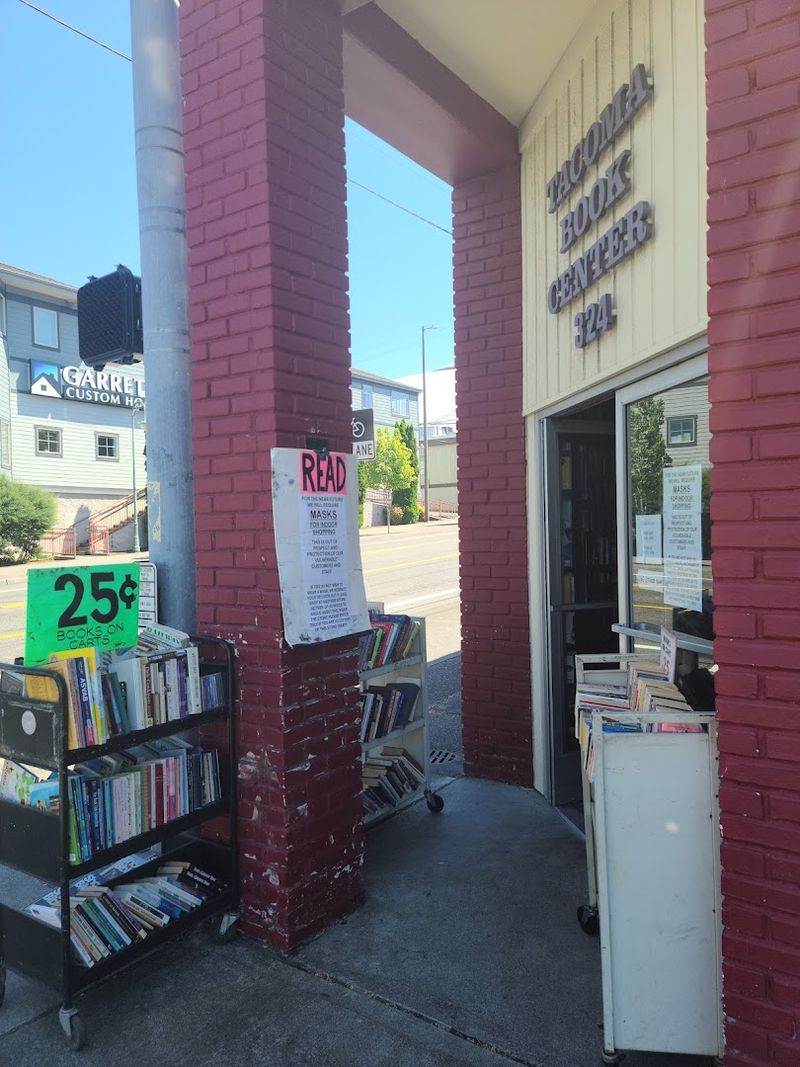
One of my favorite surprises was discovering how affordable everything is here. Most books range between $2.50 and $12 depending on condition and topic, which means you can actually buy that stack you’ve been eyeing without guilt.
I compared prices to what I’d seen online and at other bookstores. The difference was remarkable. Hardcovers that would cost $25 new were priced at $6 or $7, still in excellent condition with dust jackets intact.
The pricing system makes sense too. Paperback fiction tends toward the lower end, while specialty topics or newer releases might cost a bit more. Everything felt fair and honest, never inflated just because something was slightly harder to find.
I left with seven books and spent less than $40 total. That kind of book-buying power is rare these days, especially when you’re getting quality titles that have plenty of reading life left.
Budget-conscious readers and serious collectors alike will appreciate how far their money stretches here.
Fiction Sections That Span Generations
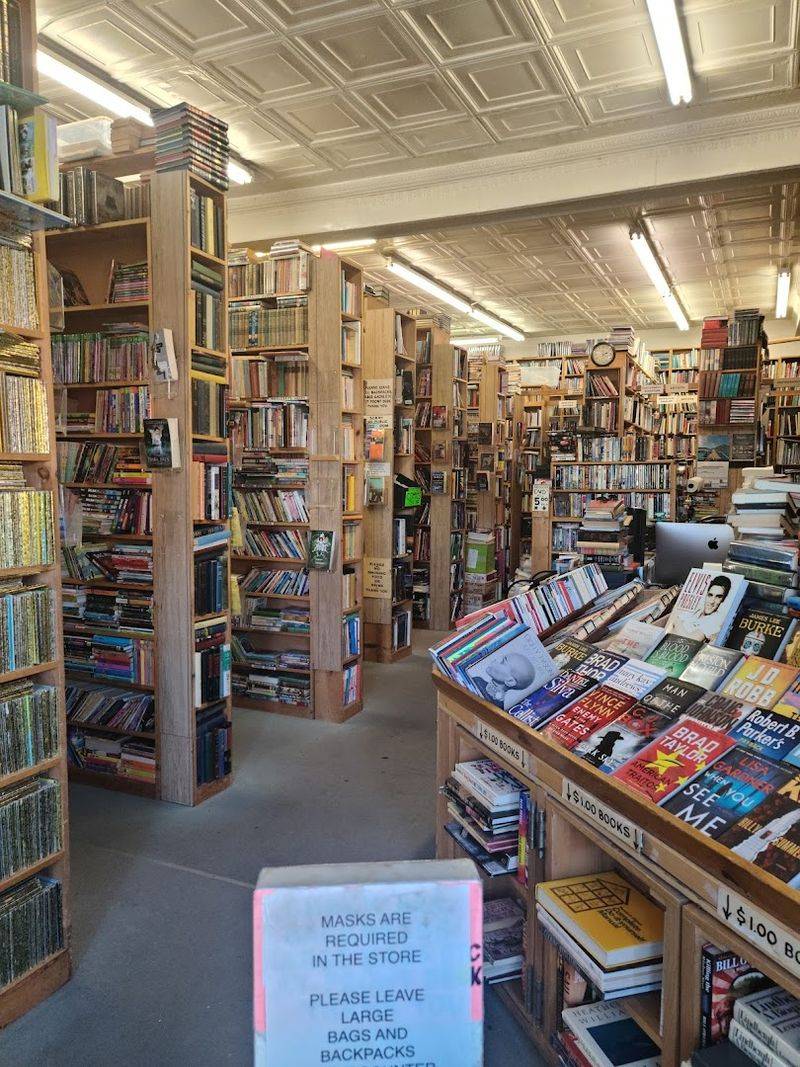
Fiction lovers will find themselves in serious danger of overspending here. The fiction collection sprawls across multiple sections, organized alphabetically by author, making it surprisingly easy to navigate despite the volume.
I spotted everything from classic literature to contemporary bestsellers, with plenty of mid-century novels and forgotten favorites tucked between. The mystery section alone could keep a dedicated reader busy for months.
Science fiction and fantasy fans will appreciate the depth beyond just the popular series everyone knows. What struck me was the condition of most books. Yes, they’re used, but many looked barely read.
I found first editions, book club editions, and mass market paperbacks all shelved together, which actually helped me discover authors at different price points. The romance section surprised me with its organization by subgenre, and literary fiction occupied several tall bookcases near the center.
I kept discovering authors I’d meant to read but forgotten about, which is exactly what makes browsing here so satisfying and slightly dangerous for your reading list.
Nonfiction for Every Curiosity
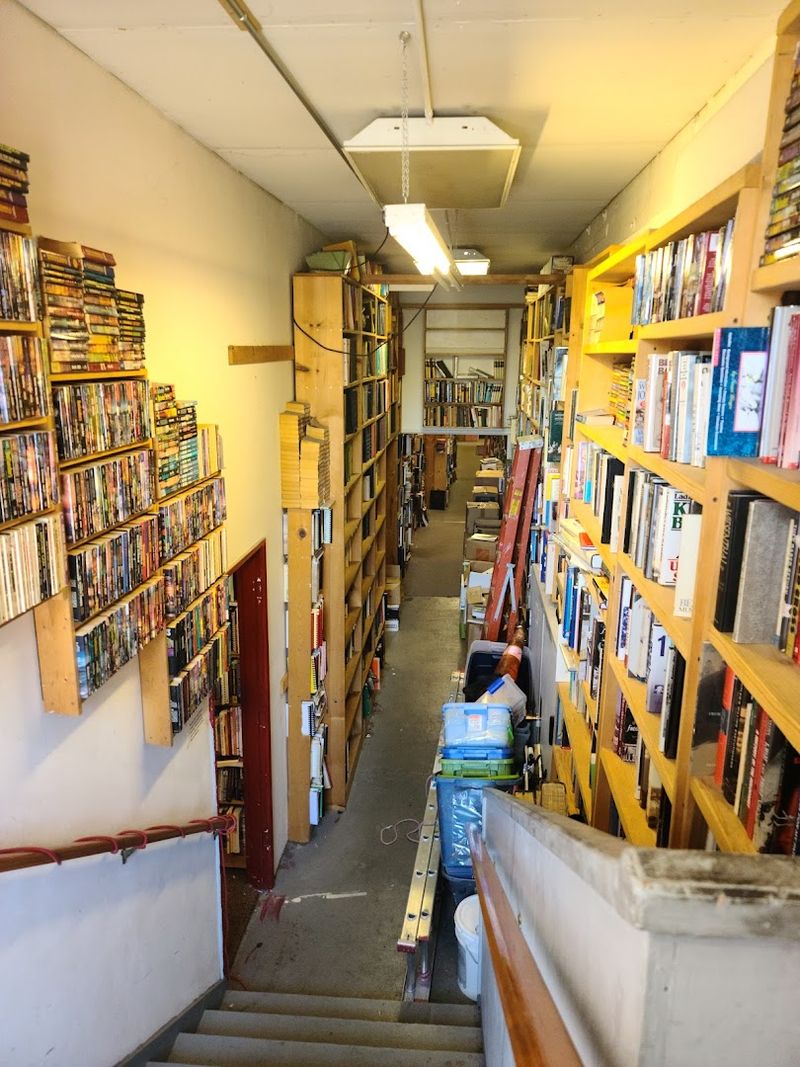
Beyond novels, the nonfiction collection covers virtually every topic you could want to explore. History buffs will lose hours in the biography and historical sections, while I found entire shelves dedicated to travel writing, science, philosophy, and practical how-to guides.
The organization here follows a logical system that groups related topics together. Cookbooks occupy their own corner, art and photography books fill another section, and current events mix with political theory nearby.
I appreciated finding older titles that aren’t available in regular bookstores anymore.
Specialty interests get serious attention too. I noticed substantial collections on gardening, crafts, local Pacific Northwest history, and military topics.
Teachers and students can find textbooks and educational materials at prices that make stocking a classroom library actually feasible.
What makes nonfiction browsing particularly rewarding here is discovering books you didn’t know you wanted. I picked up a vintage guide to Northwest hiking trails and a biography I’d never heard of, both for less than the cost of one new paperback.
Children’s Books That Spark Young Imaginations
Parents and grandparents will want to budget extra time for the children’s section. The collection ranges from board books for toddlers through young adult novels, all priced to let you build a home library without breaking the bank.
I watched families browsing together, kids pulling books off shelves to show their parents while adults rediscovered favorites from their own childhoods. The selection includes classic picture books, popular series, and plenty of titles that might be unfamiliar but are worth discovering.
Chapter books for emerging readers fill several shelves, and the young adult section rivals what you’d find in many new bookstores. I spotted beloved series like Harry Potter and Percy Jackson alongside standalone novels and lesser-known gems waiting to become someone’s new favorite.
The condition of children’s books varied more than adult titles, which makes sense given how enthusiastically kids read. Still, most were perfectly readable, and the low prices mean replacing a worn favorite doesn’t require much consideration.
Building a child’s personal library becomes genuinely affordable here.
Navigation Tips For First-Time Visitors
My first attempt at finding a specific section taught me that this store requires a strategy. Maps posted throughout the store show the general layout, and I strongly recommend taking a photo of one on your phone for reference as you explore.
The maze-like arrangement means you might pass through the same area from different angles. I learned to use landmarks like the checkout counter or certain distinctive shelf units to orient myself.
The staff doesn’t mind if you ask for directions; they’re used to helping people find their way. Starting with a specific goal helps, but leave room for wandering.
I came looking for mysteries but ended up in the travel section, which led me to local history, which somehow deposited me near science fiction. Those unexpected detours often yield the best discoveries.
Wear comfortable shoes because you’ll be standing and walking more than you expect.
I also recommend bringing a small bag or basket for collecting books as you browse, since carrying an armload gets awkward when you want to pull more titles from high shelves.
Planning Your Visit Around Operating Hours
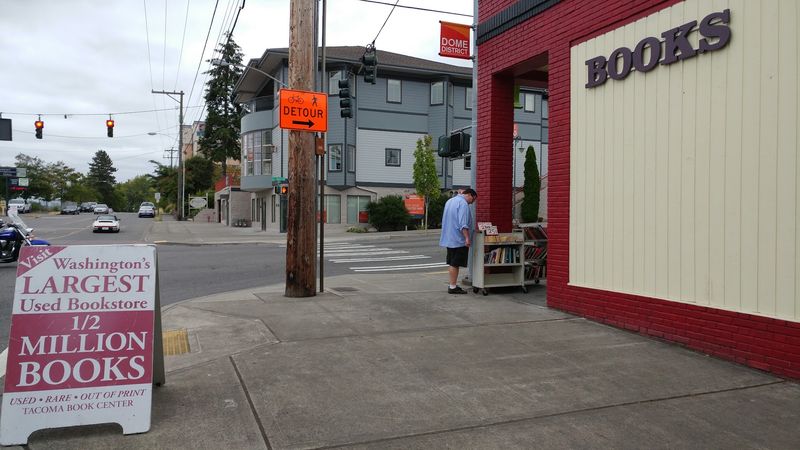
Timing your visit right makes a significant difference in your experience. The store operates Monday through Saturday from 10 AM to 6 PM, and Sundays from noon to 4 PM. I arrived on a Saturday morning about thirty minutes after opening and found the place blissfully uncrowded.
Weekday afternoons tend to be quieter than weekends, according to the staff I chatted with. If you prefer browsing without navigating around other people, midweek visits offer more elbow room and easier access to popular sections.
The Sunday hours are shorter, which means less time for thorough exploration. I’d save Sunday visits for when you know exactly what you want or for quick browsing sessions rather than the full deep-dive experience this place deserves.
Arriving early gives you the freshest energy for exploring, which matters when you’re planning to spend several hours. I made the mistake of showing up at 4 PM once and felt rushed trying to see everything before closing.
Give yourself at least three hours, preferably more, especially on your first visit.
What to Know Before You Go
A few practical considerations will improve your visit significantly. The store doesn’t have public restrooms, so plan accordingly before you arrive. I learned this the hard way and had to cut my first visit shorter than intended.
Bring cash if you have it, though they do accept cards. Having smaller bills makes checkout faster when you’re buying multiple books. I also suggest bringing your own bag since you might accumulate more books than you expect.
The temperature inside stays comfortable year-round, but the building has that characteristic old bookstore feel. Dress in layers if you tend to get cold, especially since you’ll be standing still while browsing rather than moving around actively.
Cell phone reception worked fine when I visited, which helped me look up books I was considering or check my wishlist.
The lighting is good throughout most sections, though some corners are dimmer than others. I didn’t need a flashlight, but reading glasses if you use them are definitely recommended for checking smaller print.
The Joy Of Unexpected Discoveries
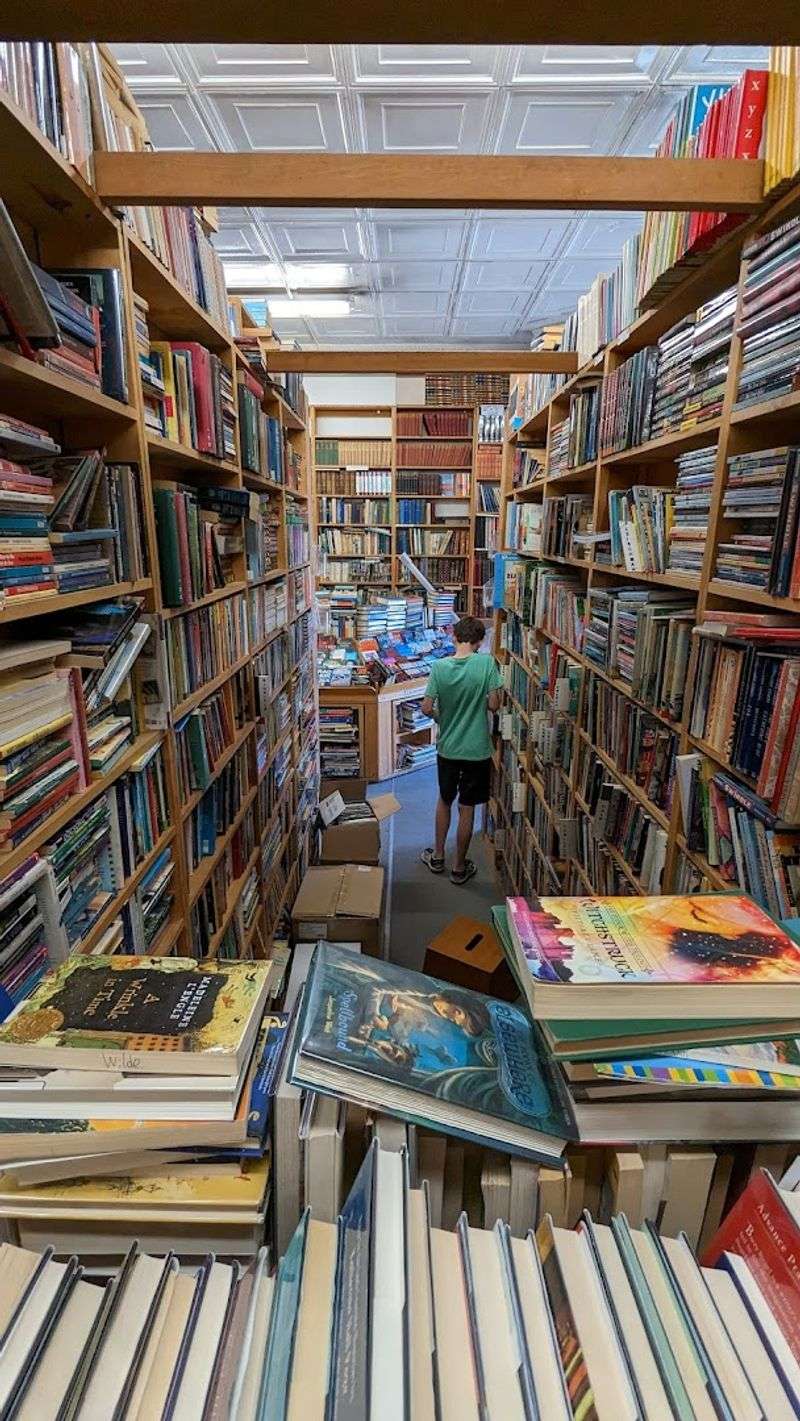
Half the magic here comes from finding books you weren’t looking for. I went searching for a specific mystery series and left with that plus a vintage cookbook, a travel memoir about Japan, and a collection of essays I’d never heard of but couldn’t resist after reading the first page.
The serendipity factor runs high when you’re surrounded by this much variety. I overheard another customer excitedly telling the cashier about locating a book she’d been searching for since childhood. Those moments happen regularly here because the inventory constantly changes as new collections arrive.
I started keeping a running list on my phone of interesting titles to research later. Some books I’d put back on the shelf kept nagging at me until I went back to grab them.
The affordable prices make taking chances on unknown authors or unfamiliar topics much easier.
Even subjects I don’t normally read caught my attention because of how they were shelved or what was nearby. That’s the beauty of physical browsing in a store this size; you encounter things algorithms would never suggest to you.
Building Community Around Books
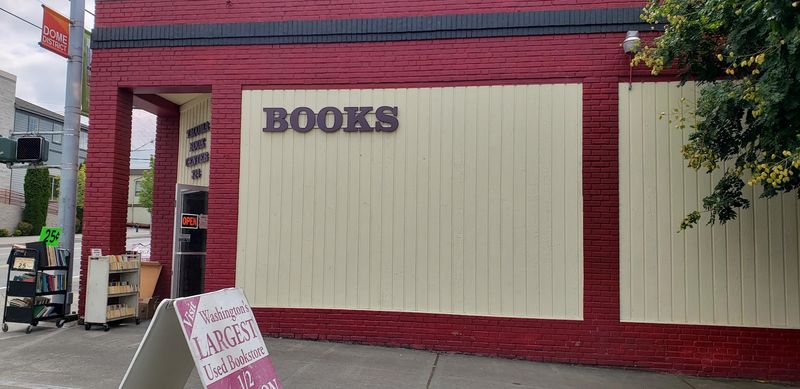
Beyond the books themselves, Tacoma Book Center serves as a gathering place for readers. I struck up conversations with fellow browsers about shared favorite authors and got recommendations I actually trusted because they came from people actively choosing books they loved.
The store attracts a wonderfully mixed crowd. I saw college students hunting for affordable textbooks, retirees building their collections, young families introducing children to reading, and everyone in between. That diversity creates an atmosphere where books matter more than anything else.
Local authors sometimes do readings here, and the staff mentioned various literary events throughout the year. Even during regular hours, the shared experience of browsing creates unexpected connections. Someone reached past me for a book and we ended up discussing that author for ten minutes.
This kind of community doesn’t exist in online shopping or even in many chain bookstores.
There’s something about physically occupying the same space, surrounded by thousands of stories, that brings book people together in genuine and memorable ways.
Why This Bookstore Matters
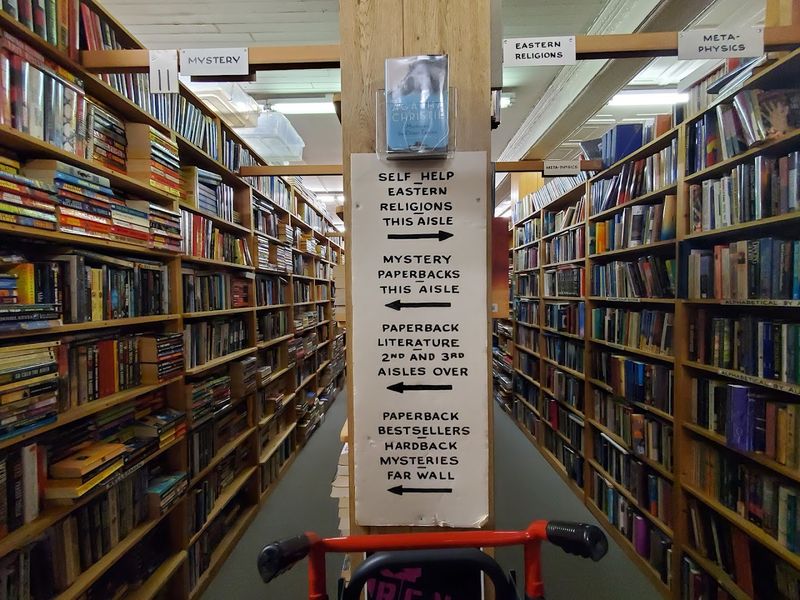
Places like Tacoma Book Center represent something increasingly rare in our digital age. Walking through those aisles reminded me why physical bookstores still matter, why browsing beats searching, and why discovering stories by accident creates reading experiences you can’t replicate online.
The store preserves literary history by keeping older titles in circulation. Books that might otherwise disappear find new readers here. I found authors from decades past whose work deserves continued attention, and contemporary books getting second chances with different audiences.
Supporting independent bookstores keeps money in the local community and maintains spaces where reading culture can flourish. Every purchase here helps ensure this resource remains available for future book lovers to discover and explore.
My visits to Tacoma Book Center have become regular pilgrimages because nowhere else offers this combination of selection, affordability, and pure browsing joy. If you love books, you owe yourself at least one long afternoon getting wonderfully lost among these shelves.
Just remember to clear your schedule and prepare for the best kind of time warp.