
The Michigan Farmers Market So Beloved That Locals Show Up In The Dark
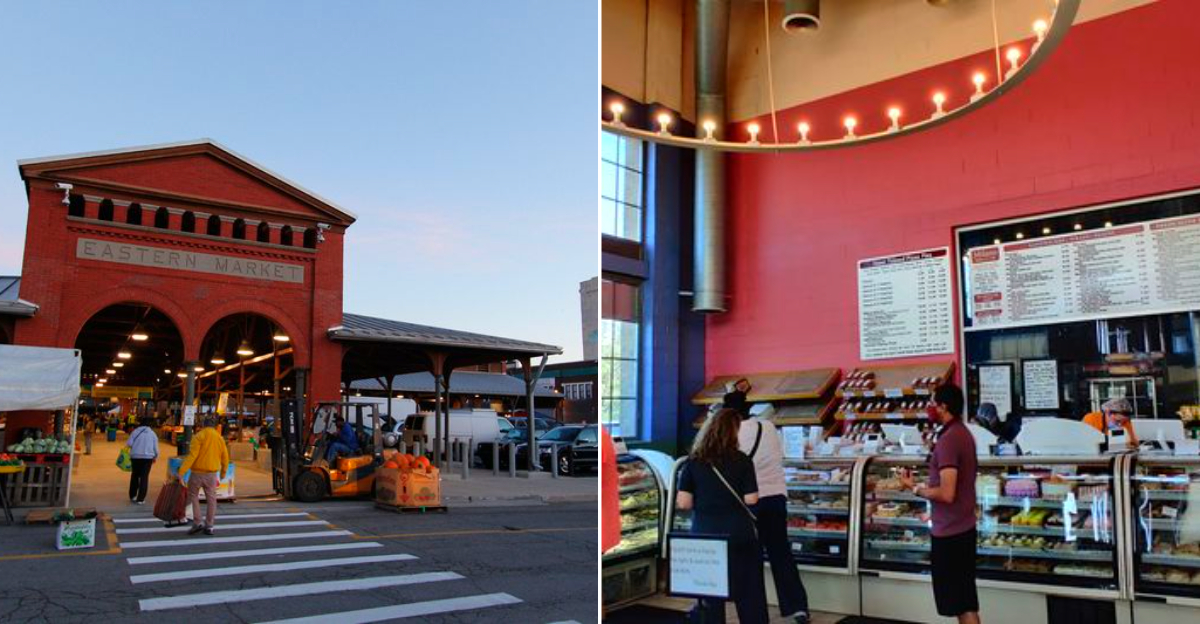
The sky was still dark when I pulled into the parking lot. The line was already wrapped around the building.
I had heard stories about people setting alarms for four in the morning just to beat the crowds, but seeing it in person made me a believer.
Forty-three acres of vendors stretch across multiple sheds, each one packed with produce, flowers, spices, plus handmade goods that look like they were arranged by someone who truly loves color. The murals painted on the walls go back decades.
The whole place hums with a kind of energy that only happens when thousands of people agree that something matters.
A farmers market in Michigan has been drawing early risers since before most of us were born. Not a single one of them is exaggerating.
When a Michigan market is this good, showing up in the dark feels like the most rational decision you will make all week.
Start With Breakfast, Not Shopping
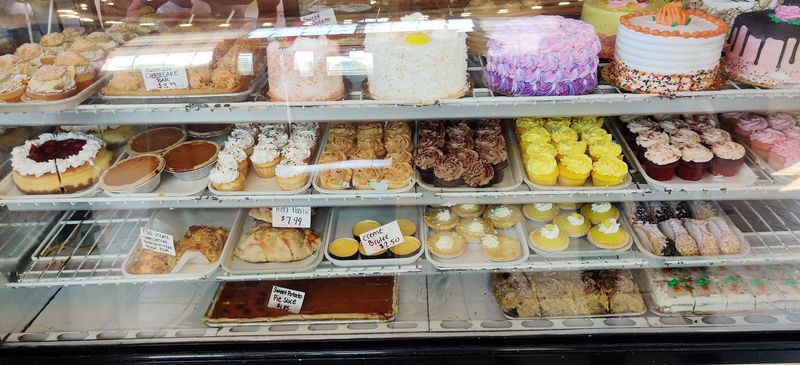
Hunger is a terrible shopping companion, and Eastern Market fixes that problem early. Some of the best visits begin with coffee, a scone, or a cookie from Germack, where the first bite seems to settle the pace of the morning and make every next decision sharper.
You can also spot breakfast items from market bakers before many shoppers have even reached their second shed.
If something heartier sounds better, Zeff’s Coney Island opens early nearby and gives the morning a sturdier backbone. That matters in a district spread across 43 acres, where wandering turns into real mileage faster than expected.
Starting with breakfast also keeps impulse buying more honest. Instead of grabbing the first pastry in sight, you can taste carefully, compare tables, and shop with a clearer head.
One Address, Six Sheds, And Several Blocks Of Detroit
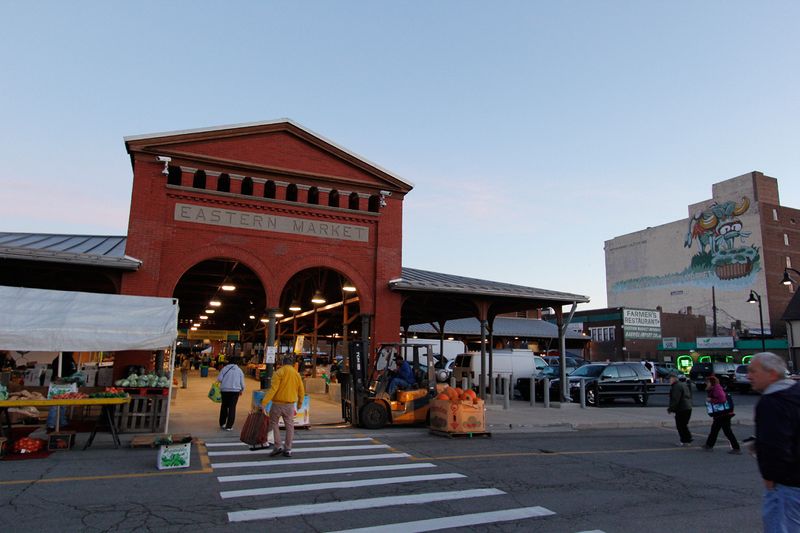
Eastern Market is centered at 2934 Russell Street in Detroit, Michigan, between Mack and Gratiot avenues. Approach from I-75 using the Mack Avenue exit, then follow signs into the market district and toward Russell Street.
The final approach enters a working neighborhood of market sheds, wholesalers, murals, restaurants, and busy intersections rather than a single gated attraction.
Saturday mornings bring the heaviest traffic, so expect pedestrians, delivery vehicles, and slower movement around Russell, Riopelle, and surrounding streets.
Parking is free throughout much of the district, with public lots and street spaces spread around the sheds. Take the first legal space that suits your route, check all posted restrictions carefully, then continue on foot toward the market sheds rather than searching for one main entrance.
Learn The Six Historic Sheds
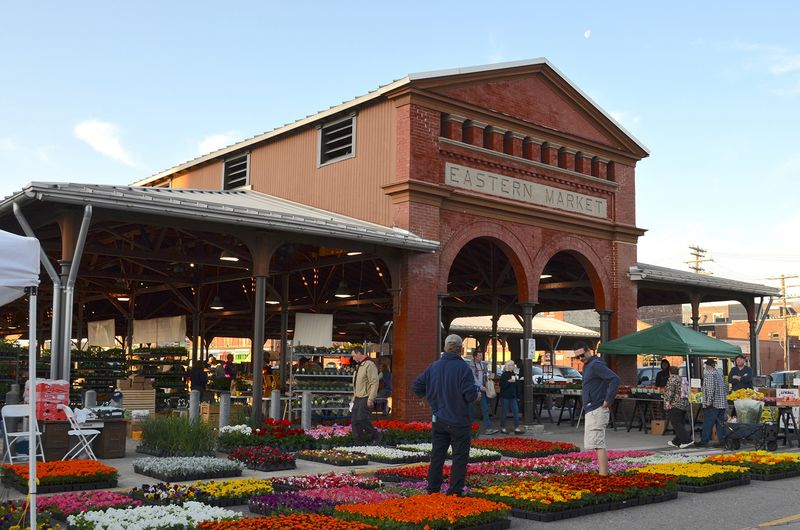
Eastern Market makes more sense once you understand its six public sheds.
Shed 1 is the oldest, and the whole core of the market still carries that practical, historic feeling, with produce stacked beside flowers, plants, packaged goods, and handmade items in a layout that rewards slow attention rather than speed.
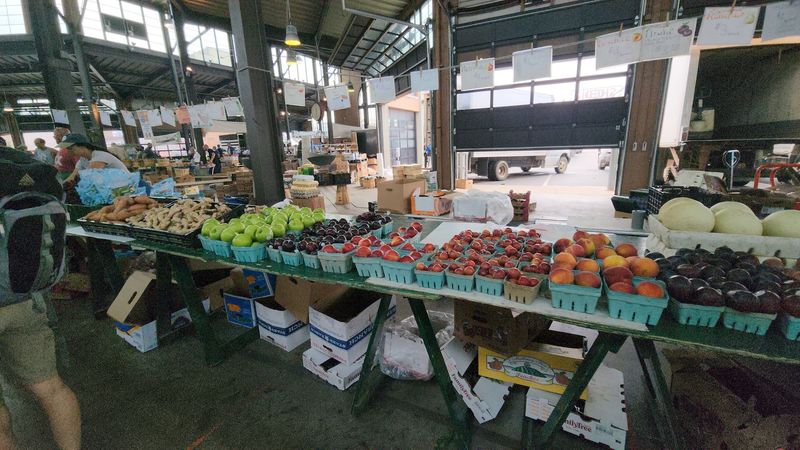
Each shed has its own density and rhythm, so the smartest move is to make one complete pass before buying too heavily. A stall selling greens that look excellent in one aisle might be followed by another offering a different variety, better bundle size, or a price that suits your plans more neatly.
The pleasure is partly architectural too. These old market structures keep the district anchored to its long history, which stretches back to the 1840s and its current site in 1891.
Save Room For Baked Goods
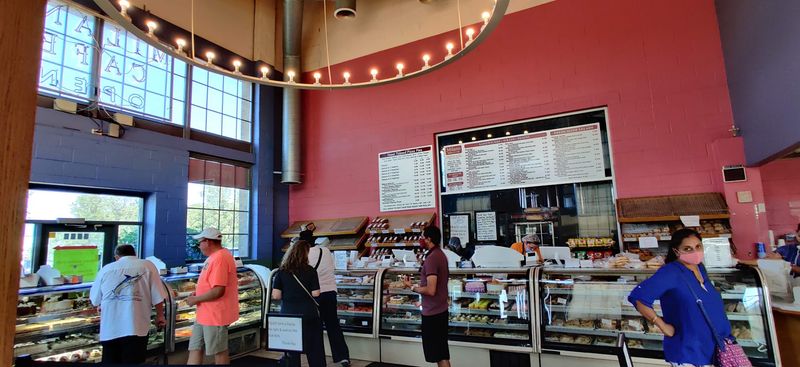
Produce may be the headline, but baked goods often become the memory that lingers longest. Eastern Market has a wonderful way of surrounding you with practical temptation: crumb bars wrapped for easy carrying, scones for immediate reward, sturdy breads for later, and pastries that make restraint seem like a very abstract virtue.
Some of the most talked-about finds come from regional bakers and Amish farms, which helps the market feel wider than the city blocks you are walking.
Sweet Delights from Bay City is known for lemon tarts and Samoa cookies, and those specific treats say something important about the place: shoppers are not here only to stock kitchens, but also to make the morning feel generous.
The best strategy is simple. Buy one thing to eat now, and one thing to regret finishing too quickly at home.
Look Closely At Meats And Cheeses
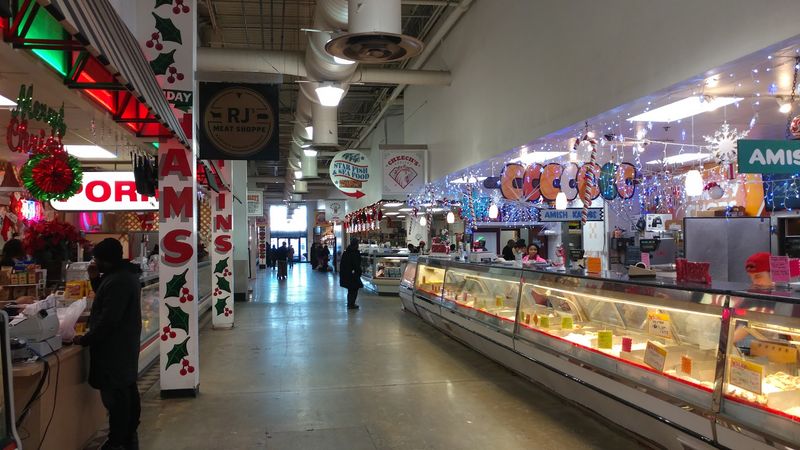
Eastern Market rewards shoppers who look beyond the open produce tables and into the district’s specialty businesses.
Meats and cheeses have deep roots here, and the surrounding blocks offer some of the market’s most useful stops for anyone planning a serious sandwich, a weekend dinner, or a refrigerator reset.
DeVries & Co. 1887 is one of the names worth knowing for its cheese and specialty food selection. Frank’s Meat & Produce is known for corned beef and Amish poultry, while Berry and Sons sells Halal meat, and Grobbel’s remains a major corned beef processor in the area.
Those businesses reflect the district’s working food identity, not just a casual browsing culture. This is where planning matters. If you bring an insulated bag, the market suddenly opens up in a much bigger way and lets you shop with confidence.
Eat Across More Than One Tradition
One of Eastern Market’s quiet strengths is how naturally different food traditions sit beside each other.
A walk through the district can lead from Middle Eastern flavors at Shawarma Stop to Creole dishes at Louisiana Creole Gumbo, then on to pierogi from Pietrzyk Pierogi or People’s Pierogi Collective without any sense of forced novelty.
That range feels true to Detroit rather than curated for effect. Supino Pizzeria is widely celebrated for its thin-crust pizza, and Zeff’s Coney Island remains part of the neighborhood’s essential eating vocabulary, giving the market a mix of grab-and-go comfort and destination-level flavor.
I like treating lunch here as a series of thoughtful small decisions instead of one fixed meal. Share when possible, because the district makes curiosity expensive if you insist on ordering only for yourself.
Do Not Skip The Flowers
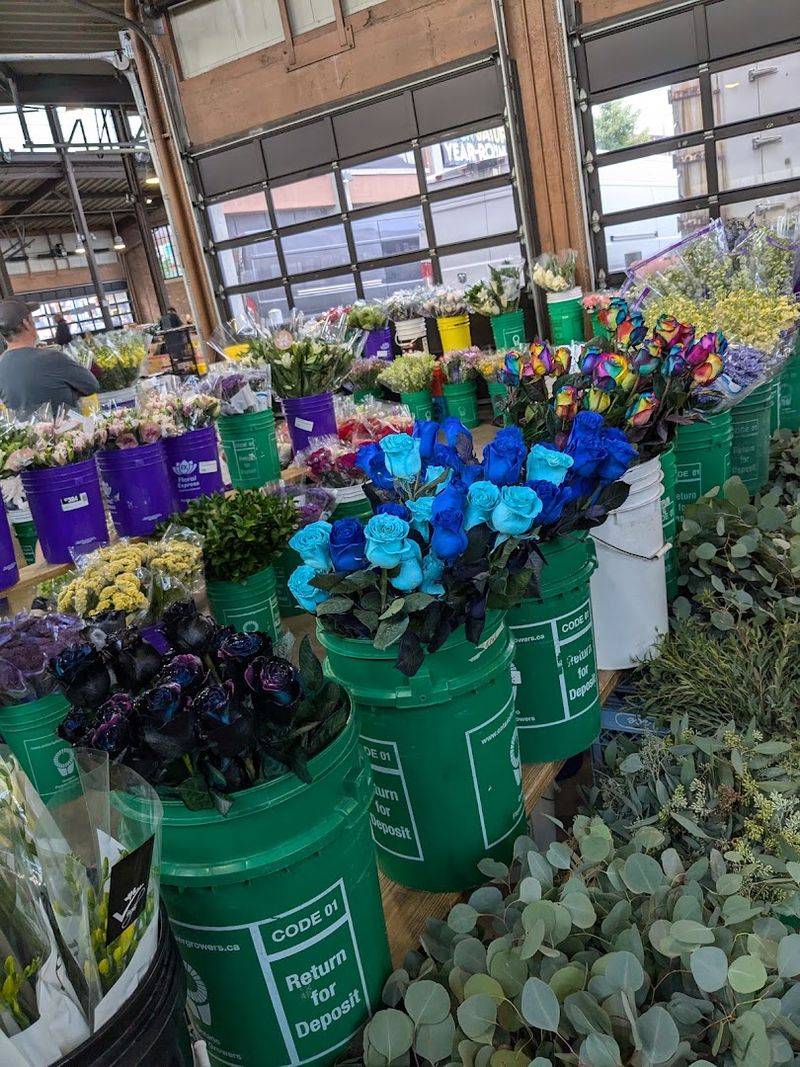
Eastern Market can smell like basil one minute and fresh-cut stems the next, which is part of its charm. The floral side of the market is not decorative filler but a major draw, especially in spring and summer when vendors line the sheds and surrounding streets with bouquets, bedding plants, annuals, and leafy starts.
The biggest floral tradition is Flower Day, held on the Sunday after Mother’s Day, when thousands come for plants, perennials, annuals, and flowering bushes.
That event shows how fully the market serves home cooks and gardeners at the same time, often with the same practical spirit of comparison shopping and trunk-filling enthusiasm.
Even if you came only for food, flowers improve the trip. A market tote with herbs, tomatoes, and one slightly extravagant bouquet feels like a better version of adulthood.
Wander Beyond The Main Sheds
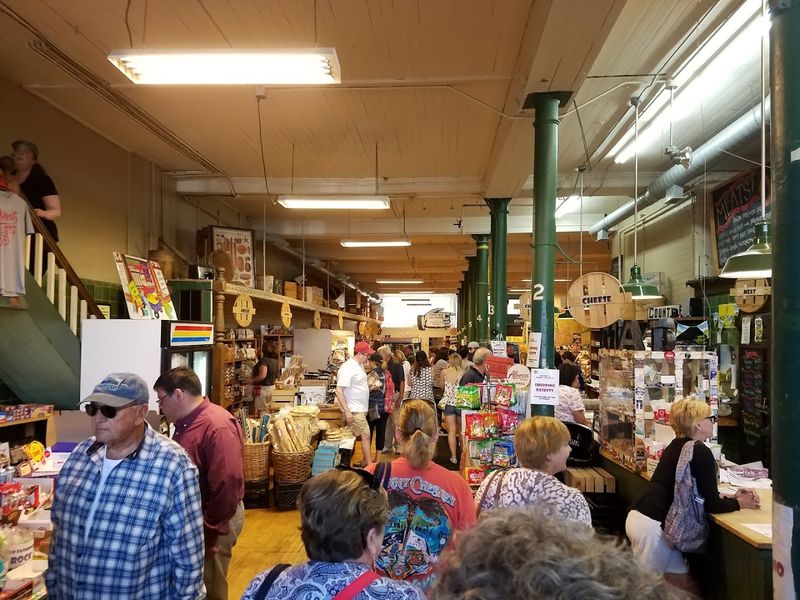
It is easy to spend an entire visit under the main sheds, but that would miss half the story.
Eastern Market extends into a larger district of old brick warehouse blocks, murals, specialty businesses, and side-street discoveries that make the area feel less like a single market and more like a complete food neighborhood.
Those surrounding blocks matter because the district covers 43 acres, and the official market activity is only one expression of its identity.
Walking farther out reveals restaurants, shops, processors, and storefronts that explain why Eastern Market has remained such a durable piece of Detroit’s commercial life rather than a preserved attraction.
The best pace is unhurried. Leave room for an extra loop after the core shopping is done, when your bag is heavier, your appetite is more specific, and the murals start to register as part of the flavor.
Pay Attention To The Soundscape
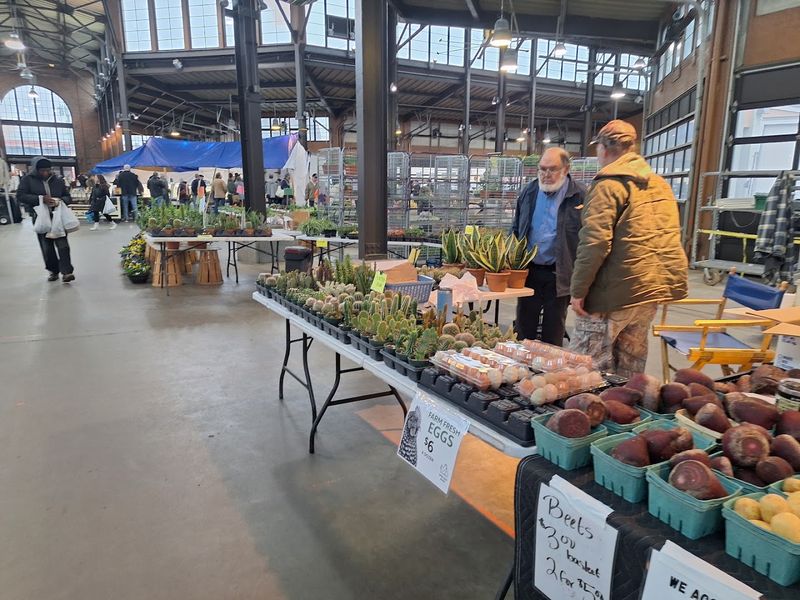
Some markets impress mainly through abundance, but Eastern Market also works on your ears.
Street musicians often add a loose, unforced soundtrack to the morning, and the result is a place that feels genuinely alive rather than merely busy, with commerce, conversation, and movement blending into something close to civic theater.
That atmosphere matters because Saturdays can draw up to 45,000 visitors, which means the market’s energy is part of the experience, not a side effect.
The district has long functioned as a point where community, culture, and shopping meet, and the crowd often reflects that with a remarkable mix of regulars, cooks, gardeners, and curious first-timers.
If you feel overstimulated, pause instead of leaving. Step to the edge of a shed, listen for a minute, and the chaos usually resolves into a rhythm you can move with.
Bring The Right Gear
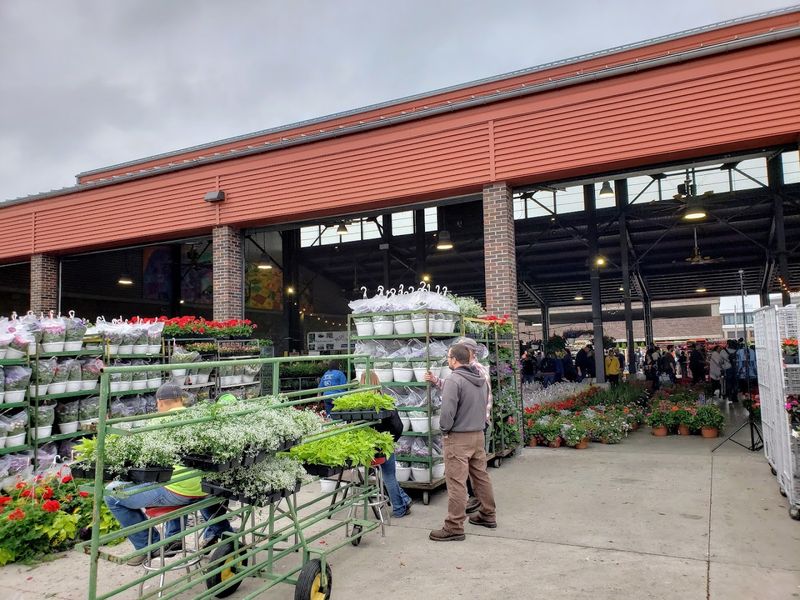
Eastern Market punishes optimism about carrying capacity. What begins as a plan to buy a few vegetables can become a tote full of greens, bread, flowers, and something unexpectedly heavy by the second shed, which is why experienced shoppers often arrive with large bags, sturdy carts, or a wagon.
Cash is also still smart to have on hand. Many vendors can handle modern payment options, but small transactions move more easily when you are prepared, and the overall trip feels smoother when you are not negotiating every purchase through battery life and signal strength.
I have seen the difference one extra bag makes by the end of a market morning. Practical gear gives you freedom, because it turns hesitation into yes and saves you from cutting short a visit just when the best tables appear.
Try A Different Day, Too
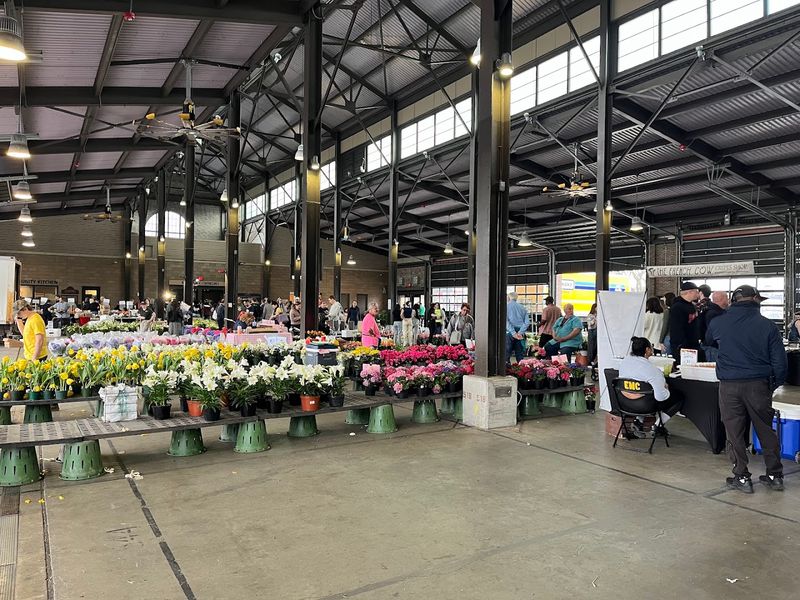
Saturday gets the glory, but Eastern Market reveals another side of itself on seasonal market days. From June through September, the district also hosts a Sunday Market from 10 AM to 4 PM and a Tuesday Market from 9 AM to 3 PM, each with a slightly different rhythm from the big Saturday rush.
Tuesday is especially interesting because it expands the idea of what a farmers market can do.
Along with shopping, the day includes educational workshops, wellness resources, and free yoga and Zumba classes, creating a version of Eastern Market that feels less like a sprint for the best tomatoes and more like a neighborhood gathering with practical benefits.
If Saturdays feel too intense, this is the smart adjustment. You still get the market’s food-focused core, but with more breathing room and a broader community lens.