
The Most Unusual Small Town In Indiana With Story To Tell
Not every small town is built around a railroad, a river, or a courthouse. Some are built around an idea. Imagine stumbling across a place where dreamers once believed they could reinvent society from the ground up.
Sounds like the plot of a sci-fi novel? It actually happened, and the streets still carry echoes of that remarkable experiment.
Quiet today, this hidden Indiana gem is anything but ordinary. Historic buildings, peaceful gardens, and unexpected landmarks reveal a past unlike anywhere else in the state.
It’s the kind of destination that makes you slow your pace, look a little closer, and wonder how one tiny town ended up with such an outsized legacy.
Some places tell stories. This one practically rewrites history.
Twice The Dream, Double The Charm
Some towns have one good story, but New Harmony doubles down on destiny in the most spectacular way. This remarkable spot was home to not one, but two grand experiments in utopian living, making it genuinely one of a kind.
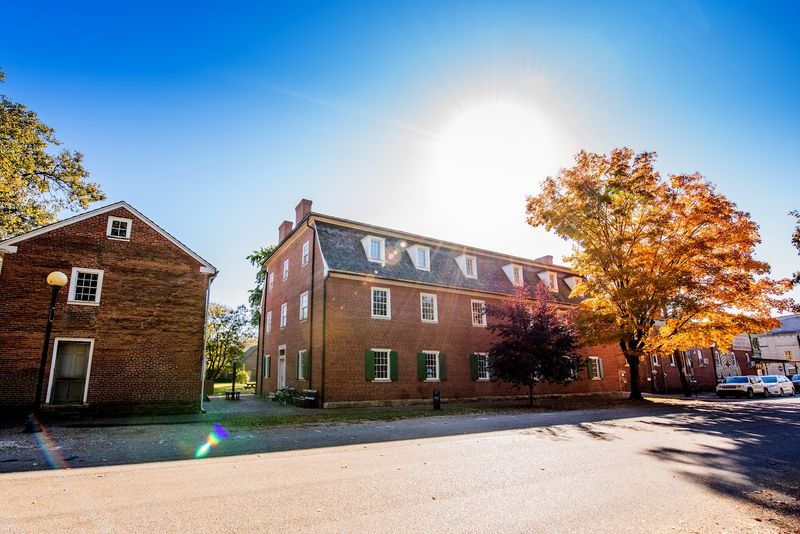
First came the Harmonists, a devout group of German religious settlers who arrived here in 1814, building over 180 log, frame, and brick structures from scratch.
They created a truly self-sufficient community rooted in spiritual perfection, thriving for a decade before relocating to Pennsylvania.
Then, in 1825, Welsh industrialist and social reformer Robert Owen purchased the entire town and set out to create a secular utopia focused on education and social equality. His grand vision attracted renowned scientists, scholars, and educators to this remote frontier settlement.
While Owen’s communal experiment dissolved by 1827, its impact on American education and science remained profound and far-reaching.
These two ambitious movements laid a foundation so intellectually rich that its echoes still shape the cultural landscape today.
New Harmony proves that even experiments that don’t go exactly as planned can leave behind something truly extraordinary for future generations to treasure.
Where The Sky Becomes Your Sanctuary
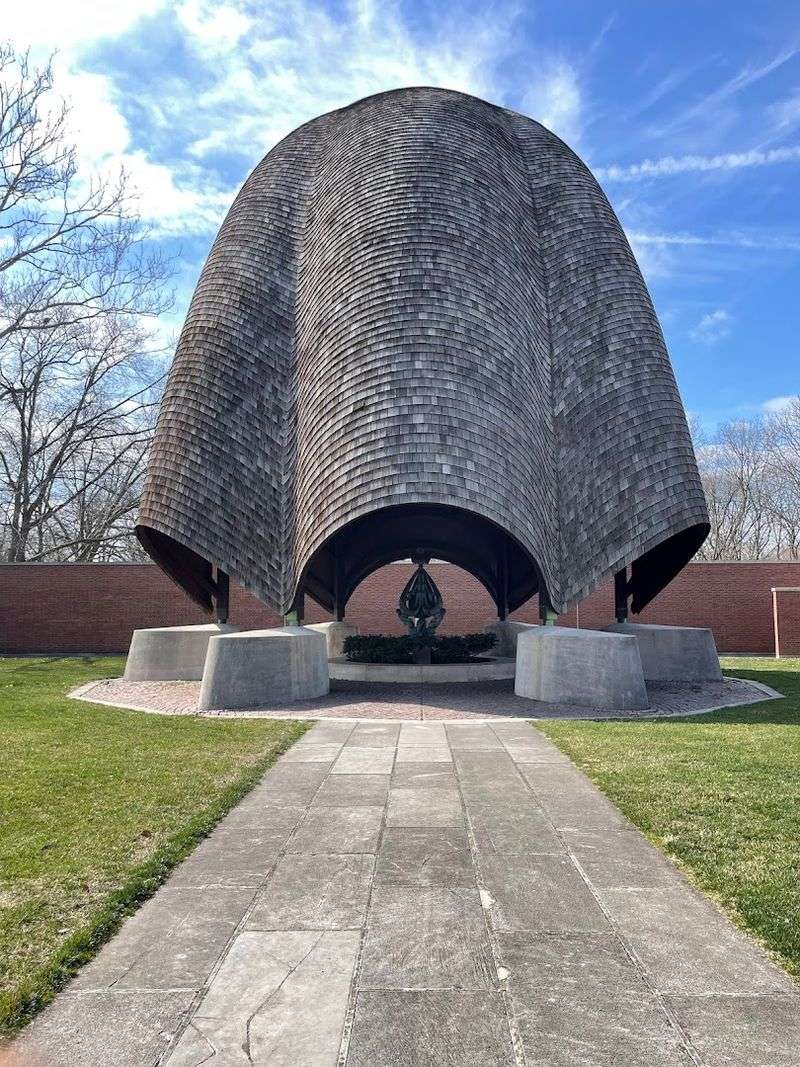
Picture a church with no roof, where the only ceiling is the vast, open sky stretching endlessly above you. That’s exactly what the Roofless Church in New Harmony offers, and honestly, it’s one of the most breathtaking spiritual spaces in all of America.
Designed by celebrated architect Philip Johnson and completed in 1960, this open-air sanctuary redefines what a sacred space can truly feel like.
Its shape resembles an inverted rosebud, a poetic and deeply symbolic design that perfectly mirrors the town’s spirit of open-mindedness and wonder.
At the heart of the space sits a powerful bronze sculpture that commands quiet reflection and draws visitors into a contemplative state. Walking through its serene stone walls, you feel a calm wash over you almost immediately.
The Roofless Church was commissioned as a place where people of all faiths could gather, reflect, and find common ground. It stands as a gentle reminder that sacred spaces aren’t always defined by walls, stained glass, or grand wooden pews.
This quiet, unforgettable spot invites you to simply pause, breathe deeply, and be fully present in one of Indiana’s most unexpectedly moving outdoor spaces.
Labyrinths That Invite You To Slow Your Mental Scroll
Here’s something most people don’t realize: a labyrinth is absolutely nothing like a maze. There are no dead ends, no wrong turns, and no frustrating backtracking involved whatsoever.
A labyrinth is a single winding path that guides you gently to a center point, designed specifically for contemplation, meditation, and a welcome mental reset.
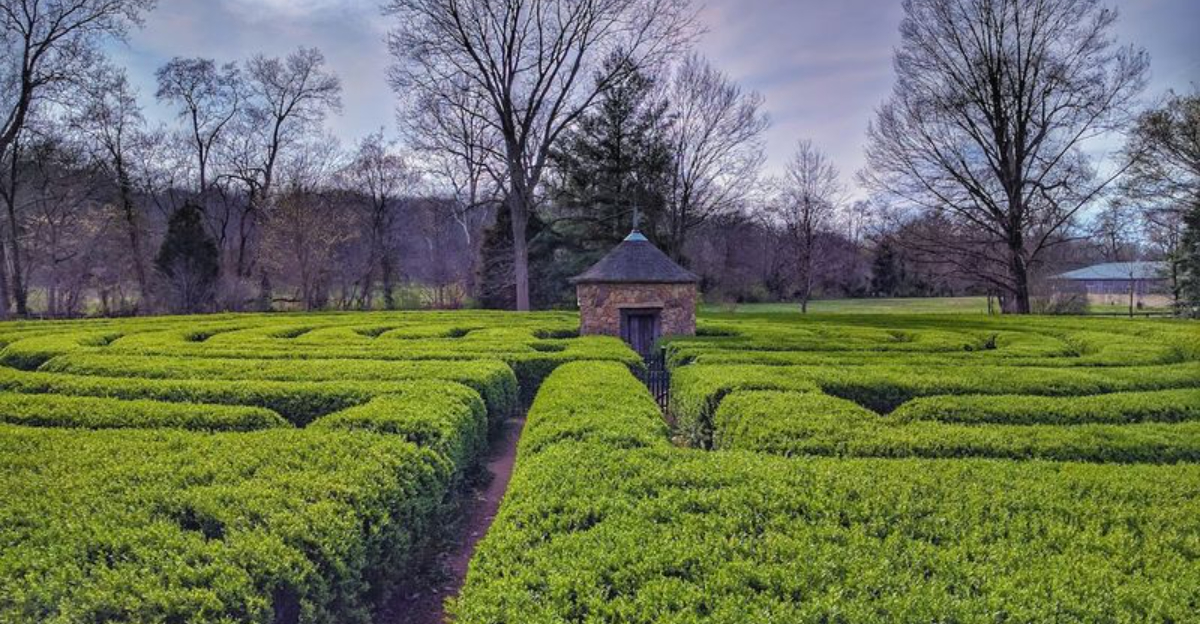
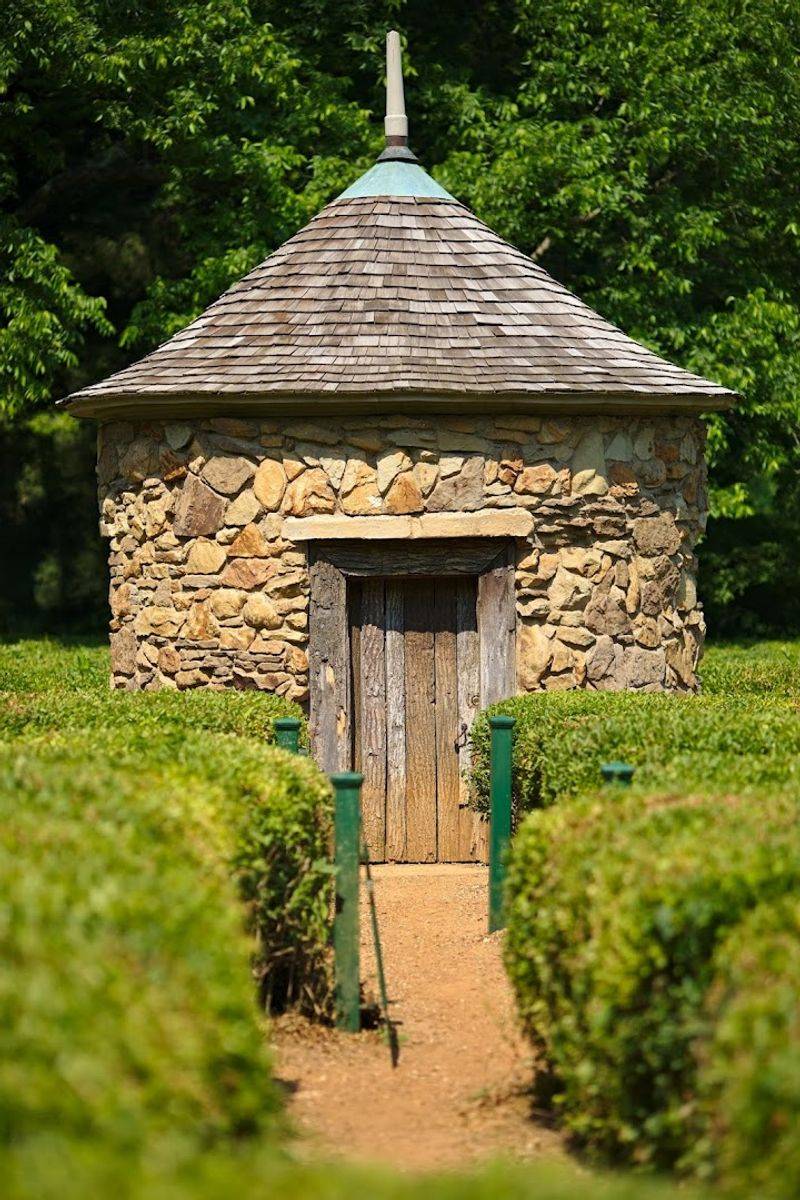
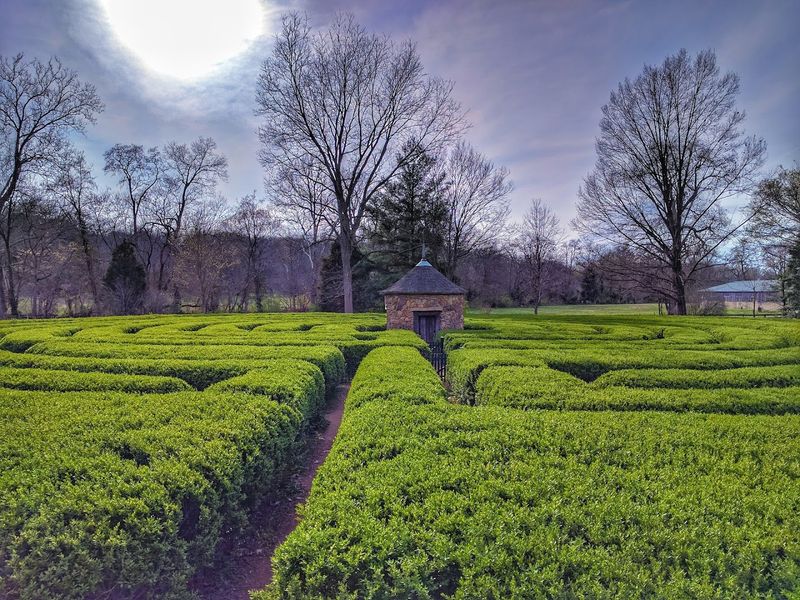
New Harmony is home to two captivating labyrinths that serve as perfect antidotes to the noise of everyday life. The original Harmonist Labyrinth, crafted from box hedges around 1815, offers a historically grounding stroll through living greenery.
Then there’s the Cathedral Labyrinth, built in 1998 and patterned after the famous Chartres Cathedral labyrinth in France.
Walking these paths is surprisingly grounding and almost meditative in the most accessible, non-intimidating way possible. You don’t need any special knowledge or spiritual background to appreciate the experience fully.
The rhythmic, unhurried walking naturally quiets a busy mind and sharpens your focus in a way that’s genuinely hard to replicate elsewhere.
Think of it as a palate cleanser for your soul, leaving you refreshed, centered, and surprisingly grateful for the simple act of putting one foot in front of the other.
A Gleaming Gateway That Rewrites First Impressions
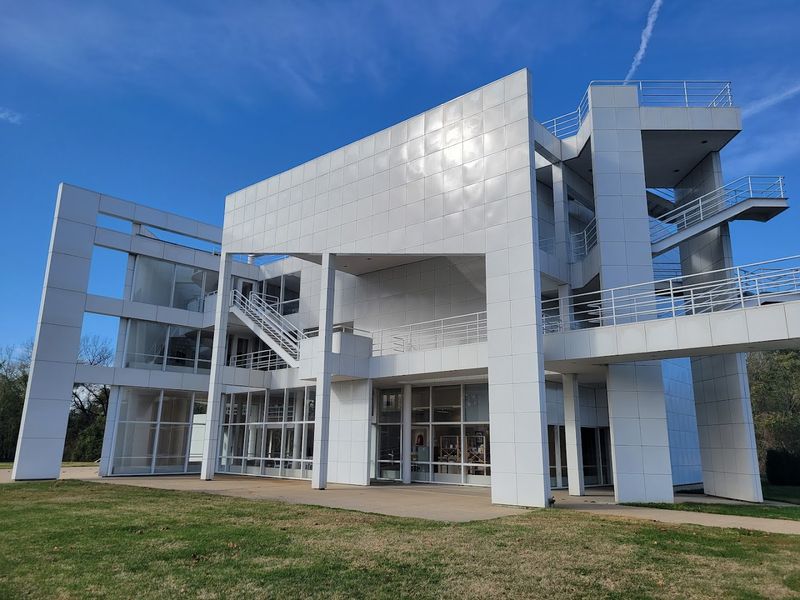
Pulling up to the Atheneum in New Harmony is genuinely one of those moments where your jaw quietly drops without warning.
This isn’t a quaint historic building wrapped in ivy and nostalgia. It’s a bold, stark white architectural masterpiece designed by world-renowned architect Richard Meier, completed in 1979, and it absolutely commands your full attention from the moment you see it.
Named after the ancient Greek institution dedicated to Athena, goddess of wisdom, the Atheneum serves as New Harmony’s official visitor center and orientation hub.
Its sharp geometric shapes and clean modernist lines earned it numerous prestigious architectural awards, and it’s easy to understand why after just one glance.
The building intentionally contrasts with the nearby historic log cabins, creating a fascinating visual dialogue between past and present.
Inside, thoughtfully curated exhibits detail the town’s remarkable communal history, and an orientation film sets the stage beautifully for your exploration. The Atheneum itself functions as a piece of living art, not just a place to grab a brochure.
It challenges your perceptions of space and time in the best possible way, perfectly embodying New Harmony’s endlessly forward-thinking spirit and its refusal to be defined by any single era.
When Big Ideas Arrived By River
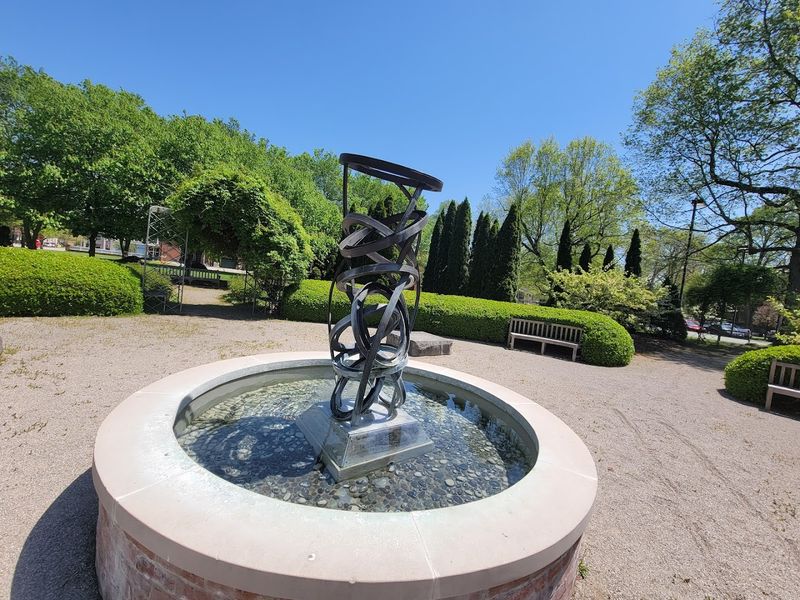
Imagine a riverboat pulling up to a small frontier town, carrying not gold or supplies, but some of the sharpest minds of an entire generation.
That’s essentially what happened in New Harmony in 1826, and it changed American intellectual history in ways still felt today. Robert Owen’s vision attracted an extraordinary assembly of naturalists, geologists, educators, and social thinkers to this remote Indiana settlement.
This legendary vessel became known as the Boatload of Knowledge, a nickname that perfectly captured both its cargo and its cultural significance.
Naturalist Thomas Say, who became known as the father of American entomology, was among those on board. Geologist William Maclure, considered the father of American geology, also made the journey, bringing an entire library with him.
Even after Owen’s communal experiment concluded, many of these brilliant figures chose to remain in New Harmony, nurturing a vibrant intellectual environment that continued thriving for decades.
Robert Owen’s son, David Dale Owen, later headed the first United States Geological Survey directly from New Harmony.
The town essentially became an unlikely scientific capital on the American frontier, proving that the most powerful cargo a boat can carry is a genuinely transformative idea whose time has come.
Buildings That Whisper Their Own Stories
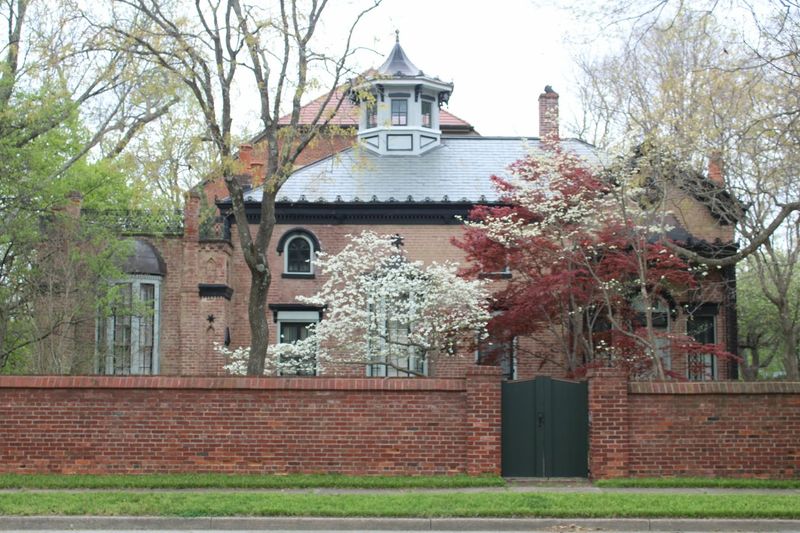
Beyond the gleaming Atheneum, New Harmony holds a remarkable collection of historic structures that feel less like museum pieces and more like living storytellers.
Reconstructed Harmonist log cabins, including a rare double cabin that functioned as an early frontier duplex, offer a tangible glimpse into the daily rhythms of communal pioneer life.
These simple, sturdy homes speak volumes about the resourcefulness and determination of the people who built them.
The Rapp-Owen Granary is another standout, an imposing circular brick building that once stored the community’s grain before later transforming into a geological laboratory.
Thrall’s Opera House is equally fascinating, beginning its life as a dormitory before reinventing itself as a lively entertainment venue serving the growing town. Each structural transformation mirrors the town’s own evolving identity perfectly.
Perhaps the most quietly impressive stop is the Working Men’s Institute, one of Indiana’s oldest continuously operating public libraries, which also doubles as a community museum. It was founded in 1838 and continues welcoming curious visitors to this day.
Walking through New Harmony’s streets feels like flipping through a richly illustrated history book, except the pages are made of brick, timber, and the kind of genuine craftsmanship that modern construction rarely manages to replicate.
The Legacy That Keeps Giving
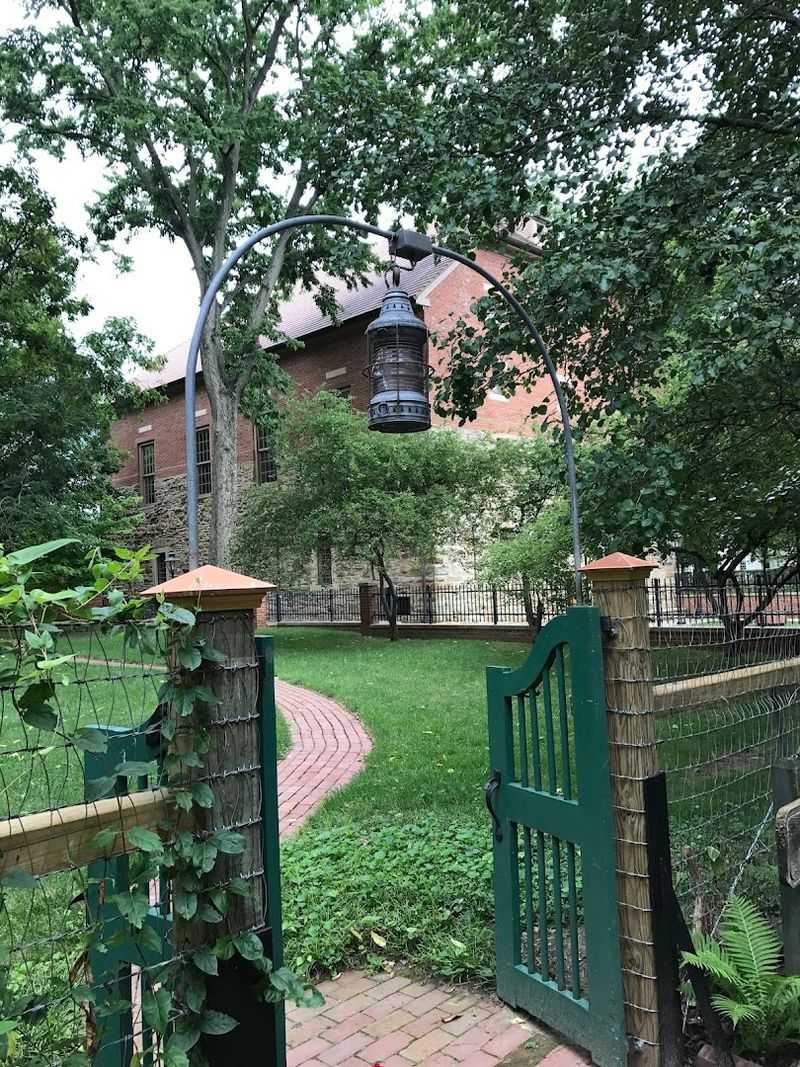
Much of New Harmony’s modern beauty and its deep commitment to the arts can be traced back to the extraordinary vision of one dedicated preservationist connected to the Owen family by marriage.
Her tireless efforts transformed the town into what many now call a walkable open-air gallery, a place where lush gardens, outdoor sculptures, and architectural masterworks exist in beautiful harmony with centuries of history.
The Jane Blaffer Owen Sanctuary is one of the most tangible results of this visionary dedication, offering a serene and beautifully landscaped public space designed specifically for quiet reflection and artistic appreciation.
Modern sculptures are thoughtfully placed throughout the town, creating unexpected moments of beauty around nearly every corner.
The integration of contemporary art into a deeply historical setting is handled with remarkable sensitivity and grace.
What makes this legacy so special is how organically it feels woven into the town’s existing fabric. Nothing feels forced or out of place, even when a striking modern sculpture stands just steps away from an 1815 log cabin.
New Harmony understood early that creativity and history aren’t competing forces but rather complementary ones.
This ongoing artistic commitment ensures the town continues to surprise and inspire every single visitor who wanders its peaceful, story-lined streets.
Where Nature Reclaims The Last Word
After absorbing all that history, architecture, and intellectual energy, your body and mind will genuinely crave something quieter, greener, and a little more grounded.
Harmonie State Park, located just a short drive from town, answers that call beautifully with rolling wooded hills, winding nature trails, and sweeping views of the pristine Wabash River.
It’s the kind of place that reminds you why leaving the screen behind is always a brilliant decision.
The park spans over 3,000 acres of forested landscape, offering trails suited for casual walkers and more enthusiastic hikers alike.
Birdsong replaces the buzz of notifications, and the scent of pine and river air clears your head faster than any wellness app ever could.
Tillich Park, named for theologian Paul Tillich, also sits nearby and provides a more contemplative outdoor experience complete with thoughtful sculptures tucked among the trees.
Together, these natural spaces create a perfect counterbalance to the town’s rich intellectual and artistic offerings, rounding out the New Harmony experience in a way that feels genuinely complete.
The Wabash River views alone are worth the short detour from the historic district.
So have you started planning your trip to this wonderfully unusual Indiana gem yet, because honestly, New Harmony is waiting to tell you its story in person.