
The Mysterious Colorado State Park Feels Like Its Straight Out Of The Twilight Zone
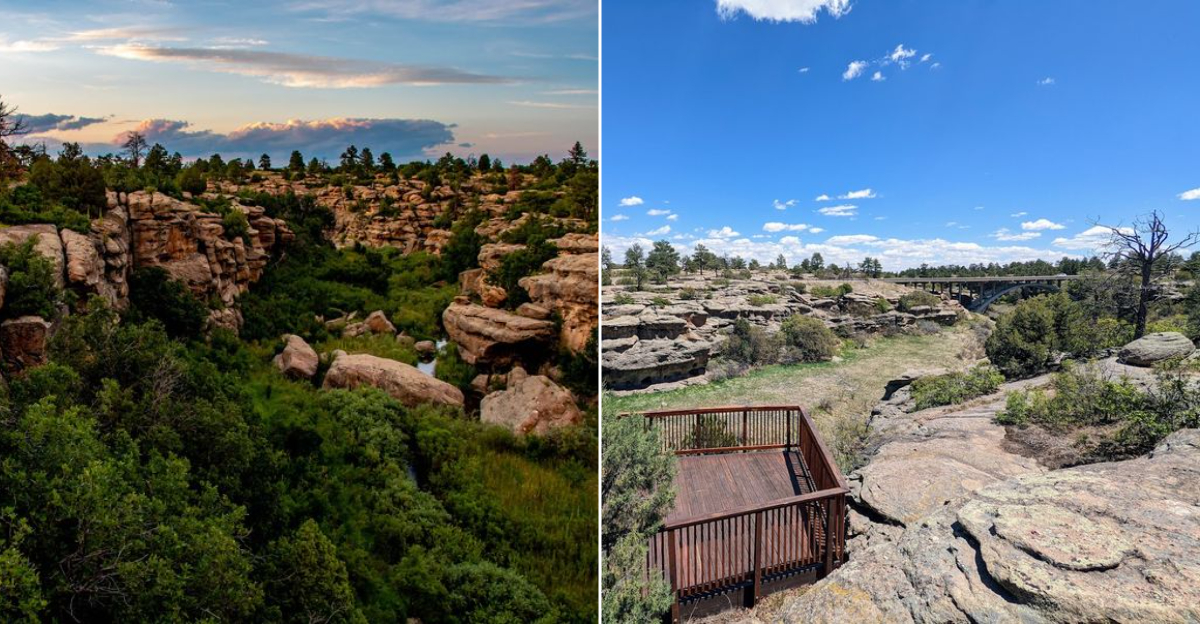
Out where the open plains begin to trade places with rugged rises, there is a wild escape that can stop a conversation in its tracks.
The moment you arrive, the scenery starts pulling tricks, swapping ordinary expectations for towering rock walls, dramatic drop offs, and trails that curl through ancient layers like pages in a giant stone storybook.
Colorado’s landscape is full of surprises, but this one feels especially unreal, almost like nature decided to get theatrical for the day. A broken old structure adds an eerie, timeworn charm, as if the past is still hanging around just to keep things interesting.
Every turn feels a little stranger, a little grander, and a lot more unforgettable. In Colorado, it is not easy to find a setting that feels this otherworldly while still being perfect for a long walk, a curious detour, or a day spent happily staring in pure disbelief.
A Canyon That Appears Out of Nowhere
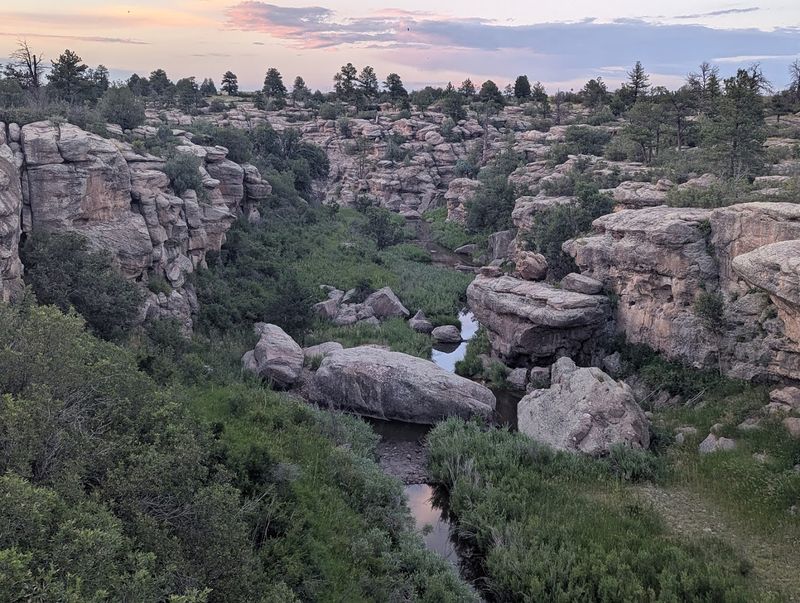
Picture driving through the flat, unremarkable prairie east of Denver and then, without any dramatic warning, the earth simply drops away. That is precisely what happens at this place, and the effect is genuinely disorienting in the best possible way.
Most canyons announce themselves. This one does not.
The canyon stretches roughly two miles long and plunges nearly 100 feet in places, carved into the rolling grasslands of Douglas County. Cherry Creek did the heavy lifting over millions of years, quietly sculpting rhyolite and conglomerate rock into walls that look like they belong somewhere far more famous.
For families driving out from the Denver metro area, the reveal moment alone is worth the trip. Kids who expected a boring field day suddenly find themselves peering over canyon rims with wide eyes.
Adults who thought they had seen everything Colorado offers tend to go quiet for a moment.
Pro Tip: Approach from the north entrance on State Highway 83 for the most dramatic first impression. The canyon does not reveal itself gradually.
It simply appears, and that surprise is part of the whole experience here.
The Ghost of a Dam That Changed History
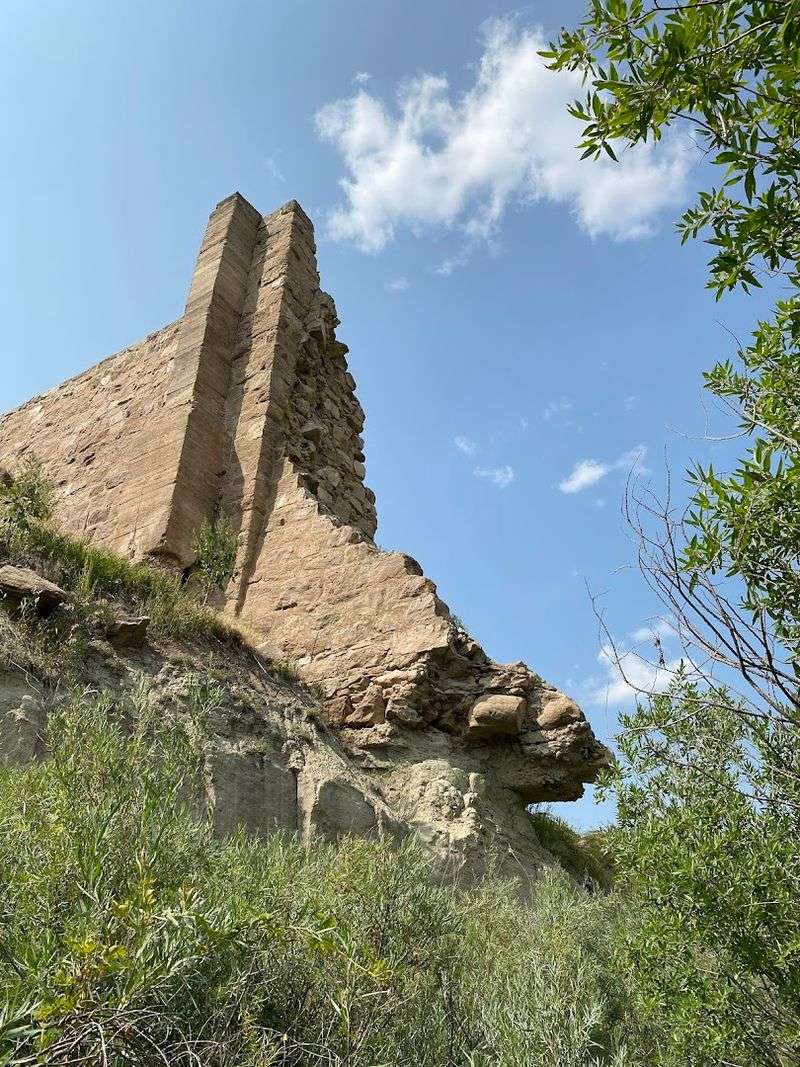
Few state parks can claim a genuine historical disaster as one of their main attractions, but Castlewood Canyon pulls it off with quiet authority. The remains of the original Castlewood Dam sit within the park, a crumbled concrete structure that failed catastrophically in 1933 and sent floodwaters rushing toward Denver.
What stands today looks like something a film crew built for atmosphere. Massive chunks of broken concrete lean against canyon walls.
Steel rods jut from fractured edges. The whole ruin has the eerie, frozen quality of something that was stopped mid-motion and never resumed.
Standing beside it, you get the odd sensation that time skipped. The structure is not restored or prettied up for tourism.
It sits exactly as it fell, which gives it a raw honesty that polished historical sites rarely manage.
Why It Matters: The dam ruins are not just a curiosity. They represent a real turning point in Colorado water management history.
Reading the interpretive signs here turns a casual hike into something closer to a genuine history lesson, and one that actually sticks because the physical evidence is right in front of you.
Best For: History enthusiasts, curious teenagers, and anyone who appreciates a place that wears its past without apology.
Trails That Belong in a Different Universe
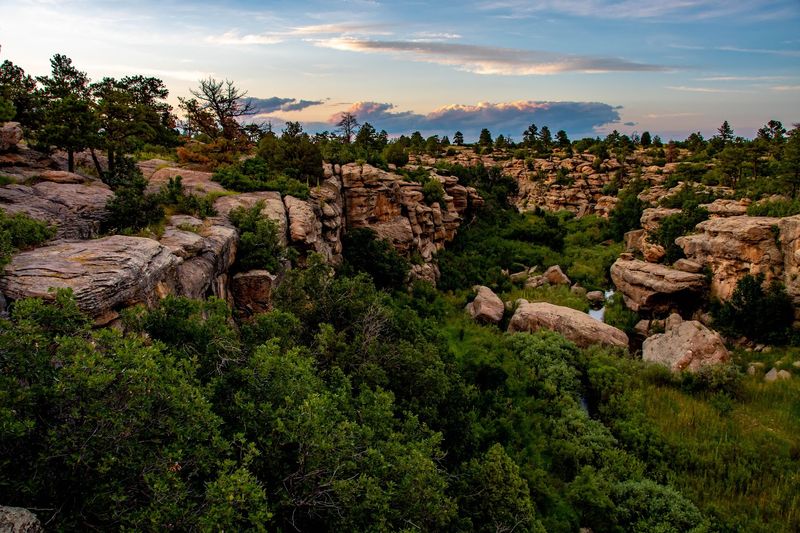
The trail system at Castlewood Canyon State Park operates on its own logic. One moment you are walking along an open prairie ridgeline with views stretching toward Pikes Peak.
The next, you have descended into a narrow canyon corridor where the walls press close and the light shifts into something almost theatrical.
The park contains roughly 14 miles of trails ranging from easy creek-side walks to more demanding rim routes. The Inner Canyon Trail takes hikers down into the canyon floor, where Cherry Creek still flows and cottonwood trees cluster in improbable abundance for a semi-arid landscape.
The contrast between the open grassland above and the shaded canyon below feels like switching between two entirely different parks.
Couples find the creek-side sections genuinely peaceful without requiring serious athletic effort. Families with older kids can tackle the rim trails and get rewarded with sweeping views that photograph beautifully in nearly any light condition.
Insider Tip: The Canyon View Nature Trail offers some of the most dramatic overlook perspectives with relatively modest elevation change. Start there if your group has mixed fitness levels and you want everyone to finish the day still speaking to each other.
Rock Formations That Defy Easy Explanation
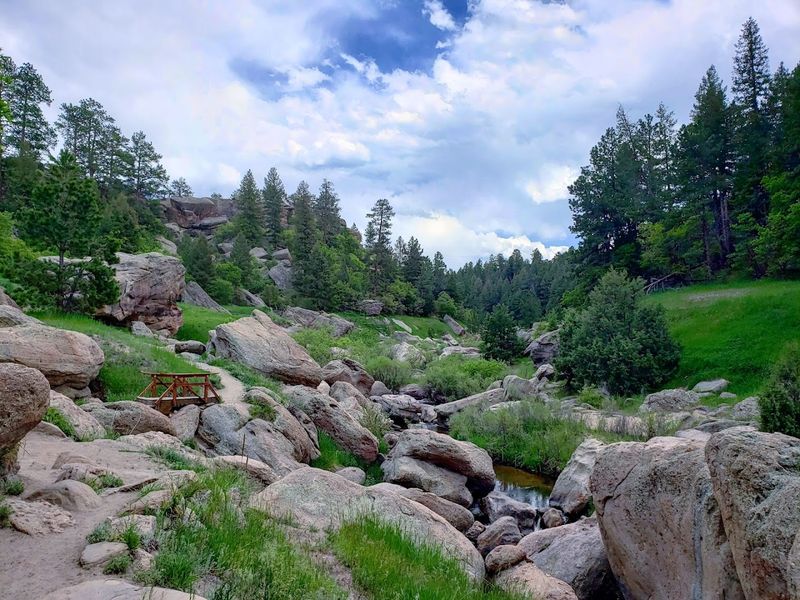
Geologists have a field day at Castlewood Canyon. The exposed rock layers tell a story spanning millions of years, and even visitors with zero background in earth science tend to stop and stare at the canyon walls with genuine puzzlement.
The formations simply do not look like anything you expect to find on a Colorado prairie.
The dominant rock type is a volcanic conglomerate, essentially ancient river gravel cemented together by volcanic material. In certain lighting conditions, the canyon walls shift between rust, gold, and deep charcoal in ways that make the whole place feel artificially lit.
Photographers who stumble across this park without prior knowledge often spend far longer than planned trying to capture what their eyes are seeing.
Wildlife has found clever use of these formations too. Raptors nest in the cliff faces.
Mule deer navigate the rocky terrain with casual expertise. The canyon creates its own microhabitat, sheltered from wind and significantly cooler than the surrounding prairie during summer months.
Quick Tip: Visit in the morning when angled sunlight catches the canyon walls directly. The color variation in the rock becomes most pronounced in early light, and the experience of watching those walls shift tone as the sun rises is one of those genuinely unexpected rewards this park delivers consistently.
Wildlife Encounters That Catch You Off Guard
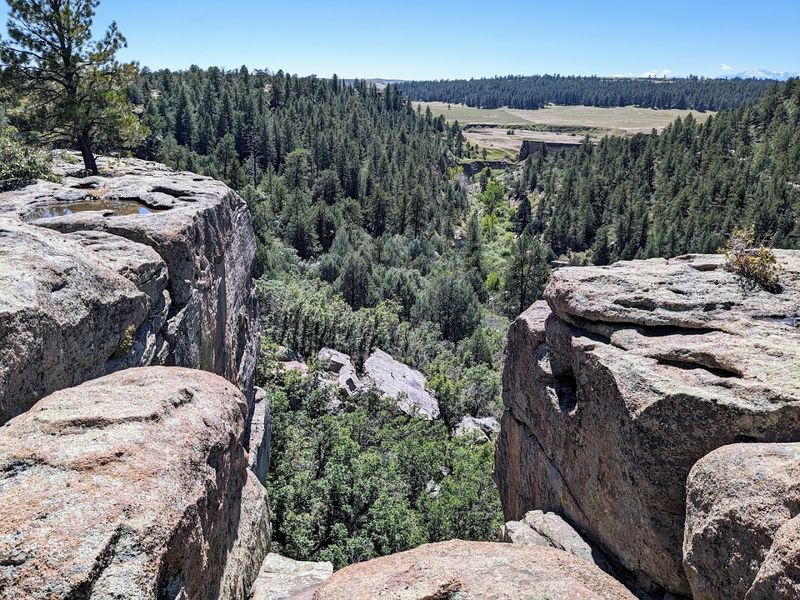
There is a particular moment that regular visitors to Castlewood Canyon describe almost universally. You are walking along, thinking about nothing more demanding than where to eat lunch afterward, and then something moves at the canyon edge that is decidedly not a fellow hiker.
The wildlife density here surprises people who expect a tamer suburban park experience.
Mule deer are common enough that spotting them barely registers for locals, but for visitors from Denver or beyond, seeing a small herd pick their way along the canyon rim still produces that satisfying jolt of the unexpected. Red-tailed hawks and other raptors ride thermals above the canyon with the relaxed confidence of creatures who know exactly whose territory this is.
The park also supports wild turkey populations, which have a talent for appearing directly in your path at the least convenient moment and then staring at you with magnificent indifference. Smaller species including various lizards and songbirds populate the canyon floor, particularly near the creek corridor where vegetation provides cover and food sources.
Best Strategy: Early morning visits dramatically increase wildlife sighting odds. The first hour after the park opens tends to be quieter on the trails and considerably more active for resident animals going about their morning routines without an audience of weekend hikers.
The Eerie Calm That Settles Over the Canyon Floor
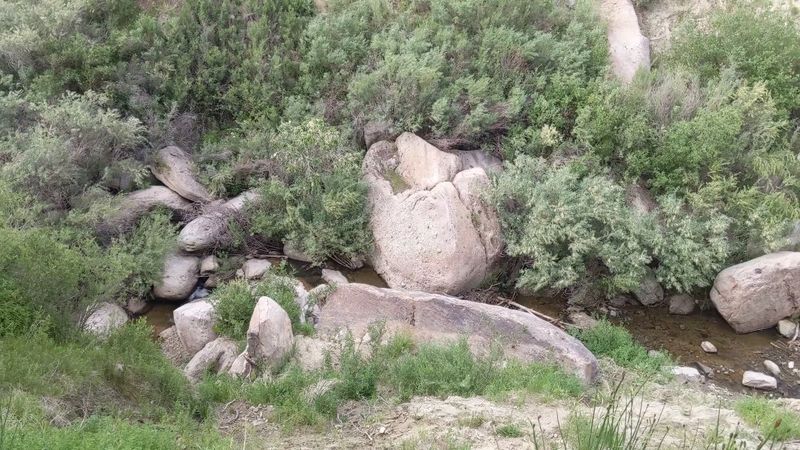
Getting down to the canyon floor at Castlewood Canyon requires a bit of effort, which is precisely why it feels like a reward. The noise of the surrounding world drops away as you descend.
The temperature drops noticeably. Cherry Creek moves quietly through the cottonwood corridor, and the whole atmosphere shifts into something that genuinely unsettles your normal sense of place.
It is not dramatic silence. It is the particular quiet of a place that has its own sounds, water over rock, wind through leaves, the occasional bird call that echoes off canyon walls in ways that make direction impossible to determine.
Visitors who come expecting a simple nature walk often find themselves sitting on a creek-side rock for considerably longer than intended.
The canyon floor also provides some of the best light for photography in the park. The walls filter and redirect sunlight in ways that create naturally diffused conditions throughout most of the day.
Even amateur photographers tend to come away with images that look more considered than their usual work.
Common Mistakes to Avoid: Do not attempt the canyon descent in wet conditions without appropriate footwear. The trail surfaces become slippery after rain, and the creek can rise quickly during afternoon summer thunderstorms.
Check the weather forecast and give yourself a wide margin.
Final Verdict: Worth Every Surprised Expression
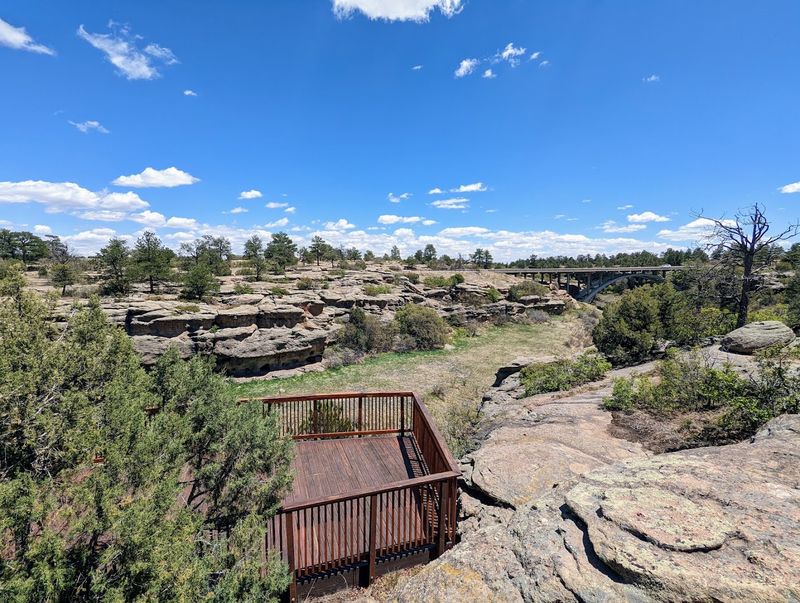
Castlewood Canyon State Park earns its reputation for catching people completely off guard, and that is genuinely its greatest asset. Located at 2989 South State Highway 83 in Franktown, Colorado, the park sits close enough to Denver for a comfortable day trip without ever feeling like a suburban overflow facility.
It has an independent character that resists easy categorization.
For families, the combination of accessible trails, dramatic scenery, wildlife, and genuine historical features means nobody runs out of things to engage with. For couples, the canyon floor sections offer peaceful, genuinely atmospheric walking without requiring serious gear or fitness commitment.
Solo visitors tend to return repeatedly, finding different details each time the light changes or the season shifts.
The dam ruins alone justify the drive for anyone with even passing curiosity about Colorado history. The canyon reveal moment justifies it for everyone else.
Together, they make a park that consistently outperforms its modest reputation.
Key Takeaways: Arrive early for wildlife and parking. Wear appropriate footwear for canyon descent.
Check weather before attempting lower trails. Bring water regardless of season.
And perhaps most importantly, allow yourself more time than you initially planned, because Castlewood Canyon has a reliable habit of making schedules feel suddenly less urgent than they did when you left home.