
The North Carolina Church Basement Dinners That Locals Swear Beat Any Restaurant
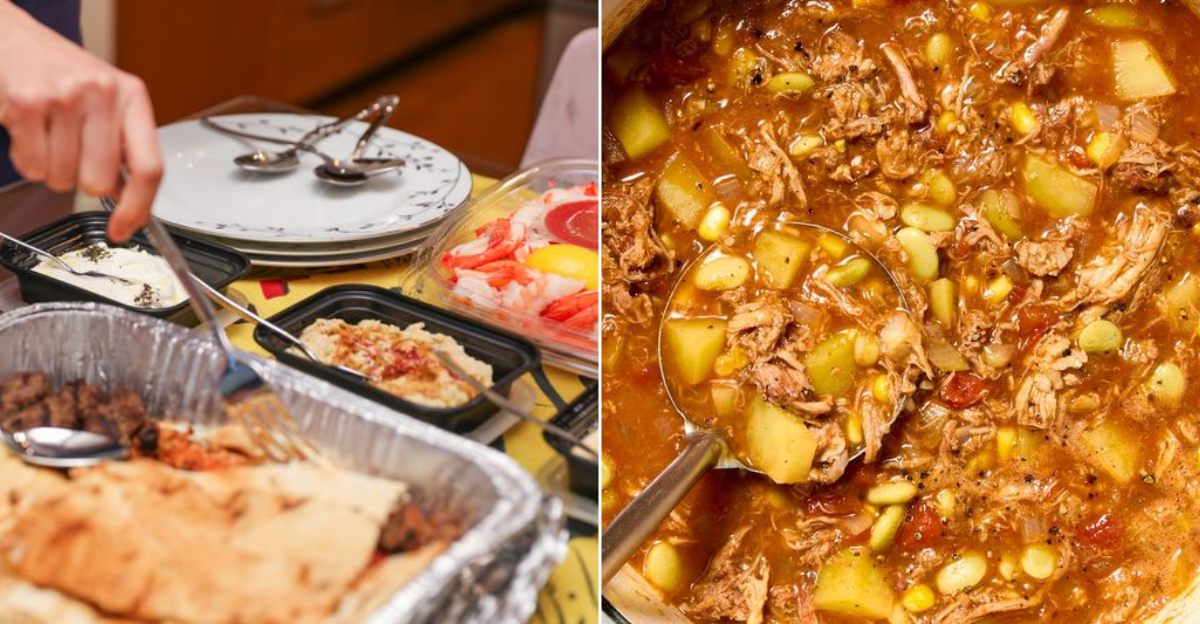
Hidden beneath steepled sanctuaries scattered across North Carolina lies a deeply rooted culinary tradition that locals guard with fierce pride and affection. These are the famous church basement dinners, humble gatherings where faith, food, and fellowship merge into something extraordinary.
Long rows of tables groan beneath platters of fried chicken, slow-cooked vegetables, biscuits, and desserts passed down through generations. Neighbors share stories, laughter, and recipes while welcoming newcomers as if they’ve always belonged.
I’ve spent years sampling these sacred feasts, and I’m convinced true magic happens in those church kitchens—flavors no professional chef, however skilled, could ever truly replicate.
Grandma’s Secret Recipes Come To Life
The first time I tasted Miss Edna’s coconut cake at Bethel Baptist, I nearly wept. Church basement dinners preserve recipes that would otherwise vanish with their creators. These dishes aren’t just food—they’re family heirlooms served on paper plates.
Every church has its legendary cooks whose potato salad or fried chicken has achieved mythical status. No restaurant chef could duplicate these flavors because the secret ingredients include decades of practice and pinches of this-and-that no cookbook could capture.
These recipes tell our community’s story through food, connecting generations more powerfully than any written history.
The Potluck Buffet That Never Ends
Lord have mercy on my waistline! The sheer abundance at these gatherings puts any restaurant buffet to shame. I once counted fourteen different casseroles at Mount Zion’s homecoming dinner—and that was before reaching the dessert table!
Unlike restaurants with carefully portioned servings, church cooks bring their best dishes in quantities that could feed a small army. Nobody leaves hungry, and most depart with to-go plates stacked dangerously high.
The variety is staggering too. Where else can you sample five different deviled egg recipes, eight versions of mac and cheese, and enough pound cake to build a small fort?
Love As The Not-So-Secret Ingredient
“Honey, I made this banana pudding just for you because I remember how you smiled last time.” Mrs. Johnson’s words perfectly capture why these meals outshine restaurants. When someone cooks specifically with you in mind, you can taste that personal connection.
Commercial kitchens can’t compete with dishes made by hands that have held your babies or helped raise money for your medical bills. The emotional ingredient transforms ordinary food into something transcendent.
I’ve watched church cooks arrive hours early, arthritic hands still peeling potatoes and rolling biscuits because feeding their community is an act of devotion no paycheck could inspire.
Fellowship Flavors Every Bite
The green beans at First Presbyterian taste better because I’m eating them while Mr. Wilson tells stories about growing up during the Depression. Restaurants sell food; church basements serve connection with a side of cornbread.
Tables aren’t arranged for privacy but community. I’ve solved neighborhood problems, celebrated birthdays, and comforted grieving friends all while passing the dinner rolls. The conversations happening around these tables season the food in ways no spice cabinet could match.
Unlike the rushed turnover at restaurants, these meals stretch for hours as people linger, laugh, and build the bonds that hold small towns together.
Recipes With Roots And History
Miss Abigail’s brunswick stew comes from a recipe her great-grandmother cooked for Confederate soldiers. The cornbread follows techniques passed down from indigenous neighbors who taught early settlers to use local corn.
Every dish tells a story about our region’s complicated history. These aren’t trendy fusion experiments but authentic expressions of North Carolina’s cultural heritage, preserved through Sunday gatherings and church cookbook pages stained with generations of fingerprints.
Restaurant menus change with the seasons and food trends. Church basement specialties remain gloriously constant, offering tastes that connect us directly to our ancestors and the land they worked.
Price Tag? Just Bring A Dish To Share
My wallet sings hallelujah at church basement dinners! While restaurants charge $25 for entrées that leave you checking your watch for the drive-through later, church meals offer all-you-can-eat abundance for nothing more than a covered dish contribution.
The economic miracle multiplies when everyone brings something to share. My green bean casserole might cost $8 to make, but I leave with memories of sampling thirty different specialties that would cost hundreds at restaurants.
For families struggling between paychecks, these gatherings provide dignified access to hearty, home-cooked nutrition without the shame of charity or the burden of restaurant prices.
The Dessert Table That Puts Bakeries To Shame
Sweet mercy! The dessert tables at Carolina church dinners deserve their own zip code. I’ve witnessed grown men strategically saving stomach space after spotting Miss Charlotte’s chocolate chess pie being unloaded from her car.
Commercial bakeries can’t compete with church desserts because they’re making products while church bakers are creating legacies. Nobody’s counting calories when faced with four generations of perfected recipes displayed on fold-out tables.
The variety boggles the mind too—from heirloom recipes like persimmon pudding to Southern classics like pecan pie and coconut cake. Each dessert represents someone’s specialty, perfected through years of post-service compliments and recipe requests.