
The Old Western Town In Colorado Where History Is Waiting Around Every Corner
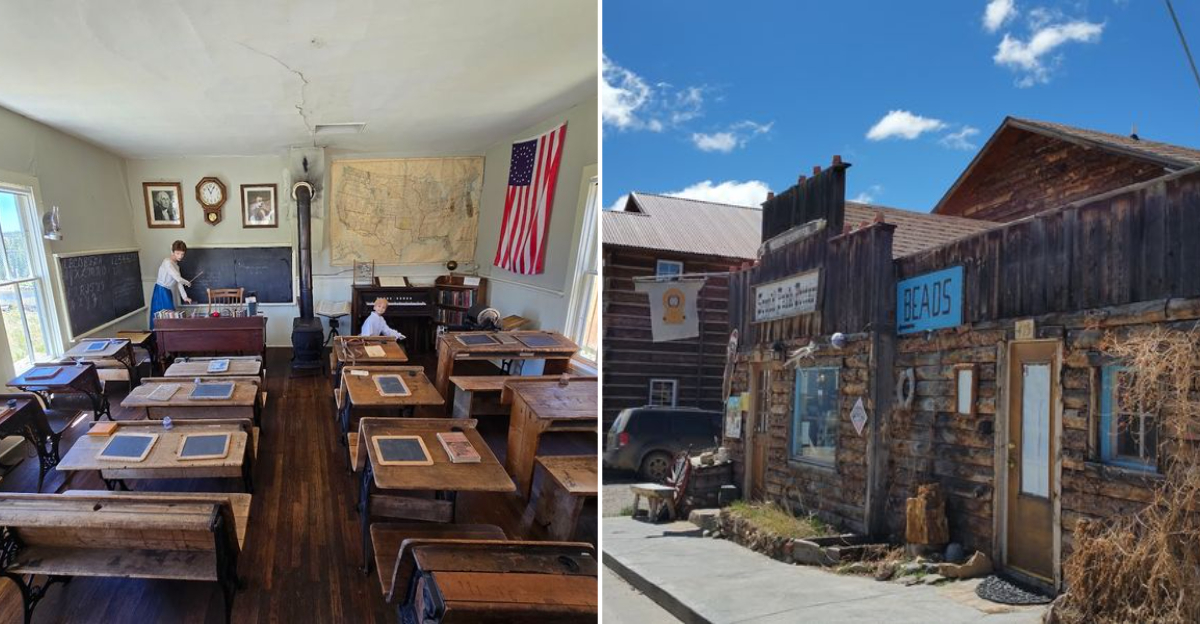
A real frontier town should feel a little dusty, a little rugged, and completely alive with old stories. That is exactly the feeling waiting in the mountains, where a preserved open-air village turns history into something you can wander through instead of simply read about.
This Colorado stop does not treat the past like a distant museum exhibit. It lets you move from building to building, imagining the shopkeepers, miners, families, and travelers who once filled places like this with noise, work, hope, and hard-earned grit.
Pretty fascinating, right? The 19th-century structures give the whole experience a rare sense of honesty, from rough wooden rooms to small details that make frontier life feel surprisingly close.
Road-trippers may arrive expecting a quick history stop, but many leave talking about how real it all felt. In Colorado’s high country, the Old West still knows how to hold your attention.
A Small Town With An Outsized Sense Of History
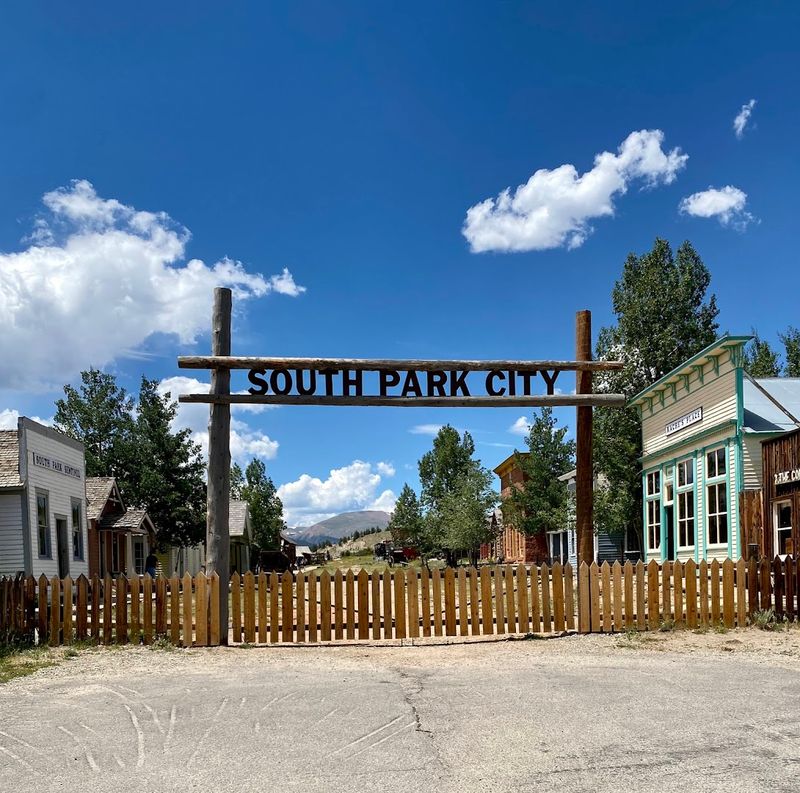
Fairplay, Colorado sits at a commanding elevation, and the moment you roll into town, something shifts. The air is thinner, the sky is wider, and the pace of life seems to have made a quiet agreement with the mountains surrounding it.
This is not a place that rushes you.
This place fits right into that rhythm. Located at 100 4th St, Fairplay, CO 80440, the museum blends so naturally into the fabric of the town that visitors sometimes do not realize they have crossed into living history until they are already standing between two 1880s-era storefronts.
That seamless quality is part of what makes the experience feel genuine rather than staged.
Fairplay itself is the kind of small Colorado town where the post office knows your name and the local shops have been there longer than most shopping malls have existed. Coming here feels like a reward for taking the road less optimized by a navigation app.
The surrounding scenery alone justifies the detour, but the museum makes the stop genuinely unforgettable.
Best For: Road-trippers, history buffs, and families looking for a destination that delivers real substance without a theme-park price tag.
What South Park City Museum Actually Is
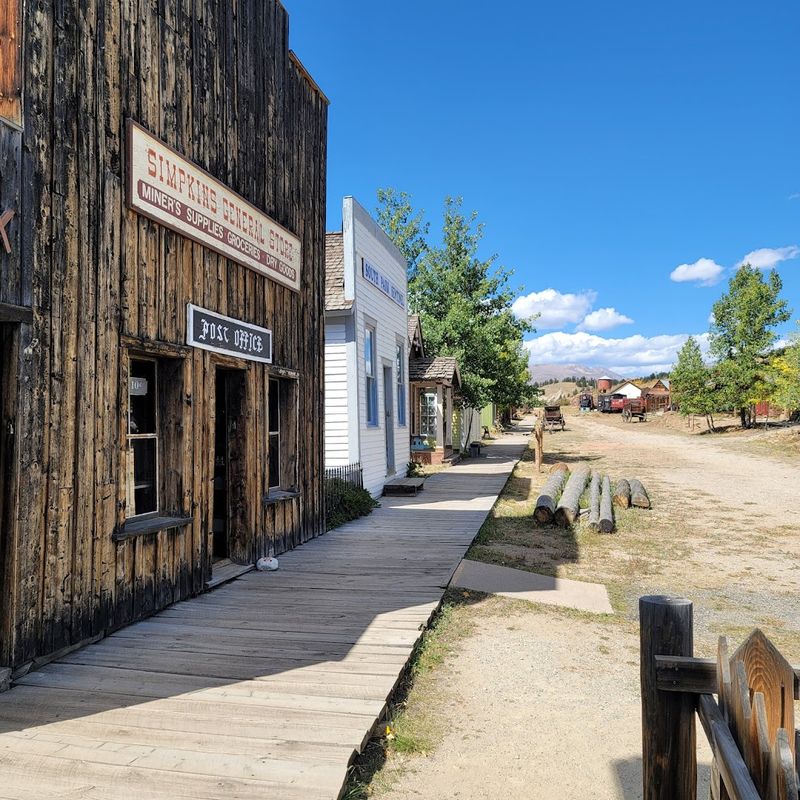
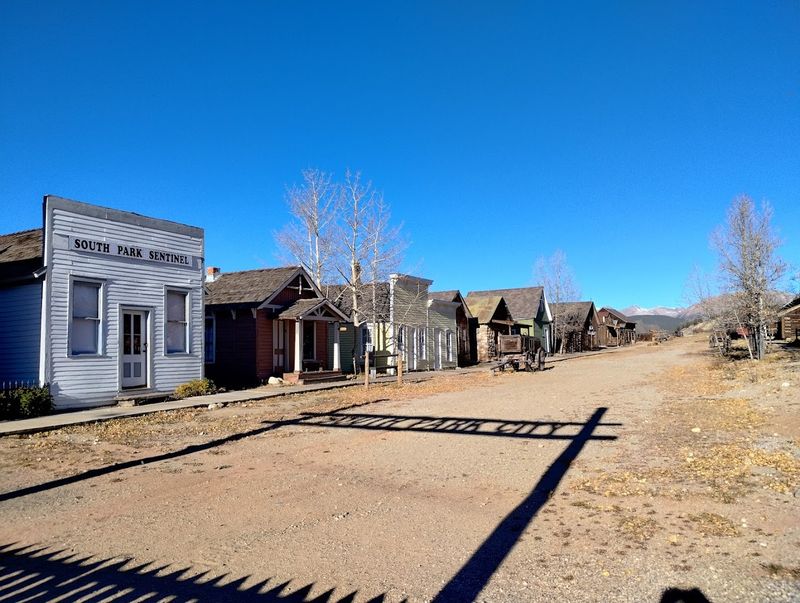
South Park City Museum is not your standard museum with roped-off displays and hushed corridors. Picture an entire 1880s Gold Rush town, fully restored, with more than 40 buildings and around 60,000 artifacts arranged the way they would have actually existed during that era.
You walk the wooden sidewalks, peer into the general store, and step inside a schoolhouse that still feels like class might resume any moment.
The scale of it catches people off guard. Visitors who plan a quick one-hour stop routinely find themselves still exploring three hours later.
That kind of time-bending quality is rare in any attraction, let alone one tucked into a small Colorado mountain town. The attention to detail in each building is the reason people keep extending their stay without even noticing.
The museum sits at 100 4th St, Fairplay, CO 80440, and it carries a rating that hovers near perfect based on a strong volume of visitor feedback. Word of mouth has clearly done more for this place than any guidebook, because many visitors arrive having never read a single formal review of it.
Quick Tip: Plan for at least two to three hours. One hour will leave you feeling like you left the party early.
Walking Into The 1880s Without A Time Machine
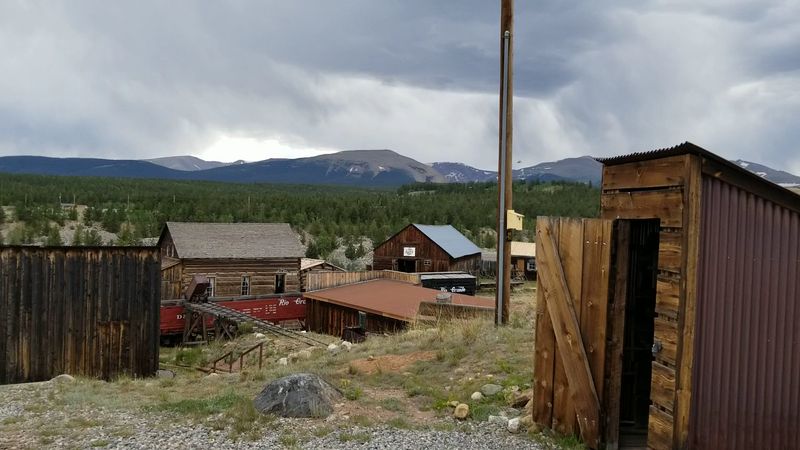
There is something quietly remarkable about stepping onto a wooden sidewalk and feeling the boards flex under your feet the same way they did for miners and merchants over a century ago. South Park City Museum delivers that sensation without any theatrical fanfare.
The buildings are simply there, restored and furnished, waiting for you to explore them at your own pace.
Each structure holds a different chapter of frontier life. A saloon, a church, a schoolhouse, a blacksmith shop, and dozens more line the paths in a layout that mirrors how a real boomtown would have been organized.
The museum does not just tell you what life was like in the 1880s; it puts you inside the actual physical spaces where that life happened. That distinction matters more than it sounds.
Visitors with an eye for detail will notice how the furnishings inside each building are period-correct and thoughtfully placed. Nothing feels like a prop.
Everything feels like it belongs, because most of it genuinely does. This level of curatorial care is what separates South Park City Museum from roadside curiosities and elevates it into something worth a dedicated trip.
Why It Matters: Interactive, touchable history is far rarer than it should be. This museum offers both without overcomplicating the experience.
The Buildings That Stop You Mid-Stride

Forty-plus buildings sounds like a statistic until you are actually standing between them. Then it becomes an itinerary.
Some of the structures at South Park City Museum are original to the site, while others were carefully relocated from surrounding areas to preserve them. Either way, they arrive with their history intact and their details fully honored.
Visitors have described going upstairs in some of the old dwellings, touching tools that working hands once gripped daily, and standing in rooms where real decisions about survival were made. That physical connection to the past is not something a photograph or a documentary can replicate.
The museum understands this and leans into it with an interactive approach that welcomes engagement rather than restricting it.
A miniature mine, a full steam train, various wagons, and trade-specific buildings all contribute to a picture of frontier life that feels comprehensive rather than curated for convenience. Nothing important seems to have been left out in the interest of keeping things tidy.
The mess and the ingenuity of that era both get their due representation here, which makes the whole visit feel honest.
Insider Tip: Look up as well as around. The architectural details near the rooflines and upper windows carry as much story as the interiors.
Sixty Thousand Artifacts And The Stories They Carry
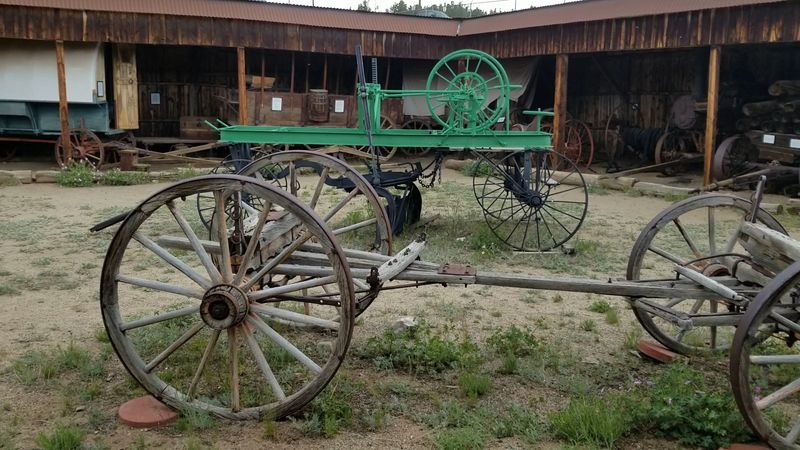
Sixty thousand artifacts is a number that deserves a moment of quiet consideration. That is not a collection assembled for aesthetic appeal.
That is a sustained, decades-long effort to preserve the physical evidence of how people actually lived, worked, and survived in one of history’s more demanding eras. South Park City Museum holds all of it with obvious care.
The artifacts are not hidden behind thick glass or positioned out of reach. Many can be touched, handled, and examined up close.
For younger visitors, that tactile access transforms history from a subject into an experience. For adults, it tends to produce the kind of thoughtful silence that follows genuine surprise.
Few places achieve that reaction consistently, but this one does.
Each building contributes its own layer to the larger story. Trade goods, household items, mining equipment, medical instruments, and everyday objects from the 1880s all find their place within the museum’s broader narrative.
Visitors who consider themselves casual history fans routinely leave with a far deeper appreciation for the period than they arrived with. That quiet transformation is the museum’s most reliable trick, and it works every single time.
Pro Tip: Read the labels and plaques carefully. The written context provided alongside the artifacts adds significant depth to what you are seeing.
The Mid-Visit Moment That Changes Everything
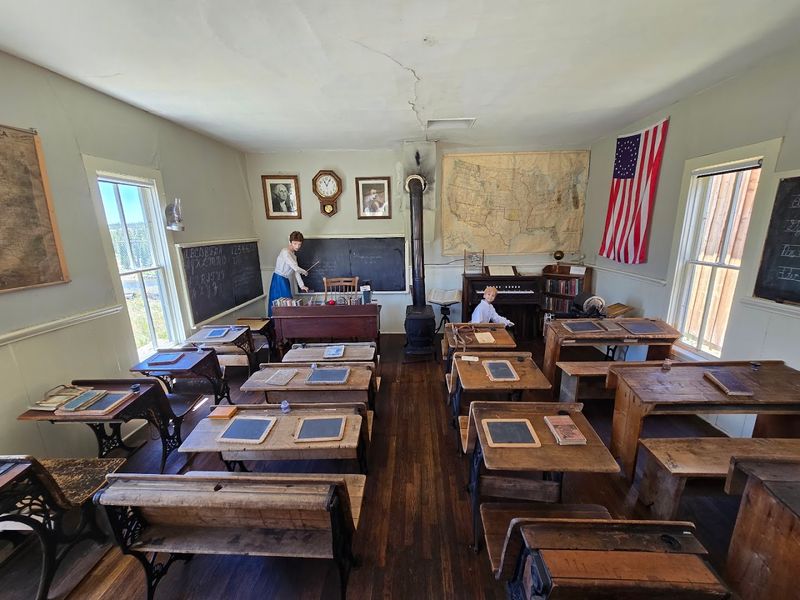
Around the halfway point of a visit to South Park City Museum, something shifts. The novelty of the first few buildings has settled into genuine curiosity, and you find yourself slowing down rather than speeding up.
That is the moment this place reveals its real quality. It does not peak early and coast; it keeps delivering.
Families tend to notice this shift most clearly through their children. Kids who were mildly interested at the entrance gate are fully engaged by the time they reach the middle of the museum’s layout.
The scavenger hunt option available for younger visitors sharpens that engagement further, giving children a specific mission inside a space that already rewards exploration. A four-year-old reportedly spent three hours here without losing interest, which is its own kind of endorsement.
For adults traveling without children, the mid-visit recalibration happens differently but just as reliably. The cumulative weight of so many well-preserved details starts to produce something closer to wonder than simple appreciation.
You stop comparing it to other museums and start experiencing it entirely on its own terms. That is when South Park City Museum stops feeling like a stop on a road trip and starts feeling like the reason for one.
Common Mistake To Avoid: Do not skip buildings because they look small from the outside. The interiors consistently exceed what the exterior suggests.
Making A Full Day Out Of Fairplay
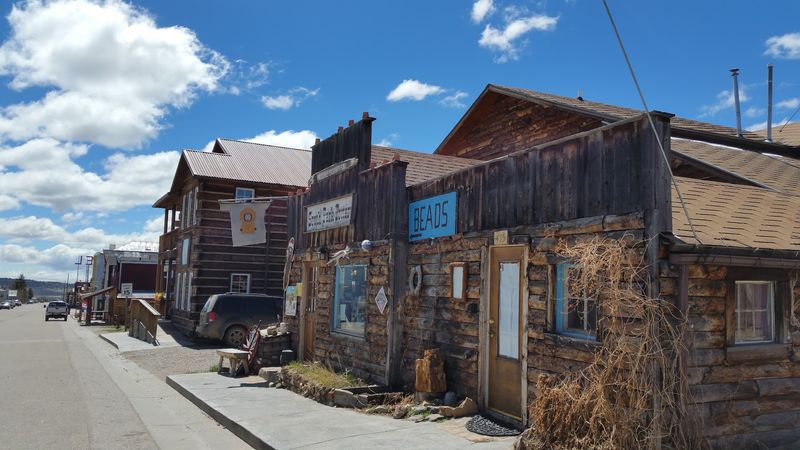
South Park City Museum pairs naturally with the rest of Fairplay in a way that makes a half-day trip easy to expand into a full one. After finishing your walk through the museum, the town itself invites a short stroll past local shops and storefronts that carry the same unpretentious character as the museum.
Nothing about Fairplay is designed to extract money from you aggressively, which makes the whole experience feel like a genuine discovery rather than a managed tourist corridor.
The drive to Fairplay is part of the reward. Visitors coming from Breckenridge or the surrounding mountain area consistently describe the scenery along the route as genuinely breathtaking, which is a phrase that gets overused everywhere except here, where it actually applies.
Arriving in Fairplay after that drive sets a mood that the museum then sustains and deepens.
After the museum, a post-visit stroll through the local shops is an easy way to extend the afternoon without adding complexity to the plan. The gift shop inside the museum itself offers souvenirs and items worth browsing before you leave.
A visit here does not require elaborate logistics. The whole experience is designed for people who want a high-quality afternoon without a high-effort itinerary.
Planning Advice: Arrive by mid-morning to give yourself maximum time without feeling pressured by closing hours. The museum closes at 7 PM daily.
The Social Proof That Speaks For Itself
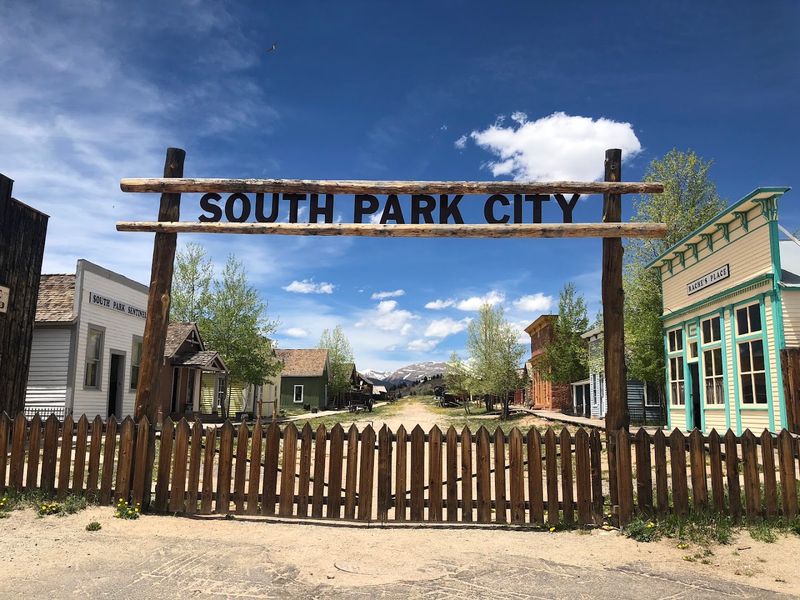
When a museum earns a near-perfect rating across a large volume of visitor reviews, that pattern tells a more reliable story than any single glowing write-up. South Park City Museum has accumulated that kind of consistent, broad-based praise from visitors who arrived with varying expectations and left with the same conclusion: this place is worth it, and then some.
The reviews draw from a wide range of visitor types. Families with young children, solo history enthusiasts, couples on road trips, and groups spanning multiple generations all report the same quality of experience.
That consistency across such different kinds of visitors is genuinely unusual. Most attractions land well with one audience and merely tolerably with others.
South Park City Museum seems to sidestep that limitation entirely.
Visitors who stumbled upon it accidentally, without any prior research or recommendation, describe the discovery in terms that suggest mild disbelief. One visitor noted that it is not advertised in guidebooks at all, which makes the quality of the experience feel even more like a personal find.
That sense of discovery, the feeling that you have found something real that most people somehow missed, is a rare and valuable thing to offer any traveler.
Quick Verdict: A near-perfect rating held across hundreds of visits is not luck. It is a product of consistent quality, and South Park City Museum earns that distinction honestly.
The Gift Shop, The Details, And The Lasting Impression
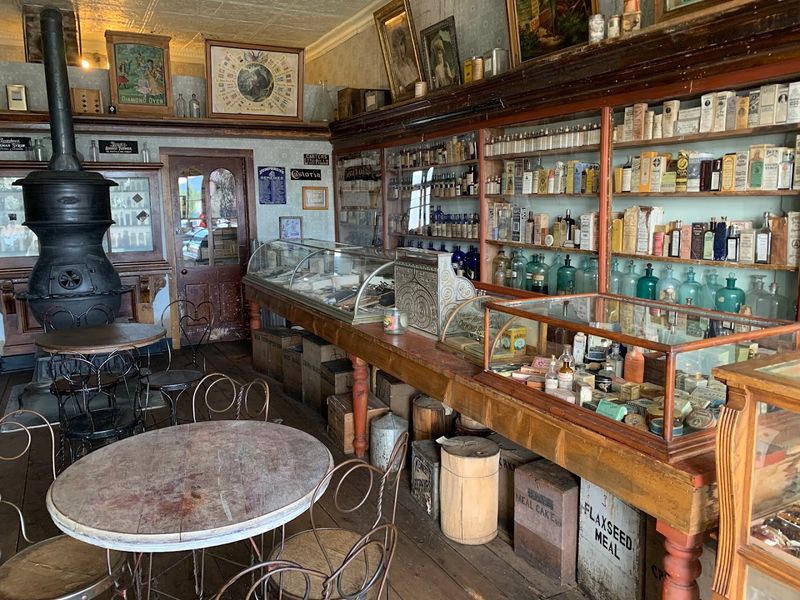
A museum gift shop can feel like an afterthought or it can feel like a natural conclusion to the experience. At South Park City Museum, visitors have specifically called out the gift shop as a highlight, which is not something you hear often.
It carries items that feel connected to what you just experienced rather than generic merchandise that could have come from anywhere.
The broader lasting impression of the museum tends to settle in during the drive home. Visitors describe a kind of reflective quiet that follows the visit, a genuine reckoning with how different daily life was in the 1880s and how much ingenuity survival required.
That is not the feeling you get from a passive display. It is the feeling you get from a place that trusted its material enough to let visitors engage with it directly.
The staff receives consistent praise for friendliness and genuine warmth, which adds a human layer to an experience that could otherwise feel purely archival. A museum staffed by people who are visibly glad you came makes a measurable difference to the overall visit.
South Park City Museum gets that detail right along with everything else, which is why the impression it leaves tends to stick well beyond the drive home.
Best Strategy: Save the gift shop for last. It works best as a punctuation mark on the visit rather than a detour from it.
Practical Information Worth Knowing Before You Go

South Park City Museum is located at 100 4th St, Fairplay, CO 80440, and it operates seven days a week with hours running from 9 AM to 7 PM. That daily availability removes one of the most common friction points in trip planning, the uncertainty about whether a specific day of the week will work.
Any day works, which makes it easy to slot into almost any itinerary.
The museum is open seasonally, typically from mid-May through mid-October, so checking current operating status before a late-season visit is a sensible precaution. The phone number for the museum is +1 719-836-2387, and the website at southparkcity.org carries updated information for anyone planning ahead.
Military discounts and senior citizen discounts are available at the ticket window, which makes the already reasonable admission price even more accessible.
Dogs are welcome on leashes, which is a meaningful detail for the significant portion of travelers who bring pets on road trips. The museum’s layout accommodates strollers and varied mobility levels reasonably well given its outdoor nature.
Arriving with a fully charged phone is worthwhile, because the photography opportunities throughout the site are genuinely abundant and the temptation to document everything will arrive quickly.
Insider Tip: Check the website at southparkcity.org for any seasonal closures or special events before making the drive, especially if visiting near the edges of the operating season.
The Confident Recommendation You Can Pass Along
Some places earn their reputation quietly, without billboards or heavy promotion, simply by being genuinely good at what they do. South Park City Museum in Fairplay, Colorado is that kind of place.
It does not need to oversell itself because the experience does all the persuading the moment you walk through the entrance.
If someone you trust sent you a text that said, go to South Park City Museum in Fairplay before the season ends, you would probably go. That is the level of confidence this place inspires in the people who visit it.
The combination of scale, accessibility, interactivity, and honest pricing produces a result that feels almost unfairly good for what it costs to spend an afternoon there.
The museum sits at 100 4th St, Fairplay, CO 80440, and it is open daily from 9 AM to 7 PM through the operating season. It is the kind of destination that turns a drive through Colorado into a story worth telling.
The 1880s are waiting there, fully intact and ready to be walked through, touched, and genuinely felt. That is a rare thing in any era, and it is absolutely worth your afternoon.
Final Word: Put South Park City Museum on the itinerary before someone else tells you about it and you wish you had gone sooner. That moment is coming either way.