
The Picturesque Arizona Town Where You Can Retire Comfortably In 2026 On About $1,200 A Month
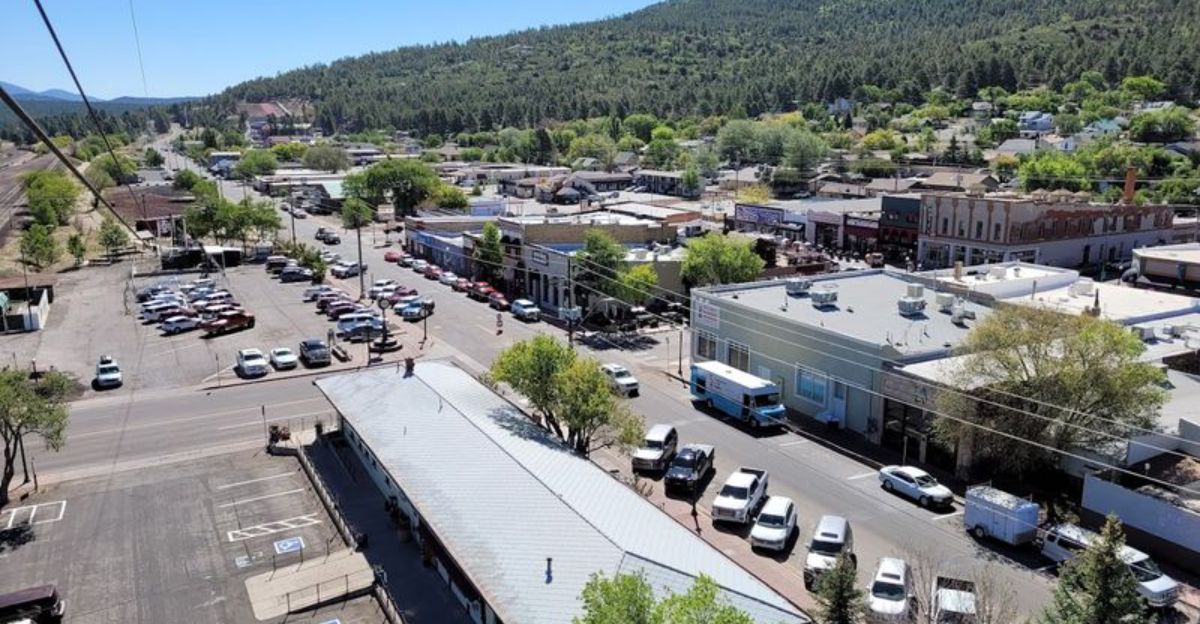
Tucked away at 6,700 feet above sea level, this is the kind of small town that makes you slow down and breathe easier the moment you arrive. Tall ponderosa pines line the streets, the air smells like a forest, and the pace of life feels like something from a friendlier era.
Known as the Gateway to the Grand Canyon, this charming mountain town draws retirees who want beauty, community, and a lower cost of living without giving up comfort.
I spent time exploring it to find out whether a $1,200 monthly retirement budget could actually work here in 2026, and what I discovered surprised me in the best possible ways.
Keep reading, because this little town has a lot more going for it than most people realize.
The Setting And Small-Town Charm Of Williams
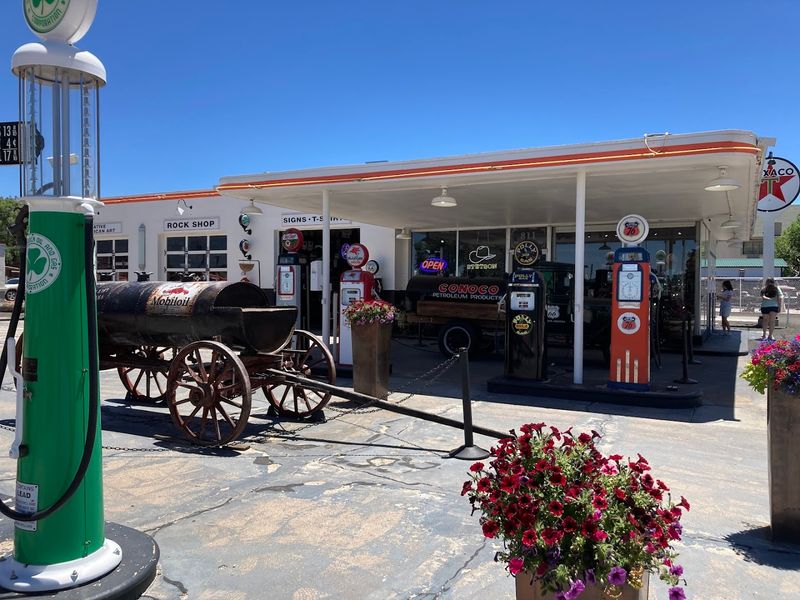
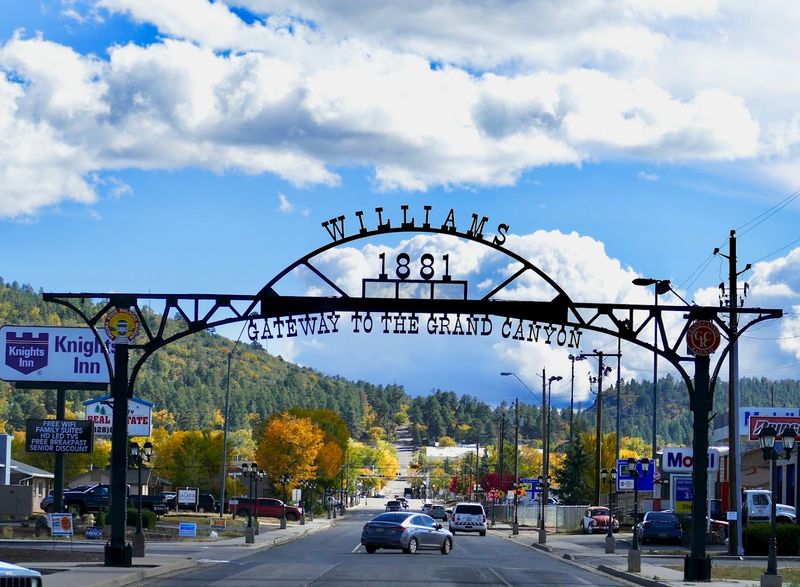
Walking down Route 66 felt like stepping into a postcard that nobody had bothered to mail yet. The town sits in Kaibab National Forest, surrounded by towering ponderosa pines and framed by the San Francisco Peaks in the distance.
At 6,700 feet elevation, the air is noticeably crisp and clean, even in summer, which makes outdoor time genuinely pleasant rather than something you endure.
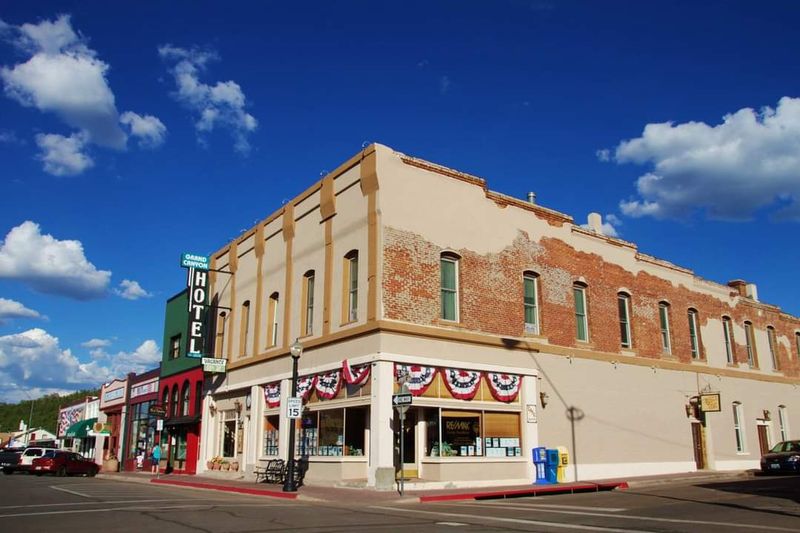
Historic storefronts, turquoise jewelry shops, and cozy diners line the main strip. The town has roughly 3,200 residents, which means you actually get to know your neighbors.
For retirees craving community rather than anonymity, that small-town familiarity is priceless.
Williams earned its nickname as the last town on Route 66 to be bypassed by Interstate 40, and that stubbornness to stay authentic shows. Williams, Arizona wears its history proudly without turning it into a theme park, and that balance is genuinely refreshing.
Housing Costs And What Your Budget Actually Covers
Here is where things get real. The median home value in Williams sits around $465,419, which puts homeownership out of reach for a strict $1,200 monthly retirement budget.
Average rents hover around $1,397 per month, which alone would already exceed a tight fixed income.
That said, housing markets shift, and creative options exist. Some retirees find smaller studio apartments, mobile home parks, or shared living arrangements that bring monthly housing costs closer to $600 to $750.
Nearby communities like Valle or Ash Fork offer even lower rents while keeping Williams within easy driving distance.
Owning a paid-off home before relocating changes the equation dramatically. If you arrive mortgage-free, your $1,200 budget stretches much further across utilities, groceries, and healthcare.
The key takeaway is that housing strategy matters more here than in most small towns, so planning ahead before moving is genuinely essential for making this budget work.
Utilities, Groceries, And The Everyday Cost Of Living
One of the quietly good surprises about Williams is that everyday expenses run reasonably close to the national average. Monthly electricity costs average around $196.78, which is actually about 9% lower than the national average.
For a mountain town with cold winters that require heating, that number is worth appreciating.
Groceries run about 1% higher than the national average, which is so close to neutral that most retirees would barely notice the difference.
A careful shopper sticking to basics, buying seasonal produce, and avoiding specialty items could realistically keep food costs under $300 per month.
Williams does not have a massive supermarket chain, so residents typically shop at a local grocery store or make occasional trips to Flagstaff, about 35 miles east, for bigger hauls. Factoring in a monthly gas budget for those trips is smart planning.
Overall, day-to-day costs here are manageable without feeling like you are constantly cutting corners.
Healthcare Access And Medical Costs For Retirees

Healthcare costs in Williams run about 3% lower than the national average, which is a modest but meaningful advantage for retirees on a fixed income. Every dollar saved on a doctor visit or prescription adds up quickly over the course of a year, and that small percentage gap can represent real money over time.
Williams itself is a small town, so major medical facilities are not located right on your doorstep. Flagstaff Medical Center, a full-service regional hospital, is approximately 35 miles away and serves as the primary healthcare hub for residents in this area.
For routine checkups, there are local clinics and a small community health presence in Williams. Retirees managing chronic conditions or requiring frequent specialist visits should factor in transportation costs to Flagstaff as a regular line item in their budget.
Medicare coverage generally works well throughout Arizona, and pairing it with a supplemental plan helps keep out-of-pocket costs predictable and manageable throughout the year.
Things To Do Without Spending Much Money
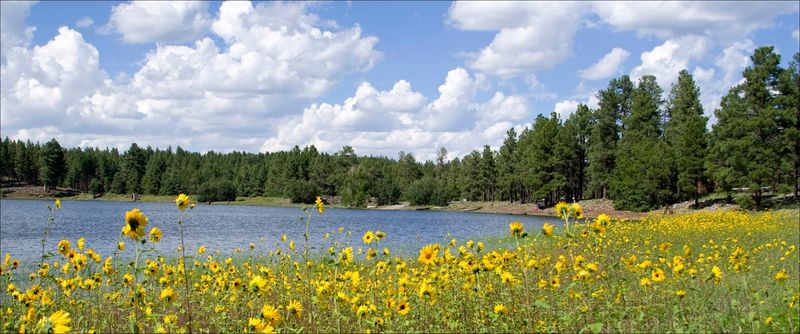
One of the strongest arguments for retiring in Williams is that the best things to do here cost almost nothing. Kaibab National Forest wraps around the town and offers miles of hiking trails, wildlife watching, and picnic spots that are free to access year-round.
Spotting elk, mule deer, and wild turkey on a morning walk is genuinely common.
The Grand Canyon South Rim is only about 60 miles north, and an America the Beautiful Senior Pass, available for $80 as a lifetime purchase, covers entry for U.S. residents aged 62 and older.
That single purchase unlocks the Grand Canyon and hundreds of other national parks and federal recreation areas across the country.
Williams also hosts seasonal events, a Saturday farmers market, and community gatherings that bring neighbors together without any cost. For retirees who find joy in nature, conversation, and simple pleasures rather than expensive entertainment, this town delivers an incredibly full life on a genuinely modest budget.
That means a normal week can feel full without putting pressure on your budget. In a place like Williams, some of the most memorable moments come from a scenic walk, a local event, or simply watching the seasons shift around town.
Arizona’s Improving Retirement Ranking And What It Means
Arizona has been quietly climbing the national retirement rankings, jumping from 42nd place to 22nd in recent assessments. That upward shift reflects improvements in areas like tax policy, healthcare access, and overall quality of life for older residents.
Arizona does not tax Social Security income, which is a direct financial benefit for retirees relying on those monthly payments.
The state also has relatively low property taxes compared to many other U.S. states, and various senior property tax exemption programs exist that can reduce costs further for qualifying homeowners. Those layers of financial relief matter when you are working within a tight monthly budget.
Williams specifically benefits from being in a state that is actively trying to attract and support retirees.
While the town itself remains small and somewhat off the radar, that lower profile often translates to less competition for affordable rentals and a community that genuinely values long-term residents over short-term tourists passing through.
Making The $1,200 Budget Work In 2026

Retiring comfortably on $1,200 a month in Williams, Arizona in 2026 is ambitious, but it is not entirely out of reach with the right preparation. The most critical factor is housing.
Arriving with a paid-off home, an affordable long-term rental already secured, or a shared living arrangement dramatically changes what is possible on this income level.
A realistic monthly breakdown might look like this: $600 to $700 for housing, $196 for utilities, $280 for groceries, $80 for transportation, and roughly $100 for healthcare copays and prescriptions.
That totals around $1,256, which is close but tight. Supplementing Social Security with even a small part-time income, a side skill, or investment withdrawals creates meaningful breathing room.
Williams rewards retirees who plan carefully, live simply, and find genuine joy in nature and community. For those who fit that profile, this pine-scented mountain town offers something increasingly rare: a beautiful, peaceful life that does not cost a fortune to maintain.
Getting Around Williams And Nearby Cities Without Breaking The Bank
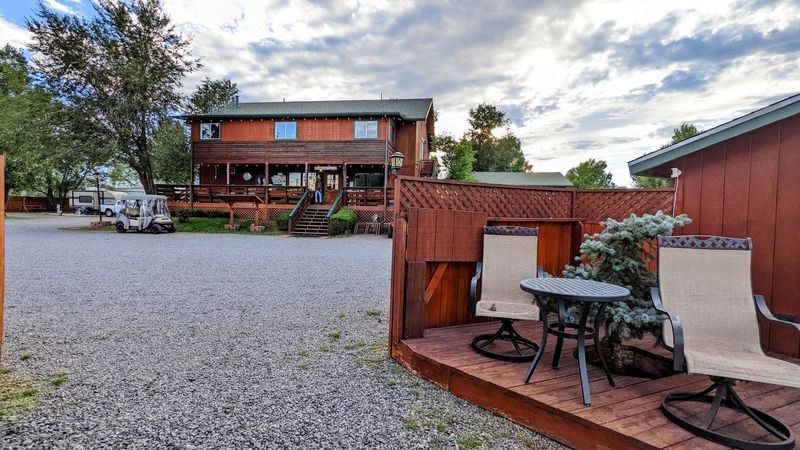
One overlooked perk of retiring in Williams is how manageable transportation costs actually are. The town is compact enough that many daily errands can be handled on foot, which means your car sits in the driveway more often than you might expect.
Fuel costs stay reasonable when most of what you need is within a short drive. Flagstaff is only 35 miles east, offering big-box stores, specialty medical appointments, and cultural events without a long haul.
Williams also has Amtrak service, so occasional trips to bigger cities do not require stressful highway driving. For retirees watching every dollar, that kind of built-in convenience quietly adds up to real savings each month.
That smaller-town layout also makes everyday life feel a little less exhausting. Shorter drives mean less time spent planning around traffic, parking, and the general hassle that can come with larger cities.
For many retirees, that kind of ease is just as valuable as the money saved. It turns basic routines into something simpler, calmer, and much more enjoyable.