
The Postcard-Worthy Town In Arkansas That You’ve Likely Never Heard Of
Right in the middle of central Arkansas, there’s a town that doesn’t raise its voice but still grabs your attention. You notice it fast.
Wide streets stretch out, giving everything room to breathe. People actually smile at you, not in a forced way, just because.
The downtown feels like a scene paused in time, brick buildings, old signs, little details that reward a slow walk. I drove in thinking I’d pass through in ten minutes.
That plan fell apart almost immediately. I parked.
I wandered. I looked around longer than expected. Something about the pace sticks with you. It feels easy, comfortable, familiar even on a first visit.
By the time I got back in the car, I wasn’t ready to leave. Stay with me here.
The next part breaks down the spots, the scenes, and the moments that make this place worth a second look and a few extra photos.
White County Roots And Railroad-Era Rise
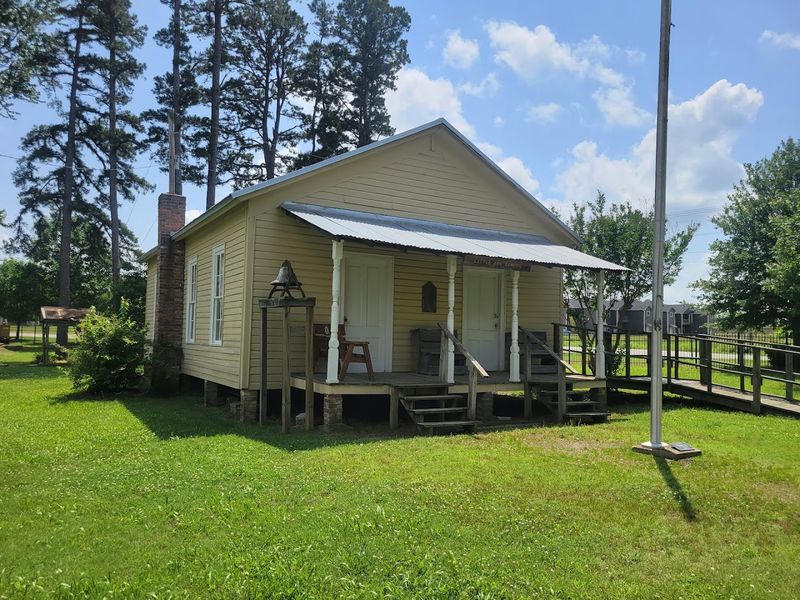
Long before anyone called it a postcard town, this place was built on grit, farmland, and the ambition of settlers who saw potential in the Arkansas soil.
White County was established in 1835, and the community that would grow at its center was shaped early by agriculture, with cotton playing a significant role in the regional economy for many years.
The arrival of the railroad in the 1870s expanded opportunities, connecting the town to wider markets and drawing merchants, professionals, and new residents interested in its steady growth.
As I moved through the area today, small details kept catching my eye, a carved stone facade here, a weathered warehouse wall there, hinting at those busier, noisier railroad days.
Local historical markers do a good job of filling in the blanks, and the White County Historical Society keeps records that even casual visitors can explore.
That layered past gives the town a texture you can almost feel underfoot, and it all comes together in Searcy, Arkansas, the county seat located in the heart of White County.
Harding University Influence On Daily Life
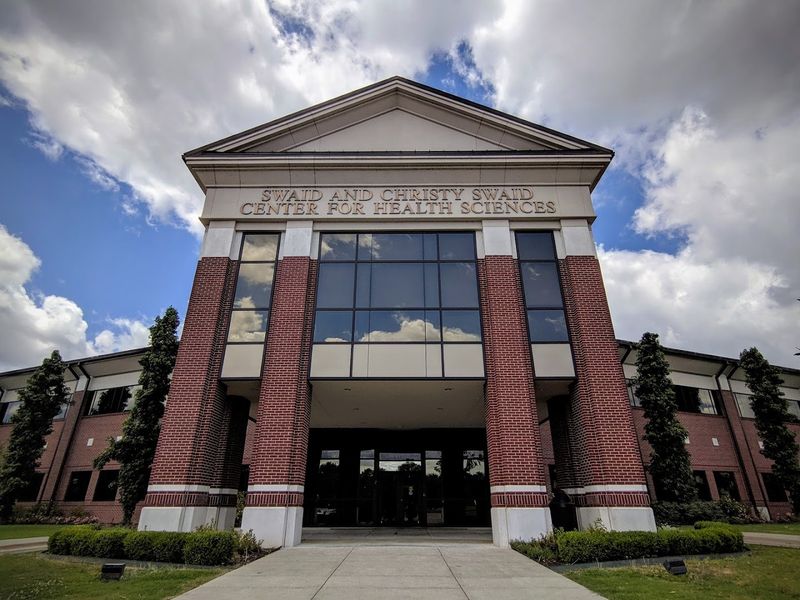
A university does not just educate students; it shapes the personality of the entire town surrounding it, and that effect is impossible to miss here.
Harding University, a private liberal arts institution with strong Christian values, has been a fixture of Searcy since 1934, and its presence reaches far beyond its own campus gates.
The student population brings consistent foot traffic to local restaurants, bookshops, and coffee spots, keeping small businesses alive in ways that might otherwise be difficult for a town this size.
I noticed the energy shift noticeably near campus, with younger crowds mixing comfortably alongside longtime residents at lunch counters and park benches.
Cultural events, guest lectures, theatrical performances, and art exhibitions hosted by the university are regularly open to the public, giving the broader community access to programming that punches well above its weight.
There is also a genuine sense of civic pride tied to Harding, with alumni who never left town forming a backbone of local leadership, volunteerism, and small business ownership.
The university and the town have grown together in a way that feels less like coexistence and more like a genuine, long-standing partnership.
Courthouse Square Anchoring Historic Streets
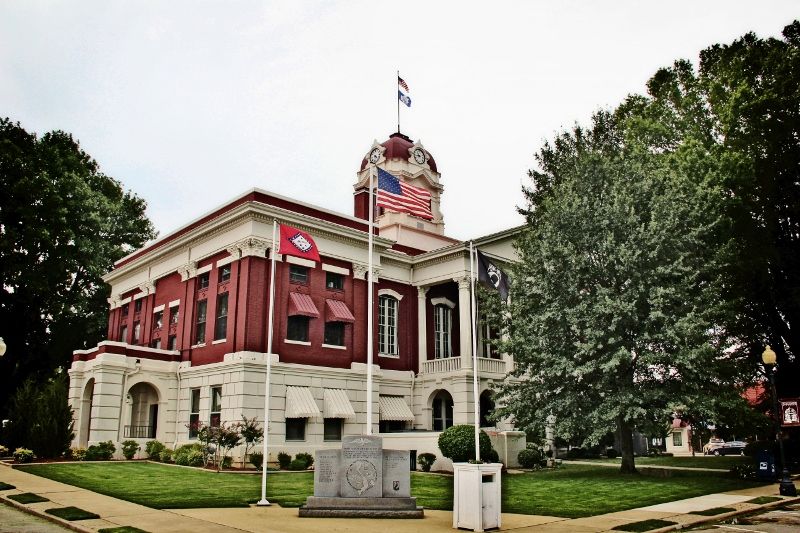
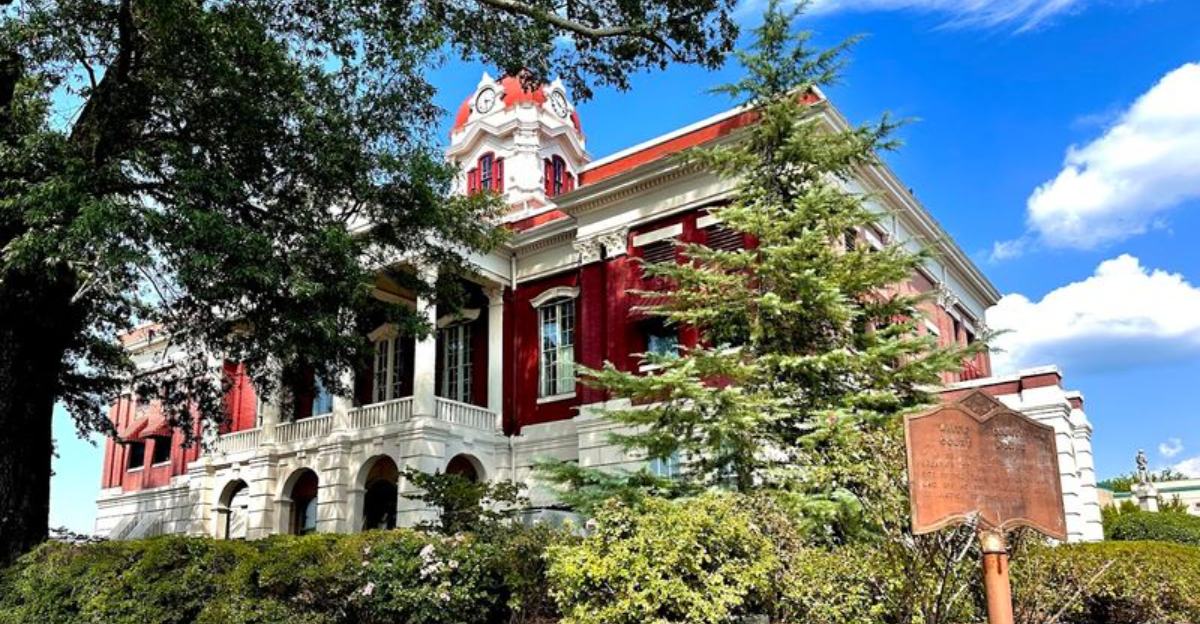
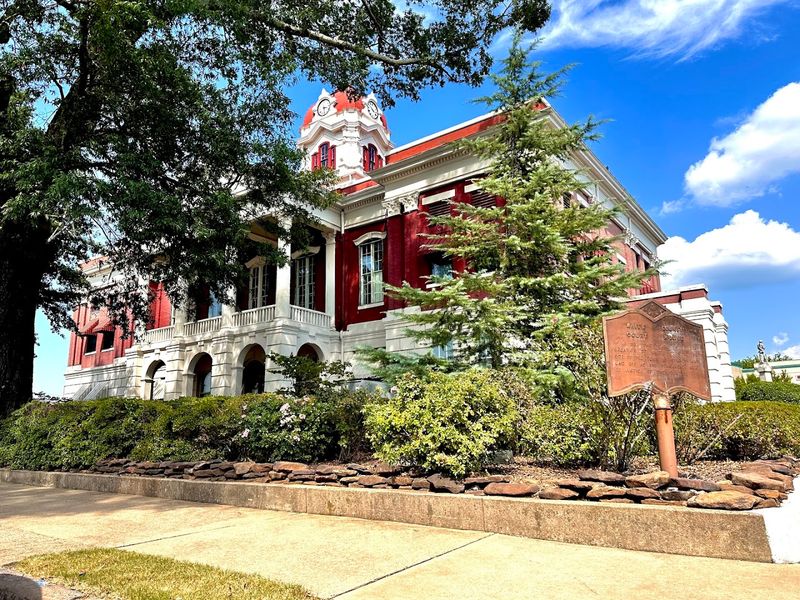
Every great small town has a center of gravity, and in Searcy, that anchor is the White County Courthouse sitting proudly at the heart of the downtown square.
Built in a Georgian style with Corinthian columns and a commanding presence, the courthouse is the kind of building that makes you slow your car down just to get a better look.
The square around it functions as both a civic hub and a social gathering point, where locals cross paths on weekday mornings and families spread out on weekends.
I spent a good chunk of one afternoon simply sitting on a bench nearby, watching the rhythm of the town unfold around me like a slow, unhurried song.
Seasonal decorations transform the square throughout the year, making it a particularly lively spot during fall festivals and holiday events when the whole block lights up with activity.
The surrounding streets radiate outward from the square in a pattern that feels intentional, guiding foot traffic naturally toward shops, eateries, and community spaces.
The courthouse square leaves a strong impression, and this one earns every bit of the admiration locals clearly feel for it.
Brick Storefronts And Locally Owned Boutiques
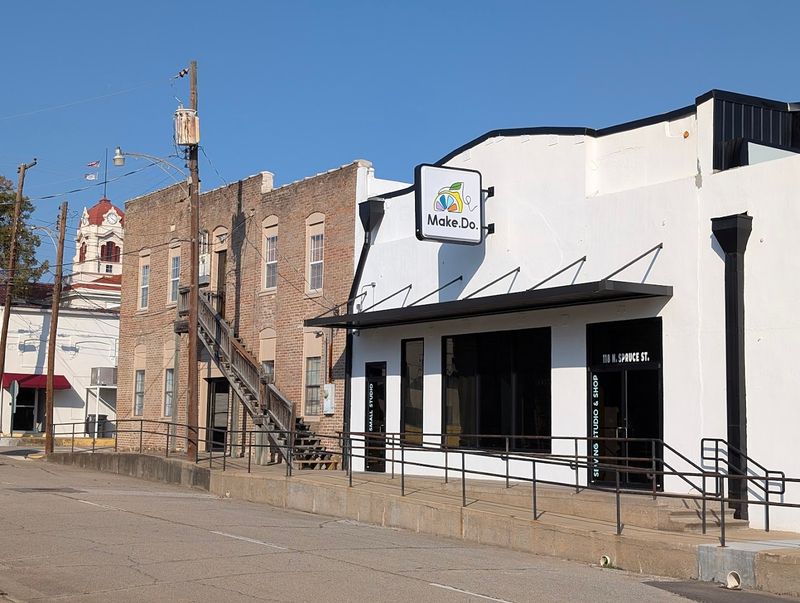
Shopping here feels different from the usual retail strips, and the downtown storefronts of this town deliver exactly that change of pace.
Original brick facades line the main commercial streets, many of them dating back to the early twentieth century, giving the shopping district a warmth and solidity that no modern construction can replicate.
Inside those buildings, locally owned boutiques carry everything from handmade jewelry and curated home goods to vintage clothing and Arkansas-made food products that reflect the region.
I made the mistake of telling myself I would only browse, and walked out carrying a canvas tote stuffed with things I had not planned to buy but absolutely do not regret.
Shop owners tend to be present and engaged, ready to share the story behind a product or point you toward another local business worth visiting nearby.
That kind of personal attention creates a shopping experience that feels more like a conversation than a transaction, which is increasingly rare and refreshing.
Supporting these storefronts means putting money directly back into the community, and that knowledge adds a quiet satisfaction to every purchase made along these historic streets.
Little Red River Access And Riverside Views
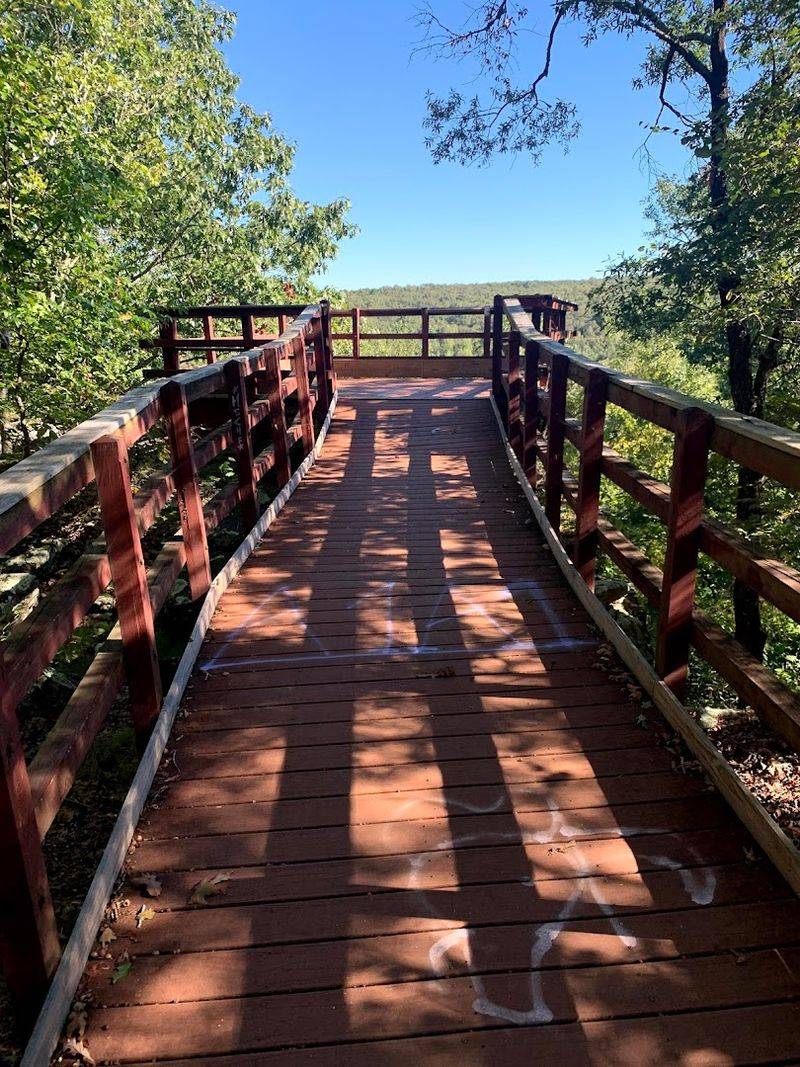
Water has a way of making any destination feel more alive, and the Little Red River running near Searcy adds exactly that kind of quiet, natural energy to the area.
The river is well regarded among anglers, particularly for trout fishing below Greers Ferry Dam, and it draws visitors from across the region who come specifically for the experience of casting a line in its clear, cold current.
Even if fishing is not your thing, the riverside scenery rewards a simple walk or a slow drive along the access roads that wind through the surrounding landscape.
I found a spot near the bank one morning where the light was hitting the water at just the right angle, and I sat there longer than I intended, which is the highest compliment I can give any outdoor setting.
Kayaking and canoeing are popular options for those who want a more hands-on relationship with the river, and nearby outfitters can point you toward the best launch points.
The Little Red River corridor also supports a rich variety of wildlife, making it a solid destination for birdwatchers and nature photographers looking for something beyond the typical tourist trail.
Annual Get Down Downtown Street Festival Energy
Few things reveal the true character of a town faster than watching how it throws a party, and Searcy knows how to bring the whole community together on its main streets.
The Get Down Downtown festival is an annual event that transforms the downtown corridor into a lively outdoor gathering filled with live music, local vendors, food stalls, and the kind of easy social energy that you simply cannot manufacture.
I arrived not entirely sure what to expect and found myself immediately swept up in the atmosphere, moving from one vendor tent to the next while a band played something upbeat nearby.
Local artisans set up alongside food trucks, creating a mix of commerce and entertainment that feels genuinely curated rather than thrown together at the last minute.
Families bring lawn chairs and blankets, teenagers drift in groups from stage to stage, and older residents catch up with neighbors they may not have seen since the last festival season.
Events like this one are the connective tissue of a healthy small-town community, reminding everyone who lives there, and everyone visiting, why a place like this is worth caring about.
Walking back to my car that evening, I felt like I had been let in on a very good local secret.
Classic Diners Serving Southern Comfort Staples
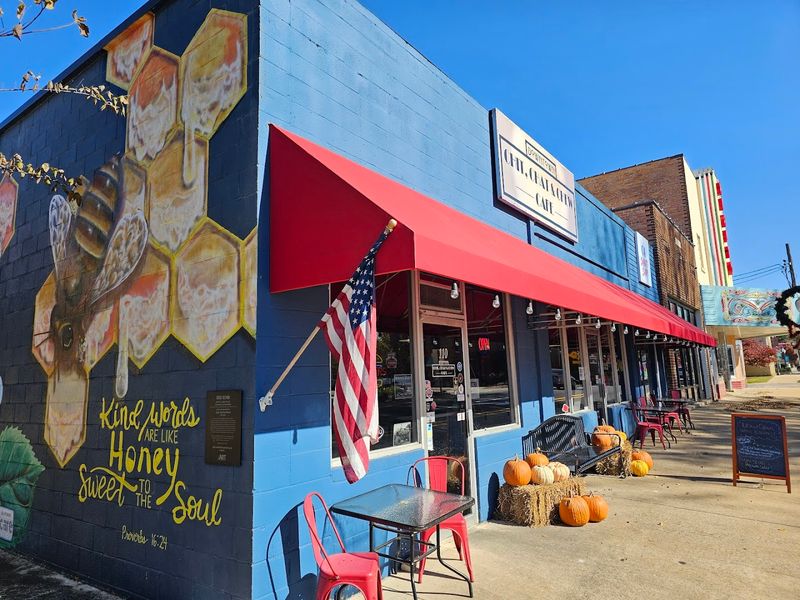
Forget trendy tasting menus for a moment, because some of the most satisfying meals I have had in Arkansas came from places with laminated menus, steady coffee refills, and pie displayed under a glass dome on the counter.
Searcy has a mix of long-running local restaurants and casual spots that continue to serve the community year after year.
Chicken fried steak, mashed potatoes with cream gravy, catfish platters, and biscuits that arrive at the table still steaming are the kinds of dishes commonly found on menus around town.
I sat at a counter stool one morning and ordered the breakfast special, a decision that required absolutely zero deliberation and delivered maximum satisfaction.
The conversations happening around me were as much a part of the experience as the food itself, with locals trading news, opinions, and good-natured commentary in the easy way that only comes from years of familiarity.
Southern comfort cooking at its most honest is not about complexity; it is about consistency, generosity, and the particular warmth of food made by people who want you to leave full and happy.
Quiet Neighborhoods Framed By Tree-Lined Avenues
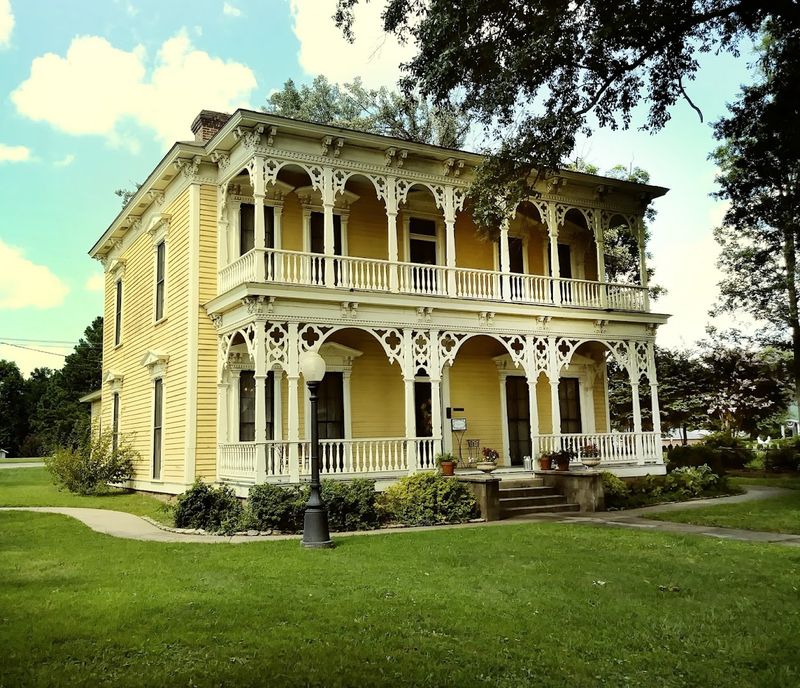
Beyond the courthouse square and the festival stages, the neighborhoods of Searcy offer a different kind of reward, one that is slower, quieter, and satisfying to explore on foot.
Mature trees line many residential streets throughout the older parts of town, adding shade and character to an afternoon walk.
Front porches are still a feature of daily life here, and it is not uncommon to see residents sitting out in the early evening, waving to neighbors walking dogs or pushing strollers along the sidewalk.
I spent one golden hour moving through a neighborhood near the historic district, noticing a mix of older homes and mid-century styles that reflect different stages of the town’s growth.
The pace in these blocks is noticeably different from the town center, and that contrast is part of what makes Searcy feel balanced rather than one-dimensional.
Well-maintained yards and personal touches speak to a sense of pride that does not require a sign to announce itself.
Leaving those streets felt like closing a very good book, the kind you set down slowly because you are not quite ready to let the feeling go.