
The Remote Arizona Canyon Village That Locals Say Feels Like Another World
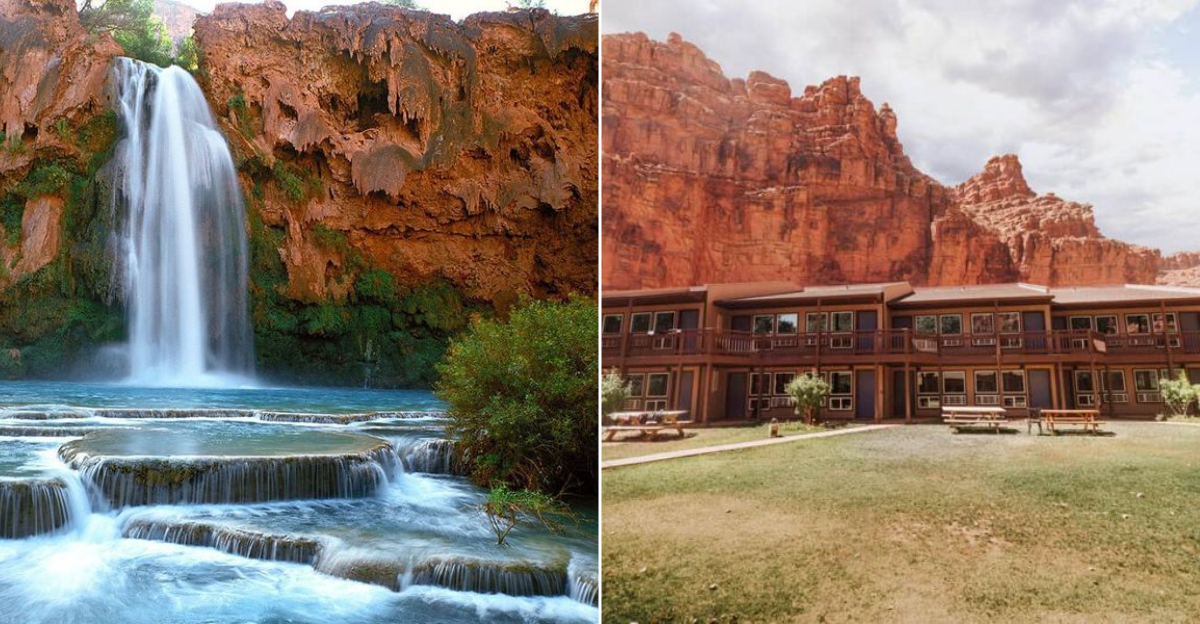
I still remember standing at the rim of Havasu Canyon, gazing down at red cliffs that seemed to stretch forever, swallowing the sky in color and silence.
Somewhere below, hidden deep within the canyon walls, lies Supai—a village untouched by modern roads and grounded in centuries of tradition.
The Havasupai people have lived beside those glowing turquoise waterfalls for generations, tending to their sacred land with quiet resilience. Standing there, it felt less like visiting a place and more like stepping into a dream carved by time itself
Where It Is—and Why It Feels So Otherworldly
Tucked deep in Havasu Canyon, west of Grand Canyon National Park, Supai is the tiny village of the Havasupai Tribe—”people of the blue-green water.”
No roads lead here, only foot trails, mule paths, and helicopter rides. Daily life unfolds beneath towering red walls and turquoise cascades, with almost zero car noise breaking the silence.
The National Park Service notes Supai sits outside the park’s jurisdiction and isn’t reachable by road, adding to its time-out-of-time feel. Imagine waking up to the sound of waterfalls instead of traffic horns. It’s a place where modern conveniences take a backseat to natural beauty, and honestly, that’s the whole point.
Is It Open Now? (Yes—Here’s Proof)
Good news for adventurers: tourism is open and operating under the Tribe’s permit system. The official help center confirms 2025 reservations are active, with campground and lodge options available. After a late-August 2024 flood closure, the Tribe announced reopening for October 2024, and subsequent updates show ongoing 2025 check-ins and guidance.
Clear evidence visits continue, so you can start planning your trip without worry. Current pricing and rules are posted online, making it easier than ever to secure your spot. Just remember, permits are limited and sell out fast, so don’t drag your feet on booking.
How You Check In & Enter Tribal Lands
Before you hit the trail, all visitors with campground or lodge reservations must check in at Grand Canyon Caverns Inn on Route 66 near Peach Springs.
The Tribe’s official site reiterates that the trip leader must handle check-in for the whole group. No exceptions, no shortcuts.
Walk-ins and day hikes are not allowed; you must hold a confirmed reservation. Think of it as your golden ticket—without it, you’re not getting past the gate. The process ensures the Tribe can manage visitor numbers and protect their sacred lands. Respect the rules, and you’ll be rewarded with an experience most people only dream about.
Getting There: Hike, Mule, or Helicopter
Most people hike from Hualapai Hilltop down the canyon to Supai, a journey that tests your legs and rewards your eyes.
Others use mule services or the village helicopter, which is run for the Tribe by a contractor. Helicopter transport schedules and pricing vary by season and are managed on the day of travel.
Always verify the latest details before you go, because desert weather and tribal operations can shift quickly. The hike itself is about ten miles one way, winding through switchbacks and sandy stretches. Pack smart, hydrate well, and embrace the adventure—this is not your average Sunday stroll.
Staying in Supai: Lodge vs. Campground
The Havasupai Lodge sits right in the village and accepts reservations separate from campground permits. The lodge site posts current updates for 2025 travelers, so you can plan accordingly.
Campground spaces along Havasu Creek are booked via the tourism portal, offering a more immersive outdoor experience.
Both options require permits—no informal camping is allowed. Choosing between them depends on your comfort level and sense of adventure. The lodge offers beds and showers, while the campground puts you closer to the waterfalls and starry skies. Either way, you’re in for a treat that most people never get to taste.
The Waterfalls & Respectful Travel
Havasu, Mooney, Beaver, and other falls are the headline sights—turquoise water tumbling over rust-red cliffs like liquid gemstones.
But remember, this is sovereign tribal land and a living community. Follow posted rules, pack out trash, and honor photography restrictions in residential areas.
The Tribe’s resources and NPS page emphasize that the Havasupai administer and protect this landscape. Locals live here year-round, raising families and honoring traditions that stretch back centuries. Treat the place like you’re a guest in someone’s home, because you are. Respect earns respect, and it keeps this magical place open for future travelers.
When to Go & Smart Planning
Peak demand and desert weather make preparation essential. Permits are limited and non-refundable, so secure dates before arranging travel. Check the help center for any temporary closures—weather and flood repairs can shut things down without much warning.
Build flexibility into your plans, because the remoteness is part of the magic and part of the challenge. Spring and fall offer the best conditions, avoiding summer’s scorching heat and winter’s icy trails.
Pack layers, double-check your gear, and confirm your helicopter or mule arrangements. Smart planning turns a good trip into an unforgettable one, and honestly, you deserve that kind of adventure.