
The Road Less Traveled: Upper Peninsula, Michigan Family Trip With Kids
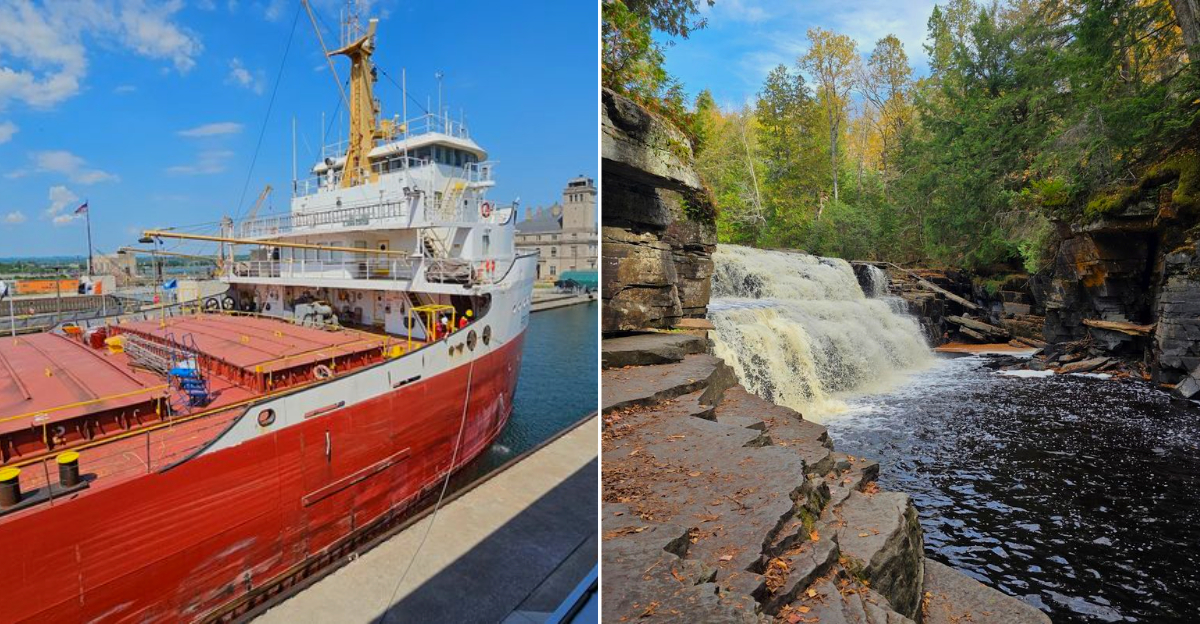
The Upper Peninsula is where family road trips stop behaving like errands and start acting like folklore. One turn gives you forest, the next gives you a waterfall the color of strong tea, and suddenly everyone in the car has opinions about rocks.
I love this route because it rewards curiosity more than perfect planning. You can chase ghost-town stories, meet rescued bears, stare into a spring so clear it seems suspicious, and still find time for snacks, muddy shoes, and small roadside debates.
This Upper Peninsula family road trip is ideal for waterfalls, wildlife stops, historic ghost towns, scenic detours, and kid-friendly Michigan adventures with real story value.
The trick is to leave space in the schedule. Nobody remembers the perfectly optimized itinerary. They remember the weird stop, the wet socks, the bear, the blue water, and the moment the U.P. felt much bigger than anyone really honestly expected.
13. Kitch-Iti-Kipi At Palms Book State Park, Manistique
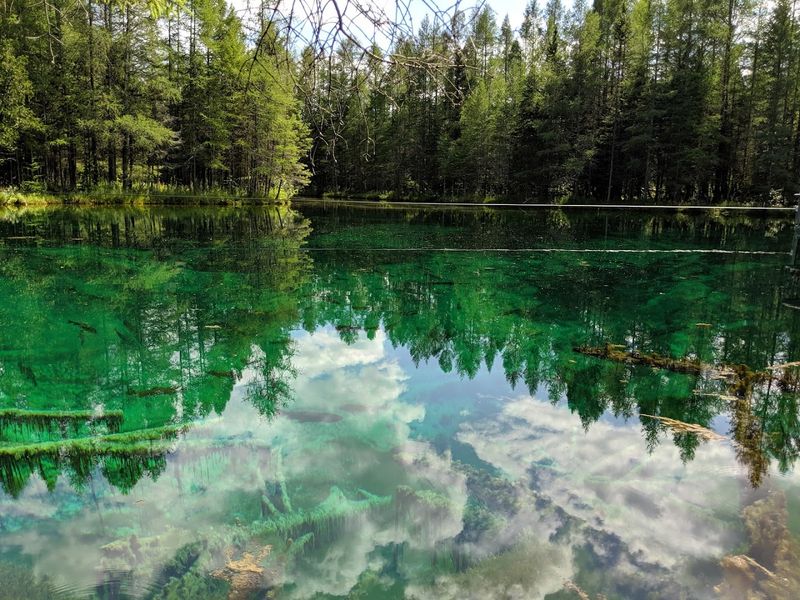
The first surprise is the color. Kitch-iti-kipi looks less like inland Michigan and more like someone lit the water from underneath, with emerald clarity that makes every trout and fallen log look theatrically placed. Kids tend to go quiet for a minute here, which is its own kind of miracle.
The spring, known as the Big Spring, is viewed from a hand-operated raft that glides across the pool. In the center, a glass panel lets you look down at bubbling sand, ancient tree trunks, and fish moving through water so clear it can feel slightly unreal.
It is an easy stop, which matters on a family trip. Go early or later in the day for a calmer ride, and give yourself time to circle back because most children immediately want a second crossing.
12. Munising Falls And Sand Point Marsh Trail, Pictured Rocks National Lakeshore
Munising gives families one of the smartest combinations in the U.P. – a quick waterfall payoff and a gentle marsh walk that changes the mood completely. Munising Falls is reached by a short path, and the water drops through a sandstone gorge with very little effort required. That matters when someone in the back seat has already declared the day too walky.
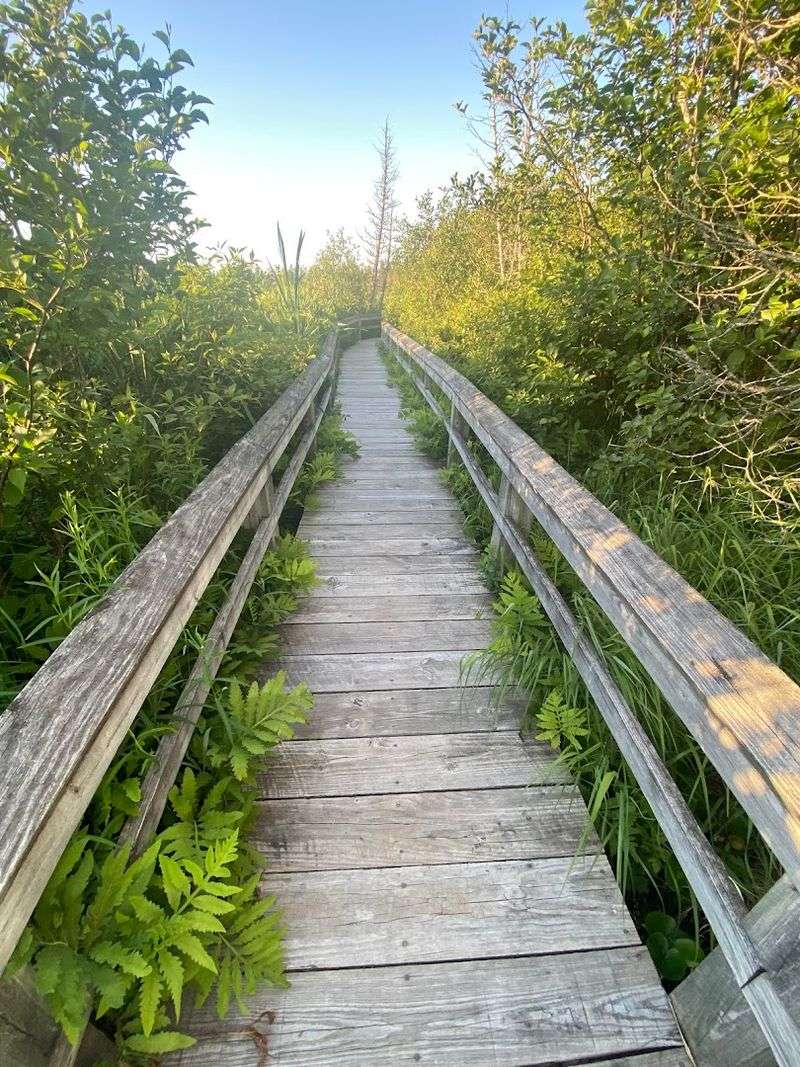
At Sand Point Marsh Trail, the pace softens. The boardwalk and easy path pass through wetlands with birds, reeds, and that slightly windy hush you get near Lake Superior. It feels quieter than the big cliff viewpoints, but not lesser.
Pictured Rocks is famous for colorful sandstone cliffs and boat cruises, yet this pair of stops works beautifully with younger kids. Bring bug spray for the marsh, sturdy shoes for damp ground, and enough time to let the small details do their work.
11. Tahquamenon Falls State Park, Paradise
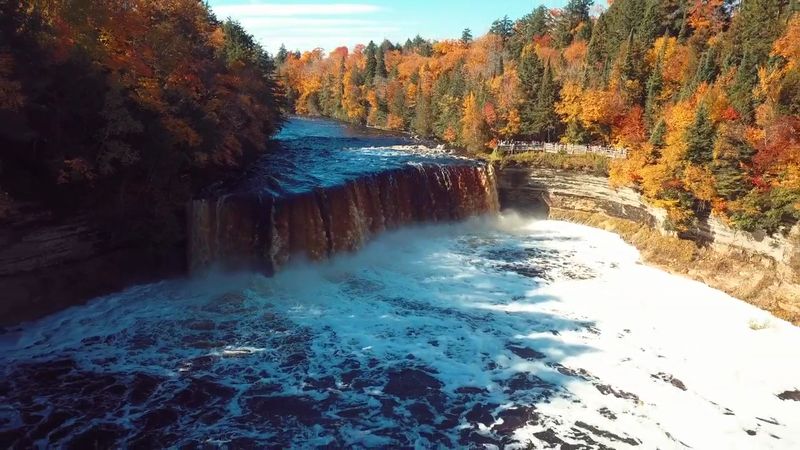
Tahquamenon announces itself before you see it. There is a low, steady roar in the trees, then the river opens up into one of the biggest waterfall scenes in the Midwest, stained a rich brown from natural tannins washed through cedar swamps upstream. It is dramatic without being precious, which makes it excellent with kids.
The Upper Falls has broad viewing platforms and boardwalk access, and the Lower Falls area offers a more playful setup. Families can rent a canoe at the Lower Falls to reach the island area and wade in the river when conditions allow, which gives children a way to participate instead of only observe.
I like splitting the stop if time allows: one look for scale, another for lingering. Recent accessibility improvements have made the main viewing areas more welcoming, and that practical detail matters more than travel writing usually admits.
10. Seney National Wildlife Refuge, Seney
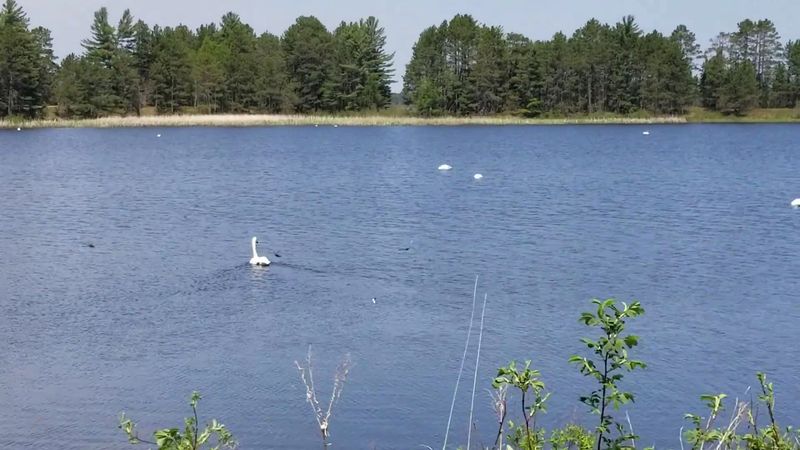
Seney is a different kind of family stop because the excitement runs on patience. Instead of a single big reveal, the refuge gives you long stretches of wetland, sky, and still water where turtles sun themselves, swans drift through reeds, and every movement feels magnified. Children who like spotting things from the car often do especially well here.
The refuge is known for its extensive marshes and managed habitat, and the auto tour route makes it accessible even on a tired travel day. Bring binoculars if you have them, but plain looking works too. The pleasure is partly in the scanning.
There is something clarifying about the quiet here. If the rest of the trip is built on overlooks and waterfalls, Seney adds a slower rhythm and reminds everyone that wild places do not always perform on command, which is part of their value.
9. Fayette Historic Townsite, Garden
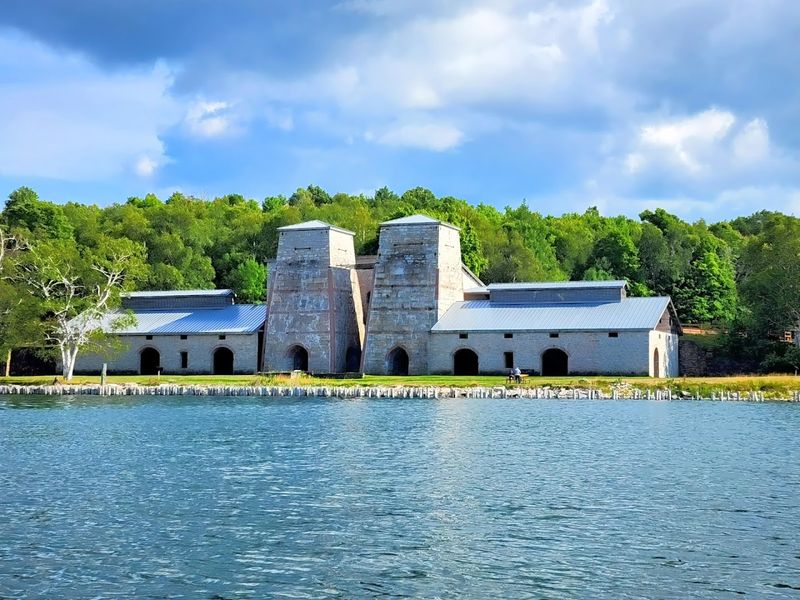
Fayette is one of those places where children immediately understand that people really lived here, and not in the softened way history is sometimes presented. The old iron-smelting town sits on Big Bay de Noc with rows of preserved buildings, an industrial shoreline, and steep dolomite cliffs rising behind it. The setting is beautiful, but never sentimental.
More than twenty historic structures remain, and several contain museum exhibits. The thoughtful part for families is the Kids at Fayette exhibit, which compares nineteenth-century chores, school, toys, and clothing with daily life now. That kind of framing helps younger visitors move from looking to imagining.
The park also has hiking trails, including routes near the cliffs, and some cliffside cedars are astonishingly old. If you visit on a breezy day, the harbor and stone make the whole site feel wonderfully self-contained, like a village paused rather than reconstructed.
8. Bond Falls Scenic Site, Paulding
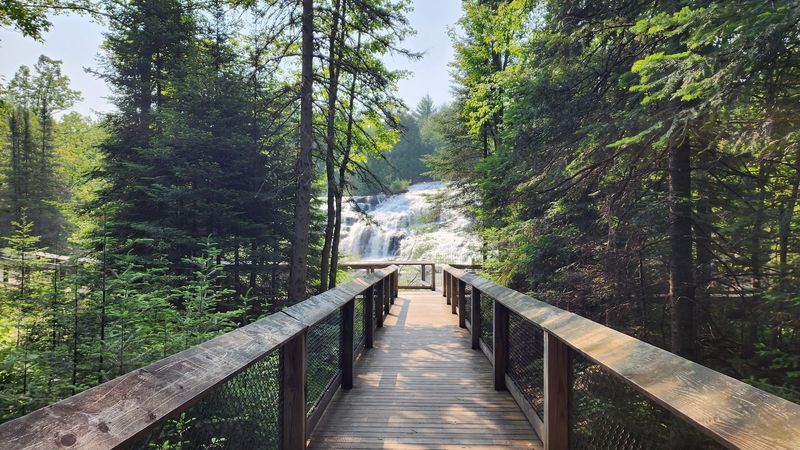
Bond Falls gets the balance right. It is undeniably impressive, with water fanning over a broad rock face in multiple ribbons and drops, yet the site is arranged so families can enjoy it without turning the stop into a strenuous undertaking. Boardwalks and viewing platforms make the scene feel generous instead of hard won.
The falls are on the Middle Branch Ontonagon River, and the cascade unfolds in sections as you move through the site. That progression keeps kids engaged because each angle changes the composition. Even restless travelers tend to keep walking just a little farther.
I appreciate places that feel dramatic but manageable, and Bond Falls belongs firmly in that category. Bring a layer because mist and shade can cool the air quickly, and if you have a camera-loving child, this is a good place to hand it over and let them compose.
7. Canyon Falls Roadside Park, L’Anse Area
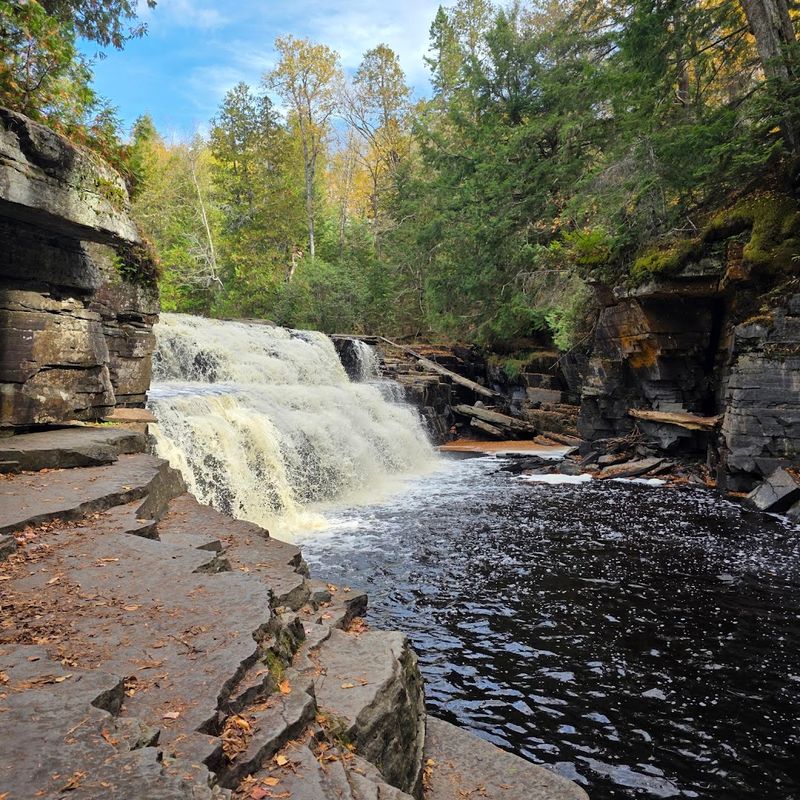
Canyon Falls feels like a roadside stop that quietly overdelivers. From the parking area, the path heads into thick forest and soon reaches a suspension bridge above the Sturgeon River, where the landscape sharpens into rock, current, and a pleasing sense of depth. Kids usually register the bridge first, then the canyon.
The walk is not long, but it has enough roots and uneven ground to feel adventurous without becoming punishing. That is a sweet spot on a family itinerary. The main falls and gorge are the draw, though the trail itself carries much of the atmosphere.
There is no grand visitor infrastructure here, and that is part of the appeal. Pack water, watch footing in wet weather, and treat it as a stretch-your-legs stop with real scenic payoff rather than a full afternoon attraction. It slips easily into a travel day.
6. Presque Isle Park, Marquette
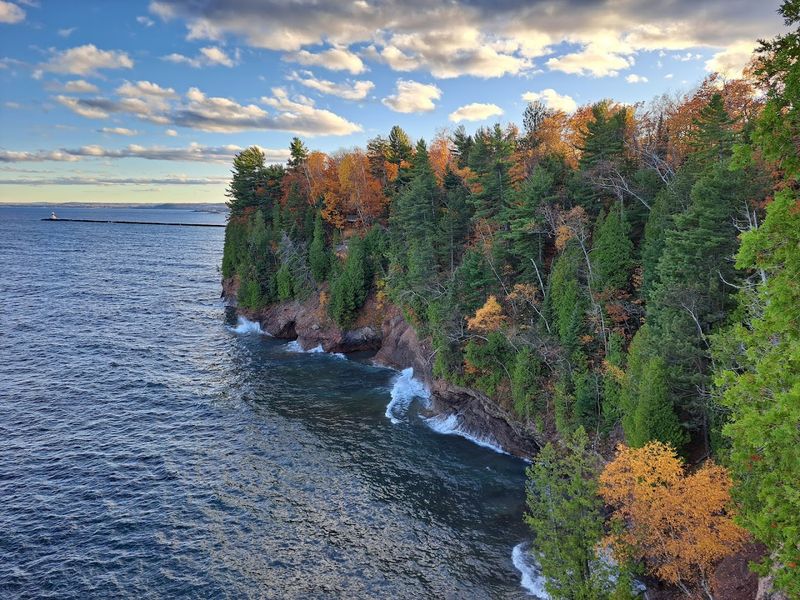
Presque Isle Park gives Marquette its wild edge. The forested peninsula juts into Lake Superior with cliffs, wave-cut rock, and pockets of trail that make the whole place feel larger than its city-adjacent location suggests. It is easy to spend an hour here and then accidentally spend three.
The Black Rocks area is the best-known spot, famous for strong views and, for some visitors, cliff jumping into the lake. Families with younger kids may prefer the trails, scenic pull-offs, and the quieter nature-centered corners. In summer, the lighthouse is open for tours, and MooseWood Nature Center offers an easy bog walk plus exhibits.
This is one of those parks where weather changes everything. On a calm day it feels open and expansive. When the wind rises off Superior, the shoreline becomes all force and spray, and the lesson in scale is memorable for everyone.
5. Lakenenland Sculpture Park, Marquette
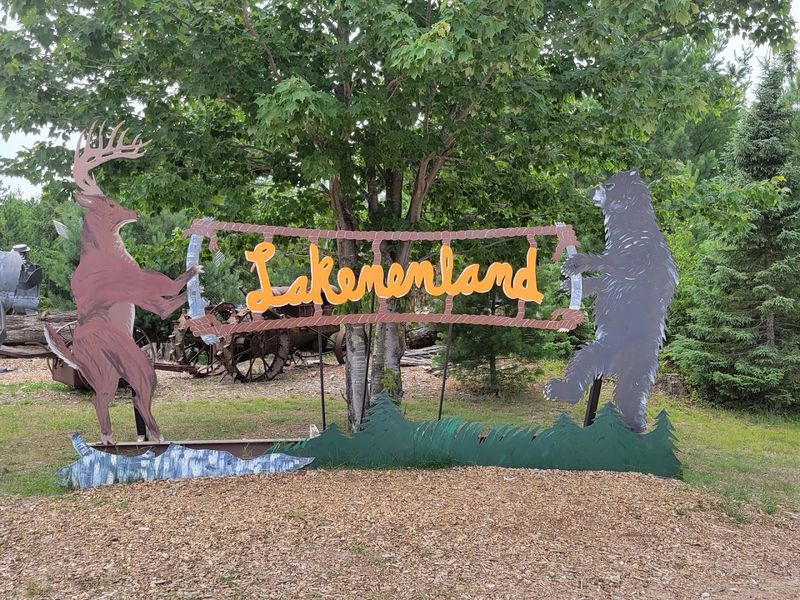
Lakenenland is the rare stop that pleases nearly everyone because it asks so little and gives back so much oddness. Spread across a wooded outdoor setting, Tom Lakenen’s metal sculptures mix humor, craftsmanship, and a slightly eccentric Northwoods spirit that feels more welcoming than precious. Children often dart ahead here, which tells you a lot.
The park is free, and you can walk or drive through it, making it wonderfully flexible on a family schedule. The pieces vary from playful to satirical, with plenty of photo opportunities and enough variety to keep the mood lively even if the weather turns gray.
I would not schedule this as a museum substitute because that misses the point. It works best as a palate cleanser between natural landmarks, a place where everyone can laugh, point, and reset before returning to cliffs, forests, and very serious scenic grandeur.
4. Soo Locks Park And Visitor Center, Sault Ste. Marie
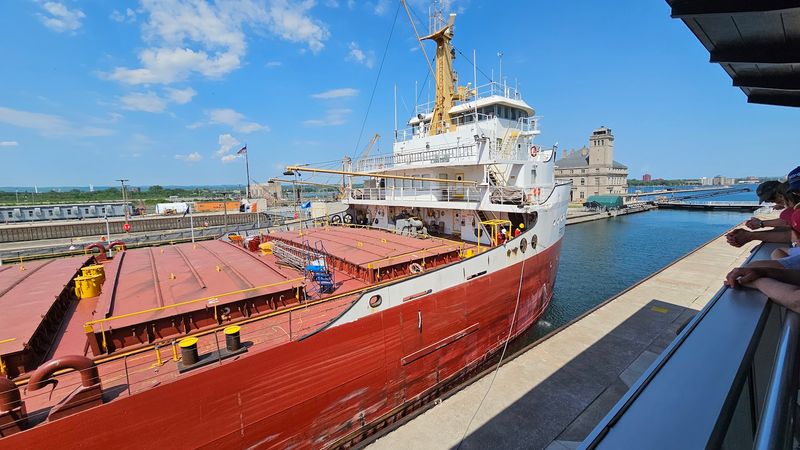
At the Soo Locks, engineering becomes theater. You stand along the viewing area with families, snacks, and a little anticipatory restlessness, then an enormous freighter inches into place and the scale of the operation snaps everyone to attention. Even children who claim not to care about boats tend to care once the water level changes.
The locks connect Lake Superior with the lower Great Lakes system, and the visitor center helps explain how this heavily used shipping corridor works. That context matters because the spectacle is better when you understand what you are seeing. Sault Ste. Marie has other attractions, but this is the educational stop that rarely feels assigned.
Check schedules and give yourself flexibility, since ship timing shapes the experience. If you catch active lockage, it feels wonderfully tangible, like a textbook diagram suddenly deciding to perform in public.
3. Quincy Mine, Hancock
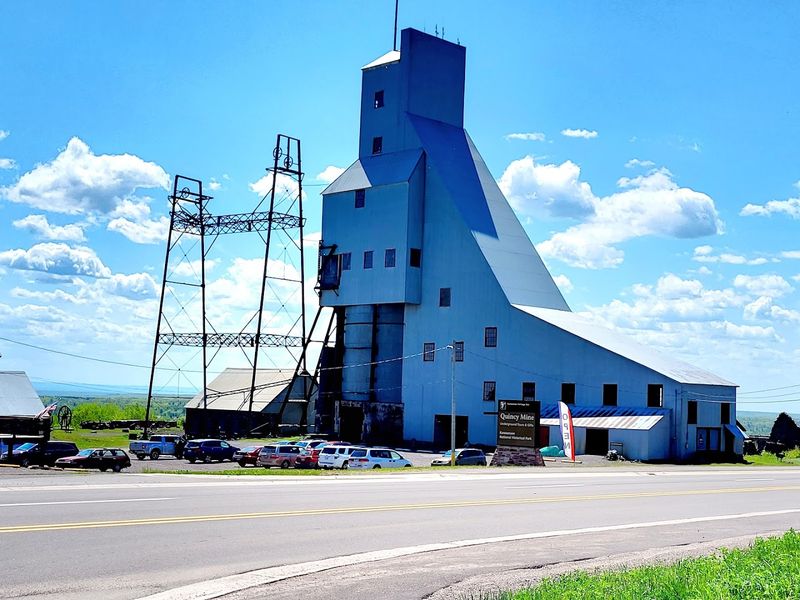
Quincy Mine brings the Keweenaw’s copper story down to human scale. The giant hoist house and industrial buildings are visually striking on their own, but the real value for families is that the site explains how much labor, risk, and ingenuity sat behind the region’s boom years. It feels substantial, not overly polished.
Guided tours are the way to do it. Depending on the offering and season, visitors can see key structures and learn how the mine functioned within one of Michigan’s most important industrial districts. For older children especially, the machinery and working details tend to land better than abstract history panels.
There is a seriousness here that I appreciated. It balances the lighter parts of a road trip and makes the Keweenaw feel legible. Bring a layer even in summer, ask about tour options in advance, and leave time to look around the hillside afterward.
2. Keweenaw National Historical Park Junior Ranger Stops, Calumet Area
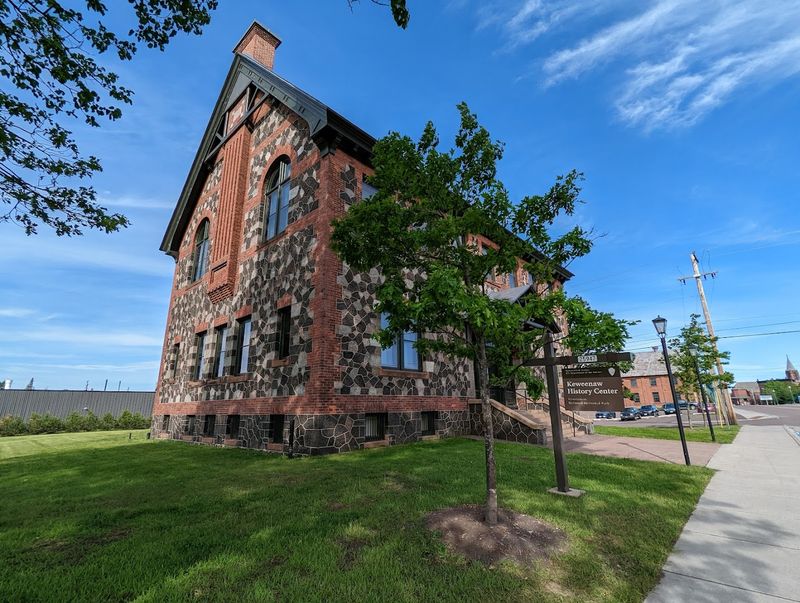
The Junior Ranger stops around the Calumet area are a smart way to turn industrial history into something children can actively do rather than passively absorb. Keweenaw National Historical Park works through partner sites and historic places tied to the copper industry, so the experience unfolds across town streets, exhibits, and preserved landmarks instead of inside one single building.
That scattered structure suits a road trip surprisingly well. Kids can complete activities, collect context in smaller pieces, and stay engaged without feeling pinned to one museum rhythm. Calumet itself adds atmosphere, with solid historic architecture and the sense of a place shaped deeply by mining.
This stop works best if you lean into the program rather than rush it. Pick up the materials, ask staff which sites are most rewarding for your children’s ages, and treat the area as an interactive history district rather than a box to check.
1. Oswald’s Bear Ranch, Newberry
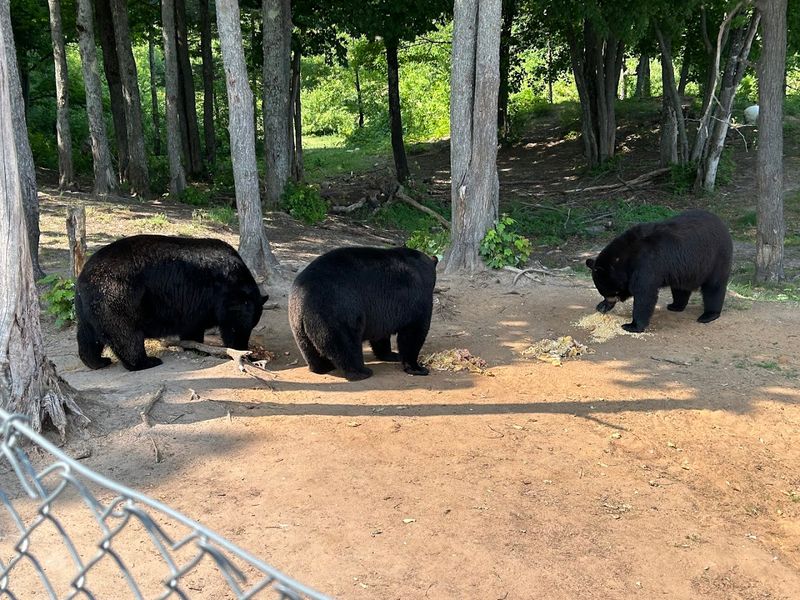
Oswald’s Bear Ranch is the stop on this list most likely to produce loud, immediate excitement. Seeing black bears up close from raised viewing platforms is thrilling for kids, but the place also has a clearer educational dimension than its novelty-first reputation might suggest. These are rescued animals housed in large, naturalistic enclosures.
The ranch is described as the largest bear-only rescue facility in the United States, with roughly forty black bears. Visitors can buy apples to toss over the fences, which is undeniably memorable, and there is also an optional cub photo experience for an extra fee. For many families, this becomes the story that dominates dinner conversation.
It helps to frame the visit well for children: these are wild animals receiving care, not performers. That small shift keeps the experience grounded and makes the stop feel less like spectacle and more like contact with the realities of wildlife rescue.