
The Secret Colorado Mountain Town Most Visitors Somehow Overlook
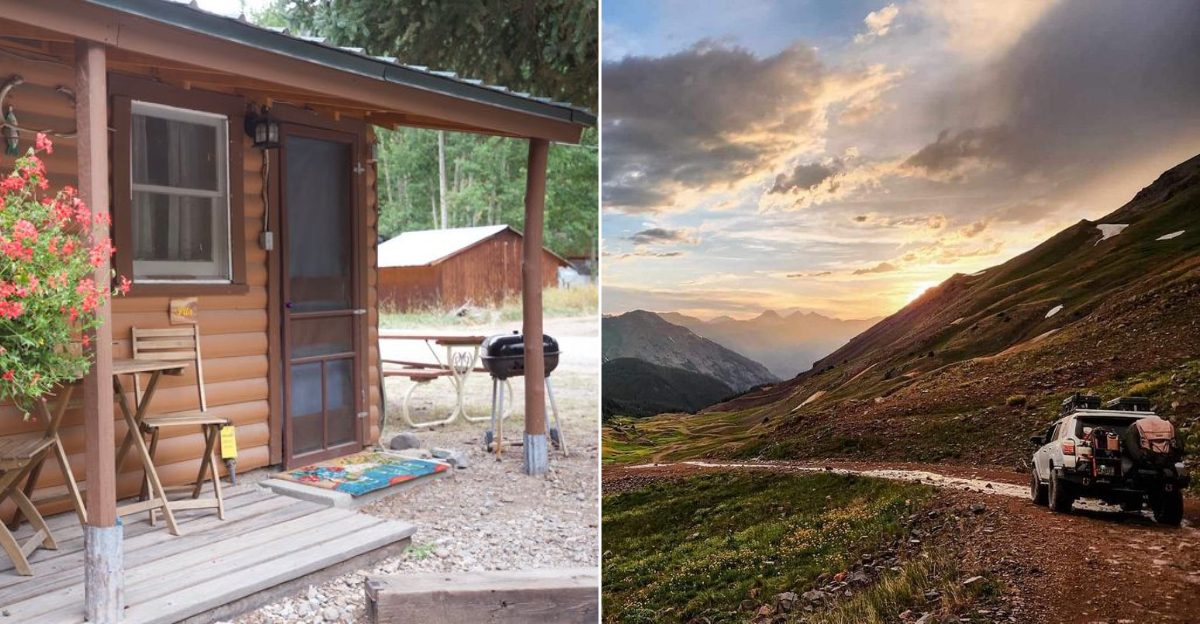
Some towns feel remote on a map. This one makes remoteness feel like a personality trait.
I arrived chasing stories about forgotten mining roads and trout water that still seemed untouched, then realized the real surprise was how completely the modern world fell away. With fewer than 400 residents and peaks rising nearly 14,000 feet around the valley, this corner of Colorado feels impossibly self-contained.
Old false-front buildings still shoulder up beside one another, giving the streets a lived-in character that no polished resort can manufacture. Look toward the ridgelines and the aspens seem close enough to count individually.
Then comes the silence, the kind that settles differently at 8,600 feet and makes checking your phone seem ridiculous.
For travelers who think they have already seen Colorado’s mountain towns, this tiny community offers a reminder that the most memorable discoveries are sometimes the ones sitting quietly beyond the usual route.
A Valley Carved by Silver Dreams
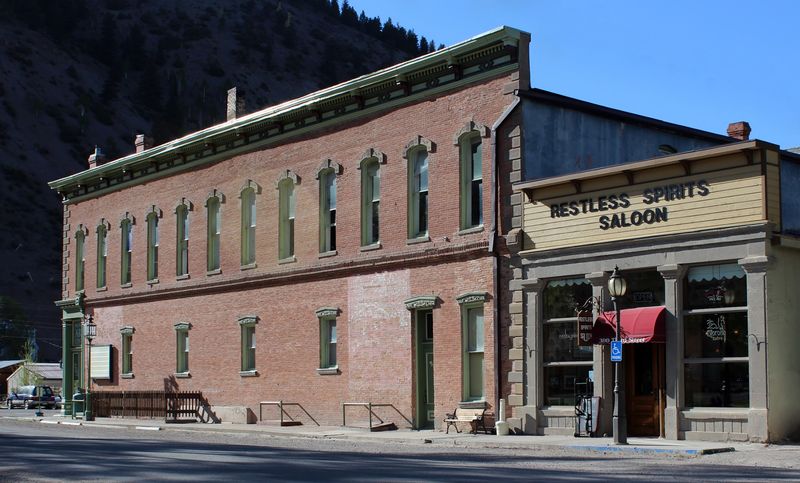
Silver strikes in the 1870s built this town from nothing, and walking down Silver Street today still feels like flipping through a sepia-toned album.
Lake City became the county seat when Hinsdale County formed in 1874, and miners flooded in with picks, mules, and wild optimism.
The boom lasted barely two decades, but it left behind rows of clapboard storefronts, a stone courthouse, and enough stories to fill a dozen campfire nights.
I spent an afternoon poking around the old Hinsdale County Museum, Colorado, where rusted mining tools and faded claim maps reminded me that fortunes rose and fell faster than snowmelt here.
What struck me most was how the town refused to vanish when the silver ran out.
Instead, it quietly reinvented itself around ranching, fishing, and the kind of slow-paced tourism that respects the landscape instead of paving over it.
Standing on Silver Street at dusk, I could almost hear the echoes of ore wagons and see lamplight flickering in those old windows.
Peaks That Pin You to the Map
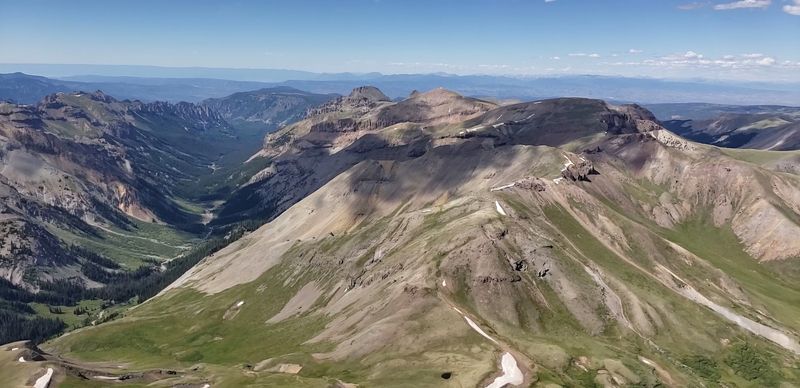
Four Fourteeners rise within shouting distance, and their jagged silhouettes frame every view like a postcard you never have to pose for.
Uncompahgre Peak, Wetterhorn, Redcloud, and Sunshine all loom close enough that I could trace their ridgelines from my breakfast table.
Hiking trails spiral up through aspen groves and alpine meadows, each one promising wildflowers in July and solitude any month of the year.
I tackled the standard route up Uncompahgre one August morning, starting before dawn and watching the valley fill with light as I climbed.
The summit views stretched across half the state, and I counted maybe a dozen other hikers all day.
Back in town, locals swapped trail beta over coffee, pointing out shortcuts and secret fishing holes with the casual generosity of people who know their mountains will still be there tomorrow.
Every ridge and couloir felt like an invitation I kept accepting, one scramble at a time.
The Lake Fork River’s Endless Invitation
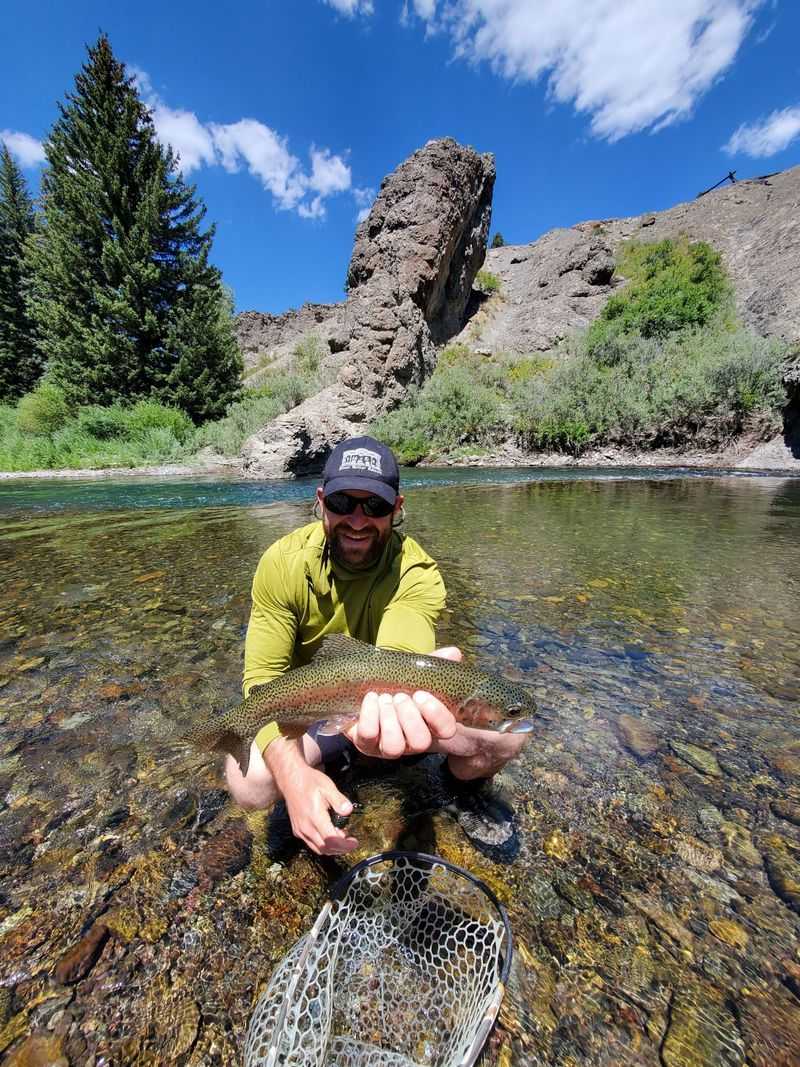
Trout rise in the Lake Fork River like clockwork, and I watched fly fishermen work the riffles with the kind of patience that only comes from knowing the fish will eventually cooperate.
This stretch of water cuts right through town, so clear you can count pebbles on the bottom and spot cutthroat holding in the current.
I rented a rod one afternoon and waded in near the old bridge, casting hoppers toward undercut banks and trying not to tangle my line in the willows.
A local angler wandered over, offered a few pointers, and disappeared upstream without asking for anything in return.
By evening, I had landed three small rainbows and lost count of how many times I forgot to check my watch.
The river runs cold and fast all summer, fed by snowmelt from the peaks, and it holds enough trout to keep you casting until your arm gives out.
I left my waders on the porch that night, already planning my next drift.
Alpine Loop’s Rugged Ribbon
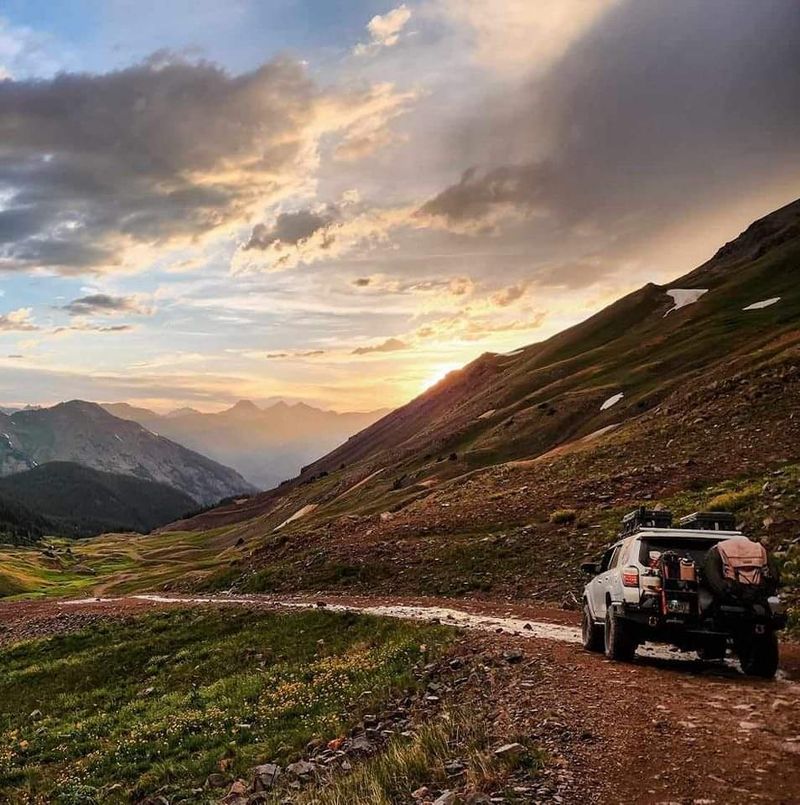
Jeep roads spiral out from Lake City like spokes on a wheel, and the Alpine Loop remains the crown jewel of high-country four-wheeling.
This backcountry route connects Lake City to Silverton and Ouray, threading through mountain passes that top 12,000 feet and past mining relics that rust in place like outdoor museums.
I rented a side-by-side one morning and pointed it toward Engineer Pass, bouncing over rocks and fording creeks that ran axle-deep in spots.
Wildflowers carpeted the tundra in every direction, and I stopped a dozen times just to take in views that felt too big for my camera.
The road demands attention, with loose scree, tight switchbacks, and drop-offs that make you grateful for four-wheel drive.
Old cabins and rusted machinery dotted the route, silent witnesses to the boom that built these trails.
By the time I rolled back into town, dusty and grinning, I understood why locals call this loop a rite of passage.
A Town That Runs on Quiet Rhythms
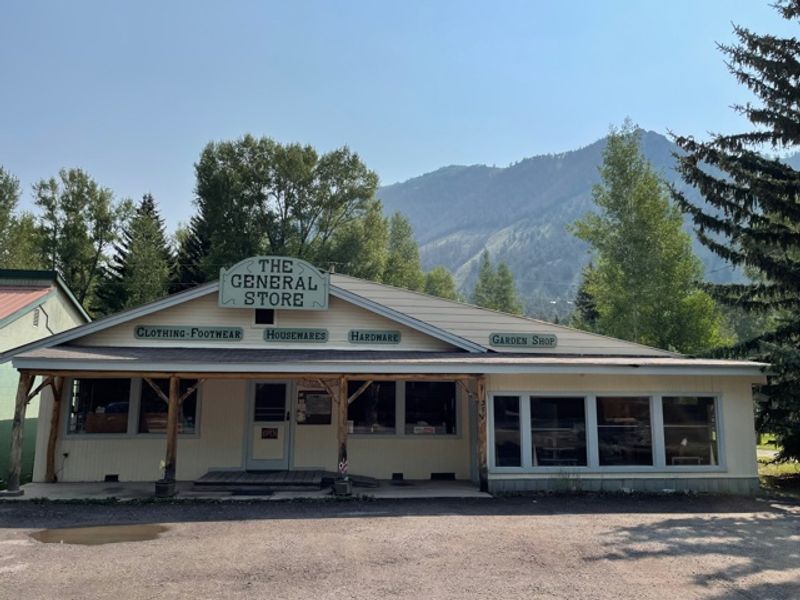
Main Street feels like a stage set that never struck, with a handful of cafes, a general store, and enough elbow room to park anywhere you please.
I grabbed breakfast at a corner diner where the cook knew half the customers by name and the menu listed biscuits and gravy alongside huevos rancheros.
The pace here moves at the speed of conversation, not traffic, and nobody seems in a hurry to change that.
One afternoon, I watched a rancher unload hay bales while his dog supervised from the truck bed, tail wagging in slow motion.
The town hosts a few summer festivals, but mostly it just hums along, serving the handful of year-round residents and the trickle of visitors who find it by accident or intention.
I noticed a community bulletin board outside the post office, layered with handwritten notes about lost cats, firewood for sale, and upcoming trail work days.
It felt like stepping into a place where people still looked out for each other without making a fuss about it.
Wildflowers That Rewrite the Calendar
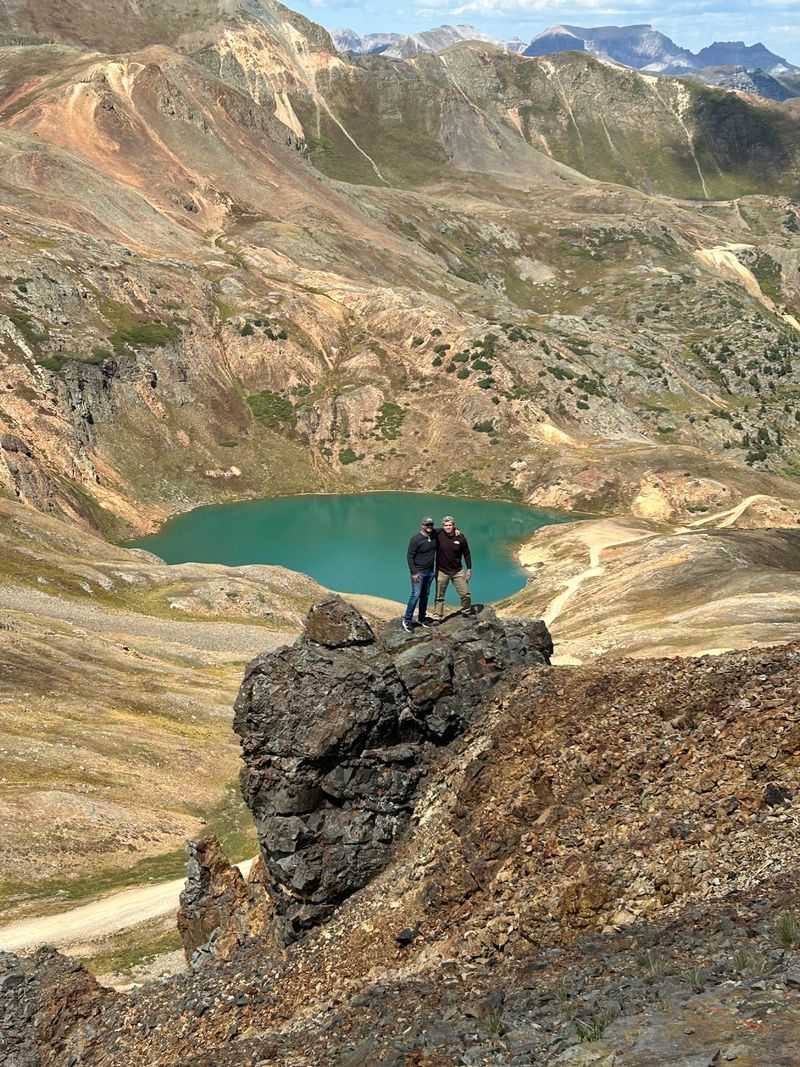
July turns the high meadows into paint palettes, and I hiked through fields of columbine, paintbrush, and lupine that stretched farther than I could walk in a day.
The wildflower bloom peaks around mid-summer, when snowmelt finally releases its grip and the tundra explodes in color.
I followed a trail up toward Sloan Lake one morning, and every switchback revealed a new combination of petals, from scarlet gilia to sky-blue forget-me-nots.
Photographers set up tripods in the meadows, chasing the perfect light, while I just wandered with my phone camera and a growing sense that I would never capture what my eyes were seeing.
The blooms last only a few weeks, compressed by the short alpine growing season, and locals time their visits like clockwork.
I met a botanist on the trail who rattled off Latin names and pointed out rare species I would have trampled without noticing.
By the time I descended, my boots were dusted with pollen and my head was full of colors I had no names for.
Winter Silence and Snowshoe Trails
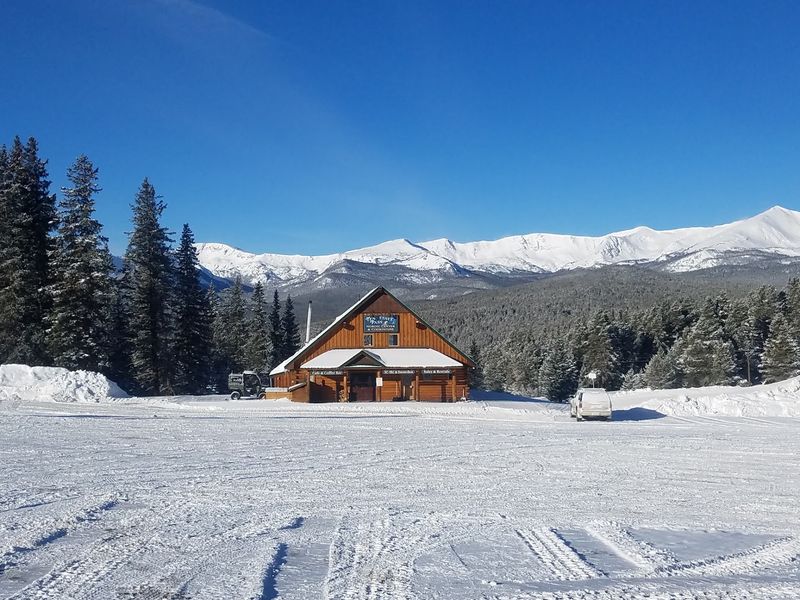
Most visitors vanish by October, leaving Lake City to the snowdrifts and the handful of locals who hunker down for the long haul.
I visited in February once, when the population dropped to maybe 50 souls and the silence felt thick enough to touch.
Snowshoeing replaced hiking, and I followed trails that wound through frosted aspen groves and across frozen creeks that crackled underfoot.
The town plows the main roads but leaves the rest to the snow, creating a network of winter routes that belong to skiers and snowmobilers.
I rented a pair of snowshoes at the general store and headed up toward the old mining district, where cabins sat buried to their eaves and icicles hung like chandeliers.
The cold bit hard, but the views stretched even farther without the summer haze, and I could see peaks in three states from certain ridges.
Back in town, the diner served chili and cornbread to a crowd of four, and we swapped stories about frostbite and powder days until the sun dropped behind the peaks.
Getting There and Staying Put
Lake City sits at the end of Colorado State Highway 149, about 55 miles south of Gunnison and even farther from anything resembling a city.
The drive winds through narrow valleys and over passes that close in winter, so I always checked road conditions before pointing my truck south.
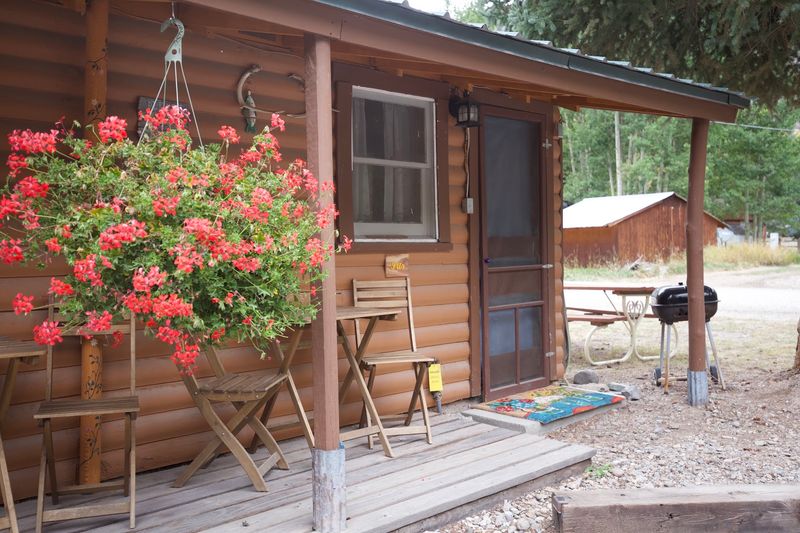
A handful of motels and cabin rentals dot the town, along with a couple of campgrounds that fill up fast in summer but stay wide open in shoulder seasons.
I stayed in a log cabin on the edge of town, where the porch overlooked the river and deer wandered past at dawn like clockwork.
Cell service came and went, which felt more like a feature than a bug, and the nearest grocery store stocked enough to keep me fed without requiring a trip to civilization.
The town website, lakecity.com, lists current events and trail conditions, though most of the useful intel still gets passed around in person.
I found that showing up with an open schedule and a willingness to linger paid off better than any rigid itinerary ever could.