
The Secret Meanings Behind California’s Most Common Menu Terms
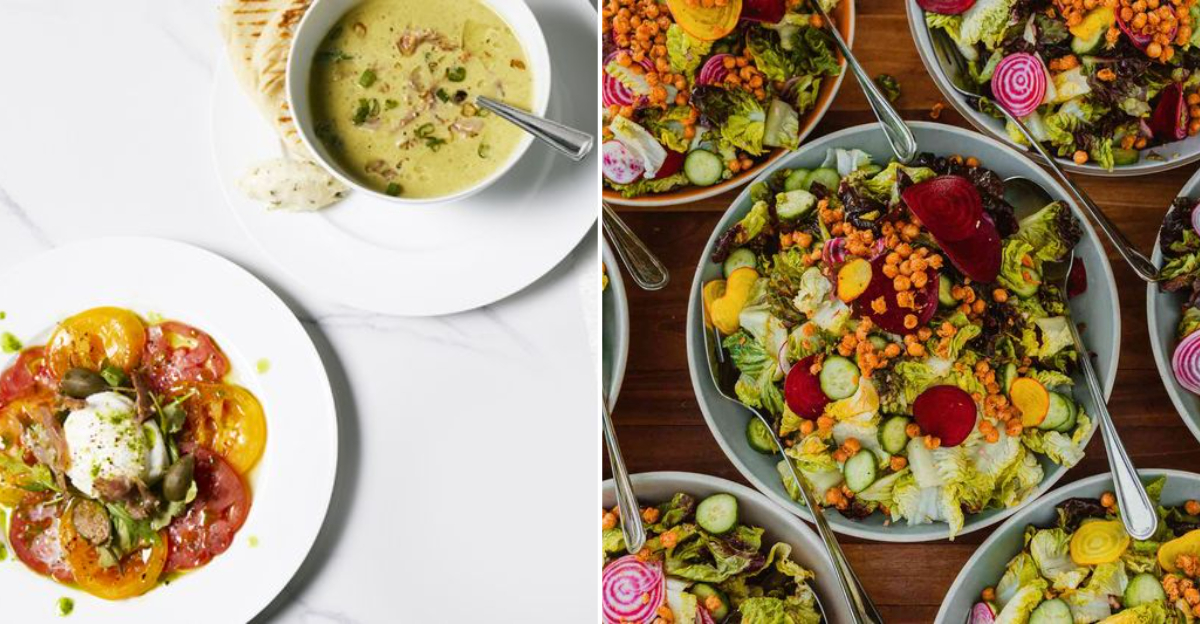
California restaurants love to sprinkle fancy French phrases and mysterious codes across their menus, leaving diners scratching their heads.
What looks like a simple meal choice often hides a whole world of culinary rules, insider knowledge, and chef expectations. Understanding these secret menu terms can transform you from a confused customer into a confident food explorer.
Get ready to crack the code behind California’s most puzzling restaurant lingo.
1. Prix Fixe / Fixed Menu
When you spot “prix fixe” on a menu, the chef is basically saying, “Trust me, I’ve got this.” Places like Citrin in Santa Monica offer these curated experiences alongside regular à la carte options. The catch? You’re signing up for a predetermined sequence of dishes with zero wiggle room for modifications.
This French term literally means “fixed price,” but the real translation is “chef’s rules apply.” You won’t typically be swapping sides or customizing courses, since the kitchen has planned the entire progression, but limited adjustments are sometimes possible. The kitchen has already decided your culinary journey from appetizer to dessert, and they’re steering the ship.
Prix fixe menus signal intentional limitation rather than freedom of choice. Chefs design these experiences to showcase their skills in a specific order, making sure flavors build properly throughout your meal.
2. Secret Menu / Off-Menu Specials / Hidden Combos
Secret menus are California’s worst-kept culinary secrets, and restaurants love playing this game. Zuni Café in San Francisco keeps off-menu treasures like their bread salad side and special vegetable plates for those in the know. Meanwhile, In-N-Out Burger turned their “secret” into a marketing goldmine with Animal Style and Flying Dutchman.
Knowing these hidden options makes you feel like part of an exclusive club. Just remember that “secret” often means the staff expects you to order confidently without needing explanations.
3. Farm-To-Table / Locally Sourced / Seasonal
Farm-to-table isn’t just trendy California talk—it’s code for “we know exactly where this carrot came from.” Heritage in Long Beach built their entire reputation on minimizing waste and creatively using every ingredient. Their fixed menu screams sustainability before you even take a bite.
Chez Panisse in Berkeley pioneered this movement decades ago, changing their menu daily based on seasonal availability. When restaurants slap “locally sourced” on descriptions, they’re signaling ingredient traceability and premium quality standards. Of course, not every restaurant practices this perfectly, but the term generally implies a genuine focus on freshness and nearby farms.
This terminology promises freshness that supermarket chains can’t match. Chefs use these phrases to justify higher prices while assuring diners their meal supports local farmers and reduces environmental impact through shorter transportation distances.
4. Du Jour / Of the Day / Today’s Special
“Du jour” sounds sophisticated, but it really means “eat it today or miss out forever.” Farm in Palm Springs is a currently operating restaurant known for seasonal menus and occasional menu changes, though not all meals there are strictly “du jour.” These ephemeral offerings depend entirely on ingredient availability and chef inspiration.
Restaurants use this French phrase to create urgency and flexibility simultaneously. Maybe the fisherman delivered exceptional halibut that morning, or the farmer showed up with surprise heirloom tomatoes. Whatever the reason, du jour items won’t appear tomorrow.
This labeling gives chefs creative freedom while clearing out ingredients before they lose peak freshness. Diners who order these specials often get the best deals and most inspired cooking of the day.
5. Hidden Burger / Bar-Only Item / Whisper Code Term
Some California restaurants hide their best burgers like buried treasure.
Bar-only items create an insider atmosphere where knowledge equals access. These whisper menu options often feature indulgent, less “refined” dishes that don’t match the restaurant’s upscale image. Yet they’re frequently the most delicious things the kitchen makes.
Asking your bartender about hidden items shows you’ve done your homework. Most servers appreciate informed diners and happily reveal these culinary Easter eggs. Just don’t expect them advertised anywhere official.
6. Secret Menu Sandwich / Combos
Sandwich shops especially love this strategy because customization is already their bread and butter (pun absolutely intended). Secret combos let creative customers feel like co-conspirators with the kitchen staff. The wacky names add personality while making orders memorable.
These hidden sandwiches often start as staff meals or customer experiments that proved too popular to ignore. Now they exist in this weird limbo, not quite official but too beloved to disappear completely from the rotation.
7. Regional Specialty / Local Calling Card Wording
Old Fisherman’s Grotto in Monterey doesn’t just serve clam chowder, they serve “Monterey Style Clam Chowder,” thank you very much. This geographic labeling signals a local heritage twist that separates it from New England or Manhattan versions. Regional specialty wording plants a flag claiming culinary territory.
Coastal California restaurants especially love calling out local adaptations and signature preparations. Adding “style” or location names tells diners they’re experiencing something authentic to that specific area rather than generic nationwide fare.
These terms work as both quality signals and marketing tools. When restaurants emphasize regional identity, they’re promising dishes rooted in local tradition while justifying why their version deserves recognition over competitors.