
The Small Michigan Town That Hosts A Massive Harvest Festival Every Fall
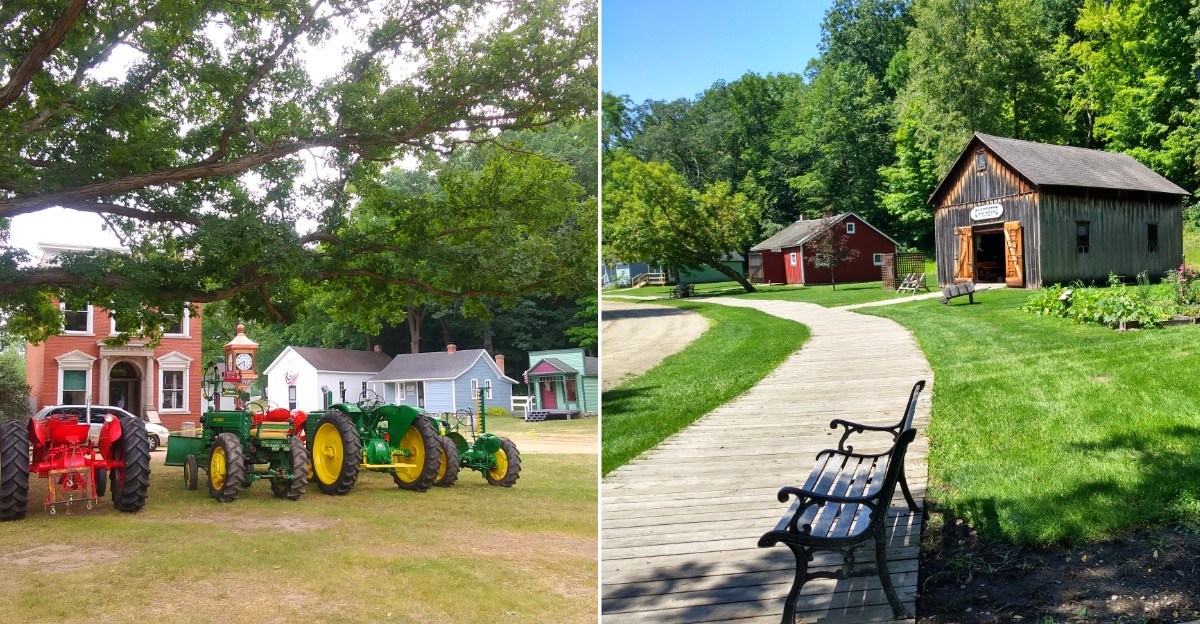
By late September the air changes. The smell of woodsmoke drifts from forges that have not operated in anger for a century.
A 550-acre park holds 25 relocated buildings forming an actual 1800s village where the harvest festival brings everything back to life each year.
Threshing machines clatter across the grounds while blacksmiths hammer glowing iron into hooks and horseshoes.
Visitors watch open-mouthed as a tractor parade rumbles down dusty lanes between buildings that once served as a bank, a barber shop, and a schoolhouse.
Children run sack races on the green while fresh-pressed cider comes from a hand-cranked press unchanged since the 1800s.
The park was built from real structures moved here starting in 1936, not a replica, not a stage set. Seven dollars gets you inside.
Kids under twelve walk free. Twenty-five historic buildings turn into a working village every fall in Michigan.
A Festival Bigger Than Expected
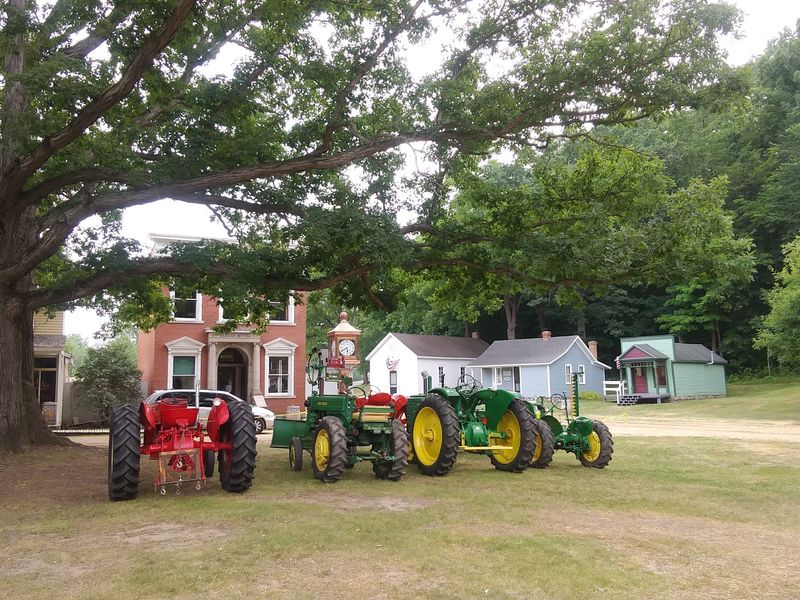
The first surprise is the scale. Historic Charlton Park spreads the festival across a museum village and recreation grounds, so Hastings suddenly feels much busier than its quiet setting suggests.
The event presents early-to-mid twentieth-century harvest work through moving machines, skilled volunteers, and buildings that suit the story. Instead of one stage, visitors wander among many small scenes where history keeps making noise.
Arrive near opening time if you prefer room around popular demonstrations. Wear sturdy shoes for uneven ground, check the official schedule before leaving home, and allow several hours.
The festival rewards slow looking because a smoking machine, old storefront, or clever hand tool may become the detail everyone discusses on the drive home afterward with real excitement together.
Park Before The Tractors Take Over
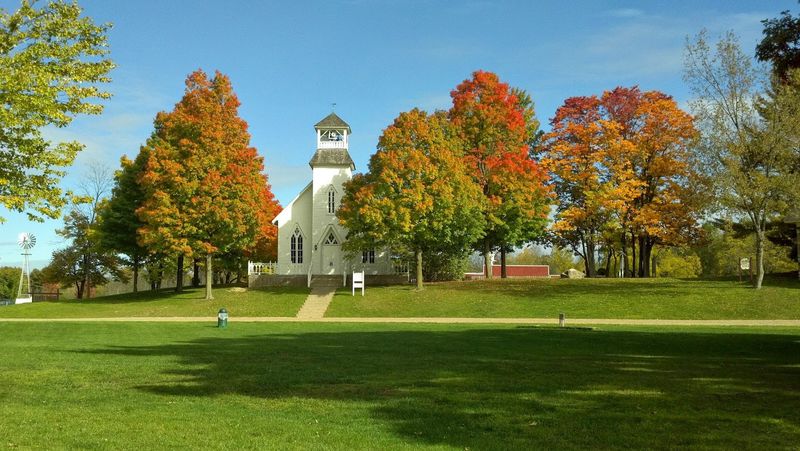
Fall Harvest Festival & Tractor Show takes over Historic Charlton Park at 2545 S Charlton Park Road in Hastings, Michigan. Charlton Park Road is the final approach, carrying you out of town and into the park’s rural setting before the historic village and event grounds come into view.
On September 25 and 26, 2026, the last stretch will feel much busier than a normal park visit, with tractors, vendors, and festival traffic gathering around the grounds. Once the historic buildings and open event area appear, you are at the right place rather than just another county park entrance.
Turn into Historic Charlton Park and follow the event-day signs and staff directions for parking and entry. From there, continue on foot toward the historic village and festival grounds rather than trying to drive deeper into the event area.
Antique Tractors Take Center Stage
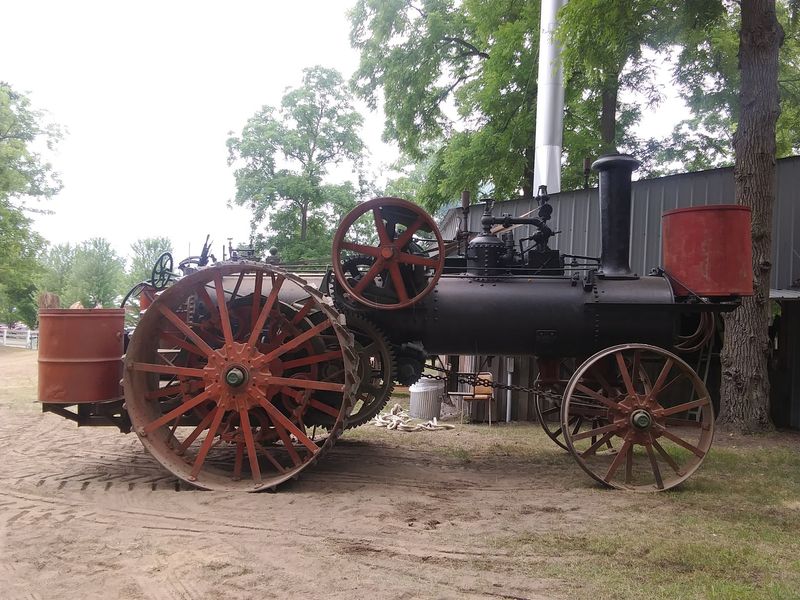
Metal engines cough, rumble, and settle into rhythms that seem to shake the September air. Antique tractors and farm machines form the festival’s loud, colorful backbone, with models from different periods lined up for close viewing.
Some are carefully restored until their paint gleams, while others proudly show decades of scratches, faded lettering, and working wear.
A daily tractor parade brings many machines into motion. Watching them roll past reveals differences in wheel size, design, sound, and purpose that photographs cannot explain quite as well.
It is also a good chance to see how farming technology changed across generations, from relatively simple machines to larger equipment built for heavier work.
Choose a viewing spot early, especially when visiting with younger children who need a clear sightline. Tractor games, a garden tractor fun pull, and a kids pedal pull may also appear on the program.
Keep a respectful distance from operating equipment, follow barriers, and bring hearing protection for anyone sensitive to sudden engine noise nearby.
The Old Sawmill Roars Again
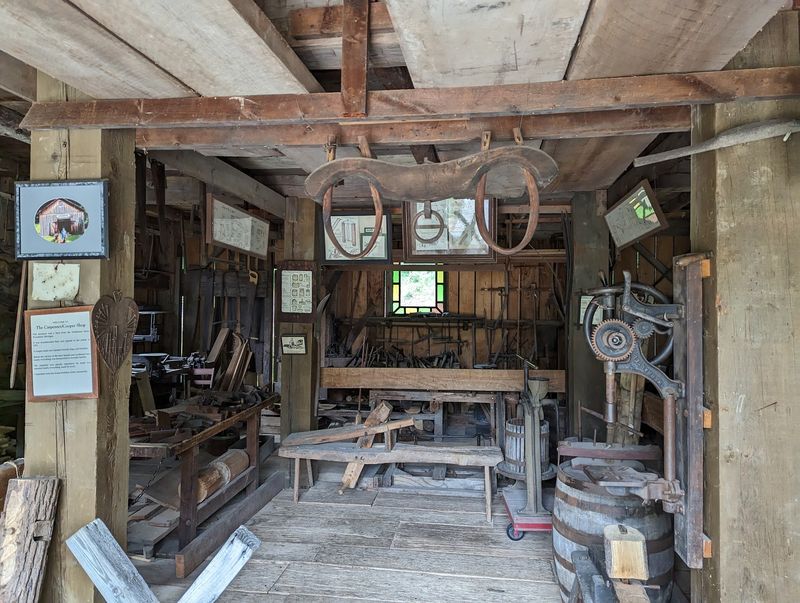
Sawdust and machinery turn one corner of the park into a working history lesson. The 1895 Corley Sawmill demonstrates how timber was processed when large belts, blades, and coordinated labor powered an essential local industry.
Its noise carries, which makes finding the demonstration pleasantly easy. Once there, watch how each worker handles a specific task and how raw wood moves through the equipment in careful stages.
Stand where volunteers direct visitors, since operating machinery demands space and attention. Safety barriers may limit close views, but arriving before a scheduled run can help secure a useful position.
Hastings grew near water-powered gristmills and sawmills during its early development, so the demonstration connects the festival to the area’s broader agricultural and industrial past in a remarkably direct way.
Old Skills Return To Work
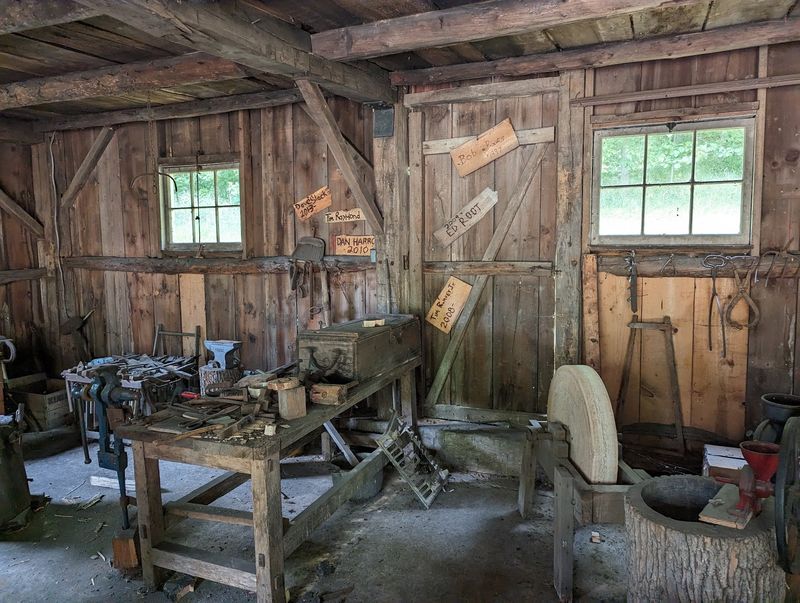
A length of rope looks ordinary until someone shows how much knowledge hides inside it. Festival volunteers often demonstrate traditional work such as rope making, broom making, shingle milling, branding, blacksmithing, apple steaming, and corn shelling.
Each process turns basic materials into something useful, often with tools that appear simple but require practiced hands. I found the measured pace refreshing because nobody pretends that older methods were effortless.
Ask brief questions after a demonstration when volunteers have finished handling equipment. Children may enjoy watching materials change shape, while adults can notice the planning behind every step.
Demonstrations can vary by year or time, so consult the event schedule rather than assuming every activity will run continuously throughout both festival days for all guests present.
Historic Buildings Set The Scene
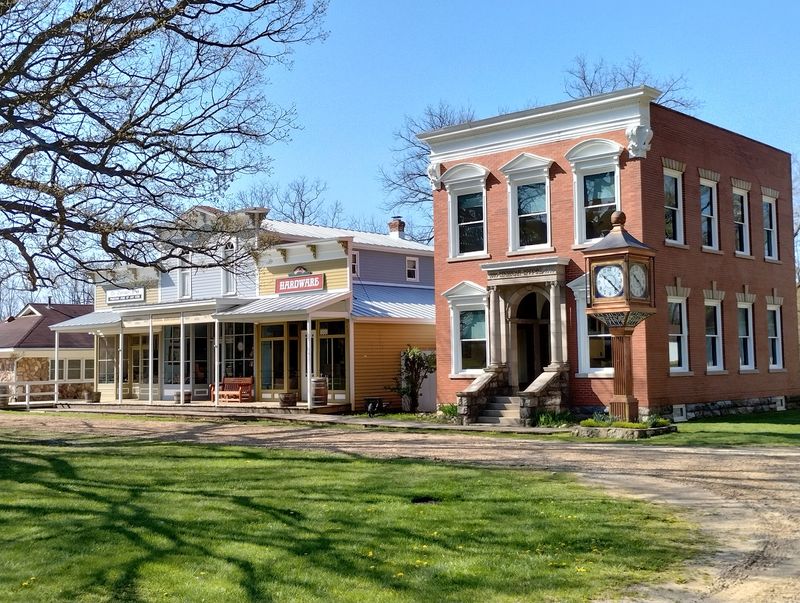
White clapboard walls and old storefront windows give the machinery a convincing neighborhood. Historic Charlton Park preserves buildings from the late nineteenth and early twentieth centuries, allowing festival activities to unfold within a village rather than beside modern exhibits.
The collection includes the 1885 Charlton Park Township Hall and the Hall House, once home to a seamstress. A restored barbershop and a building formerly used as a jewelry store and candy shop add everyday details to the setting.
Look beyond furniture and signs when interiors are accessible. Doorways, work areas, storage choices, and room sizes explain how people moved through daily routines.
Building access may vary, so treat every open door as an opportunity and follow posted guidance carefully.
Harvest Food Has A Story
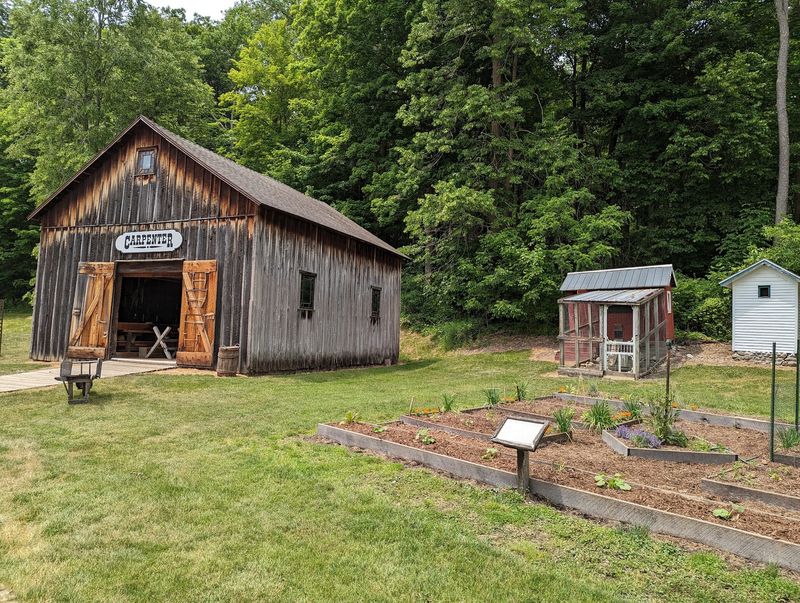
Warm apples offer a quieter kind of theater than a roaring tractor. Apple steaming and cider connect the celebration to seasonal food preservation, when families had to manage a harvest carefully instead of treating autumn produce as decoration.
Food vendors are typically present, making it possible to pause between demonstrations without leaving the grounds. Availability can change, however, and busy periods may produce lines around lunchtime.
Bring water and consider packing simple snacks, especially for children or visitors with dietary needs. Eating earlier or later than the main lunch rush leaves more time for machinery displays and village buildings.
Keep purchases easy to carry because the best festival day involves regular wandering, sudden stops, and at least one unexpected detour toward an interesting sound.
Children Can Join The Harvest Fun
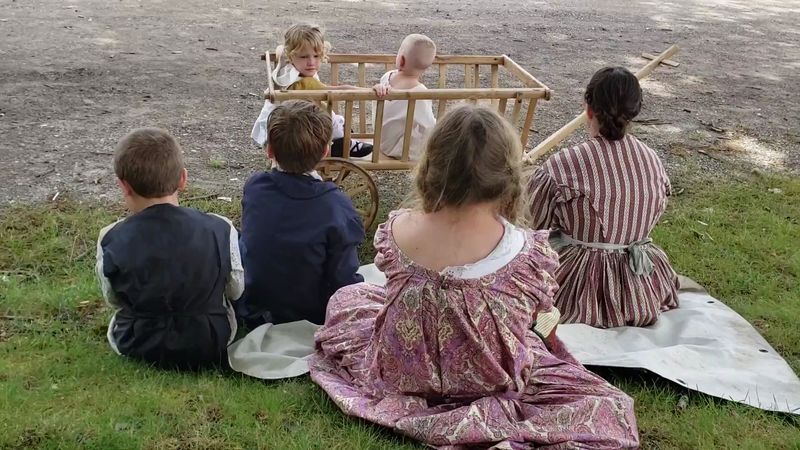
Small hands get meaningful jobs here, not merely something bright to hold. Pumpkin painting, manual corn shelling, and the kids pedal pull can help younger visitors connect movement and effort with the larger harvest story.
Children twelve and under receive free admission under the published 2026 festival details, which makes the outing more accessible for families. Adult admission is listed at seven dollars, though checking official information before visiting remains wise.
Dress children in layers and shoes that can handle grass, dust, or mud. A compact bag with water, wipes, and hearing protection can prevent minor troubles from steering the whole day.
Build breaks into your plan, since historic buildings and powerful machinery are easier to enjoy before everyone becomes tired.
Hastings History Runs Beneath It All
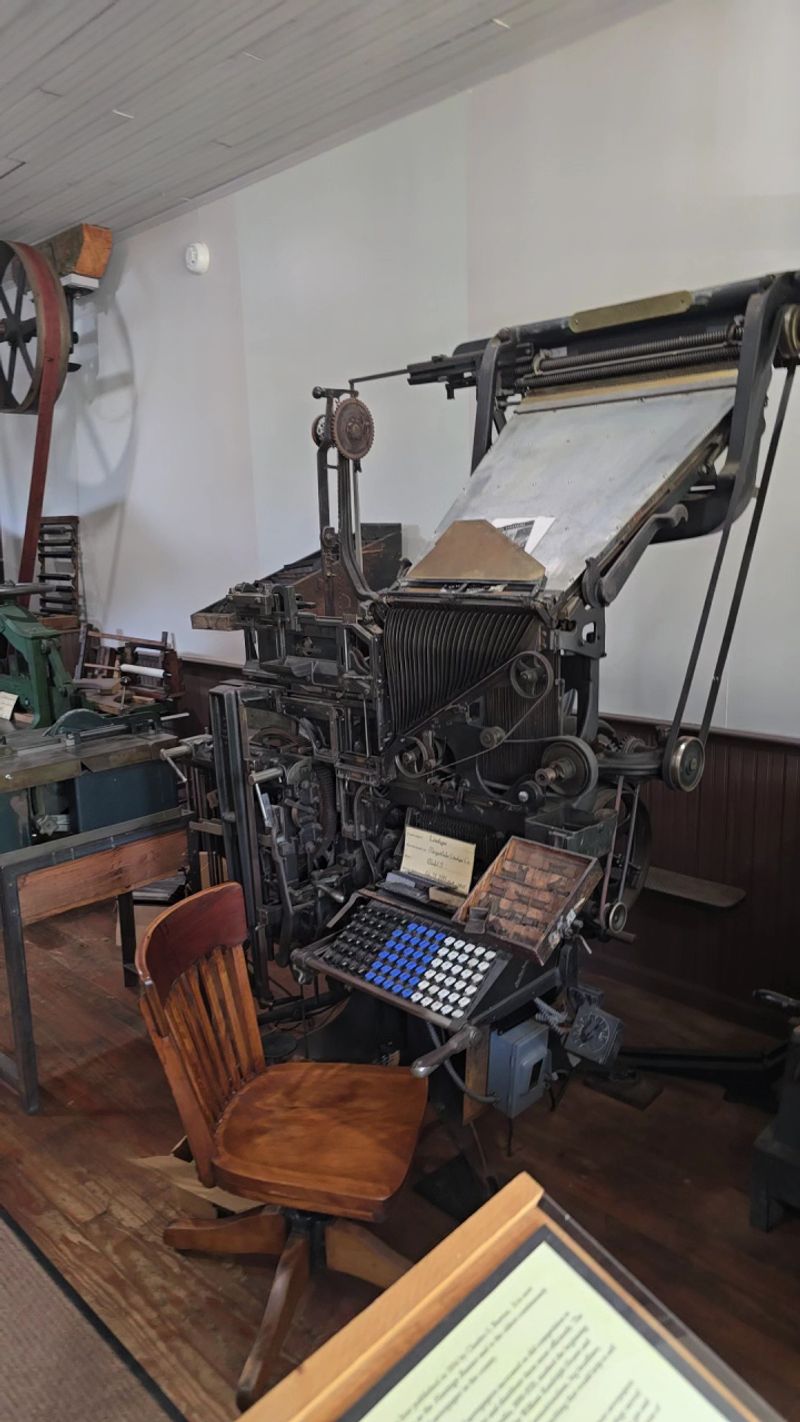
Quietly behind the festival sits a longer story about how Hastings grew. Settlement expanded during the 1830s, when water-powered gristmills and sawmills along Fall Creek supported farms, builders, and the young community around them.
Hastings became an incorporated village in 1855 and a city in 1871. The festival’s machines and preserved workplaces make those dates feel less abstract by showing the labor that supported local development.
Pause between major demonstrations to study the tools inside smaller buildings. That slower habit links household work, farming, timber processing, and town business into one connected picture.
History makes more sense here when viewed as a network of ordinary tasks, each completed by neighbors who depended on seasonal timing and one another for survival.
Planning Makes The Day Easier
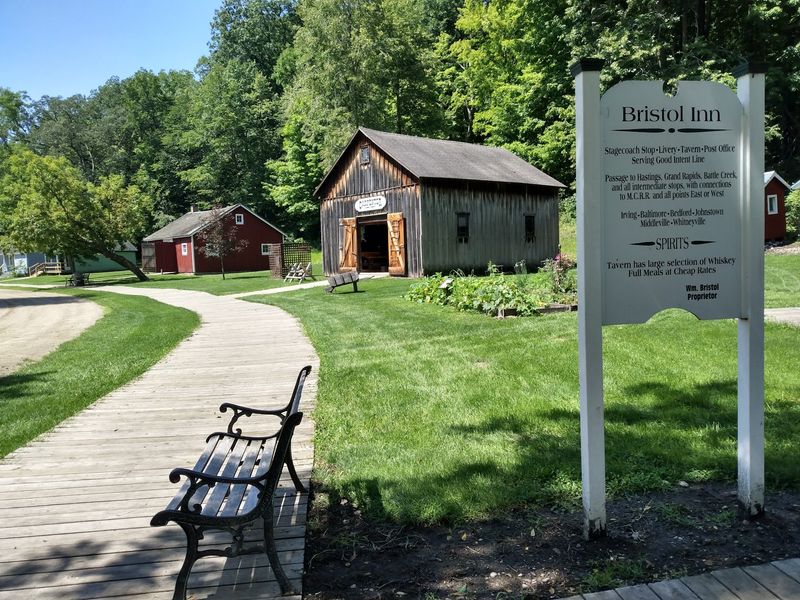
A little planning keeps the festival’s many moving parts from becoming a blur. Historic Charlton Park is located at 2545 S Charlton Park Rd in Hastings, and the 2026 event is scheduled for September 25 and 26.
Arriving with a rough idea of what you most want to see can help, especially if demonstrations overlap or certain historic buildings operate on limited schedules during the day.
Confirm times, admission, demonstrations, and building access through official park channels before traveling, since event details can change. Weather matters because much of the experience happens outdoors across broad grounds.
Comfortable shoes are just as important as checking the forecast, since visitors may spend hours moving between displays, buildings, and activity areas.
Layered clothing handles cool mornings and warmer afternoons better than one heavy coat. Save the address offline, charge your phone, and identify a meeting point if your group separates.
Most importantly, avoid packing the day too tightly. Machines run at their own pace, volunteers invite conversation, and unplanned moments are often the ones worth remembering.