
The Smallest State Park In Illinois Packs More Charm Than You’d Expect
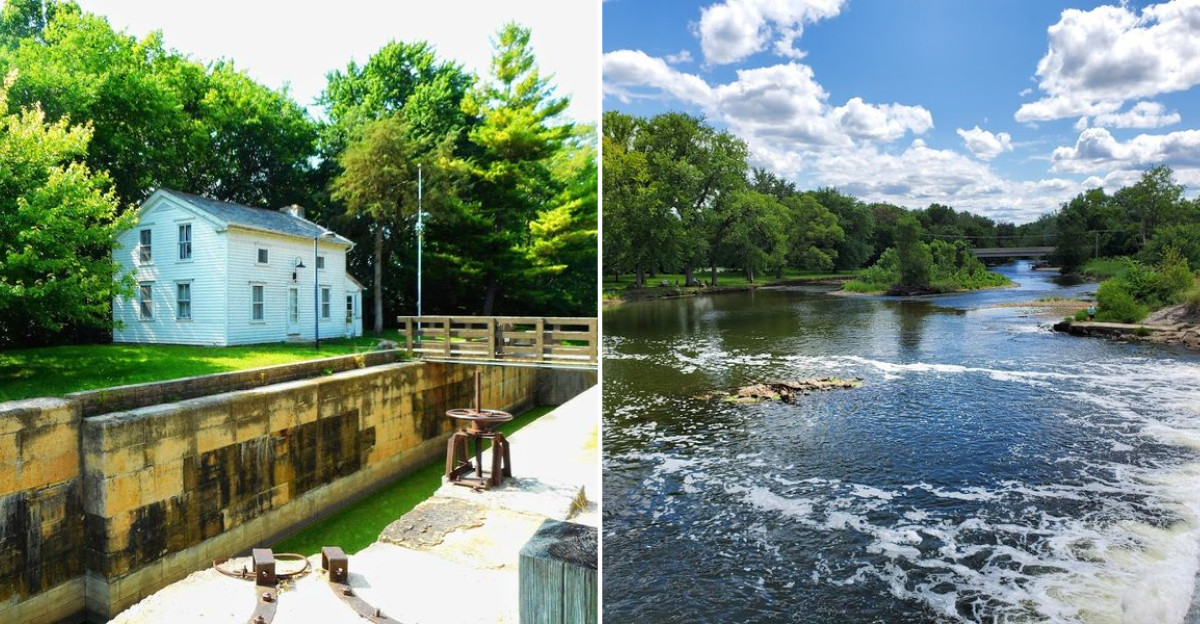
Most drivers pass this tiny Illinois hideaway without realizing they just skipped a place where water, history, and quiet scenery all meet in one surprisingly compact corner. This small state park feels much bigger than its footprint suggests.
Its size is part of the charm. You can wander beside canal-era remains, hear rushing water nearby, watch birds move along the shoreline, and still never feel far removed from the heart of the park.
It is the kind of spot that rewards slow walkers, curious history lovers, anglers, campers, and anyone who likes places with a little mystery built in. Illinois has plenty of famous outdoor escapes, but this modest riverside park proves the quiet ones can leave the strongest impression.
Three River Systems Collide
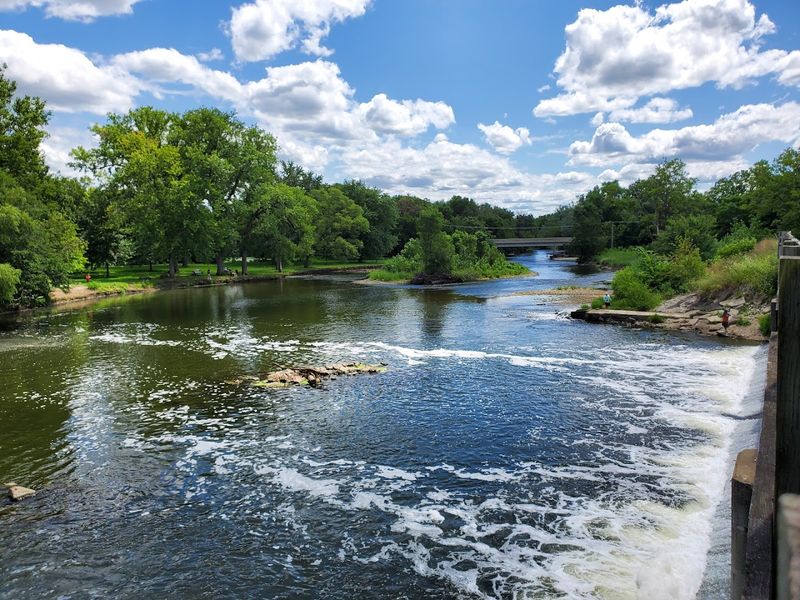
Not many parks can claim this kind of geographic bragging right. Channahon State Park sits near the meeting of the DuPage, Des Plaines, and Kankakee river systems, with the DuPage joining the Des Plaines in Channahon and the Des Plaines meeting the Kankakee downstream to form the Illinois River.
Standing near the water’s edge and watching the surrounding river and canal waters move through this historic meeting-of-the-waters landscape is genuinely mesmerizing. The ripples from each river interact in subtle ways, and during quieter mornings, the reflections on the surface look almost painted.
This confluence also means the surrounding ecosystem is incredibly rich. Wildlife from multiple river corridors passes through, which is why birdwatchers and anglers keep coming back season after season.
The park’s small size actually works in its favor here, because the water views are never far away no matter where you wander. It is the kind of natural spectacle that makes you stop mid-trail and just take a long, slow breath before moving on.
The Canal That Changed Illinois
Few parks in Illinois carry this much canal history. The Illinois and Michigan Canal, completed in 1848, was an engineering marvel of its era and connected the Great Lakes to the Mississippi River system, transforming commerce across the Midwest.
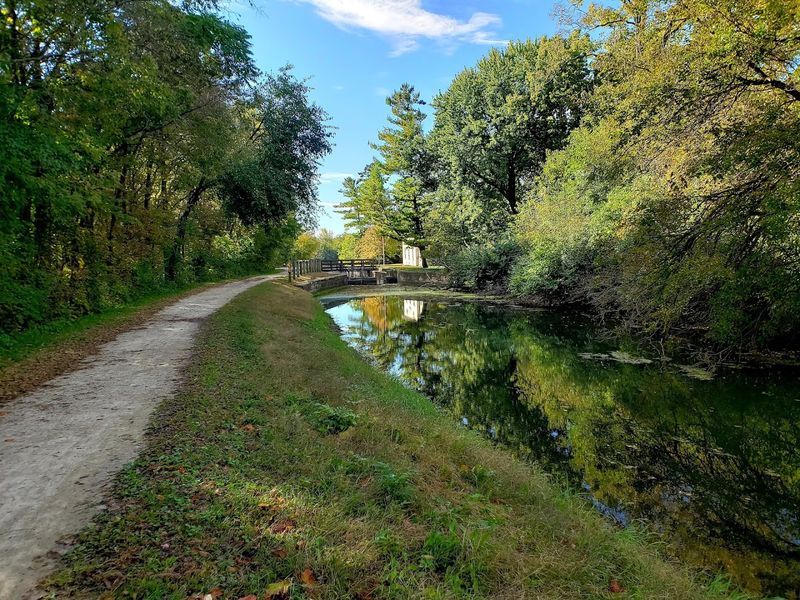
At Channahon State Park, a stretch of that original canal is still intact and clearly visible. Walking alongside it feels like stepping into a different century, especially when you notice how the water still sits quietly in the old channel, framed by mature trees on both sides.
The canal corridor is now part of the I&M Canal National Heritage Corridor, which adds another layer of significance to this already history-loaded park. The crushed limestone towpath that once guided mule teams now serves hikers, joggers, and cyclists.
It is a well-worn route with a long memory, and every footstep you take on it echoes something much older than you might expect from such a modest-looking trail.
The Old Lock That Endured
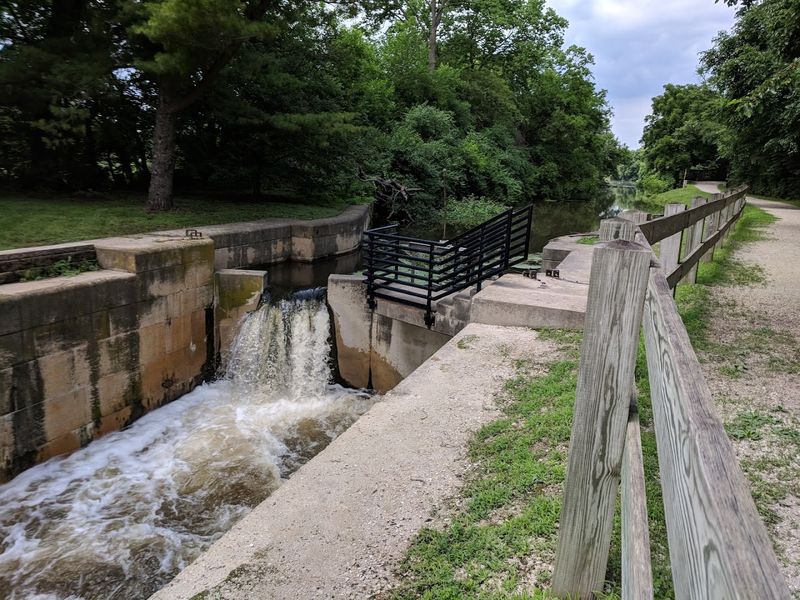
Canal Lock 6 is the kind of structure that makes history feel real rather than distant. This lock, part of the original Illinois and Michigan Canal system, is one of only a handful of surviving canal locks still standing in Illinois, and it sits right inside this tiny park.
Back in the 1800s, locks like this one raised and lowered canal boats to match changing water levels, allowing continuous navigation across the state. Boats loaded with grain, lumber, and other goods passed through here regularly, driven by the commercial energy of a growing nation.
Today, the lock sits preserved and accessible, with interpretive signage nearby that explains how the system worked.
Running your hand along the old stonework gives you an oddly personal connection to the laborers who built it and the boatmen who depended on it. For a structure that no longer serves its original purpose, Lock 6 still has a lot to say to anyone willing to listen closely.
The Little House By The Lock
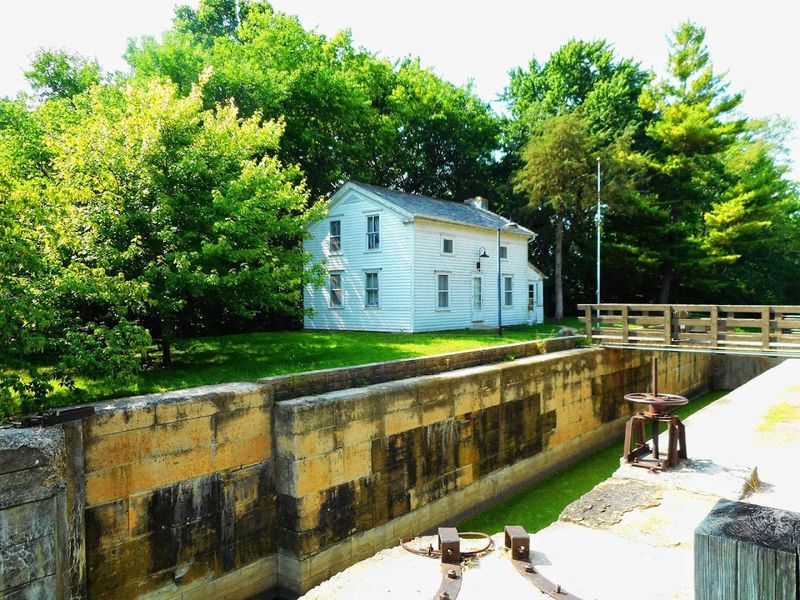
Of all the historic structures scattered across Illinois state parks, the locktender’s house at Channahon might be the most quietly fascinating. This small, restored building is one of only two locktender’s houses still standing along the entire I&M Canal, making it genuinely rare.
A locktender was the person responsible for operating the canal lock, managing the gates that controlled water flow and boat passage. It was a round-the-clock job, and the tender’s family typically lived right on site in a house just like this one.
The restored building gives visitors a tangible sense of what everyday life looked like during the canal era. Seasonal tours and interpretive programming bring the space to life, helping visitors understand the human side of this massive infrastructure project.
It is not a grand mansion or a dramatic ruin, just a modest home that survived long enough to tell its story. Sometimes the smallest structures carry the biggest histories.
The Dam That Stops You Cold
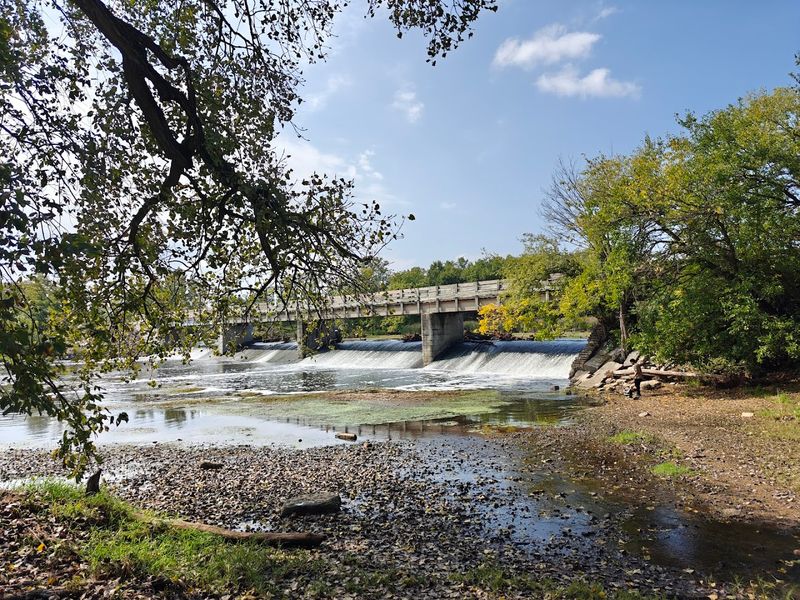
Water moving over the Channahon Dam produces one of those sounds that immediately relaxes your shoulders. The dam creates a low, steady rush that carries across the park, and you can hear it before you even see it, which builds a satisfying kind of anticipation as you walk closer.
The dam itself is a striking visual feature, especially after rainfall when the water volume increases and the cascade becomes more dramatic.
Photographers frequently set up along the banks here, and it is easy to understand why. The combination of moving water, surrounding trees, and the old canal infrastructure nearby makes for a compelling composition in any season.
Beyond the aesthetics, the dam reflects the area’s long history of water control and canal-era engineering. Watching the current break over its edge and settle into the calmer water below is oddly satisfying, like watching something work exactly as it was designed to.
It is one of those simple park features that ends up being far more memorable than expected.
Where Anglers Linger
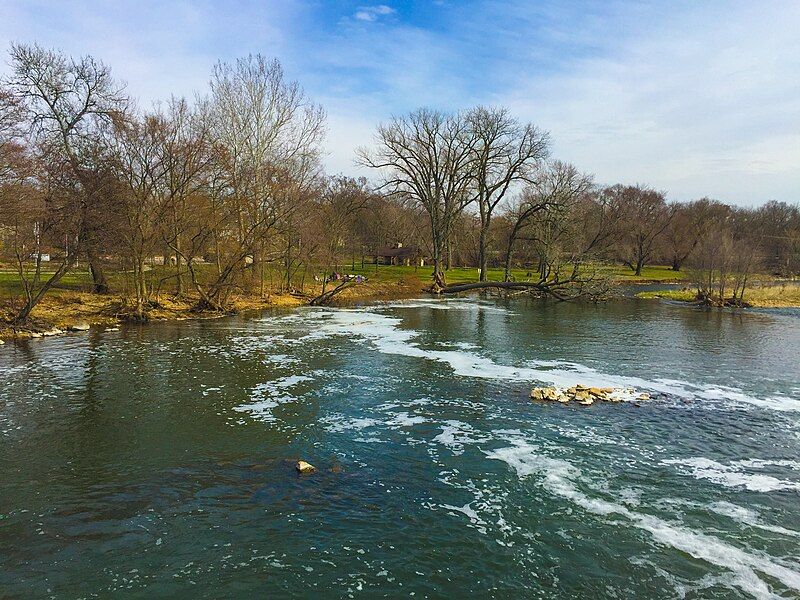
There is a reason the bridge at Channahon State Park always seems to have at least a few fishing lines dangling over the railing. The convergence of three rivers creates a productive and varied aquatic habitat that supports a wide range of fish species.
Anglers come here chasing catfish, bass, carp, and panfish, among others. The calm canal sections offer a different fishing experience than the faster-moving river channels, so you can adjust your approach depending on what you are after that day.
Beginners and experienced anglers both find something to work with.
The park is open daily from 7:30 AM to 7 PM, which gives morning fishers plenty of quiet time before the trails get busy. There is no boat launch inside the park itself, but kayaking and canoeing access is available, adding another dimension to the water-based experience.
Fishing here never feels rushed or crowded, which makes the whole outing feel more rewarding from the first cast to the last.
One Trail Opens The Region
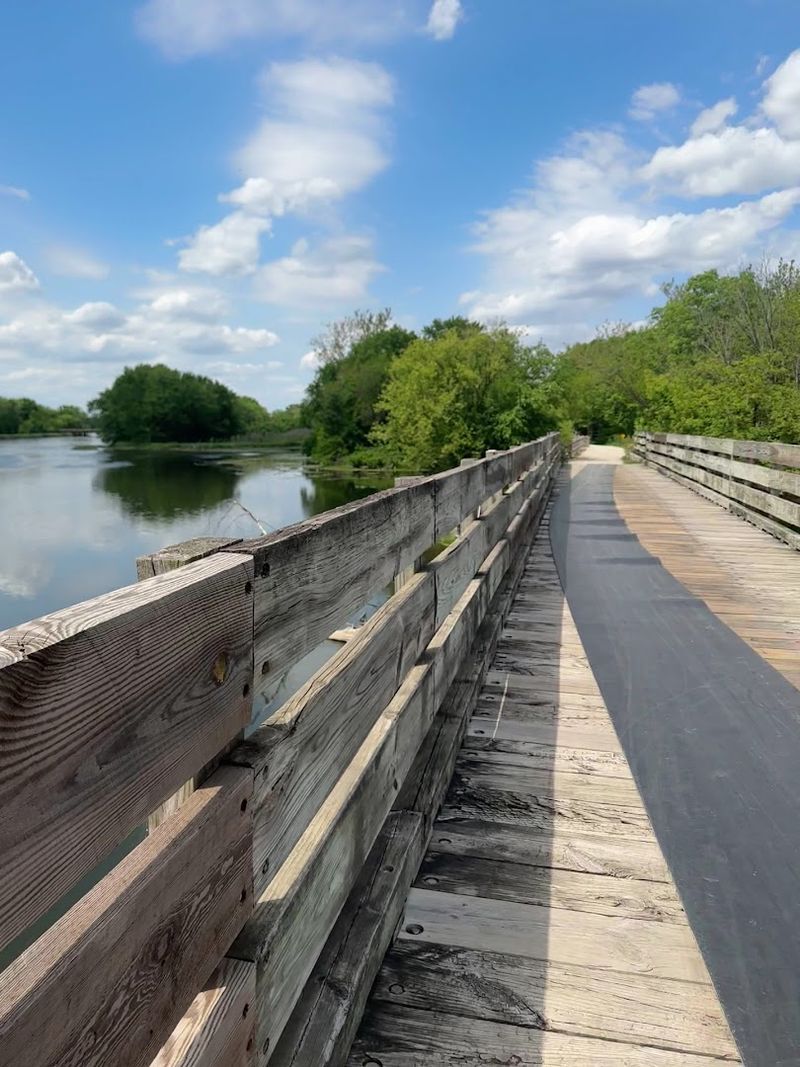
Starting a trail at Channahon State Park and ending up miles away in a completely different natural area is entirely possible, and that is a genuinely exciting prospect. The park serves as a key access point for the I&M Canal Trail, a long-distance multi-use path that stretches across northeastern Illinois.
From the park’s trailhead, the Four Rivers Nature Preserve is roughly a mile down the path, and McKinley Woods Forest Preserve sits about three miles further. Each destination along the way adds its own flavor, so the longer you walk or ride, the more the landscape shifts and surprises you.
The trail surface is crushed limestone, which works well for both cyclists and walkers. It is flat and accessible, making it a solid option for families with younger kids or anyone who prefers a steady, manageable grade.
The trail is also dog-friendly, which means four-legged companions are very much welcome on this particular adventure. Pack a snack and plan to go further than you think.
A Tiny Park For Big Birding
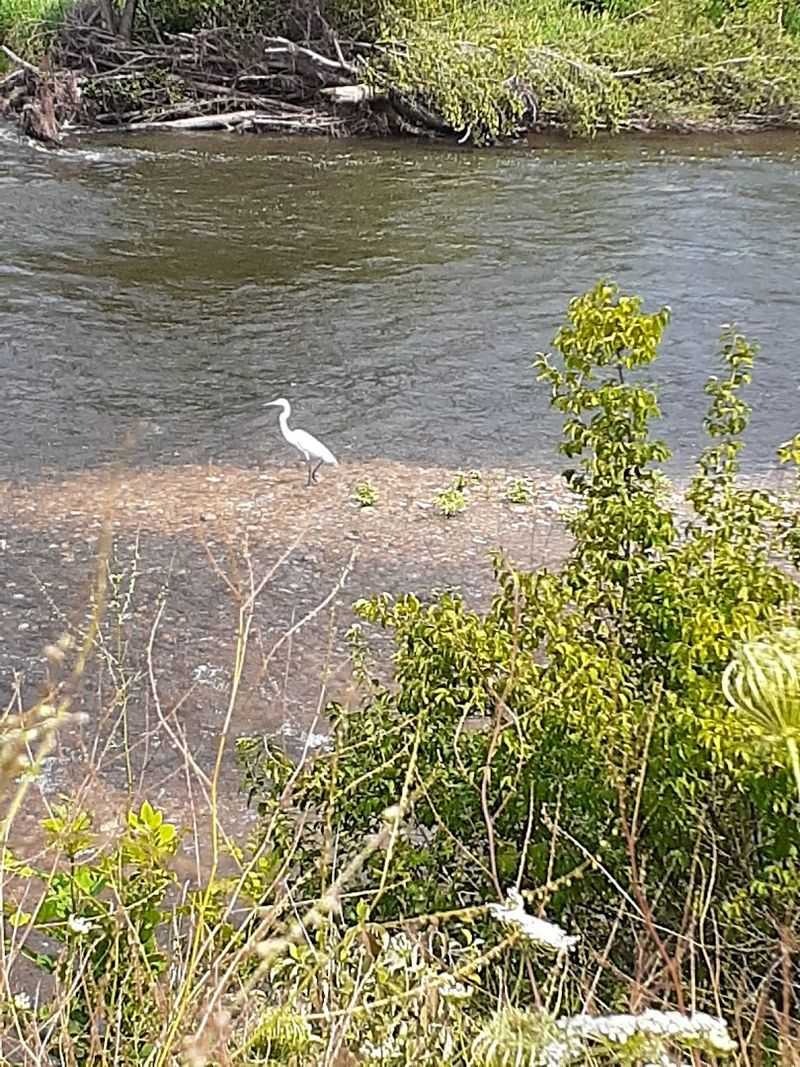
Bring binoculars. Seriously, do not skip this step.
The convergence of multiple waterways at Channahon State Park creates a layered habitat that attracts an impressive variety of bird species throughout the year, and the park has developed a quiet reputation among Illinois birders for good reason.
Spring and fall migration seasons are particularly productive. Wading birds, waterfowl, songbirds, and raptors all move through the area during these windows, and the riverbanks and canal edges provide excellent vantage points for spotting them without much effort.
Great blue herons are practically regulars along the water. Even in winter, the open water near the dam stays active and draws species that would otherwise be hard to find in the region.
The park’s compact size actually helps here because you can cover the best birding spots in a single morning without wearing yourself out. It is the kind of place where you come for a short walk and leave two hours later, still scanning the treetops for one more species to add to your list.
A Quiet Night By The Water
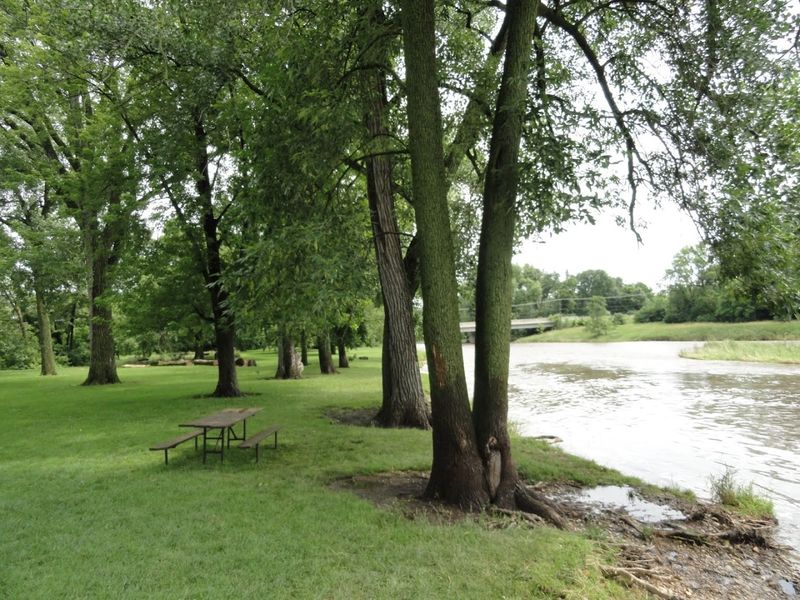
Spending a night at Channahon State Park is a surprisingly peaceful experience for a place so close to suburban Illinois. The park offers tent-only camping, which keeps the atmosphere quiet and the crowd size manageable.
No RV generators humming through the night here.
Campsites come with picnic tables, and water access along with pit toilets are within walking distance. It is a primitive setup by design, which means the focus stays on the outdoors rather than on amenities.
Falling asleep to the sound of the nearby river is a genuinely restorative experience that a lot of campers come back for repeatedly.
The camping area is well-maintained and clean, which matters more than people often admit when choosing a campsite. Because the park is small and tent-only, it never feels overcrowded even on weekends.
For anyone wanting to extend their visit beyond a day trip, this option turns a quick nature outing into a full overnight adventure without requiring a long drive to a larger, more complicated park.
A Quiet Place To Remember
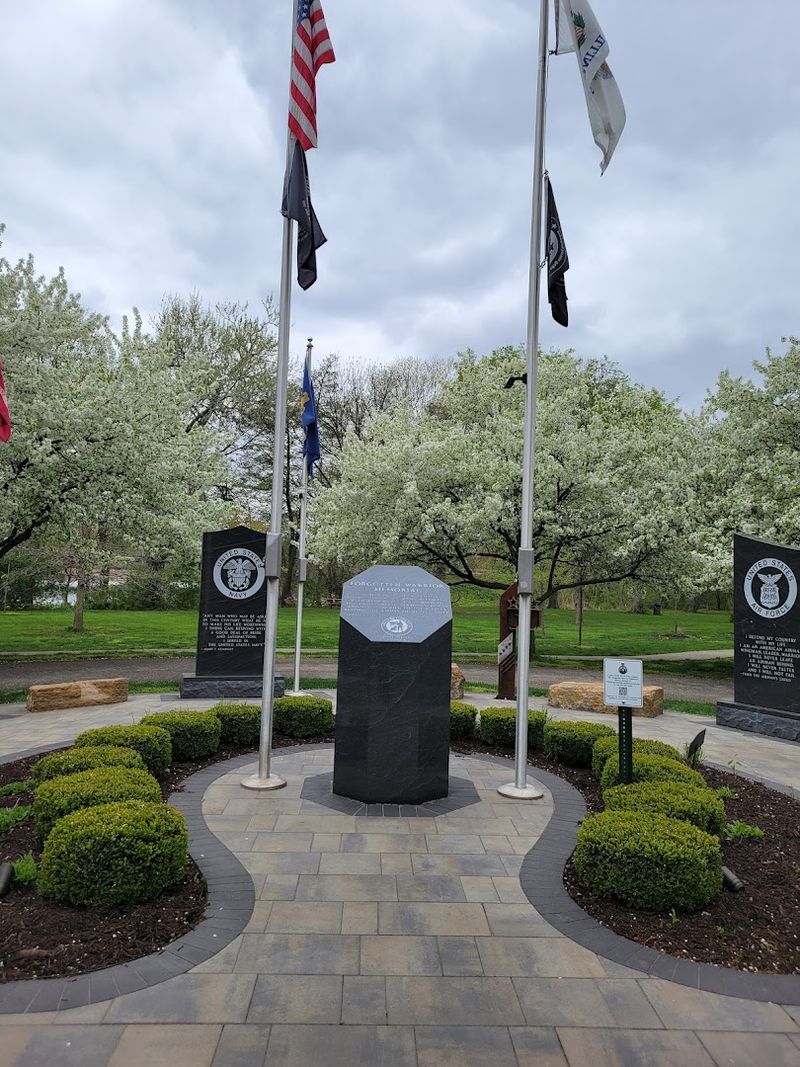
Not every park feature is about scenery or recreation, and Channahon State Park understands that. Near the playground area sits the Forgotten Soldier Memorial, a thoughtful addition to the park grounds that honors those who served but may not have received the recognition they deserved.
The memorial is easy to miss if you are not looking for it, but finding it adds a meaningful dimension to any visit. It stands as a quiet reminder that public spaces can hold multiple purposes at once, serving both as recreational areas and as places of reflection and remembrance.
The surrounding park setting, with its trees and open sky, makes the memorial feel integrated rather than out of place. There is a separate access road with parking nearby, which makes it accessible even for visitors who are not planning a full trail walk.
Whether you pause there for a moment or linger a little longer, the memorial has a way of grounding the whole visit in something larger than a simple afternoon outdoors.