
The Story Behind This Landmark In Massachusetts Is Hard To Believe
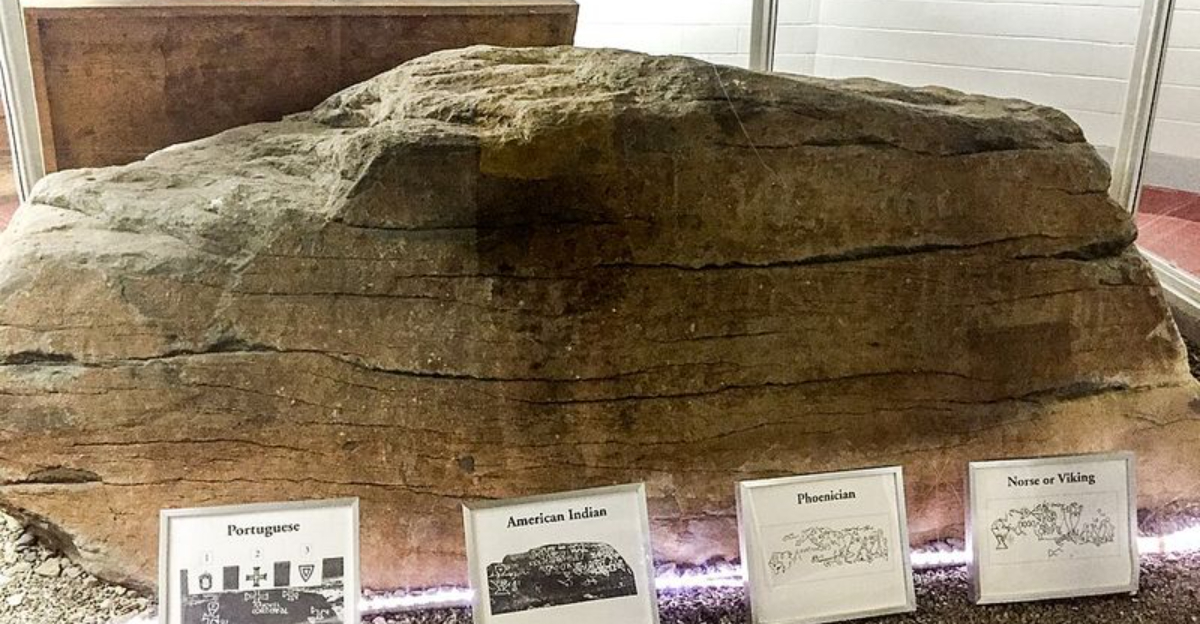
Massachusetts has plenty of landmarks that behave themselves. This is not one of them.
Somewhere in the state sits a strange old stone with a backstory so tangled it sounds like history, folklore, and somebody’s wild dinner-party theory all got locked in a room together.
People have argued over its markings for centuries, and somehow nobody has managed to make the mystery sit still. That is the fun of it.
One person sees ancient visitors. Another sees Native history.
Someone else probably squints for five seconds and announces they have solved everything. Sure, buddy.
The truth is murkier, stranger, and much more entertaining. Massachusetts rarely hands over a mystery this oddly specific, and this landmark makes you lean closer before you even realize you are hooked.
A Boulder With More Backstory Than Most History Books
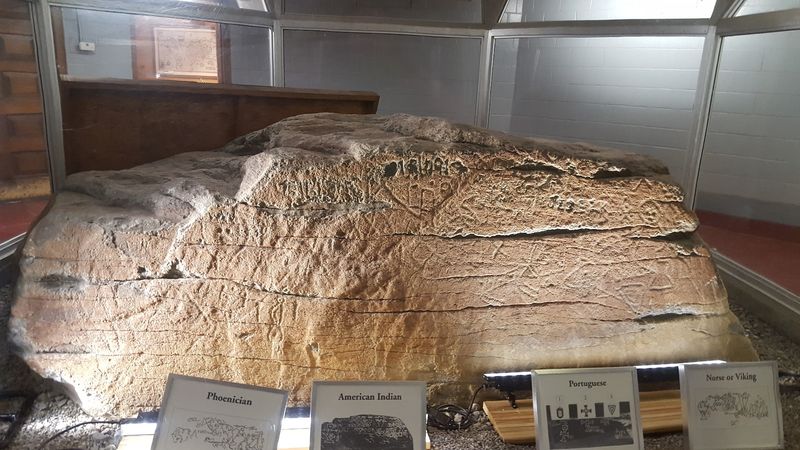
Some rocks are just rocks. Dighton Rock is absolutely not one of those rocks.
This 40-ton sandstone giant is covered in a chaotic and captivating collection of lines, geometric shapes, and mysterious figures that have baffled experts for centuries.
First formally documented by Reverend John Danforth back in 1680, the rock was originally sitting right in the Taunton River. High tides would wash over its carved face regularly, slowly wearing the markings down over time.
The situation was not great for preservation.
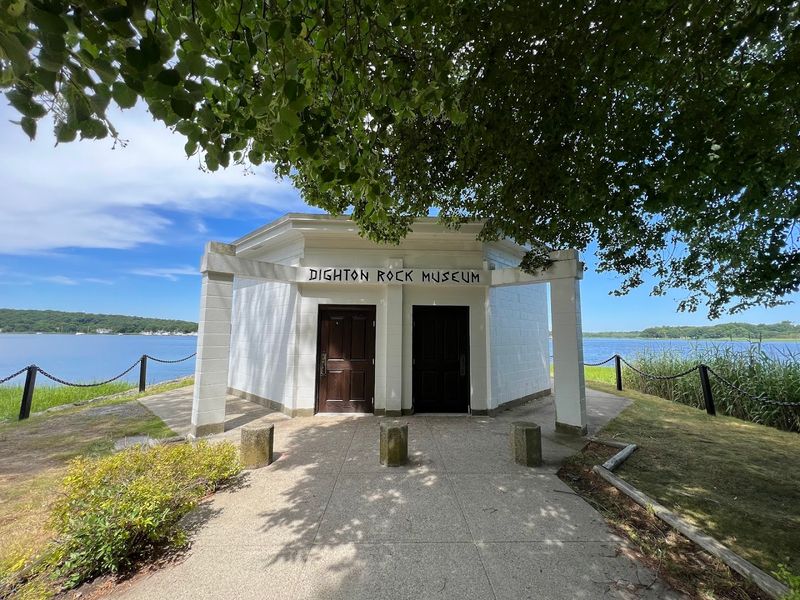
In 1963, during nearby dam construction, the rock was carefully moved out of the river and placed inside a purpose-built museum within the park. That move saved it from further erosion and gave the public a chance to see it up close.
Listed on the National Register of Historic Places in 1971, Dighton Rock is now officially recognized as a landmark worth protecting. Standing in front of it feels oddly electric, like the rock is daring you to figure out its secrets.
Most visitors leave with more questions than answers, and somehow that makes the whole experience even better.
Finding The Park Is Part Of The Adventure
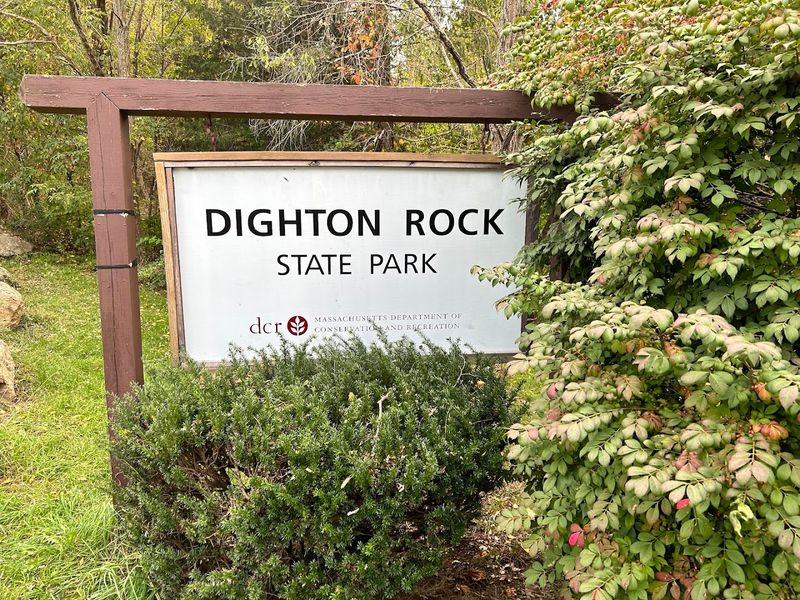
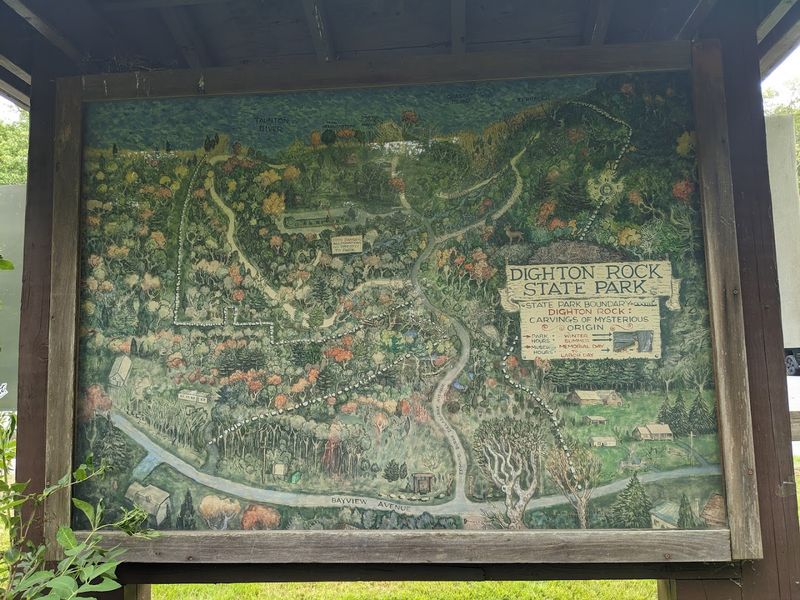
Getting to Dighton Rock State Park feels a little like following a treasure map. Located at 3rd Ave., Berkley, MA 02779, the park sits along the scenic Taunton River and spans a generous 85 acres of natural beauty.
The drive in is genuinely charming, winding away from the highway into a quieter, greener world.
Once you arrive, the layout opens up beautifully.
There are picnic areas with benches and grills, wide open spaces near the water, and wooded trails that invite you to wander. The park is open daily from 8 AM to 4 PM, giving you plenty of morning and afternoon time to explore without rushing.
Parking is easy, and the atmosphere is calm and welcoming. It does not feel overcrowded or commercialized, which is honestly refreshing.
Bring a blanket, pack some snacks, and plan to spend a few unhurried hours here.
The combination of riverside scenery, shaded trails, and the mysterious museum makes this park a genuinely unique destination. It is the kind of place that surprises you with how much it offers once you actually show up.
The Petroglyphs That Started A 300-Year Argument
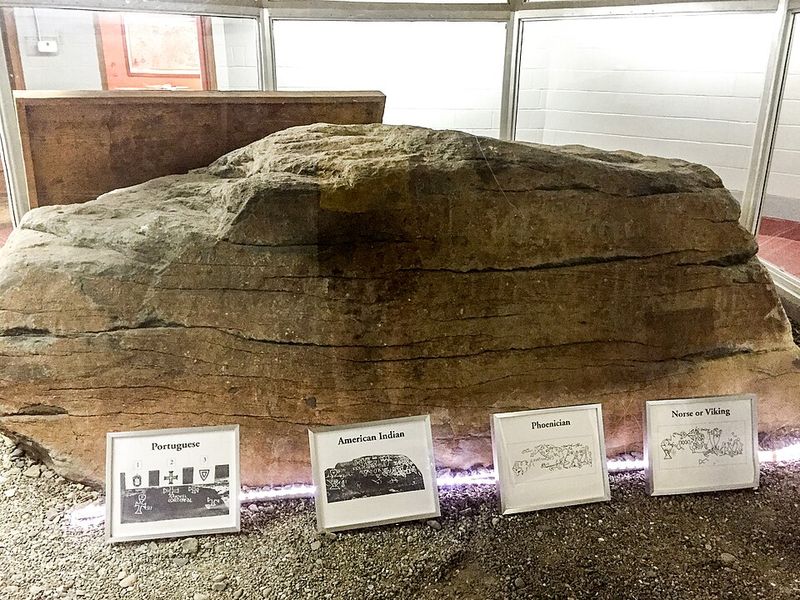
Imagine staring at a surface covered in lines, shapes, and strange drawings, knowing that some of the greatest minds in history have looked at the same thing and completely disagreed about what it means. That is the Dighton Rock experience in a nutshell.
The carvings include geometric patterns, schematic human figures, and what some have described as a form of writing.
Reverend Cotton Mather took notice in 1690, and from that point forward, the rock became a magnet for scholars with very strong opinions. The markings are layered and complex, almost like multiple artists worked on the same canvas across different eras.
One of the most quoted observations about Dighton Rock comes from a professor who described it as a Rorschach test, where people see exactly what they want to see. That description is both funny and completely accurate.
The ambiguity of the carvings is precisely what keeps the conversation going generation after generation. No single interpretation has ever been universally accepted, and that ongoing mystery is genuinely thrilling for anyone who loves a good unsolved puzzle.
The Native American Theory That Makes The Most Sense
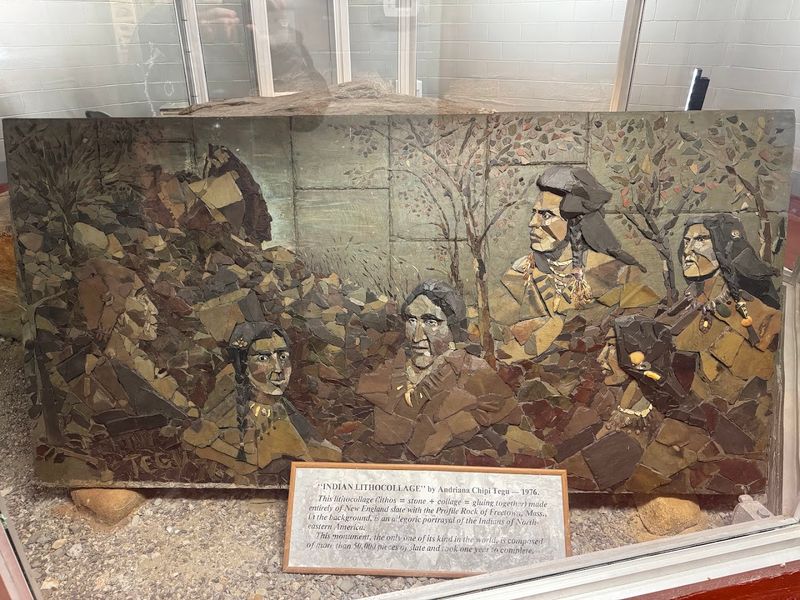
Long before any European ship appeared on the horizon, indigenous peoples were living, thriving, and creating art throughout the northeastern United States.
Many respected scholars believe the carvings on Dighton Rock were made by Native American groups, possibly the Wampanoag, Narragansett, or Algonquian peoples who called this region home.
Reverend John Danforth, who first documented the rock in 1680, leaned toward a Native American origin. Even George Washington reportedly supported this interpretation.
Similar petroglyphs created by indigenous peoples have been found throughout the broader New England and Mid-Atlantic region, giving this theory strong contextual support.
The carvings may have depicted significant events like battles, migrations, or encounters with newcomers. Petroglyphs were a common form of communication and storytelling in many Native cultures, used to record history in a lasting and visible way.
Viewing Dighton Rock through that lens transforms it from a mystery into a meaningful cultural document. Whether or not this theory is ever fully confirmed, it carries a weight and resonance that feels deeply connected to the land itself.
The rock may simply be telling a story in a language we have not yet fully learned to read.
Vikings In Massachusetts? The Theory That Rocked The 1800s
Here is where things get genuinely wild. In the 19th century, a Danish historian named Carl Christian Rafn proposed that Vikings had carved the rock, connecting it to the legendary saga of Thorfinn Karlsefni and Norse exploration of North America.
The idea spread fast and captured imaginations across Europe and America alike.
The Viking theory was exciting, cinematic, and just plausible enough to feel thrilling. Norse explorers did reach North America centuries before Columbus, as confirmed by the archaeological site at L’Anse aux Meadows in Newfoundland.
So the idea of them venturing further south along the coast was not completely outrageous to people at the time.
Eventually, scholars examined the evidence more carefully and the Viking theory was largely debunked. The specific linguistic and pictographic connections Rafn claimed simply did not hold up under scrutiny.
But the theory left a lasting impression on how people talked about the rock, and it kicked off a long tradition of bold, creative, and sometimes far-fetched interpretations.
Sometimes the theories that turn out to be wrong are the ones that make history the most fun to explore.
The Portuguese Explorer Claim That Split The Experts
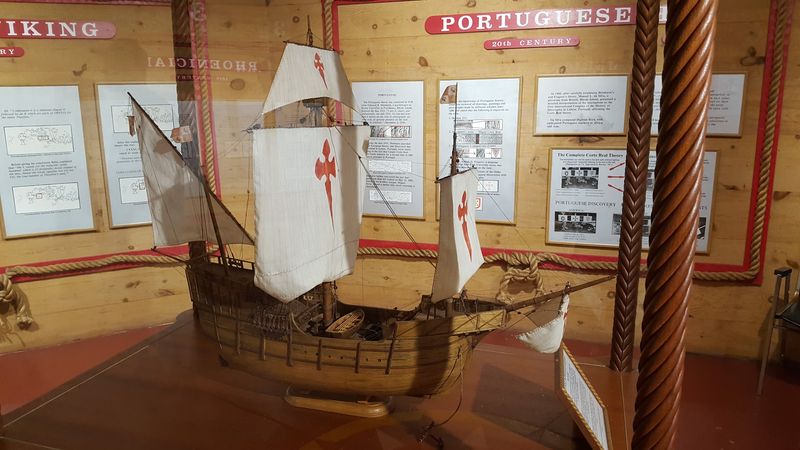
Early 20th century scholarship brought a bold new contender into the Dighton Rock debate. A Brown University professor named Edmund Delabarre studied the rock intensively and became convinced that the carvings were Portuguese in origin.
His theory centered on explorer Miguel Corte-Real, who sailed toward North America in 1511 and was never heard from again.
Delabarre believed he could read an abbreviated Latin message in the carvings, claiming Corte-Real had inscribed that he became a chief among the indigenous people. It sounds like the plot of an adventure novel, and honestly, it kind of is.
The theory was widely embraced in Portugal and even influenced the architectural style of the museum building at the park.
Outside of Portugal, however, archaeologists and historians were far less convinced. The interpretation required a significant amount of creative reading, and most mainstream scholars rejected it as wishful thinking layered onto ambiguous markings.
Still, the Portuguese theory remains one of the most discussed and emotionally charged interpretations of the rock. It is a reminder that history is sometimes written by the most enthusiastic storyteller in the room, not necessarily the most accurate one.
Phoenicians, Ancient Explorers, And The Wildest Theories Of All
Just when you think the Dighton Rock debate could not get more eclectic, along come the ancient Phoenicians.
In the 18th century, educator Ezra Stiles and French scholar Count Antoine Court de Gebelin both proposed that the rock was carved by Phoenicians or Carthaginians from the ancient Mediterranean world.
Yes, really.
The idea was that ancient seafarers from North Africa or the Levant somehow made it all the way to the Taunton River in Massachusetts thousands of years ago.
It is a staggering claim, and unsurprisingly, it has not gained much traction in mainstream archaeology. But it speaks to just how genuinely mysterious the carvings appear to educated, thoughtful people across centuries and cultures.
More recent fringe theories have gone even further, suggesting Chinese, Japanese, or extraterrestrial origins for the markings. At that point, the rock truly becomes a canvas for human imagination at its most unrestrained.
What is fascinating is not whether these theories are correct, but what they reveal about our deep desire to connect ancient mysteries to the widest possible story. Dighton Rock holds up a mirror, and we see in it whatever excites us most.
Hiking, Kayaking, And Picnicking With A Side Of Mystery
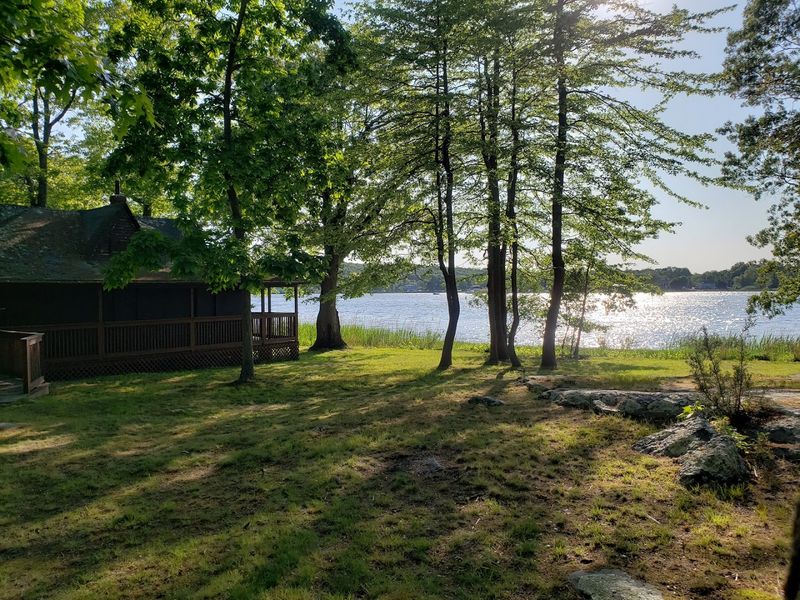
The rock gets all the headlines, but Dighton Rock State Park is genuinely a wonderful outdoor destination all on its own.
Spread across 85 acres along the Taunton River, the park offers hiking and biking trails, fishing spots, kayaking and canoeing access, and shaded picnic areas with grills and benches.
The trails are wide and relatively flat, making them approachable for a casual afternoon walk. Views of the river appear through the trees at various points, and the whole atmosphere feels calm and restorative.
Bring a kayak or canoe and you can explore the water at your own pace, which is a completely different way to experience the landscape.
Picnic areas are well-positioned near the waterfront, and on a sunny day the setting is genuinely lovely. The park is also dog-friendly, so four-legged companions are welcome to join the adventure.
After spending time outdoors, stepping into the small museum to see the rock itself creates a satisfying contrast between natural beauty and ancient enigma.
The park rewards visitors who give it more than a quick glance, and most people who spend a full afternoon here leave wishing they had come sooner.
Why Dighton Rock Still Matters Today
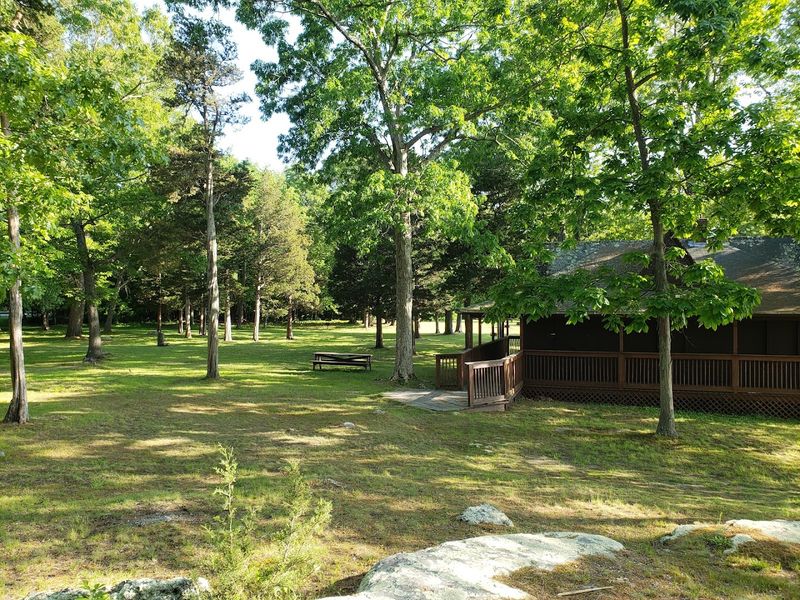
In a world where almost every question can be answered in seconds with a quick search, Dighton Rock stands as a refreshing reminder that some mysteries are still very much unsolved.
The rock has outlasted every confident theory thrown at it, and it continues to sit quietly in its little museum, completely unbothered by the debate swirling around it.
Scholars still study it. Visitors still photograph it.
And new generations keep discovering it for the first time, wide-eyed and a little disbelieving. Its listing on the National Register of Historic Places in 1971 confirmed what curious minds had known for centuries: this rock is genuinely important, regardless of who made the carvings or why.
There is something deeply human about gathering around an unexplained object and arguing passionately about its meaning. Dighton Rock has been doing that to people since 1680, and there is no sign of it stopping anytime soon.
Whether you visit for the history, the hiking, the river views, or just the thrill of standing next to one of New England’s greatest unsolved mysteries, the park delivers something memorable.
Have you ever stood in front of something ancient and felt like it was looking right back at you?