
The Texas BBQ Habits A Century Still Couldn’t Replace
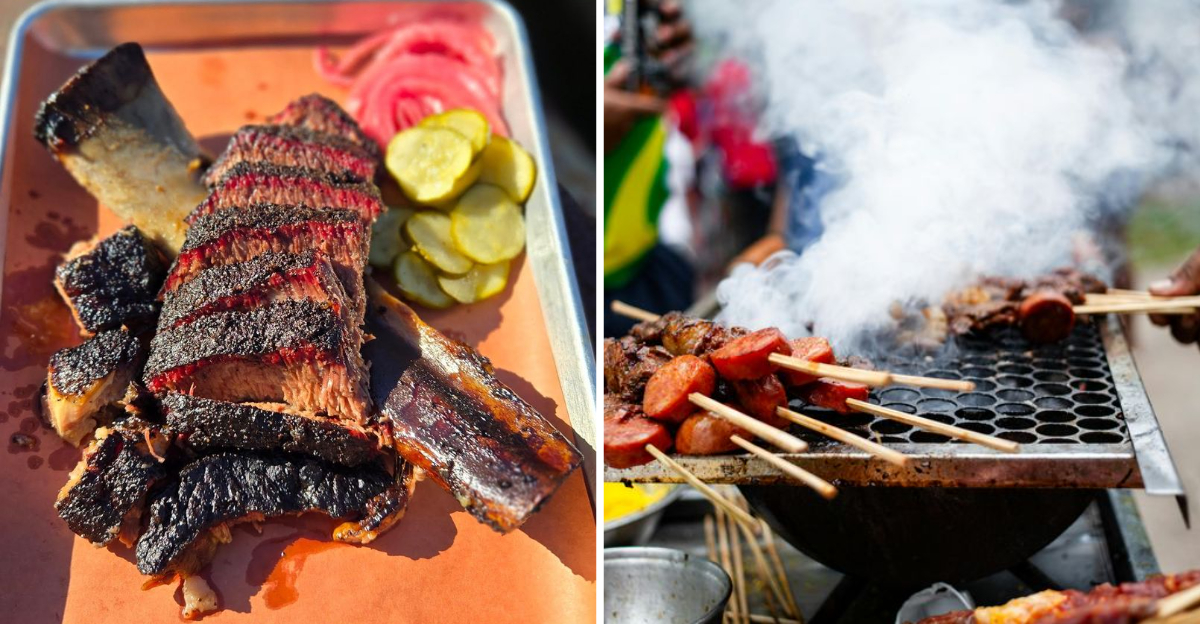
Every state has its thing, New York has attitude, California has green juice, and Texas has BBQ and Matthew McConaughey.
From the moment I arrived, it was clear that barbecue here isn’t just food, it’s a personality trait.
Smoke hangs in the air like a well-rehearsed opening line, confident, slow, and impossible to ignore.
Texas BBQ habits have survived for over a century, untouched by trends, diets, or the invention of air fryers.
Because why mess with something that already works, especially when it involves fire and patience.
I watched traditions passed down the way movie quotes are, repeated, respected, and never rewritten.
This is a place where brisket is sacred, shortcuts are suspicious, and time politely waits its turn.
And somewhere between the smoke and the silence, I understood why Texas never felt the need to change.
Ordering By The Pound, Not By The Plate
I stepped up to the counter and froze.
Like, actual deer-in-headlights froze.
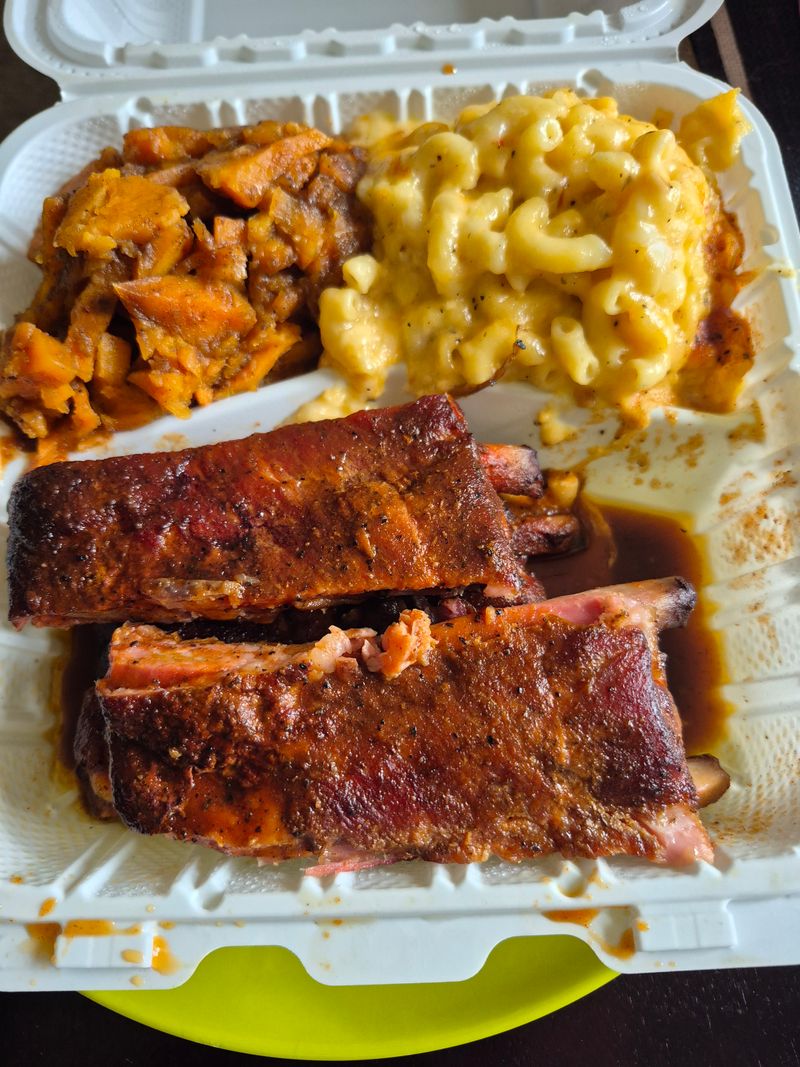
No plates, no combos, just meat and a scale that silently judged me.
The pitmaster asked, “How much?” and suddenly I felt like I was negotiating a hostage situation.
Half a pound? A pound?
I had no idea what the correct “Texan confidence” measurement was.
People around me were casually ordering two, three, even four pounds like it was nothing, and I panicked.
I pointed vaguely at the brisket and whispered something about “maybe that much?”
The guy behind me snorted, weighed their meat, and walked away like they were in a slow-motion movie montage.
Then the scale beeped, my slab of brisket landed in front of me, and I realized I had survived my first Texan trial.
This isn’t just ordering food, it’s a tiny test of courage, patience, and appetite.
I dug in, and I was fully invested in the ritual: trust the pit, respect the pound, and never apologize for hunger.
A century of Texans have done it this way, and honestly, I could see why.
Some things are too perfect to fix.
Butcher Paper Is The Original Plate
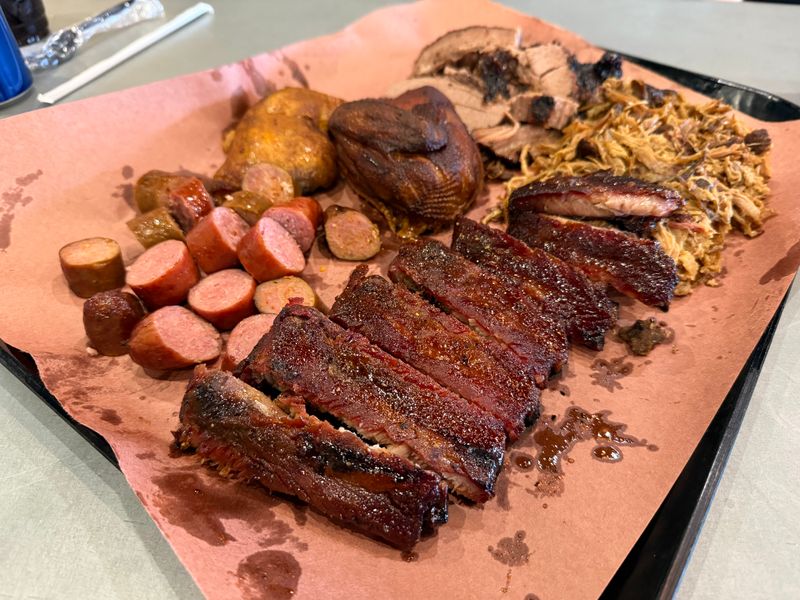
When my plate finally “arrived,” it was a slab of brisket lying on butcher paper like it owned the place.
At first I panicked, no plate? No fork?
Did I miss a memo?
The guy next to me tore off a corner of the paper and used it as a napkin, like this was completely normal.
Smoke curled from the meat, grease pooling into little shiny puddles, and honestly, I felt a little intimidated.
I tried to cut a piece neatly, but the paper was slippery and my knife was not.
Chaos ensued.
Somehow everyone around me was casually eating, talking, and laughing as if the world had always worked this way.
I tasted the brisket, smoky and tender, and it made all that mess completely worth it.
The paper soaked up the juices, caught the crumbs, and refused to be fancy.
It had a job, and it did it well.
By the time I finished, I was scraping every last shred with my fingers, unapologetically.
No plates, no rules, just meat, paper, and a little bit of Texan rebellion.
I realized this habit isn’t about saving dishes, it’s about making the experience messy, honest, and unpretentious.
And honestly?
I kind of loved it.
Salt And Pepper As Sacred Baseline
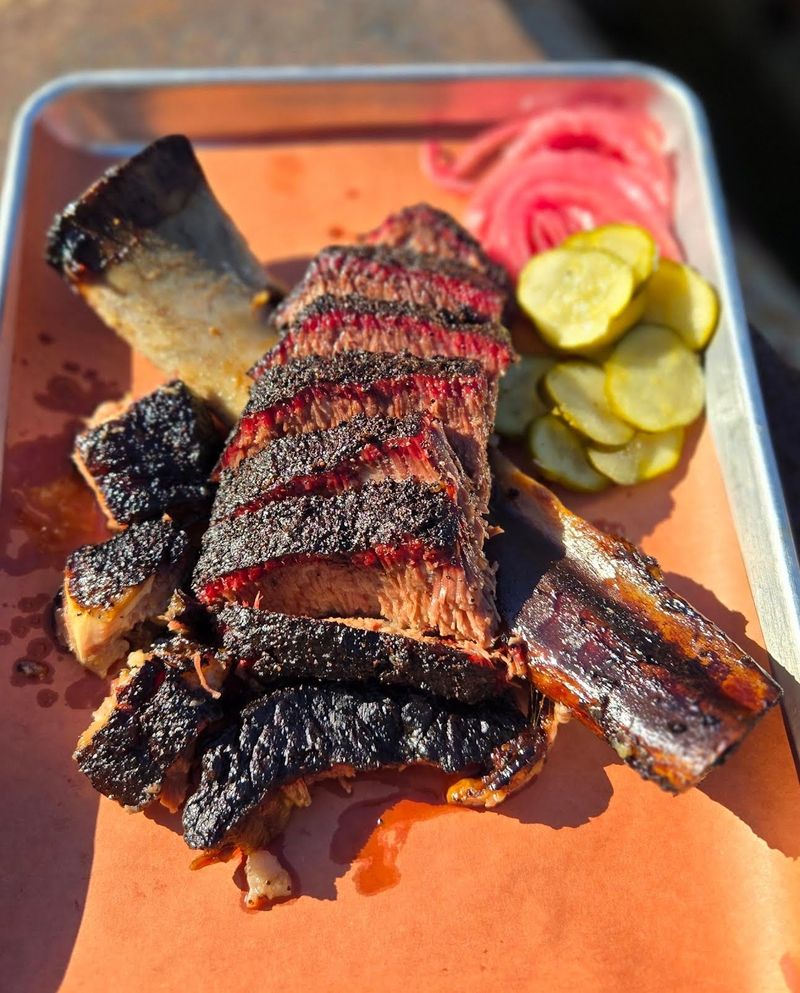
I took my first bite and thought, “Wait… that’s it? Just salt and pepper?”
Back home, I’d been trained to drown meat in sauces like it was a science experiment.
Here, the brisket didn’t need anything else.
It had personality, confidence, and a little Texas attitude.
The smoke whispered secrets into every fiber, and the seasoning just nodded along politely, like a sidekick that knew its place.
I watched a guy sprinkle salt with the precision of a chemist, then toss a wink at his buddy.
It was almost theatrical.
Simple, sure, but it forced you to pay attention.
Taste the meat.
Respect the craft.
I tried to sneak a bit of sauce from my bag, big mistake!
The brisket recoiled, metaphorically, at my audacity.
By the third bite, I understood: this is how flavors are supposed to work, honest, upfront, and unapologetic.
It’s a mindset, really, not a recipe.
Salt + pepper = trust in what’s already amazing.
Texans have been doing this for over a century because it works, and nothing fancy could ever improve it.
The simplicity made room for the experience: smoke, patience, chatter, and the occasional meat-induced reverence.
I licked my fingers clean, and suddenly I was a believer.
Not a convert, not yet, but definitely a fan!
Post Oak, The Wood That Runs Central Texas
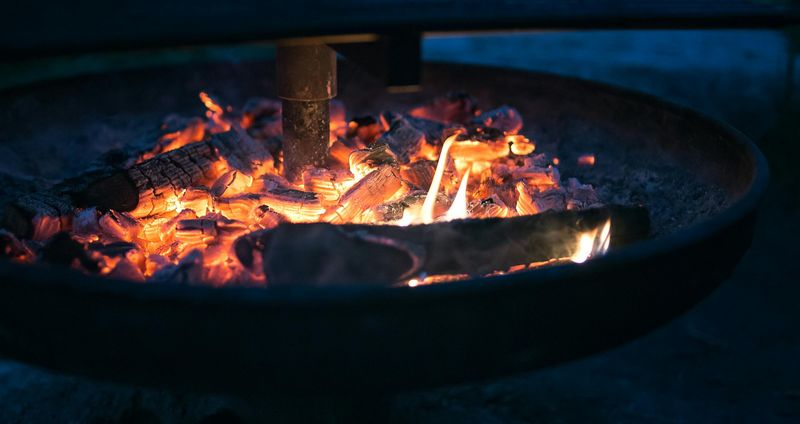
The first time I smelled post oak smoke, I thought someone had set the entire town on fire.
But no, this was just Texas BBQ doing its thing, slow and steady, like Matthew McConaughey narrating a nature documentary.
The pitmaster waved a hand over the coals like he was conducting an orchestra, and I realized the wood was the star, not the meat.
Post oak doesn’t scream, it whispers, gently kissing the brisket with smoke that takes its sweet time.
I watched chunks smolder, releasing aromas that made my stomach growl louder than a coyote at midnight.
A guy next to me swore it could fix anything.
From a tough Monday to a bad breakup, because smoke heals all.
I tried to imagine using any other wood.
Cedar? Hickory?
Blasphemy.
Here, post oak is tradition, style, and flavor rolled into one stubborn, beautiful package.
The longer it smokes, the more complex the meat becomes, and you’re just along for the ride.
I took a bite, closed my eyes, and understood why centuries-old habits survive: they’re not arbitrary, they’re perfect!
People here don’t debate the wood, they honor it, the same way a director honors a script.
And me?
I was suddenly ready to swear allegiance to a tree.
Bread, Pickles & Onions, The Unsung Heroes Of Texas BBQ
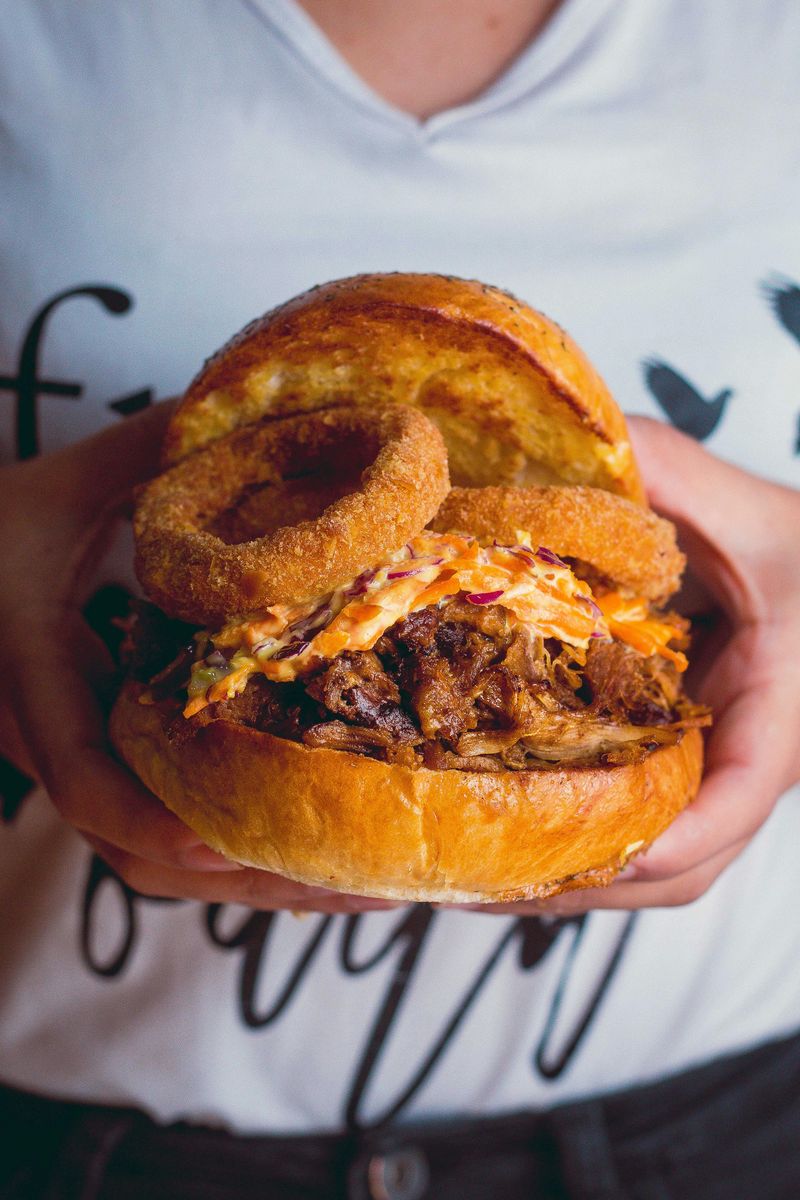
Bread. Pickles.
Onions.
Maybe a jalapeño if you’re feeling spicy.
Sounds simple. Almost boring.
But here’s the thing, this is Texas BBQ magic in disguise.
The bread isn’t just bread, it’s a vessel, a sponge, a little handheld tray for all the smoky, juicy goodness.
Pickles snap. Onions bite.
Jalapeños punch.
All while the meat stays the star.
I saw people make tiny sandwiches on the fly, juice dripping, faces ecstatic.
I tried it myself, layering meat, pickle, onion, and bread in a way that felt messy, perfect, ritualistic.
Nothing distracted from the brisket, the ribs, the sausage.
Everything enhanced.
By the time I licked my fingers clean, I got it.
History tastes like this.
It’s a tradition, yes, but also a survival tactic for anyone navigating a plate that could topple any normal human pride.
Simple tools. Big flavor.
And somehow, it feels like cheating, but in the best way possible!
Hot Guts, Czech & German Sausage Traditions
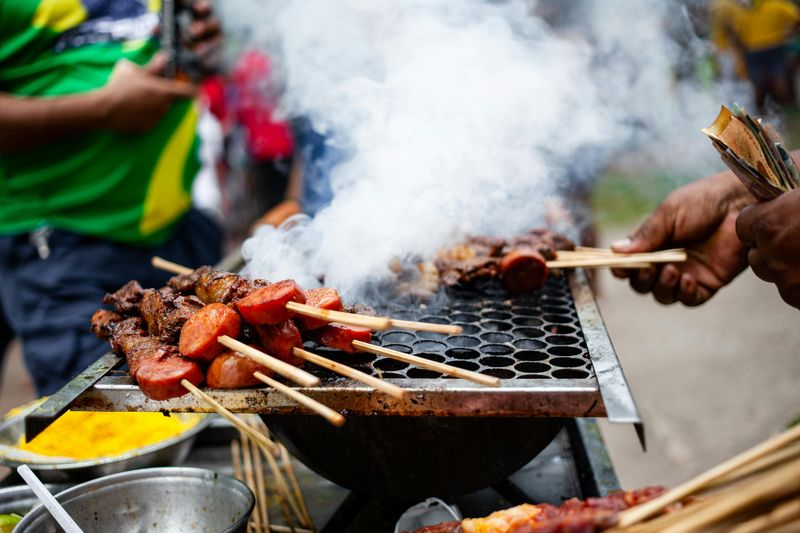
I stumbled upon the “hot guts” lane like a tourist sniffing out treasure.
The smell hit me first, spicy, smoky, slightly terrifying, and completely irresistible.
Rows of sausages sizzled on the grill, hissing like they were gossiping about me.
A guy next to me bit into one with such reverence I almost bowed.
These aren’t just sausages.
They’re a century-old handshake between Czech and German immigrants and Texas.
I tried to order one politely, but the pitmaster just laughed and handed me the biggest link he had.
It was juicy, a little spicy, and so perfectly seasoned that I understood why Texans keep traditions alive.
They refuse to mess with perfection.
Kids ran past, parents chatted, dogs eyed the scraps, and somehow, everyone had a moment with their sausage like it was a personal ritual.
I bit into mine, grease dripping onto my fingers, and suddenly I was part of the lane’s chaotic harmony.
Each link told a story: smoke, history, patience, and a stubborn insistence that flavor matters more than formality.
I tried to savor it slowly, but it disappeared faster than my dignity at a first BBQ showdown.
So I wiped my hands on a napkin, and I realized these “hot guts” aren’t just food.
They’re a community, a heritage, and a delicious little rebellion.
Pit & Barbacoa, South Texas Slow Magic
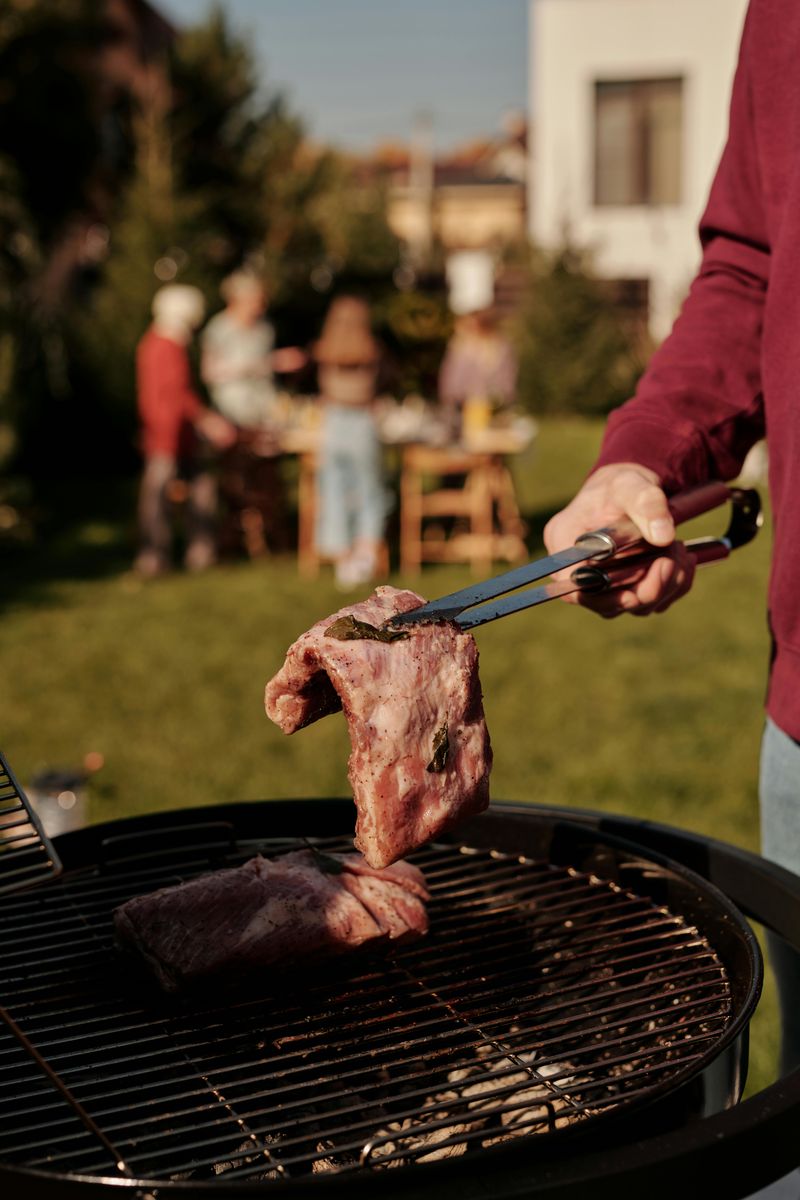
I drove down a dusty South Texas road and followed the smell like a hound on a mission.
The pit sat there like an old king, smoke curling from it in elegant spirals that promised glory.
Inside, meat was tucked away, cooking slowly for hours.
Or maybe a full day, while the world rushed by.
No timers, no shortcuts, just tradition, patience, and stubborn pride.
The barbacoa was tender beyond reason, rich with smoke and history, and each bite felt like a small miracle.
I realized these methods survive because they refuse to compromise: slow, steady, deliberate.
Nothing modern can replace the intimacy of fire, wood, and hands that know their craft.
A century of Texans have done this, and it works, so why change it?
By the end, I understood: Texas BBQ habits aren’t just old.
They’re timeless, unshakable, and gloriously delicious!
And honestly, once you’ve tasted a tradition this stubborn, you start wondering why anyone would ever try to improve perfection.