
The Tiny Maryland Island Town Where Golf Carts Rule The Roads
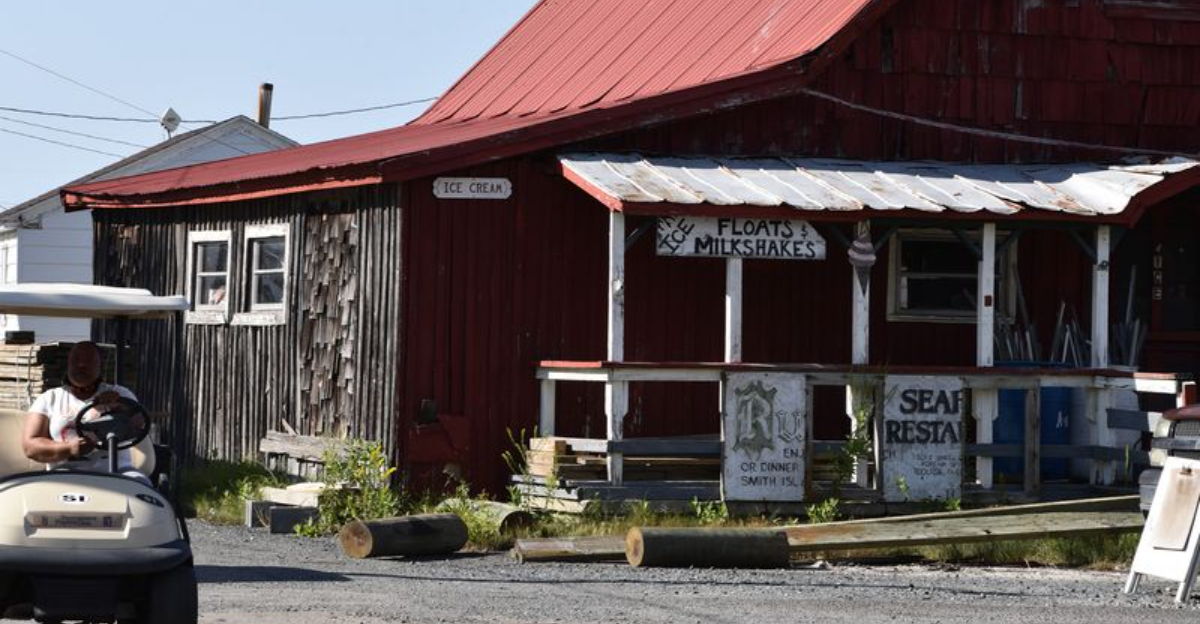
When I first heard about Ewell, Maryland, during a conversation with a waterman at a Crisfield marina, I thought he was pulling my leg. A place where cars barely exist and golf carts run the show sounded too quirky to be real.
But Smith Island’s main village truly operates on a different clock, where the loudest traffic noise comes from electric carts humming past weathered crab shanties. Placed into the Chesapeake Bay with no bridge connecting it to the mainland, Ewell feels like it belongs to another century.
Yet it thrives with working watermen, proud traditions, and visitors who trade car keys for cart steering wheels the moment they step off the ferry.
Meet Ewell, The Chesapeake’s Golf-Cart Town
Smith Island’s largest village operates on island time, and I mean that literally.
When I visited last summer, I counted more golf carts than sedans in the entire Ewell-Rhodes Point area, which says everything about how residents choose to move through their days.
Narrow lanes wind past tidy homes and working docks, with marsh grass swaying at every turn. Most locals prefer the soft whir of electric carts to engine roar, and visitors quickly adopt the same relaxed pace.
Walking, biking, and carting dominate here because the landscape simply invites slower exploration.
The absence of traffic lights and stop signs feels oddly liberating, and you start noticing herons, skiffs, and neighbors in ways that highway driving never allows.
Getting There Feels Like A Time Machine
Forget GPS shortcuts and highway exits. Reaching Ewell requires a ferry ticket and a willingness to let the Chesapeake set your schedule.
Passenger boats depart from Crisfield year-round, with seasonal cruise options launching from the Western Shore for those seeking a longer ride.
Weather and tides dictate departure times, so calling ahead is essential. I learned this the hard way when I showed up on a blustery October morning only to find the boat delayed by an hour.
Stepping onto the Ewell dock feels like crossing into another era, where hurry holds no currency and the waterway remains the only highway that matters.
Three Villages, One Water-Laced Community
Smith Island isn’t just Ewell. Two other villages share this marshy archipelago, each with its own personality but bound by water and heritage.
Ewell claims the largest population and connects to Rhodes Point via a small bridge that barely qualifies as infrastructure by mainland standards.
Tylerton sits on a separate island, accessible only by boat, which gives it an even more secluded vibe. Combined, these three villages house roughly two hundred full-time residents, which means everyone knows your name by your second visit.
Neighborly waves and front-porch conversations are the norm here, not the exception.
Where Golf Carts Outnumber Plans
Rental carts line up near the ferry dock like a welcoming committee, ready to whisk you around the island’s modest road network.
Two-seaters and four-seaters wait for visitors who want to trace the shoreline, peek into quiet coves, and wave at watermen hauling in their catch.
I grabbed a cart on my first visit and spent the afternoon meandering without a map, which turned out to be the best decision. You can’t really get lost when the island measures barely three miles across.
The whole setup encourages wandering over rushing, and that shift in tempo becomes contagious within minutes.
Watermen At Work, Heritage On Display
Crabbing and oystering aren’t just jobs here – they’re the backbone of island identity.
Ewell’s rhythm follows the tides, and the Smith Island Cultural Center captures that pulse through weathered workboats, black-and-white family portraits, and recorded voices of watermen sharing their stories.
It’s a small museum, but every display carries weight. I spent a good hour listening to oral histories and studying the craftsmanship of wooden crab pots stacked in one corner.
Visiting before or after a dock stroll adds context to the skiffs you see idling past and the piles of crab traps waiting for the next season.
The Cake That Became Maryland’s Sweet Icon
Smith Island Cake earned its fame one thin layer at a time. Local bakers perfected this towering dessert between boat runs and church suppers, stacking eight to ten delicate layers with fudge icing binding them together.
Maryland named it the official state dessert in 2008, and a historic marker in Ewell celebrates the tradition.
I tried my first slice at a small inn, and the texture surprised me – moist, dense, and unapologetically sweet. Each bite carried the care of generations who baked this cake for special occasions and everyday comfort alike.
It’s the kind of dessert that makes you slow down and savor.
A Slow Day Done Right
Planning a perfect Ewell day means letting the island guide you. Rent a cart at the dock, circle the harbor at a leisurely pace, and keep your eyes peeled for herons stalking through the marsh.
Stop at the Bayside Inn for a meal or a wedge of that famous cake, then park yourself by the water to watch workboats idle past.
Many inns and bed-and-breakfasts offer bikes or can point you toward kayak rentals if you want to slip into the creeks. I chose a kayak one afternoon and paddled through channels so quiet I could hear fish jumping.
There’s no agenda here, just space to breathe.
Holding The Edge Against Wind And Tide
Beauty and fragility coexist on Smith Island. Erosion and rising sea levels have chipped away at the shoreline for generations, threatening homes, docks, and the very land that defines this community.
Recent Army Corps projects near Rhodes Point added jetties, dredging, and reinforced barriers to help the island hold its ground against the Bay’s relentless push.
Residents speak openly about the challenges, but their resolve remains firm. I met a waterman who told me his family has lived here for two centuries, and leaving isn’t an option they entertain.
The island endures because the people do.