
The Tiny Montana Valley Village That Feels Frozen In Time
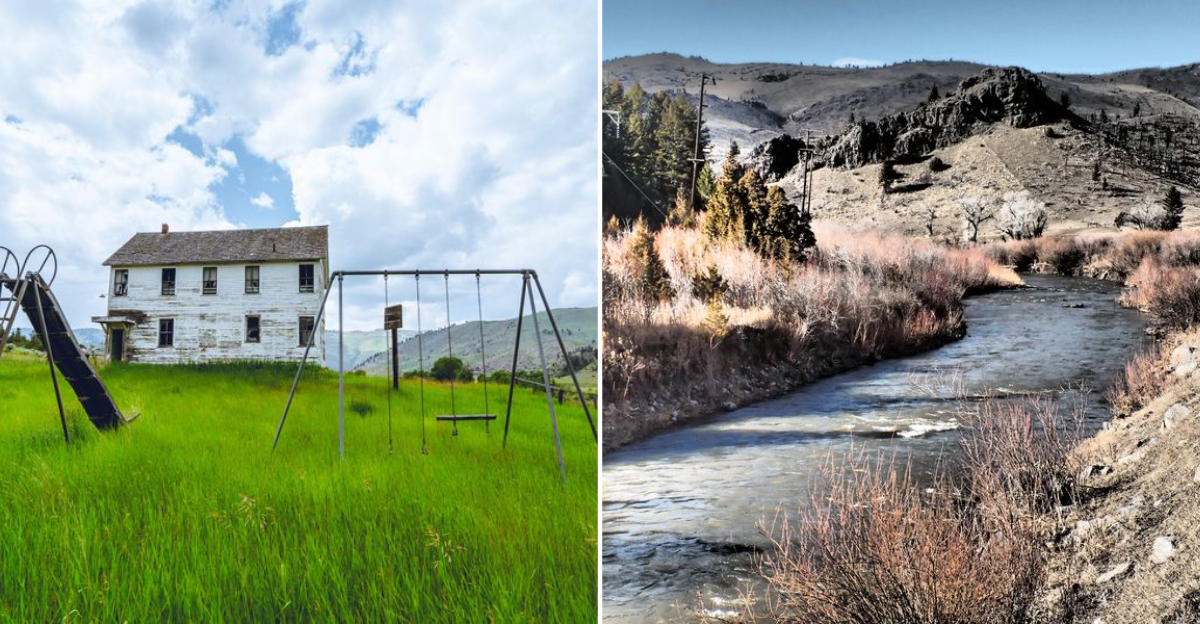
We’ve all seen the dramatic movie scene: the weary explorer crests a ridge and discovers an impossible, forgotten civilization. Now imagine that scene, but the civilization is a dusty Montana railway stop whose primary export is existential dread. We present: Maudlow.
To call this pocket-sized village “quiet” is an insult to silence. If you yearn for the thrill of discovery-of stepping onto ground where the buildings whisper stories of boom and bust-then buckle up.
We’re heading to the very edge of the map, where the past hasn’t just been preserved by history, it’s been frozen in a breathtaking, slightly spooky state of neglect.
Railroad Origins Shape Maudlow’s Identity
The heartbeat of Maudlow began with the rhythmic clacking of train wheels in the early 1900s. Founded as a vital stop along the Milwaukee Road railway, this small settlement quickly developed into a hub for local ranchers and farmers.
When the railroad eventually ceased operations, most similar towns simply vanished from maps. Maudlow stubbornly persisted, though its population dwindled to just a handful of residents. The original train depot, though weathered and worn, still stands as a silent witness to the village’s more bustling days.
Today, these humble beginnings remain etched in every aspect of local identity, from stories passed down through generations to the physical layout of the village itself.
Time-Capsule Architecture Tells Stories
Walking through Maudlow feels like browsing a museum without glass cases. Original wooden structures line the few streets, their facades telling stories through weathered boards and faded paint. Unlike restored tourist towns, these buildings wear their age proudly and authentically.
The converted schoolhouse serves as the community’s beating heart. Its bell tower, slightly tilted from decades of Montana winters, still houses the original bell. Inside, wooden floors creak underfoot, polished by generations of footsteps.
Homesteads dotting the surrounding valley showcase classic Montana ranch architecture with hand-built stone foundations and practical designs that have withstood a century of harsh elements without surrendering their character.
Locals Preserve Traditions With Pride
Earl Johnson, 87, invited me onto his porch last summer when I stopped to photograph his century-old farmhouse. “My grandfather built this place with lumber hauled by wagon,” he told me, offering fresh-baked bread his wife had made that morning. This kind of hospitality isn’t unusual here.
Maudlow’s residents maintain traditions that have disappeared elsewhere. Neighbors still help with harvests and barn-raisings. The community bulletin board-not social media-remains the information hub, displaying everything from lost pet notices to potluck announcements.
Monthly gatherings in the old schoolhouse feature fiddle music, home-cooked meals, and stories that connect current residents to their pioneering ancestors.
Sixteen Mile Creek Creates Dramatic Scenery
Sixteen Mile Creek carves through the landscape surrounding Maudlow, creating a miniature canyon that locals simply call “the gorge.” Water has patiently sculpted limestone cliffs into formations that change color throughout the day, from morning’s cool grays to evening’s warm ambers.
Unlike Montana’s more famous natural attractions, you won’t find tour buses or souvenir shops here. The creek provides critical irrigation for nearby ranches while offering swimming holes that generations of local children have enjoyed.
Wildlife thrives along these waters. Deer drink at dawn and dusk, eagles nest in towering cottonwoods, and the occasional moose makes an appearance, continuing nature’s rhythms unchanged for centuries.
Self-Sufficient Living Remains Necessary
The nearest supermarket sits 40 miles from Maudlow, making weekly shopping trips impractical, especially during winter snowstorms. Residents have perfected the art of preparation and preservation. Root cellars store vegetables harvested from summer gardens, while freezers hold locally raised beef and wild game.
I watched Mary Peterson, whose family has lived here for four generations, expertly can tomatoes from her garden. “We don’t waste anything,” she explained while sealing jars that would feed her family through winter. “That’s not trendy homesteading-it’s just how we’ve always lived.”
Most households maintain generator backups for frequent power outages, and wood stoves provide primary heat during Montana’s brutal winters.
Seasonal Rhythms Dictate Daily Life
Maudlow’s calendar isn’t marked by holidays alone but by the natural cycles that have governed rural Montana for centuries. Spring brings calving season, when ranchers work around the clock helping new life enter the world. Summer means haying-a community effort where even children participate.
Fall hunting season isn’t recreation but serious food gathering. Nearly every household depends on elk, deer or antelope to stock freezers. Winter brings a quieter pace as heavy snows sometimes isolate the village for days.
These seasonal patterns create a lifestyle where work and leisure blend together naturally, following rhythms established long before smartphones began dictating modern schedules. Weather forecasts matter more than stock market reports here.
Modern Challenges Threaten This Time Capsule
Despite its timeless appearance, Maudlow faces distinctly modern threats. Younger generations increasingly leave for education and employment opportunities, creating a demographic challenge for the village’s future. Property taxes rise as nearby areas develop, making it harder for original families to hold onto historic homesteads.
Limited internet access complicates everything from education to healthcare. The nearest hospital requires an hour’s drive-a journey that becomes treacherous during winter storms.
Yet residents adapt with remarkable resilience. Some have established online businesses that ship Montana-made products globally. Others have created cooperative arrangements for medical transportation. This blend of traditional values with necessary innovation may ultimately determine whether Maudlow remains a living community or becomes truly frozen in time.