
The Tiny Tennessee Lake Town Where Golf Carts Rule The Roads
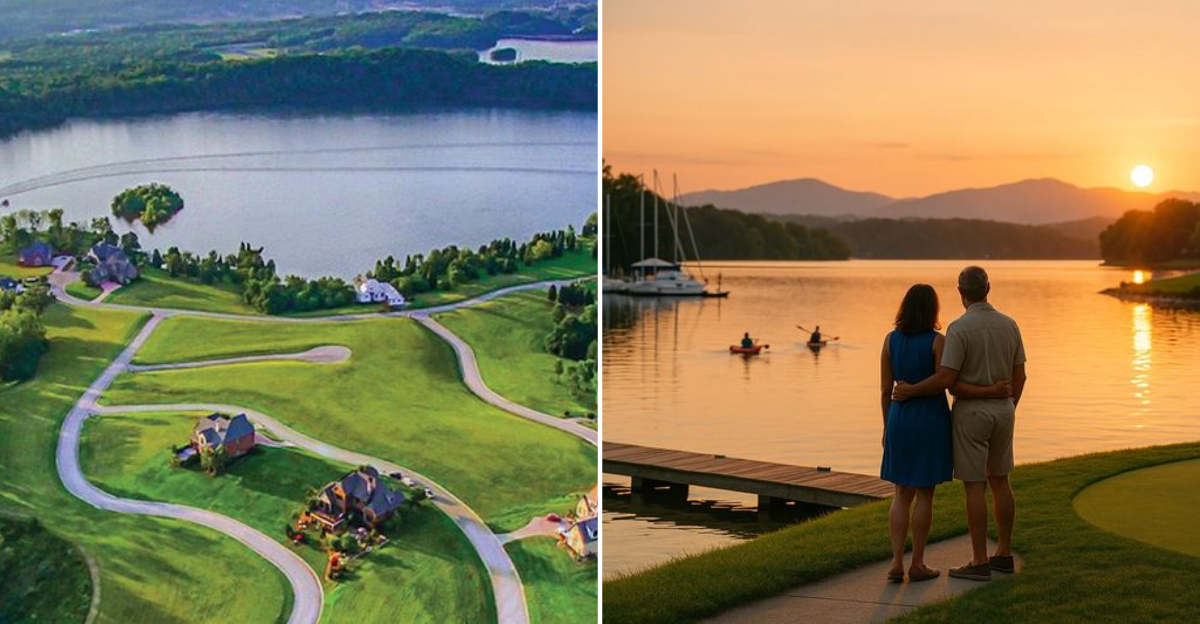
Nestled along the shimmering edges of Tellico Lake in eastern Tennessee, there exists a place where golf carts outnumber regular cars and neighbors wave from their four-wheeled cruisers like old friends. Tellico Village is a planned community where the pace slows down, lake views stretch for miles, and your daily errands happen at fifteen miles per hour.
If you have ever dreamed of trading honking horns for birdsong and speed limits for sunset drives, this lakeside haven might just change how you think about getting around.
How I Learned To Love Driving Slow
Wind whipped through my hair as I steered my borrowed cart down a winding path, the hum of the electric motor barely louder than the lapping water beside me. Construction on Tellico Village began in 1986, and the first residents rolled in a year later, building a community designed around lakeside living and leisurely transportation.
My usual highway habits melted away within minutes. Neighbors waved from porches and fellow cart drivers nodded as we passed, a ritual I had never experienced in city traffic. The breeze carried the scent of pine and fresh-cut grass, turning a simple grocery run into a mini vacation.
Every turn revealed another pocket of shoreline or a tucked-away garden, rewarding my new pace with sights I would have missed at sixty miles per hour. My foot stayed light on the pedal, not from caution but from wanting the ride to last longer.
Why Everyone Treats A Cart Like A Family Car
Distances here shrink to a pleasant scale, with shopping plazas, the clubhouse, and marinas clustered within a few breezy minutes of most homes. Tellico Village sprawls across roughly 4,600 acres and hugs about 40 miles of shoreline within the community, yet everything feels close enough to reach without breaking a sweat.
I chatted with a local named Rita outside the grocery store, and she explained that Tennessee law distinguishes standard golf carts from street-legal low-speed or medium-speed vehicles. Many residents modify their carts to meet those equipment and registration rules, letting them cruise private roads and designated lanes with confidence.
Parking is easier, fuel costs vanish, and the open-air design invites conversation at every stoplight-free intersection, making the cart the true family vehicle of Tellico Village.
Cart Routes And Lake Views: My Favorite Drives (And Where They End)
My go-to route starts at the marina, curves past the Yacht Club, and rolls into a waterfront park where benches face the glittering expanse of Tellico Lake. The reservoir itself offers roughly 15,560 acres of surface water and about 357 miles of shoreline, so the water seems to unspools like a ribbon from one cart path to the next.
Another favorite loop winds through the golf course at dusk, when the sky melts into pink and orange and the fairways glow under the fading light. Shadows stretch long across manicured greens, and the only sounds are cicadas and the soft whir of my cart tires on pavement.
I have paused more than once just to soak in the view and snap a mental picture. These micro-guides are less about destinations and more about the journey, proving that slow travel can be the most memorable kind.
Golf Courses, Marinas And The Yacht Club
Tellico Village boasts three golf courses with names rooted in Cherokee heritage, Toqua and Tanasi among them, each offering rolling fairways that smell like fresh earth and morning dew. I parked my cart beside the clubhouse one afternoon and lingered on the Yacht Club patio, watching sailboats glide across the water while sipping iced tea.
Multiple marinas dot the shoreline, their docks lined with pontoons, fishing boats, and kayaks ready for a quick paddle. I met a retired couple rigging their sailboat, and they invited me to join them for a sunset cruise, the kind of spontaneous friendship that cart culture seems to encourage.
The smell of cut grass mingled with lake water, creating a sensory signature I now associate with Tellico Village. These amenities anchor daily life, turning ordinary moments into cherished rituals worth repeating.
Small-Town Rhythm
Mornings begin with a cart ride to the coffee stand, where the barista knows my order before I finish parking. Picking up a newspaper or stopping at the marina to check the water level becomes part of a choreographed routine, each errand woven into the fabric of the day.
I bump into the same neighbors at the clubhouse, the post office, and the lakeside trail, our carts parked side by side like old friends catching up. These repeated encounters build a sense of belonging that car commutes rarely foster. The slower pace allows for spontaneous conversations and unhurried hellos, turning strangers into acquaintances and acquaintances into friends.
Cart life does not just change how you move through space but reshapes the rhythm of your entire day, making even the mundane feel meaningful.
The Practical Stuff I Asked About
Carts work beautifully on private roads, village lanes, and short hops between amenities, but I learned quickly that a licensed vehicle is necessary for highway runs to Knoxville. Tellico Village sits about 30 miles southwest of Knoxville, close enough for a day trip yet far enough to feel like a world apart.
Safety comes down to common sense: watch for pedestrians, signal your turns with hand gestures, and keep your cart maintained. I asked a local property-owners association representative about the rules, and she handed me a simple one-page guide that covered everything from speed limits to parking etiquette.
Most residents keep a regular car in the garage for grocery hauls or longer trips, treating the cart as the primary vehicle for daily life.
Why I Nearly Left My Car In The Driveway And You Might, Too
The slower pace here wraps around you like a favorite sweater, familiar and comforting after just a few days. Neighborly greetings, the sensory pleasures of lake breezes and birdsong, and the gentle hum of a cart motor all conspire to make traditional driving feel noisy and rushed.
I found myself reaching for the cart keys instead of my car fob, even for trips that could have justified four wheels and air conditioning. The open-air design kept me connected to the landscape, the weather, and the people I passed along the way.
My car sat in the driveway for days, gathering pollen while I explored every cart-friendly corner of the community. If you visit for a weekend, rent a cart and take a sunrise ride along the lake, you might just understand why so many residents never look back.