
The Ultimate 2026 Guide To Hunting Morel Mushrooms In Arkansas This Spring
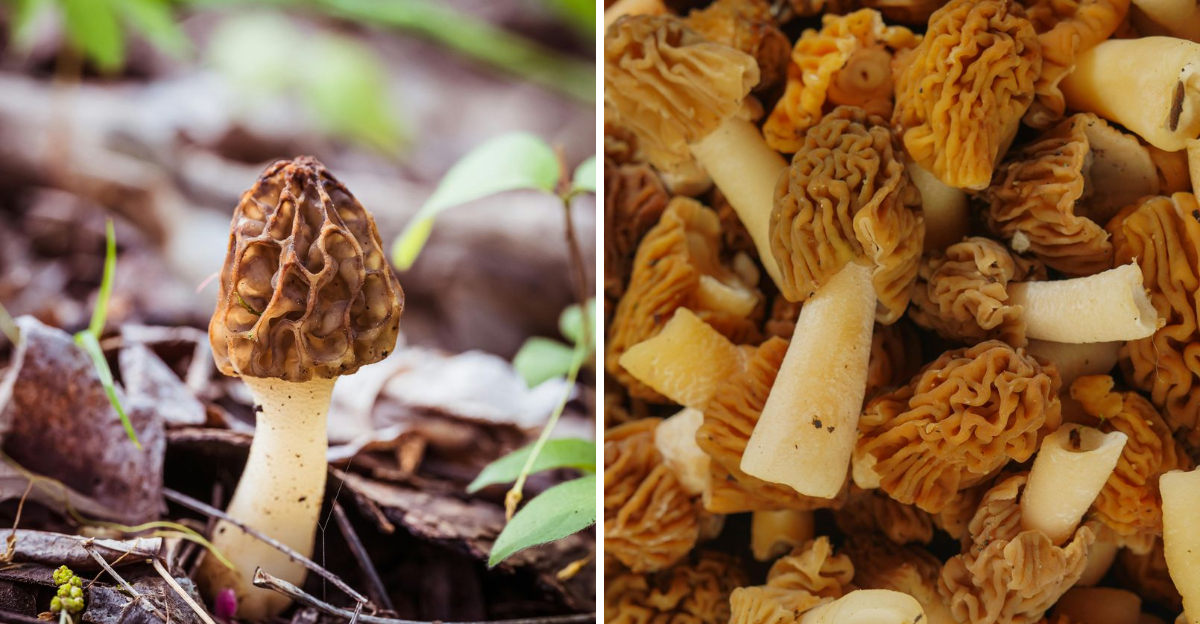
Spring shows up and suddenly the outdoors feels impossible to ignore. You start thinking about long walks, fresh air, and that first lucky find.
In Arkansas, morel hunting has its own kind of energy. People wait all year for it.
These mushrooms are a big deal, and once you spot one, the whole forest looks different. I have spent plenty of mornings scanning the ground, pausing, then spotting that perfect shape.
It never gets old. The hunt pulls you in every time.
This guide will help you make the most of the 2026 season with clear advice and honest tips. Nothing complicated.
Just things that actually help you find more. New hunters will feel confident getting started.
Experienced ones will sharpen their approach. Take your time, trust your eyes, and enjoy every step out there.
Pay attention to trees, soil, and weather patterns, because small details often lead to success.
Why 2026 Is A Great Year For Morel Mushroom Hunting In Arkansas
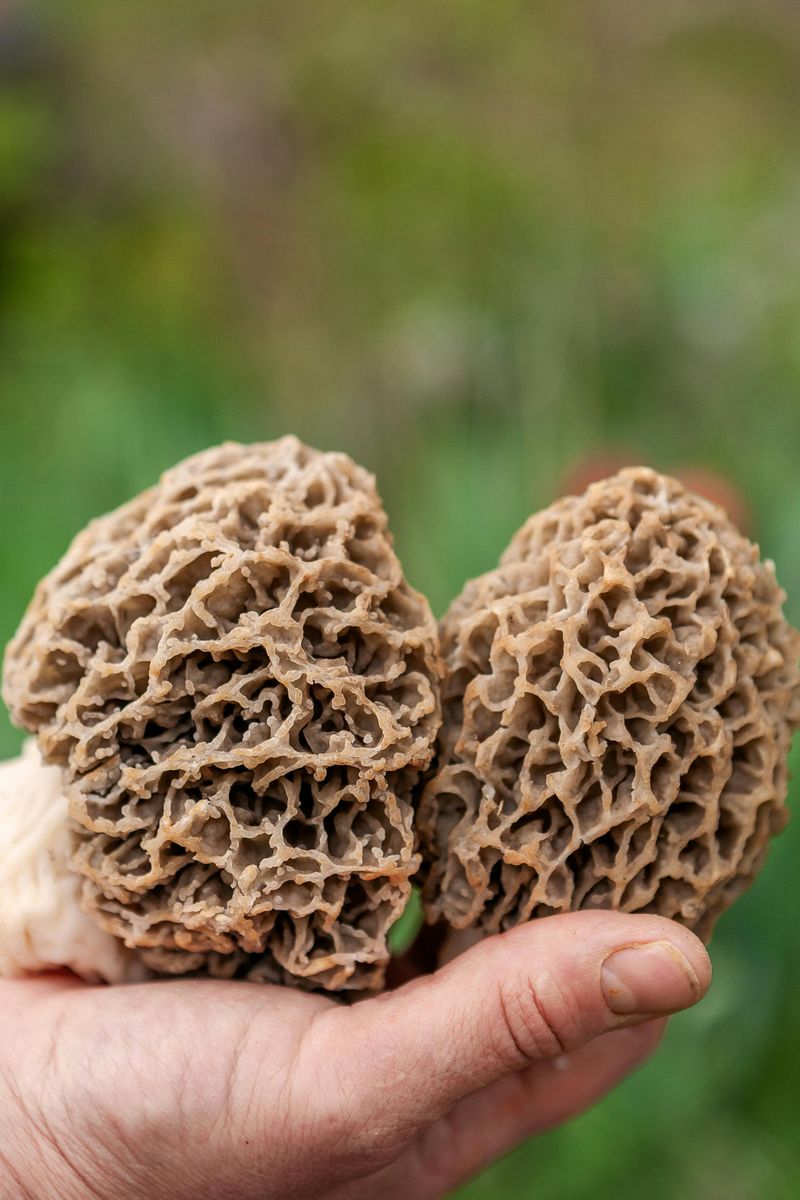
Something about 2026 has morel hunters buzzing with extra excitement, and the reasons are worth paying attention to before you head into the woods this spring.
Early seasonal outlooks and recent weather patterns in Arkansas suggest a fairly mild and moderately wet winter transitioning into a gradual spring, which can support the kind of conditions morels tend to favor, though no season is ever guaranteed.
Morels respond well to consistent soil moisture followed by warming temperatures, and when those conditions line up across multiple weeks, the flushes can be more widespread than in dry or unpredictable years.
Online foraging communities and local Arkansas mushroom groups have already been sharing cautious optimism based on soil temperature readings and regional rainfall data from late winter.
Beyond the weather, more people are discovering foraging as a hobby, which means better shared knowledge, more active reporting networks, and a richer community to learn from as the season unfolds.
If you have been waiting for a good year to get serious about morel hunting in Arkansas, 2026 could be a promising season to get started.
When To Hunt And Timing The Perfect Morel Season
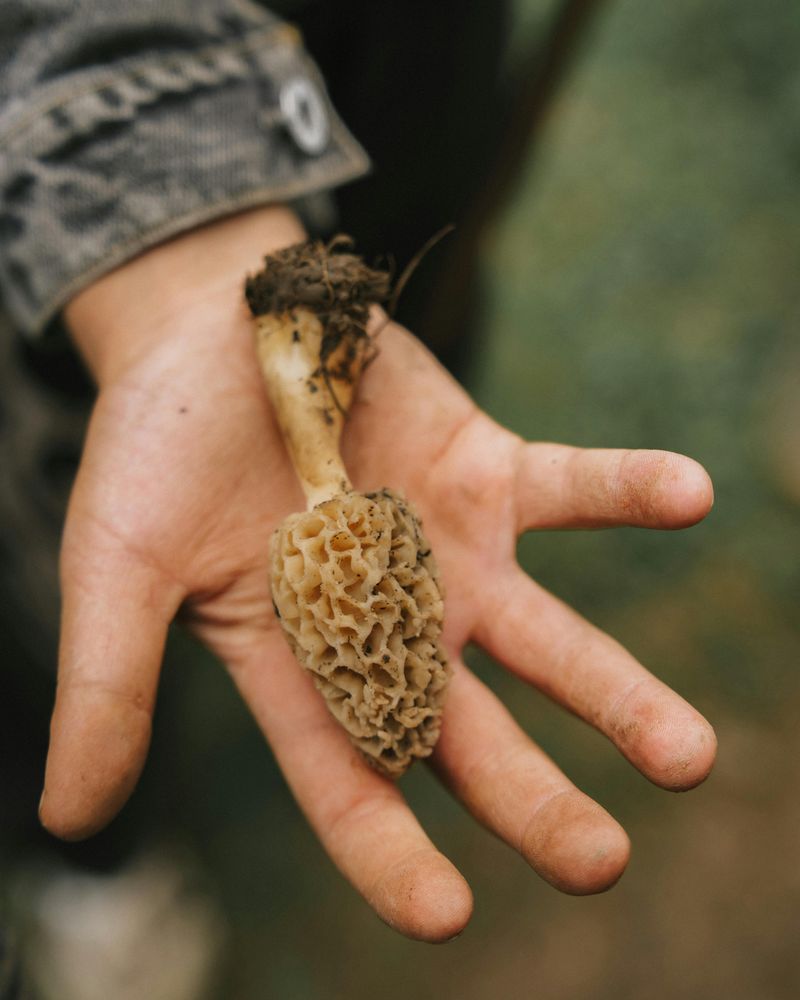
Timing is everything when it comes to morel hunting, and getting your calendar right can mean the difference between a full basket and an empty walk through the woods.
In Arkansas, the morel season typically kicks off in mid-March and runs through most of April, though sightings have been reported as early as the first week of March in warmer years and occasionally into late spring in cooler highland areas.
The sweet spot for most of the state falls when daytime temperatures climb into the low-to-mid 60s Fahrenheit and nighttime temps stay consistently above 40 degrees, giving the soil time to warm into that ideal 50 to 60 degree range.
I always check soil temperature with a simple garden thermometer before heading out, because air temperature alone can be misleading after a cold snap.
Rainfall plays a huge role too, since morels tend to push up within a few days of a good soaking rain followed by warming conditions.
Watch your local weather closely, stay connected with Arkansas foraging groups online, and be ready to move quickly because a prime morel window can open and close within just a week or two.
Where To Find Morels In Arkansas
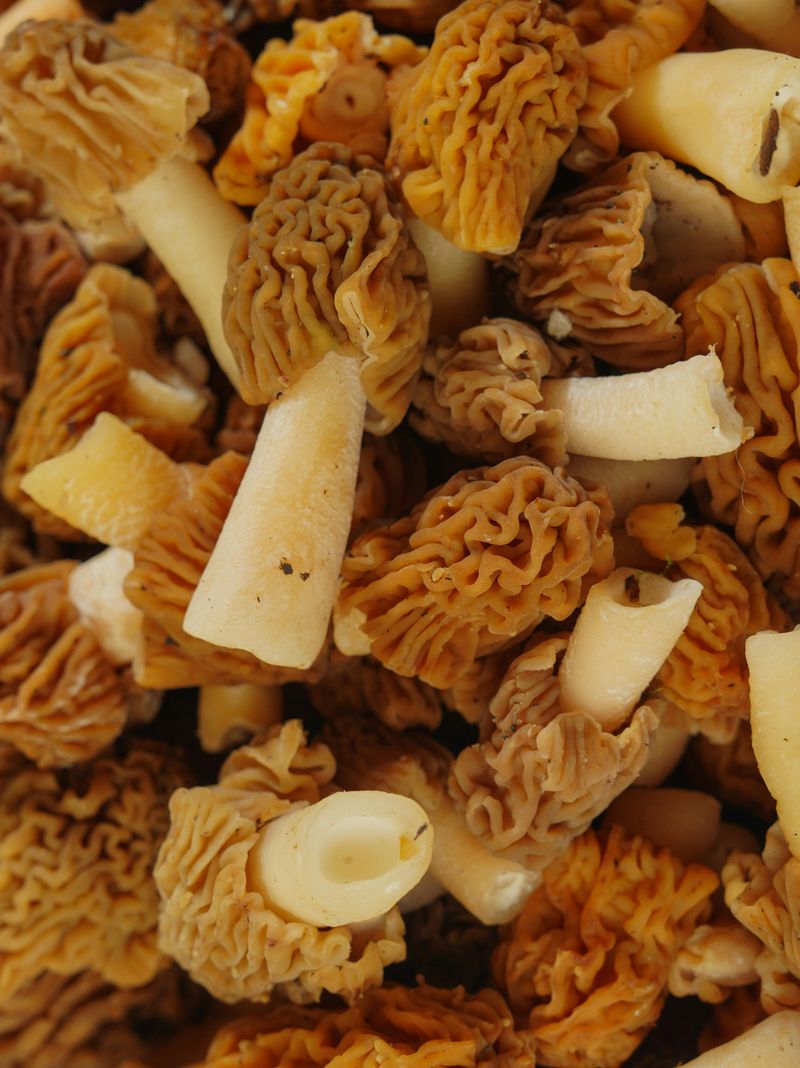
Knowing where to look is honestly half the battle, and morels are creatures of very specific habit when it comes to choosing their favorite spots.
Across Arkansas, they tend to show up near ash, elm, cottonwood, and oak trees, with a particular fondness for trees that are aging, stressed, or recently fallen.
Old apple orchards are legendary morel magnets, and if you ever come across one in the Arkansas countryside, slow down and look carefully around every tree base.
Creek bottoms and south-facing hillsides that warm up quickly after rain are reliable producers, and well-drained loamy soil is almost always part of the picture wherever morels thrive.
Towns like Rogers, Van Buren, Glenwood, Cabot, Wynne, Jonesboro, and Bald Knob have all had reported morel sightings over recent seasons, giving you a rough geographic starting point.
Experienced hunters rarely share their exact spots, which is completely understandable, but public lands including state forests and wildlife management areas in Arkansas may offer legal ground to explore depending on local regulations.
Keep your eyes low, move slowly, and let the habitat guide you rather than rushing through the woods hoping to stumble across a patch by luck.
Identifying True Morel Mushrooms Safely
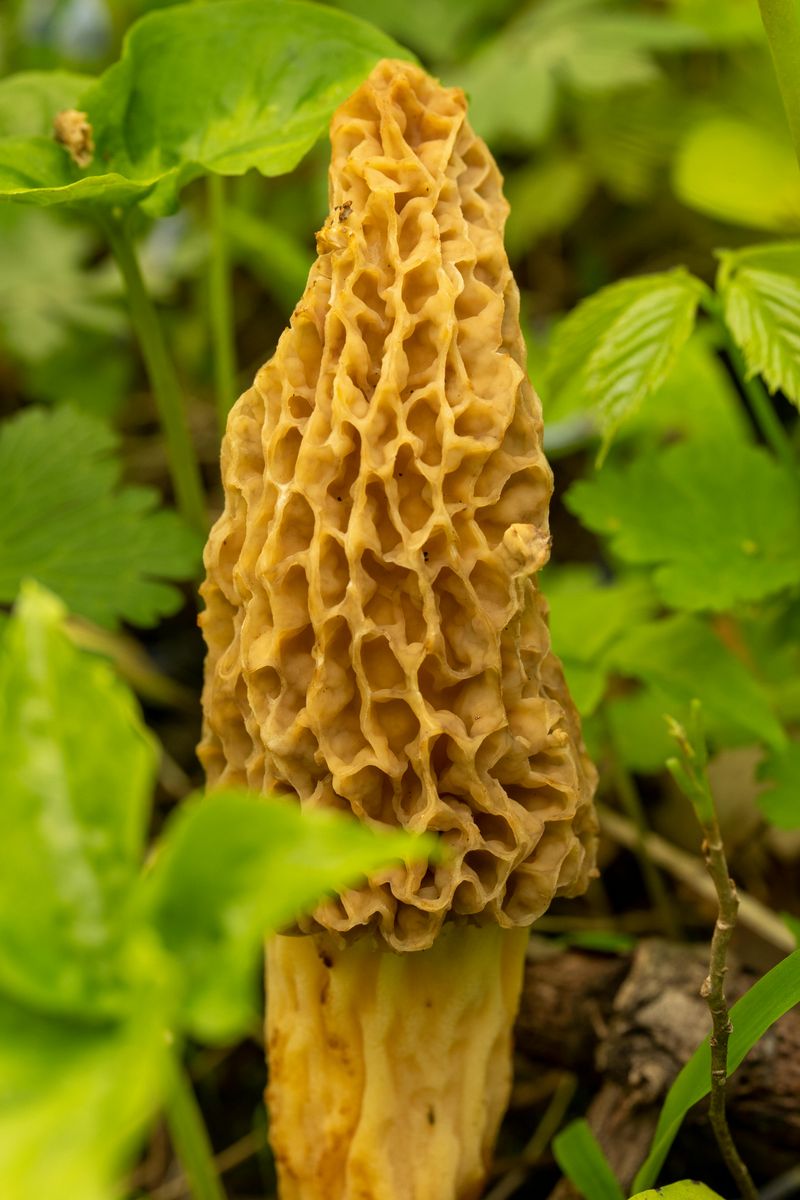
Picking the wrong mushroom is a serious mistake, so learning to identify true morels with confidence should come before anything else in your foraging education.
Real morels have a very distinctive honeycomb appearance on their cap, covered in a pattern of ridges and deep pits that makes them look almost like a natural sponge or brain coral.
The most reliable test is slicing the mushroom vertically from cap to stem base, because a true morel will be completely hollow throughout, with the cap fully attached to the stem at the bottom.
False morels, which include species like Gyromitra and Verpa, can look deceptively similar to beginners but are either partially hollow, have a cap that hangs loosely like a skirt, or show cottony fibers inside when cut.
False morels contain toxins that can cause serious illness, so never eat a mushroom you are not completely certain about.
I strongly recommend using a printed field guide specific to North American fungi alongside a smartphone identification app, but never rely on an app alone for final confirmation.
The Ozark Natural Science Center is hosting morel identification workshops from April 10 to 12, 2026, led by expert Mike Snyder, and attending one of those sessions is worth every minute of your time.
Essential Gear For A Successful Morel Hunt
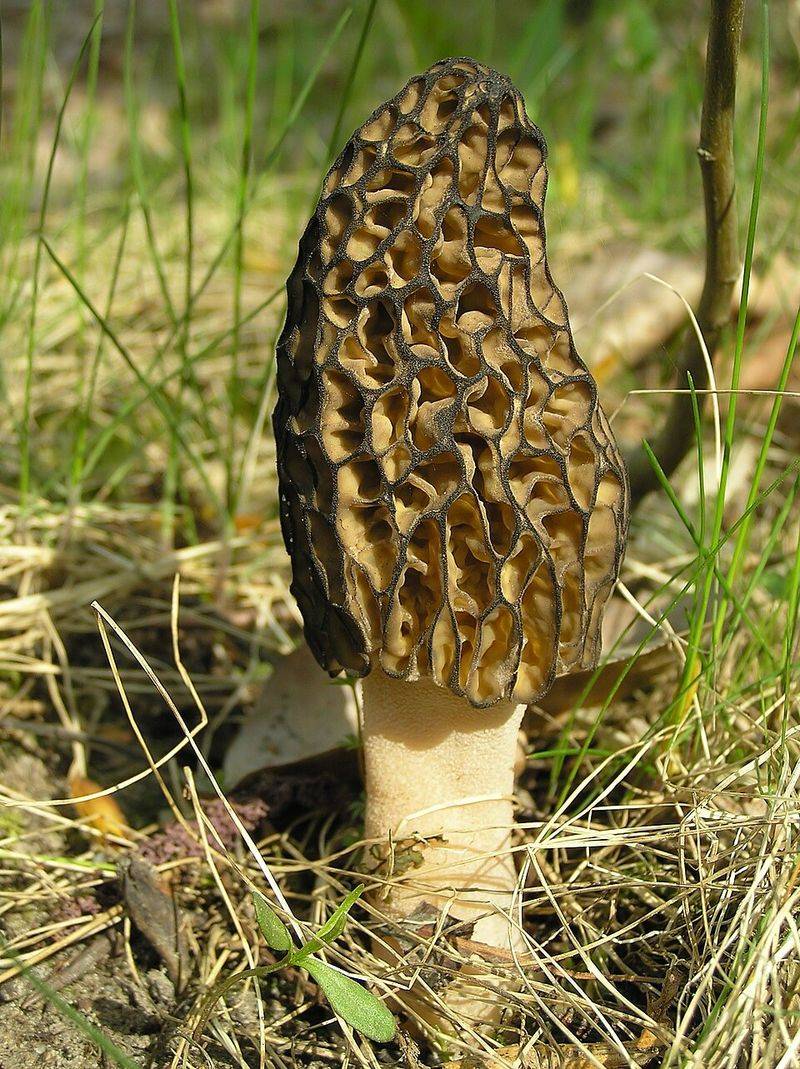
Walking into the woods unprepared is a quick way to turn a fun foraging trip into an uncomfortable one, so having the right gear makes a real difference in both comfort and success.
A mesh or woven bag is the classic choice for carrying morels because it allows spores to drop as you walk, which many hunters believe helps spread future growth across the forest floor.
Sturdy, waterproof hiking boots are a must since creek bottoms and shaded forest floors stay damp well into spring, and ankle support matters on uneven terrain.
Long pants and long sleeves are non-negotiable in Arkansas because ticks, poison ivy, and the occasional snake are all real considerations once you step off the trail.
A soil thermometer is a surprisingly useful tool that takes the guesswork out of deciding whether conditions are ripe for morels to fruit.
Bring a reliable field guide, a fully charged phone, and let someone know where you plan to forage before heading out alone into unfamiliar woods.
A walking stick helps with balance on slopes and doubles as a gentle tool for moving leaf litter aside without disturbing the soil too aggressively.
Proven Tips To Find More Morels Faster
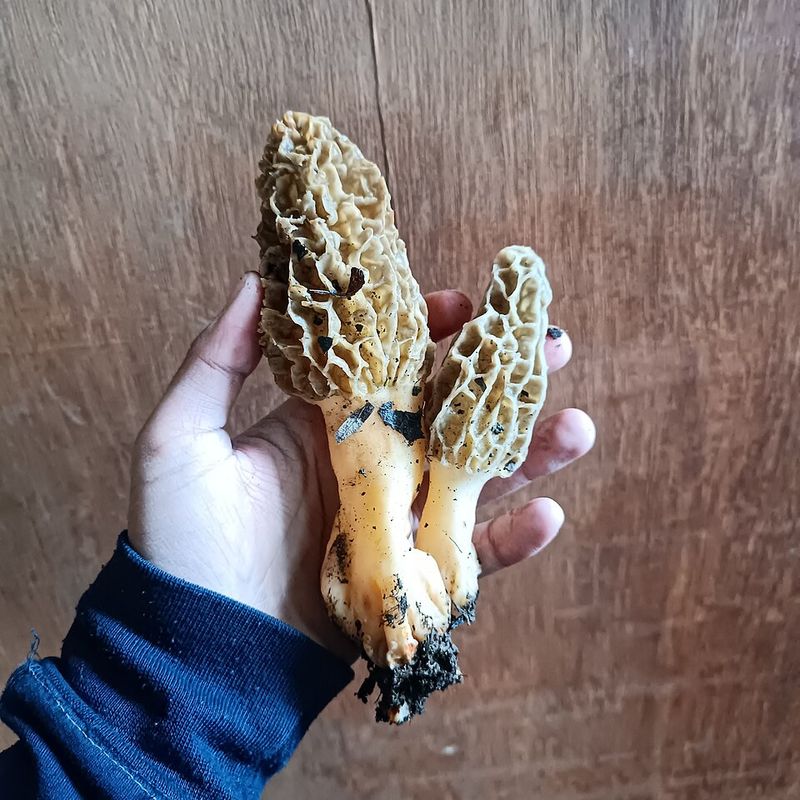
Every experienced morel hunter has a handful of tricks that quietly separate a ten-mushroom day from a hundred-mushroom day, and most of those tricks come down to reading the landscape correctly.
Start your search on south-facing slopes early in the season since those areas warm up faster than shaded north-facing hillsides, then shift your focus to cooler, shadier spots as the season progresses and temperatures rise.
Move slowly and crouch low whenever you are in promising habitat, because morels blend into leaf litter so well that standing upright often means walking right past a cluster without ever seeing it.
Once you find one morel, stop and scan in a full circle before taking a single step, since morels almost always grow in groups and your next find is likely within arm’s reach.
Early morning hunts tend to be more productive because cooler air makes the mushrooms slightly easier to spot before the midday light flattens shadows that reveal their texture.
Pay special attention to the drip lines of large trees, which is the outer edge of the canopy where rain water runs off the leaves and keeps the soil consistently moist.
Keeping a simple journal of your finds each year, noting dates, temperatures, tree types, and soil conditions, builds a personal reference that becomes more valuable with every passing season.
Rules Regulations And Ethical Foraging
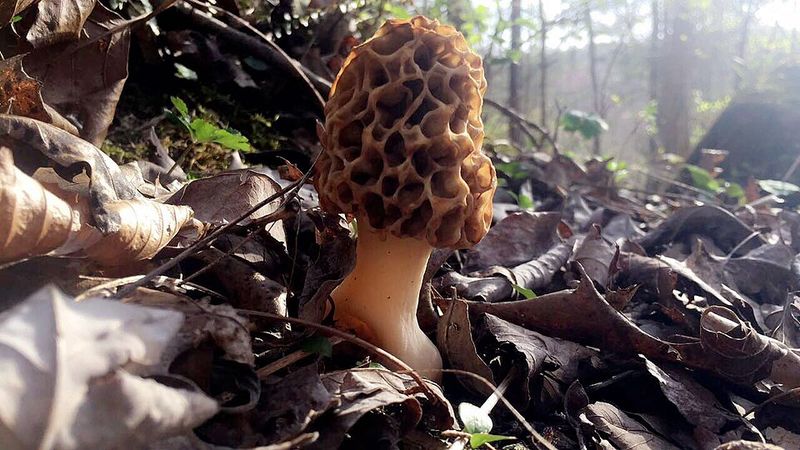
Foraging responsibly is not just about following the rules, it is also about making sure future generations get to enjoy the same wild harvests that make spring in Arkansas so special.
On Arkansas public lands and wildlife management areas, foraging rules vary widely by location, and some areas restrict or prohibit collecting mushrooms, so checking with the Arkansas Game and Fish Commission or the specific land management agency before you go is always the smart move.
Private property is a firm boundary, and trespassing to find mushrooms is never acceptable regardless of how promising the habitat looks from the road.
Harvest only what you plan to use, and avoid stripping an entire patch clean since leaving some mature mushrooms in place allows spore dispersal and supports the next season’s growth.
Stick to the leave-no-trace principle by avoiding unnecessary disturbance to the forest floor, not breaking branches, and packing out any trash you bring in.
Some foragers prefer to cut morels at the base rather than pulling them out, which minimizes soil disruption around the mycelium network below ground.
Treating the land with care is what separates a true forager from someone just taking, and that mindset is what keeps Arkansas woodlands productive and welcoming for everyone who loves them.
Cleaning Storing And Cooking Your Morels
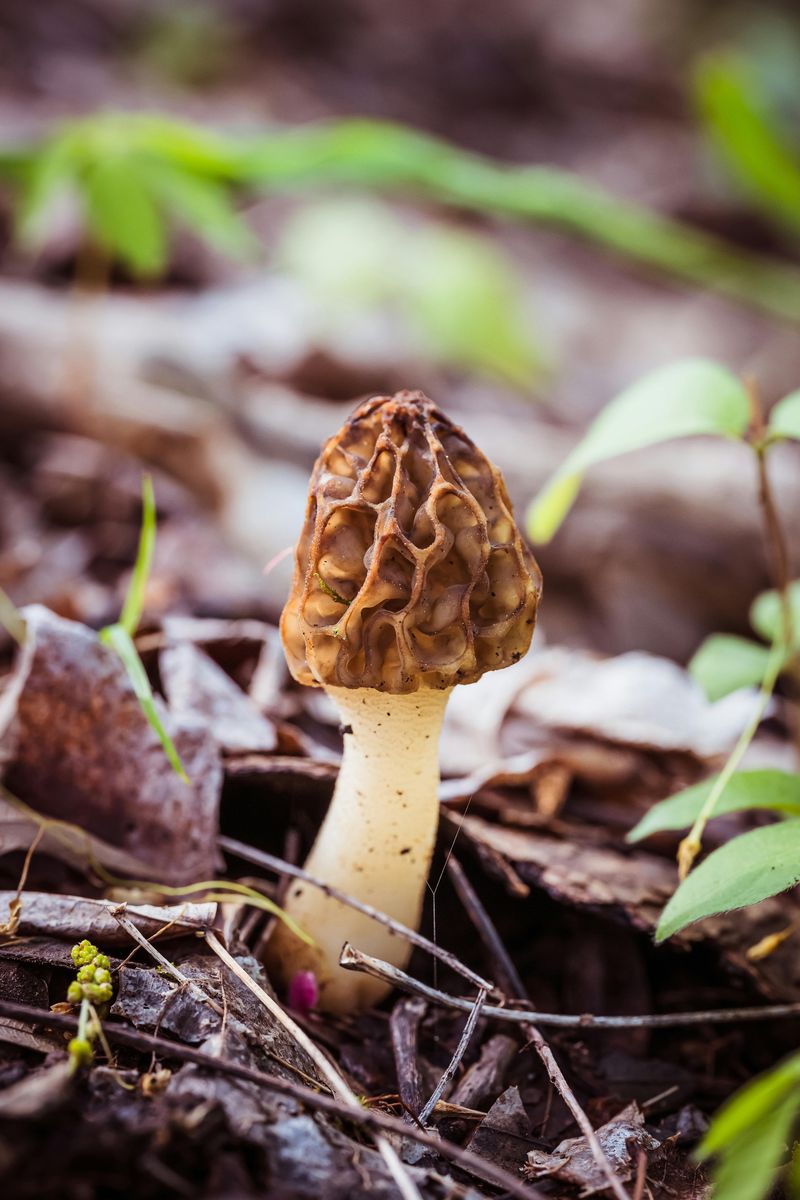
Getting your morels from the forest to the table properly is the final and most rewarding step, and a little care at each stage keeps that incredible flavor fully intact.
Start by soaking your morels in lightly salted cold water for about 20 to 30 minutes, which draws out any small insects or debris that hide inside the hollow caps without waterlogging the mushroom.
Rinse them gently under cool running water afterward, then let them drain on a clean towel before cooking or storing.
Fresh morels keep well in the refrigerator for up to a week if stored in a paper bag or loosely wrapped in a damp cloth, since plastic bags trap moisture and cause them to deteriorate quickly.
For longer storage, morels can be dried using a food dehydrator or a low oven set around 130 degrees Fahrenheit, then kept in an airtight container for months.
Cooking morels is a genuine pleasure, and they should always be cooked thoroughly before eating, never consumed raw, with the simplest method remaining the best: saute them in butter over medium heat with a pinch of salt until golden and fragrant.
Morels pair beautifully with eggs, pasta, chicken, or simply served on toast, and their rich, earthy, almost nutty flavor makes every meal feel like a true celebration of spring.