
The Ultimate M-22 Michigan Scenic Drive Road Trip Guide With The Best Stops, Views And Hidden Gems Along The Way
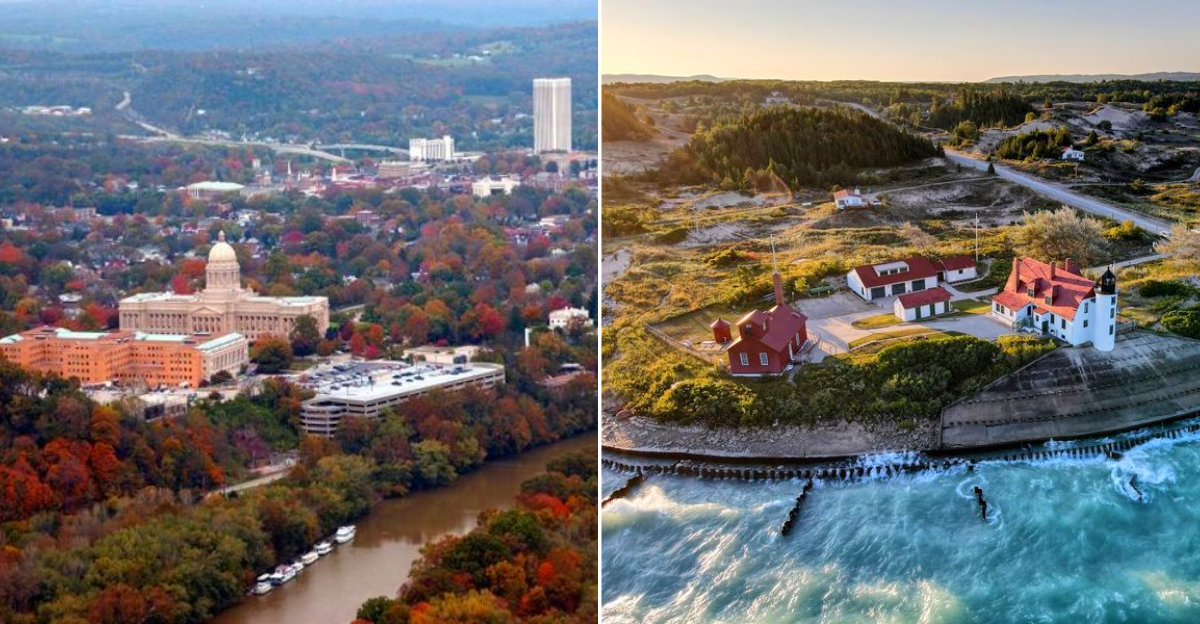
M-22 is less of a highway and more of a hand-drawn invitation to get lost in the best way possible. Every time I find myself on that winding stretch along Lake Michigan, it feels like the road is intentionally tugging me away from the “real world” and toward something far more interesting.
It’s the kind of drive where your breathing resets the moment the dunes hit the horizon, and every small turn-off feels like a secret meant just for you.
Explore the best stops along M-22 in Michigan with this scenic travel guide featuring hidden Lake Michigan beaches, historic Sleeping Bear Dunes overlooks, and charming coastal towns.
By the time you reach the end of the curve, you’ll have more than just a map; you’ll have a collection of places that demand you linger a little longer. Ready to see why this is the most beautiful drive in the Mitten?
1. Manistee
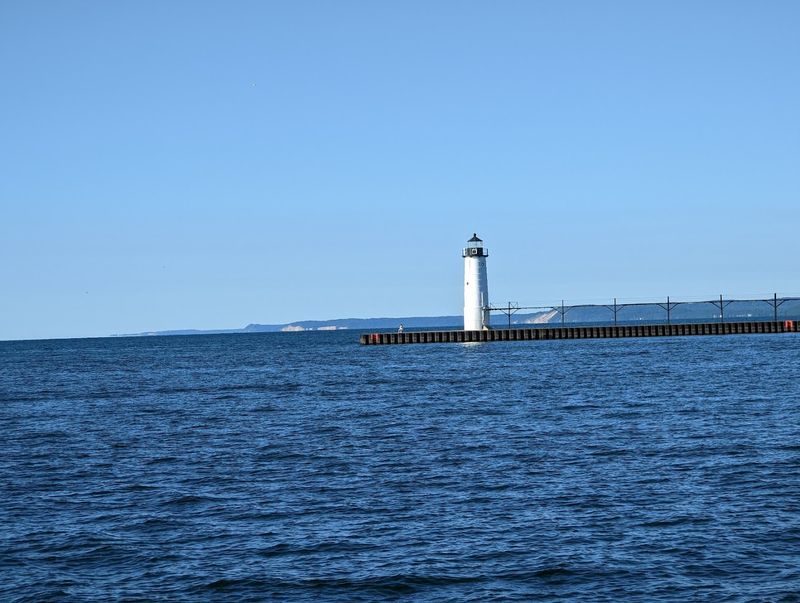
Start where the river meets the big lake, with the Manistee Riverwalk tracing past restored brick facades and fishing boats nosing the current. The vibe is working waterfront with a Victorian wink, especially along River Street’s storefronts. Hear gulls over the drawbridge and smell smoked whitefish drifting from a market.
Timber fortunes shaped Manistee in the late 1800s, leaving ornate buildings and a sturdy lighthouse at the north pier. Preservation groups have kept the skeleton of that boom visible without turning it into a museum diorama. You witness the layers in sidewalk plaques and creaky wood stairways.
Park near First Street Beach for easy access to the pier. Bring a windbreaker, even in July, and time sunset.
2. Onekama
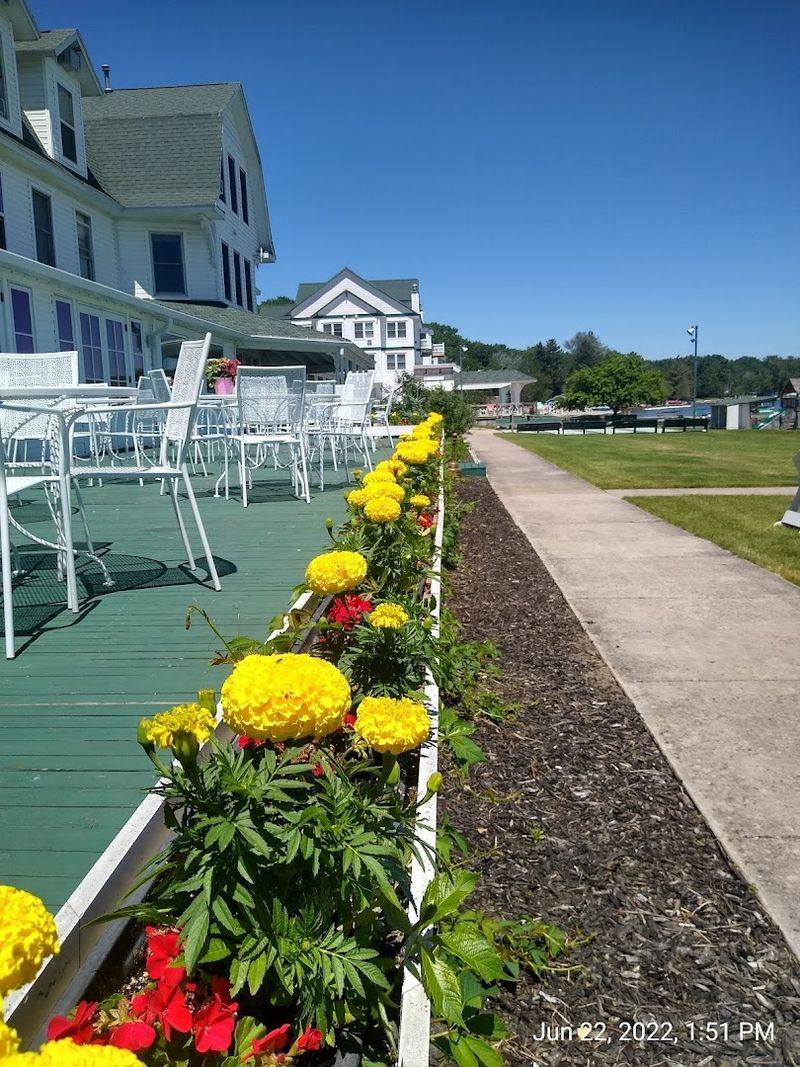
Morning hangs low over Portage Lake, and docks in Onekama tap gently like a metronome. The mood is unhurried, with a café window fogging from fresh cinnamon rolls and locals trading lake conditions. You feel folded into the village rather than passing through.
Onekama grew around the 1871 channel cut connecting Portage Lake to Lake Michigan, which shifted trade and made this a maritime hinge. That practical cut is still the town’s spine, guiding boats and conversation. History feels lived in, not staged.
Fuel up here because stretches north run quiet. Walk the Portage Point Inn grounds respectfully to admire shingled history, then follow the channel to the beach for wave-watching on windier days.
3. Arcadia
A hush settles over Arcadia’s tidy main street, where bicycles lean against fences like patient dogs. The town feels compact, softened by dunes hovering in the distance and the scent of cut grass. You can actually hear screen doors clap.
Logging and the Bear Lake and Eastern Railroad once funneled lumber through Arcadia, leaving behind company houses and stories you can trace at the Arcadia Area Historical Museum. Volunteers keep those threads from fraying. The exhibits are modest, sincere, and surprisingly absorbing.
Grab a sandwich from the market, then angle toward the beach for a low key picnic. Parking is straightforward, but bathrooms are limited. If you are chasing quiet, arrive midweek and stay for the long shadows.
4. Arcadia Overlook
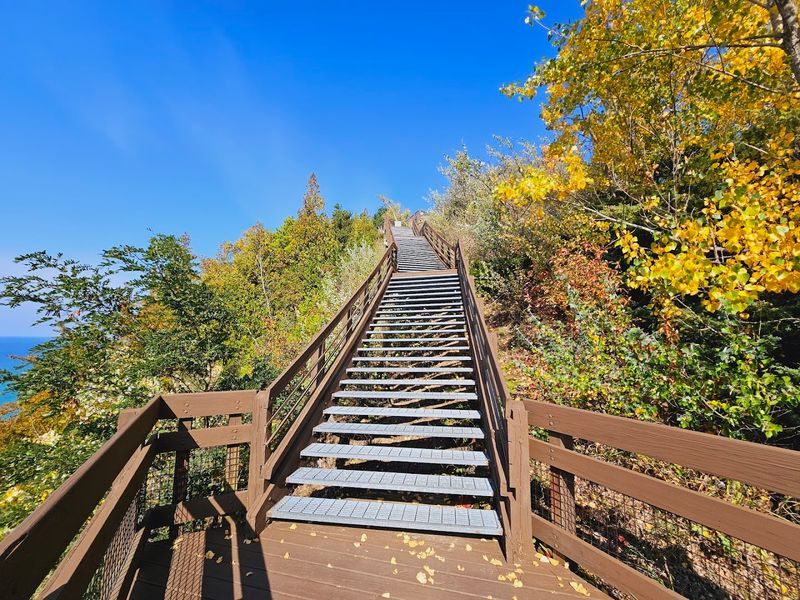
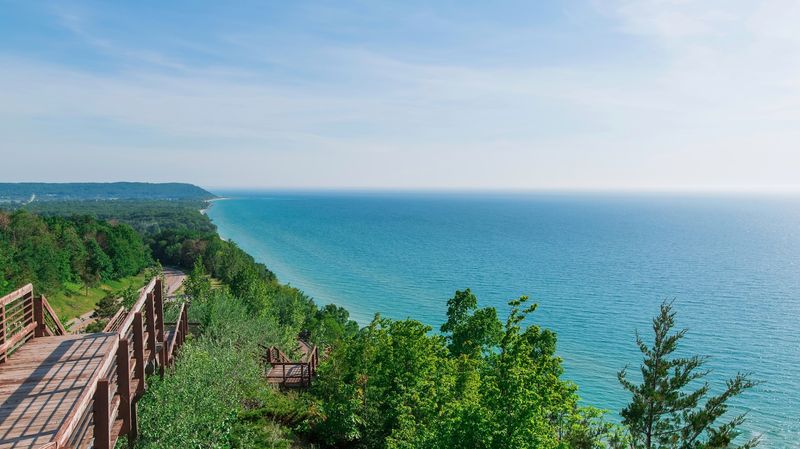
The first step on the overlook stairs feels ordinary, and then the horizon widens until it is all lake and sky. Wind scrubs the bluff clean while swallows flicker along the edge. The view pulls a quiet yes from your chest.
This is Inspiration Point, the Arcadia Overlook, a high bluff created by glacial sands and persistent lake weather. Local efforts added sturdy stairs and railings, making a once precarious perch far more accessible. The engineering is simple and respectful.
Parking is tight but quick turnover helps. Sunset brings photographers, so arrive early or accept company. Bring water, secure your hat, and take a moment to read the sign about dune formation before the descent resets your pace.
5. Frankfort
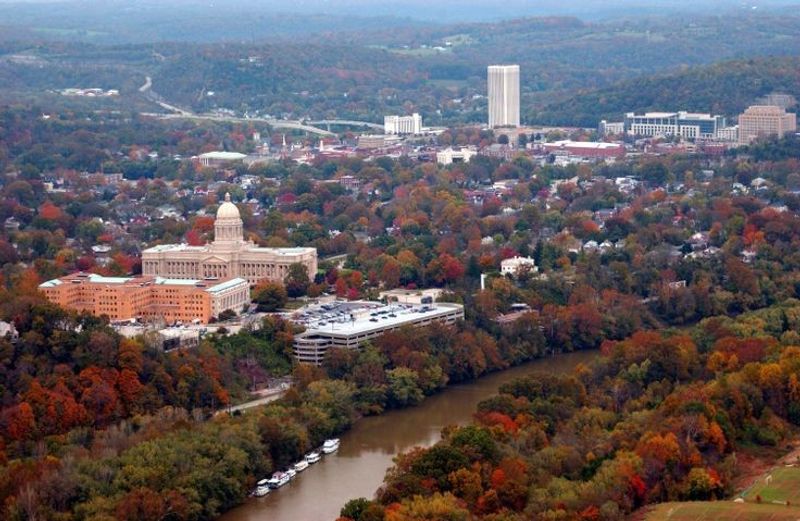
Sand squeaks underfoot in Frankfort, and the North Breakwater Lighthouse stands like a chess piece at the end of its pier. The town hums with a lake resort energy that still leaves room for Tuesday errands. Salted caramel drips from cones faster than you think, and the breeze shifts between warm sun and cool lake air in the span of a single block.
Frankfort’s harbor took shape around 19th century piers and a funnel of dunes that gave ships refuge. The angular white lighthouse, rebuilt and reinforced over time, is the local exclamation mark.
You can read that continuity in old photos displayed downtown, where storefront windows and historical images make the town feel both preserved and still in motion.
Park near the beach lot and follow the pier when waves are calm. Watch for slick algae patches. After, wander Main Street for bookstores, gear shops, and an easy bowl of chowder, then linger long enough to catch the light soften over the harbor before heading out.
6. Elberta
Across the bay from Frankfort, Elberta keeps its voice low. Old rail spurs and a working boat launch anchor the scene, while a couple of murals add color without shouting. The wind slips through marsh grass and the day eases down.
The Ann Arbor Railroad once made Elberta a ferry terminus, moving freight across the lake before trucks took over. That industrial past lingers in pilings and photographs on café walls. Locals treat it like a family story, not a costume.
Walk the Elberta Dunes South Natural Area for a quieter beach and an elevated view back toward the lighthouse. Parking is sandy and simple. Pack out everything and bring a light jacket, even in high summer.
7. Point Betsie Lighthouse
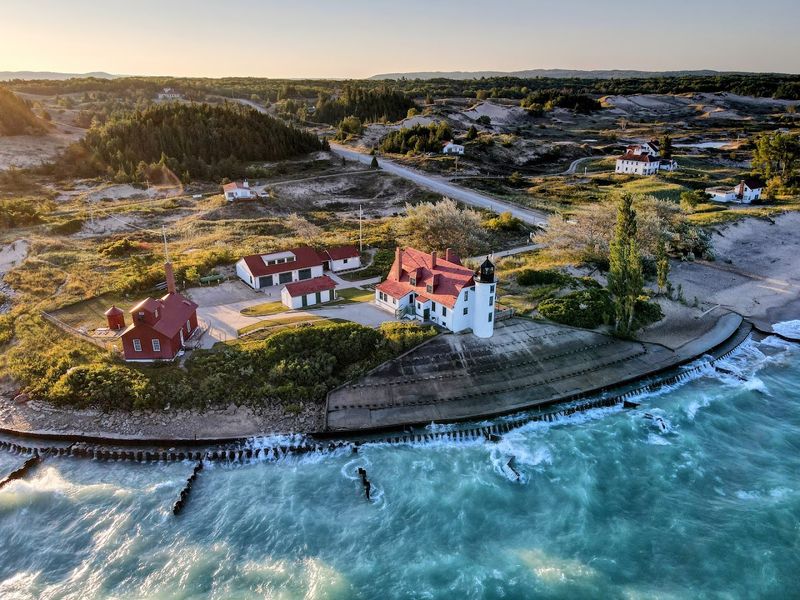
White tower, red roof, green water that looks painted on the good days. Point Betsie Lighthouse sits at the edge of a cobble beach, where waves tug at ankles and cameras overwork. The scene is crisp, almost graphic.
Built in 1858 and automated later, Point Betsie guarded the Manitou Passage through raging storms and polite days alike. Preservation groups maintain the light and keeper’s quarters, sharing shipwreck lore with a steady hand. The Fresnel lens story is worth a listen.
There is paid parking and seasonal tours, so check hours. Shoes with grip help on the round stones. If the wind is up, bring a spray-safe jacket and keep respectful distance from the water’s unpredictable reach.
8. Empire
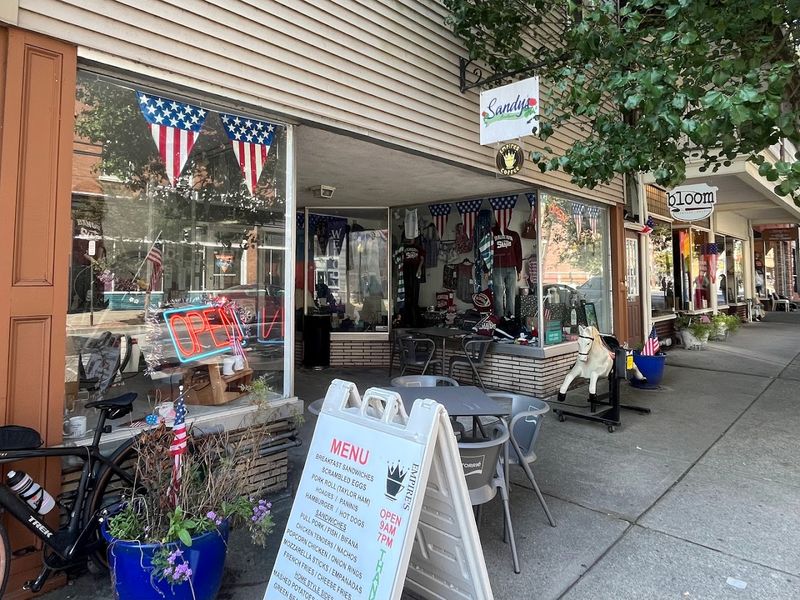
Empire wears the dunes like a cloak, with sand caught in every shoe tread and pine resin sweetening the air. The main street runs on first-name hellos and late-afternoon ice cream. It feels like a base camp that never forgot it is a town.
Porches, bikes, and muddy trail shoes coexist without friction, and even the quiet feels communal rather than staged. The community grew beside logging camps and later the Sleeping Bear Dunes boom in conservation. You can sense pride in the little Empire Area Museum and seasonal festivals that treat lake life as normal, not novelty.
The continuity comforts. Hand-painted signs, photo boards, and volunteer-run events make the town’s memory feel tended, not merely archived.
Empire Beach Park is an easy stop with bathrooms and a playground. For a short hike, Empire Bluff Trail rewards quickly. Aim for weekday mornings to avoid parking pinch and pack a sweatshirt when the wind sharpens.
Grab water before the trailhead, and check lake conditions if you plan to stay for sunset.
9. Sleeping Bear Dunes National Lakeshore
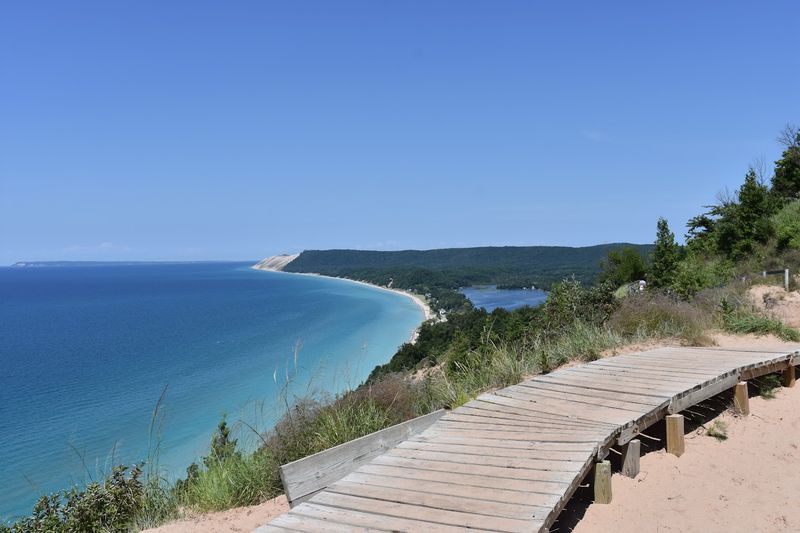
Sand lifts like breath across the high ridges, and the lake below looks close enough to step into, which is an illusion. The scale tilts your sense of distance and time. Wind makes its own weather here.
Designated a national lakeshore in 1970, the park protects 35 miles of shoreline, historic farmsteads, and the Manitou islands offshore. The preservation story is layered with homesteader barns and Civilian Conservation Corps legacy. Interpretation on site stays grounded and clear.
Choose trails that fit your stamina. The Dune Climb is tempting but exhausting, and rescue crews stay busy. Carry water, respect closures, and remember that what goes down a steep face must also come back up, preferably before sunset.
10. Glen Arbor
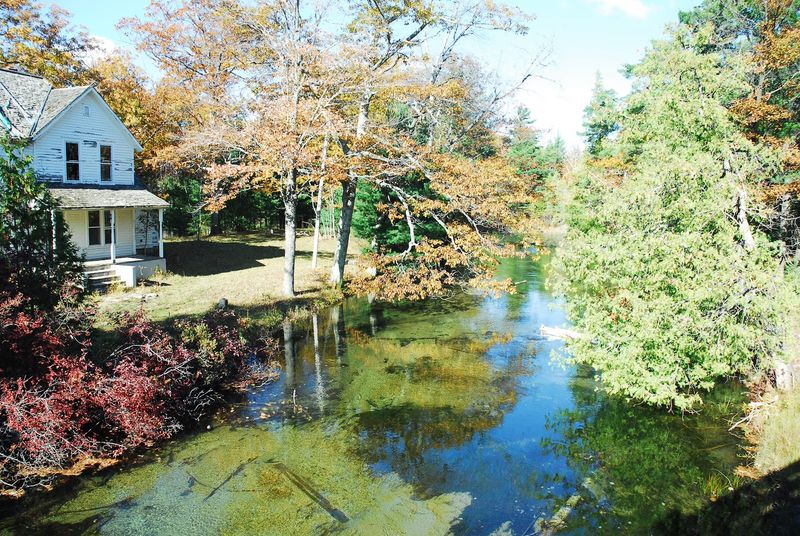
Glen Arbor sounds like bike bells and soft laughter, with the Crystal River sliding quietly just off the main drag. Cherry reds pop from shop windows without turning kitsch. The pace is wander, sample, repeat.
Lumber and orchard history shaped this place, then proximity to the park refined it into an outdoor hub. The culture favors paddles, pie, and practical fleece. You see it in bulletin boards layered with race flyers and farmstand notes.
Parking gets competitive, so use side streets and patience. Rent kayaks for a gentle Crystal River float if levels are right. I always time a slice at Cherry Republic’s cafe, then walk it off beneath maples toward the lake breezes.
11. Pierce Stocking Scenic Drive
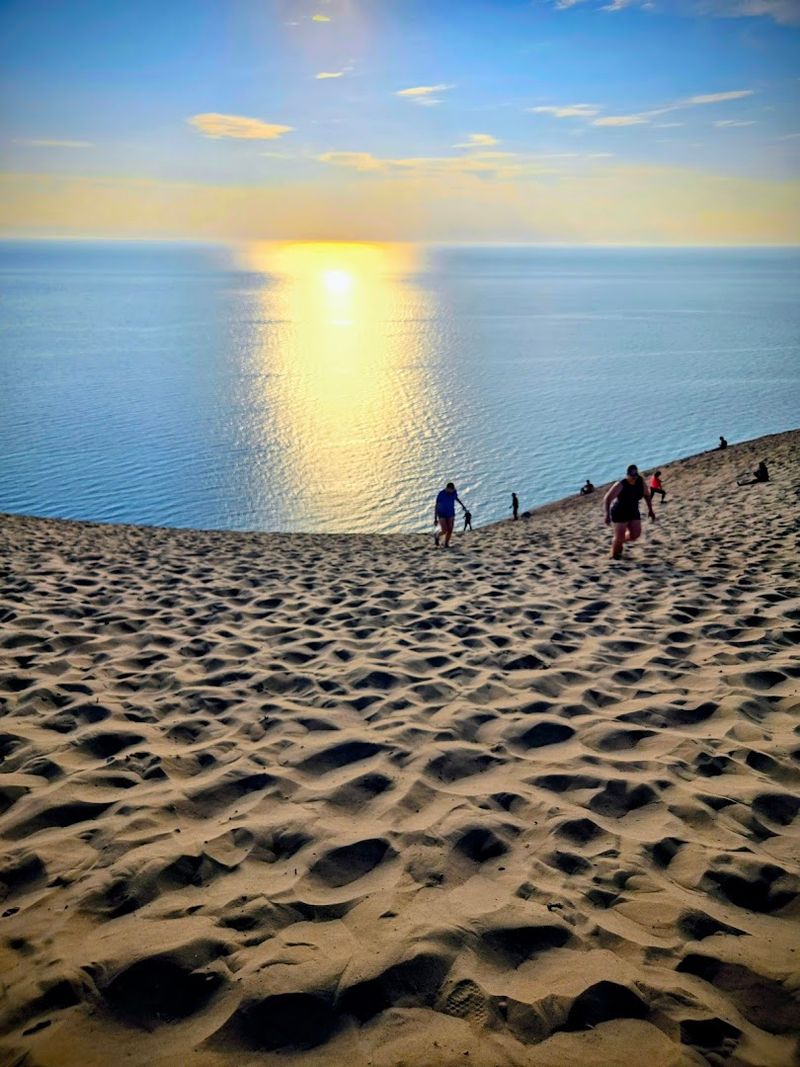
Tires hiss on shaded pavement as the loop unfurls into big overlooks. Boardwalks lead to cliffside views where dune grass scratches your ankles and the lake turns a dozen blues. The car becomes a pause button between windows.
Pierce Stocking, a lumberman turned conservation advocate, carved this route to share favorite vistas, and the Park Service kept the spirit intact. The engineering is subtle, letting the terrain teach. Interpretive signs add just enough story.
Arrive early or late to dodge backups, especially on weekends. Bring layers because the overlooks funnel wind. Stay behind ropes at the dune face, both for your safety and to keep rescue teams free for genuine emergencies.
12. Leland
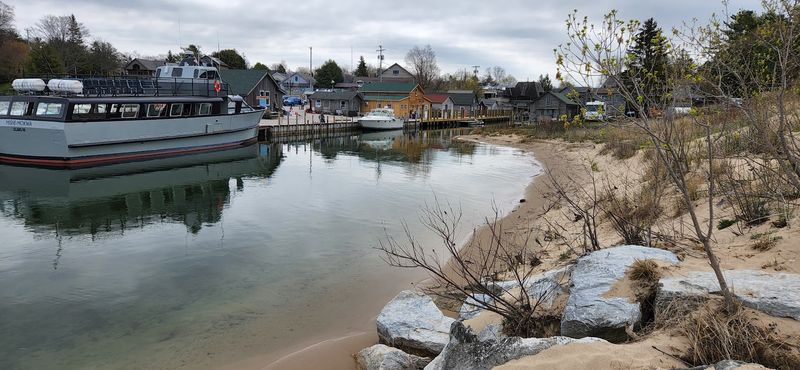
Boards creak underfoot in Fishtown, and smoke from the shanty drifts like a promise. Nets hang to dry, gulls argue, and the Leland River hurries toward the lake. The setting is photogenic because it is still functional.
These fish shanties survived not by accident but by stubborn caretaking and smart adaptive use. Historic preservation groups kept the working core while allowing shops to pay the bills. It feels earned rather than curated.
Expect crowds in high season. Step aside for coolers and people carrying smoked fish, because they are on a mission. Park in the village lot, then wander the harbor and detour to Van’s Beach for quieter sand and sunset color.
13. Suttons Bay
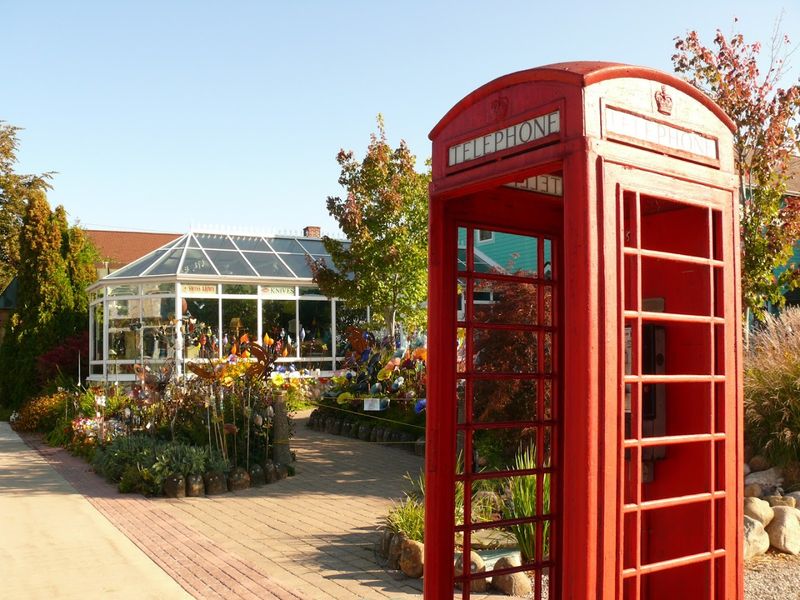
Window boxes explode with color in Suttons Bay, and the water peeks down side streets like a neighbor. The atmosphere leans gracious, with tasting rooms tucked between bookstores and outfitters. You can sip and still feel grounded.
The Leelanau Peninsula’s wine story thrives on lake effect moderation and patient growers. Family operations pour vintages that explain the landscape better than a lecture. It is agriculture with polish, not pretense.
Park once and explore on foot. If you are tasting, pace with water and snacks, then finish with a bayfront stroll at Marina Park. I like late afternoon light here, when the storefront glass turns warm and the sidewalks take a breath.
14. Northport
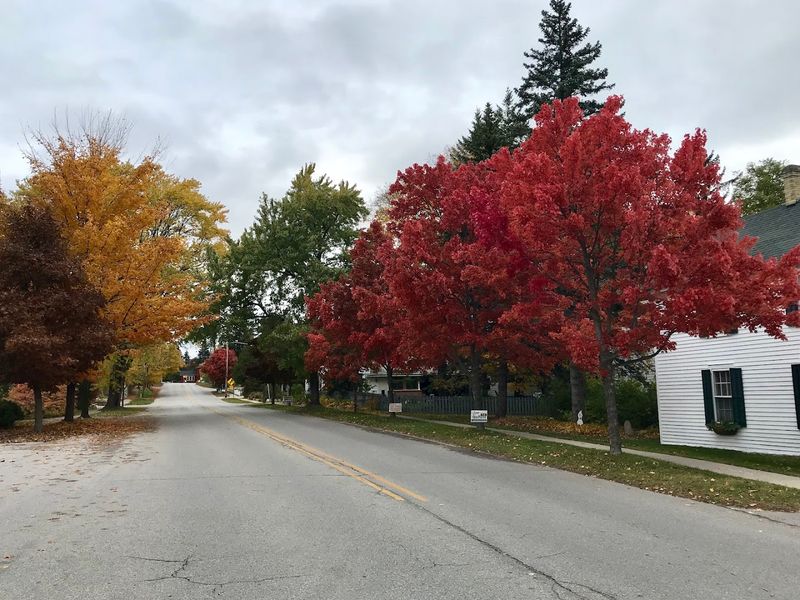
Northport wakes with coffee steam and dog leashes clicking, a harbor village unafraid of quiet. Brick storefronts hold steady while sailboats tug their slips. It feels like the end and beginning of the peninsula at once.
Lighthouses and orchards framed Northport’s past, with the Grand Traverse Lighthouse capping the point to the north. The town’s rhythm reflects those twin anchors: steady navigation and seasonal fruit. Local notice boards read like a neighbor’s fridge.
Stock up on picnic fixings, then aim for Haserot Park’s small beach or drive to Leelanau State Park for the lighthouse grounds. Cell service can thin near the tip. Mind your fuel level before looping back south along the curve.
15. Traverse City
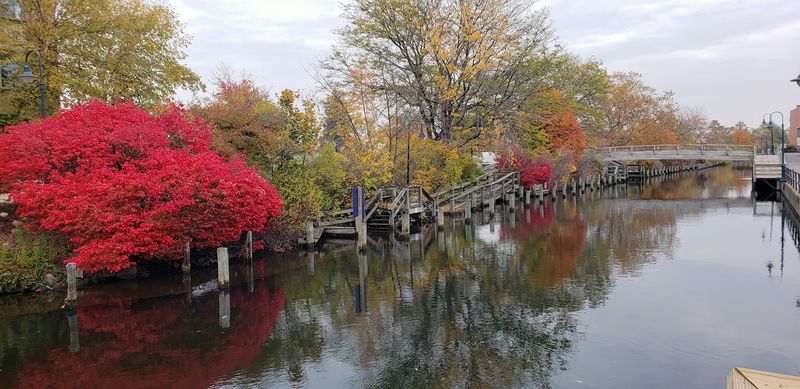
Front Street flashes its marquee and the bay glints at the far end like a wink. The city balances working port and festival magnet with a surprising light touch. Sidewalk musicians tune while baristas keep the lines human.
Logging yards once crowded this waterfront, then the cherry industry and a savvy downtown revival reshaped it. Preservation and reuse gave historic buildings new jobs without sanding off their history. The State Theatre marquee is a cheerful thesis statement.
Parking garages help during peak events, and bikes make short work of bayside errands. If timing aligns, catch a film or grab tacos before a boardwalk stroll. I end the loop here, a little sunburned and very awake.