
The Unexpectedly Charming Virginia Attraction You Need To See
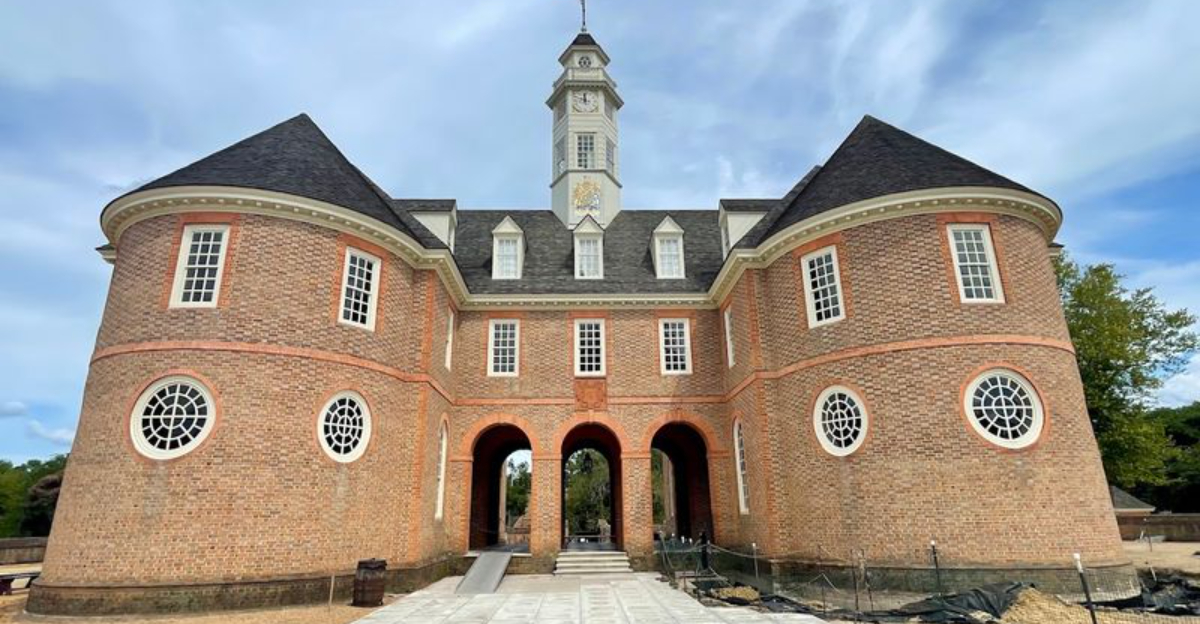
You take one step, and lose 250 years. No CGI.
No time machine. Just a place where tricorn hats and revolution-era gossip feel oddly current. Hidden in Williamsburg, this immersive time capsule isn’t your average “look, don’t touch” museum.
It’s 300+ acres of living, breathing history that pulls you in fast, and keeps you there. Think less dusty textbooks, more real people, real fire, real stories. It may sound like a school trip.
It doesn’t feel like one. By the time you leave this place in Virginia, you’ll have opinions about 18th-century politics… and possibly a craving for gingerbread.
Your Perfect Starting Point
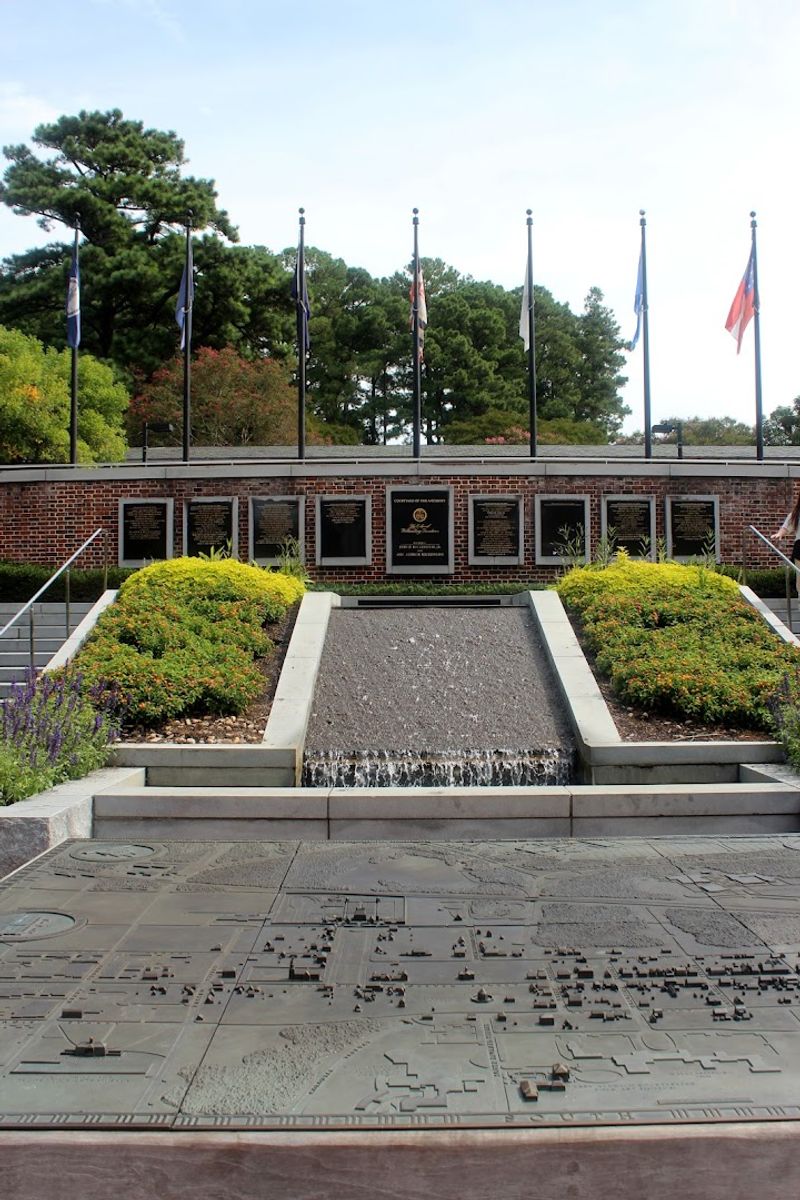
Every great adventure needs a solid starting line, and the Colonial Williamsburg Visitor Center is exactly that. Located at 101 Visitor Center Dr, Williamsburg, VA 23185, this is where the magic officially begins.
Before you even set foot on Duke of Gloucester Street, this center gives you the full picture of what awaits.
The Visitor Center is more than a ticket booth. It is a full orientation hub complete with exhibits, maps, and a genuinely helpful introduction to the entire historic area.
You can grab your tickets here, rent audio guides, and plan your day with a clear sense of direction. The orientation film alone sets the tone beautifully.
One thing that surprises most first-time visitors is just how thoughtfully designed this space is. Everything flows logically, so you never feel lost or overwhelmed.
Buses depart regularly from here into the heart of the historic district, making the transition seamless and exciting.
If you want to make the most of your visit, arriving early at the Visitor Center is a smart move. Popular tours and demonstrations fill up fast, especially on weekends.
Grabbing your itinerary early means you catch the best experiences without scrambling.
Colonial Williamsburg is not just a destination you stumble through. It rewards the curious and the prepared, and this Visitor Center makes sure you are both before you even take your first colonial step.
The Heartbeat Of Colonial America
Walking down Duke of Gloucester Street feels like someone pressed rewind on history and forgot to press play again. The main thoroughfare of Colonial Williamsburg stretches nearly a mile through the heart of the historic district.
Every building, every brick, every lamppost tells a story that spans centuries.
This street is the social and commercial spine of the entire colonial capital. Shops, taverns, and public buildings line both sides, each one meticulously restored or reconstructed based on historical records.
The level of detail is almost unsettling in the best possible way.
Costumed interpreters bring the whole street to life in a way that no museum display ever could. You might overhear a heated debate about colonial taxation or watch a blacksmith hammer away at a glowing piece of iron.
The street is always buzzing with authentic activity that pulls you deeper into the 18th century.
What makes Duke of Gloucester Street genuinely special is its ability to feel both educational and completely fun at the same time. You absorb history almost accidentally just by strolling and looking around.
There is no pressure to memorize dates or take notes.
History just kind of seeps into you here, and by the time you reach the Capitol building at the far end, you realize you have learned more than you expected. That quiet revelation is what makes this street one of the most underrated walks in all of Virginia.
Power, Prestige, And Period Drama
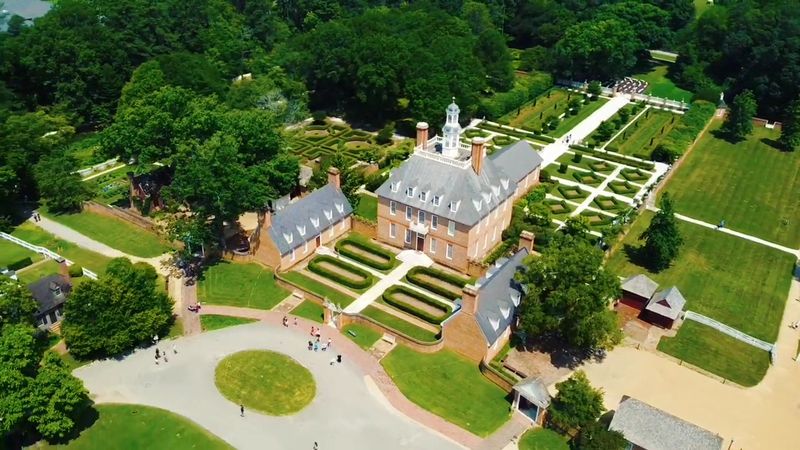
Nothing says colonial power quite like a building that was literally designed to intimidate. The Governor’s Palace in Colonial Williamsburg is one of the most impressive structures in the entire historic district.
It served as the official residence of the royal governors of Virginia and later housed the first two governors of the Commonwealth.
The architecture alone is worth the visit. The Georgian-style mansion rises up behind a formal forecourt, flanked by outbuildings and leading into one of the most beautifully manicured gardens you will ever see.
The topiary, the maze, and the geometric flower beds look like something straight out of a period drama on Netflix.
Inside the palace, the rooms are furnished with extraordinary period pieces that reflect both the wealth and the political ambitions of colonial Virginia.
The Governor’s Palace is not just visually stunning. It is a masterclass in how architecture communicates status.
Guided tours walk you through each room with context that makes the experience genuinely rich. The formal garden out back deserves its own dedicated chunk of time.
It is peaceful, beautifully designed, and honestly one of the most photogenic spots in all of Williamsburg. Few places blend beauty and history this effortlessly.
Where American Democracy Found Its Legs
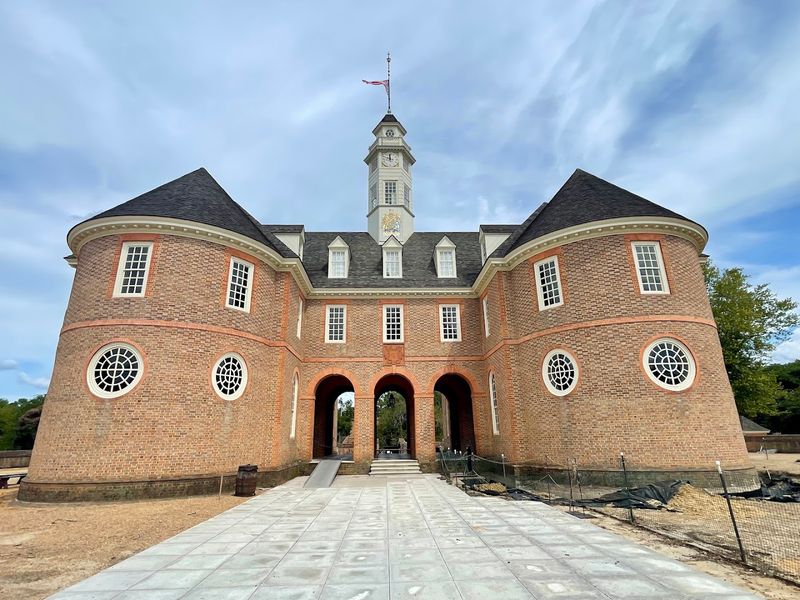
Before there was Washington D.C., there was Williamsburg. The Capitol building at the eastern end of Duke of Gloucester Street is where Virginia’s colonial legislature met, debated, and shaped the ideas that would eventually fuel a revolution.
Standing in front of it, you feel the weight of that history instantly.
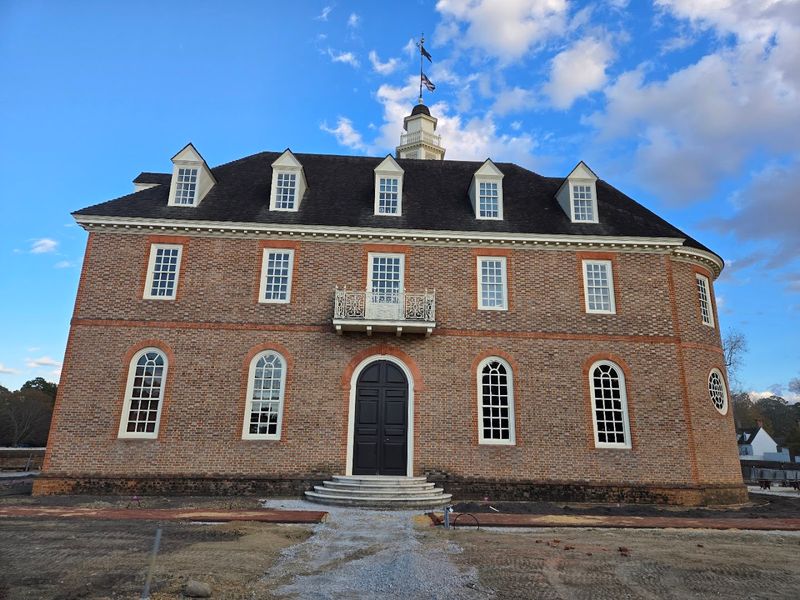
The current building is a careful reconstruction of the original 1705 structure, built on its original foundations.
The distinctive H-shaped design with its twin wings connected by a central arcade is unlike anything else in colonial American architecture. It is bold, purposeful, and deeply symbolic of how seriously Virginia took its governance.
Inside, the chambers are set up just as they would have been during the colonial era. The General Court and the House of Burgesses each have their own spaces, giving visitors a clear sense of how colonial government was structured.
Guided tours bring the debates and decisions made here vividly to life.
What hits hardest about the Capitol is realizing that figures like Patrick Henry, George Washington, and Thomas Jefferson all walked these floors. The arguments they made here about liberty and representation planted seeds that grew into something the entire world eventually felt.
Williamsburg’s Capitol is not just a pretty building. It is the room where the American idea of self-governance was first seriously tested, and that context makes every visit feel genuinely electric.
Eating History Has Never Tasted Better
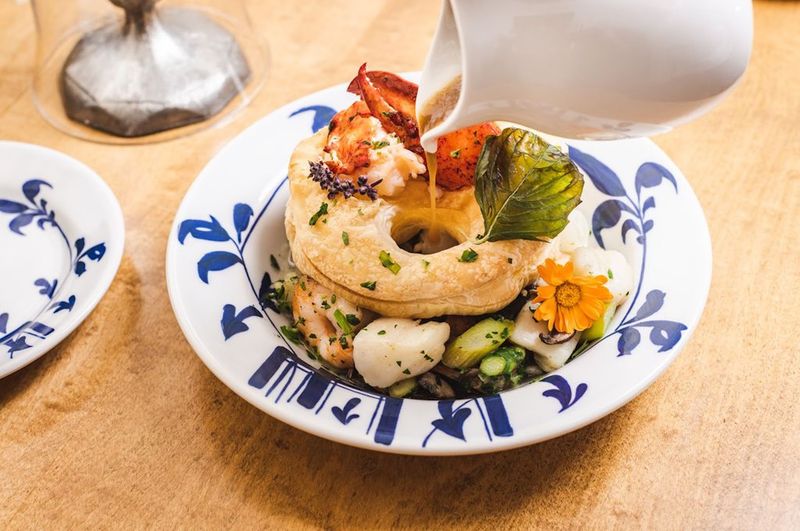
Forget everything you think you know about historical dining experiences. Colonial Williamsburg’s taverns are not just themed restaurants with mediocre food.
They are fully immersive culinary time machines that serve up 18th-century-inspired dishes in spaces that have been welcoming guests for centuries.
Chowning’s Tavern, Christiana Campbell’s Tavern, and the King’s Arms Tavern are among the most beloved dining spots in the historic district.
Each has its own personality and menu inspired by colonial-era recipes. Dishes like peanut soup, colonial game pie, and sweet potato muffins show up on menus that feel genuinely rooted in history.
The settings themselves are extraordinary. Low ceilings, wooden beams, candlelight, and period furnishings create an atmosphere that transports you completely.
Eating here does not feel like a tourist activity. It feels like participating in something that has been happening in this exact spot for hundreds of years.
Colonial food history is richer and more interesting than most people realize. Virginia was an agricultural powerhouse, and its colonial kitchens reflected that abundance in creative ways.
The taverns of Williamsburg honor that legacy with menus that feel both historically grounded and surprisingly satisfying. Reservations are strongly recommended, especially for dinner, because these spots fill up fast.
Once you sit down and your first dish arrives, you will completely understand why.
Beauty Hiding In Plain Sight
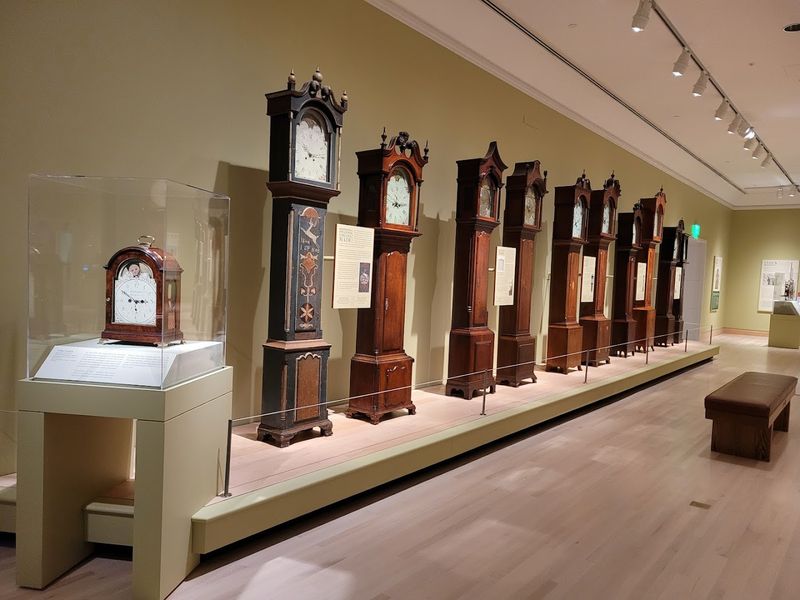
Art history enthusiasts, this one is for you. Tucked just off the main historic area, the DeWitt Wallace Decorative Arts Museum is one of those hidden gems that rewards the visitors who seek it out.
It houses one of the finest collections of British and American decorative arts from the 17th through 19th centuries anywhere in the world.
The collection spans furniture, ceramics, textiles, paintings, silver, and maps. Each piece is presented with context that helps you understand not just what it is, but why it mattered.
Colonial-era objects were not just functional. They were status symbols, cultural statements, and works of genuine artistic ambition.
The museum connects directly to the Public Hospital, which is also a fascinating and sobering part of the Colonial Williamsburg experience. Together, these two spaces offer a more complete picture of colonial life that goes beyond the patriotic highlights.
The full range of human experience is represented here.
What makes the DeWitt Wallace Museum genuinely special is its depth. You could spend hours here and still feel like you only scratched the surface.
The craftsmanship on display across every medium is breathtaking, and the curatorial storytelling is sharp and engaging.
This is not a place to rush through. Block out real time for it, bring your curiosity, and prepare to leave with a completely new appreciation for what colonial-era artisans were capable of achieving.
When Williamsburg Gets Wonderfully Mysterious
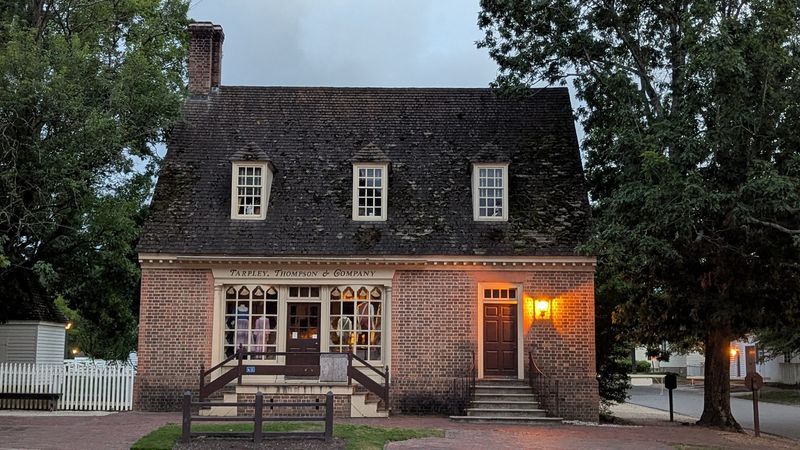
Once the sun dips below the treeline in Williamsburg, something shifts. The streets take on a quieter, moodier quality that feels completely different from the daytime bustle.
That is exactly when the evening programs and lantern tours come into their own, offering one of the most memorable ways to experience Colonial Williamsburg.
The lantern tours are guided walks through the historic district after dark, led by costumed interpreters who share stories of colonial life, folklore, and the occasional ghost legend.
The flickering light of real lanterns against old brick buildings creates an atmosphere that is genuinely atmospheric and hard to forget.
Beyond ghost tours, Colonial Williamsburg offers evening theatrical performances, musical programs, and special talks that run throughout the year.
These after-dark events attract a different kind of visitor energy, one that is more relaxed and more open to being surprised. The historic district feels almost intimate at night.
Evening programs are often overlooked by first-time visitors who pack their days full and head back to their hotels by dinner. That is a real missed opportunity.
Some of the most interesting storytelling happens after dark, when the crowds thin out and the interpreters can really lean into the drama of their narratives.
If you only have one evening in Williamsburg, spend it outside on a lantern tour. You will walk back to your car feeling like you just lived inside a story worth telling for years.
Is there a better way to end a Virginia adventure?