
The Unusual Gas Station In Washington Has A Fascinating Political History
Let’s be honest, gas stations are usually the most boring part of any trip. You pump, you pay, and you leave. I never thought a gas station could make me laugh and teach me about political scandal at the same time, but that’s exactly what happened.
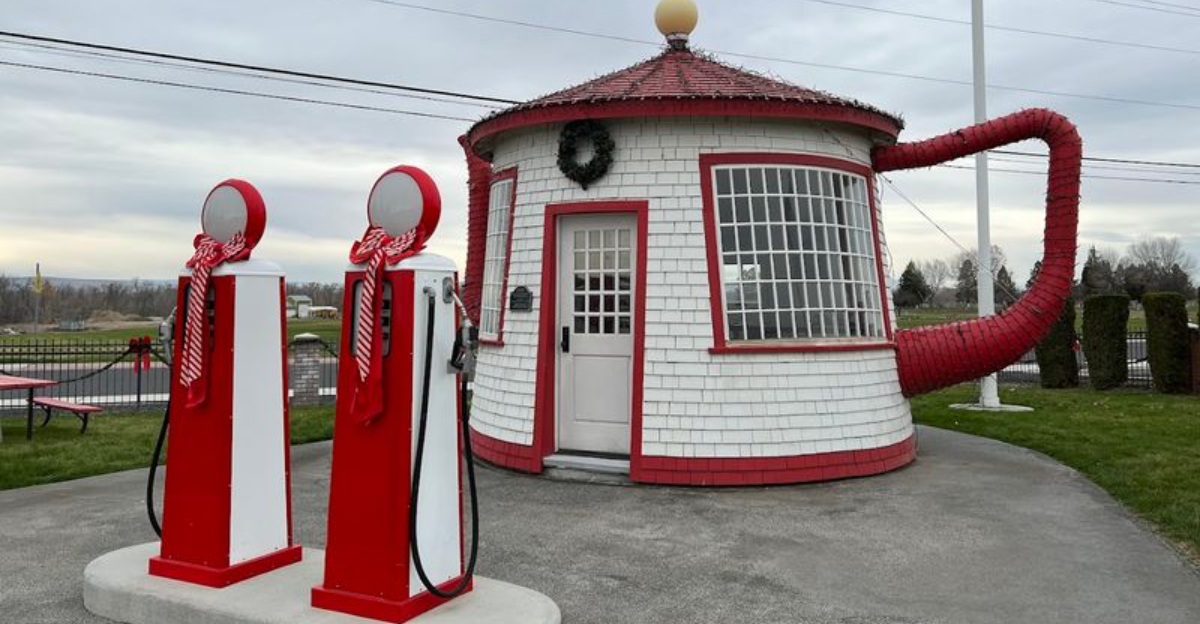
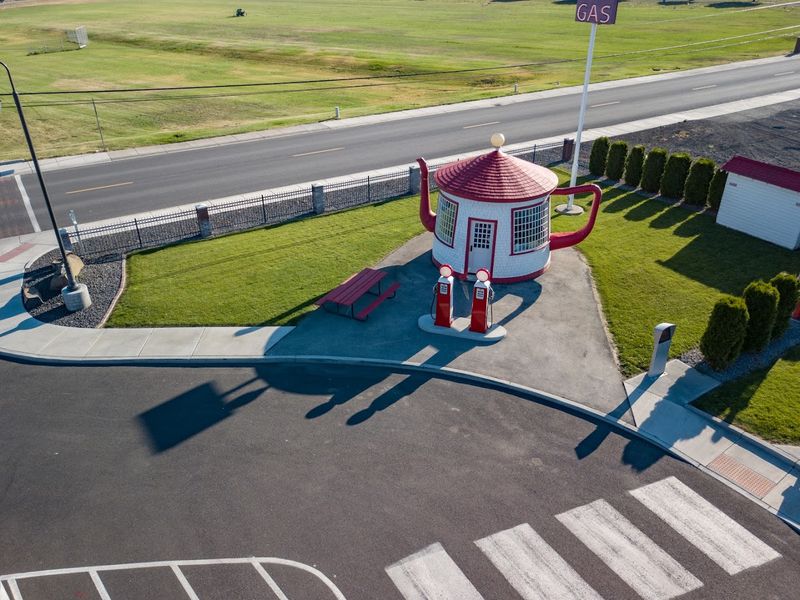
This quirky roadside attraction looks like someone shrunk a giant teapot and decided it would make the perfect place to fill up your tank.
Built in 1922 as a cheeky response to one of America’s biggest political controversies, this circular building with its conical roof and whimsical spout has been turning heads for over a century.
Today, it stands proudly as the town’s visitor center, inviting curious travelers to step inside and discover how a fuel stop became a symbol of corruption, creativity, and pure roadside Americana.
A Building Born From Scandal
Jack Ainsworth had a vision that went beyond just selling gasoline. When the Teapot Dome Scandal rocked President Warren G. Harding’s administration in the early 1920s, this local entrepreneur saw an opportunity to make a statement while running a business.
The scandal involved Secretary of the Interior Albert Fall secretly leasing Navy petroleum reserves at Teapot Dome, Wyoming, to private oil companies in exchange for bribes. Fall became the first U.S. Cabinet member ever convicted of a crime committed while in office.
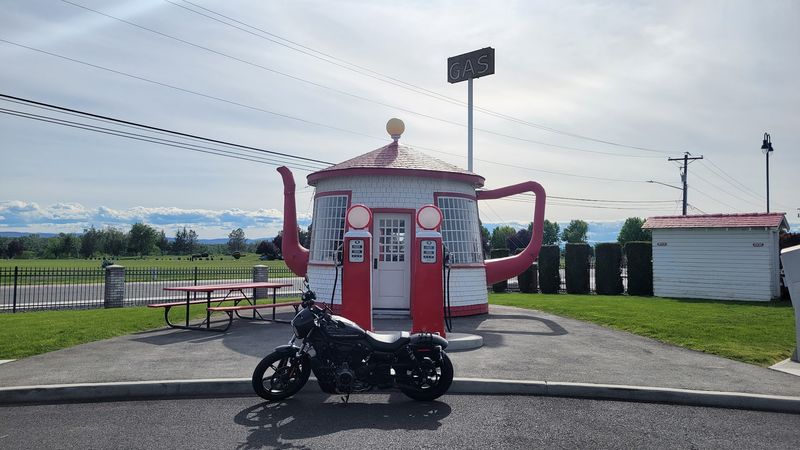
Ainsworth’s response was brilliantly satirical. He designed and constructed a gas station shaped like an actual teapot, complete with a sheet metal handle and concrete spout.
The building opened in 1922 along U.S. Highway 410 between Zillah and Granger, instantly becoming a conversation starter for every passing motorist.
This wasn’t just novelty architecture for novelty’s sake. It was political commentary you could drive up to, a three-dimensional editorial cartoon that served regular gasoline with a side of social awareness about government corruption.
Architectural Whimsy Meets Function
I couldn’t help but admire the craftsmanship that went into this playful structure. The circular frame creates a surprisingly functional interior space, while the conical roof slopes upward to form the lid of the teapot.
Ainsworth didn’t skimp on the details. The sheet metal handle curves gracefully from the side of the building, looking sturdy enough to pour coffee for giants.
The concrete spout juts out confidently, completing the illusion that you’re standing next to an oversized kitchen appliance.
What impresses me most is how this design actually worked as a practical gas station for decades. Customers could pull up, get their tanks filled, and maybe pick up a few supplies, all while enjoying the absurdity of conducting business inside a teapot.
This type of novelty architecture flourished during the early automobile era when roadside businesses competed fiercely for attention. Buildings shaped like coffee pots, hot dogs, and animals dotted America’s highways, but few carried the political punch of Zillah’s teapot.
The Great Teapot Migration
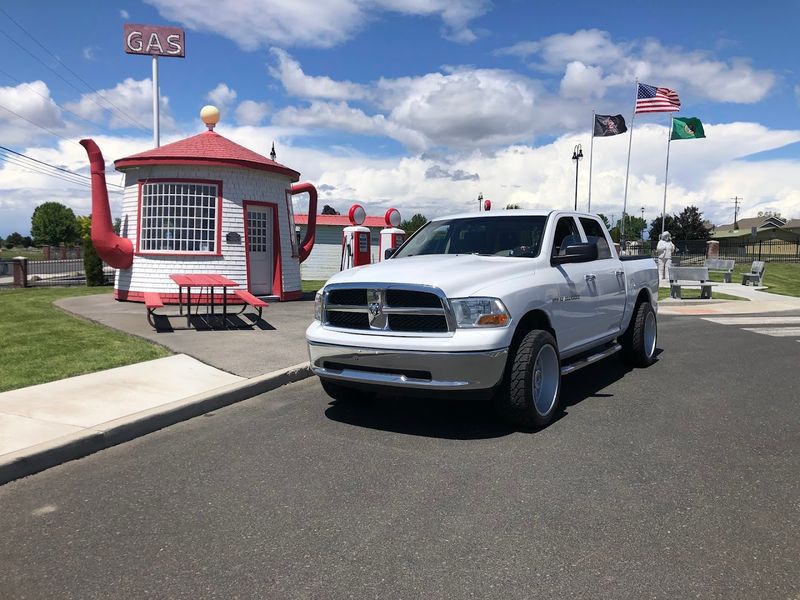
Change came knocking in 1978 when Interstate 82 was under construction. The original location along U.S. Highway 410 sat directly in the path of progress, and the beloved teapot needed a new home.
Rather than demolish this piece of roadside history, the community rallied to move it. The entire structure was relocated to a spot on the Yakima Valley Highway, where it continued serving customers for nearly three more decades.
I find it remarkable that people cared enough to save a satirical gas station.
The Teapot Dome finally closed its pumps in 2006 after 84 years of operation. But that wasn’t the end of the story. The City of Zillah purchased the property in 2007, recognizing its value as both a tourist attraction and a tangible link to American political history.
In 2012, the teapot moved again, this time to 117 First Avenue, right in the heart of Zillah. Restoration work returned the building to its former glory, ready to welcome a new generation of visitors.
National Recognition And Preservation
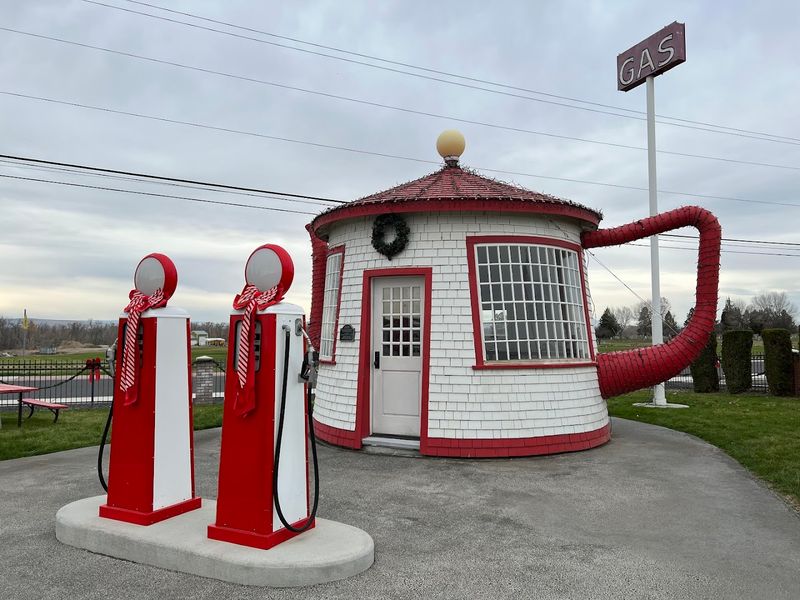
Standing in front of the Teapot Dome today, you’re looking at officially recognized American history. The building earned its place on the National Register of Historic Places, a designation reserved for properties that possess historical, architectural, or cultural significance.
This recognition validates what locals already knew: their quirky teapot wasn’t just a roadside oddity. It represents an important moment when ordinary citizens used creativity and humor to comment on political corruption.
The listing ensures the building receives protection and helps secure funding for ongoing preservation efforts.
I’ve visited plenty of historic sites, but few combine education and entertainment quite like this one. The National Register designation also draws attention to the broader context of novelty architecture, a uniquely American art form that emerged during the automobile age.
Preservation experts have worked carefully to maintain the building’s original character while making necessary structural improvements.
Every detail matters when you’re restoring a satirical teapot that happens to be nearly a century old and carries the weight of political commentary on its circular shoulders.
Zillah’s Visitor Center Experience
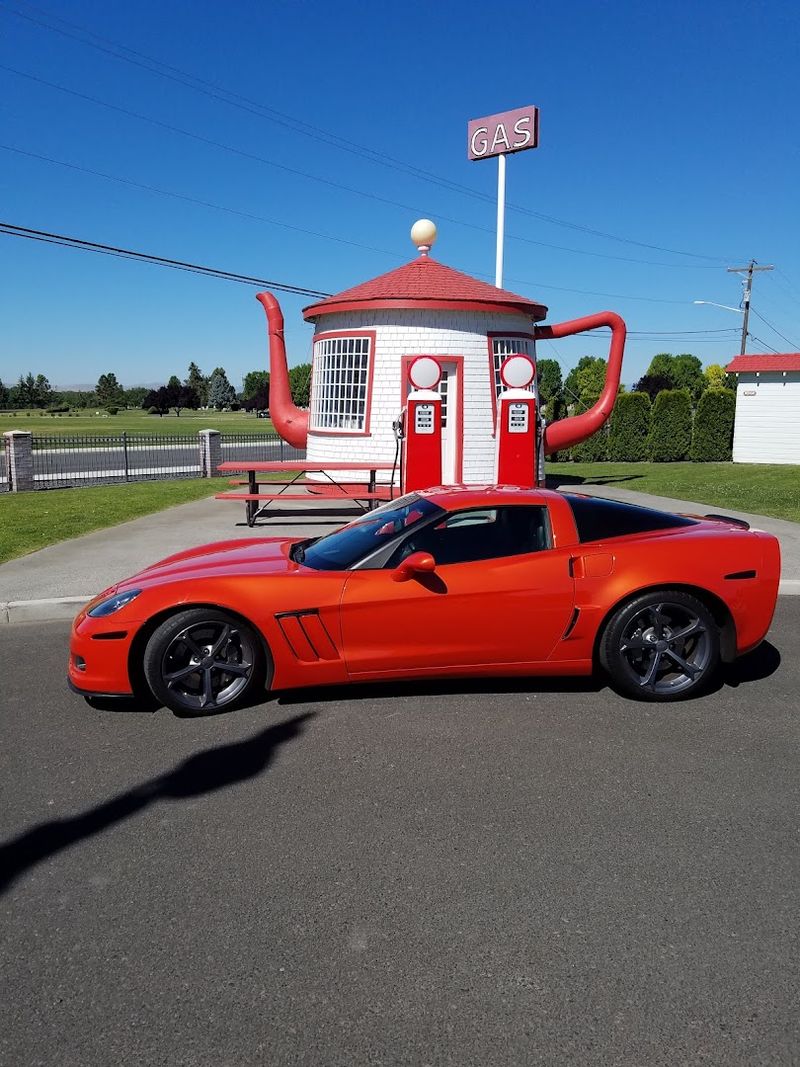
Today’s visitors find something completely different when they step inside the teapot. Gone are the gas pumps and oil cans, replaced by tourism brochures, local information, and friendly staff ready to share stories about the Yakima Valley region.
I loved chatting with the volunteers who staff the visitor center. They’re genuinely passionate about the building’s history and eager to explain the Teapot Dome Scandal to anyone who asks. It’s not every day you get a civics lesson inside novelty architecture.
The transformation from gas station to visitor center feels appropriate. Both functions serve travelers, just in different ways. Instead of fueling cars, the building now fuels curiosity about Zillah’s attractions, wineries, hop fields, and agricultural heritage.
Located at 117 First Avenue, the teapot sits in a perfect spot for tourists exploring the Yakima Valley. The building’s compact size creates an intimate atmosphere where every visitor gets personalized attention.
Plus, the photo opportunities are endless when your information center looks like it belongs in a fairy tale.
Understanding The Political Context
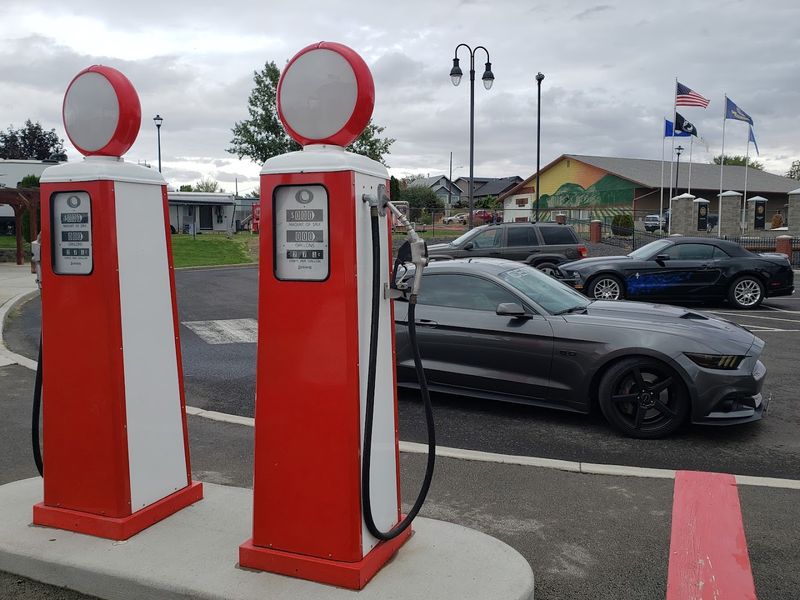
To truly appreciate this building, you need to understand what made people so angry in the 1920s. The Teapot Dome Scandal wasn’t just another political misstep; it represented a fundamental betrayal of public trust during a time when America was still reeling from World War I.
President Harding’s administration had transferred control of Navy oil reserves from the Department of the Navy to the Department of the Interior. Secretary Albert Fall then secretly leased these reserves at Teapot Dome, Wyoming, and Elk Hills, California, to private oil companies without competitive bidding.
In return, Fall received substantial bribes disguised as loans and gifts.
When journalists and senators exposed the scheme, public outrage exploded. Fall was convicted of bribery and became the first Cabinet member to serve prison time. The scandal tainted Harding’s presidency and became shorthand for government corruption.
Jack Ainsworth’s teapot-shaped gas station captured the public mood perfectly, turning anger into architecture and creating a lasting monument to political accountability.
Planning Your Visit To This Roadside Treasure
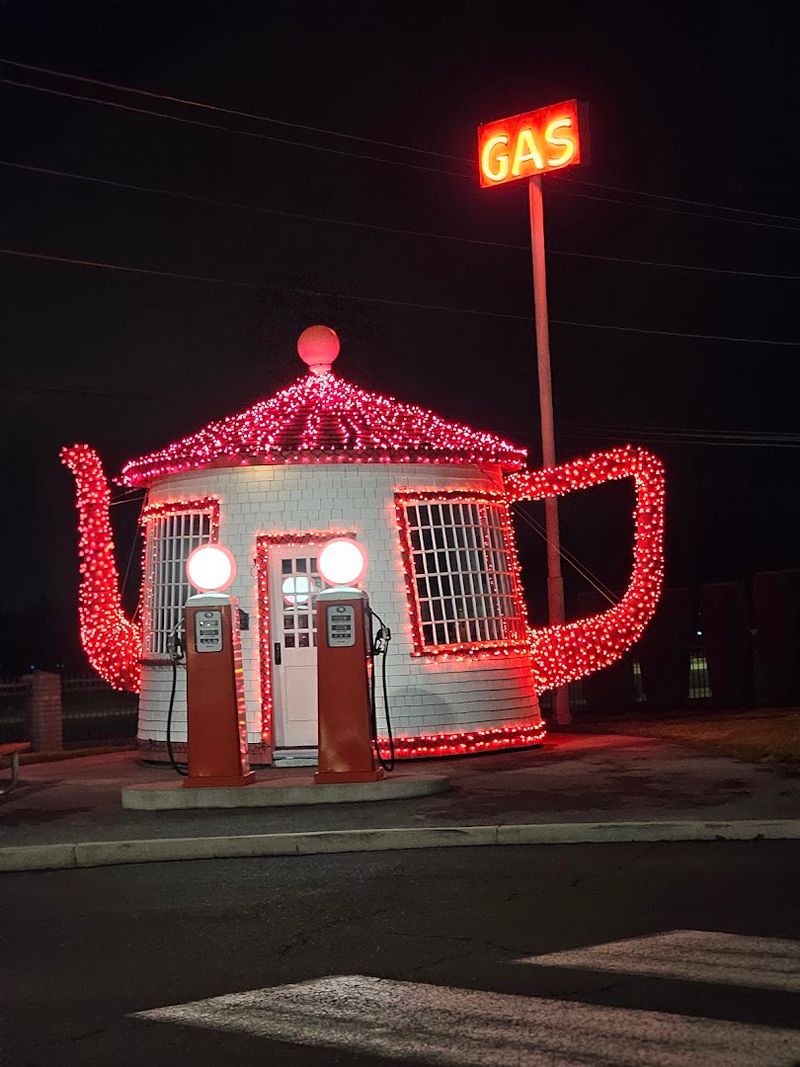
Getting to the Teapot Dome is part of the adventure. Zillah sits in the heart of Washington’s Yakima Valley, about 15 miles southeast of Yakima and easily accessible via Interstate 82. The teapot itself is hard to miss once you’re in town.
I recommend visiting during spring or fall when the valley’s agricultural beauty is at its peak. The surrounding landscape of orchards, vineyards, and hop fields provides gorgeous context for your teapot photos. Summer works too, though temperatures can climb quite high in this region.
The visitor center keeps regular hours, typically open daily during peak tourism season and with reduced hours in winter. Call ahead if you’re making a special trip, because small-town volunteer operations sometimes have unexpected closures.
While you’re in Zillah, explore the town’s other attractions and sample local produce.
The entire Yakima Valley offers excellent opportunities for agritourism, and the Teapot Dome makes a perfect quirky centerpiece for a day trip exploring this productive agricultural region that combines serious farming with a healthy sense of humor.
A Symbol That Sparked Conversations
Every customer who pulled up to fill their tank in the 1920s couldn’t help but ask about the building’s unusual shape. That was exactly what Jack Ainsworth wanted when he designed this structure.
The teapot design wasn’t random decoration. It served as a conversation starter that kept the scandal fresh in people’s minds during an era when political corruption was often swept under the rug.
Drivers would share stories about the scandal while getting gas, turning a simple fuel stop into a traveling news network.
This grassroots awareness helped ensure that government officials faced continued public scrutiny for their actions, making the building an active participant in American democracy rather than just a quirky landmark.
Its strange silhouette made people curious before they even stepped out of the car. Once the conversation started, the building did exactly what it was meant to do by keeping a major political scandal in public view.
In a time before social media or nonstop television coverage, that kind of word-of-mouth mattered more than ever. What looked playful from the outside was actually a clever and lasting form of protest.