
The Wacky Roadside Attraction In Arizona That Feels Made For February Adventures
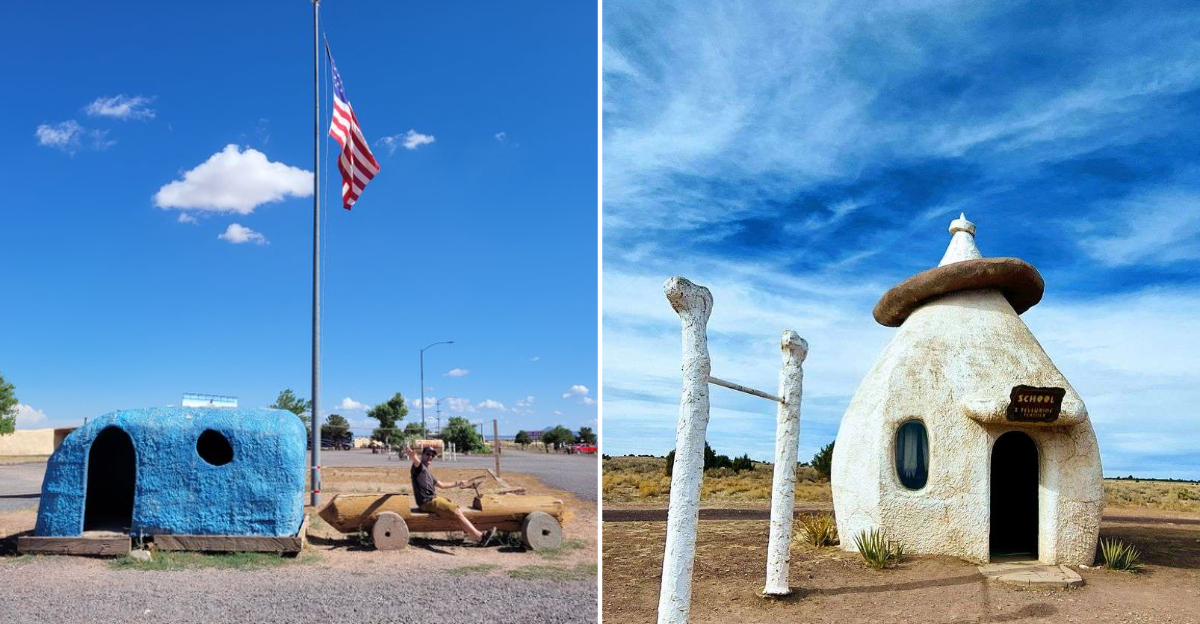
Arizona’s desert sunshine gives February a surprising glow, perfect for a quirky road‑trip. If you’re hunting for a one‑of‑a‑kind experience that blends dinosaurs with desert charm, keep reading.
I had driven past those quirky billboards advertising this place years before I finally pulled off Highway 64 near Williams, Arizona.
February turns out to be perfect for visiting because the cooler weather keeps the raptors active and the crowds thin, giving you more time to explore Fred Flintstone’s stone house and watch a falcon land on your glove.
I walked through dinosaur sculptures, fed alpacas, and learned falconry basics all in one stop, proving that sometimes the best road trips happen when you follow the most ridiculous signs.
Walking Through Bedrock City
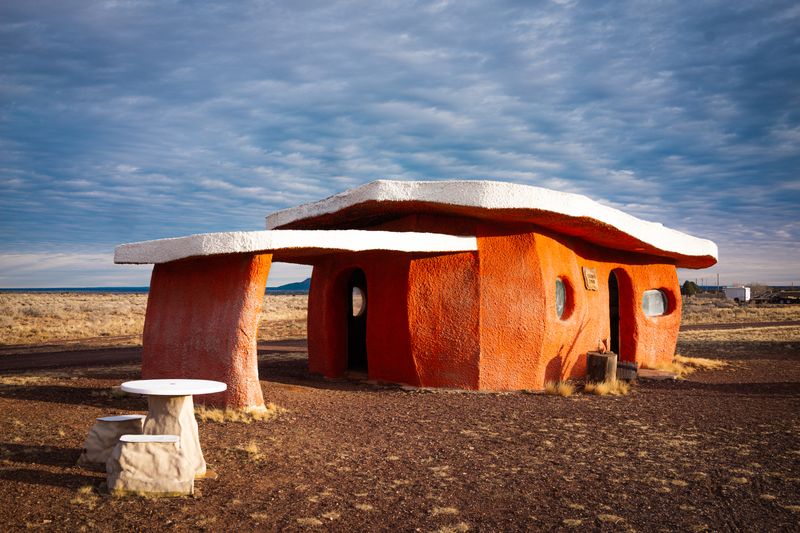
Stepping into Bedrock City feels like opening a time capsule from my childhood Saturday mornings.
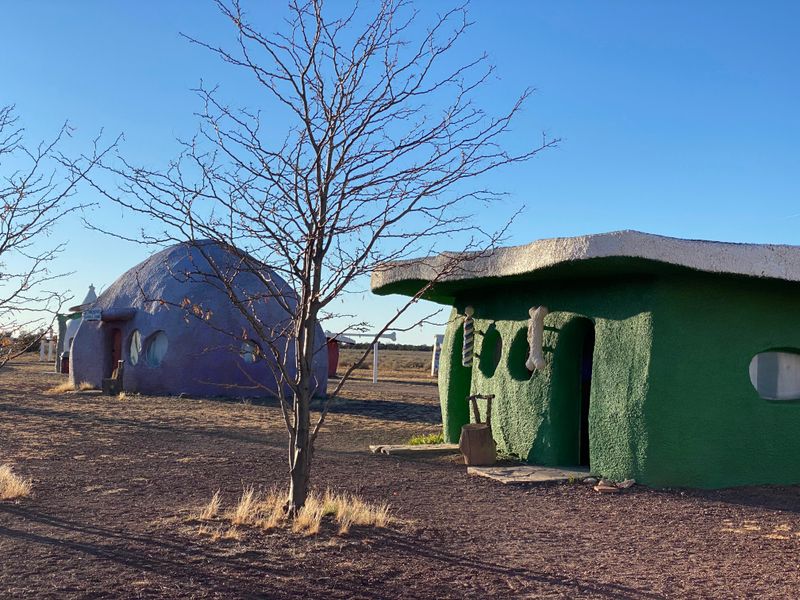
Stone structures shaped like Fred and Wilma’s house stand alongside Barney and Betty’s place, complete with painted details that match the old cartoons.
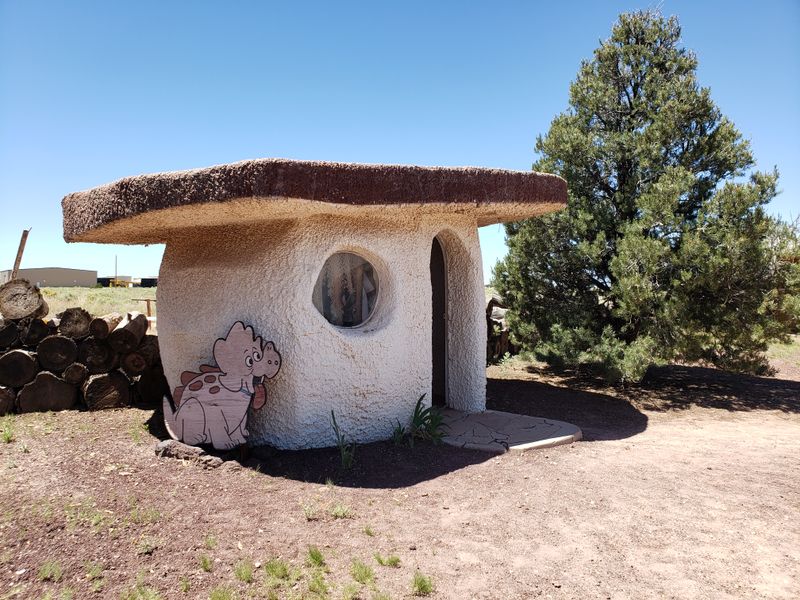
Dinosaur models tower over pathways, and I found myself grinning at the Dino dig area where kids can pretend to unearth fossils.
The entire park sprawls across enough space that you can wander for an hour, snapping photos at every turn. Picnic benches dot the grounds, making it easy to pack a lunch and let children run freely in a safe, contained area.
What struck me most was how well-maintained everything looked, with fresh paint and sturdy structures that honor the original Flintstones vision.
I watched families recreate scenes from the show, posing in front of the Bedrock jail and the Boulder Bowl.
Even without kids in tow, I enjoyed the nostalgia trip and the sheer oddness of finding a prehistoric cartoon town in the Arizona high country.
Meeting The Birds Of Prey
Raptor Ranch sits at 332 AZ-64, and it combines two things I never expected to see together: prehistoric cartoon nostalgia and actual birds of prey. Troy, one of the falconers, greeted me with a genuine smile and a falcon perched on his arm.
Raptor Ranch offers hands-on experiences where you wear a thick leather glove and feel the weight of a bird landing on your wrist.
I held my breath as a prairie falcon swooped down, its talons gripping the glove with surprising strength. Each bird has a name and personality, and the staff shares stories about their rescue and training.
Stinky the owl became my favorite, with his grumpy expression and calm demeanor that made him perfect for close-up photos.
The falconers answered every question I threw at them, explaining migration patterns, hunting techniques, and rehabilitation efforts.
February weather keeps the birds comfortable and active, so they perform better during demonstrations. I left with a new appreciation for these creatures and a memory card full of slow-motion videos capturing their flight.
This experience alone justifies the admission fee, especially for anyone who has ever dreamed of working with raptors.
Feeding The Alpacas And Goats
Beyond the Flintstones structures, a petting zoo area lets you interact with friendly farm animals. Alpacas wandered over to the fence when I approached, their long necks stretching toward the feed bucket.
For an extra dollar, you can buy food pellets and watch goats and sheep compete for attention. I laughed as a particularly bold goat stood on its hind legs, trying to snatch pellets before I could offer them properly.
The alpacas have softer personalities, gently nibbling from your palm without the aggressive enthusiasm of the goats.
Kids absolutely love this area, and I saw toddlers squealing with delight as animals nuzzled their hands. The staff keeps the pens clean, and the animals looked healthy and well-cared-for.
I spent more time here than I expected, charmed by the alpacas’ curious eyes and the goats’ playful antics.
It adds a wholesome, interactive element that balances the quirky Flintstones theming and the more educational raptor demonstrations.
Exploring Fred’s Diner And The Gift Shop
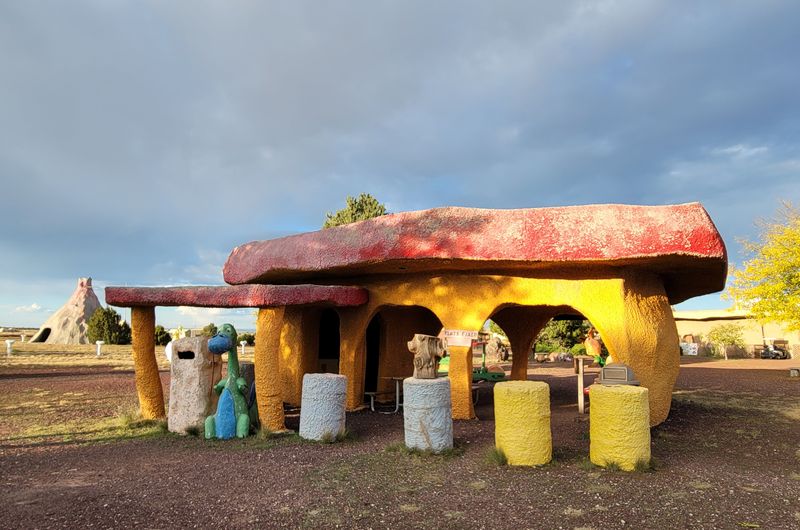
Hunger hit me after walking the grounds, so I ducked into Fred’s Diner inside the gift shop building. The menu offers simple comfort food, but the cookies stole the show with their soft texture and generous size.
I ordered lunch at the counter and browsed the gift shop while waiting, finding everything from Flintstones plush toys to raptor-themed t-shirts.
The staff was friendly and efficient, and the prices felt reasonable compared to typical tourist traps. Bathrooms are located nearby, clean and accessible, which matters when you are traveling with family.
The gift shop stocks local souvenirs alongside Bedrock merchandise, giving you options beyond cartoon memorabilia.
I picked up a small falcon figurine as a reminder of my visit and grabbed an extra cookie for the road. The diner area has a retro vibe that matches the overall theme without feeling forced or overdone.
It serves as a perfect rest stop where you can refuel before continuing toward the Grand Canyon or heading back to Williams.
Discovering The Roadside History
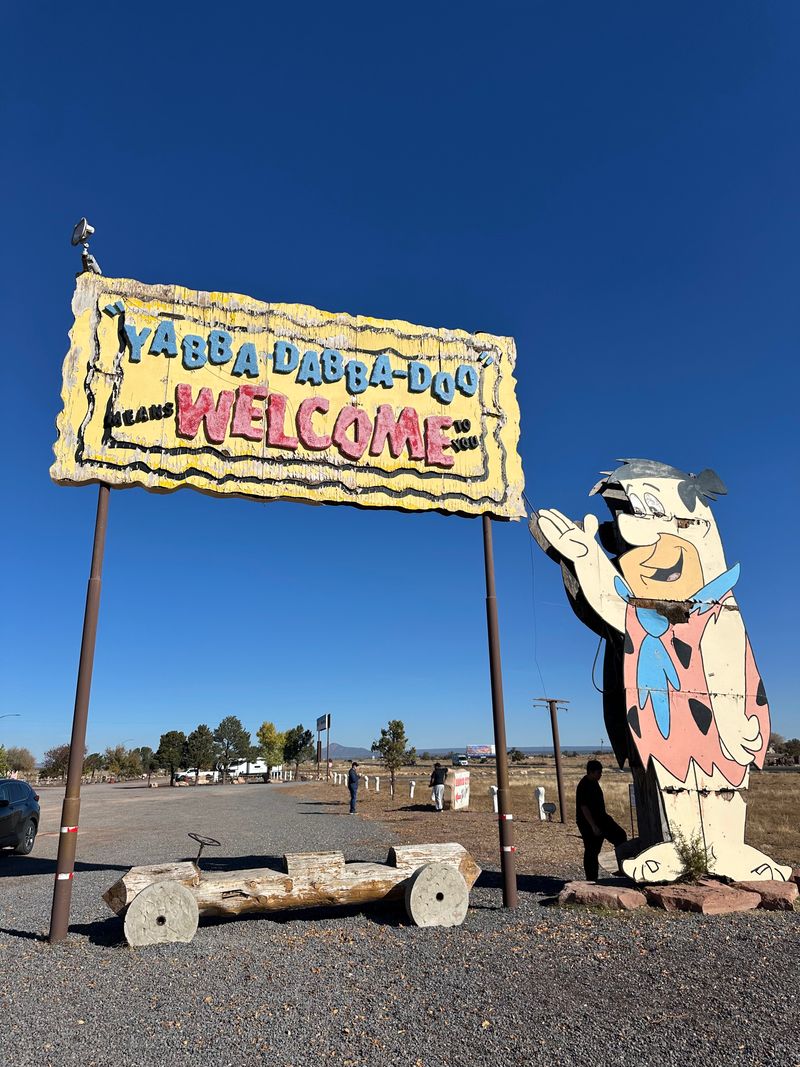
Raptor Ranch started life as Bedrock City, one of several Flintstones-themed parks built during the 1970s roadside attraction boom.
My parents used to stop here decades ago when driving to the Grand Canyon, and hearing those stories made my visit feel like completing a family tradition. The park changed hands over the years, and the current owners integrated the raptor sanctuary to give it new purpose.
I admire how they preserved the original structures while adding educational programming about wildlife conservation.
Billboards along Highway 64 still advertise the park in classic roadside style, promising mystery and fun just off the interstate.
This blend of nostalgia and modern conservation efforts creates something unique in the Arizona high country. Walking through the park, I noticed how much care went into maintaining the vintage feel while upgrading facilities.
The story of Bedrock City’s evolution mirrors the broader history of American roadside attractions, many of which have disappeared or fallen into disrepair.
Raptor Ranch proves that with creativity and commitment, these quirky landmarks can survive and thrive.
Planning Your February Visit
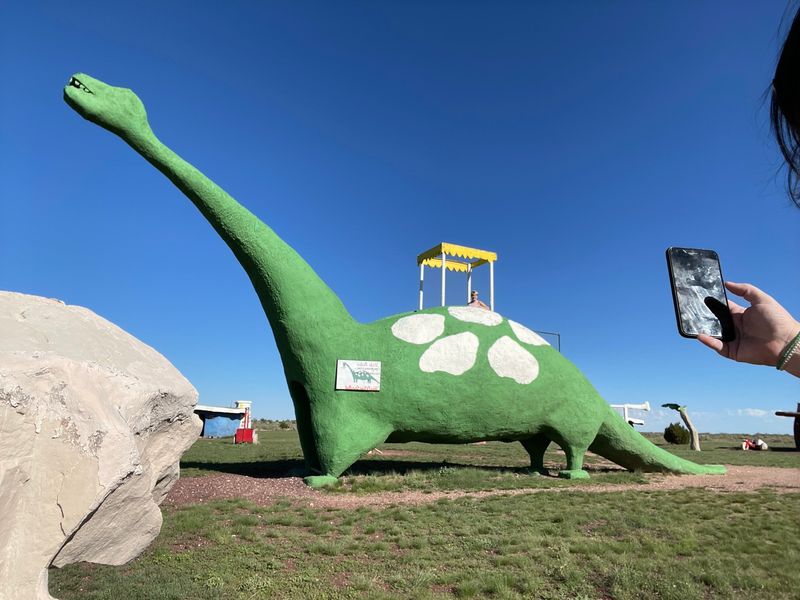
February offers ideal conditions for visiting Raptor Ranch, with mild daytime temperatures and fewer crowds than summer months.
The park opens at 8 AM and closes at 6 PM daily, giving you plenty of time to explore without rushing. I recommend arriving mid-morning to catch the raptor demonstrations when the birds are most active.
Admission costs around ten dollars per person, with discounts for military families and children. The elevation near Williams means you might need a light jacket, especially in early morning or late afternoon.
I packed sunscreen and a hat because the Arizona sun stays strong even in winter. The park sits conveniently along the route to Grand Canyon National Park, making it an easy addition to your itinerary.
Cell service works fine here, so you can share photos in real-time if you want to make your friends jealous.
I spent about three hours on-site, which gave me time to see everything without feeling rushed. Check their website before visiting to confirm hours and any special events scheduled during your trip.
Capturing The Perfect Photos
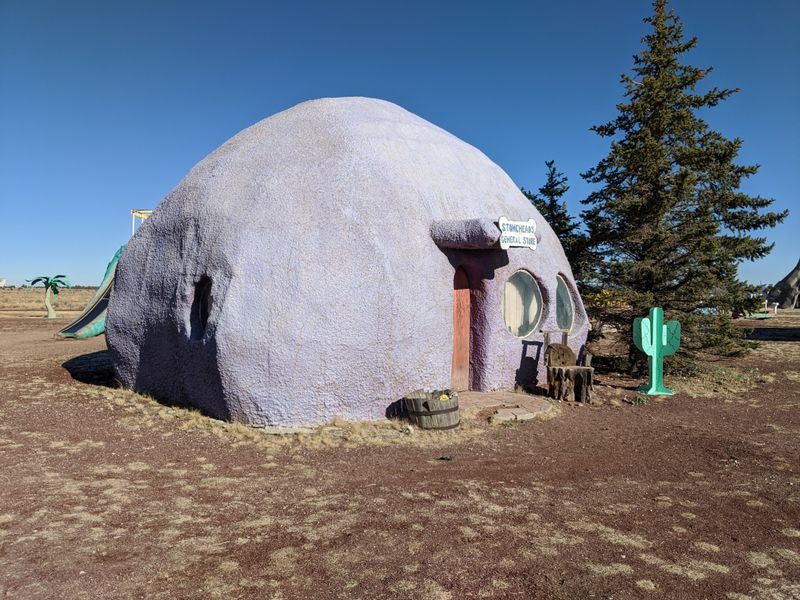
Every corner of Raptor Ranch offers photo opportunities that range from silly to stunning.
I used my phone’s slow-motion feature to capture falcons landing on my glove, and the results looked incredible. The stone houses and dinosaur sculptures provide colorful backdrops that pop against the Arizona sky.
My favorite shots came from unexpected moments, like an alpaca photobombing my attempt at a serious portrait. The staff encourages photography and will even help you get the perfect angle during raptor demonstrations.
Morning light works best for outdoor shots, reducing harsh shadows and bringing out the vibrant paint on the Bedrock structures.
I noticed other visitors staging elaborate family photos in front of Fred’s house, complete with costume props from their cars.
The park’s layout makes it easy to move between photo spots without backtracking too much. I filled my memory card quickly and had to delete some earlier shots to make room for more.
Social media loves this place, and I watched my posts get more engagement than my Grand Canyon photos did.
Understanding The Conservation Mission
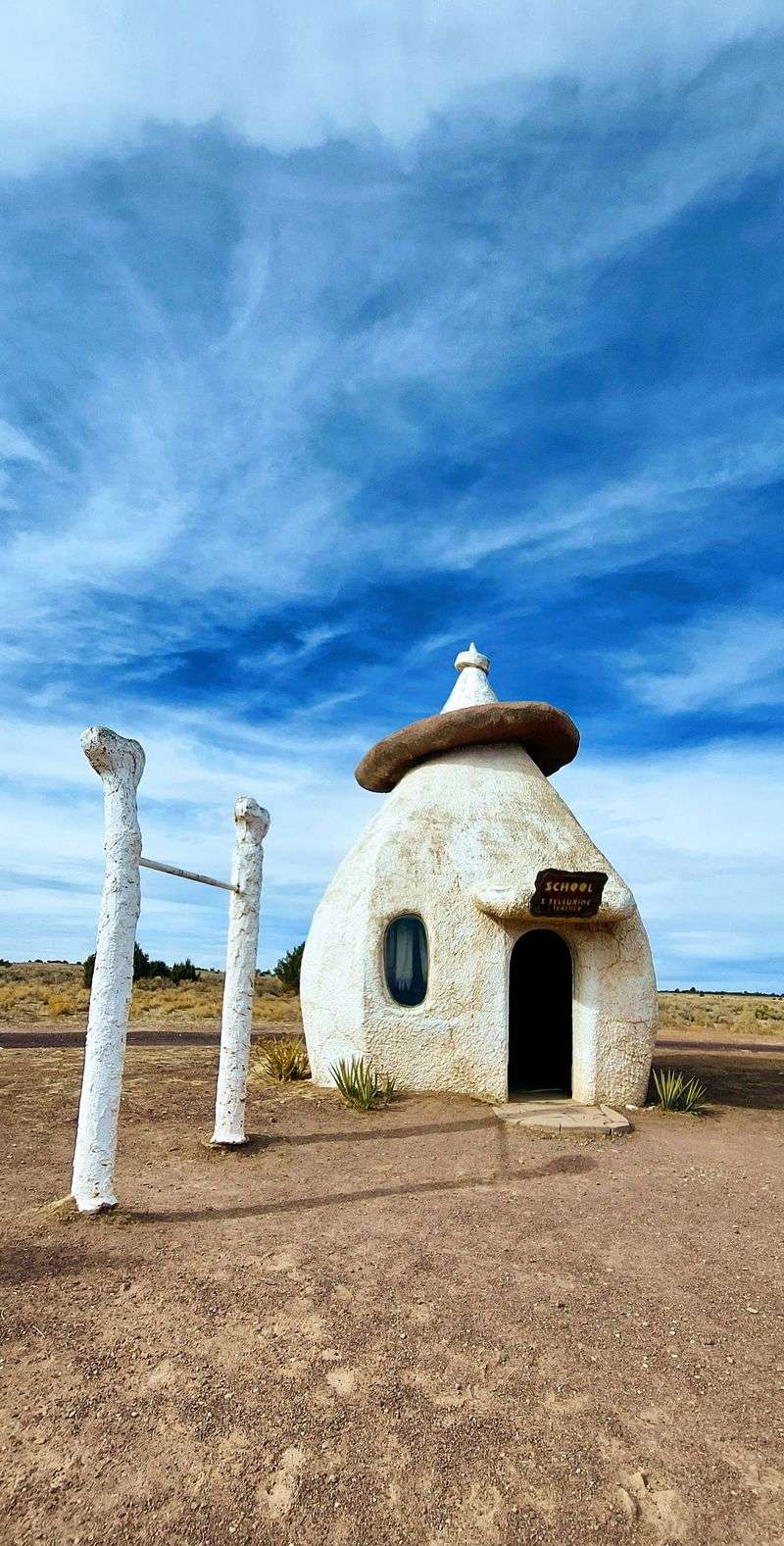
Beyond the entertainment value, Raptor Ranch operates as a legitimate bird rehabilitation and education center.
Many of the raptors on-site cannot return to the wild due to injuries, and the park gives them safe homes. I learned about the challenges facing birds of prey in the Southwest, including habitat loss and vehicle collisions.
The falconers use each demonstration as a teaching opportunity, explaining how these birds fit into the ecosystem.
Admission fees help fund the care and feeding of the resident raptors, making your visit a form of conservation support.
I appreciated how the staff balanced entertainment with genuine education, never treating the birds as mere props.
They discussed falconry history, modern conservation techniques, and the legal protections that help raptor populations recover.
Kids in the audience asked thoughtful questions about what they could do to help birds in their own neighborhoods.
This educational mission elevates Raptor Ranch beyond typical roadside attractions, giving it purpose and depth. I left feeling like I had contributed to something meaningful while still having a blast.
Enjoying The RV Park And Campground
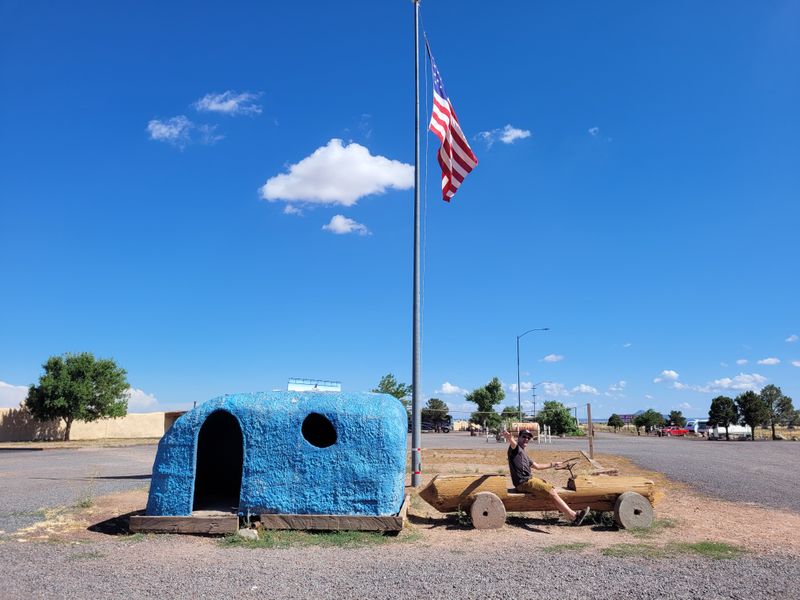
Across from the main attraction, Raptor Ranch operates a campground that serves as a convenient base for Grand Canyon trips. I noticed several RVs parked in designated spots with electrical hookups and level pads.
Reviews mention the importance of bringing a surge protector due to occasional power fluctuations, which saved some visitors from equipment damage.
The campground rates feel reasonable compared to busier tourist areas closer to the canyon. Staying overnight gives you early access to the park and a quiet place to rest after a day of sightseeing.
The location puts you about an hour from the Grand Canyon South Rim, making it perfect for multi-day explorations.
I talked to a family who had been camping there for three days, using it as their home base for the region.
The staff mentioned that the campground stays quieter in February, with plenty of available spots. Nearby Williams offers grocery stores and restaurants, so you can stock up on supplies without driving too far.
This option appeals to budget-conscious travelers who want more than a parking lot overnight stop.
Making Memories For All Ages
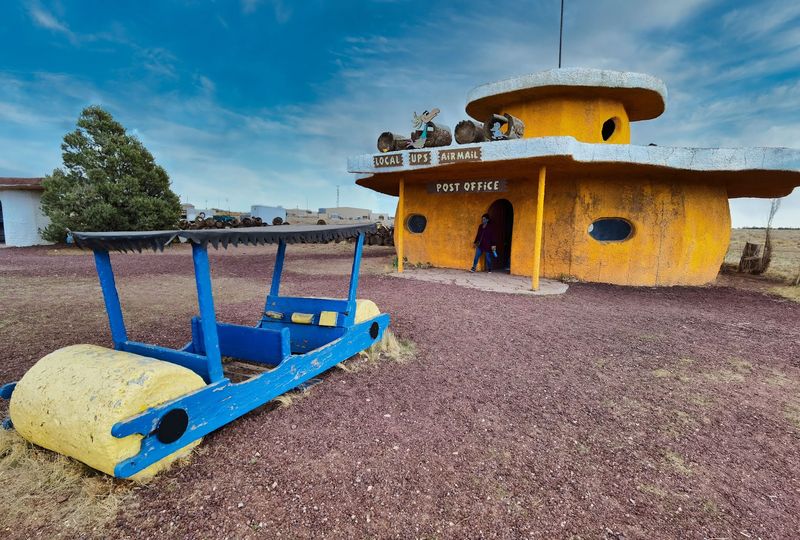
Raptor Ranch succeeds because it offers something for every generation in your travel group. Grandparents enjoy the nostalgia of Bedrock City, remembering when they watched the Flintstones on their black-and-white televisions.
Parents appreciate the affordable admission and the educational value of the raptor demonstrations. Kids run wild exploring the dinosaur sculptures and feeding the farm animals without needing constant supervision.
I watched a grandmother tear up while showing her grandchildren the same stone houses she had visited fifty years earlier.
The park’s safe layout means you can relax while children explore, always keeping them in sight across the open grounds.
Even teenagers who might roll their eyes at first end up enjoying the hands-on raptor experience. The combination of kitsch, nature, and genuine education creates an experience that transcends age barriers.
I overheard countless conversations about family memories being made and traditions being passed down. Raptor Ranch proves that the best attractions do not need cutting-edge technology or massive budgets to create lasting impressions.