
The Wolf Sanctuary In Colorado Where You Can Interact With Arctic Wolves And See Rare Foxes
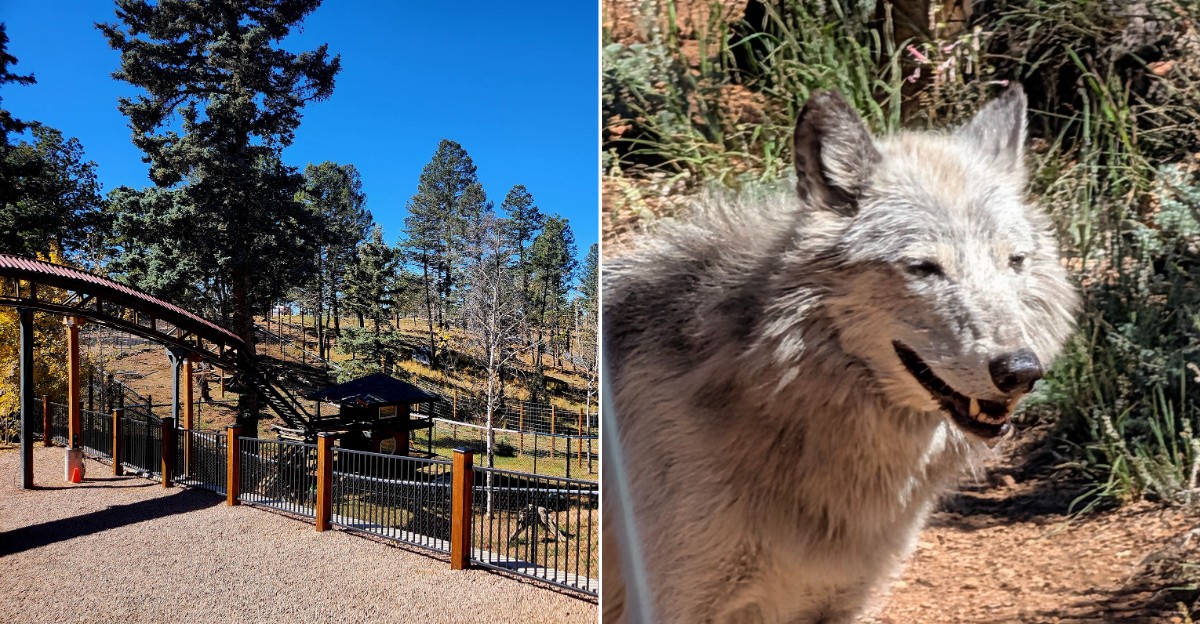
At the end of one particular guided tour, the whole group tips back their heads and howls. Then an entire pack of wolves howls right back.
That alone would earn a spot on my wish list. The same mountain refuge also offers sit-down wolf encounters, fox meetups, and a peek at rare swift foxes tied to a species survival program.
Few wildlife stops in Colorado let you trade howls with a real pack.
I love that every animal there has a name and a story. Guides share those stories honestly, including the tough parts about wolf survival in the wild.
The tour path is gravel, and the mountain setting around it looks gorgeous.
Gray wolf reintroduction has made headlines across Colorado since the first releases in December 2023. That makes learning about wolves feel extra timely right now.
So, how loud do you think you could howl?
A Mountain Refuge Built For Animals Who Need A Forever Home
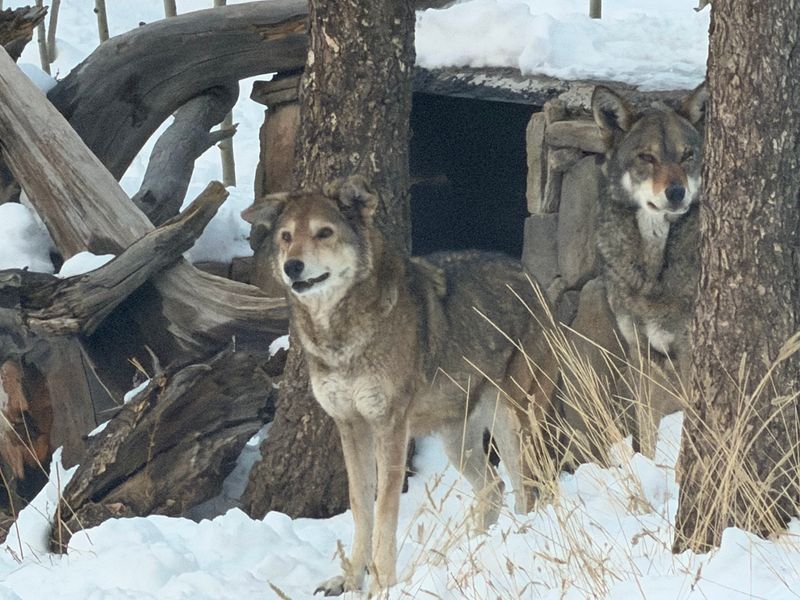
High in the hills west of Colorado Springs, a nonprofit has spent decades giving wild canines a safe place to land. The Colorado Wolf and Wildlife Center cares for wolves, foxes, coyotes, and more for the rest of their lives.
Founder Darlene Kobobel started the sanctuary in 1993 after trying to find a home for a rescued wolf-dog. That one search turned into a full mission focused on education, conservation, and lifelong care.
Today, the center holds accreditation from the Association of Zoos and Aquariums. That stamp means the care, safety, and animal welfare here meet a demanding national standard.
Wolves are social animals, so staff work hard to pair compatible companions whenever they can. Nobody wants a lonely wolf, and the team clearly agrees.
Every visit happens through a guided experience, not a free-roaming stroll. You won’t wander alone, which means you’ll always have an expert nearby to answer questions.
Your ticket also helps fund the animals and the center’s conservation work. Honestly, it’s hard to think of a better reason to spend an afternoon in the mountains.
You get a memorable outing, and the residents get support that keeps their bowls full and enclosures cared for.
Your Guide Knows Every Wolf By Name, And Their Backstory Too
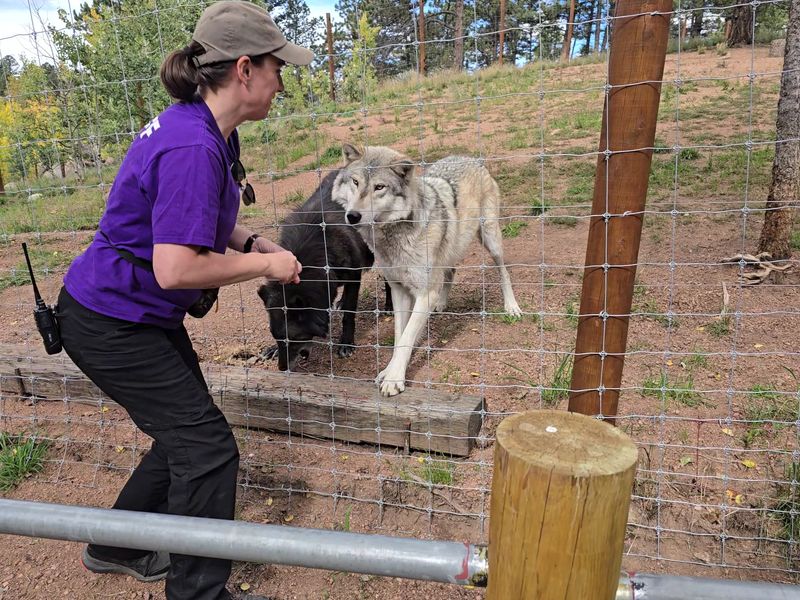
Names, quirks, rescue stories, and personality notes come flying fast on the standard guided tour. It runs about an hour, and the guides know each animal like a close friend.
The route follows a gravel path with a couple of inclines. It works well for kids and older visitors, so the whole family can come along.
Along the way, guides often hand out treats to the animals while they talk. That small trick brings wolves right up to the enclosure, sometimes just a few feet away.
Be ready for real talk, though. The staff doesn’t sugarcoat the challenges wolves face, including laws that affect their protection across the country.
That honesty is part of the charm. You leave knowing more than how fluffy a wolf looks, and you might even rethink a few fairy tales.
Bring good walking shoes and a jacket that matches the mountain weather. A camera is a smart idea too, since the animals can come surprisingly close.
One more tip: book ahead whenever possible. Reservations make planning smoother, and they help you lock in the time slot that fits your day best.
Get Ready To Howl, Because The Pack Will Answer
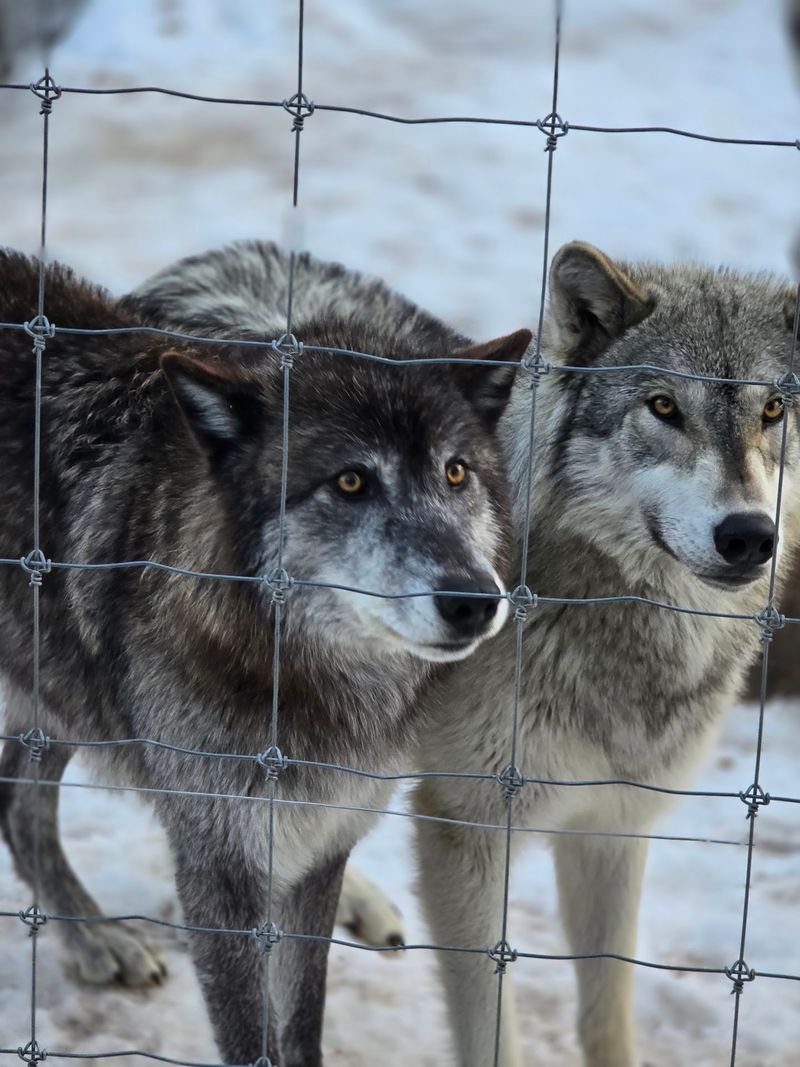
Ever howled at a wolf and had it howl back? At the end of the tour, your whole group gets that exact chance.
Everyone lifts their voices together, a little awkwardly at first. Then the wolves join in, and the chorus rolls across the property.
This group howl is easily one of the most talked-about parts of a visit. It’s the kind of moment that turns grown adults into excited kids in seconds.
Here’s a fun bit of science. Wolves howl to communicate with pack members, advertise their presence to other packs, and help coordinate group activities, but their responses to human howling should not necessarily be interpreted as friendly greetings.
Don’t worry about sounding perfect. The wolves aren’t judging pitch, and nobody is handing out scores for style.
Kids usually love this part the most. Teens who swore they wouldn’t participate might sneak in a howl when they think no one is watching.
If you want a souvenir, record a short video. Just remember to actually howl too, because watching through a screen is only half the fun.
Trust me, your phone can hold the memory, but your lungs deserve the workout.
Sitting Inside A Wolf Enclosure Is Exactly As Wild As It Sounds
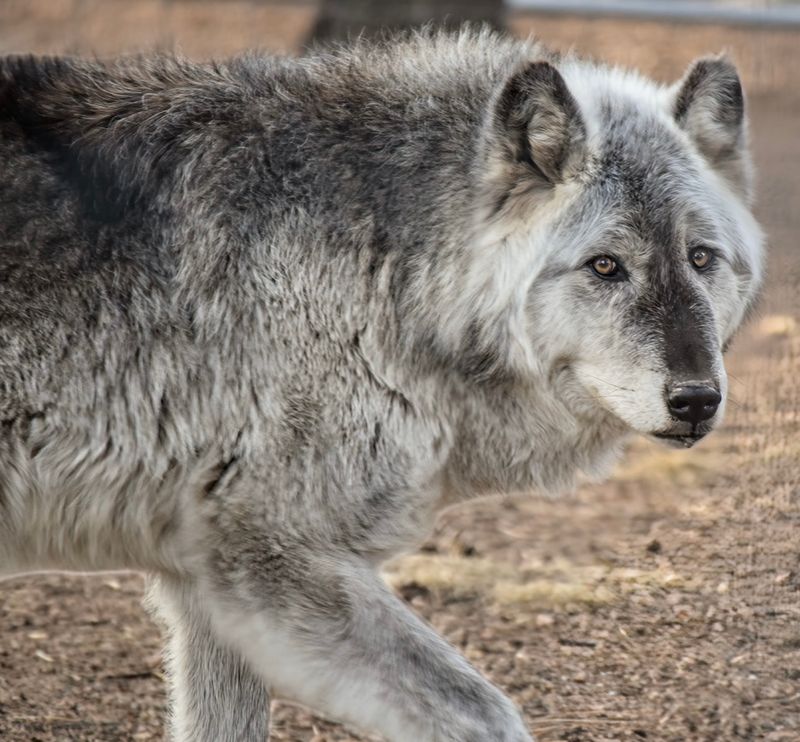
Petting a wolf might sound like a movie scene, yet the center’s interactive encounters make it real. These experiences let small groups sit inside an enclosure with select wolf ambassadors.
The Meet and Greet includes a standard tour and an opportunity for guests aged 18 and older to enter an enclosure with selected wolves under staff supervision, although direct interaction depends on the animals’ behavior.
Arctic wolves are among the residents here, with thick pale coats built for icy tundra. Seeing that fur up close is a whole different experience than spotting it through a fence.
Dress matters for this one. Wear jeans or khakis, long sleeves, and closed-toe shoes, since wolves can be curious about loose clothing.
A photographer is often available during encounters. That way, you can stay in the moment instead of fumbling with your phone next to a wolf.
Spots for interactive experiences are limited, so plan early. These encounters cost more than the standard tour, and they’re worth checking ahead for age rules and availability.
Listen closely to your guide the whole time. The wolves set the pace, and respecting that is what makes the experience safe and special.
Meet The Tiny Swift Fox, A Plains Native Making A Comeback
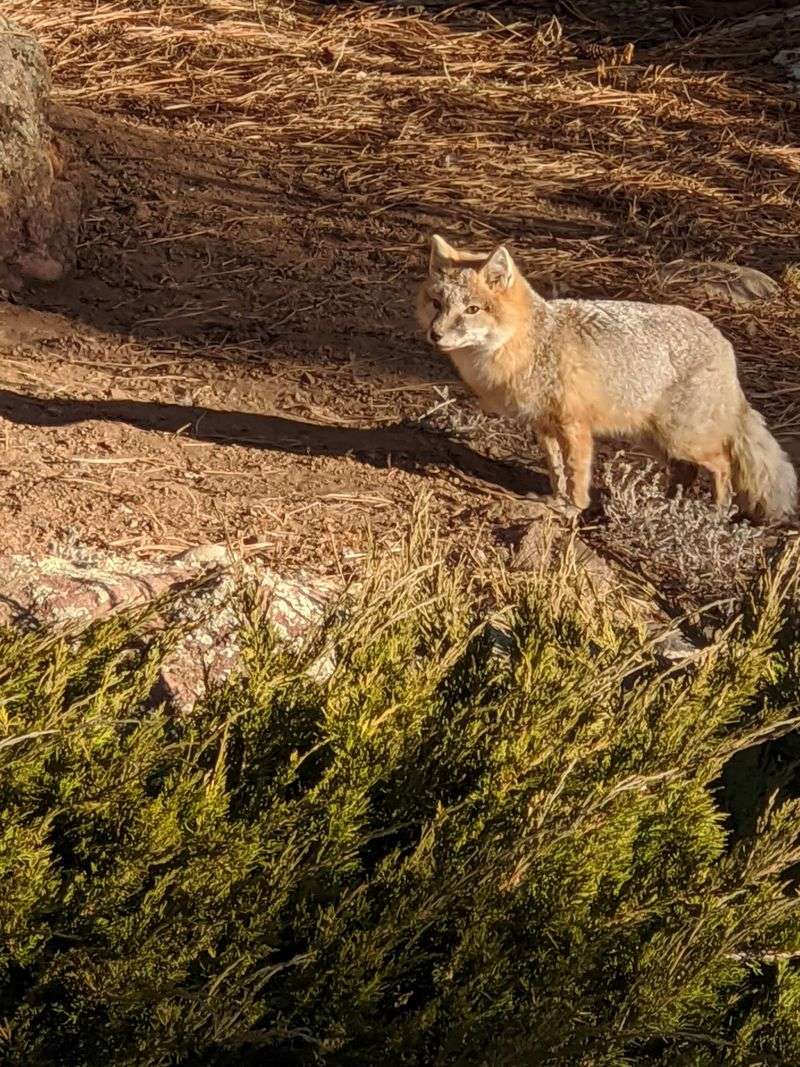
Small enough to compare to a house cat, the swift fox is one of North America’s tiniest wild canines. It’s also native to the shortgrass plains of eastern Colorado.
The center takes part in a Species Survival Plan for swift foxes. These programs help protect healthy populations through careful breeding and planning across accredited facilities.
Spotting one is a treat. Their big ears and quick little faces make them look like they’re always about to ask a question.
Swift foxes got their name for a reason. They can run surprisingly fast, which helps them escape predators out on open grasslands.
Other foxes live here too, and some can be met in person. A separate encounter offers guests aged 13 and older the opportunity to be photographed with a red fox or New Guinea singing dogs, depending on the animals’ behavior and the guides’ decisions.
That experience is a fun pick if wolves feel a bit big for your crew. Foxes bring smaller size, lots of personality, and plenty of photo moments.
Ask your guide about the swift fox program while you’re there. You’ll learn how one small animal connects to a much bigger conservation story on the plains.
Wolves Get Top Billing, But The Supporting Cast Steals Scenes
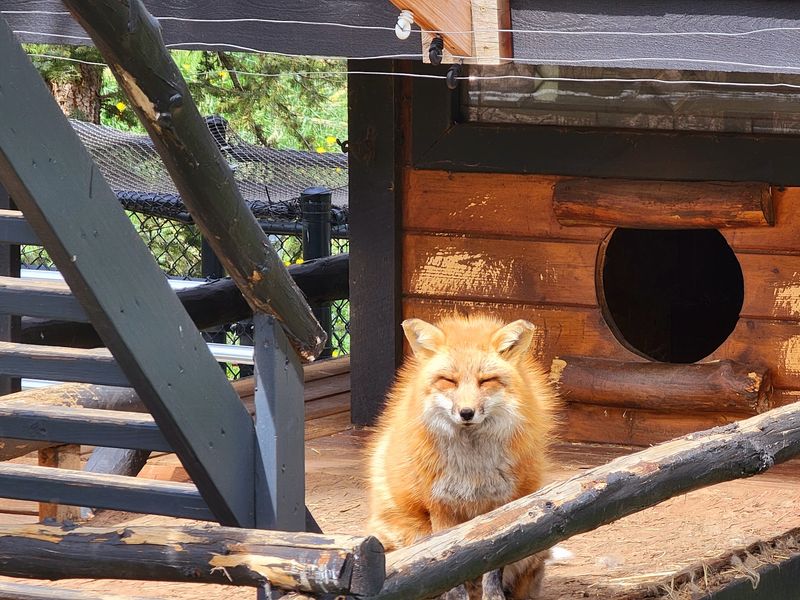
Coyotes, foxes, and New Guinea singing dogs all share the spotlight here. It’s a full lineup of wild canines, not a one-species show.
New Guinea singing dogs are especially fun to learn about. They’re known for unusual, melodic vocalizations that sound almost like yodeling.
Coyotes often get a bad reputation, but guides help clear up the myths. You’ll hear how clever and adaptable these animals are in the wild.
Each resident has its own story and personality. Some arrived as rescues, and guides share those histories with care and honesty.
Seeing several species side by side also makes comparisons easy. You’ll notice differences in size, ears, coat color, and even attitude.
Kids tend to love spotting which animal is which. It turns the tour into a living field guide, minus the homework.
Keep your eyes moving, because the smaller animals can be quick. A coyote can vanish behind a rock before you even lift your camera.
Patience usually pays off, so give each enclosure a moment before moving on. You might catch a stretch, a curious stare, or a playful pounce.
Dinnertime Tours Show Wolves At Their Most Lively
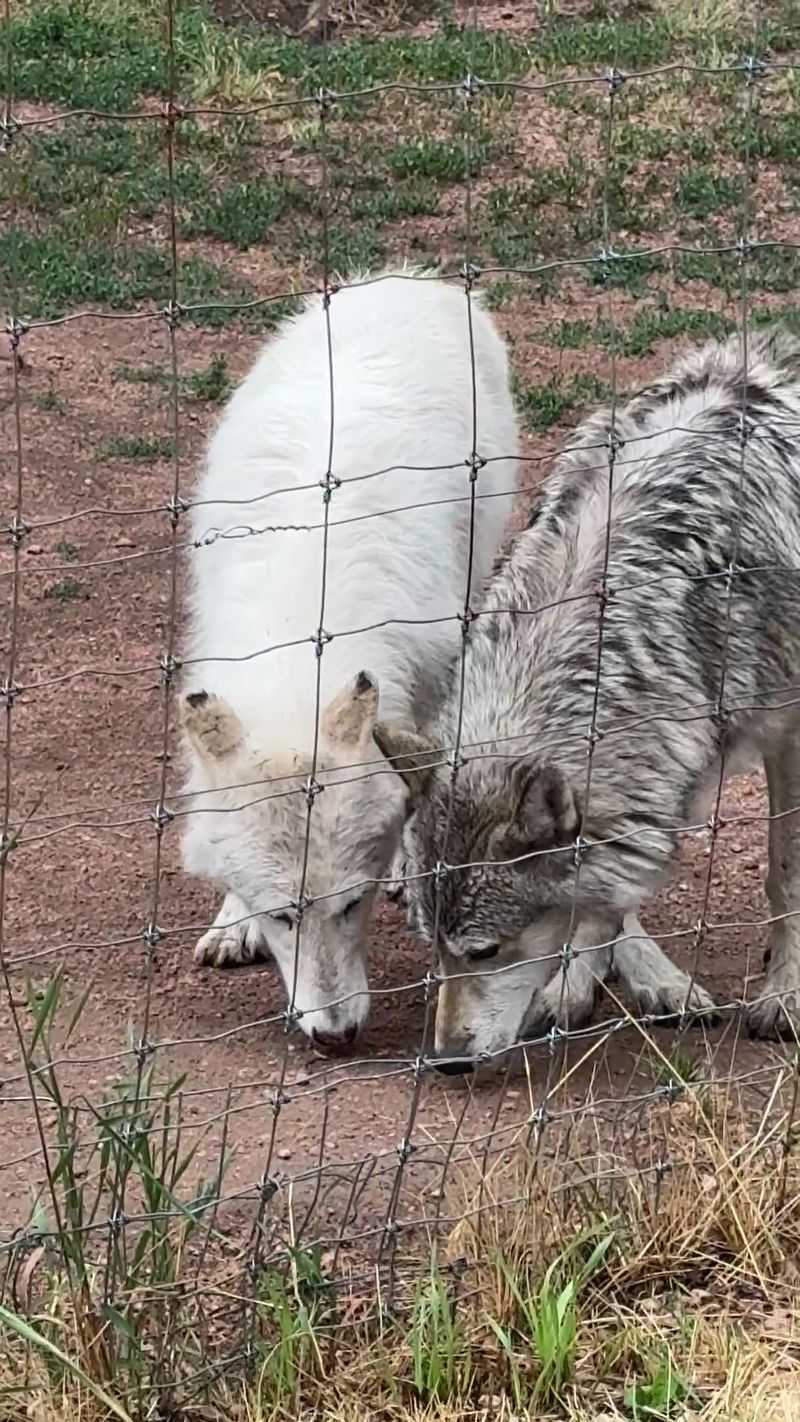
Hungry wolves are lively wolves, which makes the feeding tour a smart pick. This option lets you watch the animals during mealtime while guides explain what’s happening.
Wolves in the wild often eat a lot at once and then go without for a while. Learning how the center handles feeding gives a fresh look at how these animals naturally live.
The feeding tour still includes plenty of storytelling. Guides cover individual personalities, rescue histories, and conservation challenges along the way.
And yes, the howl still happens. Ending a feeding tour with a full pack chorus is quite the way to wrap things up.
Feeding tours are usually scheduled at specific times. Check availability before you go, since these spots can fill quickly during busy seasons.
Dress in layers for this one. Mountain weather can shift during the day, and you’ll be outdoors the whole time.
If you’ve already done the standard tour, this makes a great second visit. It shows a different side of the animals and gives returning guests something new to enjoy.
Plus, you get another excuse to howl in public without anyone side-eyeing you.
Your Visit Turns Into Real Help For Wolves Everywhere
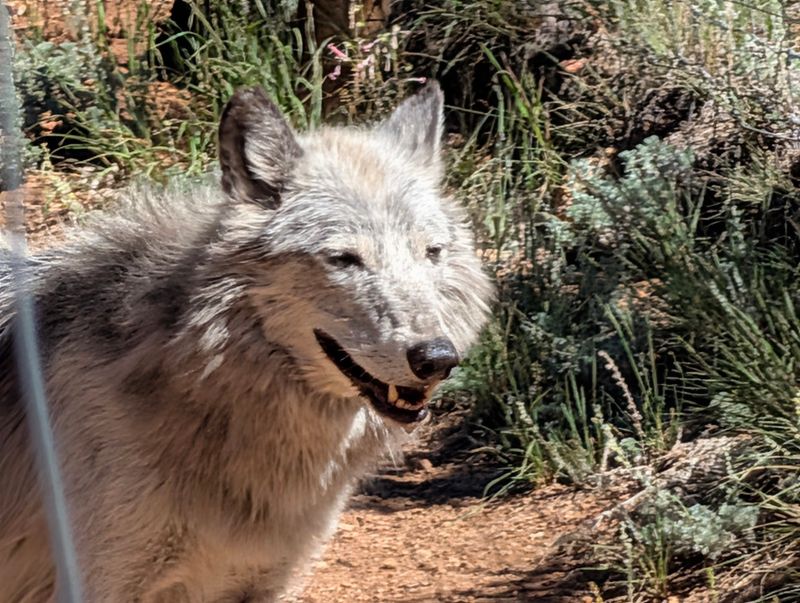
Conservation sits at the heart of everything this sanctuary does. Guides explain why wolves matter to healthy ecosystems and what threatens them today.
Wolves help balance nature by keeping populations of deer and elk in check. By influencing prey populations and behavior, wolves can indirectly affect vegetation and other wildlife, although these ecological effects vary among ecosystems.
The center also takes part in species survival programs. These efforts help protect animals whose numbers have dropped dangerously low in the wild.
Many guests leave with a new view of wolves. Old stories paint them as villains, but the real animals are smart, social, and family-focused.
Want to help after your visit? Donations, gift shop purchases, and simply sharing what you learned all support the work.
The topic feels especially timely right now. Wolves have returned to parts of Colorado, and that makes understanding them more important than ever.
Bring your questions, even the tough ones. The staff welcomes curiosity and gives honest answers about laws, habitat, and the future of wolves across the country.
You might walk out with a new cause to care about, and that’s a pretty great souvenir.
Plan Smart Before You Head Up The Mountain
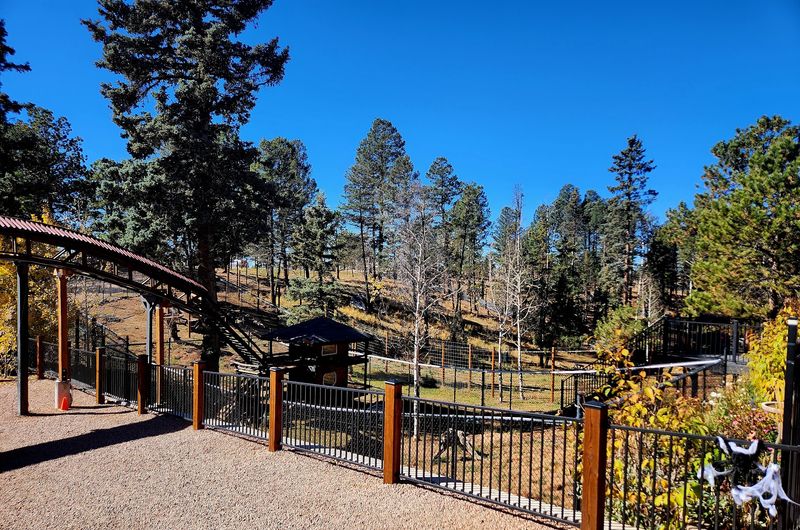
Getting there is easy enough, but timing matters. The Colorado Wolf and Wildlife Center sits at 4729 Twin Rocks Road, Divide, CO 80814, a short drive from Woodland Park.
Watch the calendar before you go. The center is closed on Mondays and Thursdays, with standard guided tours generally beginning at 10 AM on operating days.
Reservations are strongly encouraged, especially for interactive experiences. Booking ahead saves you from a disappointing drive and helps secure your preferred time.
Traveling with your dog? Pets can’t join the tour, but there’s an on-site dog relief area for quick breaks.
The gift shop is worth a stop after your tour. Proceeds support the animals, so your new wolf shirt or magnet does some good.
Pair your trip with a day exploring this part of Colorado. Pikes Peak country is full of scenic drives, and the sanctuary fits nicely into a mountain getaway.
Bring water, sunscreen, and a warm layer. The weather can change fast at this elevation, and you’ll want to stay comfortable for that grand finale howl.