
The Wonderfully Quirky Toy Museum In Colorado That You’ve Probably Never Even Heard Of
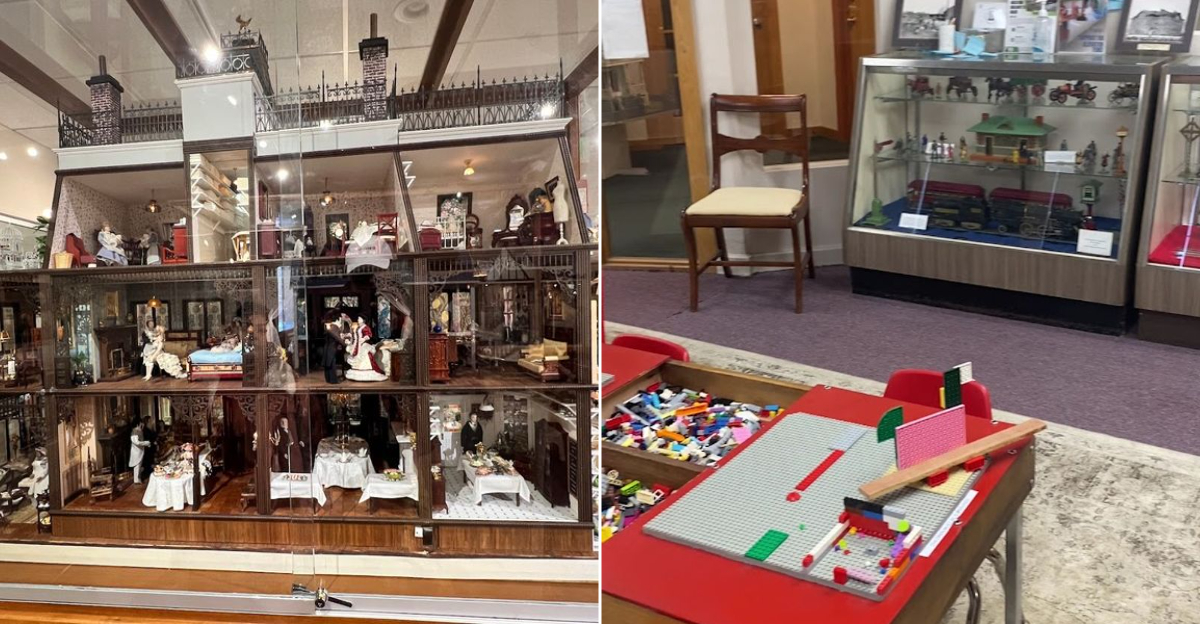
Some attractions impress by being enormous, but this one wins you over by making the tiniest details feel impossible to ignore. Inside an unassuming historic cottage, visitors find a world built on patience, precision, and pure imagination.
Miniature rooms reveal wallpaper, lamps, furniture, and fabric so carefully arranged that you may catch yourself leaning closer just to see what else is hiding in plain sight. Colorado is often praised for wide-open views, yet this indoor stop proves wonder can fit inside a space smaller than a shoebox.
What makes it so memorable is the way every little scene feels alive, as if someone simply shrank a full-size home and left the stories inside. It is charming without being predictable, strange in the best way, and surprisingly hard to leave.
For a different side of Colorado, this tiny treasure turns an ordinary outing into something delightfully unforgettable.
A Colonial Cottage With Serious Hidden Depths
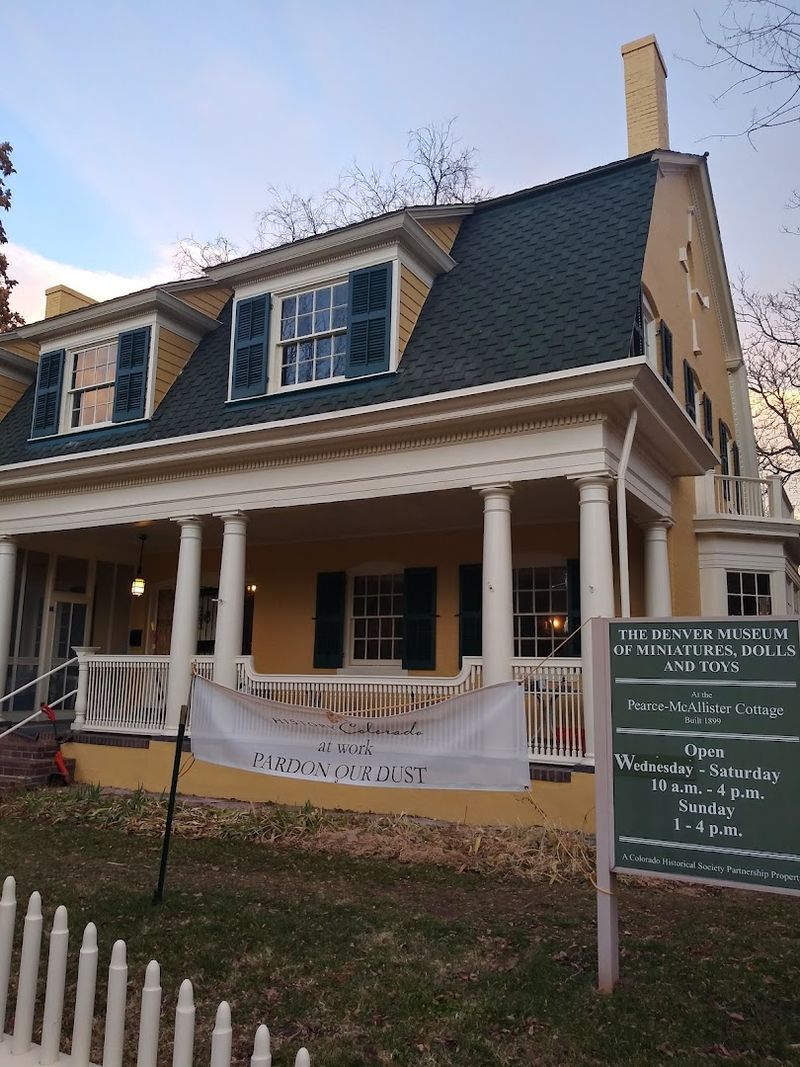
From the outside, this place looks like someone’s grandmother’s house. That is not a complaint.
The museum sits inside a property that visitors have noted dates back to around 1890, which means the building itself is part of the experience before you even pay the entry fee.
Step through the front door and the modest exterior gives way to rooms packed with extraordinary detail. Antique dolls, intricately built dollhouses, vintage toys, and rotating exhibits fill every corner with the kind of density that rewards slow, deliberate looking rather than a quick lap around the room.
The museum is open Thursday through Saturday from 10 AM to 4 PM and Sunday from 1 to 4 PM, so a little scheduling goes a long way. Admission runs just five dollars, which is the kind of price point that makes you feel slightly guilty for not visiting sooner.
Parking is available on site, the bathrooms are clean and easy to find, and the staff greet you like you made an excellent decision by showing up, which, for the record, you did.
Quick Tip: Arrive when the museum opens to get the most unhurried experience, especially on weekends when foot traffic picks up.
What Five Dollars Actually Gets You Here
There is a certain kind of value that stops you mid-stride and makes you reconsider every overpriced museum ticket you have ever bought.
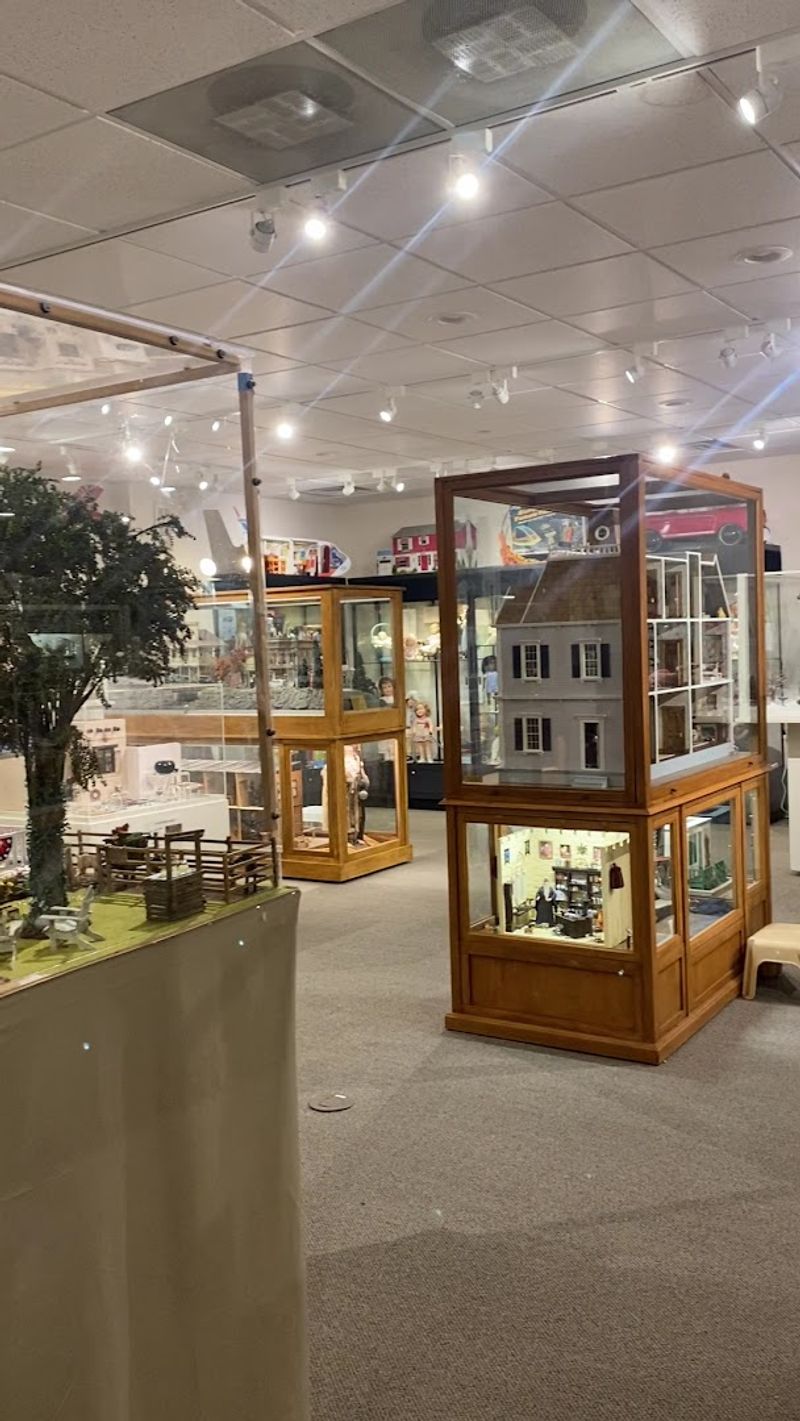
Five dollars gets you full access to the Denver Museum of Miniatures, Dolls and Toys, Colorado, including the main floor exhibits, the lower level vintage toy displays, and whatever rotating or seasonal exhibit happens to be running during your visit.
The museum reportedly holds a collection of around twenty thousand pieces, though only a fraction is currently on display while expansion work continues. That means what you see today is essentially a curated highlight reel of something much larger, which is both humbling and exciting.
A small gift shop on site carries miniature items, some priced under a dollar, which makes it dangerously easy to leave with more than you planned. The supply closet area is worth a look if you have any interest in dollhouse decor or craft materials at discounted prices.
Best For: Budget-conscious families, curious solo visitors, and anyone who enjoys feeling like they discovered something the rest of the world has not caught up to yet.
The Miniatures That Make You Stop Breathing For A Second
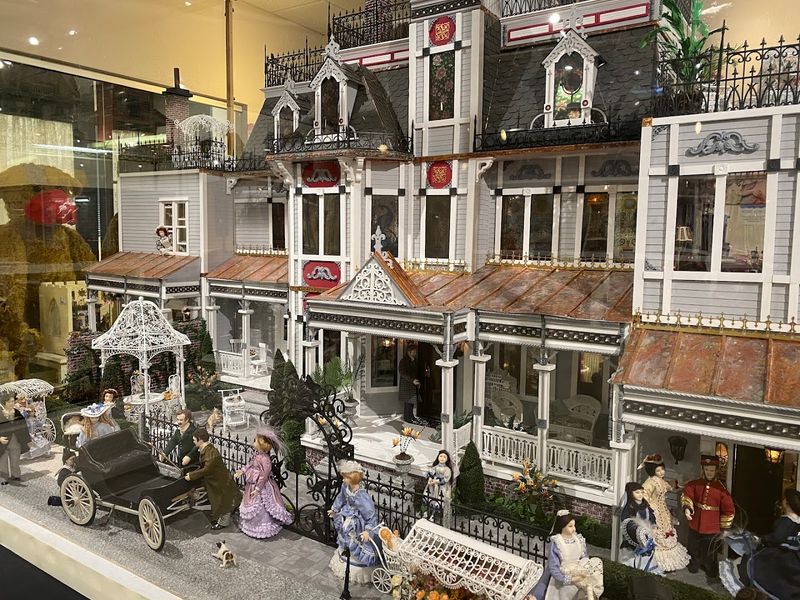
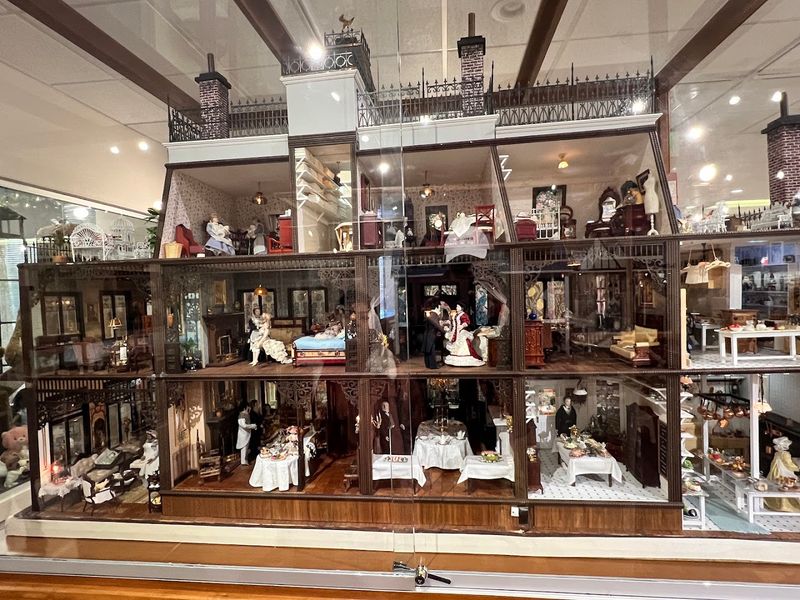
Miniature art has a way of doing something to the human brain that full-scale objects simply cannot. You lean in, your eyes adjust, and suddenly you are looking at a working fireplace the size of a matchbox with a mantelpiece that has actual carved detail on it.
That is the experience waiting inside this museum.
The dollhouses on display span different historical periods and styles, so each one tells a different story. One dollhouse on loan from the Denver Art Museum is believed to date back to as early as 1801, making it a genuine artifact from a time before polymer clay even existed as a crafting material.
Visitors have noted a fascinating sarcophagus detail inside one of the first houses, the kind of thing you would never spot without slowing all the way down.
Staff member Neal is frequently mentioned by visitors for his ability to explain how to read a miniature dollhouse in a way that completely reframes what you are looking at. His knowledge of the collection’s history adds a layer that no exhibit label alone could provide.
Insider Tip: Ask about the stories behind individual pieces. The context transforms a display case into something closer to a biography.
The Basement That Smells Exactly Like Your Grandparents’ House
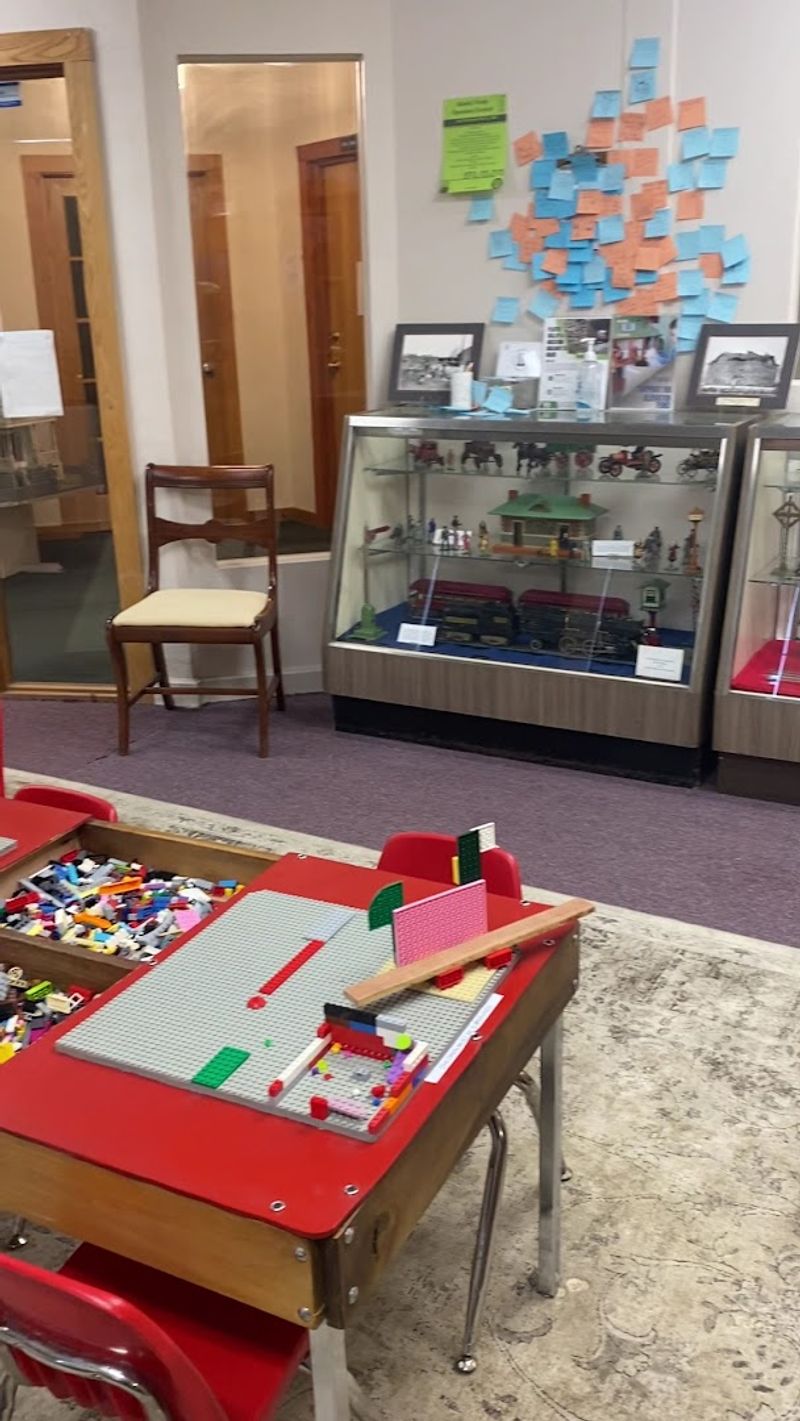
Heading downstairs at this museum is a sensory time travel experience that nobody fully prepares you for. Visitors have described a distinct old-wood scent in the lower level, likely from the cherry wood display cases, that lands somewhere between a well-loved library and a grandparent’s storage room.
It sounds odd. It is oddly perfect.
The lower level houses the vintage and antique toy displays, with a strong representation of toys from the 1970s and 1980s. If you grew up during those decades, expect to stop cold in front of at least one cabinet and spend a quiet moment processing the fact that your childhood is now considered museum-worthy.
There is also a LEGO table down here for younger visitors, which keeps the space genuinely multi-generational rather than just nostalgic for one age group. Craft workshops have also been held in the basement, making it a functional space rather than just a storage-level afterthought.
Who This Is For: Gen X visitors who want a nostalgia gut-punch delivered at a reasonable price, and younger kids who need something hands-on to anchor the visit.
Common Mistake to Avoid: Skipping the basement entirely because the main floor looks complete. It is not complete without the lower level.
Scavenger Hunts, Spy Games, and the Art of Looking Closely
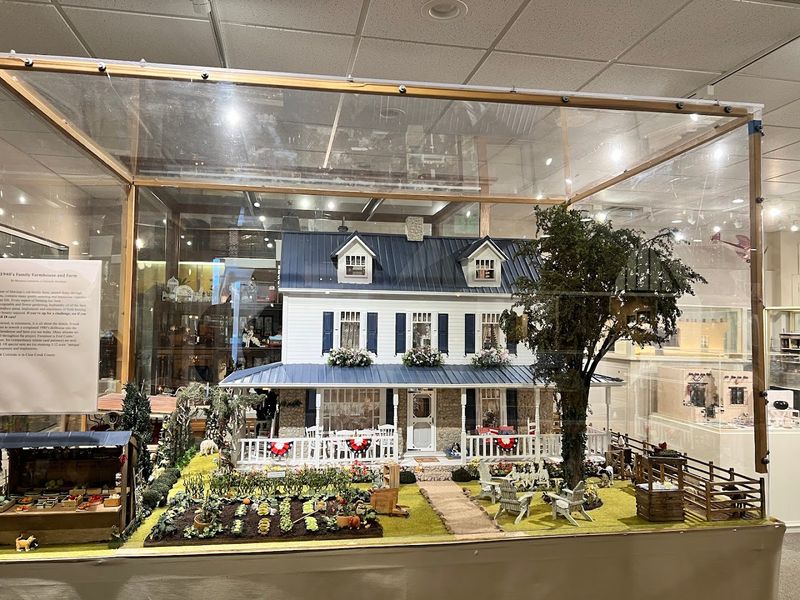
One of the quieter surprises at this Colorado museum is how actively it invites you to look rather than just glance. Scavenger hunt prompts are scattered throughout the exhibits, turning passive observation into a small mission.
One particularly beloved challenge involves finding eighteen cats hidden inside a single farmhouse display, which sounds easy until you are twenty minutes in and still counting.
This approach works brilliantly for families with kids who might otherwise lose interest in standing still and admiring craftsmanship. It also works for adults who enjoy having a structured reason to stare at something for longer than feels socially acceptable.
The scavenger hunts make lingering feel purposeful.
Visitors consistently note that the activity prompts throughout the museum make the experience feel participatory rather than passive.
Couples, solo travelers, and family groups all seem to find their own rhythm here without the space feeling crowded or rushed, even when multiple groups are moving through at the same time.
Pro Tip: Take the scavenger hunt seriously. It slows you down in the best possible way and guarantees you will notice details that a casual walk-through would completely miss.
How To Make This A Proper Lakewood Afternoon
The museum sits on Kipling Street in Lakewood, which puts it within easy reach of a post-visit lunch or a pre-museum errand run without requiring any real logistical effort. The whole visit tends to run between one and two hours, making it a natural anchor for a relaxed weekend afternoon rather than a full-day commitment.
Pair it with a stop at a nearby coffee shop or grab lunch somewhere along the route and you have assembled a low-effort, high-return Saturday without a single spreadsheet or advance booking required.
The parking situation on site removes the one variable that usually derails spontaneous outings in the Denver metro area.
Families with younger children will appreciate that the visit length is genuinely manageable. Nobody is dragging a tired seven-year-old through hour four of an exhausting itinerary.
The museum delivers its experience efficiently and sends you back out into the afternoon with energy to spare and something interesting to talk about over whatever meal comes next.
Planning Advice: Check the museum’s hours before you go, as it is only open Thursday through Sunday. A quick phone call to +1 303-322-1053 or a visit to dmmdt.org confirms current hours and any special exhibits running during your visit.
The Real Reason People Keep Coming Back
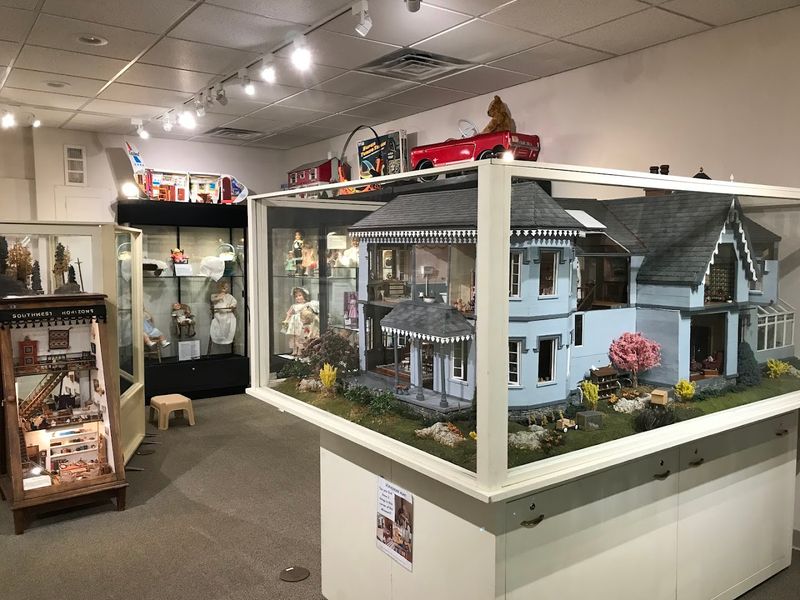
There is a version of this museum that could feel like a dusty curiosity cabinet maintained out of obligation. This is not that version.
The staff here, particularly Neal, come up repeatedly in visitor accounts not as pleasant background fixtures but as the reason a one-hour visit stretched into two and left people genuinely wanting to return.
Neal functions as something between a tour guide, a librarian, and a miniature art historian, and visitors who arrived knowing nothing about the craft have left with a working vocabulary for what makes a particular dollhouse exceptional.
That kind of knowledge transfer is rare in a small museum setting and it is clearly not accidental.
The museum is also actively growing. The collection reportedly holds around twenty thousand pieces, with only a portion currently on display.
An elevator permitting process is underway that would open the second floor to exhibits, which means future visits will offer something genuinely new rather than the same rotation reshuffled.
Quick Verdict: This is a museum that punches well above its square footage, staffed by people who actually care whether you leave knowing more than when you arrived. For five dollars and a free Saturday afternoon, that is an exceptionally good deal.