
The World’s Largest Independent Air And Space Museum Is In Washington
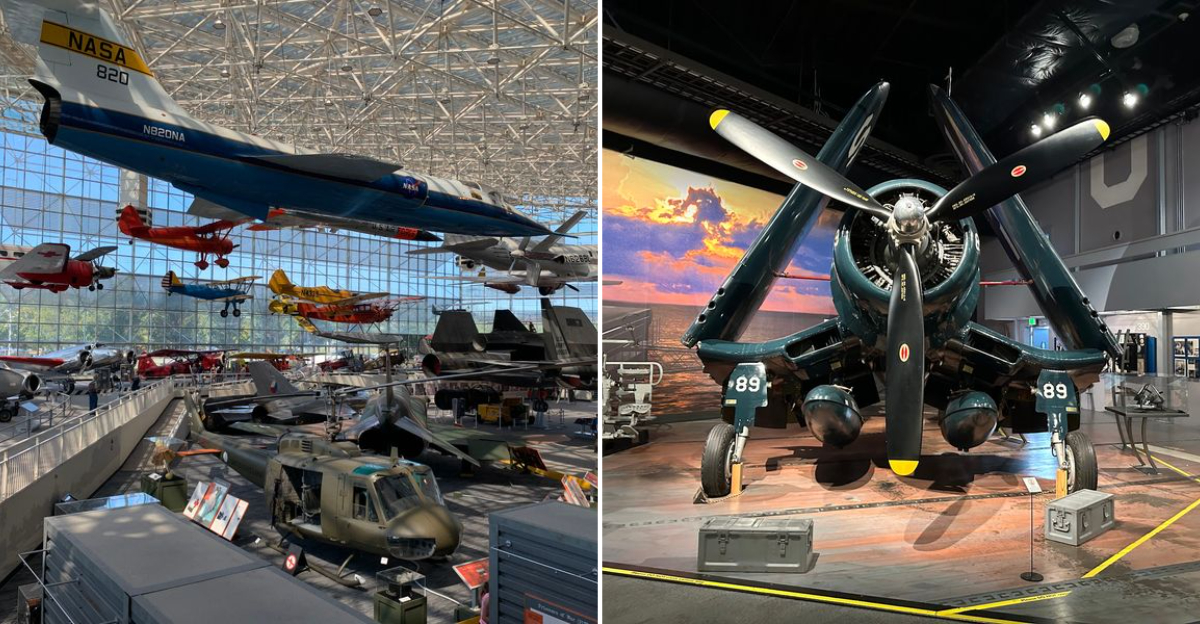
I walked into The Museum of Flight expecting a few old planes behind velvet ropes, and instead I found myself standing under the nose of a Concorde, peeking into a presidential cabin, and staring at a real Space Shuttle Trainer that astronauts once climbed through.
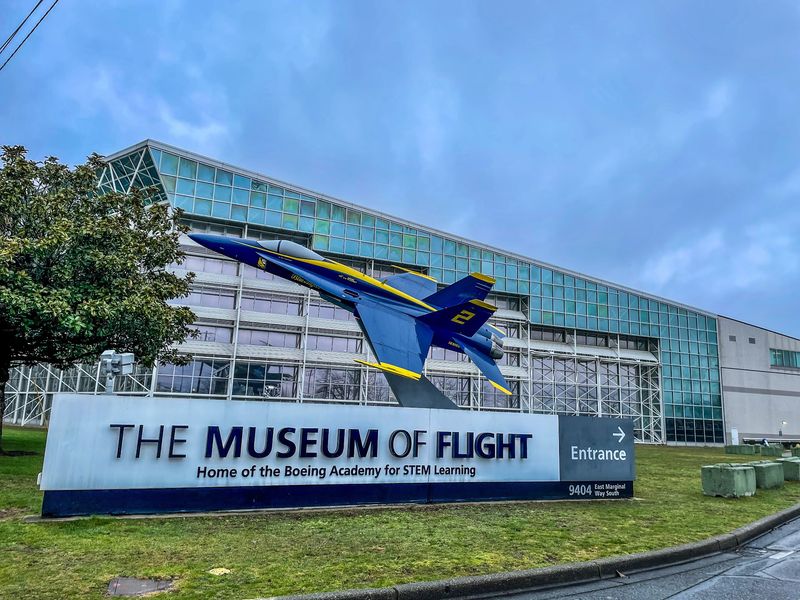
Sitting at 9404 East Marginal Way South in Seattle, Washington, right at the south end of King County International Airport, this place holds more than 175 aircraft and spacecraft, plus a barn where Boeing built its very first planes.
Jets rumble overhead while you tour, which makes the whole visit feel alive rather than frozen behind glass. I spent hours here and still left with a mental list of things I missed.
Stick with me and I will walk you through the halls I loved most, the exhibits worth lingering over, the free admission trick locals use, and the small practical details that make a visit smoother. Bring comfortable shoes and a curious brain, because you are going to need both.
The Red Barn, Where Boeing Got Its Start
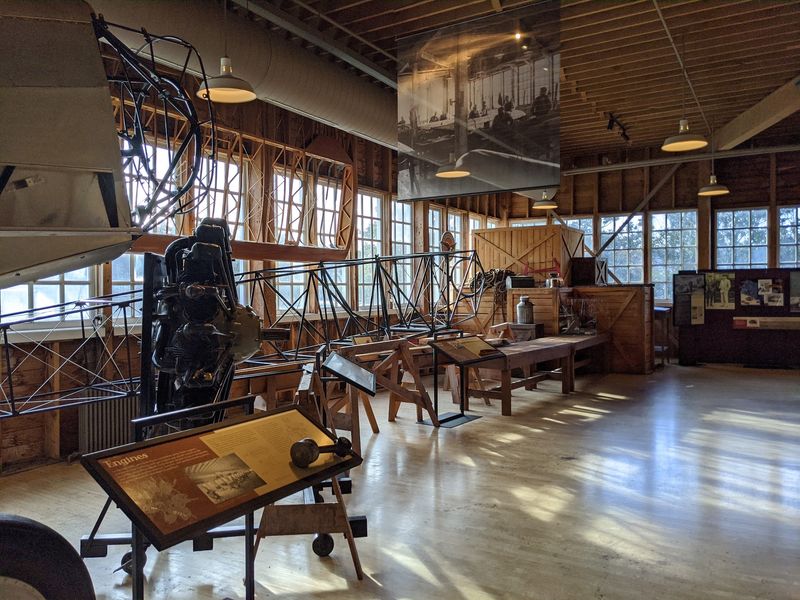
Built in 1909 and rescued from the wrecking crew, the Red Barn is the oldest piece of the whole complex. Boeing built its earliest airplanes inside these wooden walls, and when the building was threatened, it was floated down the river by barge and restored in 1983.
Walking through, I found recreated workstations with fabric, wire, and wooden ribs laid out the way early builders left them. Historic photographs line the halls, and short films fill in the story of how a small Seattle workshop grew into an aviation giant.
What struck me most was the smell and creak of old timber, something no modern gallery can copy. Kids tend to run past it toward the big jets, so I suggest starting here while everyone is still fresh and patient.
Give yourself twenty minutes minimum. The Red Barn became the museum’s first permanent home, and understanding it makes every shiny aircraft you see later carry a little more weight.
The restored workshop makes those earliest days of aviation feel much more tangible than a timeline ever could.
Standing Beneath Giants In The Great Gallery
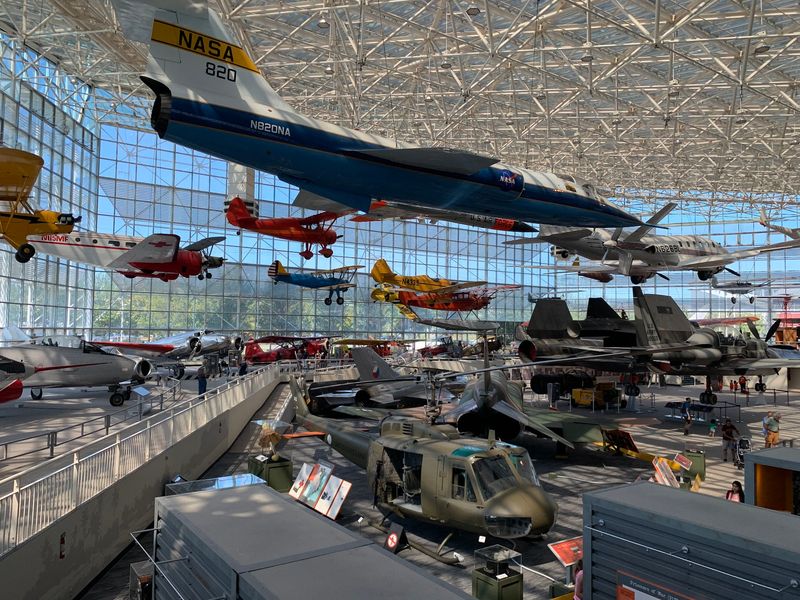
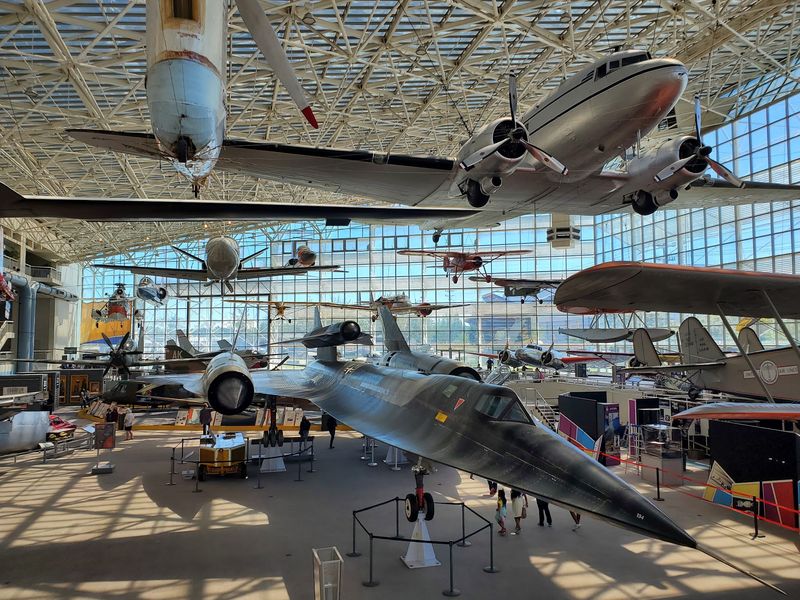
Six stories of glass and steel open above you the moment you step into the Great Gallery, which arrived in 1987 and still functions as the museum’s beating heart. Aircraft hang from the ceiling at angles that look frozen mid-maneuver.
I lost track of time wandering the floor level, then climbed to the upper walkway and got an entirely different set of views. Looking down on a fighter is a strange thrill, and the natural light pouring through the glass makes photography surprisingly easy.
Benches are scattered around, which I appreciated more than I expected after an hour of neck-craning. Interpretive panels stay short and readable, so you can skim or go deep depending on your energy.
Flight simulators sit nearby for anyone who wants to stop looking and start steering. My advice: circle the gallery twice, once quickly and once slowly, because the second pass always reveals aircraft you somehow walked right under.
The soaring gallery makes it easy to forget you are standing inside a museum instead of beneath a strangely crowded sky.
Air Force One And Concorde In The Aviation Pavilion
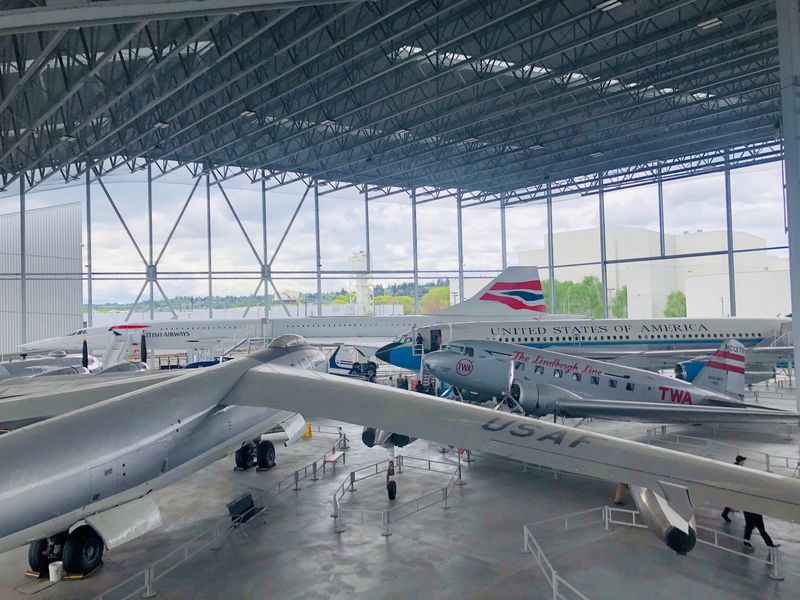
Few museums let you climb aboard a Concorde and a presidential jet in the same afternoon, but the Aviation Pavilion does exactly that. The covered outdoor structure shelters some of the largest aircraft in the collection, including a Boeing 747 and the first jet built to carry a United States president.
Ducking inside the Concorde surprised me. The cabin feels narrow and low, nothing like the glamour I had imagined, which somehow made it more fascinating.
Air Force One offers a different kind of thrill, with its conference space and communications gear preserved for viewing. Lines can build here on weekends, so I recommend heading over first thing at opening.
The pavilion is covered but not heated, so a jacket is smart during Seattle’s cooler months. Rain patters on the roof while you walk between fuselages, and honestly, that soundtrack fits the Pacific Northwest perfectly.
Climbing Through The Space Shuttle Trainer
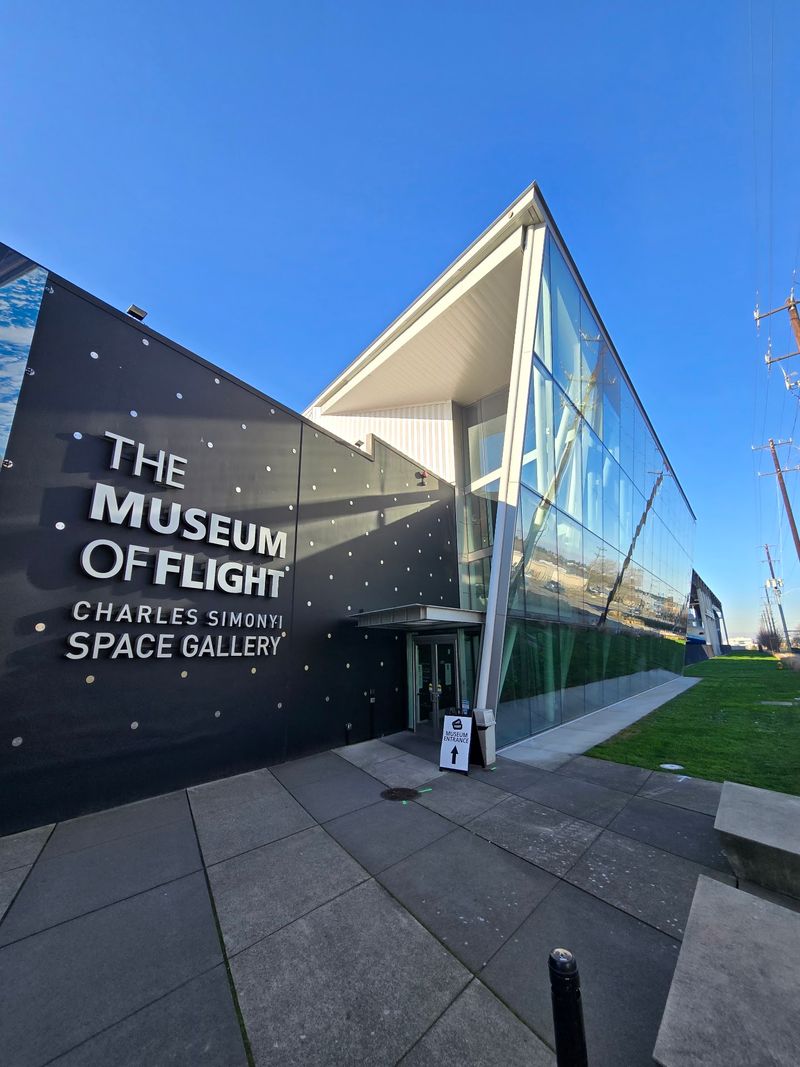
Astronauts trained inside this exact vehicle before heading to orbit, and now regular visitors can walk through the same crew compartment. The Charles Simonyi Space Gallery holds the Full Fuselage Trainer, and it remains the highlight of the museum for a lot of people, myself included.
The surrounding Space Exploration Gallery traces how rocketry moved from early experiments to routine orbital missions. Spacesuits, capsules, and mission artifacts fill the cases, and the lighting keeps everything feeling appropriately otherworldly.
Crew compartment tours require a separate timed ticket and they sell out, so I booked mine online before arriving. Standing where mission specialists rehearsed their tasks gave me genuine chills.
Even without the add-on tour, the payload bay walkthrough is included with general admission and worth the wait. Take a moment to read the astronaut quotes posted along the walls, because they add a human voice to all that engineering.
Wartime Aircraft In The Personal Courage Wing
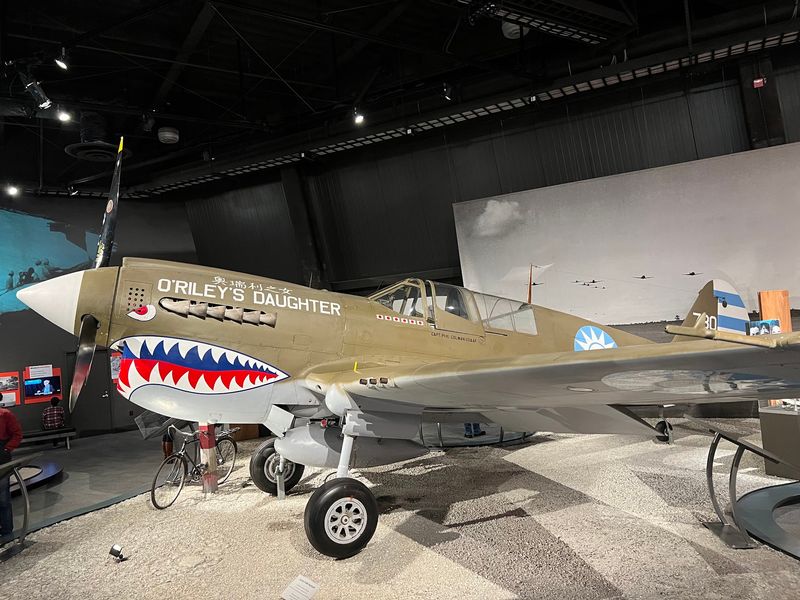
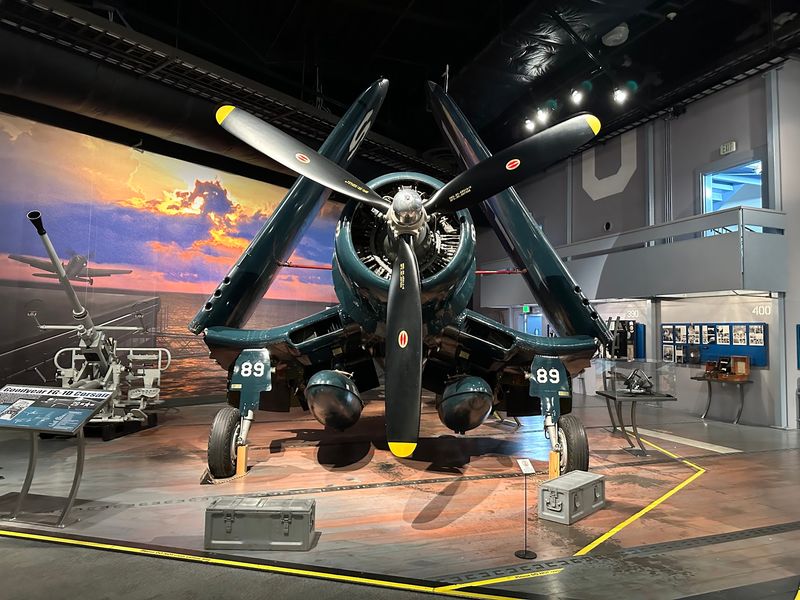
Twenty-eight aircraft from the First and Second World Wars fill the J. Elroy McCaw Personal Courage Wing, which opened in 2004. Planes from several nations sit side by side, restored to a level of detail that borders on obsessive.
Fabric-covered biplanes occupy one floor while sleek metal fighters take the other, and the contrast between the two eras is startling when you see them stacked like that. Painted backdrops and period settings give each aircraft context instead of leaving it stranded on bare concrete.
I found the personal stories displayed alongside the machines more memorable than the machines themselves. Letters, photographs, and flight logs turn statistics into people.
Volunteers often stand nearby, and many of them know these aircraft inside and out. Ask a question and you may get a fifteen-minute answer packed with details no placard could hold. That conversation ended up being my favorite souvenir from the whole day.
Free Thursday Nights And Other Ticket Tricks
Here is the tip locals guard closely: admission costs nothing between 5:00 PM and 9:00 PM on the first Thursday of every month. I used it once and found the galleries buzzing but never unbearable.
Standard pricing runs $29 for adults, $25 for seniors 65 and older, $21 for youth aged five to seventeen, and free for children four and under. Groups of ten or more receive a discount, and visitors on public or government assistance can buy $3 tickets in person for up to two adults and four youth.
Return visits within seven days also come at a reduced rate, which helps if you realize halfway through that one afternoon was not enough.
Doors open daily at 10:00 AM and close at 5:00 PM, with closures on Thanksgiving and Christmas Day. Parking costs nothing either, a rare thing anywhere near Seattle.
Planning Your Day, Plane Spotting And The Wings Cafe
Plan on two to three hours if you want a comfortable pace, though I stretched mine closer to five without trying. The museum sits at the southern end of Boeing Field, so real aircraft take off and land while you tour, and the windows near the cafe make excellent free viewing seats.
Wings Cafe handles lunch on site, and the gift shop stocks everything from model kits to books for anyone who leaves inspired.
Accessibility is solid throughout, with ADA compliance, wheelchair access, and service animals welcome. Strollers roll easily between galleries too.
Families should look into the Aviation Learning Center and Challenger Learning Center programs, which run alongside the museum’s K through 12 offerings and summer camps. Researchers can book time in the Library and Archives, opened in 2002.
Arrive at opening, tackle the pavilion first, and save the Red Barn for when your legs need a slower pace.
Hands-On Learning In The Aviation Learning Center
Kids get a mock pilot license here, and honestly, plenty of grown-ups want one too. The Aviation Learning Center is set up like a small airfield indoors, complete with a control tower station, weather briefing desk and single-engine simulators.
Staff walk you through pre-flight checks before letting you take the controls. My nephew crashed twice, laughed both times, then landed cleanly on his third try.
Sessions run on a schedule and fill fast on weekends, so check the board when you arrive. It is included with admission, which makes it one of the best deals in the building.
The setup makes it easy for kids to imagine themselves running a real flight. Even the weather desk adds a little suspense before takeoff. I liked how the experience mixes play with enough detail to make it feel believable.
Parents tend to hover nearby and offer advice they absolutely were not asked for.
The simulators turn every attempt into a small challenge, which keeps kids coming back for another try. By the end, that mock license feels surprisingly well earned.