
The World’s Largest Shoe Is Hidden In Pennsylvania And It’s A Roadside Attraction Unlike Anything Else
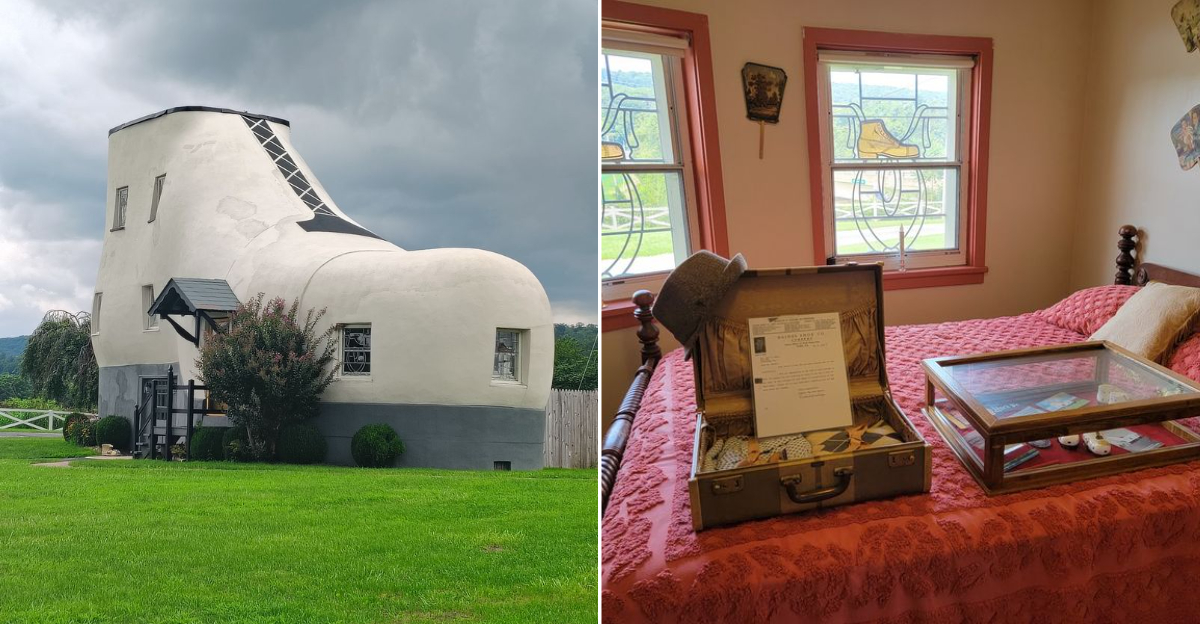
Roadside attractions are supposed to be a little strange, but a giant shoe-shaped building takes that rule very seriously.
Pennsylvania is home to one of those places that makes you pull over simply because your brain needs a closer look.
The scale is absurd in the best way, and the whole thing feels like someone turned a joke into architecture and then committed fully to the idea.
That is what gives oddball landmarks their charm. They break up the drive, give you something ridiculous to photograph, and make the trip feel less predictable without asking for much effort.
I have a weakness for roadside stops that make me say, “There is no way that is real,” before immediately looking for a place to park. I do not need a deep historical reason or a perfect itinerary.
If Pennsylvania puts a giant shoe beside the road, I am absolutely going to see it for myself and probably take far too many photos while I am there.
A Shoe Salesman With A Very Big Idea
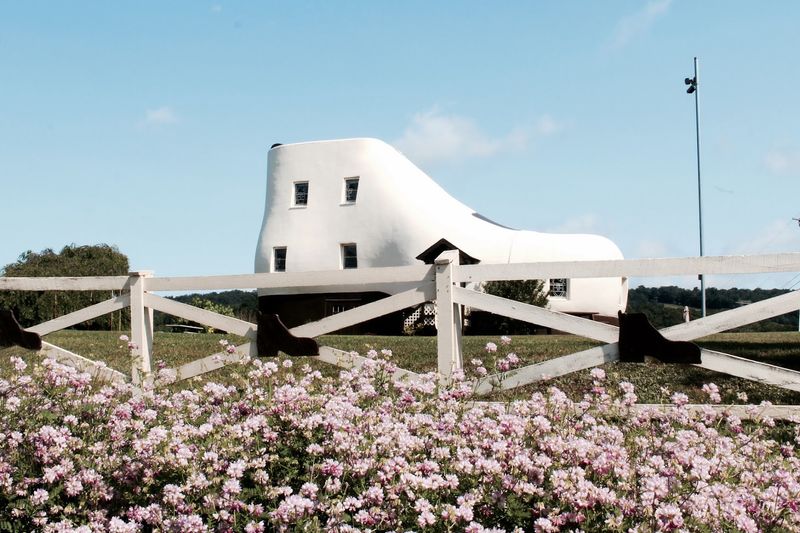
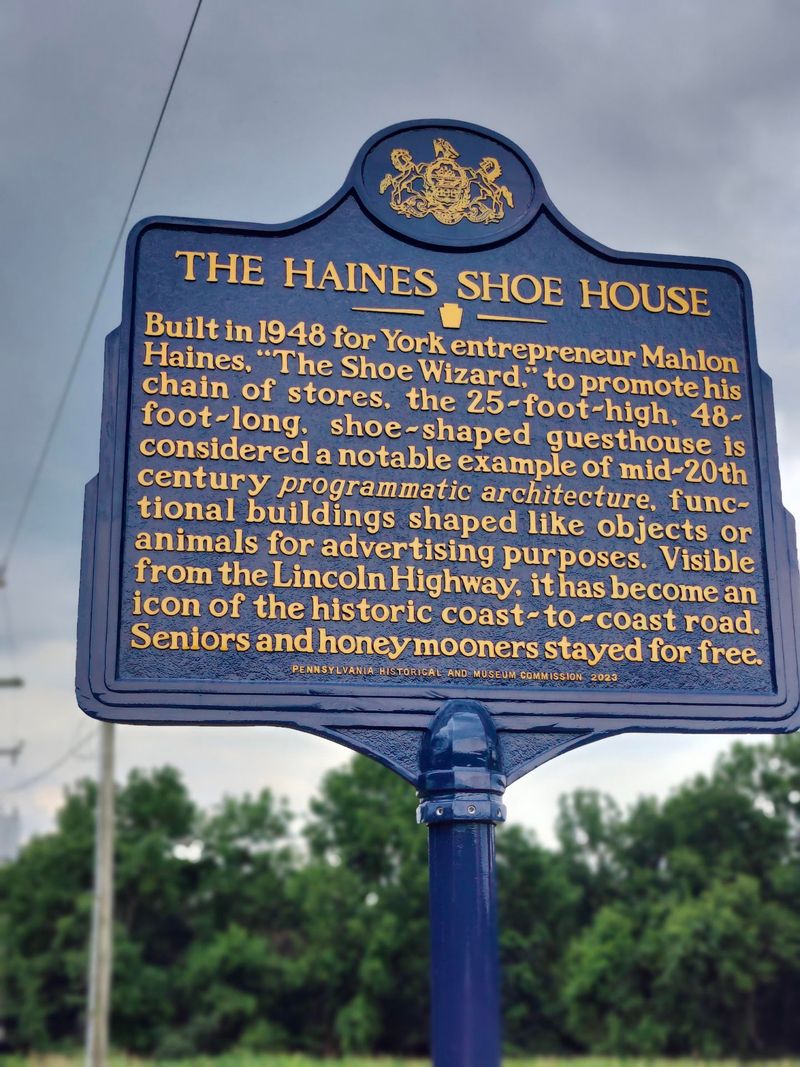
Back in 1948, a self-taught shoe seller named Mahlon Haines decided the best billboard was one people could actually walk inside.
He handed an architect a work boot and told him to build a house shaped exactly like it. No blueprints of a normal home, no compromise, just a boot with windows.
Haines ran a chain of shoe stores across York County and the surrounding parts of Pennsylvania, and he called himself the Shoe Wizard without a hint of shyness.
His logic was simple. If a building looked strange enough, drivers would stop, talk about it, and remember the name on his stores.
Nearly eighty years later, the plan still works. People pull over, take photos, and repeat his story to friends.
What I love most is that the whole thing began as marketing and accidentally turned into a landmark that outlived every store he owned.
Not many advertisements get preserved, restored, and admired generations after the sale ended.
Five Levels Packed Into One Giant Boot
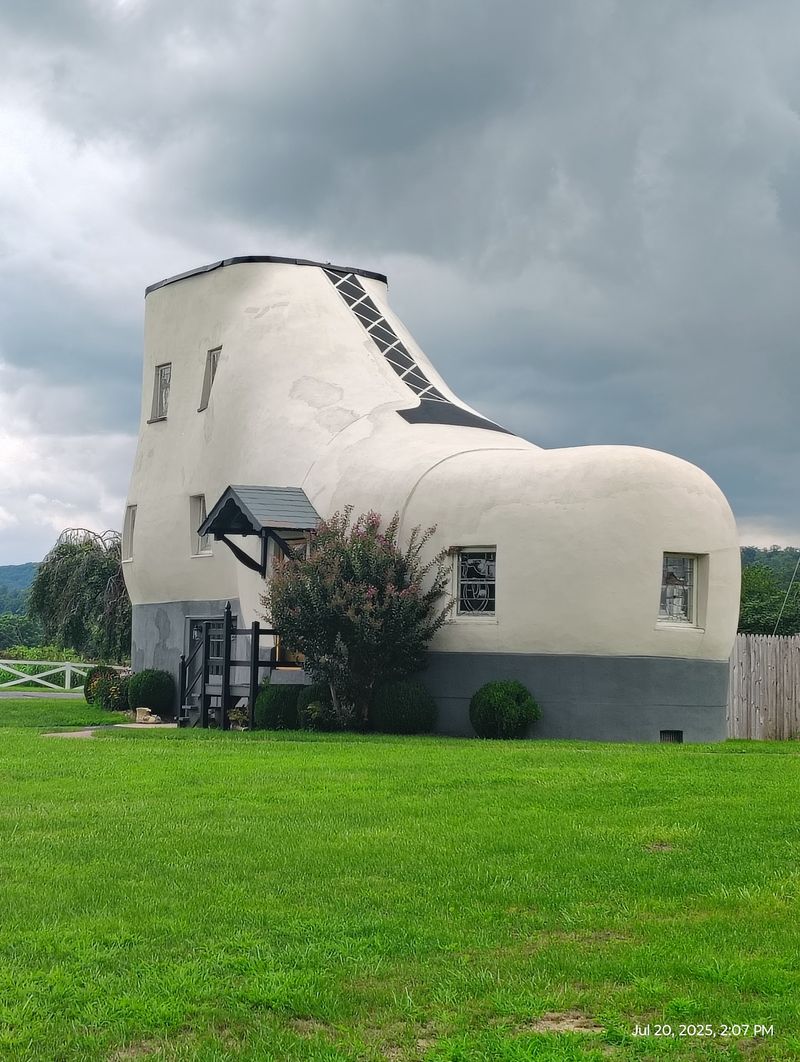
Squeezing a livable home into a boot sounds impossible until you see how cleverly the space was divided.
The toe holds the living room, the heel contains the kitchen, and bedrooms climb through the ankle section. The former garage in the instep now serves as a recreation room.
Five levels total, connected by tight stairways that curve with the shape of the walls. Nothing is square, and nothing feels wasted.
The upper story originally included servants’ quarters, which says a lot about how seriously Haines treated this novelty guesthouse.
Registered guests can explore the rooms at their own pace, with historical photographs and information displayed on the lower level.
Anyone uneasy in narrow spaces should know the staircases are snug and two or three people fill a room quickly.
Still, the layout is the whole charm. Every corner reminds you that people genuinely stayed inside a shoe on purpose for vacations, honeymoons, and now overnight rentals.
Stained Glass Windows Featuring The Shoe Wizard
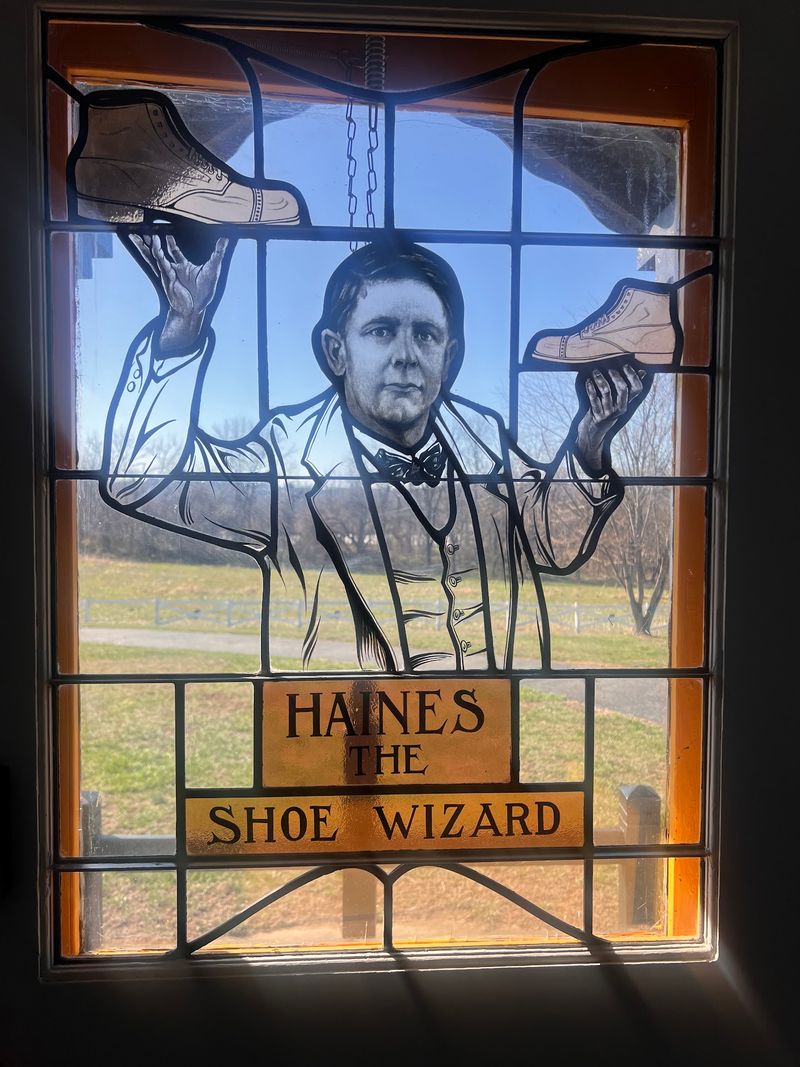
Details make oddities memorable, and the glasswork here is the detail I keep describing to people.
The front door contains a stained glass portrait of Mahlon Haines, while other windows repeat boot and shoe motifs throughout the house.
Sunlight passing through those panels throws colored patches across the interior, which softens the whole cartoonish exterior into something almost homey.
The shoe theme continues from room to room, with windows fitted into a building that rarely behaves like an ordinary rectangular house.
Period details survive in the kitchen, and restoration work kept the mid-century feel instead of scrubbing it modern.
A detailed photo journal on the lower level tells the Shoe House story, giving registered guests historical context without turning the rental into an exhibit.
Photographs never quite capture the color. Standing inside with light streaming through the glass is where the building stops being a joke and starts feeling like a home.
Even The Dog Got A Matching House
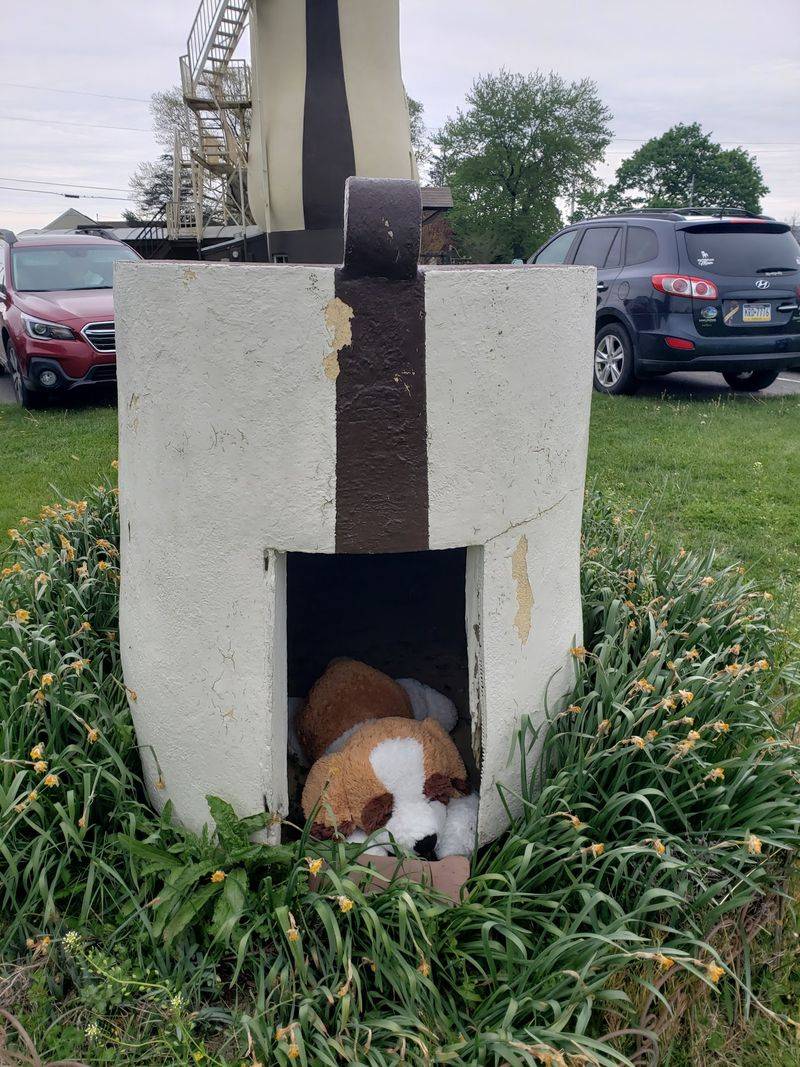
Consistency counts, and whoever designed this property refused to leave the family dog out of the theme.
Beside the main building sits a miniature shoe-shaped doghouse, complete with the same brown and cream paint scheme.
Visitors mention it constantly, and honestly it might be the single most photographed object on the lot. It is knee-high, silly, and completely committed to the concept.
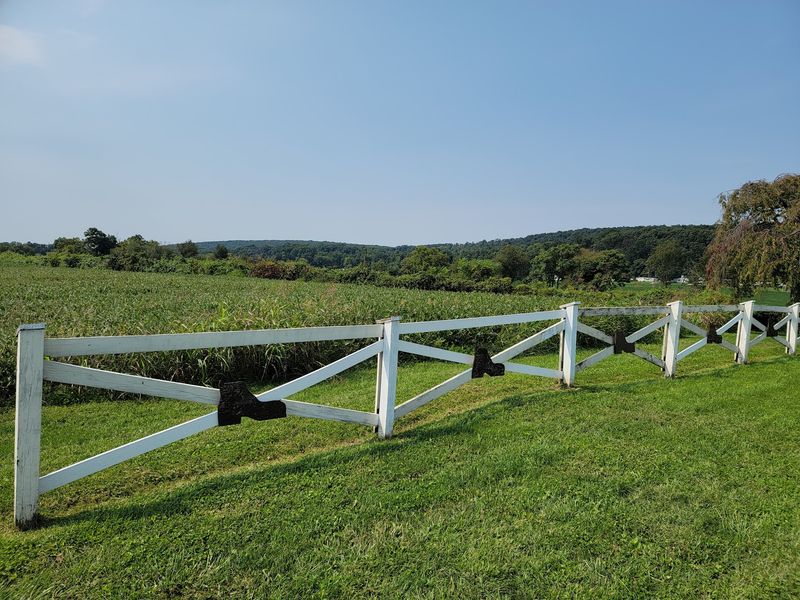
The white picket fence circling the property carries wooden shoe cutouts on nearly every section, so the theme continues all the way to the road.
There is also a shoe-shaped mailbox near the entrance, which I stared at longer than a mailbox deserves.
Little touches like these turn a single strange building into a whole environment.
Anyone traveling with kids will find plenty to point at before even reaching the front door. The doghouse alone buys you five minutes of pure delight.
From Honeymoon Hideaway To Overnight Rental
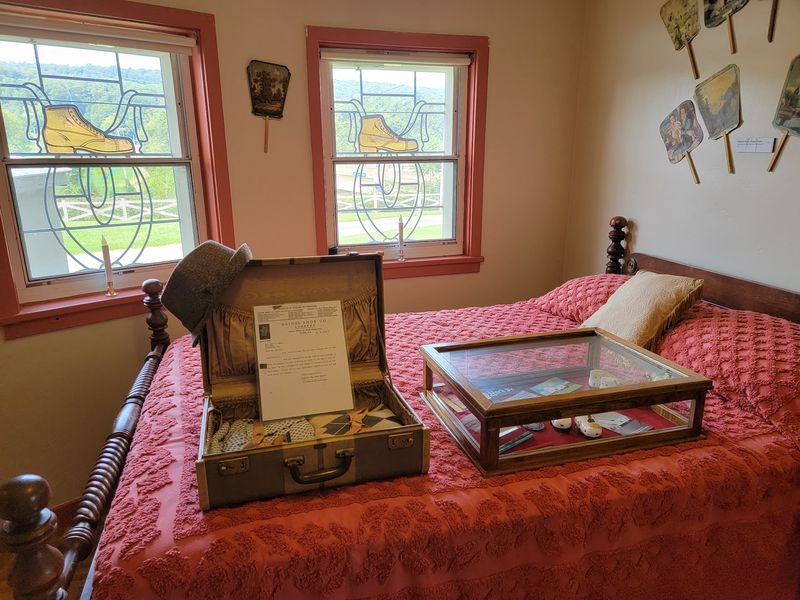
The building has changed jobs more times than most people do in a lifetime, and each role suited it.
Haines once offered free weekend stays inside to newlyweds, with a maid and a cook included. Imagine spending your honeymoon in a boot.
Over the decades it also served as an ice cream shop, a museum stop, and a private residence.
Today it operates as an overnight rental, meaning you can actually sleep inside the world’s most famous footwear-shaped home.
Guests describe the basement as surprisingly roomy and the bedrooms as far more comfortable than the exterior suggests.
Booking a night is the surest way to see the interior now, since general public tours are no longer a daily thing.
I thought it would feel cramped and gimmicky. Everyone who stays seems to report the opposite, which makes me want to reserve a weekend and find out for myself.
Ice Cream Where The Carport Used To Be
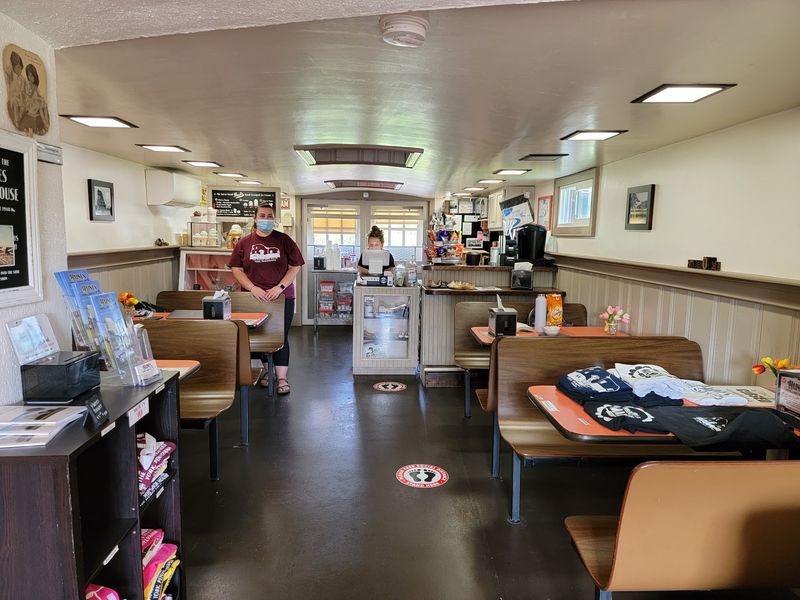
For years the sweetest part of stopping here had nothing to do with architecture.
The old carport was converted into a small ice cream and baked goods shop, where cones cost little and the angel food cake had a following.
Souvenirs lined a few shelves, and staff would share a quick history rundown before sending visitors upstairs on a self-guided walk.
Tours ran around five dollars for adults, with young children admitted free, which made it one of the cheapest attractions in the region.
Picnic seating sat both in sun and shade, so families could park with their treats and stare at the boot a while longer.
That chapter has largely closed as the property shifted toward private rentals, though the memory shows up in almost every story people tell.
Cheap ice cream and a five-dollar tour inside a giant shoe is a combination Pennsylvania roadside history handed us, and I am glad it existed.
Right Off The Old Lincoln Highway
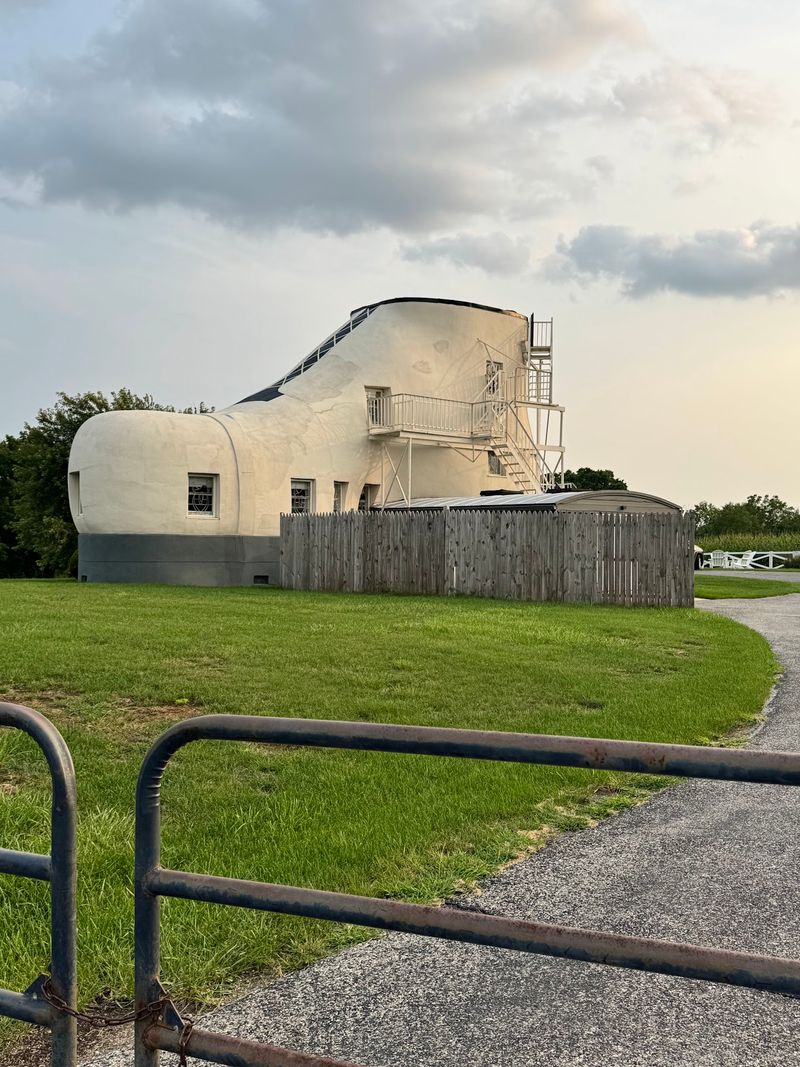
Location was never an accident here, and understanding why explains the whole building.
The property sits between today’s U.S. Route 30 and Route 462, the historic Lincoln Highway alignment through this part of York County.
Haines chose the site so the giant boot could catch the attention of travelers moving along that historic road.
The full address is 197 Shoe House Rd, York, PA 17406, in the rolling farmland east of the city.
Corn and crop fields stretch behind the lot, so the boot appears without warning against an ordinary rural backdrop.
Modern highway changes redirected traffic away from older alignments, and countless roadside oddities vanished as a result.
Haines Shoe House survived, which puts it in rare company among American highway landmarks.
Driving this stretch of Pennsylvania road feels like time travel with better pavement, and the payoff arrives the second the boot comes into view.
Parking Is Tighter Than The Staircases
Practical warning before you plug the address into your phone and drive out here.
The Shoe House no longer operates as a public attraction, and its official site limits property access to registered guests.
Non-guests are welcome to take photos from the roadside, but there is no tour entrance to wander toward.
Do not assume nearby private lots are visitor parking. If you stop for pictures, park only where it is legal and safe to do so.
The property is fenced, and access beyond that boundary is reserved for guests who have booked a stay. Respecting that boundary matters, since this is a vacation rental as well as a landmark.
Roadside views still capture the shoe cutouts, the mailbox, and the silhouette of the building. Plan for a quick photo stop rather than a long wander, and the visit stays pleasant for everyone involved.
Programmatic Architecture At Its Boldest
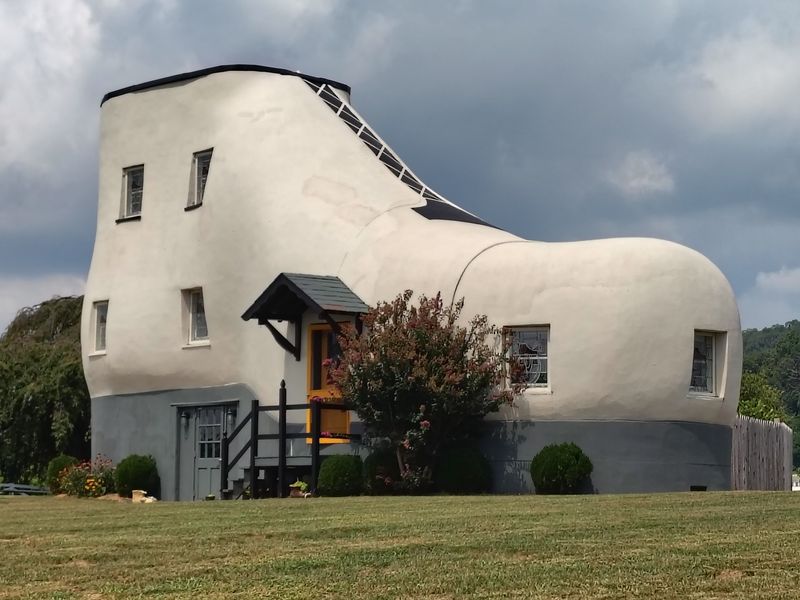
Architecture nerds have a proper term for buildings shaped like objects, and it is programmatic architecture.
Coffee pot diners, orange-shaped juice stands, and duck-shaped shops all fall into the same playful category.
Most were built to sell something fast, and many disappeared once the business behind them changed or closed.
Standing about twenty-five feet tall, this boot ranks among memorable surviving examples today.
The curves were formed from a wooden frame covered with wire lath and cement stucco, which lets the exterior flow instead of meeting at ordinary corners.
People in the building trades often admire the craftsmanship, since shaping a livable guesthouse like this required real skill in 1948.
Pennsylvania holds a handful of these oddities, but few match the size or the sheer nerve of this one.
Calling it a gimmick undersells it. The construction is genuinely clever, and it has stood through decades of weather.
When To Go And What To Expect Now
Timing changes the experience here more than most travelers expect.
The Shoe House operates as a year-round rental, so registered guests can stay in every season while other visitors remain limited to roadside photos.
Autumn might be the prettiest window, with the surrounding York County farmland turning gold behind the shoe-shaped house.
Anyone hoping to step inside should arrange an overnight booking well ahead, since availability can vary considerably. Drop-in visitors should treat the trip as a photo stop and set expectations accordingly.
Bring a camera, allow ten or fifteen minutes, and pair the detour with other stops around York for a fuller day.
My advice is simple. Respect the private rental boundary while enjoying a surviving slice of Pennsylvania roadside history, because buildings this strange rarely get replaced.
Seeing Haines Shoe House in person turns a funny internet photo into a memory you will actually tell people about.