
The World’s Largest Building Holds Entire Airplanes Beneath One Roof In Washington
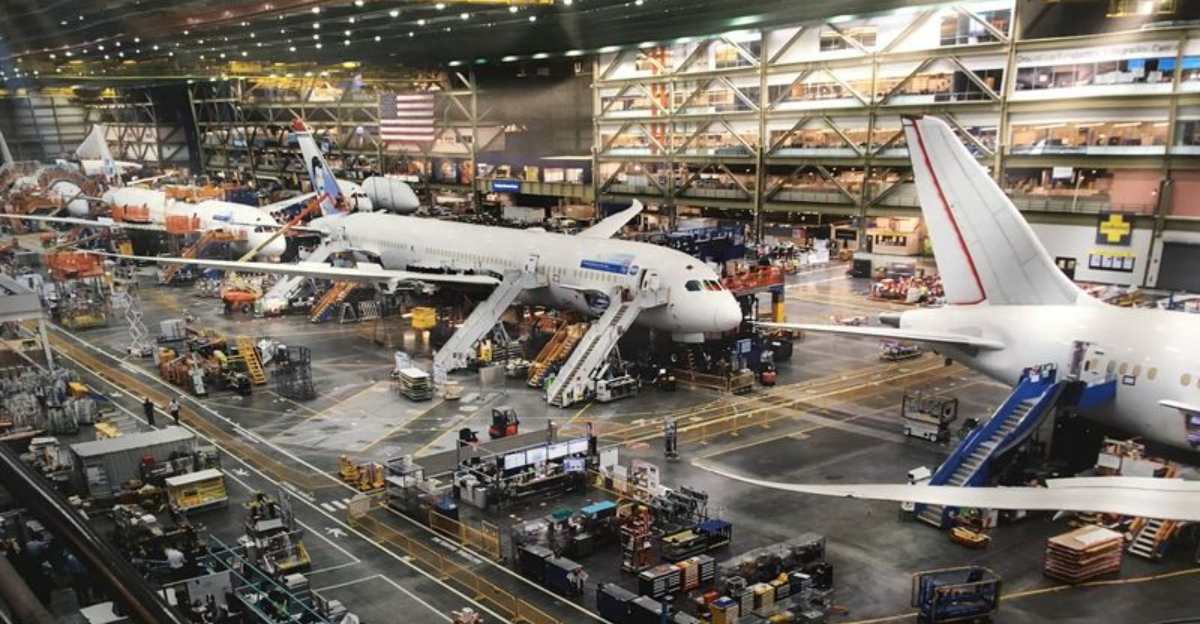
The first time I heard Washington had a building big enough to hold entire airplanes under one roof, I assumed someone was exaggerating. Then I saw the scale of the place and realized the exaggeration was mine.
This enormous factory makes regular buildings look almost toy-sized. Inside, massive aircraft come together piece by piece while workers, machinery, and equipment move through a space so large it can be difficult to understand at first glance.
What surprised me most was how fascinating the process becomes once you start watching. Wings, fuselages, engines, and countless smaller components gradually turn into something capable of crossing oceans.
I expected the airplanes to be impressive. I did not expect the building itself to compete for attention.
Washington has plenty of dramatic scenery, but this giant indoor world proves some of its most astonishing sights were built by people.
Stepping Inside A True Titan
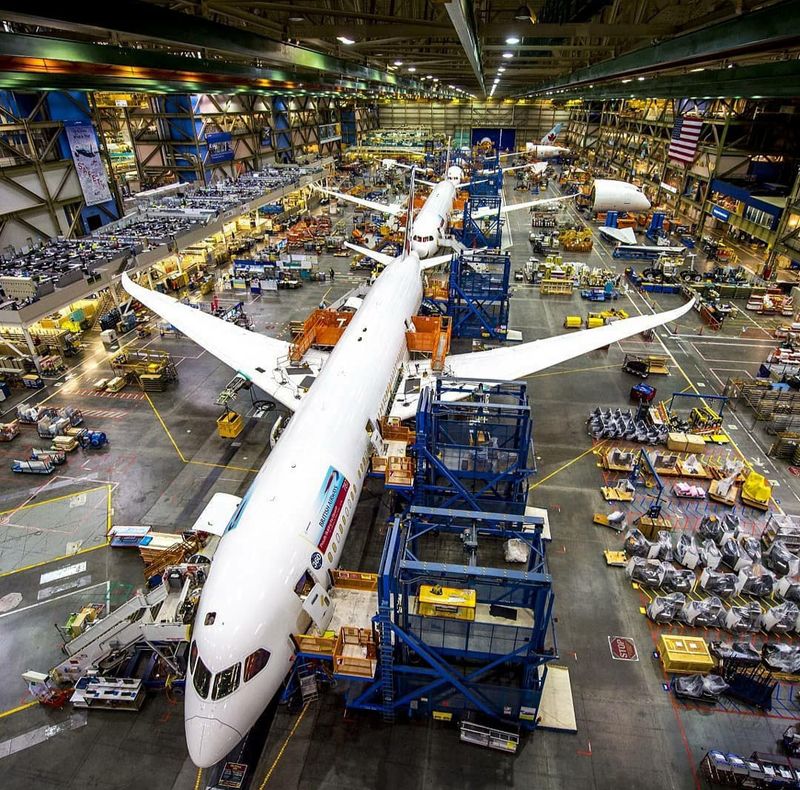
My jaw dropped the moment I truly grasped the scale of this place. Located at 8415 Paine Field Blvd in Mukilteo, Washington, the Boeing Everett Factory holds the title of world’s largest building by volume, and that’s not marketing hype.
This single facility could swallow Disneyland completely, with enough leftover space for another 75 American football fields. Covering 98.3 acres with an interior volume exceeding 472 million cubic feet, the numbers barely capture the reality of standing inside.
Before engineers installed a proper air circulation system, clouds would actually form near the ceiling from all the moisture and activity below. The building is warmed primarily by its million-plus ceiling lights rather than traditional heating systems.
I found myself constantly craning my neck upward, trying to comprehend how humans designed and constructed something this enormous.
The thought of indoor weather patterns forming naturally inside a factory still makes me shake my head in wonder. Walking these floors gave me a profound respect for the planners who envisioned a workspace on this unprecedented scale.
The Genesis Of Giants
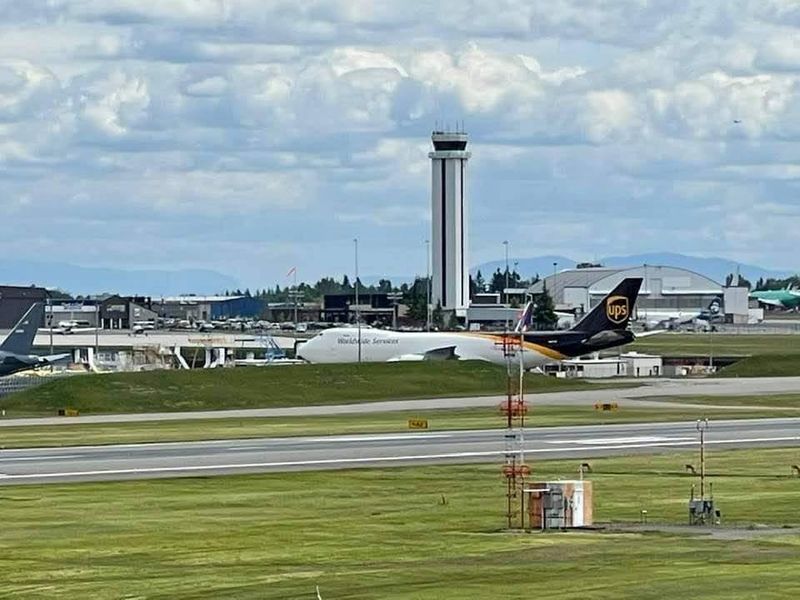
Every legendary place has an origin story, and Everett’s tale begins in 1967 when Boeing faced a magnificent problem. The company had just secured orders for 25 revolutionary 747 aircraft, planes so massive that no existing facility could accommodate their assembly.
Construction crews moved 4.5 million cubic yards of soil while simultaneously, a dedicated team nicknamed “The Incredibles” began assembling the first 747-100 even as the factory walls rose around them. That kind of bold, simultaneous action captures the urgency and excitement of that era.
The official opening on May 1, 1967, marked a turning point in aviation history. Boeing’s roots in the area stretched back to 1943, but this new facility represented something entirely different in scale and ambition.
I tried imagining the scene back then, workers building both the plane and its birthplace at the same time, racing against deadlines that seemed impossible.
That pioneering spirit still echoes through the halls today, reminding visitors that audacious dreams require equally audacious action to become reality.
Where Wings Take Shape
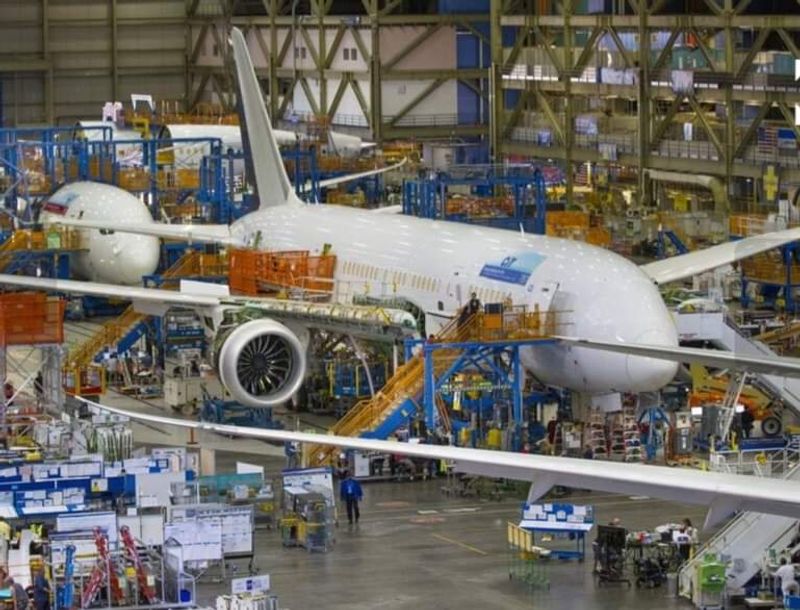
Production lines stretch across the factory floor like carefully choreographed rivers of innovation. Since opening, more than 5,000 widebody aircraft have been assembled here, each one a testament to precision engineering and human skill.
While the iconic 747 made this place famous, the facility has also birthed the 767, 777, and 787 Dreamliner. Currently, visitors can observe the sophisticated assembly of the 777 and the next-generation 777X taking shape in real time.
The production lines move at a deliberate 1.5 inches per minute, guided by 26 overhead cranes traveling along 39 miles of track. Watching this ballet of metal, composite materials, and focused human effort left me mesmerized.
You might also spot 767 freighters and military variants like the KC-46 Pegasus in various stages of completion. I found myself following one particular fuselage section, imagining the thousands of hands and minds that would contribute to its transformation into a flying machine.
The patience and precision required at every step reminded me that greatness cannot be rushed.
Life Inside The Megastructure
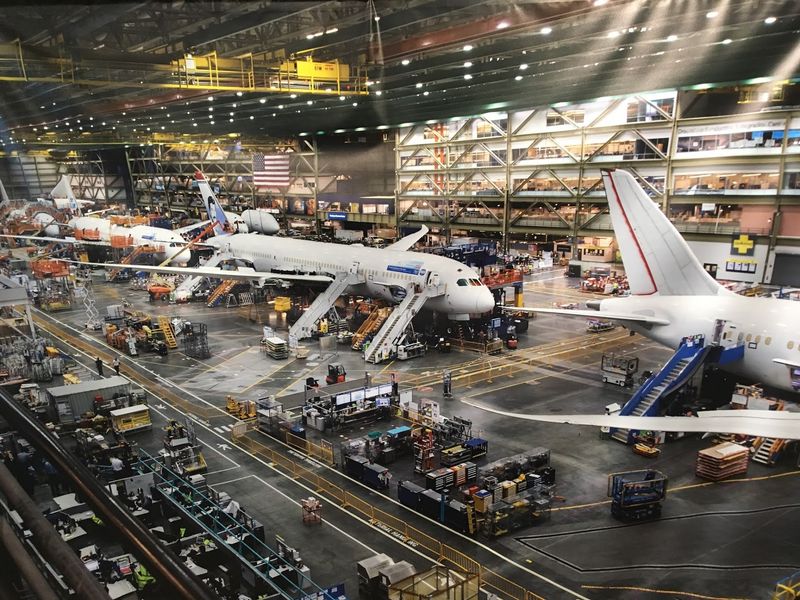
Beyond assembly lines and aircraft, this factory operates almost like its own self-contained city. Employees use approximately 1,300 bicycles and tricycles to navigate the vast distances within the facility, which tells you everything about the scale involved.
A sprawling 2.33-mile tunnel system runs beneath the factory floor, allowing workers and utilities to move efficiently without disrupting aircraft production above. The entire complex spans around 1,000 acres, significant enough that State Route 526 running through it earned the name Boeing Freeway.
To support its 30,000-person workforce, the facility includes its own fire department, medical clinic, gymnasium, banks, daycare center, and numerous restaurants and cafes.
I grabbed lunch at one of the on-site eateries, surrounded by engineers and technicians discussing wing designs and delivery schedules.
The self-sufficiency of this place impressed me deeply. Everything needed to keep innovation flowing exists right here, creating a community dedicated entirely to pushing aviation forward. It’s like a small town where everyone shares the same remarkable purpose.
Your Ticket To Takeoff
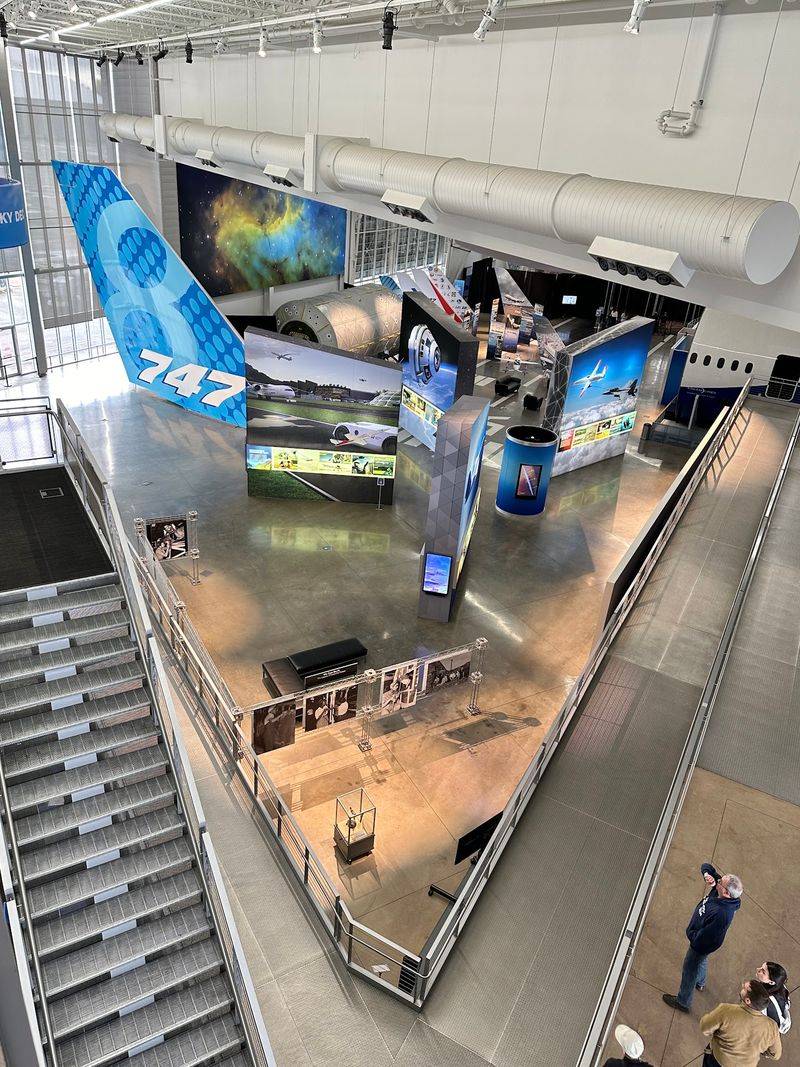
Experiencing this engineering marvel firsthand requires booking the 80-minute guided tour, which launches from the Future of Flight Aviation Center at 8415 Paine Field Blvd, Mukilteo, WA 98275. I arrived early, buzzing with anticipation.
From an observation deck, you’ll gain a bird’s-eye view of the factory floor, watching 777 and 777X assembly lines at various completion stages.
Cameras aren’t permitted on the factory floor, but honestly, the memory of seeing these immense aircraft coming together proved more valuable than any photograph.
The Future of Flight also features interactive exhibits, a rooftop Sky Deck perfect for plane spotting, and a flagship Boeing Store for aviation-themed souvenirs. I spent extra time on the Sky Deck, watching planes take off from adjacent Paine Field.
Tours run daily, but booking online in advance is essential given their popularity. Children must be at least 48 inches tall to join, ensuring everyone can safely navigate the tour route.
Standing on that observation deck, watching history being built below, ranks among my most memorable travel experiences.
Engineering On An Unprecedented Scale
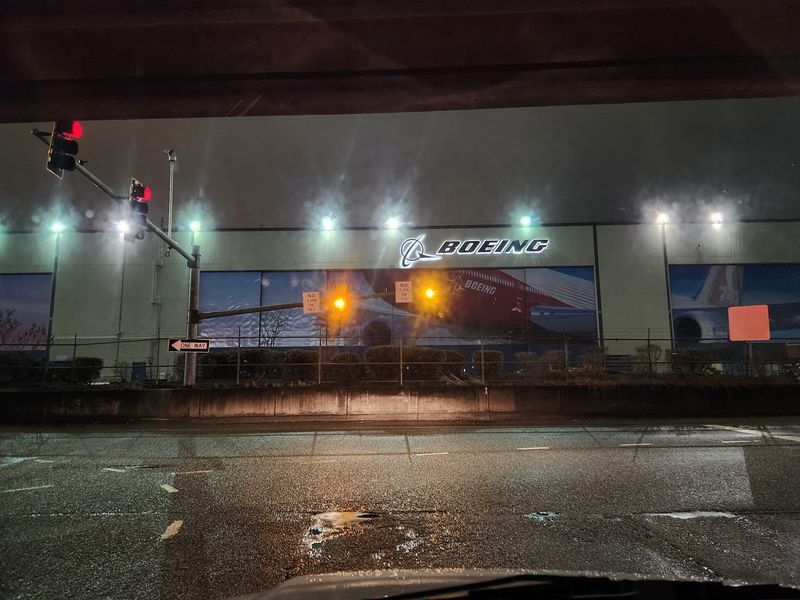
Numbers can only tell part of the story when describing what happens inside these walls. The engineering challenges solved daily here would make most people’s heads spin, yet the teams work with calm efficiency that belies the complexity involved.
Each aircraft contains millions of individual parts that must fit together with microscopic precision. Tolerances measured in thousandths of an inch determine whether a plane flies safely or stays grounded.
I watched technicians installing wiring harnesses that stretched the length of the fuselage, each wire color-coded and precisely routed.
Other workers attached composite panels using techniques that seemed equal parts science and art.
The facility’s climate control system maintains specific temperature and humidity levels because materials expand and contract with environmental changes. Even the lighting is carefully calibrated to help workers spot the tiniest imperfections.
What struck me most was the combination of cutting-edge technology and traditional craftsmanship. Robots handle some tasks, but skilled human hands and eyes remain irreplaceable for many critical steps.
Watching this blend of old and new working in harmony felt like witnessing the future being carefully handcrafted.
A Monument To Human Ambition
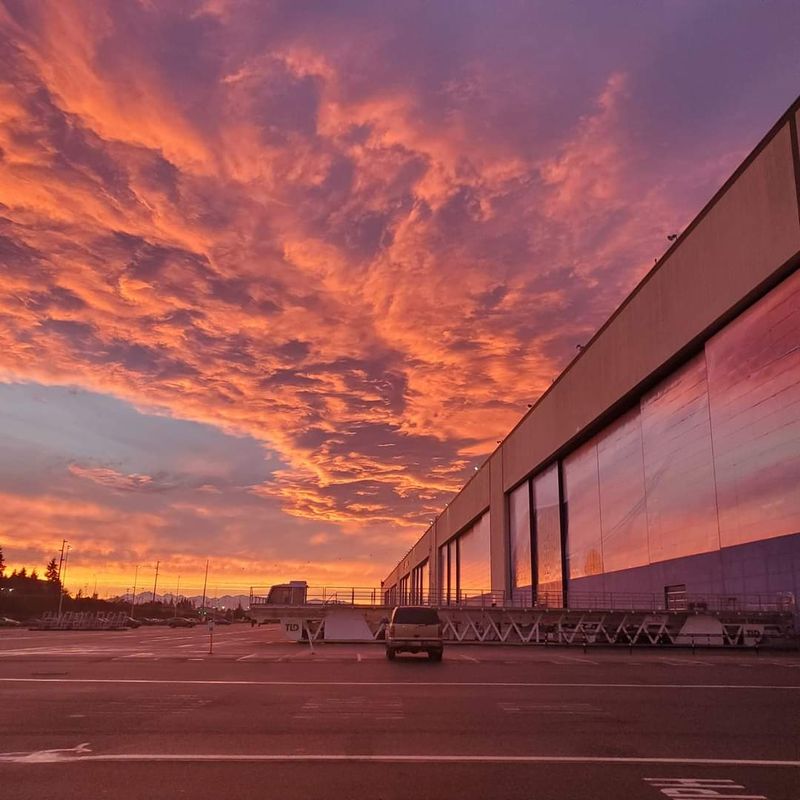
Standing in the shadow of this colossal building, I couldn’t help but reflect on what it represents beyond aircraft production. This factory stands as a monument to human ambition, a physical manifestation of our species’ refusal to accept limitations.
When Boeing decided they needed a building this size, conventional wisdom said it couldn’t be done economically or practically. They built it anyway, solving problems that had never been encountered before.
The facility continues evolving, adapting to new aircraft designs and manufacturing techniques. What worked for the 747 in 1967 has been refined and reimagined for the 777X today.
I left Everett with a renewed appreciation for the thousands of people who show up here daily, each contributing their expertise to machines that shrink our world. Every plane that rolls out these doors carries a piece of their dedication skyward.
For travelers seeking destinations that inspire and educate, the Boeing Everett Factory delivers an experience that’s genuinely unforgettable. It’s proof that sometimes the most remarkable journeys happen on the ground, watching dreams take physical form beneath one incredible roof.
Rolling Out The Giants
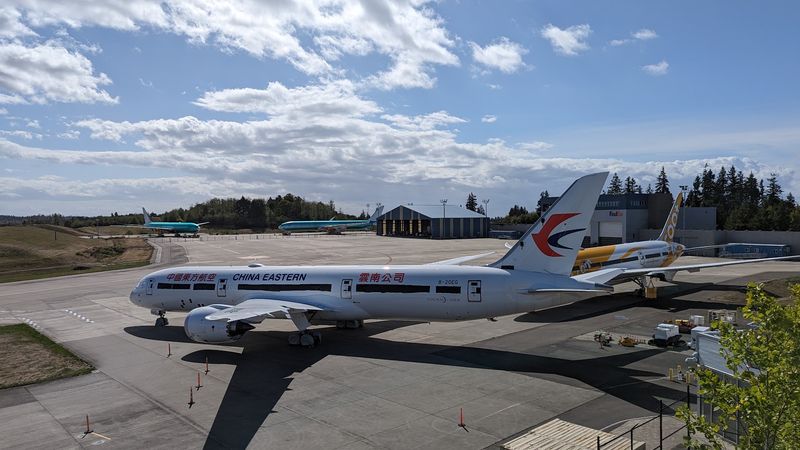
Watching a finished aircraft emerge from those colossal doors never gets old for locals or visitors. The rollout process is carefully choreographed, with ground crews guiding planes worth hundreds of millions of dollars through openings designed to accommodate the largest commercial aircraft ever built.
These delivery days transform the factory into a celebration venue. Airline representatives fly in from every corner of the globe to claim their new jets, often hosting ceremonies complete with champagne and speeches.
The moment those engines fire up for the maiden voyage marks the end of one journey and the beginning of decades of service. The final inspection process can take days, with teams checking systems, surfaces, and equipment before an aircraft is cleared to leave.
Even small details matter when the finished product is expected to cross continents for years. Paint schemes and airline markings often make each delivery instantly recognizable from a distance.
Some aircraft remain on site for additional testing before they are officially handed over. For visitors, seeing a nearly completed jet at ground level gives a much better sense of its true size.
The wings alone can stretch so far that they seem to dominate the surrounding space. By the time the aircraft finally departs, the factory has already begun making room for the next one.