
There’s A 16-Acre Japanese Garden Nestled In Florida And Most People Have No Idea It Exists
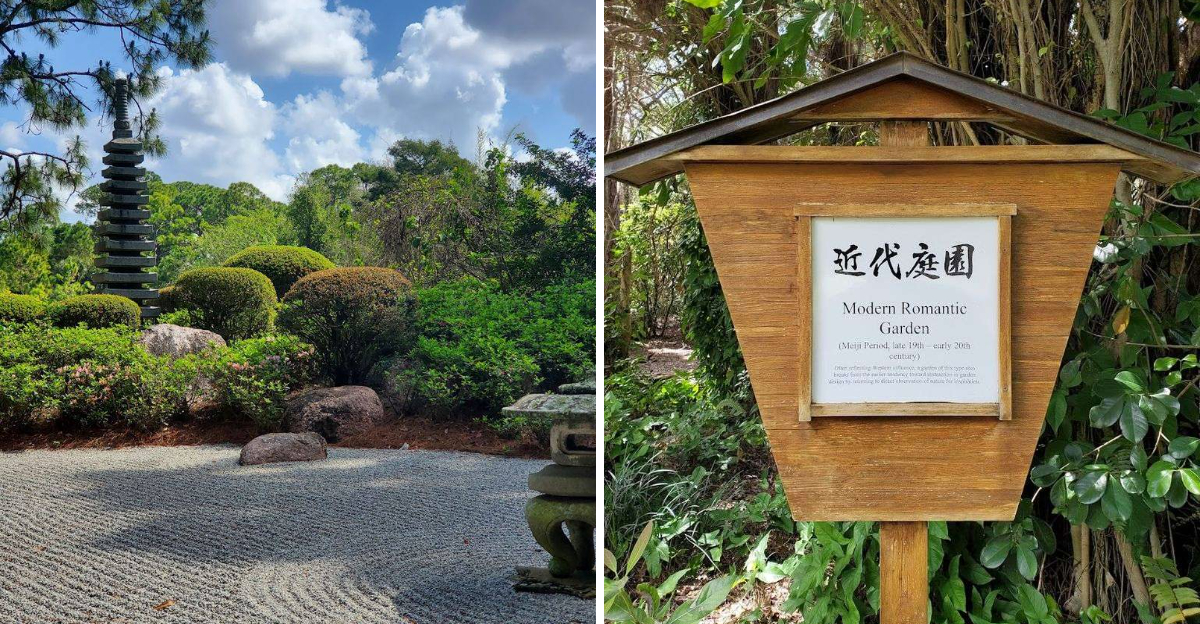
Driving through Delray Beach, Florida, it would be easy to assume you have seen it all. But what if, just a few turns away, there was a place that felt like stepping into a completely different country?
Hidden behind familiar roads and everyday scenery, there is a space where everything shifts. The noise fades, the pace slows, and suddenly you are surrounded by carefully designed landscapes, still water, and a sense of calm that feels worlds away from South Florida.
Winding paths lead past koi ponds, waterfalls, and gardens that look almost too perfect to be real. Every detail feels intentional, every turn reveals something new.
This is not just another attraction.
It is an experience that feels immersive from the very first step.
Somewhere between the quiet, the beauty, and the cultural depth, it becomes clear why this place leaves such a strong impression.
Because this is Florida, but it does not feel like Florida at all.
The Yamato Colony Legacy Lives On
Walking through the museum galleries, I discovered a chapter of Florida history I never knew existed. The Yamato Colony was established in the early 1900s by Japanese immigrants who came to South Florida with dreams of agricultural success.
These pioneers cleared land, planted pineapples and vegetables, and built a tight-knit community that thrived for decades before dissolving in the 1940s.
George Sukeji Morikami remained after everyone else had moved on or passed away. His 1973 donation of his land to Palm Beach County came with one heartfelt request: preserve it as a tribute to Japanese culture and the colony’s forgotten story.
That single act of generosity created what visitors experience today.
The exhibits inside the museum bring this history to life with photographs, personal belongings, and detailed accounts of daily life in the colony. I spent nearly an hour reading letters and looking at farming tools these settlers used.
Learning about their struggles, triumphs, and ultimate contributions to South Florida’s development added profound meaning to every garden path I walked afterward, knowing each step honored their memory and vision.
Six Gardens, Six Historical Periods
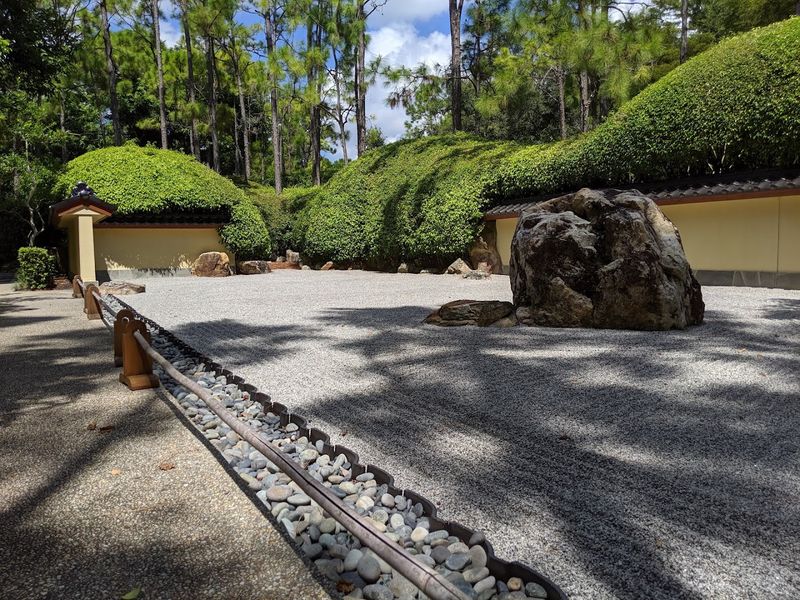
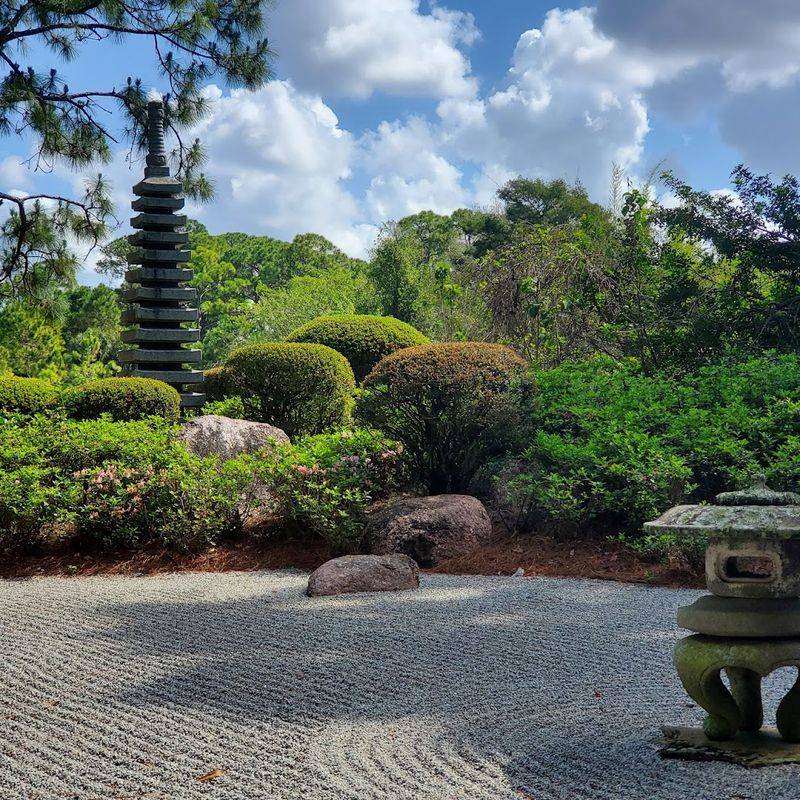
Landscape architect Hoichi Kurisu designed something extraordinary between 1999 and 2001. The Roji-en gardens interpret Japanese garden styles spanning from the Heian period all the way through the Meiji era.
Each distinct garden tells its own story through carefully selected plants, stone arrangements, and architectural elements.
I wandered from one garden to the next, noticing how dramatically the atmosphere shifted. One moment I stood in a paradise garden inspired by ancient nobility, the next I walked through a meditation garden designed for contemplative monks.
The transitions felt seamless yet distinct enough that I could sense the historical progression.
What impressed me most was the authenticity of each design. Kurisu didn’t create generic Asian-inspired landscapes but rather studied historical Japanese garden principles and applied them with precision.
The result is a living timeline of Japanese landscape architecture. Every viewing angle, every carefully placed rock, every pruned branch serves a purpose rooted in centuries of tradition, making this one of the most educational garden experiences I have encountered anywhere in the United States.
Bonsai Collection That Steals The Show
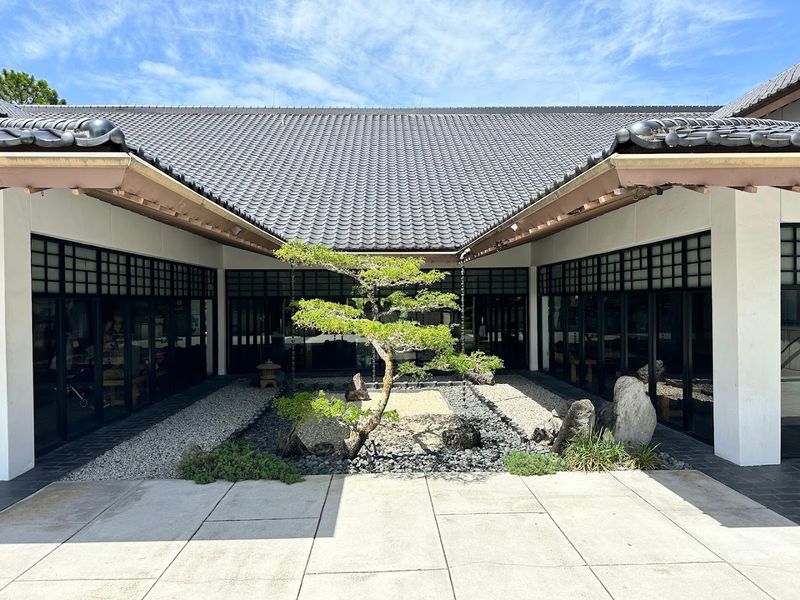
I thought I understood bonsai until I saw the collection at Morikami. These miniature trees represent decades, sometimes generations, of patient cultivation.
Each twisted trunk and carefully wired branch tells a story of artistic vision combined with horticultural mastery.
The bonsai garden sits in its own dedicated space where specimens are displayed at eye level, allowing visitors to appreciate the intricate detail of each tree. I watched one elderly gentleman spend twenty minutes studying a single pine, clearly lost in admiration.
The variety is impressive, featuring different species, styles, and ages that demonstrate the full range of bonsai artistry.
What fascinated me was learning that any tree can become bonsai through proper technique and patience. The museum’s collection includes both traditional Japanese species and Florida-adapted varieties.
Several visitors mentioned these trees alone justified their admission fee. I found myself returning to the bonsai area multiple times during my visit, discovering new details each time I looked.
The dedication required to maintain these living sculptures year after year deserves recognition as one of Morikami’s most spectacular features.
Tranquility That Resets Your Mind
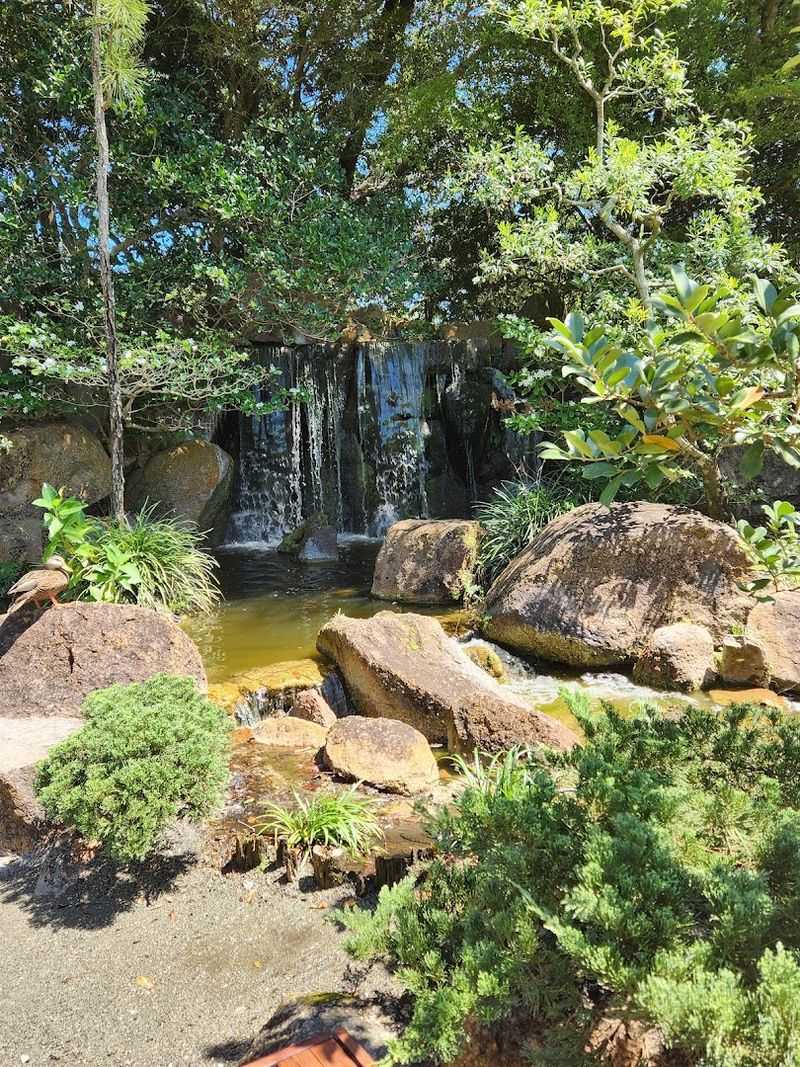
The moment I stepped onto the gravel paths, something shifted in my chest. Modern life carries constant noise, both literal and mental, that we stop noticing until it suddenly disappears.
Morikami creates space where that noise cannot follow.
Water sounds dominate the soundscape here. Small waterfalls trickle over carefully arranged rocks, koi ponds ripple with gentle movement, and bamboo fountains create rhythmic splashes.
These natural sounds replace traffic, phones, and the endless chatter that fills our daily lives. I sat on a wooden bench overlooking a pond and simply breathed for fifteen minutes, something I rarely allow myself to do.
Multiple reviewers mentioned this sense of peace, using words like serene, calming, and meditative. One visitor specifically recommended coming midweek to avoid crowds and maximize the tranquil experience.
I noticed how the garden design guides you through spaces that encourage contemplation. Whether you practice formal meditation or simply need a mental reset, the atmosphere here provides something increasingly rare: genuine quiet.
My stress levels dropped noticeably within the first ten minutes, and that relaxed feeling stayed with me long after I left.
Cultural Exhibits That Educate And Inspire
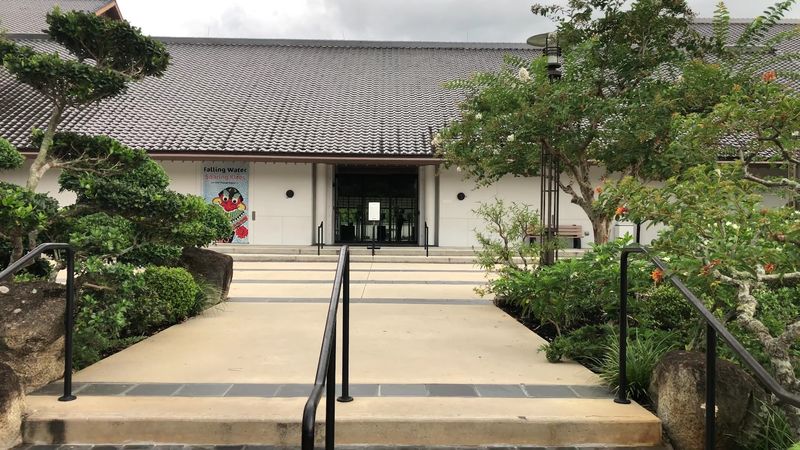
Beyond the gardens, the museum building houses rotating exhibits that dive deep into Japanese culture and contemporary art. During my visit, the “Light as Air: The Buoyant Sculptures of Mariko Kusumoto” exhibition filled the galleries with ethereal floating artworks that perfectly complemented the outdoor experience.
The permanent collection covers everything from traditional tea ceremony implements to modern interpretations of Japanese aesthetics. I appreciated how the curators balance historical education with contemporary artistic expression.
Each exhibit room flows naturally into the next, creating a cohesive narrative about Japanese culture’s evolution and influence.
Staff members demonstrated impressive knowledge when I asked questions about specific pieces. The museum may be smaller than major metropolitan institutions, but the quality and thoughtfulness of presentations rival much larger facilities.
I learned about textile arts, ceramic traditions, and the philosophical principles underlying Japanese design. Several visitors mentioned using the Bloomberg Connects app for additional insights, which I wish I had known about earlier.
The combination of indoor cultural education and outdoor garden experience creates a comprehensive understanding that neither element could achieve alone.
Cornell Café Brings Authentic Flavors
Hunger hit me halfway through my garden walk, and I could not have timed it better. Cornell Café sits right on the museum grounds, offering Japanese-inspired dishes with windows overlooking the gardens.
The classic bento box became my choice after watching three other visitors enthusiastically recommend it.
The food quality exceeded my expectations for museum dining. Fresh ingredients, thoughtful presentation, and authentic flavors made lunch feel like part of the cultural experience rather than just a convenience.
I watched the kitchen prepare unagi rolls with visible care and precision. The green tea arrived hot and fragrant, served in proper Japanese style.
Multiple reviewers specifically praised the café, with one person planning a return trip just for the unagi roll. The staff maintained the same friendly, knowledgeable attitude I encountered throughout the museum.
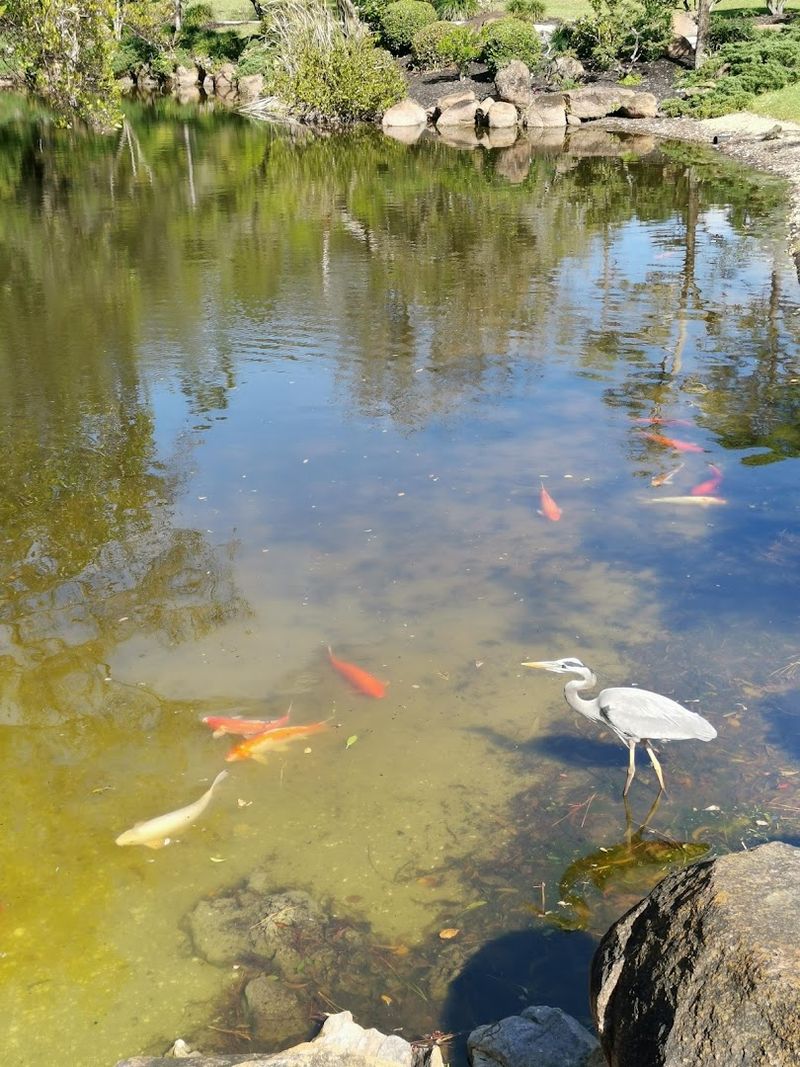
Prices felt reasonable given the quality and setting. Eating lunch while watching koi swim in the pond outside created one of those perfectly peaceful moments that make travel worthwhile.
The café serves as more than just a place to refuel; it extends the Japanese cultural immersion into the dining experience in a way that feels genuine rather than touristy.
Wildlife Surprises In Urban Setting
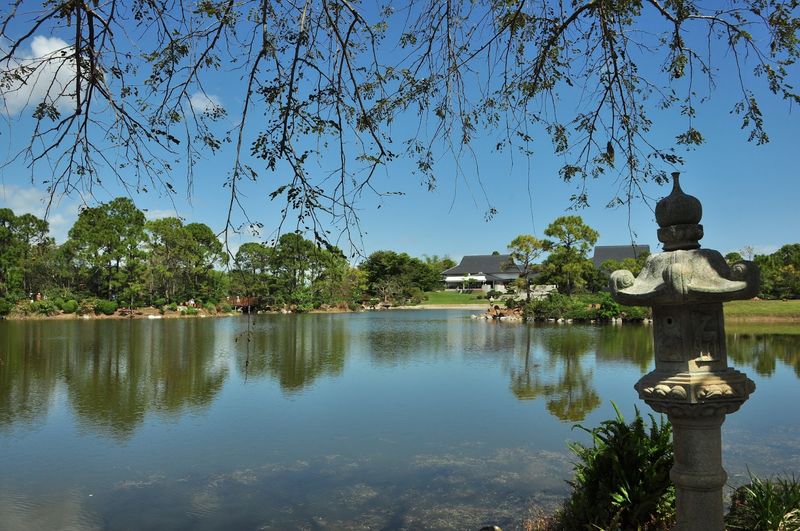
Nothing prepared me for the moment I spotted an alligator casually swimming past a traditional Japanese stone lantern. This uniquely Florida twist on Japanese garden design creates unexpected encounters that remind you exactly where you are despite the authentic Asian atmosphere.
Turtles sun themselves on rocks near the koi ponds, occasionally sliding into the water with gentle splashes. Birds native to South Florida nest in the carefully pruned trees and bamboo groves.
I watched a heron stand motionless at the water’s edge, seemingly as contemplative as the human visitors surrounding it.
The integration of local wildlife into traditional Japanese garden design could have felt jarring, but instead it demonstrates how cultural aesthetics can adapt to new environments. Several reviewers mentioned delightful surprise at seeing Florida’s native creatures coexisting with Japanese landscape elements.
The koi themselves add movement and color to every pond, their orange and white patterns flashing beneath the surface. This blending of Japanese design principles with Florida’s natural ecosystem creates something you cannot experience in Japan itself: a genuine fusion that honors both cultural tradition and local environment in equal measure.
Accessibility And Visitor Considerations
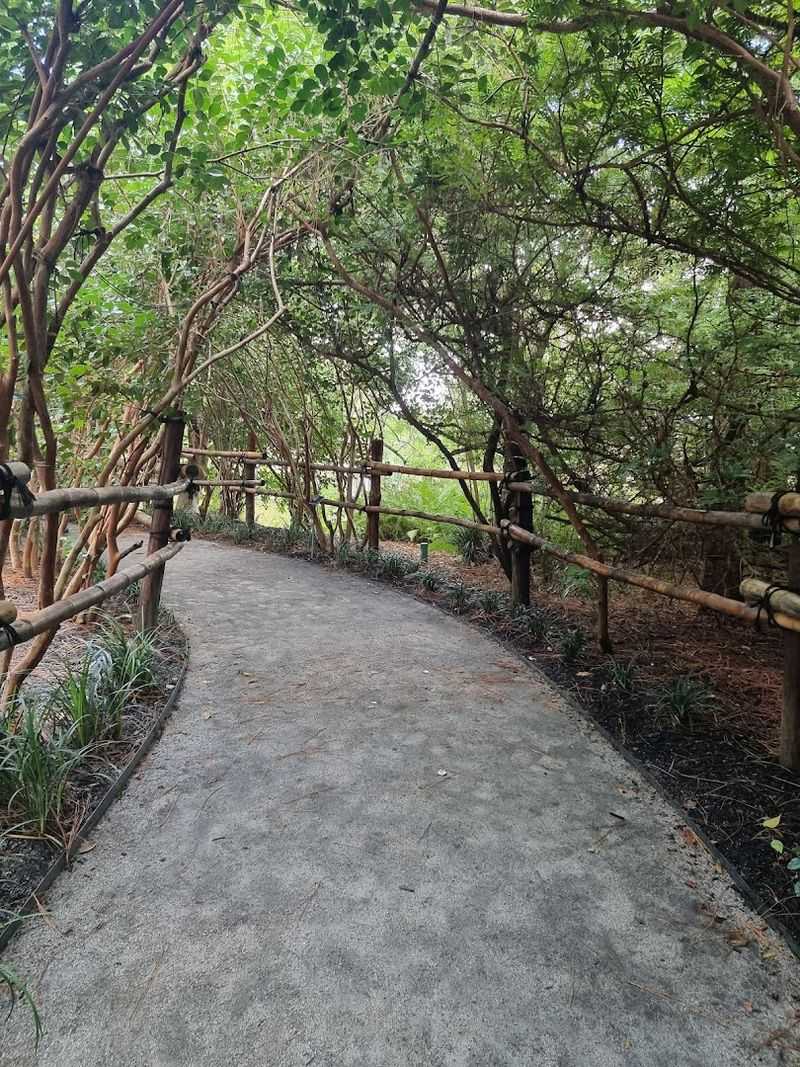
I noticed the fine gravel paths immediately, understanding the aesthetic choice while also recognizing the practical challenges. Traditional Japanese gardens use gravel for both visual and symbolic reasons, and Morikami maintains this authenticity throughout most walking areas.
One honest reviewer mentioned struggling with a standard stroller on these surfaces, recommending terrain-appropriate wheels for both strollers and mobility devices. I watched several visitors navigate the paths without issue using sturdy wheelchairs, while others with basic strollers worked harder than expected.
The slight elevation changes throughout the gardens add to the authentic experience but require awareness if mobility is a concern.
The museum staff proves consistently helpful according to reviews, and the facilities maintain cleanliness and organization. Parking can get tight during peak times, particularly weekends.
Multiple visitors suggested arriving early or visiting midweek for the best experience. The admission price of around $18 per adult feels reasonable given the quality and extent of what you receive.
Operating hours run Tuesday through Sunday from 10 AM to 5 PM, with Mondays closed. I recommend bringing water, wearing comfortable walking shoes, and checking weather forecasts since the experience is primarily outdoors.
Gift Shop Treasures Worth Exploring
I always browse museum gift shops with low expectations, so discovering Morikami’s thoughtfully curated selection caught me off guard. This shop goes far beyond typical tourist merchandise, offering genuine Japanese items that reflect the same cultural authenticity as the gardens themselves.
Traditional tea ceremony supplies, bonsai tools, Japanese textiles, and carefully selected books fill the shelves. I spent considerable time examining handcrafted items that would cost significantly more if purchased directly from Japan.
The staff demonstrated knowledge about the products, explaining origins and proper uses when asked.
Several reviewers specifically mentioned the gift shop as a highlight, noting items suitable for all ages and interests. I watched families find educational toys for children while collectors discovered rare ceramics and art pieces.
The pricing seemed fair for the quality offered. What impressed me most was how the shop extends the educational mission of the museum.
Rather than selling generic Asian-themed trinkets, every item connects to Japanese culture in meaningful ways. I left with a small bonsai care guide and a handmade ceramic tea cup, both of which remind me daily of my visit and encourage deeper exploration of Japanese traditions.
Perfect Escape From Theme Park Chaos
Florida tourism typically means beaches and theme parks, both of which involve crowds, noise, and overstimulation. I found myself craving something completely different after days of typical tourist activities, and Morikami delivered exactly what my overwhelmed senses needed.
One reviewer perfectly captured this sentiment, describing their visit as a wonderful break from beaches and theme parks. The contrast could not be sharper: instead of waiting in lines, you stroll at your own pace; instead of manufactured entertainment, you experience authentic culture; instead of sensory overload, you find genuine peace.
The gardens attract visitors seeking cultural enrichment, natural beauty, or simple relaxation rather than adrenaline and crowds. I noticed couples on quiet dates, families teaching children about different cultures, and solo visitors clearly using the space for personal reflection.
This makes Morikami ideal for balancing a Florida vacation or providing locals with regular respite from daily stress. At only 30 minutes from major tourist areas, the location offers convenient access without the tourist trap atmosphere.
My visit recharged me mentally and emotionally in ways that beaches and attractions never could, proving that Florida holds hidden depths beyond its famous entertainment offerings.