
There’s A Spot In Arkansas Where Hot Springs Flow Right Out In The Open
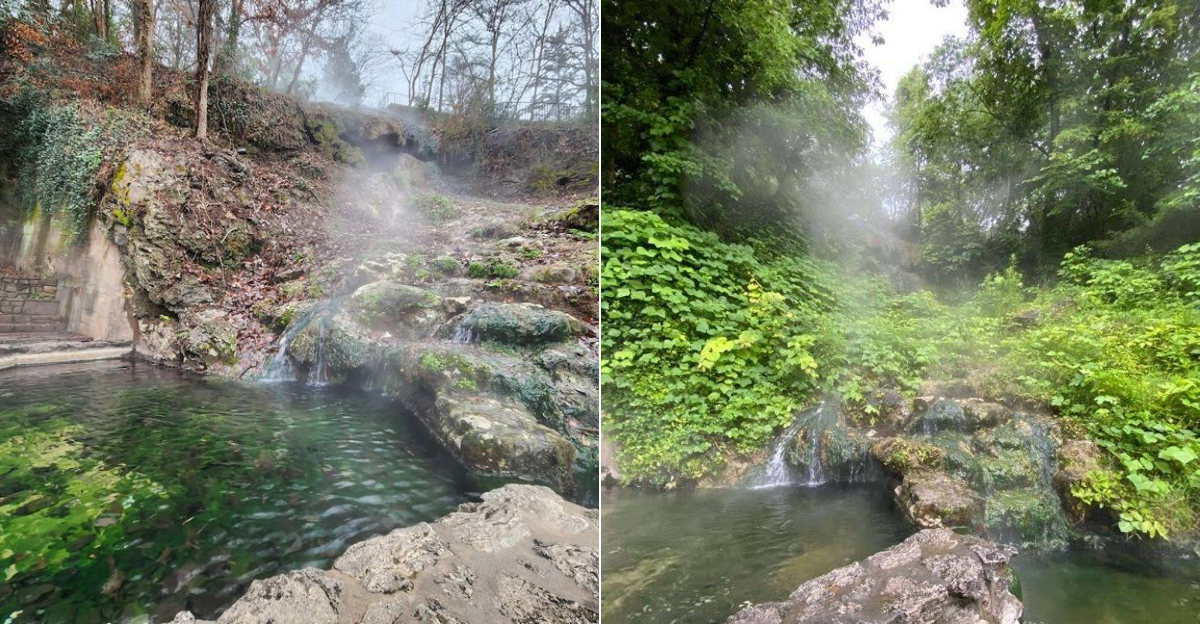
Steam drifting across a city sidewalk isn’t something you expect to see on a normal afternoon. The first time I noticed it, I slowed down and took a second look.
Warm water was pouring right out of a rocky hillside, sending light steam into the air while people nearby carried on like it was just part of the scenery. Naturally, I walked over to see it up close.
The water was flowing straight out of the ground where anyone could watch it. No barriers, no big setup, just hot spring water moving over the rocks.
A few locals were filling bottles while visitors reached down to feel the warmth with their hands. I ended up standing there longer than I planned, just watching the water run and the steam rise.
Moments like that remind me Arkansas can still surprise you.
Discover Arkansas’ Natural Hot Springs You Can See Flowing
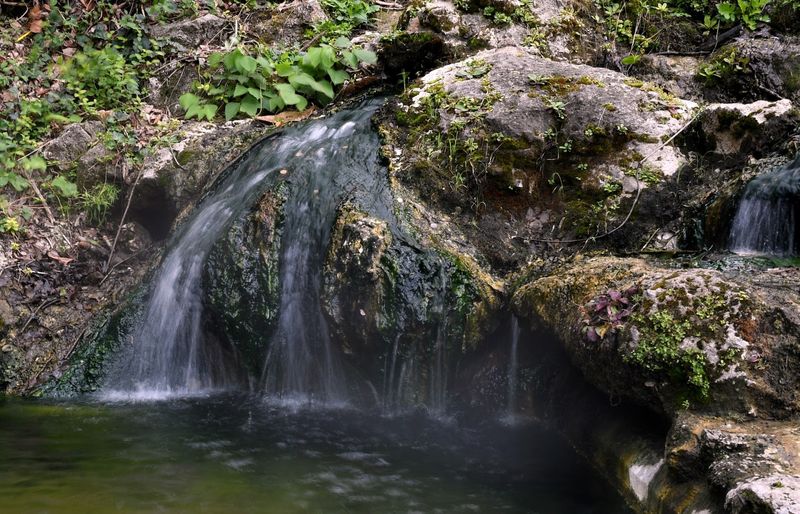
Most people picture hot springs as something deep in the wilderness, far from roads and crowds, but this place turns that idea upside down. Right in the middle of a working city, naturally heated water flows into open display areas where you can walk right up to it, feel the warmth rising off the surface, and watch the steam curl into the Arkansas air.
I remember the first time I crouched down and held my hand near the flowing water and felt that steady heat coming up from the ground beneath me. The springs here produce water that emerges at about 143 degrees Fahrenheit, hot enough to cook an egg over time, and that heat comes entirely from natural geological processes deep underground.
Visitors come from all over the country just to see this open-air thermal display, and many of them, like me, end up staying longer than they expected. You can experience it for yourself at Hot Springs National Park, 101 Reserve St, Hot Springs, AR 71901.1.
Where The Springs Come From
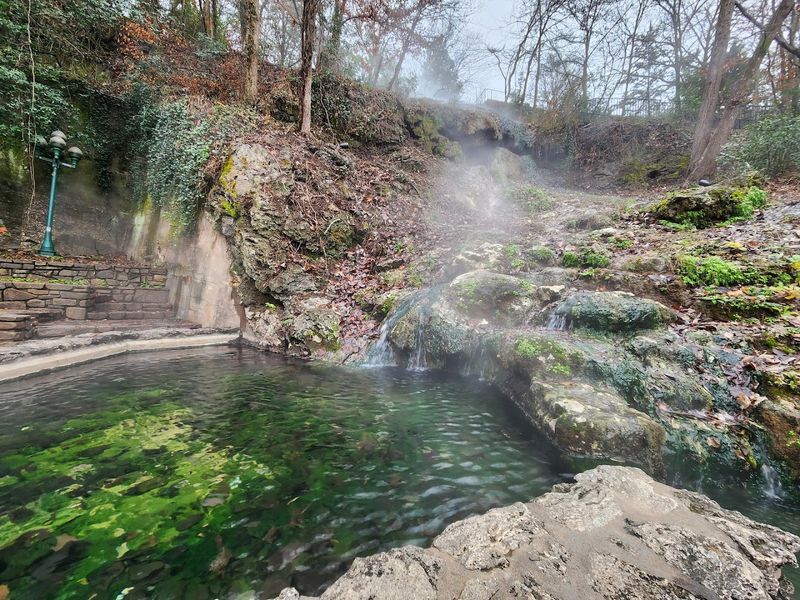
Standing beside steaming water on a city street, it is easy to forget that what you are seeing is the end of a journey that began roughly 4,000 years ago.
Rain falls on the Ouachita Mountains surrounding Hot Springs, and that water slowly seeps down through layers of fractured rock, descending about a mile to a mile and a half underground where temperatures are much higher.
The rock layers in this region act almost like a natural plumbing system, guiding that ancient rainwater downward and then pushing it back up through faults and cracks until it reaches the surface as a hot spring.
Scientists have studied the hydrology of this area for decades, and the general consensus is that the water takes somewhere between 4,000 and 4,200 years to complete that underground round trip.
When I learned that the water flowing past my shoes had been underground since roughly the time ancient civilizations were building monuments, the whole experience took on a completely different weight.
The geology beneath this part of Arkansas is what makes the springs possible, and knowing that underground story adds a whole new layer to the experience of seeing the water flow in person.
The Famous Hot Water Cascade
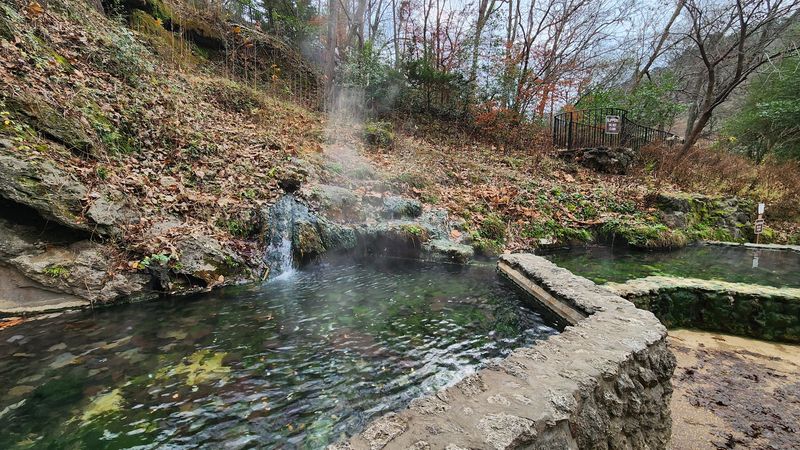
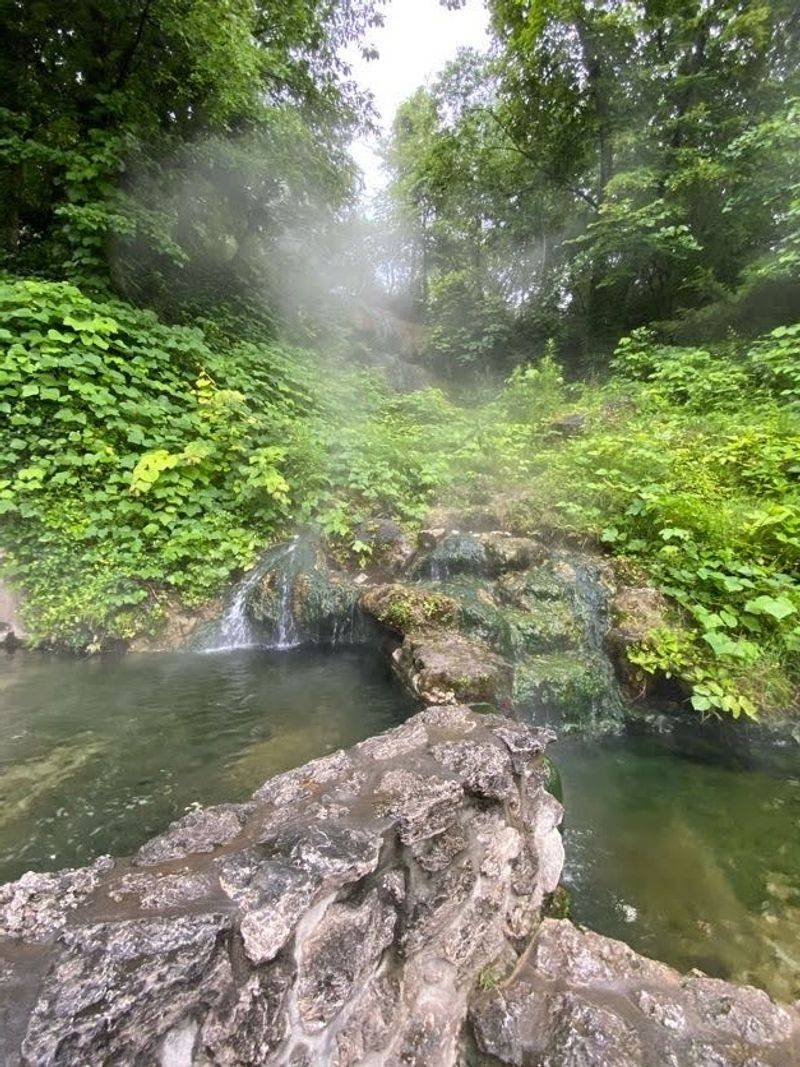
One of the most photographed features along Bathhouse Row is the Hot Water Cascade, a spot where thermal spring water literally tumbles down a rocky hillside in full view of everyone walking the main street.
The cascade sits right along Central Avenue, and the combination of the old-growth trees, the historic bathhouse architecture behind it, and the steady flow of steaming water creates a scene that genuinely stops people mid-stride.
I watched a family stand in front of it for nearly ten minutes, the kids pressing their hands as close as they dared while their parents tried to explain how water from underground could possibly be that hot.
The visual effect is striking because the water leaves behind mineral deposits on the rocks over time, creating pale, chalky formations that make the cascade look almost otherworldly.
Rangers and park staff are usually nearby and happy to answer questions, and their enthusiasm for explaining the science behind the cascade is genuinely contagious.
Seeing that water tumble freely down sun-bleached stone while traffic passes just a few feet away is one of those small, vivid travel moments that lodges itself permanently in your memory.
Display Spring Another Place To See The Water Flow
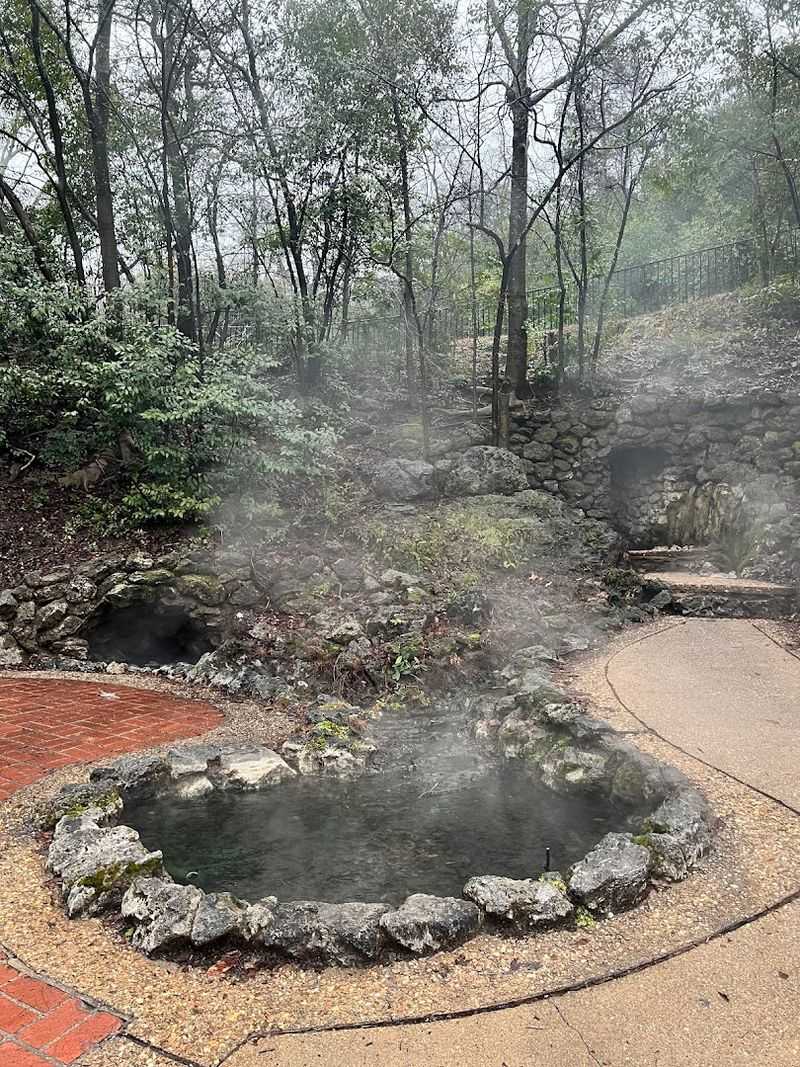
A short walk from the main cascade brings you to Display Spring, another open-air spot where the park has channeled hot spring water into a visible, accessible feature that visitors can interact with directly.
What makes Display Spring feel different from the cascade is the intimacy of the setup, with the water flowing at a pace and level that invites you to get close, watch it move, and really appreciate the clarity and temperature of the water.
There is something almost meditative about standing at Display Spring and just watching the water flow steadily out of the earth, completely indifferent to everything happening around it.
The park has thoughtfully designed this area so that the natural processes are easy to observe without disturbing them, and interpretive signs nearby help explain exactly what you are looking at and why it matters.
I spent a solid chunk of time at Display Spring just sitting on a nearby bench, listening to the water and watching other visitors react with that same mix of curiosity and quiet awe I had felt when I first arrived.
Few travel experiences match the simple satisfaction of watching something ancient and geological happen right in front of you, completely for free.
Bathhouse Row And The Historic Spa Tradition
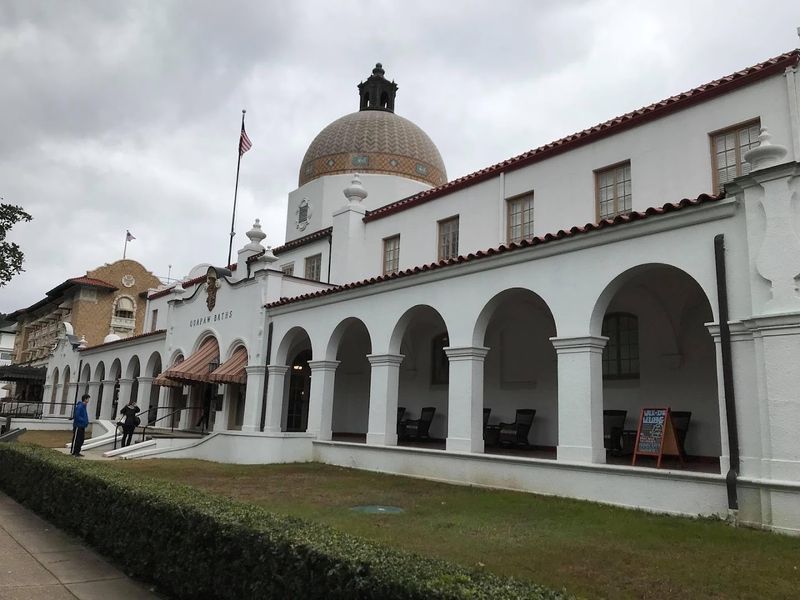
Running parallel to the national park, Bathhouse Row is one of the most architecturally striking streets in the entire state of Arkansas, lined with eight grand bathhouses built between the late 1800s and early 1900s.
These buildings were constructed during a period when Hot Springs was one of the most fashionable resort destinations in the country, drawing everyone from wealthy socialites to professional baseball players looking to soak tired muscles in the thermal waters.
Walking along that row of ornate facades, with their columns and arched windows and decorative stonework, you get a strong sense of just how seriously people once took the ritual of bathing in these springs.
The Fordyce Bathhouse stands out as the most elaborate of the group, featuring stained glass, marble interiors, a lobby fountain, and now serving as the park’s official visitor center and museum.
Buckstaff Baths is the only bathhouse on the row that has operated continuously since its opening and still offers traditional thermal baths to visitors who want the full historic experience.
Stepping inside one of these restored buildings feels like the architecture itself is leaning over and whispering a long, fascinating story directly into your ear.
What Visitors Can Do When They Visit
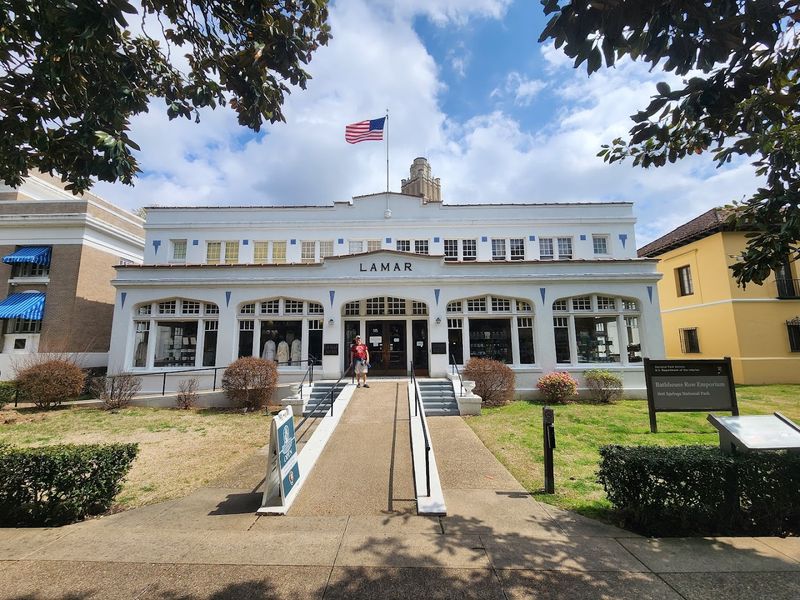
Beyond the thermal springs themselves, Hot Springs National Park offers a surprisingly full menu of activities that can easily fill an entire day or stretch comfortably into a weekend trip.
The park has several hiking trails that wind through the surrounding forested hills, offering elevated views over the city and the Ouachita Mountains, and the trails range from short, easy walks to longer routes that reward more effort with genuinely beautiful scenery.
History lovers can spend hours inside the Fordyce Bathhouse museum, which does an exceptional job of explaining the cultural, medical, and social history of the thermal bathing tradition in Hot Springs.
For those who want more than just looking, Buckstaff Baths still offers traditional thermal soaks, and a handful of modern spas in the area use the same spring water in updated, comfortable settings.
The surrounding city of Hot Springs itself has a lively downtown with restaurants, galleries, and shops that make it easy to extend your visit well beyond the national park boundaries.
Whether you show up for an hour or plant yourself there for a long weekend, Hot Springs has a way of keeping you engaged far longer than your original itinerary suggested.
Why This Arkansas Hot Springs Site Is So Unique
Very few places in the world combine a functioning national park, a living historic district, and a natural geological phenomenon all within the boundaries of a small American city, and Hot Springs manages to pull that off with remarkable ease.
The fact that the springs flow openly and visibly, rather than being fenced off or buried under infrastructure, is a deliberate choice that the park service has maintained for generations, and it makes the whole experience feel remarkably accessible.
Hot Springs National Park is actually one of the oldest federally protected areas in the United States, with its land set aside by Congress back in 1832, well before the national park system as we know it even existed.
That early federal protection is a big reason why the springs and the historic district survived intact while so many other natural and cultural landmarks across the country were lost to development.
I kept finding myself thinking about how unusual it is to stand in a city, on a public sidewalk, and be face to face with something that has been flowing continuously for thousands of years.
Hot Springs earns its reputation not through spectacle or manufactured excitement, but through the quiet, steady power of something genuinely real happening right out in the open.