
These 10 Adorable Towns In South Carolina Will Make You Feel Like You’re Living In A Hallmark Movie
There’s a version of South Carolina that feels like it belongs in a movie, and somehow, it’s real.
The kind where tree-lined streets lead past historic storefronts, neighbors still wave as you walk by, and the hardest decision of the day might actually be dessert at a local diner.
Some of the most charming places in South Carolina feel almost too perfect. They feel like a film set brought to life.
You wander past antique shops tucked into century-old buildings and pause in quiet town squares full of life. That is when you realize how rare places like this really are.
Nothing feels rushed here.
Afternoons stretch longer, conversations come easier, and even the smallest details start to stand out.
It is not just the architecture or the scenery.
It is the feeling.
And once you spend time in towns like these, it becomes very easy to understand why people keep coming back whenever they need a break from everything else.
1. Beaufort
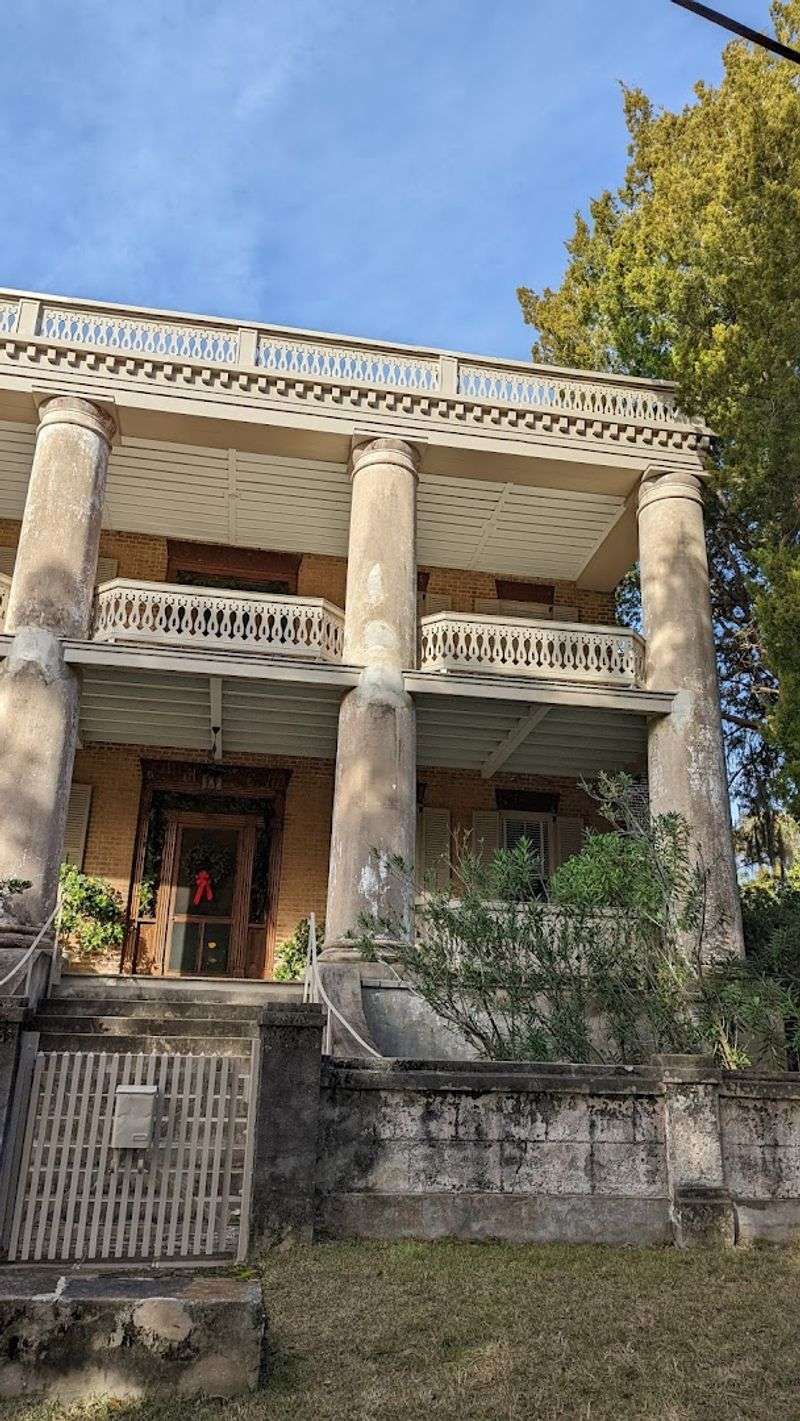
Waterfront views in Beaufort stopped me in my tracks the first time I wandered down Bay Street, where the Beaufort River glimmers behind a row of pastel-painted historic homes that could anchor any romantic film.
Beaufort sits in the heart of South Carolina’s Lowcountry, tucked between Hilton Head and Charleston, and its downtown district feels like stepping back two centuries without sacrificing modern comforts.
Spanish moss drapes from massive live oaks that shade sidewalks lined with art galleries, bookshops, and cafes where locals greet you by name after just one visit.
The town’s antebellum architecture earned it roles in major motion pictures, and walking through the historic district, I understood why directors keep returning to these streets.
Carriage tours clip past beautifully preserved mansions while guides share stories of pirates, plantations, and the town’s remarkable preservation efforts.
Waterfront Park became my favorite sunset spot, where I watched shrimp boats glide past while pelicans dove for their dinner.
Every corner of Beaufort whispers Southern elegance mixed with coastal ease, making it impossible not to fall completely under its spell.
2. Bluffton
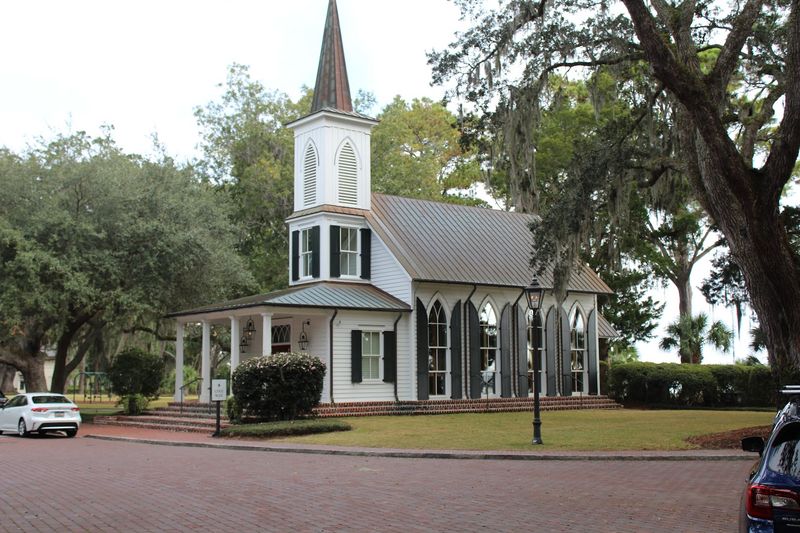
Old Town Bluffton captured my heart with its collection of tiny historic cottages painted in cheerful colors that pop against the backdrop of salt marshes stretching toward the May River.
Located in the Lowcountry near Hilton Head Island, Bluffton manages to feel worlds away despite sitting just minutes from busier tourist areas.
Calhoun Street forms the backbone of the historic district, where moss-draped oaks create natural tunnels over the road and century-old buildings house local artisan shops and cozy restaurants.
The Church of the Cross, a white-steepled beauty dating back to 1857, stands as one of the most photographed spots in town, and I’ve taken my share of pictures there.
Art studios dot the area, many housed in converted historic structures, and I’ve spent entire afternoons watching painters and potters work their craft.
Oyster roasts and shrimp boils happen regularly at local gathering spots, where the sense of community feels genuine rather than staged for visitors.
Bluffton’s unhurried pace and artistic spirit create exactly the kind of setting where movie characters discover what truly matters in life.
3. Georgetown
Sailboats bobbing in Winyah Bay greet visitors to Georgetown, South Carolina’s third-oldest city, where the waterfront Harborwalk stretches along a downtown that looks ready for its close-up.
Georgetown anchors the northern end of the Grand Strand region, positioned where five rivers converge before flowing into the Atlantic Ocean.
Front Street showcases building after building of preserved 18th and 19th-century architecture, now home to boutiques, cafes, and galleries that maintain the historical character while serving modern tastes.
The Rice Museum taught me about the area’s plantation history, housed in the Old Market Building where a striking clock tower has marked time since 1842.
Walking tours led by guides in period dress bring the past to life as they share tales of Georgetown’s maritime heritage and its role in colonial trade.
Kaminski House Museum offers peek into how wealthy rice planters lived, with period furnishings and gardens that transport you straight into another era.
Every evening I spent strolling the Harborwalk at sunset, watching fishing boats return while seabirds called overhead, convinced me Georgetown deserves its own television series.
4. Aiken
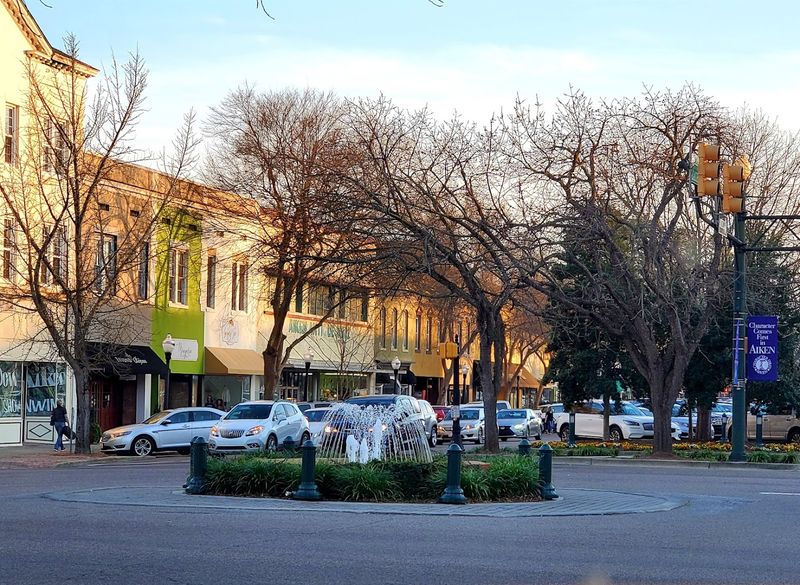
Horse country charm defines Aiken, where I’ve watched Thoroughbreds training on sandy paths that crisscross a town that’s been a winter colony for wealthy equestrians since the 1890s.
Aiken sits in western South Carolina near the Georgia border, and its tree-canopied streets connect historic districts filled with grand estates built by families with names like Vanderbilt and Whitney.
The downtown area along Laurens Street maintains an elegant yet approachable atmosphere, with locally-owned shops, restaurants, and the Thoroughbred Racing Hall of Fame celebrating the town’s equestrian heritage.
Hitchcock Woods, one of the largest urban forests in America, offers miles of trails where riders and hikers share paths beneath towering pines.
Polo matches, steeplechase races, and horse shows fill the social calendar, yet the town never feels stuffy or exclusive to outsiders.
Historic Hopelands Gardens provides acres of beautifully landscaped grounds perfect for afternoon strolls, complete with a Touch and Scent Trail designed for visually impaired visitors.
Aiken’s combination of Southern grace, sporting tradition, and genuine friendliness creates the exact backdrop where a big-city professional might rediscover life’s simple pleasures.
5. Travelers Rest
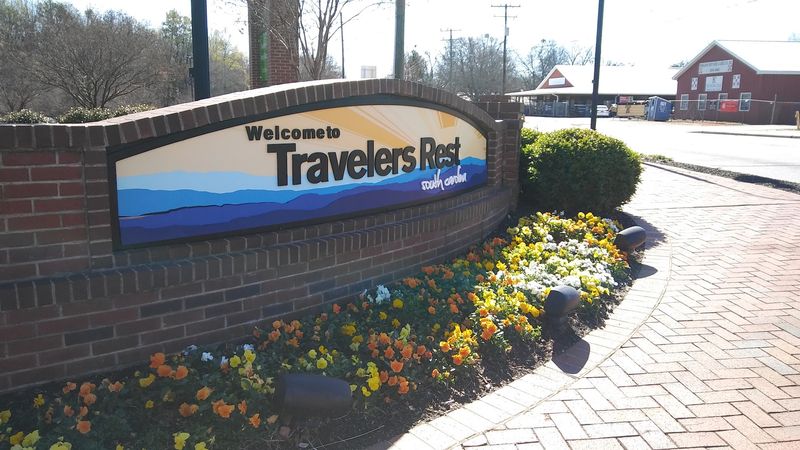
Mountain breezes cool the air in Travelers Rest, a small town nestled in the foothills of the Blue Ridge Mountains where the Swamp Rabbit Trail brings cyclists streaming through downtown.
Located just north of Greenville in Upstate South Carolina, Travelers Rest serves as the gateway to mountain adventures while maintaining its own distinct small-town identity.
Main Street hums with activity at locally-owned coffee shops, farm-to-table restaurants, and outdoor outfitters that cater to the hiking and biking crowd without losing hometown character.
The 22-mile Swamp Rabbit Trail connects Travelers Rest to Greenville, and I’ve pedaled that route countless times, always stopping in TR for lunch and local conversation.
Paris Mountain State Park sits just outside town, offering hiking trails, a lake for swimming, and camping spots where you can sleep under the stars.
Downtown murals add splashes of color to brick buildings, while seasonal festivals celebrate everything from local music to craft traditions.
Travelers Rest proves you don’t need Victorian architecture or coastal views to create that perfect small-town magic where strangers become friends over shared adventures and good food.
6. York
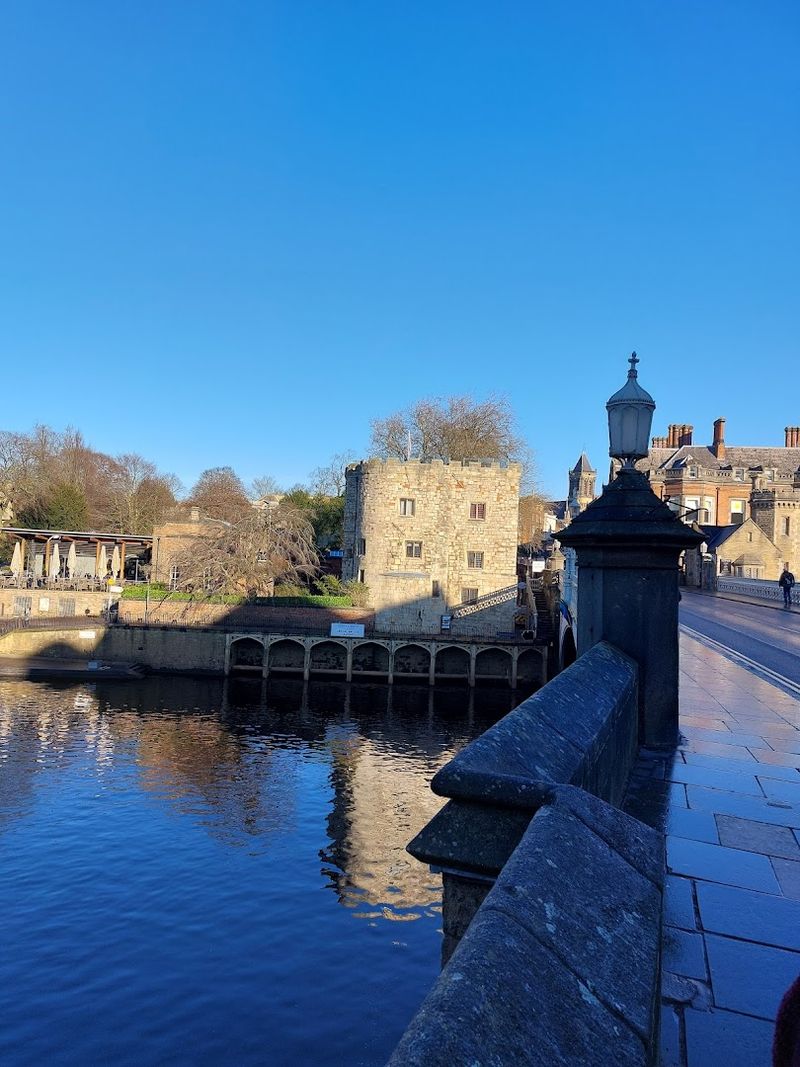
Revolutionary War history seeps from every brick in York, where the original 1753 town plan still shapes streets lined with buildings that witnessed America’s founding struggles.
York sits in northern South Carolina near the North Carolina border, positioned along what was once the main road connecting Charleston to Charlotte.
The town square centers on a historic courthouse that’s been replaced several times, but the surrounding commercial district maintains structures dating back to the 1800s.
Downtown shops occupy these vintage buildings, selling antiques, handmade crafts, and local goods while preserving original pressed-tin ceilings and heart-pine floors.
McCelvey Center, housed in a restored school building, showcases regional arts and hosts performances that draw audiences from surrounding counties.
The Culture and Heritage Museums operate multiple sites around town, including the Historic Brattonsville living history site where costumed interpreters demonstrate colonial life.
I’ve spent hours wandering York’s residential streets, admiring well-preserved homes from various architectural periods, each one contributing to the town’s authentic historic atmosphere.
York delivers that rare combination of genuine preservation and active community life that makes history feel present rather than merely past.
7. Camden
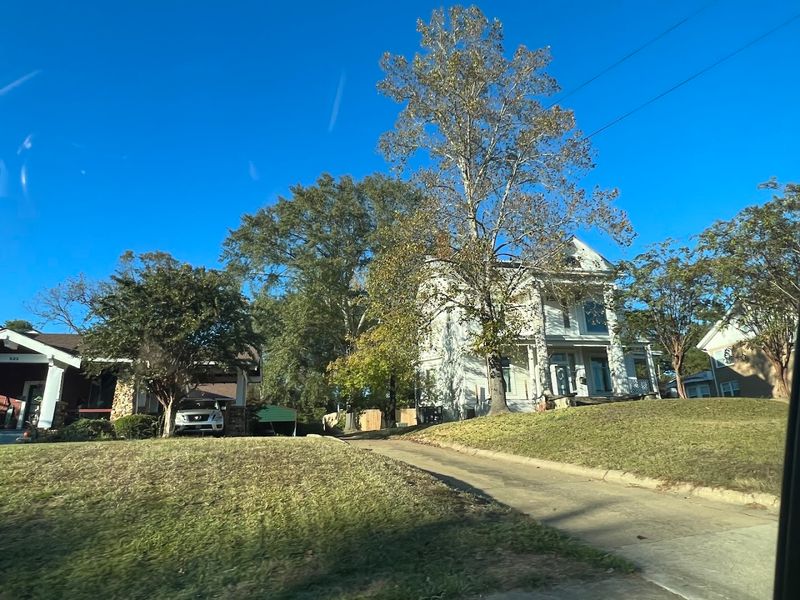
Antebellum elegance meets Revolutionary War history in Camden, America’s oldest inland city, where I’ve traced battle sites and admired mansions that survived Sherman’s march.
Camden sits in central South Carolina’s Midlands region, established in 1733 and serving as a British stronghold during the Revolutionary War before becoming a winter retreat for Northern aristocrats.
Broad Street and its surrounding blocks showcase stunning historic homes with wide porches, manicured gardens, and architectural details that speak to centuries of careful preservation.
The Historic Camden Revolutionary War Site recreates the colonial village with reconstructed buildings, guided tours, and living history events that bring the 1780s back to life.
Equestrian culture runs deep here, with the Carolina Cup steeplechase drawing thousands each spring to watch horses thunder past while spectators picnic in style.
Downtown shops and restaurants occupy buildings with their own stories, many dating back 150 years or more, creating an authentic rather than manufactured historic atmosphere.
Sunset walks along the waterfront at Lake Wateree became my evening ritual, watching light fade over water while egrets waded in the shallows.
Camden’s layers of history combined with active preservation efforts create exactly the kind of timeless setting where past and present blend seamlessly.
8. Abbeville
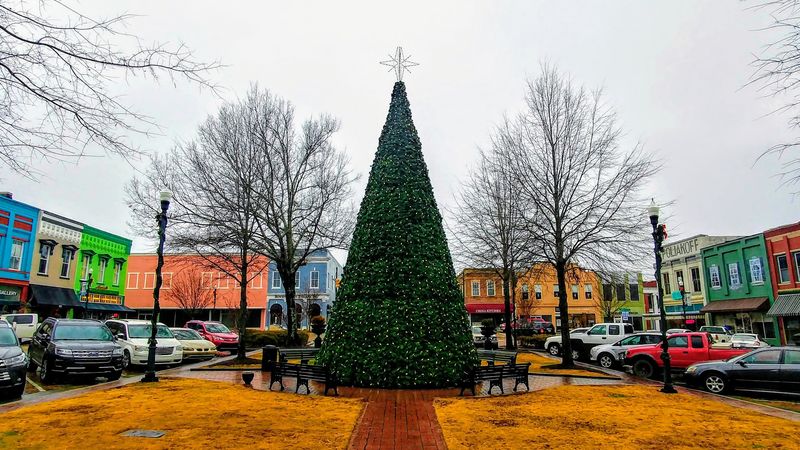
Court Square in Abbeville stopped time somewhere around 1900, with its Opera House, historic storefronts, and the spot where the Confederacy held its final council meeting in 1865.
Abbeville sits in western South Carolina’s Upstate region, a small town that played outsized roles in both the beginning and end of the Civil War.
The Abbeville Opera House still hosts live performances in a beautifully restored theater where the original stage, seating, and architectural details transport audiences back to the Victorian era.
Trinity Episcopal Church, where Jefferson Davis met with his cabinet for the last time, offers tours that detail this pivotal moment in American history.
Main Street shops sell antiques, local art, and gifts in buildings that have housed businesses for over a century, their facades carefully maintained to preserve original character.
Seasonal festivals fill the square with music, food vendors, and craftspeople, while locals gather on benches beneath shade trees to catch up on town news.
I’ve photographed Abbeville from every angle, always finding new details in the ironwork, brickwork, and window designs that make each building unique.
Abbeville proves that small towns with big histories can maintain authentic character while welcoming visitors with genuine Southern warmth.
9. Walhalla
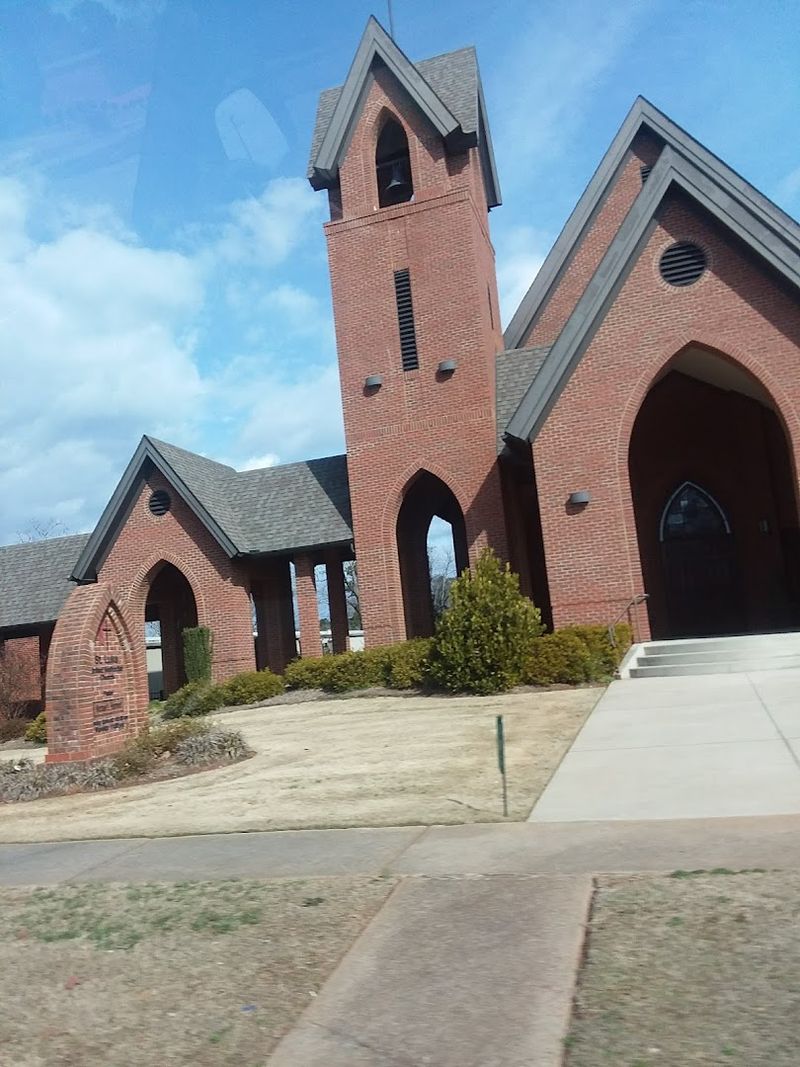
German heritage flavors everything in Walhalla, from the town’s name to the architecture lining Main Street, where I discovered a mountain community founded by immigrants seeking their own utopia.
Walhalla nestles in the extreme northwestern corner of South Carolina, pressed against the Blue Ridge Mountains where cooler temperatures and mountain views create a distinct atmosphere.
The downtown district preserves buildings from the town’s 1850 founding by the German Colonization Society, their European-influenced design setting Walhalla apart from typical Southern towns.
Stumphouse Tunnel Park offers hiking to an unfinished railroad tunnel where naturally cool air creates perfect conditions for aging blue cheese, a quirky detail I never expected to find.
Main Street shops and restaurants celebrate both German roots and mountain culture, serving everything from schnitzel to Southern barbecue in historic storefronts.
Oconee Station State Historic Site preserves a frontier trading post and blockhouse, reminding visitors that this peaceful mountain town once marked the edge of the frontier.
Fall color transforms the surrounding mountains into a painter’s palette, drawing leaf-peepers who discover Walhalla’s charms along with nature’s show.
Walhalla’s unique heritage and mountain setting create a storybook atmosphere unlike anywhere else in the Palmetto State.
10. Edisto Beach
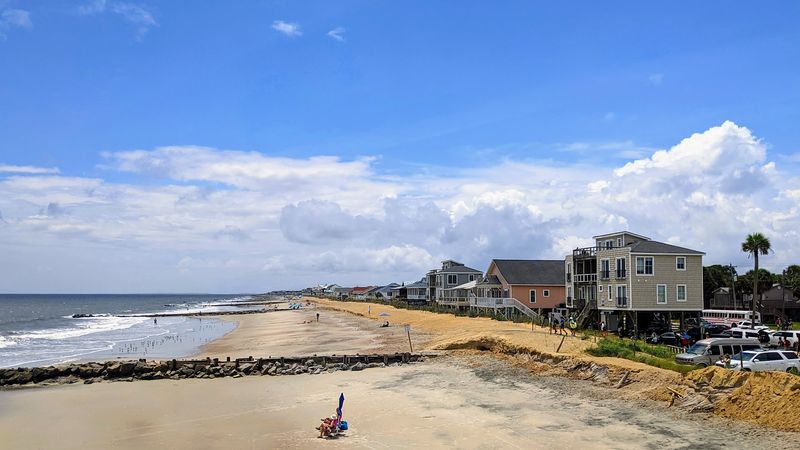
Undeveloped beaches stretch for miles at Edisto Beach, where I’ve walked shorelines completely free of high-rises, finding a coastal community that rejected overdevelopment decades ago.
Edisto Beach occupies Edisto Island on South Carolina’s southern coast, about an hour south of Charleston, accessible via a scenic causeway that crosses salt marshes teeming with wildlife.
The town’s strict building codes preserved its character, limiting construction to low-rise structures tucked beneath maritime forest canopy rather than towering over it.
Palmetto Boulevard runs parallel to the beach, lined with family beach houses that have welcomed multiple generations rather than rental investors seeking maximum returns.
Edisto Beach State Park protects pristine coastline and offers camping spots where you fall asleep to ocean waves and wake to dolphins feeding offshore.
Downtown consists of a few blocks with essential shops, restaurants serving fresh-caught seafood, and absolutely zero chain stores or corporate franchises.
Shell collecting became my morning meditation here, as Edisto’s beaches yield treasures that more developed areas have long since picked clean.
Edisto Beach delivers that rare coastal experience where natural beauty and small-town simplicity matter more than tourist attractions, creating the peaceful seaside escape every Hallmark movie promises.