
These Ancient Arizona Cliff Dwellings Make You Feel Like You’ve Stepped Into A Lost World Carved Into Stone
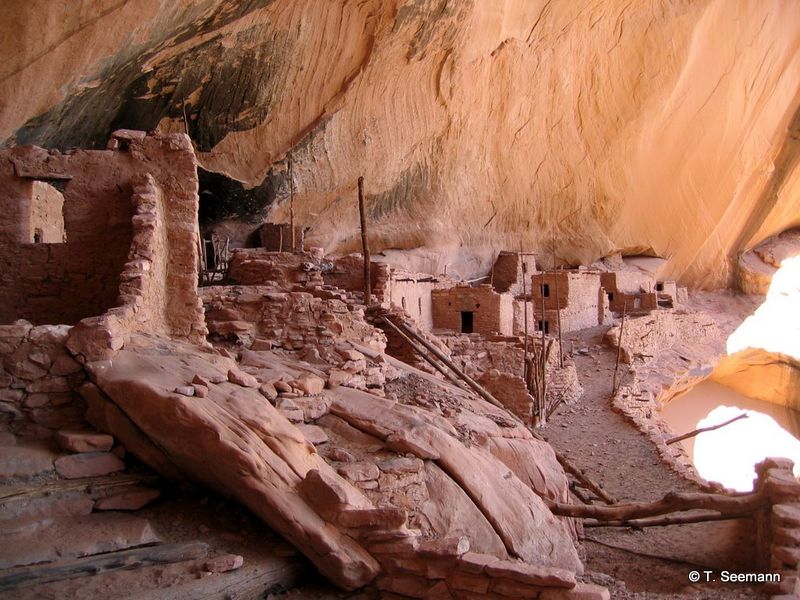
Nine miles off Highway 160, a paved road ends at one of the quietest, most jaw-dropping views in all of northern Arizona. Ancient cliff dwellings sit tucked beneath sandstone alcoves here, built by ancestral Pueblo people roughly 700 to 900 years ago.
What makes it feel almost unreal is how few people know about it, and the fact that walking these scenic trails costs absolutely nothing. Bring your binoculars and get ready to feel time slow down.
Where the Paved Road Ends and the Past Begins
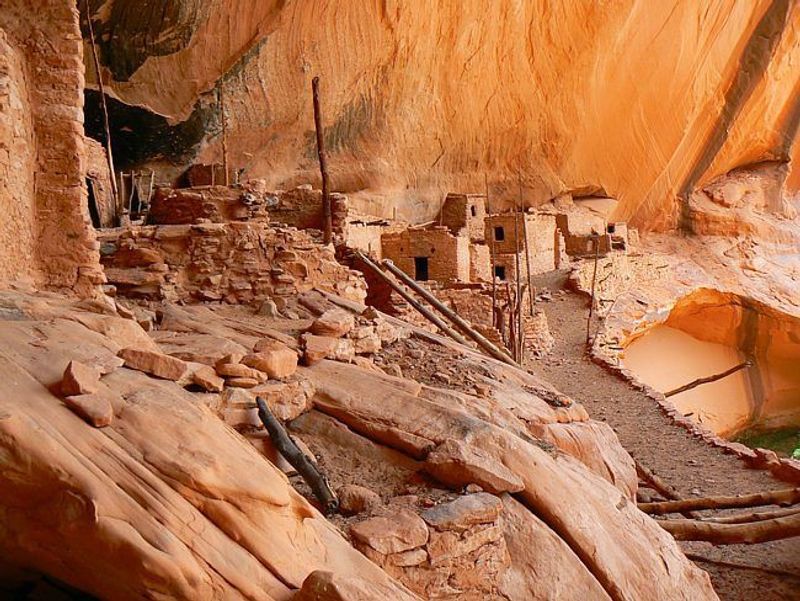
Roughly nine miles down a smoothly paved road off Highway 160, near Shonto in far northern Arizona, the pavement leads straight to the visitor center of Navajo National Monument. It sits high on the Navajo Nation, close enough to make an easy detour when you’re heading toward Monument Valley.
What waits here isn’t a manmade attraction but a preserved slice of the ancestral Pueblo world. Cliff dwellings tucked into massive stone alcoves anchor the site, surrounded by canyons, wildlife, and forested trails.
Regulars driving through northern Arizona often mention how special the calm feels compared to the crowds at bigger parks. The whole place stays quiet, well kept, and refreshingly unhurried.
Managed by the National Park Service, the monument protects both the human history and the striking canyon scenery around it. You can spend forty minutes here or several hours, depending on how deep you want to wander.
Either way, the drive rewards you fast, and the payoff feels far larger than the small effort it takes to reach this remote and remarkable corner of the state.
The Ancestral Puebloan Builders Behind the Stone
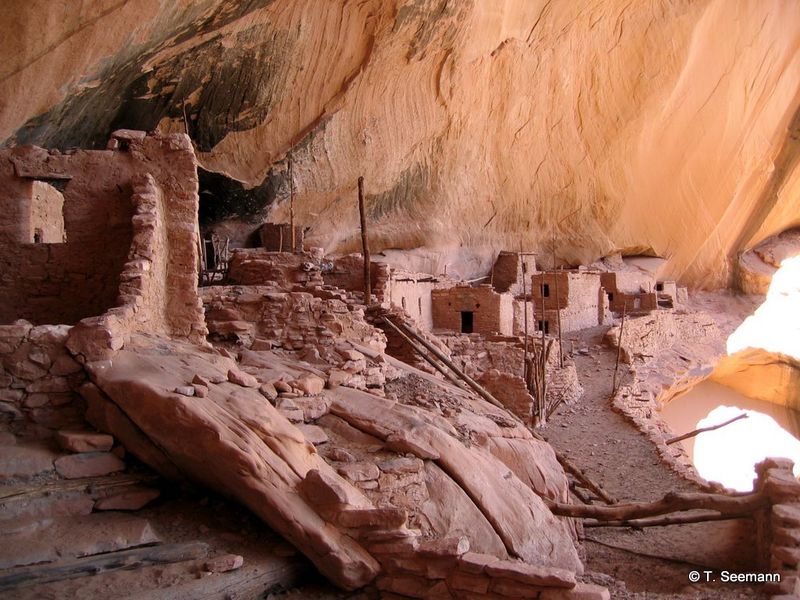
Long before highways crossed this land, ancestral Pueblo people carved out a life within these canyon walls. The dwellings you see today were built around 700 to 900 years ago, and their design shows real skill in reading the landscape.
Whole communities once lived beneath these sandstone overhangs, farming, gathering, and raising families in a rhythm that visitors describe as remarkably calm and grounded. These are the ancestors of today’s Hopi people, and their handiwork still stands.
Many who visit come away thinking less about ruins and more about lives. The settlement was likely left behind after a long drought stretched on for roughly twenty years, a detail that feels strikingly familiar to modern desert dwellers.
Reading the story here shifts something. You start picturing daily chores, shared meals, and children playing in the shade of the alcove rather than just admiring old stone.
That sense of continuity, of a culture that never truly vanished, gives the monument a depth you don’t always find at more famous sites. It’s history you can feel, not just see.
Sandal Trail’s Easy Walk to a Breathtaking Overlook
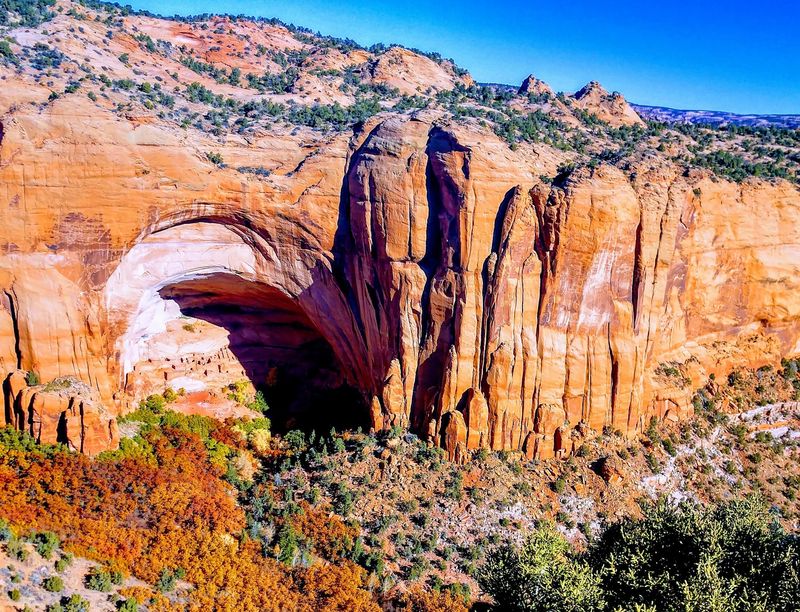
For anyone who wants a big view without a hard climb, the Sandal Trail delivers. This paved path runs about a mile round trip and ends at an overlook facing the Betatakin cliff dwelling across the canyon.
Families love how manageable it is. Kids handle it easily, and the smooth surface makes it accessible for elderly visitors and folks who’d rather stroll than scramble.
Along the way, small signs teach you about native plants and how they were once used, turning a short walk into a mini lesson. The whole route runs about 1.3 miles by some counts, with plenty to read as you go.
One friendly tip visitors repeat often: pack binoculars or a zoom lens. You’re viewing the dwellings from across the canyon, so a little magnification helps you catch the details tucked beneath the alcove.
The canyon itself is gorgeous, so even the overlook alone justifies the trip. Easygoing, scenic, and packed with quiet wonder, this trail is the one most people remember long after they’ve driven away toward their next stop.
Betatakin, the Cliff Dwelling You Come to See
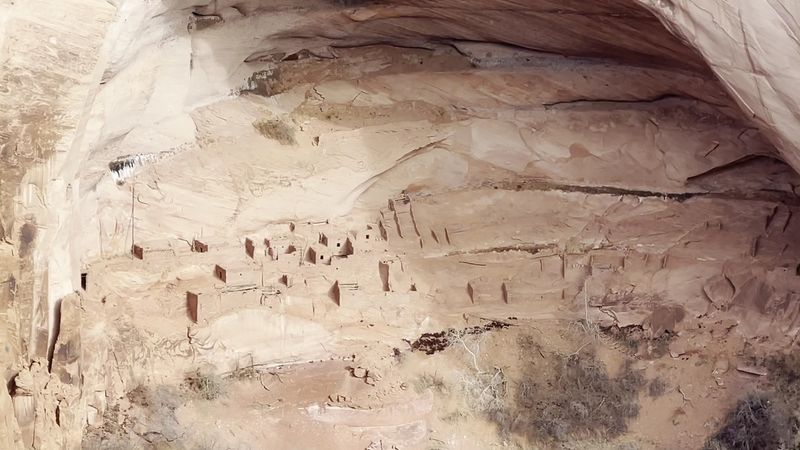
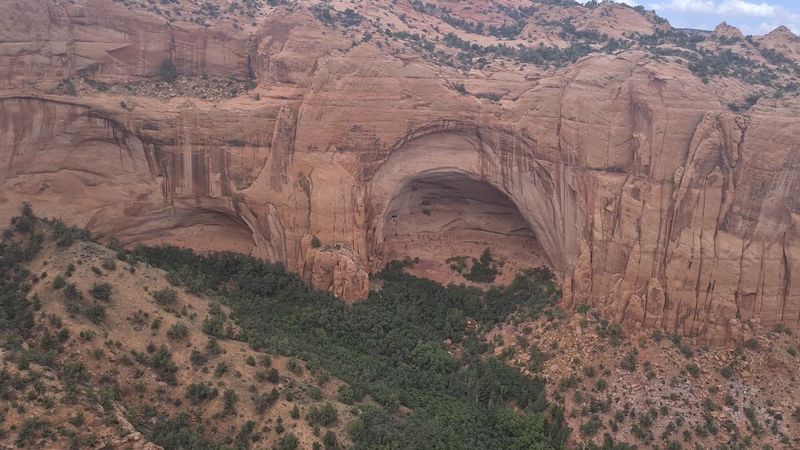
Set beneath an enormous curved wall of sandstone, Betatakin steals the show. Seen from the overlook, the dwelling looks almost impossibly tucked into the rock, protected by the natural arch above it.
The scale is what surprises people. That massive alcove dwarfs the stone rooms below, and the contrast between the golden cliffs and the shadowed shelter makes for an unforgettable sight.
Visitors sometimes wish they could get closer, and that’s a fair feeling. From the standard trail you’re viewing across the canyon, which keeps the fragile structure safe for future generations while still giving you a stunning perspective.
For those craving a closer look, a longer ranger-guided hike descends toward the ruins during the warmer season. People who’ve done it call the five-hour trek down and back well worth the effort, describing it as the highlight of their whole southwest trip.
Whether you admire it from above or make the guided journey below, Betatakin lingers in memory. It’s the kind of view that leaves a lasting impression and makes the remote drive feel completely earned.
Three Self-Guided Trails for Every Kind of Hiker
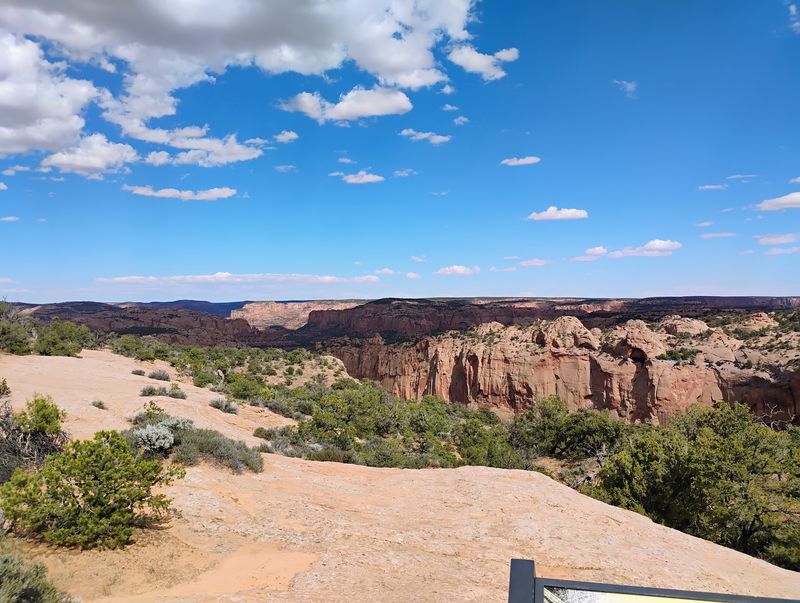
Options matter when you’re not sure how much walking your group wants, and this monument offers three self-guided trails to choose from. Two stay fairly easy, while the third climbs toward a relic forest and gets steep on the way back up.
The Canyon View trail lives up to its name, leaving hikers with a lasting impression of the sweeping scenery. The Sandal Trail handles the cliff dwelling overlook, and the more demanding route rewards the extra effort with a standout view.
Trails here range across difficulty levels, all of them well maintained. That variety means retirees, families, and eager day hikers can each find something that fits.
Time commitments run anywhere from a quick forty-minute stroll to a five-hour trek, so you can tailor the visit to your schedule. Even the shorter walks pack in canyon views, wildlife, and geology worth pausing for.
Educational signs line the paths, adding depth as you go. Between the mix of terrain and the scenery at every turn, the trail system keeps things interesting no matter which route calls your name.
A Small Visitor Center Packed With Stories
Before you hit the trails, the visitor center earns a slow browse. It’s small but full of thoughtful displays that show how life might have looked in the canyon centuries ago.
Inside, you’ll find artifacts, exhibits on the cliff dwellings, and educational films covering both Navajo and Hopi findings from the area. Visitors often praise how much they learned here in a short amount of time.
The rangers make the difference. People repeatedly mention how kind and helpful the staff are, happy to point you toward the right trail and explain what you’re about to see.
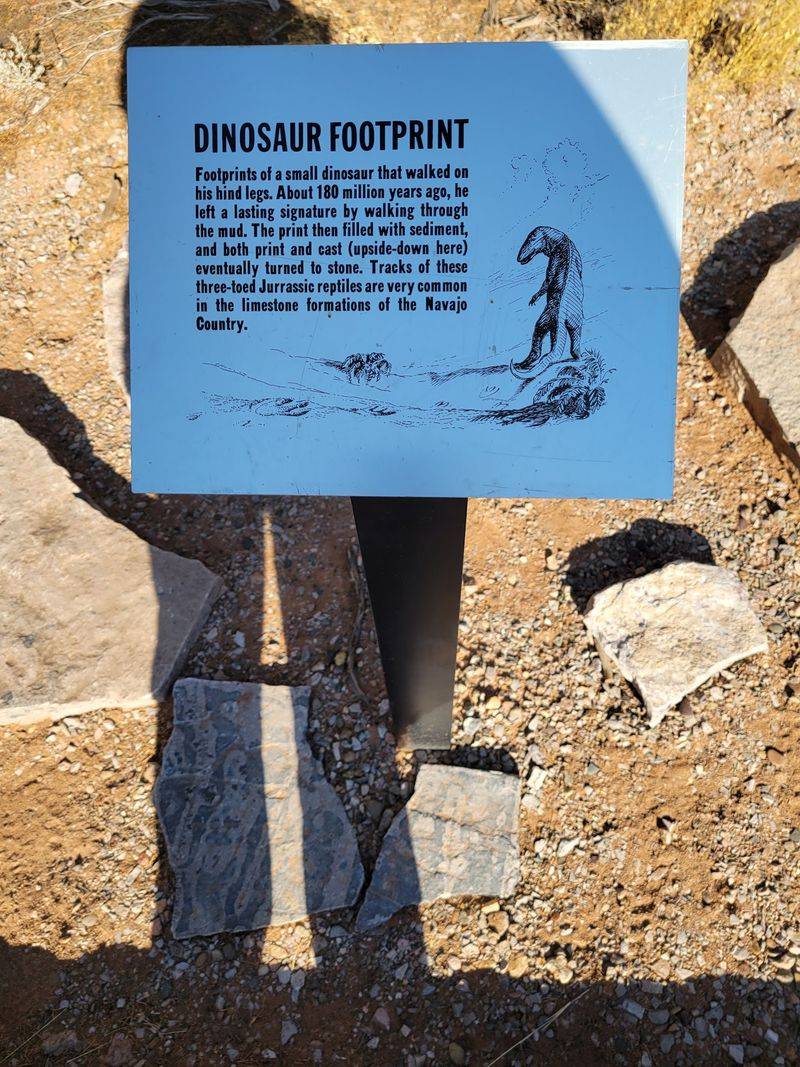
There’s even a surprise for curious eyes: a preserved dinosaur footprint that delights kids and adults alike. Little touches like that turn a quick stop into a memorable one.
Filtered drinking water is available inside during business hours, and restrooms are on hand too. Do note that the center closes at 4:30 in winter, so plan your arrival with that in mind.
Between the displays, the films, and the welcoming staff, this modest building gives real context to everything waiting outside along the canyon rim.
Free Camping Under Some of Arizona’s Darkest Skies
Here’s the detail that makes budget-minded travelers grin: camping at Navajo National Monument is completely free. Sunset View Campground offers 31 nicely shaded sites, paved roads, clean modern restrooms, flush toilets, and drinking water.
That’s a rare find. Campers point out that a spot this well kept would easily cost twenty dollars or more a night elsewhere, yet here it costs nothing.
The sites nestle among mature pinyons and junipers, offering shade and a genuinely peaceful setting. Sites are first come, first served with no reservations, and the stay limit runs seven days per year.
After dark, the real magic arrives. With campfires not permitted, the air stays clean and the sky opens up into a spectacular field of stars that visitors rave about.
A few practical notes: there are no showers, and rigs over 24 feet won’t fit the sites. The campground stays open all year, making it a fine home base for exploring nearby northern Arizona sights.
Quiet nights, shaded mornings, and free stargazing add up to one of the state’s best-kept camping secrets.
Wildlife, Plants, and Geology Along the Way
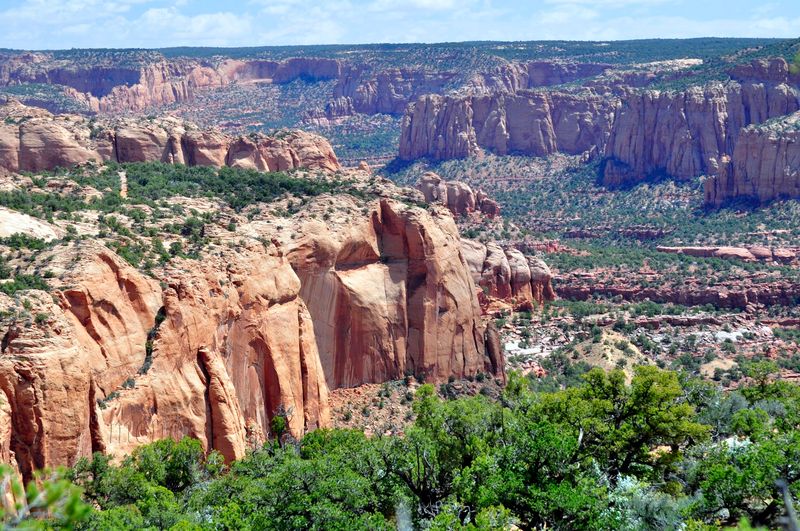
Beyond the ruins, the land itself puts on a show. Hikers describe the wildlife, plants, and geology here as genuinely incredible, turning every trail into more than just a walk to a viewpoint.
Interpretive signs along the paths explain how native plants were once used, adding a layer of understanding to the scenery. You start noticing the pinyons, junipers, and desert growth as living pieces of the story rather than background.
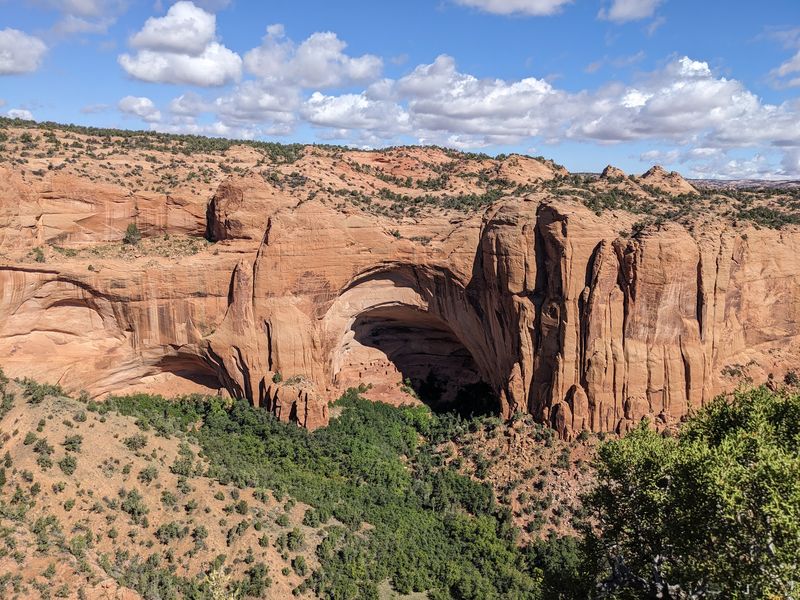
The canyon geology draws plenty of admiration too. Layered sandstone walls, dramatic overhangs, and that surprise dinosaur footprint near the visitor center give geology fans plenty to marvel at.
Because the area stays so quiet and protected, wildlife feels closer and the whole environment feels healthier. The clean air, thanks to the no-campfire rule, only sharpens the experience.
Visitors often sum it up simply: with canyons, cliff dwellings, dark skies, friendly rangers, and rich natural detail all in one place, there’s really no reason to skip it if you’re passing by.
It’s a landscape that rewards slow attention, where every glance turns up something new to appreciate.
Practical Notes for Planning Your Visit
Getting here is easier than the remote setting suggests. A fully paved nine-mile drive off Highway 160 leads straight to the visitor center, no rough roads required.
Best of all, entry is free. There’s no admission fee to explore the trails or view the cliff dwellings, which makes this one of the most budget-friendly outings in the region.
Plan around the visitor center hours, since it closes at 4:30 in winter. Face masks may be required as this sits on native lands, so it’s wise to come prepared.
Pack binoculars or a zoom lens to see the dwellings clearly from across the canyon. Bring water too, though filtered drinking water is available inside during business hours.
Cell service can be spotty, so download directions before you arrive. Dogs aren’t generally allowed on trails during busy hours, though leashed pets have been welcomed later in the day at ranger discretion.
Whether you stop for forty minutes or camp for several nights, a little planning goes a long way. The short effort of the drive pays off with big scenery and quiet wonder.
Why This Quiet Monument Deserves Your Detour
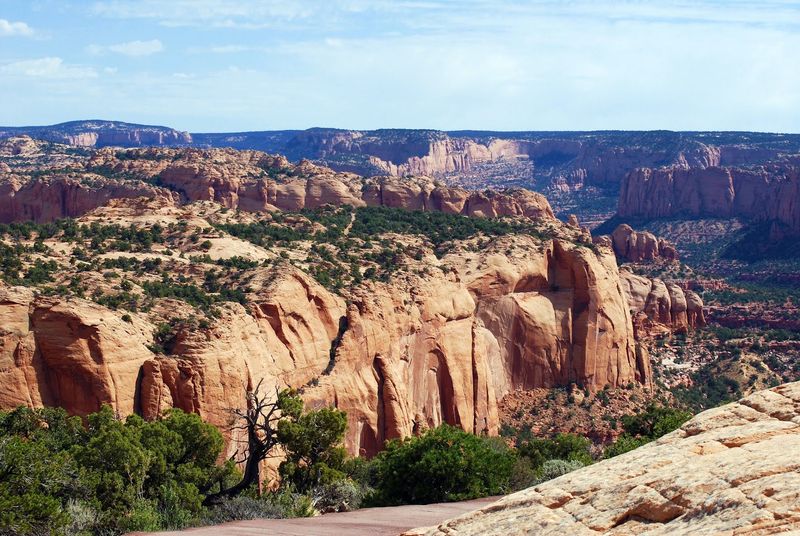
Some drives just stick with you, and the one out to this monument is one of them. Between the free entry, the free camping, and the stunning canyon views, it delivers far more than its small footprint suggests.
Travelers heading toward Monument Valley call it the perfect worthwhile detour, an easy short hike leading to a truly spectacular sight. Others simply describe it as a hidden gem where history, culture, and scenery meet in one calm place.
What lingers most is the quiet. Fewer crowds mean you actually feel the stillness of the canyon and the weight of the centuries carved into the stone across from you.
Add in the welcoming rangers, the educational displays, the dark night skies, and the peaceful campground, and it’s hard to think of a reason not to go.
For Arizona locals and road-trippers who love finding the affordable, slightly magical spots most people miss, this one belongs high on the list. Bring your binoculars, take your time, and let this lost world carved into stone leave its lasting impression on you.