
These Are The Best Washington Places To Find Sea Glass, Agates, Shells, And More
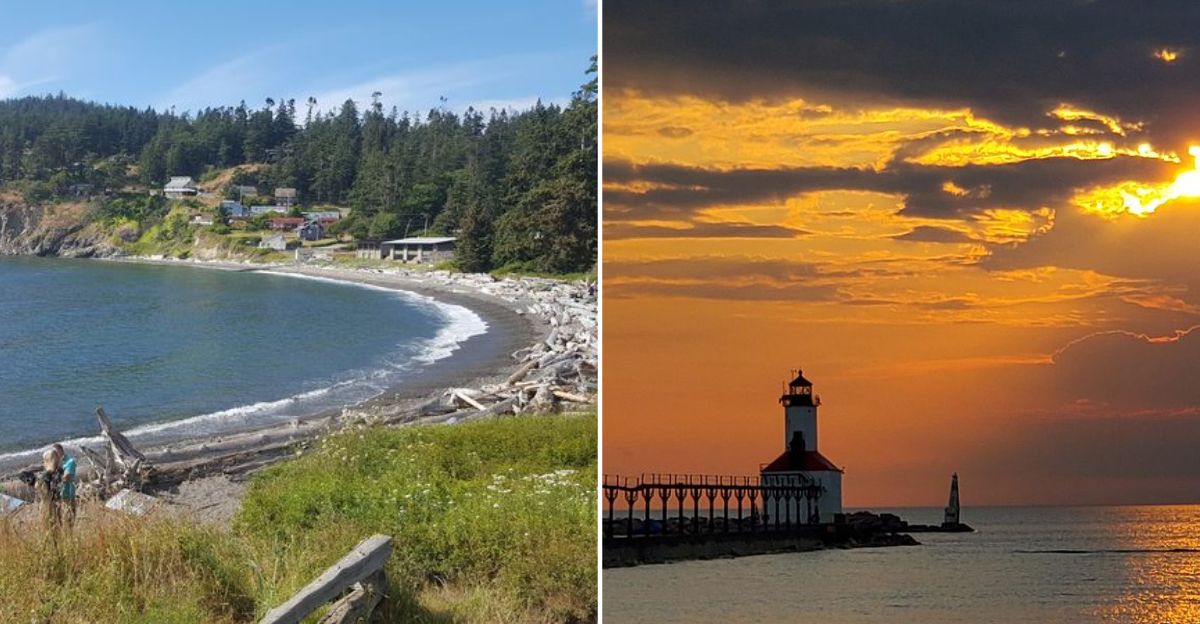
My friends always laugh when we walk on the beach because I look less like a relaxed vacationer and more like a raccoon digging through a dumpster.
But my obsession is pure goldor rather, pure glass. There is an undeniable rush when you spot that tiny, frosted neon gem hiding among the boring gray gravel.
If you are anything like me and your idea of a good time involves staring intensely at wet sand for four hours, you are in the right spot. I have spent way too many weekends scouring the rugged shores of Washington, fueled entirely by stubbornness and cheap gas station coffee.
Trust me, the hunt does things to your soul.
If you want to know where to fill your pockets with frosted treasure without getting trampled by tourists, let me let you in on a few of my absolute favorite secrets.
1. Glass Beach, Port Townsend
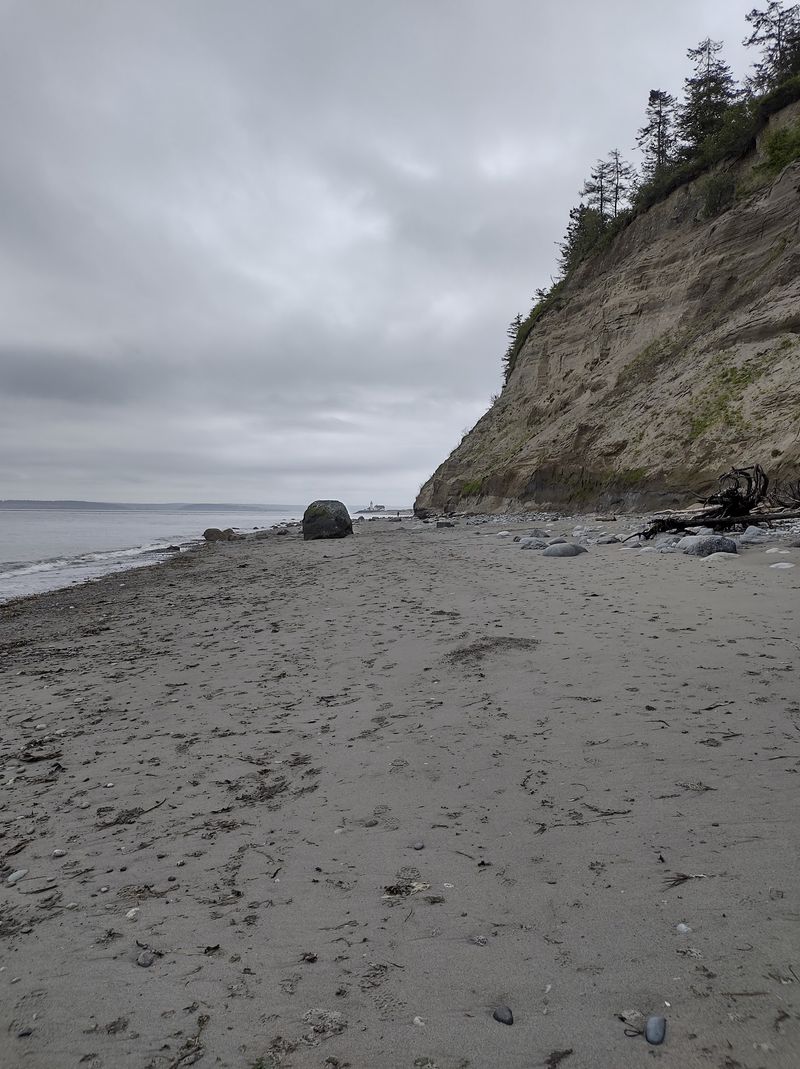
Walking roughly three miles west from North Beach Park toward McCurdy Point puts you on one of Washington’s most celebrated beachcombing routes.
Glass Beach near Port Townsend has earned its reputation honestly, delivering sea glass in shades of green, brown, and the coveted cobalt blue to patient hunters willing to make the trek.
Beyond glass, you can also turn up sea pottery, jasper, and small agates tumbled smooth by years of wave action. The mix of finds keeps every visit feeling fresh and a little unpredictable.
Checking tide tables before you head out is genuinely important here because portions of the route can become difficult to pass at high tide. Morning low tides during fall and winter tend to expose the most material.
Bring a small bag, wear waterproof shoes, and plan to spend at least two hours exploring the shoreline at a comfortable pace.
2. North Beach Park, Port Townsend
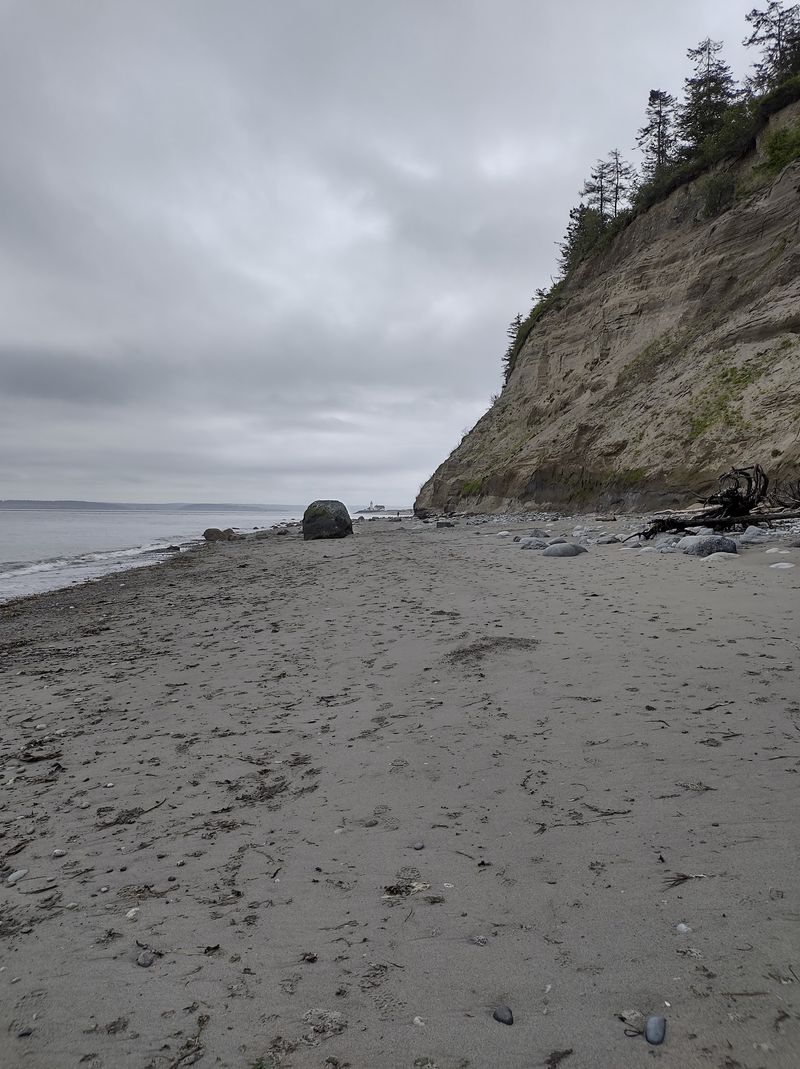
North Beach Park serves as the official launching point for the famous Glass Beach walk, but it deserves credit as a solid beachcombing destination on its own.
Smaller pieces of sea glass, pottery shards, smooth pebbles, and shells regularly appear along the shoreline closest to the park, especially after a good storm rolls through.
The area near the parking lot gets searched frequently, so moving down the beach in either direction tends to improve your odds. Arriving early in the morning before other visitors show up is a simple strategy that pays off more often than not.
The park itself has restrooms and open grassy areas, making it a comfortable spot for families with younger kids who might not be ready for the longer Glass Beach hike. Even a short visit here can produce a satisfying handful of smooth, frosted glass pieces worth keeping.
3. Damon Point, Ocean Shores
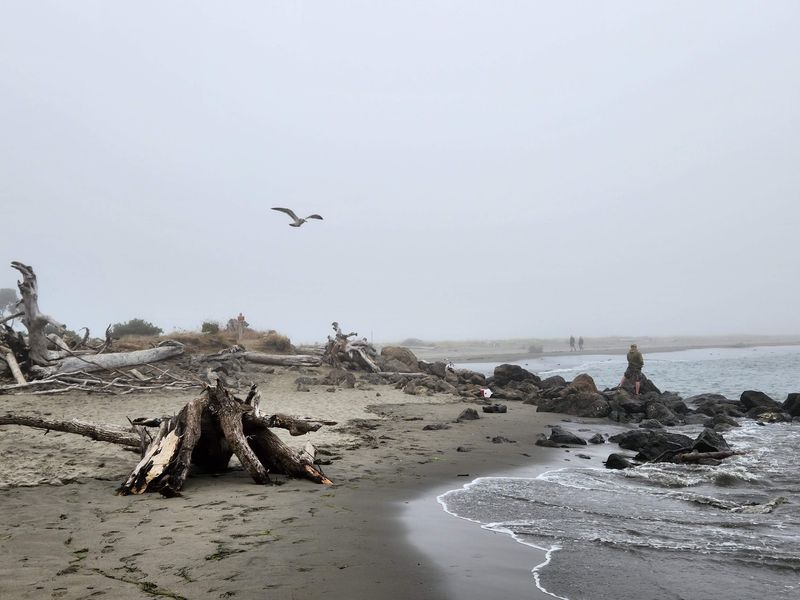
Stretching about four miles along the southern tip of the Ocean Shores peninsula, Damon Point is one of Washington’s strongest choices for agate hunting.
The gravelly sections of shoreline are where most of the action happens, and a good eye can pick out translucent agates glowing against the wet sand after the tide pulls back.
Shells, driftwood, unusual stones, and occasional sea glass also show up here, particularly following winter storms that churn up fresh material from the ocean floor. The variety of finds makes it worth slowing down and scanning carefully rather than rushing through.
Wildlife is a bonus at Damon Point, with harbor seals and shorebirds frequently spotted along the water’s edge.
The area is managed as a natural area preserve, so leave the wildlife undisturbed and stick to the open beach zones. Sturdy shoes and layered clothing handle the coastal wind much better than light sneakers.
4. Bottle Beach State Park, Aberdeen
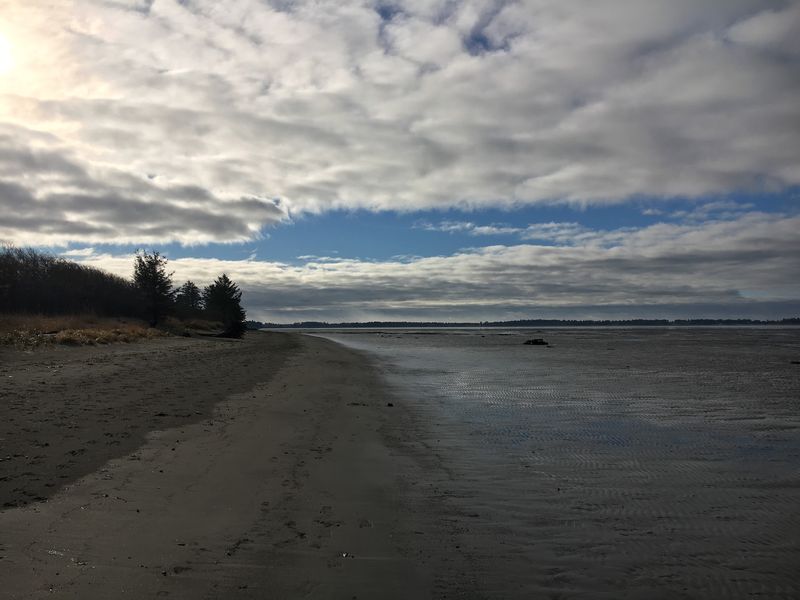
There is a fascinating backstory behind Bottle Beach State Park that makes the beachcombing feel extra rewarding.
The shoreline borders the site of a former town and historic dump, which means decades of discarded glass and pottery have been slowly tumbled and polished by Grays Harbor’s tides into the smooth, frosted pieces collectors love to find.
Sea glass is the headline attraction, but the tide flats also yield shells, agates, driftwood, and fragments of old pottery with visible patterns still intact. Finding a piece of antique pottery with a decorative edge is one of those small thrills that keeps people coming back.
Low tide is the key to a productive visit here since the flats can be quite muddy when the water is up. Rubber boots are a smart call.
The park is easy to reach from Aberdeen and offers a genuinely different beachcombing experience compared to the state’s more open Pacific beaches.
5. Westport Beaches, Westport
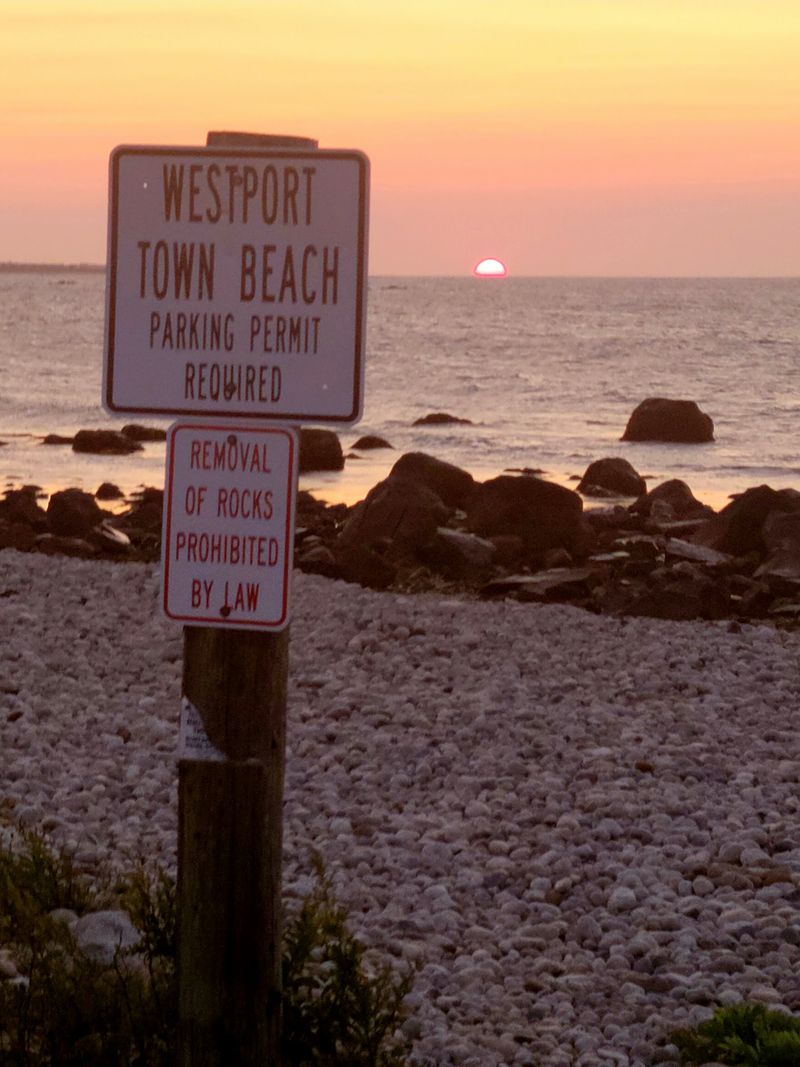
Westport punches well above its weight when it comes to beachcombing variety.
The beaches around this small fishing town are known for producing agates, shells, polished stones, sea glass, and driftwood, and the rare Japanese glass fishing float occasionally washes ashore after crossing the Pacific Ocean over many years.
Searching during a falling tide after a winter storm is the local wisdom, and it genuinely works. Fresh material gets pushed up onto the beach and has not yet been picked over by other hunters. The wide, open shoreline means there is always more ground to cover.
Westport also has a fun little coastal town atmosphere with seafood stands and a small lighthouse worth visiting after a morning on the beach. Pairing a beachcombing session with a bowl of chowder and a walk around the marina makes for a full and satisfying day on the Washington coast.
6. Grayland Beach State Park, Grayland
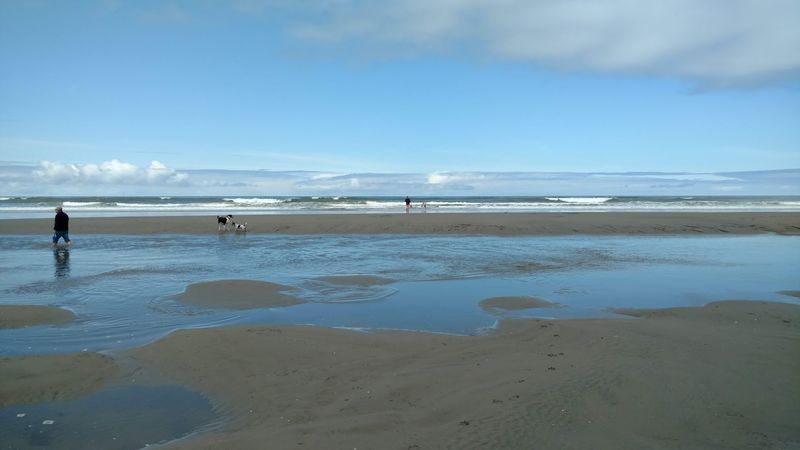
Few places in Washington give beachcombers as much room to roam as Grayland Beach State Park. The broad Pacific shoreline stretches on generously, offering plenty of space to spread out and search without feeling crowded, even on busier weekends during the summer months.
Agates, shells, sand dollars, driftwood, and wave-smoothed glass all show up along this stretch of coast. Conditions shift quickly here, and the best finds tend to appear after rough weather or strong tidal cycles push new material onto the beach.
Keeping an eye on the forecast and timing your visit around incoming storms can make a noticeable difference in what you find. The park remains open year-round, though beach camping is currently not permitted.
Day visitors can park near the beach access points and walk in either direction along the shoreline. A wide-brimmed hat and a windproof jacket are your best friends on a blustery Grayland morning.
7. Coupeville Waterfront, Whidbey Island
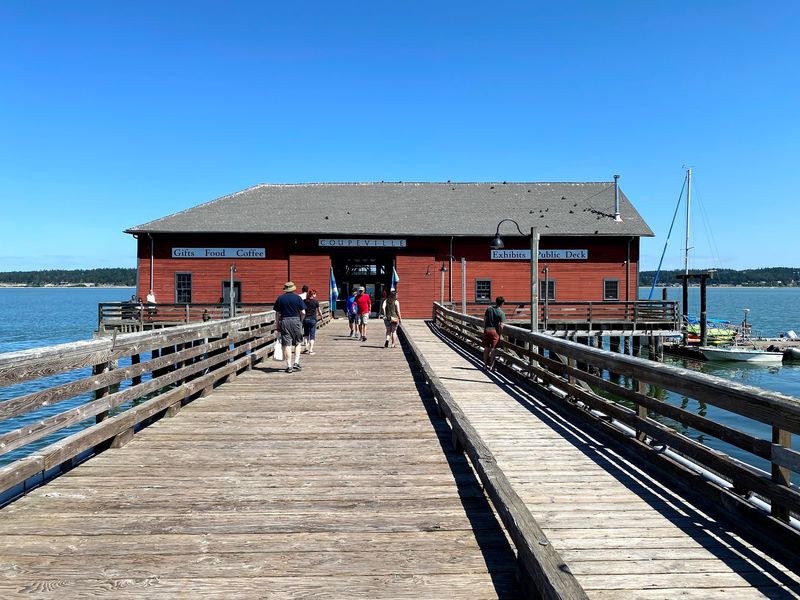
Coupeville is one of Washington’s oldest towns, and its waterfront carries a quiet, unhurried charm that makes beachcombing here feel relaxed rather than competitive.
Public shoreline access near the historic Coupeville Wharf is regularly mentioned among Washington’s sea-glass locations, and small frosted glass pieces do turn up along the gravelly waterfront with some regularity.
Shells, pottery fragments, and colorful beach pebbles round out the typical haul. The pebbles here are particularly pretty, ranging from pale gray to deep reddish-brown, and many make excellent additions to a home collection even without any glass or agate finds.
The waterfront itself is a lovely place to spend a slow morning. Penn Cove stretches out in front of you, and the surrounding historic district has cafes and small shops to explore afterward.
Whidbey Island is easily reached by ferry from the mainland, making Coupeville a natural addition to a longer island beachcombing day.
8. Bush Point, Whidbey Island
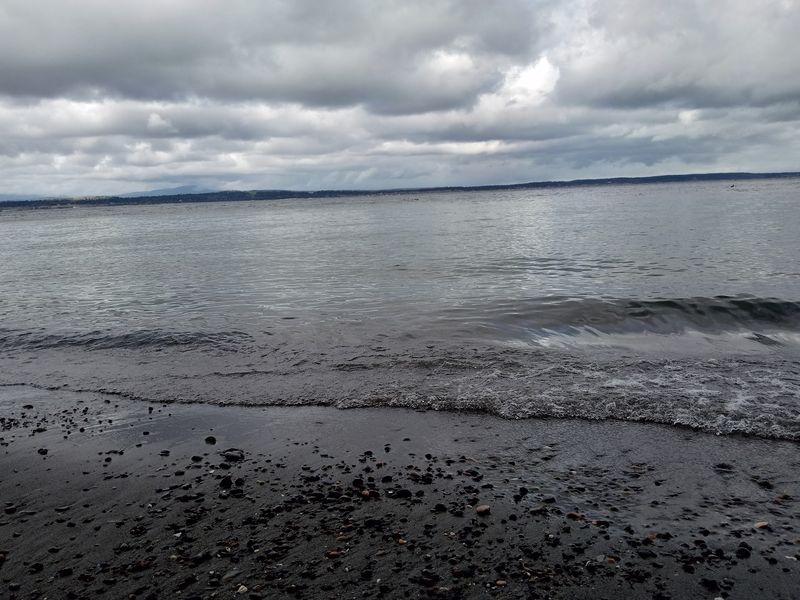
Rocky shorelines have a way of hiding treasures in plain sight, and Bush Point on Whidbey Island is a solid example of that idea in practice.
The gravelly beach here is a reliable spot for sea glass, agates, shells, and polished pebbles, especially when the tide drops and exposes fresh gravel beds that rarely see much foot traffic.
Low tide timing is especially important at Bush Point because that is when the most productive sections of the beach become accessible. Arriving within an hour of low tide and working your way methodically along the waterline tends to yield the best results.
One thing to keep in mind is that some of the land surrounding Bush Point is privately owned, so sticking to established public access points is both respectful and necessary.
A quick search online before your visit will confirm the current public access locations and save you any confusion once you arrive at the beach.
9. Rosario Beach, Fidalgo Island
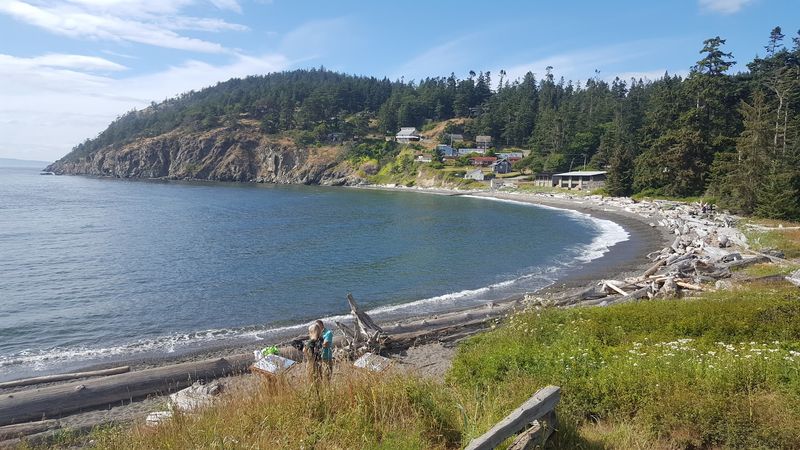
Rosario Beach has a certain visual drama to it that sets it apart from the flat sandy stretches found elsewhere on the Washington coast.
Forested bluffs frame the rocky shoreline, and the mix of large boulders, gravel beds, and tide pools creates a layered environment that rewards careful, slow exploration.
Collectors who enjoy polished pebbles and small agates tend to find Rosario Beach especially appealing. The rocky sections of shoreline also produce shells, driftwood, and occasional pieces of sea glass, so there is enough variety to keep a mixed group of beachcombers happy during a single visit.
Rosario Beach sits within Deception Pass State Park, which means the surrounding area offers hiking trails, picnic spots, and stunning views of the Deception Pass bridge.
Combining a morning of beachcombing with an afternoon hike through the park’s old-growth forest makes for a deeply satisfying day on Fidalgo Island.
10. Deception Pass State Park, Whidbey and Fidalgo Islands
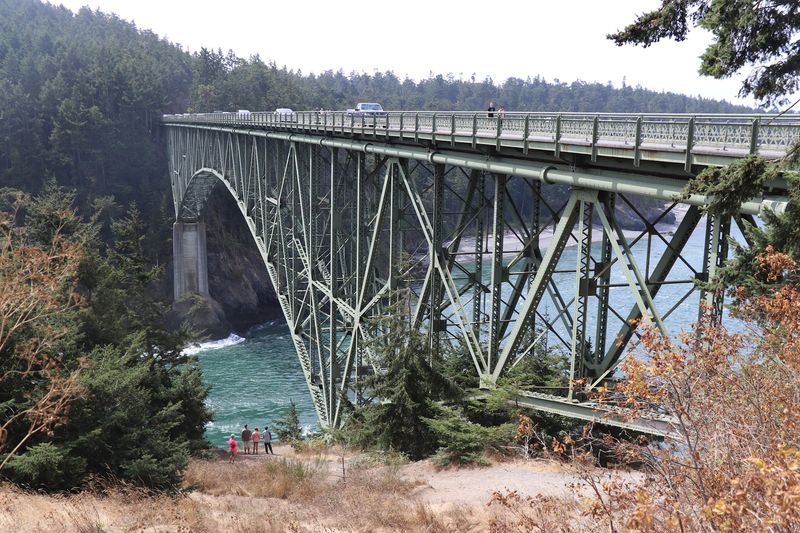
Deception Pass State Park is Washington’s most visited state park, and the beachcombing opportunities scattered across its varied shoreline are a big reason why nature lovers keep returning.
The park spans both Whidbey Island and Fidalgo Island, connected by the iconic bridge that arches dramatically over the swirling tidal channel below.
Colorful stones, shells, driftwood, agates, and occasional sea glass can all be found along the park’s multiple beach areas.
Rosario Beach gets most of the collector attention, but West Beach and North Beach offer additional shoreline worth exploring, and they tend to be a little less picked over on busy days.
Each beach within the park has its own character and mix of finds, so visiting more than one in a single day keeps things interesting.
Parking passes are required, so arriving early is smart both for securing a spot and for catching the best low-tide window of the morning.
11. Murdock Beach, Near Joyce
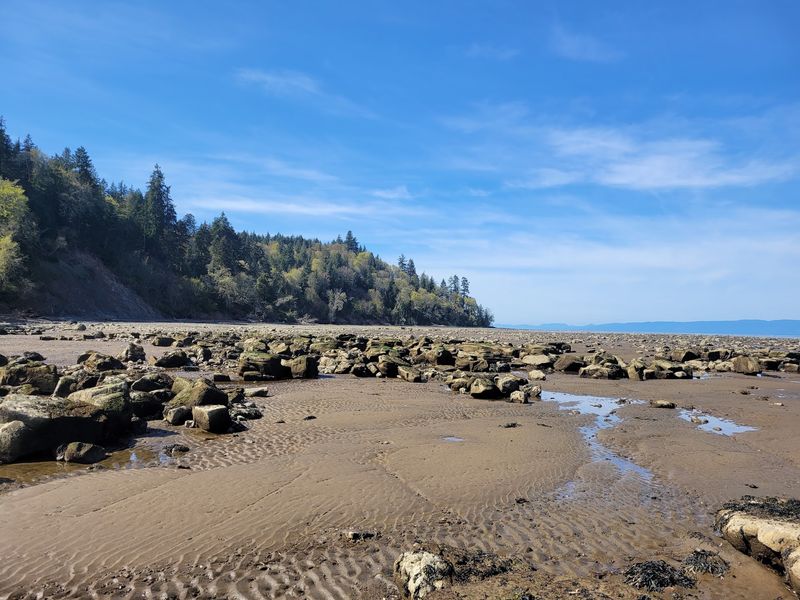
Not every great Washington beachcombing spot is about sea glass, and Murdock Beach near Joyce makes that point with confidence.
This rocky stretch along the Strait of Juan de Fuca is recognized in Washington’s official geotourism guide as an excellent rock-hunting location, and the variety of material here is genuinely impressive for mineral enthusiasts.
Jasper, fossils, concretions, and other unusual stones are the main draws rather than abundant sea glass. Finding a well-formed fossil or a perfectly round concretion along a remote Pacific Northwest beach is the kind of discovery that turns a casual outing into a memorable one.
Low tide is the best time to explore because it exposes more of the rocky beach and makes the interesting stones easier to spot against the wet gravel.
The drive out to Joyce along Highway 112 is scenic in its own right, passing through old-growth timber country with views of the strait opening up along the way.
The Best Beach Finds
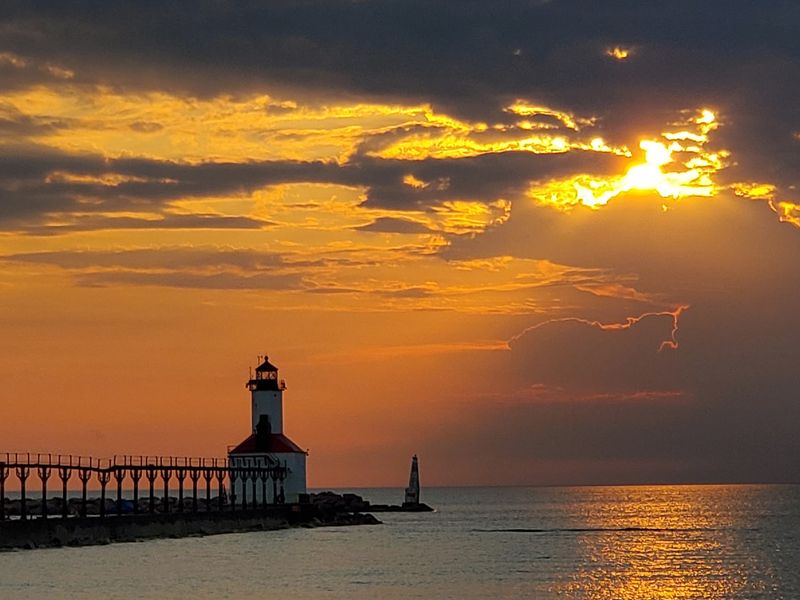
Washington’s beaches offer much more than a place to watch waves roll in. Each stretch of shoreline carries its own mix of polished glass, colorful agates, shells, driftwood, fossils, and stones shaped by years of tides and weather.
The fun comes from never knowing exactly what will appear next. One beach may produce a tiny piece of blue sea glass, while another reveals banded rocks or delicate shells scattered across the sand.
Storms, low tides, and changing currents can completely rearrange the shoreline, which means even familiar places deserve another look.
Patience matters more than speed. Walk slowly, scan the gravel lines, and check around driftwood or newly exposed patches of beach. Just remember that collecting rules vary, especially inside state and national parks, so always read posted guidance before taking anything home.
The best souvenirs are often the smallest ones. A smooth agate or weathered shard of glass can hold the memory of an entire Washington road trip in the palm of your hand.