
These Are 12 Underrated Must-See Places In Arkansas For Out-of-Towners
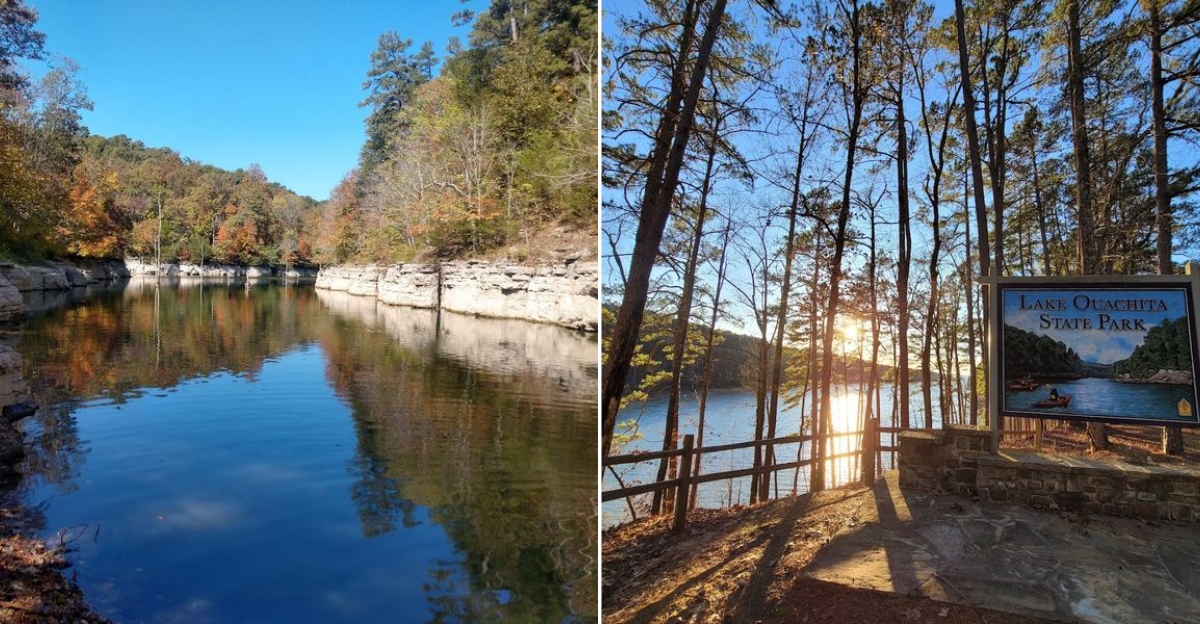
Arkansas caught me off guard in the best way. I thought I knew what to expect, but this state kept proving me wrong at every turn.
One moment I was standing near ancient earthworks older than most American landmarks. The next, I was staring at a glass chapel glowing softly among tall trees.
I spent real time exploring, not just passing through. Each stop felt personal and unexpectedly memorable.
The landscapes shift quickly here, and so do the stories behind them. Small towns hold more history than they let on at first glance.
Quiet corners reveal some of the most striking views. I kept wondering why more people were not talking about these places.
If you are planning a road trip, or just craving something different, this list might completely reshape how you see the Natural State.
1. Petit Jean State Park, Morrilton
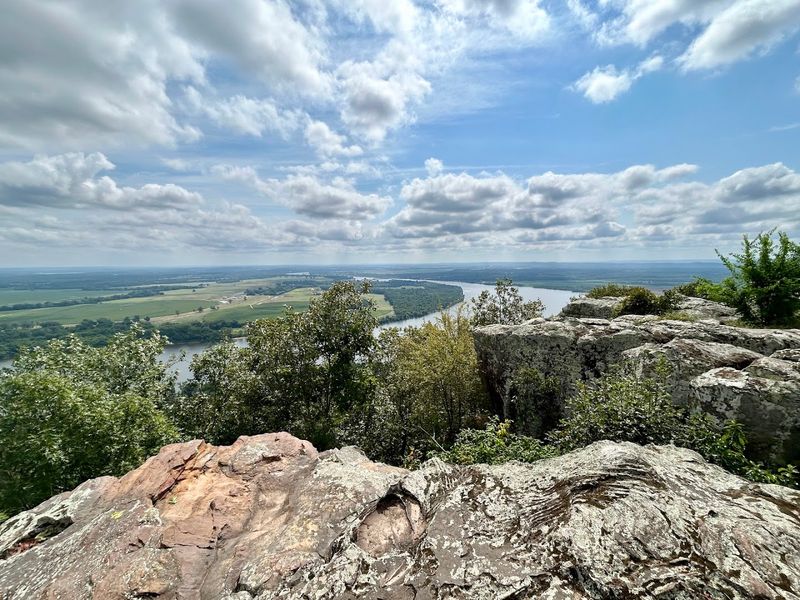
Standing at the edge of Cedar Falls inside Petit Jean State Park, I felt the mist hit my face before I even saw the water crashing down below me.
The park sits at 1285 Petit Jean Mountain Rd, Morrilton, AR 72110, and it holds the title of Arkansas’s first state park, which means generations of families have been making memories here long before Instagram made waterfalls famous.
Hiking trails here range from easy walks to more challenging ridge routes, and the views from the mountain overlooks stretch so far into the Arkansas River Valley that you might forget to take a photo because you are too busy just staring.
Camping spots, cabin rentals, and a historic lodge are all available, making this a place where you can genuinely spend a long weekend without running out of things to do.
The park’s geology is something special too, with ancient rock formations and canyon walls that tell a story far older than anything written down.
If you visit in autumn, the tree canopy turns into a patchwork of orange and red that makes every trail feel like a painting you accidentally walked into.
2. Crystal Bridges Museum of American Art, Bentonville
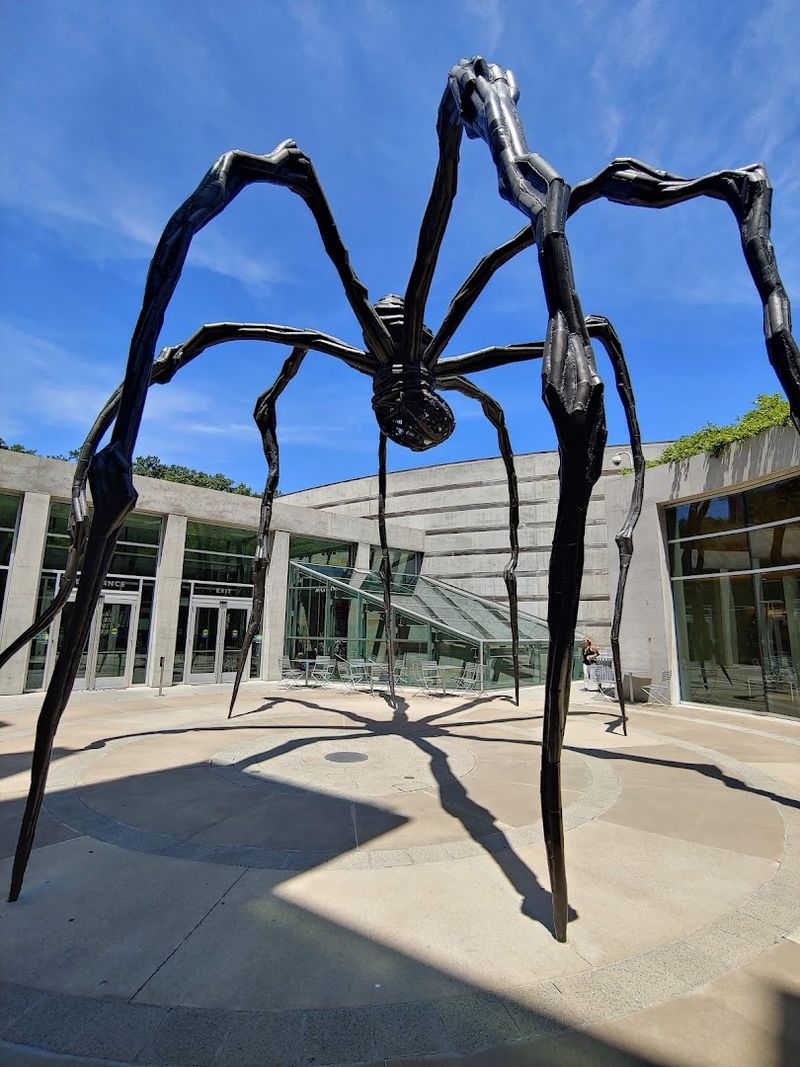
Tucked into a wooded ravine in Bentonville, Crystal Bridges Museum of American Art is the kind of place that makes you question why you ever thought a world-class art museum could only exist in New York or Chicago.
Located at 600 Museum Way, Bentonville, AR 72712, this museum houses an extraordinary collection that spans centuries of American creative history, from colonial-era portraits to contemporary installations that practically dare you to look away.
The building itself is a work of art, designed with glass pavilions that hover over natural spring-fed ponds, so even the walk between galleries feels intentional and beautiful.
Admission to the permanent collection is free, which makes this one of the most generous cultural offerings in the entire country.
Sculpture trails wind through the surrounding forest, giving you a reason to linger outside between gallery visits.
Spring and fall bring especially pleasant temperatures for exploring the outdoor spaces, and the museum regularly hosts special exhibitions, events, and family programming that keep the experience fresh no matter how many times you return.
3. Thorncrown Chapel, Eureka Springs
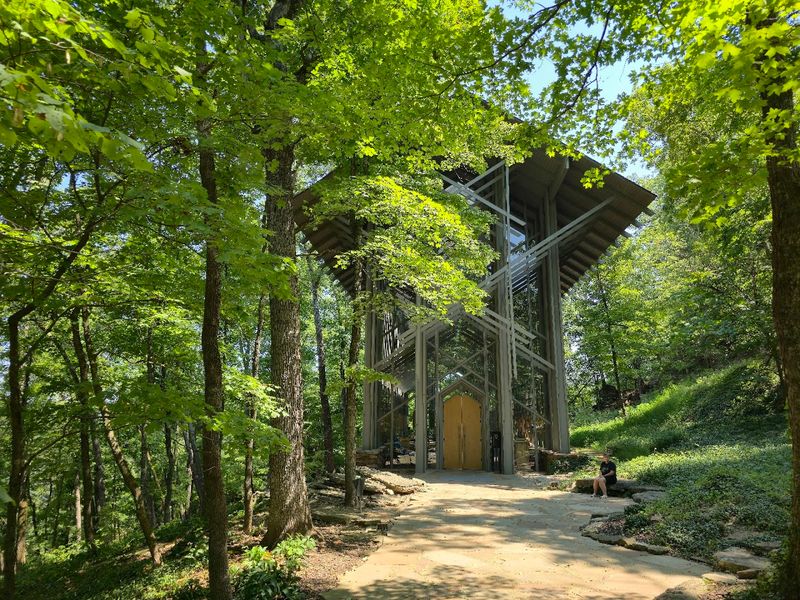
Stepping through the entrance of Thorncrown Chapel feels less like entering a building and more like stepping into a conversation between human creativity and the natural world.
Built from local stone and wood with towering glass walls, this structure at 12968 US-62, Eureka Springs, AR 72632 lets the surrounding Ozark forest become part of the sanctuary itself.
Architect E. Fay Jones designed it with the constraint that no material could be larger than what two people could carry through the woods, and that limitation produced something that feels almost impossibly light and graceful.
The chapel welcomes visitors of all backgrounds, and many people simply sit quietly inside for a while, listening to the wind move through the pines outside the glass.
Photography is encouraged, though no lens fully captures the way the afternoon light shifts through those massive windows and falls across the stone floor.
The surrounding area in Eureka Springs is worth exploring too, with Victorian architecture, winding streets, and a creative community that has been drawing artists and free spirits for decades.
Plan your visit for a weekday morning if you want the quietest possible experience inside the chapel.
4. Mammoth Spring State Park, Mammoth Spring
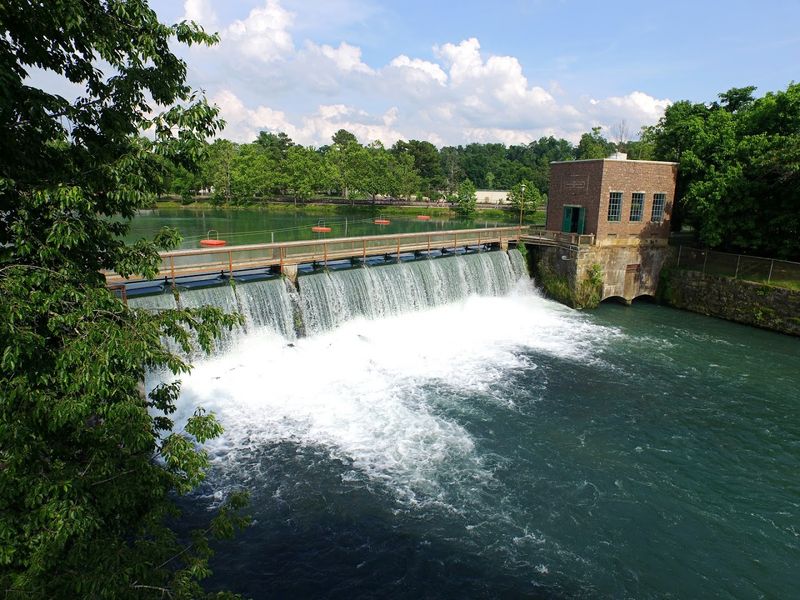
There is something almost disorienting about watching millions of gallons of water pour out of the earth every single day, which is exactly what you get at Mammoth Spring State Park.
Located at 17 US-63, Mammoth Spring, AR 72554, this park sits at the edge of the Missouri border and features one of the largest natural springs in the United States, forming a ten-acre lake almost immediately as it emerges from the ground.
The water is crystal clear and stays at a consistent cool temperature year-round, which means the surrounding environment supports a surprisingly diverse range of wildlife and plant life.
A restored 1886 Frisco Railroad Depot stands near the spring, housing a small museum that tells the story of how the railroad shaped this corner of Arkansas in the late 1800s.
The park is small enough to explore in a few hours, making it a perfect stop on a longer road trip through the Ozarks rather than a standalone destination.
Fishing is popular along the Spring River that flows from the lake, and the area attracts canoeists and kayakers who appreciate the calm, clear water.
Arriving early on a weekday almost guarantees you a peaceful visit with the spring largely to yourself.
5. Mount Magazine State Park, Paris
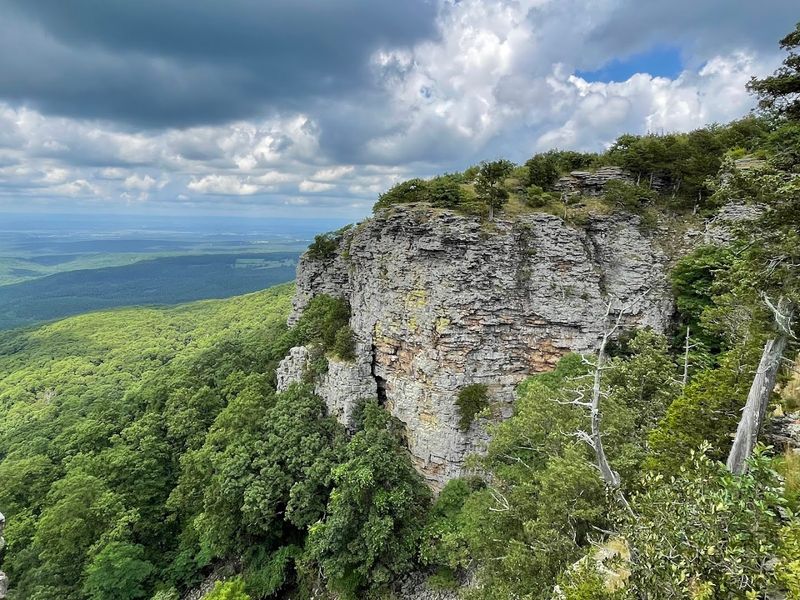
From the top of Mount Magazine, the entire Arkansas River Valley spreads out below you in a way that makes it hard to believe you are still in the same state you drove through on the highway.
The park at 16878 AR-309, Paris, AR 72855 sits on the highest point in Arkansas, and the views from the bluff overlooks are the kind that stop conversations mid-sentence.
Hiking trails here vary widely in difficulty, so casual walkers and serious trekkers both find routes that suit them without stepping on each other’s experience.
The park is also a well-known spot for butterfly watching, particularly during migration seasons when dozens of species pass through the mountain’s unique ecosystem.
A modern lodge and camping facilities make overnight stays easy to arrange, and waking up above the clouds on a foggy morning is an experience that sticks with you for a long time.
Mountain biking trails have been developed in recent years, adding another layer of adventure for visitors who want to cover more ground with a little more speed.
The town of Paris, just down the mountain, has its own quirky charm, including a replica Eiffel Tower that makes for an unexpected photo opportunity before you head back up into the trees.
6. Lake Ouachita State Park, Mountain Pine
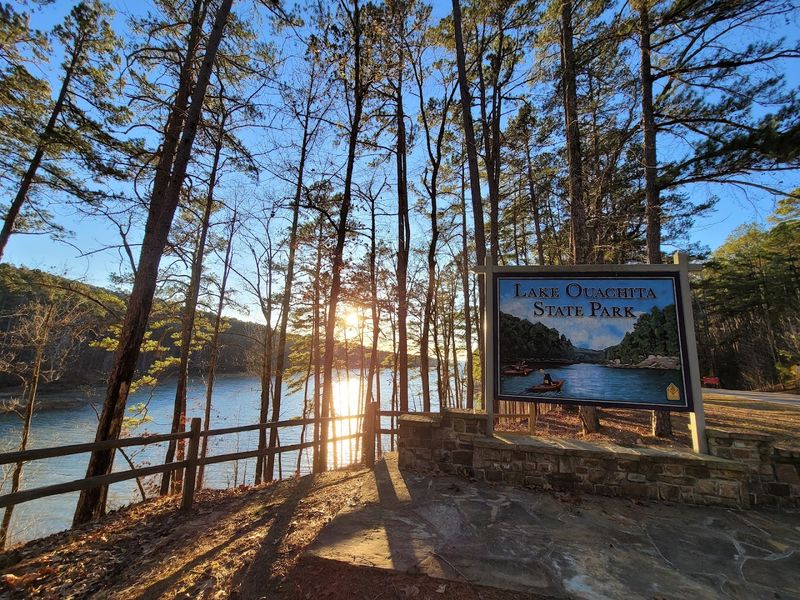
Lake Ouachita has a reputation among scuba divers and snorkelers that most people outside Arkansas have never heard about, and that visibility underwater is genuinely something to talk about.
The park at 5451 Mountain Pine Rd, Mountain Pine, AR 71956 borders one of the cleanest lakes in the entire country, where the water runs so clear that you can see the bottom in many areas even from a kayak on the surface.
Fishing here is serious business, with bass, crappie, and catfish drawing dedicated anglers who return season after season for the reliable catches the lake provides.
The park offers camping, cabin rentals, and boat launch facilities, making it a full-service outdoor destination rather than just a scenic overlook.
Hiking trails wind through the surrounding Ouachita Mountains, giving non-water people plenty of reasons to enjoy the landscape from solid ground.
The sunsets over the lake in late summer are the kind that turn the whole sky pink and orange in a way that feels almost theatrical.
If you are visiting in summer, renting a pontoon boat for an afternoon is one of the most relaxing ways to take in the full scale of this beautiful lake.
7. Plum Bayou Mounds Archeological State Park, Scott
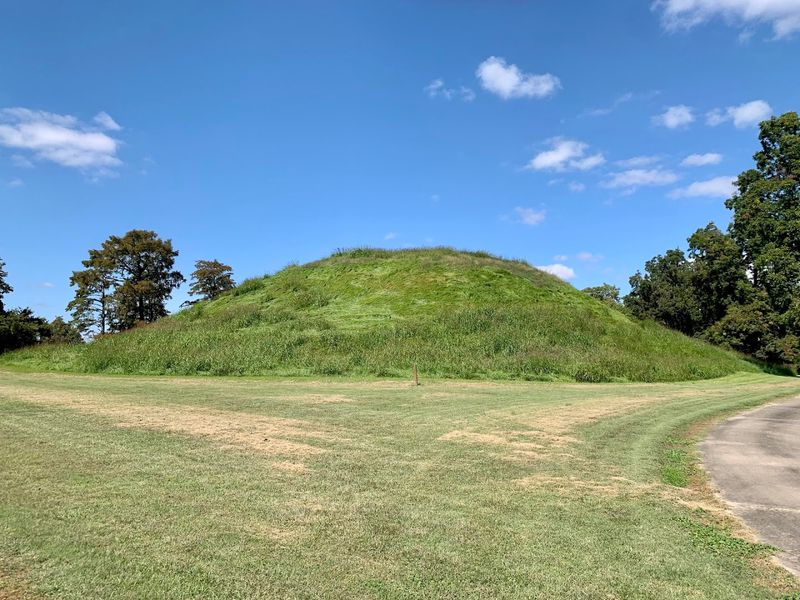
Before European explorers ever set foot in North America, a sophisticated civilization was already building large earthen mounds along the Arkansas River, and you can walk among those mounds today at Plum Bayou.
Known also as Toltec Mounds, the park sits at 490 Toltec Mounds Rd, Scott, AR 72142, and it preserves the largest and best-preserved mound complex in Arkansas, with some structures rising to impressive heights that are visible from a distance.
The site was occupied over a thousand years ago by a culture that archaeologists are still working to fully understand, which makes every interpretive sign at the park feel like a chapter of an unfinished story.
A well-maintained trail loops through the site, and the visitor center houses artifacts and exhibits that provide essential context before you start walking the grounds.
The flat, open landscape around the mounds gives the site a peaceful, contemplative atmosphere that feels very different from the busy tourist attractions nearby in Little Rock.
Visiting in the cooler months of fall or spring makes the walk more comfortable and the light more flattering for photography.
Ranger-led programs are sometimes available and are absolutely worth scheduling if you want the richest possible understanding of what this place meant to the people who built it.
8. Museum of Native American History, Bentonville
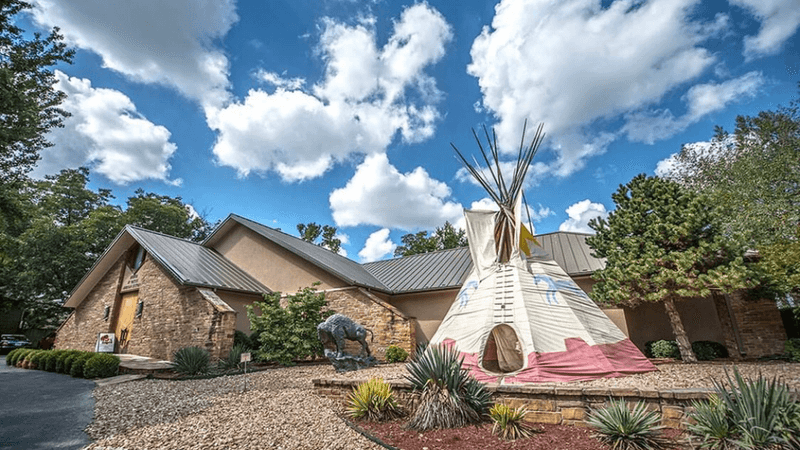
Right in the middle of a city better known for a certain mega-retailer and a world-class art museum, the Museum of Native American History quietly holds one of the most significant collections of indigenous artifacts in the American South.
At 202 SW O St, Bentonville, AR 72712, this museum walks visitors through thousands of years of Native American history across the entire Western Hemisphere, organized in a way that feels genuinely educational rather than simply decorative.
The collection includes tools, pottery, jewelry, and artwork spanning multiple cultures and time periods, and the quality of the curation means you can spend hours here without covering everything.
Admission is free, which is remarkable given the depth and scale of what is on display inside.
The staff are knowledgeable and approachable, and the museum does a thoughtful job of presenting indigenous cultures with respect and historical accuracy rather than reducing them to stereotypes.
Children tend to respond particularly well to the hands-on and visual elements of the exhibits, making this a smart stop for families traveling with curious kids.
Pairing this visit with a stop at Crystal Bridges just down the road turns a single afternoon in Bentonville into a genuinely memorable cultural day.
9. Mid-America Science Museum, Hot Springs
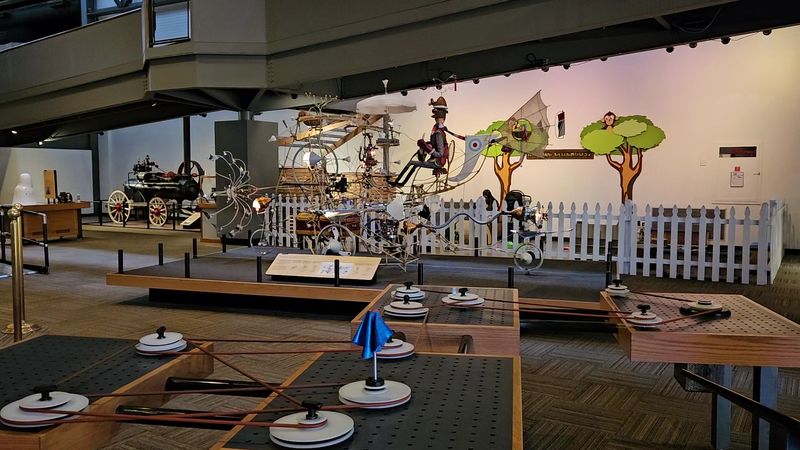
Hot Springs is famous for its thermal baths and its national park, but tucked just off the main tourist corridor is a science museum that deserves a lot more attention than it currently gets from out-of-towners.
At 500 Mid America Blvd, Hot Springs, AR 71913, the Mid-America Science Museum offers hands-on exhibits designed to make science feel approachable, exciting, and genuinely fun for visitors of all ages.
The exhibits cover topics ranging from electricity and motion to ecosystems and human perception, and the interactive format means you are never just reading a placard and moving on.
A highlight for many visitors is the outdoor nature trail that winds through the surrounding woodland, connecting the indoor science experience with the living environment right outside the building.
Families with younger children tend to have particularly memorable visits here because the exhibits are designed at a height and complexity level that invites participation rather than passive observation.
The museum also hosts traveling exhibitions that rotate throughout the year, so repeat visits often reveal something new and unexpected.
If you are spending a full day in Hot Springs, adding this museum to your afternoon after a morning at the national park creates a satisfying balance of relaxation and curiosity.
10. Arkansas Museum of Fine Arts, Little Rock
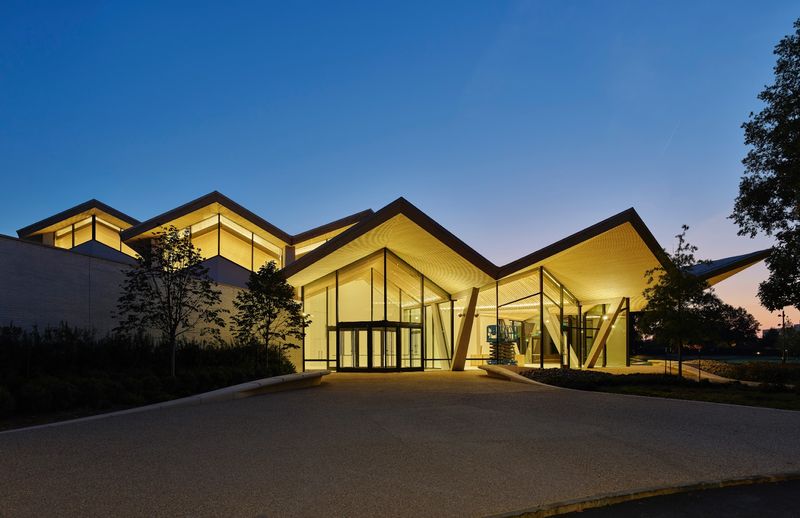
Little Rock’s MacArthur Park neighborhood got a serious upgrade when the Arkansas Museum of Fine Arts reopened in its dramatically reimagined building, and the result is one of the most architecturally striking cultural spaces in the entire mid-South region.
The museum at 501 E 9th St, Little Rock, AR 72202 houses an impressive permanent collection focused heavily on works on paper, including drawings, prints, and watercolors that represent a depth of craft rarely showcased at this level outside major metropolitan museums.
The building renovation added a new wing and transformed the surrounding park space, so the experience of visiting now extends well beyond the gallery walls into a thoughtfully landscaped outdoor environment.
A culinary school and restaurant operate within the museum, which means a visit here can include a genuinely excellent meal as part of the overall experience.
Special exhibitions rotate regularly and have brought internationally recognized works to Little Rock, giving Arkansas residents and visitors alike access to art they might otherwise have to travel far to see.
Admission policies vary by exhibition, so checking the museum’s website before your visit helps you plan and budget accordingly.
The museum’s location in MacArthur Park also puts it within easy walking distance of other Little Rock attractions, making it a natural anchor for a full day in the city.
11. Hobbs State Park-Conservation Area, Rogers
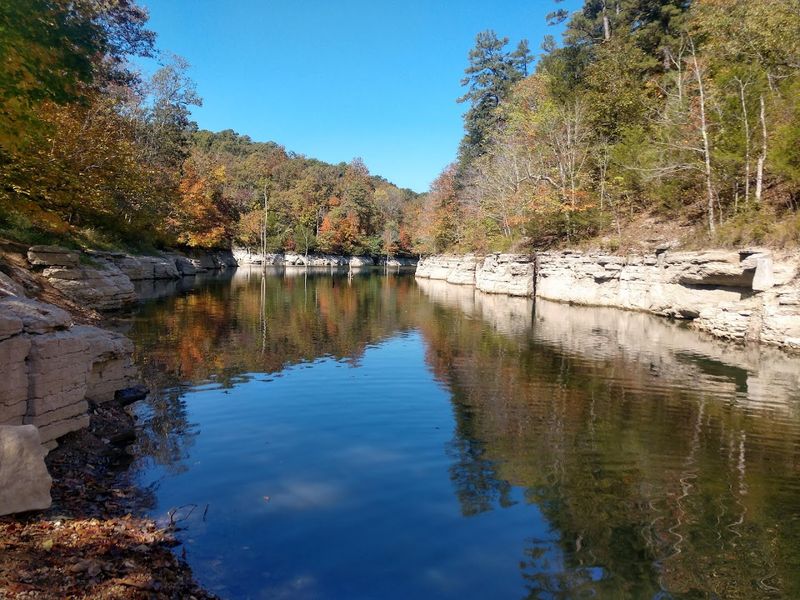
Right on the edge of Rogers, Hobbs State Park stretches across a landscape so varied and expansive that many visitors are genuinely surprised to find it so close to the city.
At 20201 AR-12, Rogers, AR 72756, this conservation area borders Beaver Lake and offers one of the most diverse outdoor recreation experiences in northwest Arkansas, covering hiking, mountain biking, horseback riding, and paddling all within a single park boundary.
The trail system here is extensive and well-maintained, with routes that wind through dense forest, along lake bluffs, and across open meadows in a way that keeps every walk feeling fresh.
Beaver Lake itself is a beautiful backdrop for any outdoor activity, and the park’s shoreline access points are popular with kayakers who want to explore the coves and inlets at a relaxed pace.
Wildlife sightings are common throughout the park, with white-tailed deer, wild turkey, and a wide variety of bird species making appearances for patient and quiet visitors.
The park is free to enter, which makes it an easy decision to add to any Rogers itinerary alongside a visit to the Daisy Airgun Museum or the nearby Peel Compton Foundation.
Fall is my personal favorite time to hike here, when the hardwood canopy turns brilliant shades of amber and the air carries just enough chill to make the trails feel brisk and invigorating.
12. Turpentine Creek Wildlife Refuge, Eureka Springs
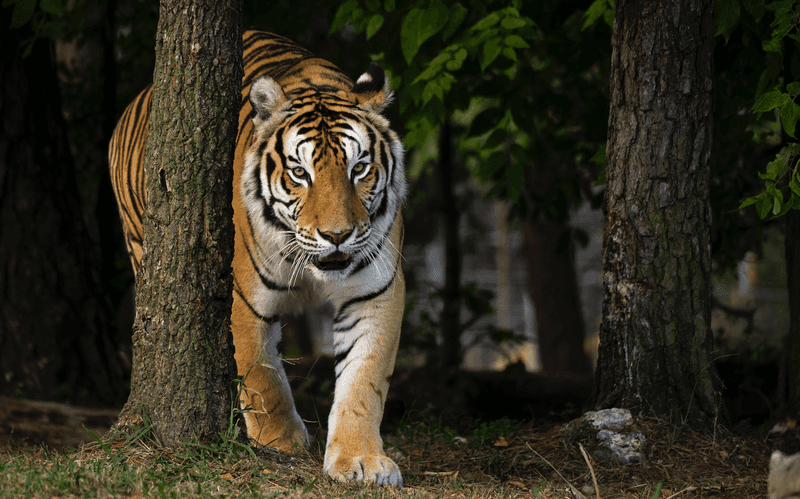
Somewhere in the Ozark hills outside Eureka Springs, a tiger is probably napping in the shade right now, and you can actually go watch that happen at Turpentine Creek Wildlife Refuge.
Located at 239 Turpentine Creek Ln, Eureka Springs, AR 72632, this accredited refuge is home to rescued big cats including lions, tigers, leopards, and cougars, all of which arrived here after being removed from unsafe or exploitative situations.
The refuge operates with a genuine conservation mission, and the guided tour experience reflects that seriousness, with knowledgeable staff explaining each animal’s background and the broader issues surrounding big cat ownership in the United States.
Habitats here are spacious and naturalistic, designed to give each animal as much room and environmental enrichment as possible within the constraints of a rescue facility.
Overnight accommodations are available on the property, including treehouse-style cabins that let you fall asleep to the distant sounds of the refuge, which is an experience that is hard to describe and even harder to forget.
Visiting on a cooler day tends to mean the cats are more active and visible, since big cats share our preference for not being too hot.
This is one of those places that changes how you think about wildlife, captivity, and conservation in ways that stay with you long after you drive back down the mountain.