
These 7 Arkansas Museums Let You Explore Hidden History For Free
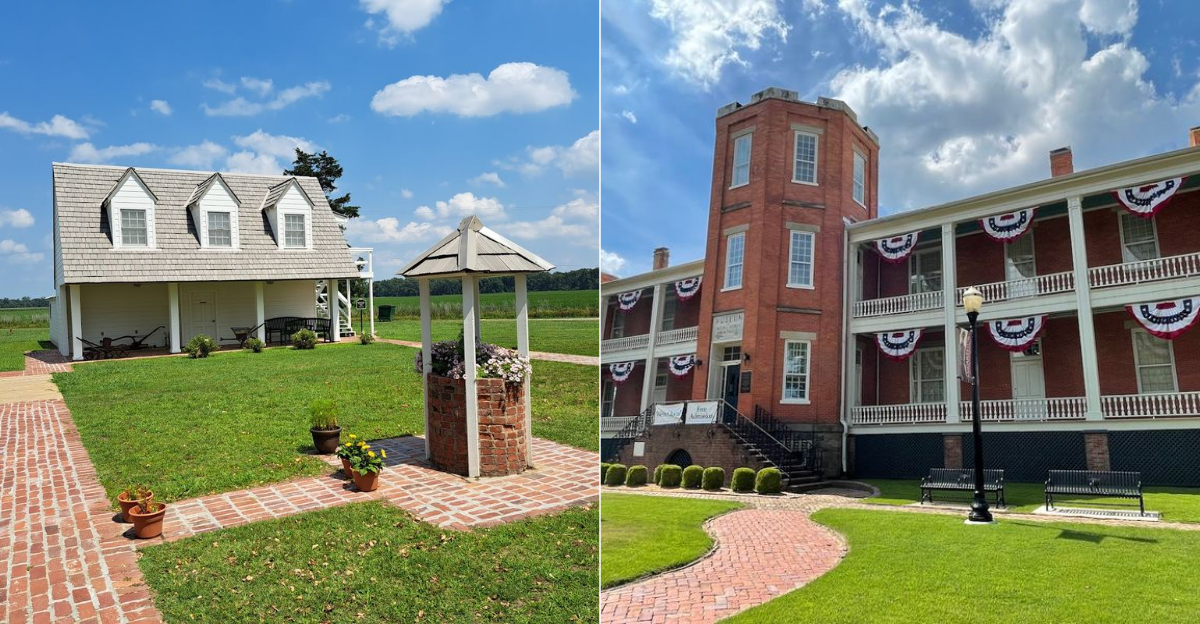
History doesn’t always come with a ticket price. In Arkansas, some of the most fascinating stories are tucked inside museums that open their doors for free, inviting visitors to explore without limits.
These places go beyond glass cases and quiet halls. They bring the past to life through local stories, unexpected artifacts, and moments that feel surprisingly personal. Each stop offers a different perspective.
Some quirky, some deeply rooted, all worth the time. These museums prove that discovering history doesn’t have to cost a thing.
Just a bit of curiosity and a willingness to step inside.
1. Buffalo Island Museum
Small towns have a way of holding onto history that bigger cities tend to bulldoze right over, and Leachville is proof of that. The Buffalo Island Museum, located at State Highway 18 in Leachville, AR 72447, sits right in the heart of a community that has been quietly preserving its past with remarkable dedication.
Buffalo Island is a natural landform created by the Black and Cache Rivers, and the stories attached to this unique geography are as fascinating as the landscape itself.
Walking through this museum feels like flipping through a family photo album that belongs to an entire region.
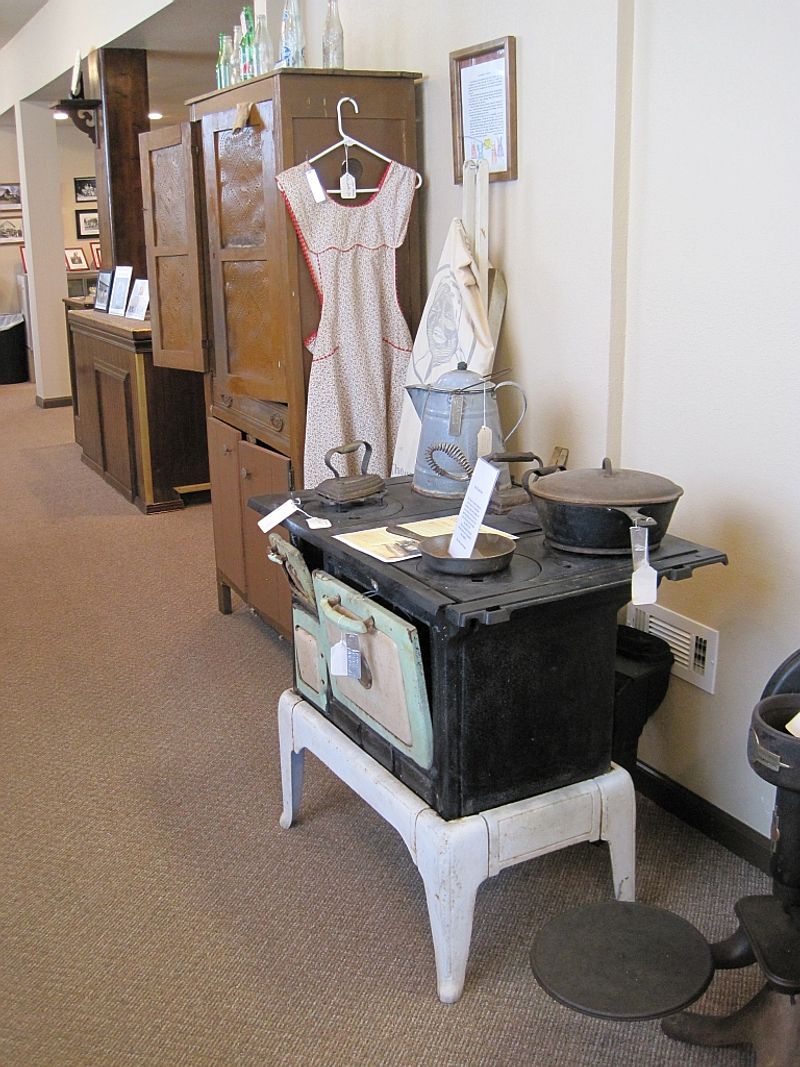
Exhibits cover the agricultural heritage of northeast Arkansas, spotlighting the cotton farming culture that shaped generations of families across this stretch of the Delta. Vintage tools, old photographs, and carefully preserved documents paint a vivid picture of daily life in an era that feels both distant and deeply familiar.
What makes this spot genuinely special is how personal everything feels. This is not a glossy, corporate museum experience with roped-off displays and hushed reverence.
It is honest, grounded history told through the objects and memories of real people who lived it.
The museum also touches on the natural history of the island itself, giving visitors a fuller understanding of why this particular patch of Arkansas land matters so much to the people who call it home. Free admission means there is zero reason not to stop in and stay a while.
2. Hampson Archeological Museum State Park
Imagine walking into a building where some of the objects on display are over a thousand years old and were found right in the ground beneath your feet. That is the quiet magic of Hampson Archeological Museum State Park, located at 33 Park Avenue in Wilson, AR 72395.
This museum preserves one of the most significant collections of Nodena phase Native American artifacts ever found in the United States, all recovered from a single site in Mississippi County.
Dr. James K. Hampson spent decades carefully excavating this site in the early twentieth century, and the result is a collection that gives an extraordinary window into a pre-Columbian civilization that flourished in the Arkansas Delta between roughly 1400 and 1650 CE.
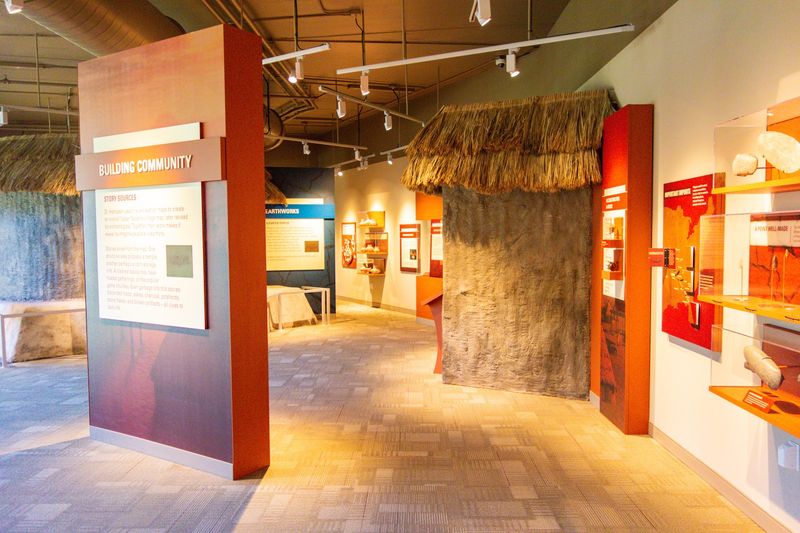
Pottery, tools, ceremonial objects, and jewelry fill the display cases with a quiet dignity that demands your full attention. Each piece carries a story about a community that built, farmed, traded, and celebrated long before European contact.
The museum does a thoughtful job of placing these artifacts within their cultural and historical context, making the experience educational without ever feeling like a lecture.
The surrounding area of Wilson is itself a fascinating small town with a rich history, so pairing this museum visit with a short stroll around town makes for a genuinely rewarding afternoon.
Free admission makes this one of the most underrated cultural stops in the entire state, and honestly, it deserves far more attention than it typically gets.
3. Arkansas Museum Of Natural Resources
There is something almost cinematic about the Arkansas Museum of Natural Resources, like stepping onto the set of a movie about boom towns, black gold, and the wild scramble of the early oil industry.
Situated at 4087 Smackover Hwy. in Smackover, AR 71762, this museum tells the story of how petroleum and brine transformed south Arkansas from quiet farmland into a roaring industrial hub almost overnight in the 1920s.
The 25,000-square-foot exhibition center is genuinely impressive, featuring operating replicas of oil drilling machinery that actually move and function so you can understand exactly how crude oil was extracted from deep underground.
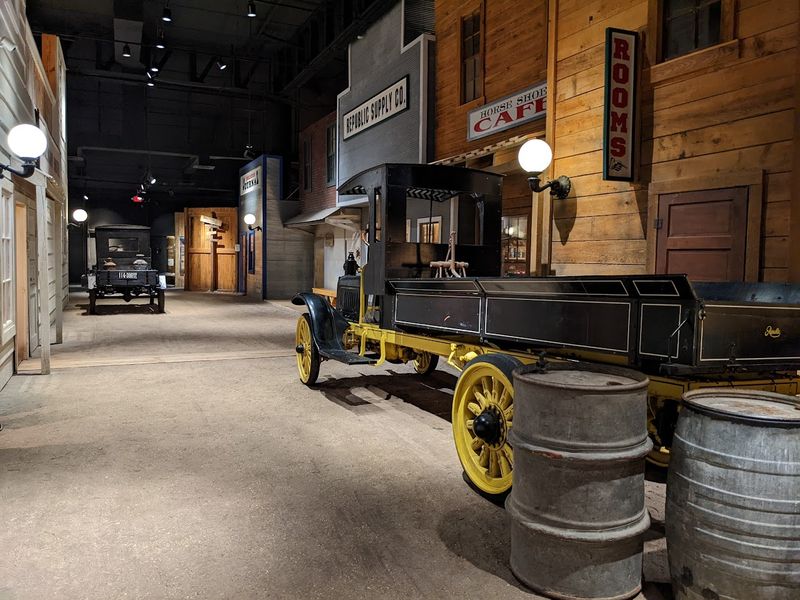
A re-created boom-era street scene transports you back to the days when Smackover was one of the most productive oil fields in the entire world, drawing fortune seekers from across the country to this small corner of Arkansas.
Beyond the machinery and street scene, the museum covers the science behind petroleum formation, the environmental history of the region, and the cultural ripple effects that the oil boom sent through communities across south Arkansas.
It is the kind of place where you arrive expecting a quick look around and end up staying two hours because every exhibit pulls you further into the story. The outdoor exhibits featuring full-scale equipment are particularly striking and make for some genuinely memorable photographs.
Best of all, admission is completely free, which means this rich industrial history is open and available to absolutely everyone who makes the trip down to Smackover.
4. Logan County Museum
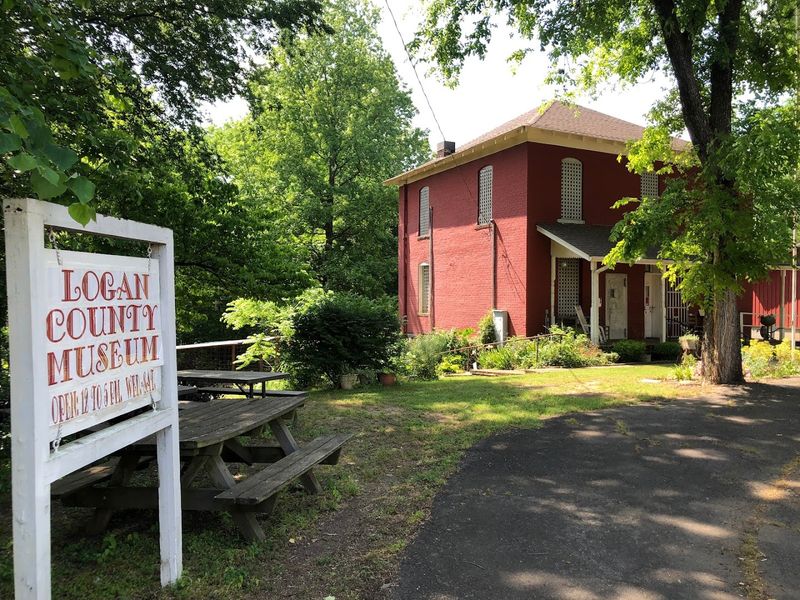
Tucked into the Arkansas River Valley with mountains on one side and rolling farmland on the other, Paris is the kind of town that feels frozen in the best possible way.
The Logan County Museum, found at 202 N. Vine St. in Paris, AR 72855, occupies a historic setting that perfectly matches the time-travel feeling you get the moment you walk through the door.
Logan County has a surprisingly layered history, and this museum works hard to honor every chapter of it.
Coal mining is a major thread running through the exhibits here, reflecting the industry that once powered this region and shaped the identity of communities throughout the Arkansas River Valley.
Artifacts from mining operations, alongside photographs of miners and their families, give a human face to an industry that was physically demanding and culturally defining. The museum also covers the agricultural and domestic history of the area, featuring period furniture, clothing, and household items that make the past feel remarkably tangible.
One of the most rewarding aspects of visiting Logan County Museum is the sense that you are engaging with history that is genuinely local and specific.
This is not a broad survey of American events but a focused, loving portrait of one particular place and its people. The building itself adds to the experience, carrying its own architectural history that enhances the overall atmosphere.
For anyone passing through the Arkansas River Valley or looking for an honest, unhurried history experience, this free museum is an easy and rewarding stop worth adding to the route.
5. Arkansas Post Museum
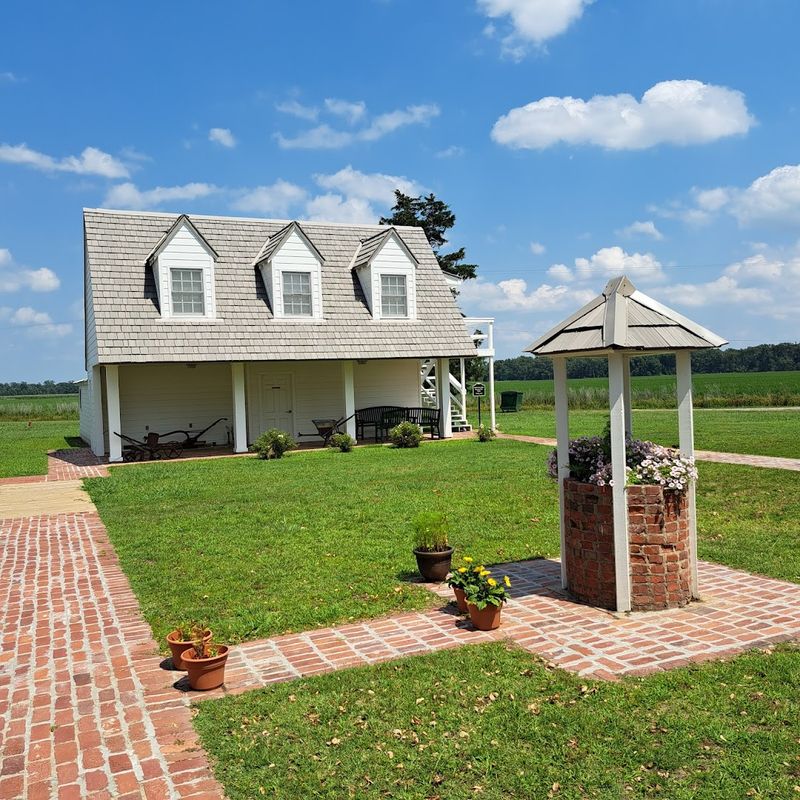
Arkansas Post holds a title that most people outside the state do not realize belongs to Arkansas at all: it is the site of the first permanent European settlement in the lower Mississippi Valley, established by French explorer Henri de Tonti in 1686.
The Arkansas Post Museum, located at 5530 Hwy. 165 South in Gillett, AR 72055, sits near this historically enormous piece of ground and does a remarkable job of unpacking centuries of layered history in one compelling location.
From French colonial traders to Spanish governors, from American territorial ambitions to a significant Civil War engagement, this site has witnessed more historical turning points than most places three times its size.
The museum traces all of it with clarity and depth, using artifacts, maps, and exhibits to walk visitors through each era in sequence. The nearby Arkansas Post National Memorial adds even more context, making this corner of Desha County one of the richest historical destinations in the entire south.
What hits hardest here is the realization of how much this one spot influenced the broader story of the American interior.
Decisions made at Arkansas Post echoed across the continent, shaping trade routes, territorial boundaries, and the fate of Indigenous nations throughout the region. The museum captures all of that weight without becoming overwhelming, keeping the narrative accessible and engaging throughout.
Admission is free, and the surrounding natural beauty of the Arkansas River delta makes the drive out here feel like its own reward.
This is one of those places that genuinely changes how you see the map.
6. MacArthur Museum Of Arkansas Military History
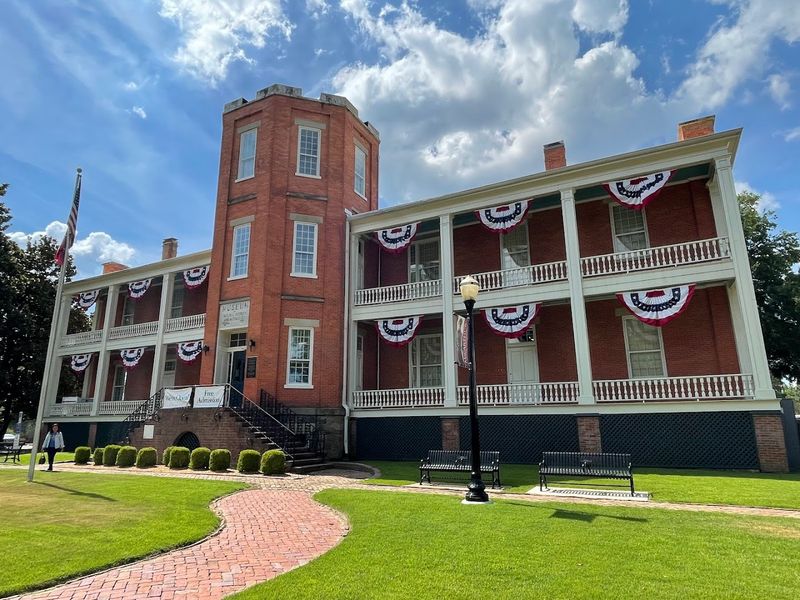
Few buildings in Arkansas carry as much historical weight as the Tower Building of the Little Rock Arsenal, which happens to be the birthplace of General Douglas MacArthur, one of the most consequential military figures of the twentieth century.
The MacArthur Museum of Arkansas Military History, at 503 E. 9th Street in Little Rock, AR 72202, occupies this very structure and uses it as the launching point for a sweeping exploration of Arkansas’s military contributions across multiple generations of American conflict.
The exhibits move chronologically through Arkansas’s military history, from the Civil War through World War I and II, Korea, Vietnam, and beyond.
Uniforms, medals, maps, and personal memorabilia fill the galleries with a weight that reminds you these are not just objects but evidence of real sacrifice and service. The collection is impressively curated, balancing big-picture military strategy with deeply personal stories that bring the human dimension of war into sharp focus.
MacArthur Park, which surrounds the museum, adds a lovely outdoor dimension to the visit, making the whole experience feel more like a day out than a typical museum trip.
The building itself is worth studying closely, with its distinctive Italianate architecture serving as a reminder that this structure has witnessed nearly two centuries of American history unfold around it.
Free admission means this incredible resource is available to anyone curious enough to walk through the door. If you have ever wanted to understand how deeply Arkansas is woven into the fabric of American military history, this museum answers that question with unmistakable clarity.
7. Old State House Museum
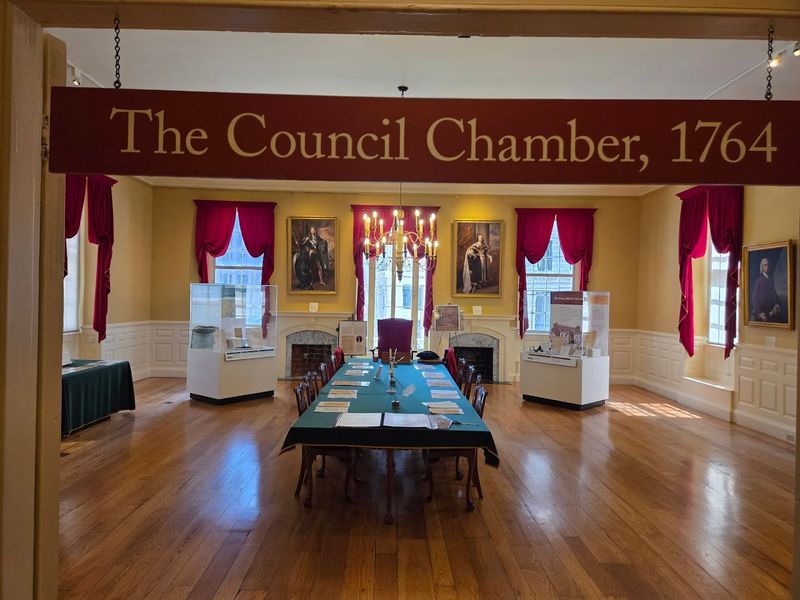
Standing on West Markham Street in downtown Little Rock, the Old State House is the kind of building that stops you mid-stride and makes you look twice.
The Old State House Museum at 300 West Markham Street, Little Rock, AR 72201-1423, is the oldest surviving state capitol building west of the Mississippi River, and that fact alone earns it a permanent spot on any serious Arkansas itinerary. Completed in 1836, this Greek Revival landmark has been at the center of Arkansas political life for two centuries.
Inside, the museum does an outstanding job of connecting the building’s architectural beauty to the turbulent history that played out within its walls.
Arkansas’s antebellum period, the Civil War and Reconstruction era, women’s suffrage, and the evolution of state government are all explored through thoughtfully assembled exhibits featuring original documents, period furnishings, and personal artifacts from figures who shaped the state’s political identity.
The restored legislative chambers are particularly striking, giving visitors a visceral sense of the debates and decisions that once echoed through those rooms.
Beyond the political history, the Old State House offers rotating exhibitions that keep the experience fresh for repeat visitors, covering topics ranging from culture and society to national events that intersected with the state’s story.
The building itself is a work of art, and the grounds offer a peaceful spot in the middle of a busy city. Free admission means this remarkable institution is genuinely open to everyone, which feels entirely right for a place that has always been, at its core, a house built for the people.
Have you ever stood somewhere and felt history pressing in from every direction? This is that place.