
These 9 Arkansas River Towns Belong On Your 2026 Travel List
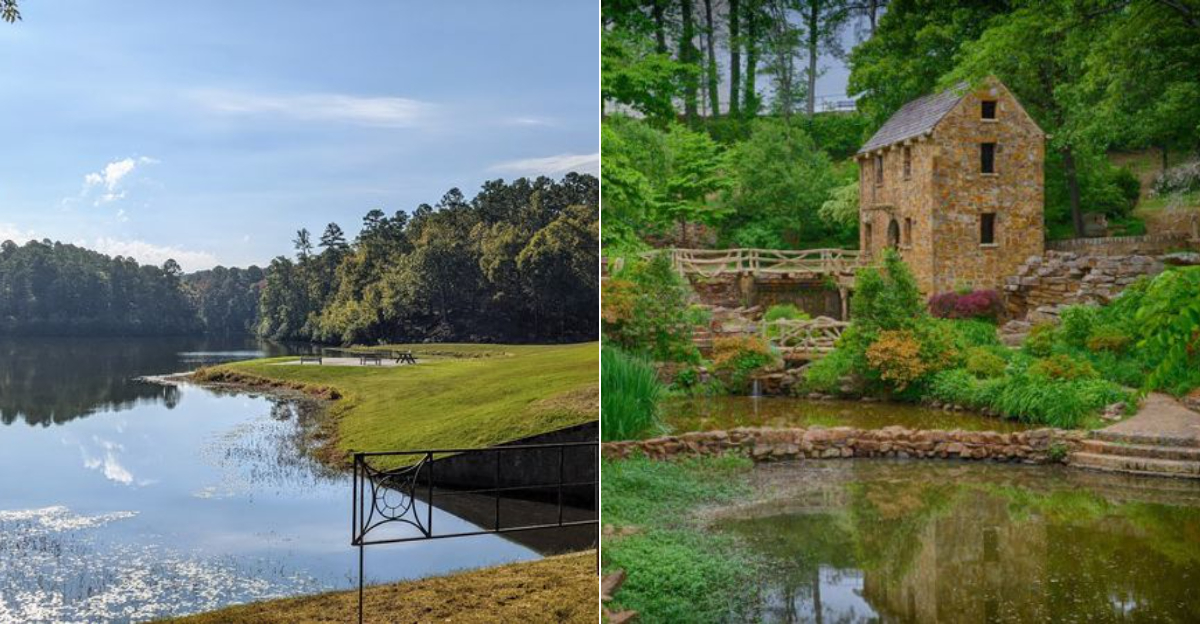
Riverside views have a way of making time feel like it is slowing down. The Arkansas River flows through some of the most underrated towns in the South, and each one carries a personality that feels distinct.
I find myself pulled toward these spots because they offer a mix of history and quiet outdoor spaces without the noise of bigger tourist hubs. Good food and friendly faces show up in every community along this stretch of water.
I visited several of these places recently and keep finding reasons to go back for more. If you are putting together your 2026 travel plans, Arkansas offers riverfront destinations that serve as a great place to start.
Every stop provides a chance to see a different side of the state. You might find a new favorite spot to watch the current pass by while the sun sets over the water.
1. Fort Smith
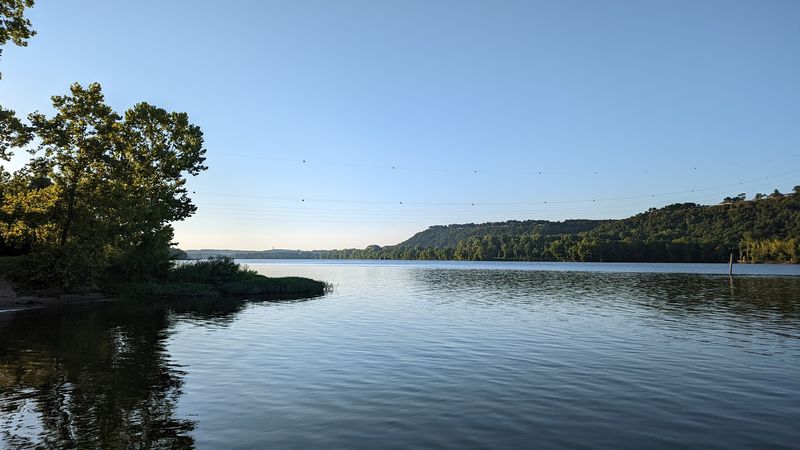
Few places in Arkansas carry as much historical weight as Fort Smith. It sits right on the Arkansas River at the Oklahoma border.
Fort Smith was once the gateway to the American frontier, and you can still feel that energy when you walk through the downtown streets. The Fort Smith National Historic Site draws history lovers from across the country, and for good reason.
I spent an afternoon inside the historic federal courthouse where Judge Isaac Parker, known as the “Hanging Judge,” presided over thousands of cases in the late 1800s. The exhibits are detailed and genuinely fascinating, covering the lives of U.S.
Marshals, outlaws, and the Native American nations of Indian Territory. It is the kind of place where time slows down and you start paying close attention.
Beyond the history, Fort Smith has a lively arts district along Garrison Avenue with local restaurants, shops, and galleries worth exploring. The Arkansas River Trail connects the city to miles of outdoor recreation, perfect for cycling or a morning walk.
Miss Laura’s Social Club, a preserved Victorian building that once served as a brothel, now operates as a visitor center and is listed on the National Register of Historic Places. Fort Smith also hosts the annual Old Fort Days Rodeo, one of the longest-running rodeos in the region.
Whether you are a history buff, an outdoor enthusiast, or someone who simply enjoys a walkable downtown, Fort Smith delivers a full and rewarding experience that earns its spot on any serious travel list.
2. Van Buren
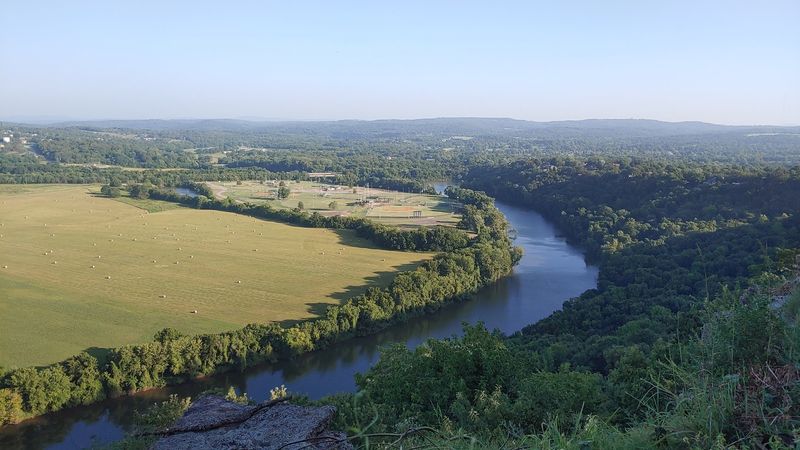
Stepping onto Main Street in Van Buren feels like the calendar rolled back about 150 years. The town, which sits just a few miles east of Fort Smith along the Arkansas River, has one of the best-preserved Victorian-era commercial districts in the entire state.
Antique stores, local boutiques, and cozy cafes fill the old brick buildings, making it a genuinely enjoyable place to spend a few hours.
I wandered through the Drennen-Scott Historic Site, a two-story mercantile building that dates back to the 1850s. The site gives a clear picture of what everyday life looked like for settlers and traders passing through this part of Arkansas before the Civil War.
The attention to detail in the restoration is impressive, and the guides are knowledgeable and easy to talk with.
Van Buren also sits at the trailhead for the Ouachita National Recreation Trail, which makes it a popular stop for hikers planning longer backcountry routes. The nearby King Opera House, built in 1895, still hosts live performances and community events throughout the year.
The Crawford County Courthouse, which overlooks Main Street, adds to the historic skyline and is worth a photograph or two.
What makes Van Buren special is how unhurried everything feels. There is no rush here.
People take their time, shop owners chat with visitors, and the whole town seems to operate at a pace that most of us have forgotten. If you are coming through the Fort Smith area, Van Buren is a stop you will not want to skip.
3. Ozark
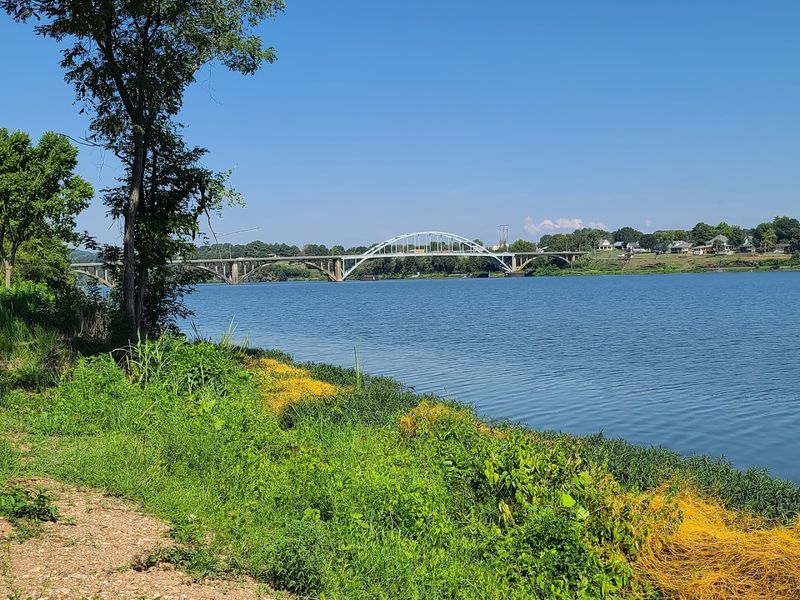
Located between the Ozark Mountains and the Arkansas River, the town of Ozark offers a kind of natural beauty that takes you by surprise. Ozark, Arkansas sits in Franklin County and has built a quiet reputation as a destination for outdoor lovers and anyone craving a slower pace of life.
The river views here are genuinely stunning, especially in the early morning when the mist is still sitting on the water.
The Aux Arc Park, located right along the riverbank, is a favorite spot for picnicking, fishing, and watching barges make their slow way upstream. I spent a good part of one afternoon just sitting by the water, watching the light change and listening to the birds.
It sounds simple, but that kind of stillness is hard to find and easy to appreciate.
Ozark is also home to the historic Ozark Post Office and Federal Building, a beautiful structure built in the 1930s that still operates today. The downtown area has a handful of local shops and restaurants that reflect the community’s pride in its small-town roots.
The nearby Mulberry River, which flows into the Arkansas River just west of town, is one of the best whitewater paddling rivers in the state and draws kayakers and canoeists from across the region.
The surrounding countryside is filled with scenic drives through the Boston Mountains, making Ozark a natural hub for a longer road trip through northwest Arkansas. For a town of about 3,500 people, it punches well above its weight in terms of what it offers visitors.
4. Clarksville
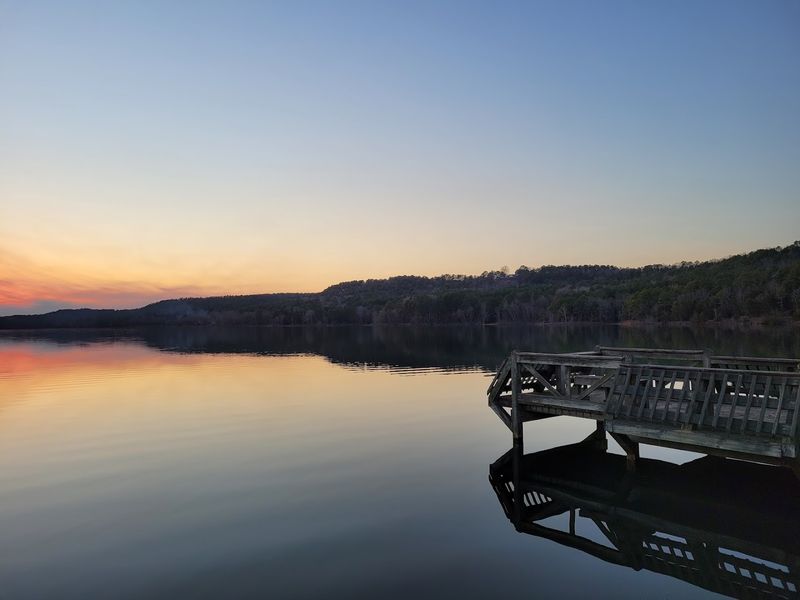
There is something refreshing about a town that manages to blend academic energy with deep Ozark roots, and Clarksville does exactly that. Located in Johnson County along the Arkansas River corridor, Clarksville is home to the University of the Ozarks, a small liberal arts school with a beautiful historic campus that dates back to 1834.
Walking through the grounds feels like visiting a place that has been quietly doing important work for a very long time.
I visited during a fall weekend when the campus trees were changing color, and the whole town had a warm, golden quality to it. The university’s Walton Fine Arts Center hosts performances, art exhibitions, and public events that bring the broader community together throughout the year.
It is the kind of cultural programming you might not expect from a town this size.
Downtown Clarksville has a charming square with local businesses, a historic courthouse, and a farmers market that runs seasonally. The Spadra Park, situated near the Arkansas River, offers camping, fishing, and boat launch access for visitors who want to spend time on the water.
The park is well-maintained and family-friendly, making it a solid base for a weekend trip.
Clarksville is also known for its peach orchards, which have been a part of the local agricultural identity for generations. During summer harvest season, roadside stands and local farms sell fresh peaches that are hard to beat.
If your 2026 travels bring you through the river corridor, Clarksville is worth a full day of your time.
5. Russellville
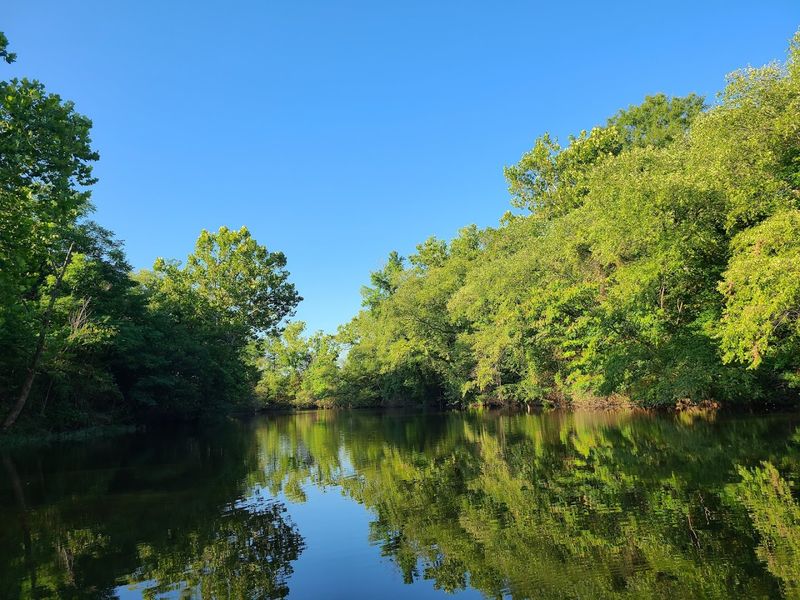
Russellville sits at the center of a surprising amount of activity for a mid-sized Arkansas city. As the home of Arkansas Tech University and the gateway to Lake Dardanelle, Russellville in Pope County draws a steady mix of students, outdoor enthusiasts, and travelers passing through on Interstate 40.
What caught my attention on my first visit was how much green space and waterfront access the city has worked into its everyday landscape.
Lake Dardanelle, which was created by the Dardanelle Lock and Dam on the Arkansas River, stretches for miles and offers some of the best bass fishing in the state. The Lake Dardanelle State Park has two units, one in Russellville and one in Dardanelle, and both provide camping, hiking, and water access.
I rented a kayak one morning and paddled out into the lake just as the sun was coming up over the tree line. That hour on the water was one of the quieter, more memorable moments of my trip.
The Arkansas River Valley Nature Center, located in Russellville, is a free attraction that teaches visitors about the ecology and wildlife of the region. It is a great stop for families and anyone curious about the natural systems at work along the river.
Downtown Russellville also has a growing food and arts scene, with local restaurants and creative businesses filling renovated storefronts.
Arkansas Tech’s presence adds a youthful energy to the city, and campus events are often open to the public. Russellville is the kind of place that rewards a longer visit.
6. Dardanelle
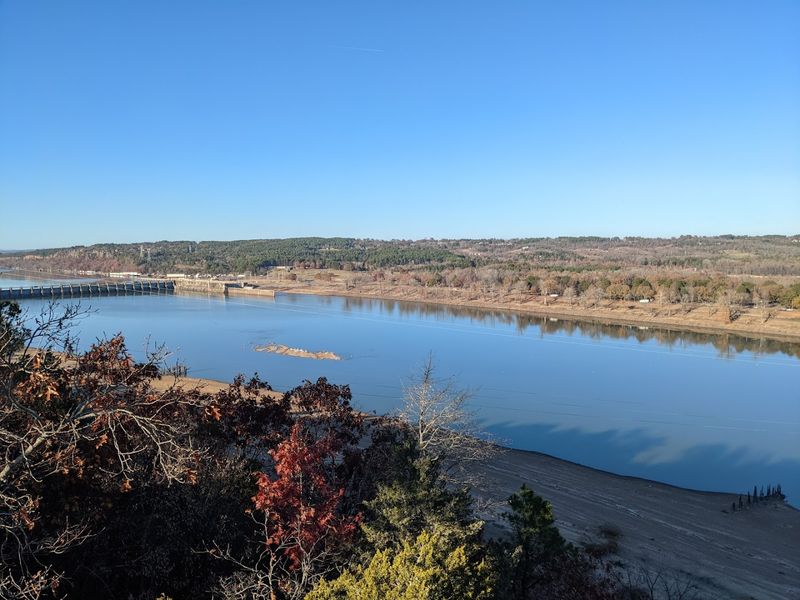
Dardanelle is one of those Arkansas River towns that rewards the traveler who slows down and looks carefully. Yell County’s seat, Dardanelle sits directly across the Arkansas River from Russellville and is dominated by one of the most recognizable natural landmarks in the state: Dardanelle Rock, a massive bluff that rises sharply above the river.
The first time I saw it from the riverbank, I understood immediately why early settlers chose this location.
The town has a compact, walkable downtown with historic buildings, local shops, and a laid-back atmosphere that feels genuinely welcoming. The Yell County Courthouse, which stands at the center of town, is a handsome structure that has anchored the community for well over a century.
Local festivals and community events take place throughout the year, drawing visitors from across the region.
Lake Dardanelle State Park’s Dardanelle unit offers excellent camping and fishing right along the water, and the park’s boat ramp provides easy access for anglers targeting catfish, crappie, and bass. The Mount Nebo State Park, located just a short drive from town, sits atop a flat-topped mountain with panoramic views of the Arkansas River Valley that are simply spectacular.
Hiking trails wind through the park, and cabins are available for overnight stays.
Dardanelle also has a rich Native American history, as the area was once a significant location for the Cherokee Nation during the early 19th century. Local historical markers and the town’s museum help preserve and share that story with visitors who take the time to look.
7. Little Rock
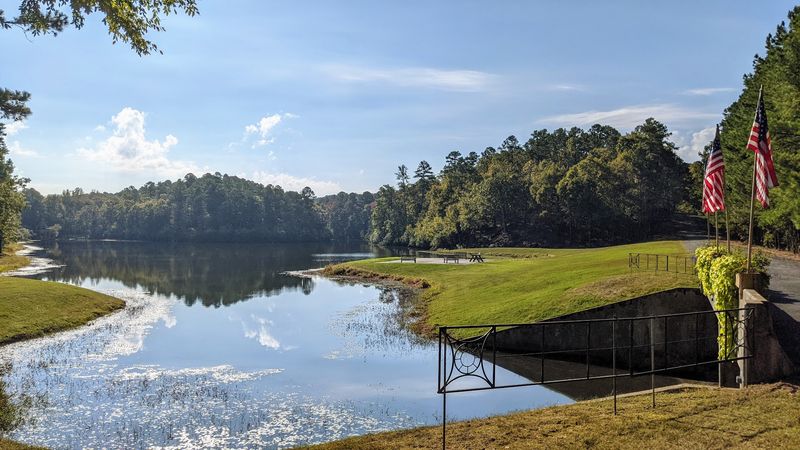
Arkansas’s capital city has a riverfront that most people outside the state simply do not know about, and that is a genuine oversight worth correcting. Little Rock lines the south bank of the Arkansas River and has invested heavily in making that waterfront a destination in its own right.
The Riverfront Park stretches along the water with walking paths, event spaces, and views of the historic Junction Bridge, which has been converted into a pedestrian walkway connecting Little Rock to North Little Rock.
I have visited Little Rock several times now, and each trip reveals something new. The Arkansas Museum of Fine Arts, which underwent a major renovation and reopened in 2022, is a world-class facility inside MacArthur Park and well worth an afternoon.
The River Market District, just a few blocks from the water, is packed with restaurants, the farmers market pavilion, and the Clinton Presidential Center nearby.
The William J. Clinton Presidential Library sits right on the riverbank and is one of the most architecturally striking buildings in the state.
The exhibits are thorough and well-organized, covering not just Clinton’s presidency but also the broader political and cultural context of the 1990s. I spent nearly three hours there and still felt like I had only scratched the surface.
Little Rock also serves as the starting point for exploring the broader Arkansas River Valley, with easy access to state parks, scenic byways, and smaller towns upstream. The city’s size means there is always something happening, from outdoor concerts to art shows to food festivals throughout the calendar year.
8. North Little Rock
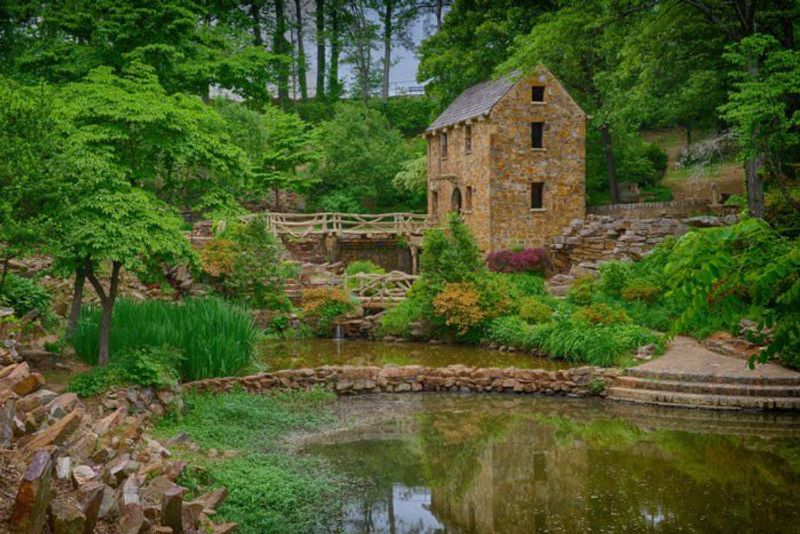
Cross the Junction Bridge from Little Rock and you land in a city that has its own distinct identity, its own history, and its own reasons to visit. North Little Rock, in Pulaski County, sits on the north bank of the Arkansas River and has transformed significantly over the past two decades.
The Argenta Arts District, centered around Main Street, is now one of the most creative and walkable neighborhoods in central Arkansas.
I wandered through Argenta on a Saturday morning and found murals, independent coffee shops, a bookstore, and a farmers market all within a few blocks of each other. The district hosts a monthly First Friday event that brings out local artists, musicians, and food vendors, creating a lively street scene that feels organic and community-driven rather than manufactured for tourists.
The Arkansas Inland Maritime Museum, located along the riverfront, is home to the USS Razorback, a World War II submarine that visitors can tour. It is a surprisingly immersive experience, and the guides are enthusiastic and well-informed.
Kids and adults alike tend to be genuinely fascinated by the tight quarters and the stories behind the vessel.
Emerald Park and the North Little Rock Riverwalk offer green space, fishing access, and river views that complement the more urban energy of Argenta. The Simmons Bank Arena hosts major concerts and sporting events, adding another layer to the city’s entertainment options.
North Little Rock is not a side trip from Little Rock. It is a destination that stands fully on its own.
9. Morrilton
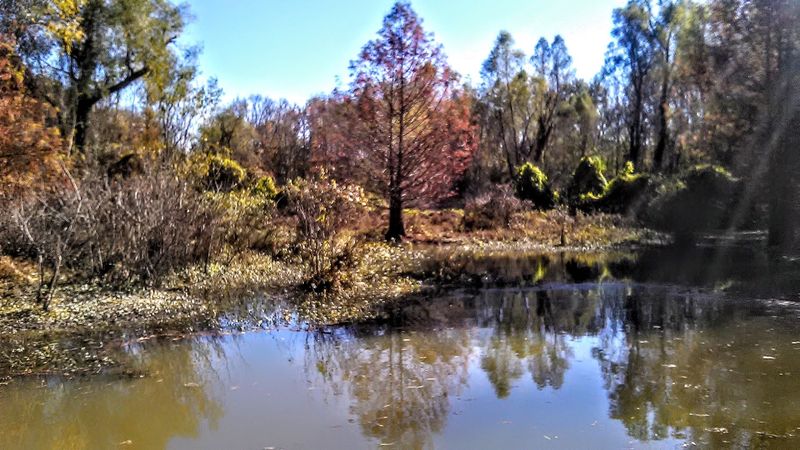
Some towns earn their place on a travel list not just for what they offer within their own limits, but for what they put within easy reach. Morrilton, the county seat of Conway County, sits along the Arkansas River about halfway between Little Rock and Russellville, and its greatest calling card may be its proximity to Petit Jean State Park, one of the most beloved state parks in all of Arkansas.
Petit Jean Mountain rises dramatically from the Arkansas River Valley, and the park that covers its top and sides contains some of the most impressive scenery in the state. Cedar Falls, a 95-foot waterfall tucked into a sandstone canyon, is worth the hike alone.
I made the trail down to the falls on a cool October morning, and the canyon was absolutely quiet except for the sound of rushing water. It is one of those natural places that stays with you.
Back in Morrilton, the town has a relaxed, working-community feel with local diners, a historic downtown, and easy river access. The Arkansas River Visitor Center in Morrilton provides information about the lock and dam system and the broader ecology of the river corridor.
It is a useful and informative stop, especially for visitors curious about how the river has been managed and shaped over the decades.
The Museum of Automobiles on Petit Jean Mountain is another unexpected highlight, housing a collection of vintage and rare vehicles in a setting that feels far removed from the typical car museum experience. Morrilton rewards the curious traveler who takes the time to look beyond the highway.