
These California BBQ Terms Outsiders Always Misinterpret (But Locals Know Mean Business)
If you’ve ever ventured into the world of California barbecue, you might have noticed we’ve got a vocabulary all our own. What sounds like one thing to an outsider can mean something entirely different – and often delicious – to a local.
I’ve seen the confusion firsthand, from folks scratching their heads over a “Board” to wondering about “Pink Beans.” My goal today is to unravel these unique terms.
I’m here to guide you through the Golden State’s smoked and grilled lingo, ensuring you’re no longer caught off guard when ordering your next authentic California BBQ feast.
1. Santa Maria-Style
Outsiders hear this phrase and picture some trendy sauce bottle or marketing gimmick dreamed up by a restaurant chain. What they’re missing is an entire cultural experience rooted in California’s Central Coast.
Santa Maria-style means tri-tip seasoned with a simple rub, grilled over red oak coals, and served alongside pinquito beans, salsa, and warm tortillas. This isn’t about fancy recipes or secret ingredients.
he beauty lives in the method, the wood, and the tradition passed down through generations of California grillers. You can’t fake it with a store-bought packet.
2. Tri-Tip
Visitors often squint at menus and wonder if tri-tip is some fancy steak garnish or the pointy end of a ribeye. Actually, it’s a triangular muscle carved from the bottom sirloin, and it’s basically royalty on the West Coast grilling scene.
Cooked right and sliced across the grain, this cut delivers serious juice and flavor without the premium price tag of fancier steaks. Californians have been grilling tri-tip for decades while the rest of the country was still grinding it into burger meat.
Now it’s finally getting the respect it deserves. Roast it whole or toss it on the grill. Once you nail the technique, you’ll wonder why anyone bothers with anything else.
3. Red Oak
People from other regions shrug and assume oak is just oak, like choosing between two identical bags of charcoal. Wrong move. California red oak burns with a distinct, slightly sweet smoke that shapes the entire flavor profile of authentic Santa Maria BBQ.
Swap it out for hickory or mesquite and you’ve completely changed the game. Locals can taste the difference in a single bite, even if they can’t always put it into words.
The wood isn’t just fuel. It’s an ingredient as important as the meat itself, and finding the right supplier matters more than most outsiders realize.
4. Rub (Vs. Sauce)
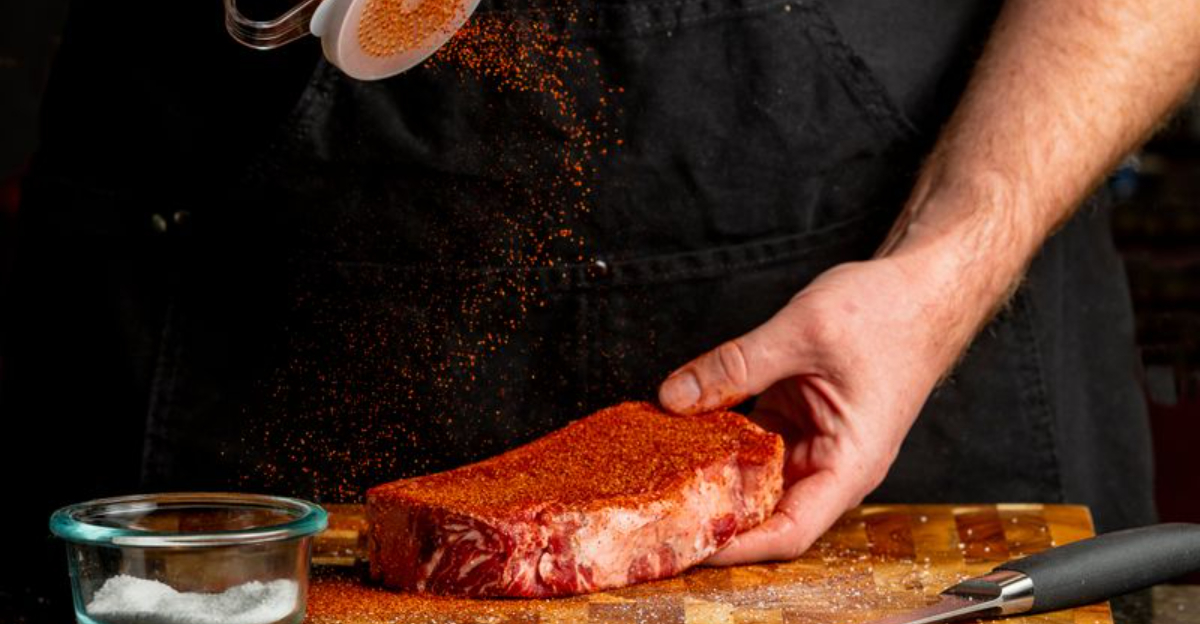
I learned this the hard way at my first California cookout when I asked where the BBQ sauce was and got nothing but confused stares. A rub is a dry blend of spices massaged into the meat before it hits the heat, creating a flavorful crust called bark.
In many California BBQ styles, you’ll get bold seasoning and maybe some salsa on the side, but nobody’s drowning your tri-tip in sticky sauce. The rub lets the meat and smoke shine instead of covering everything up.
Sauce fans from other states sometimes feel lost without that gloppy sweetness. Locals know better.
5. Low And Slow
Plenty of folks hear the word low and think it means quick and easy, like tossing something in a slow cooker for an hour. Not even close. Low and slow refers to cooking at low temperatures for a long stretch of time, letting smoke and heat gently break down tough connective tissue until the meat practically falls apart.
This is the method that transforms cheap, gnarly cuts into melt-in-your-mouth perfection. Patience isn’t optional here. Rush the process and you end up with chewy disappointment instead of tender treasure.
Real pitmasters measure cook time in hours, not minutes, and the results speak for themselves every single time.
6. Reverse Sear
Most people assume you sear meat first to lock in juices, then finish it slow. Flip that script. Reverse sear means cooking your meat slowly at low temperature until it’s almost done, then cranking up the heat to blast a perfect crust onto the outside.
You get even doneness all the way through plus that caramelized, crispy exterior everyone craves. This technique has become wildly popular among California grillers who want steakhouse results at home. It takes a little extra planning and a good thermometer.
But once you try it, going back to the old way feels like a downgrade. The crust stays crisp and the inside stays juicy.
7. Burnt Ends
Visitors see the name and picture charred scraps that should’ve been tossed in the trash. Locals know burnt ends are pure gold. These are fatty, caramelized cubes cut from the brisket point, packed with intense smoky flavor and a texture that’s part crispy, part tender.
People literally fight over the last few pieces at BBQ joints. The name is misleading because they’re not actually burnt, just deeply caramelized and covered in bark.
They’re often tossed back into the smoker with a little extra seasoning or sauce. What starts as the humble end of a brisket becomes the most coveted bite on the plate. Once you try them, you’ll understand the hype.
8. Pitmaster
Outsiders hear pitmaster and picture someone standing around a hole in the ground flipping burgers. That’s like calling a surgeon someone who owns a knife. A real pitmaster is a skilled craftsman who understands wood selection, airflow, temperature control, and timing down to the minute.
They can read smoke, adjust vents, and coax perfection out of tough cuts that would stump most home cooks. This title is earned through years of practice, plenty of failures, and a deep respect for the craft. It’s not an entry-level gig or a weekend hobby.
Pitmasters command serious respect in the BBQ world. You don’t just wake up one day and call yourself one.
9. Wet Vs. Dry (Ribs)
Plenty of people assume wet ribs are just the juicy ones and dry ribs are overcooked mistakes. Actually, wet means the ribs are finished or basted with sauce, while dry means they’re coated in a seasoned crust from a rub with no sauce added.
Both styles are completely legitimate, and both have passionate fans who will argue until the coals go cold. California BBQ leans more toward dry ribs, letting the rub and smoke take center stage.
Other regions love their sticky, saucy racks. Neither camp is wrong, but locals definitely have strong opinions. Order the wrong style at the wrong place and you’ll hear about it.