
These Classic ’80s Massachusetts Fast-Food Sandwiches Deserve A Comeback
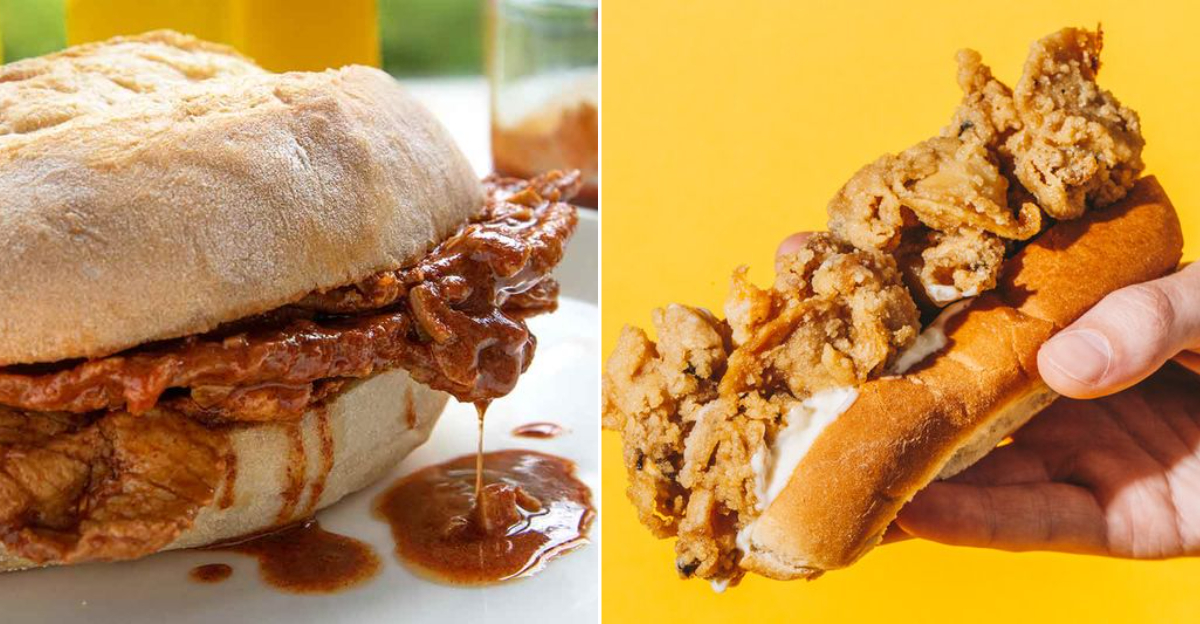
Let’s be honest, the ’80s in Massachusetts had a certain… je ne sais quoi when it came to fast food. While grunge was brewing elsewhere and big hair reigned supreme, our local sandwich shops were churning out edible masterpieces that have sadly faded from memory.
I can still practically taste some of them – the perfectly melded ingredients, the unpretentious wrappers, the sheer satisfying heft of it all. These were a cornerstone of our regional identity, a delicious relic of a bygone era.
Join me as I attempt to resurrect these ten legendary ’80s Massachusetts fast-food sandwiches.
1. The Fluffernutter
Peanut butter meets Marshmallow Fluff in this legendary combo that practically defined childhood in Massachusetts during the 1980s. Born in Somerville where Fluff was invented, this sticky sandwich appeared in school lunchboxes, vending carts, and corner stores across the state.
The simplicity is what made it perfect. Two slices of white bread, a generous smear of creamy peanut butter, and an equally generous dollop of pillowy Marshmallow Fluff created sweet magic that required zero cooking skills.
Kids traded lunches to score one of these beauties. The combination delivered instant energy and pure nostalgia in every bite, making it the ultimate comfort food that deserves modern recognition beyond just homemade versions.
2. The Chow Mein Sandwich
Fall River created something truly bizarre and wonderful when someone decided to pile crunchy chow mein noodles onto a hamburger bun and smother it with brown gravy. This oddball sandwich became a regional institution throughout the 1980s, served at diners and even showing up in school cafeterias across southeastern Massachusetts.
The texture contrast is wild. Crispy fried noodles soften slightly under warm gravy while the bun soaks up all that savory goodness, creating a messy handheld meal that somehow works perfectly.
Food writers constantly rediscover this local treasure and express shock that it exists. The Chow Mein Sandwich represents the kind of fearless culinary experimentation that made regional fast food so memorable and worth bringing back.
3. Classic New England Lobster Roll
Summer in Massachusetts meant one thing: lobster rolls from seaside shacks that perfected this simple but spectacular sandwich throughout the 1970s and 80s. Fresh lobster meat got tossed in mayo or melted butter, then piled into a toasted split-top bun that could barely contain the generous portions.
The debate between mayo and butter versions still rages today. Both styles delivered sweet lobster flavor in portable form, making beach trips and harbor visits complete with every bite.
These rolls represented accessible luxury for families vacationing along the Massachusetts coast. The combination of buttery toasted bread and cold lobster salad created the perfect balance that modern fast-casual spots struggle to replicate with the same authenticity.
4. Kelly’s Roast Beef Sandwich
Revere Beach gave birth to a fast-food legend when Kelly’s started serving their signature roast beef sandwiches to hungry beachgoers and locals. Paper-thin shaved beef got piled impossibly high on soft buns, often dressed with their special sauce that kept people coming back for decades.
I remember my uncle taking me there after every beach day in the mid-80s. The smell of roasting beef hit you before you even parked, and watching them build those towering sandwiches through the window was half the entertainment.
Speed and comfort defined the Kelly’s experience.
You could grab a massive sandwich without leaving your car, making it the perfect solution for sandy families who wanted real food fast without sacrificing quality or local flavor.
5. Fried Clam Roll
Crispy, salty fried clams tucked into a buttered roll created coastal magic at Massachusetts clam shacks like Woodman’s throughout the 1980s. Whole-belly clams got battered and fried until golden, then stuffed into split-top buns that somehow held together despite the generous portions.
The crunch factor made these irresistible. Each bite delivered hot, briny ocean flavor wrapped in crispy coating, all balanced by the soft, buttery bread that soaked up any excess oil.
Summer menus across the state featured these rolls as essential offerings. They represented fast food at its finest, combining local seafood with simple preparation techniques that let the main ingredient shine without unnecessary complications or fancy presentations.
6. D’Angelo Grilled Sandwiches
Dedham-born D’Angelo shops transformed the neighborhood sandwich scene with their grilled creations, especially the famous Number 9 loaded with steak and cheese. The grilling process set these apart from typical cold subs, creating hot, toasted sandwiches that arrived perfectly melted and steaming.
Every ingredient got pressed together on the grill. The bread developed crispy edges while cheese melted into meat, creating unified flavor in every bite rather than separate layers sliding around.
These shops became gathering spots throughout the 1970s and 80s. Workers grabbed lunch there, students stopped after school, and families picked up dinner, making D’Angelo a blueprint for regional fast-casual success that modern chains still try to copy with varying results.
7. Rotisserie Chicken Sandwich
Boston Chicken launched in Newton in 1985 and popularized rotisserie cooking as fast-casual dining before eventually becoming Boston Market. Their carved chicken sandwiches featured juicy rotisserie meat piled onto fresh rolls, often dressed with simple toppings that let the chicken flavor dominate.
The rotisserie method created something special. Slow-roasted birds stayed moist inside while developing crispy, seasoned skin outside, and carving it fresh for each sandwich guaranteed quality that pre-cooked options could never match.
My mom loved grabbing these on busy weeknights in the late 80s. The sandwiches felt homemade despite being fast food, delivering comfort and convenience without the guilt of typical drive-thru choices or the expense of sit-down restaurants.
8. The Steak Bomb
Late-night cravings and diner runs demanded something loud, messy, and satisfying, which is exactly what the Steak Bomb delivered throughout 1980s Massachusetts. Shaved steak got loaded with peppers, onions, mushrooms, and melted cheese, all crammed into a sub roll that barely contained the explosion of flavors.
Grease was a feature, not a bug. The juices from the steak mixed with sauteed vegetables and melted cheese, soaking into the bread and creating structural challenges that required strategic eating techniques and plenty of napkins.
This sandwich fueled college students and shift workers across the state. The combination of protein, vegetables, and carbs provided serious sustenance that modern health-conscious menus often skip, making it ripe for comeback as occasional indulgence.
9. Portuguese Bifana And Linguica Rolls
Southern Massachusetts Portuguese communities in Fall River and New Bedford served garlicky pork bifana sandwiches and spicy linguica rolls at bakeries and summer festas throughout the 1980s. Marinated pork got grilled or pan-fried, then tucked into crusty Portuguese rolls with vinegar-based hot sauce that cut through the richness.
The flavors punched hard and bright. Garlic and paprika marinades created complex taste profiles that made typical fast-food burgers seem boring by comparison, while the linguica versions added smoky, spicy sausage into the mix.
Sandwiches remained largely regional treasures. Wider revival would introduce more people to Portuguese flavors that deserve recognition beyond ethnic neighborhoods and summer festivals, especially given modern interest in global street food.
10. Scrod Fish Sandwich
Massachusetts diners and seafood shacks served simple scrod sandwiches throughout the 1980s, featuring local cod or haddock that got breaded and fried until crispy. The term scrod itself is uniquely New England, referring to young white fish prepared in traditional regional style and served on soft rolls with tartar sauce.
Freshness made the difference. Local boats brought in daily catches that went straight from dock to kitchen, creating sandwiches that tasted like the ocean rather than freezer burn or fishy aftertaste.
These represented accessible seafood for inland residents. Not everyone could afford lobster rolls, but a crispy scrod sandwich delivered genuine coastal flavor at reasonable prices, making it democratic fast food that deserves modern recognition alongside fancier options.