
These Classic Michigan Desserts Have Been Passed Down For Generations (And Locals Still Can’t Resist)
Let me be real with you-I’ve got a sweet tooth that could rival a honey badger’s.
And growing up in Michigan, that wasn’t exactly a problem.
Why? Because every family reunion, church potluck, and snowy winter holiday came with one unspoken rule: dessert must be present. And not just any dessert-the desserts.
The kind your grandma whispers about like they’re family heirlooms.
The kind that show up at funerals just as often as birthdays because, let’s be honest, Michigan runs on butter, sugar, and nostalgia.
I’m talking about the legendary cherry crunch cake from Aunt Marge’s basement oven.
The fudge that melts in your mouth (and sometimes on your car seat-looking at you, Mackinac Island).
The blueberry buckle that somehow tastes even better when made with frozen berries from 1998.
These aren’t just treats-they’re edible history, passed down like secret recipes scribbled on index cards stained with vanilla extract.
1. Mackinac Island Fudge

Copper kettles bubble and marble slabs gleam as fudge makers work their magic on Mackinac Island, just like they have for over a century.
The horse-and-wagon, marble-table fudge tradition from Mackinac Island is practically synonymous with Michigan sweet shops.
Visitors watch through storefront windows as skilled confectioners pour steaming chocolate onto cool marble, then paddle and fold it into silky perfection.
Shops like Murdick’s and Ryba’s have been family-run operations since the late 1800s, each guarding secret recipes that produce dozens of flavors daily.
The term “fudgie” affectionately describes tourists who flock to the island each summer, boxes of fresh fudge tucked under their arms.
No trip to Mackinac feels complete without bringing home at least one slab of this creamy treasure.
Many Michigan families have made it a yearly pilgrimage, introducing each new generation to the sweet ritual.
The island’s car-free charm and old-fashioned candy-making create a time-capsule experience that keeps people coming back.
2. Sanders Bumpy Cake And Hot Fudge Treats
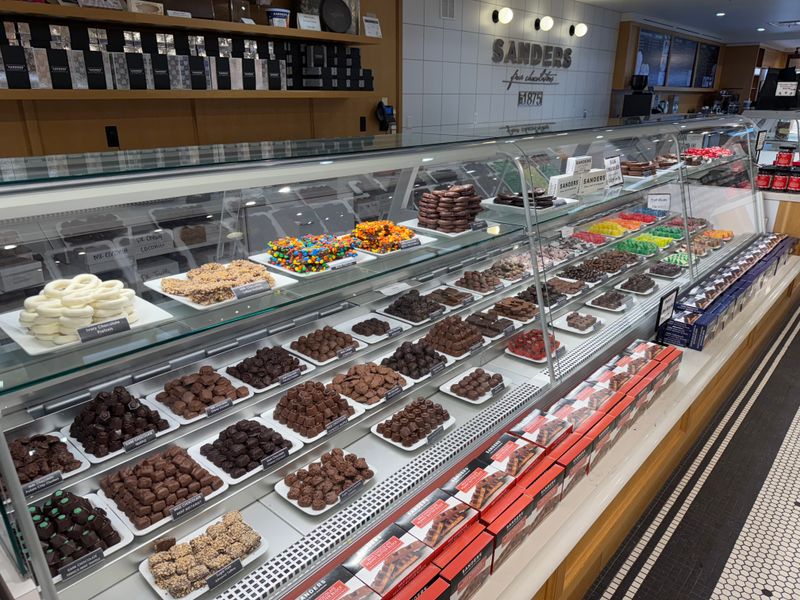
Detroit’s Sanders created the famous bumpy cake and thick hot fudge that generations of Michiganders still crave.
Founded in 1875, Sanders Confectionery became a Detroit institution long before bumpy cake arrived on the scene in the 1900s.
This yellow layer cake gets covered in rivers of buttercream frosting that harden into signature “bumps,” then the whole thing gets coated in rich chocolate fudge.
Locals debate the best way to eat it: some carefully peel off the bumps first, while others dive straight into a forkful of all the layers together.
Sanders also pioneered the thick, glossy hot-fudge topping that transforms simple ice cream into something unforgettable.
My grandmother kept a jar of Sanders hot fudge in her pantry for Sunday sundaes, warming it gently until it became liquid velvet.
Though the original downtown soda fountains have closed, you can still find bumpy cakes in grocery stores across the state.
Every bite carries the nostalgia of Detroit’s golden age.
3. Hamtramck-Style Pączki
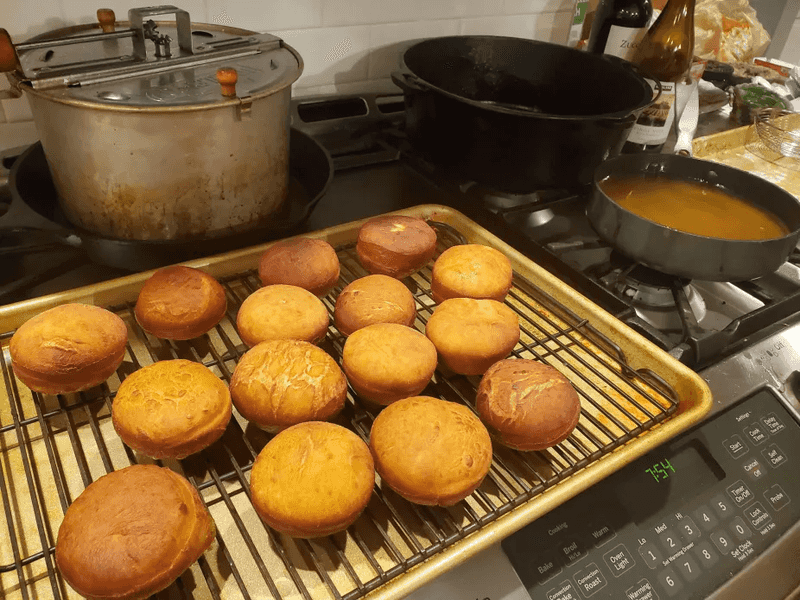
The rich, filled Polish doughnuts that pack Fat Tuesday lines in Hamtramck are a long-running family and neighborhood ritual.
Every year as Lent approaches, Polish bakeries in this Detroit enclave start frying thousands of these pillowy treats before dawn.
Pączki (pronounced POONCH-key) are denser and richer than regular doughnuts, made with eggs, butter, and sometimes a splash of grain spirits in the dough.
Traditional fillings include rose hip jam, prune, and custard, though modern bakeries have added flavors like raspberry, lemon, and even Nutella.
New Palace Bakery and New Martha Washington Bakery see lines stretching around the block on Fat Tuesday, with customers waiting hours for boxes of fresh pączki.
Families order dozens at a time, sharing them at work and school to celebrate before the Lenten season begins.
The tradition connects Michigan’s Polish community to centuries of heritage, one sweet, jam-filled bite at a time.
Even non-Polish Michiganders have adopted the custom enthusiastically.
4. Traverse City Montmorency Cherry Pie

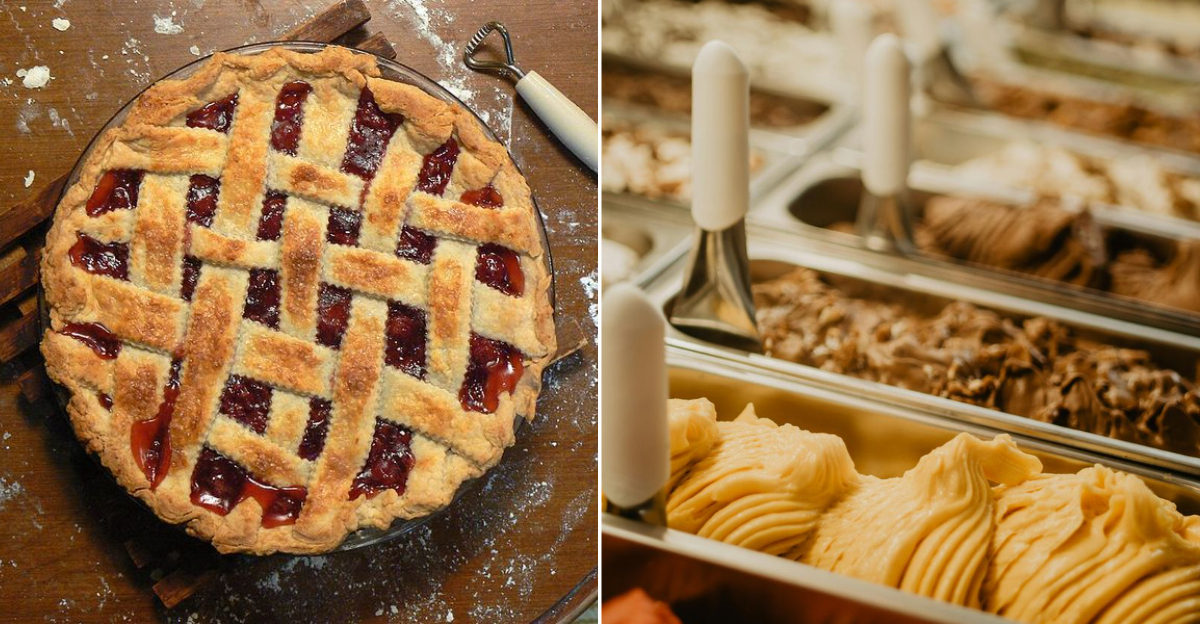
Tart Montmorency cherries from the Traverse City region make the state’s famous cherry pies a handed-down staple.
Northwest Michigan produces about 75 percent of the nation’s tart cherries, and locals have been baking them into flaky-crusted pies for generations.
The Montmorency variety strikes the perfect balance between tartness and sweetness, creating a filling that’s never cloying or bland.
During the National Cherry Festival each July, Traverse City becomes ground zero for cherry everything, but the pies remain the undisputed stars.
Home bakers guard their crust recipes fiercely, some using lard for flakiness, others swearing by butter or shortening.
A scoop of vanilla ice cream melting over a warm slice is practically mandatory in Michigan households.
Orchards around Traverse City welcome visitors during harvest season, letting families pick their own cherries to take home and bake.
This hands-on tradition teaches kids where their food comes from while creating memories that last lifetimes.
5. The Cherry Hut’s Cherry Pie (Beulah)

A small-town pie stand whose cherry pie is a local heirloom dessert.
Tucked along the scenic highway near Crystal Lake in Beulah, The Cherry Hut has been serving up cherry pies since 1922.
What started as a roadside fruit stand evolved into a beloved restaurant where cherry pie remains the main attraction.
The Cherry Hut uses local cherries and a time-tested recipe that produces a filling with just the right consistency, not too runny or too thick.
Regulars insist you must order it à la mode, and many claim the whipped cream option is superior to ice cream.
Northern Michigan families make annual pilgrimages here, often stopping on the way to or from Sleeping Bear Dunes.
The rustic, cabin-like atmosphere and vintage decor add to the nostalgic appeal of every visit.
Taking home a whole pie for later is common practice, though they rarely survive the car ride without someone sneaking a taste.
This unassuming spot proves that sometimes the best desserts come from the smallest places.
6. Apple Cider Donuts From Michigan Cider Mills

Fresh cider mills and their hot cider donuts are autumn family traditions statewide.
As soon as September arrives, Michigan families load into cars and head to their favorite cider mills for pressed apple cider and warm, cinnamon-sugar-coated donuts.
These aren’t your typical cake donuts; they’re infused with apple cider that gives them a subtle tang and incredibly moist texture.
Mills like Yates in Rochester Hills and Blake’s in Armada have been perfecting their recipes for decades, frying batches throughout the day.
The smell of frying dough mixed with fresh-pressed apples creates an intoxicating autumn perfume that signals the season has truly arrived.
Kids run through corn mazes and pick pumpkins while parents wait in line for bags of donuts that are best eaten while still warm.
Some mills offer plain, cinnamon-sugar, or powdered options, sparking friendly debates about which coating reigns supreme.
Freezing extras for later never works because they disappear far too quickly.
7. Boston Cooler (Vernors Milkshake)
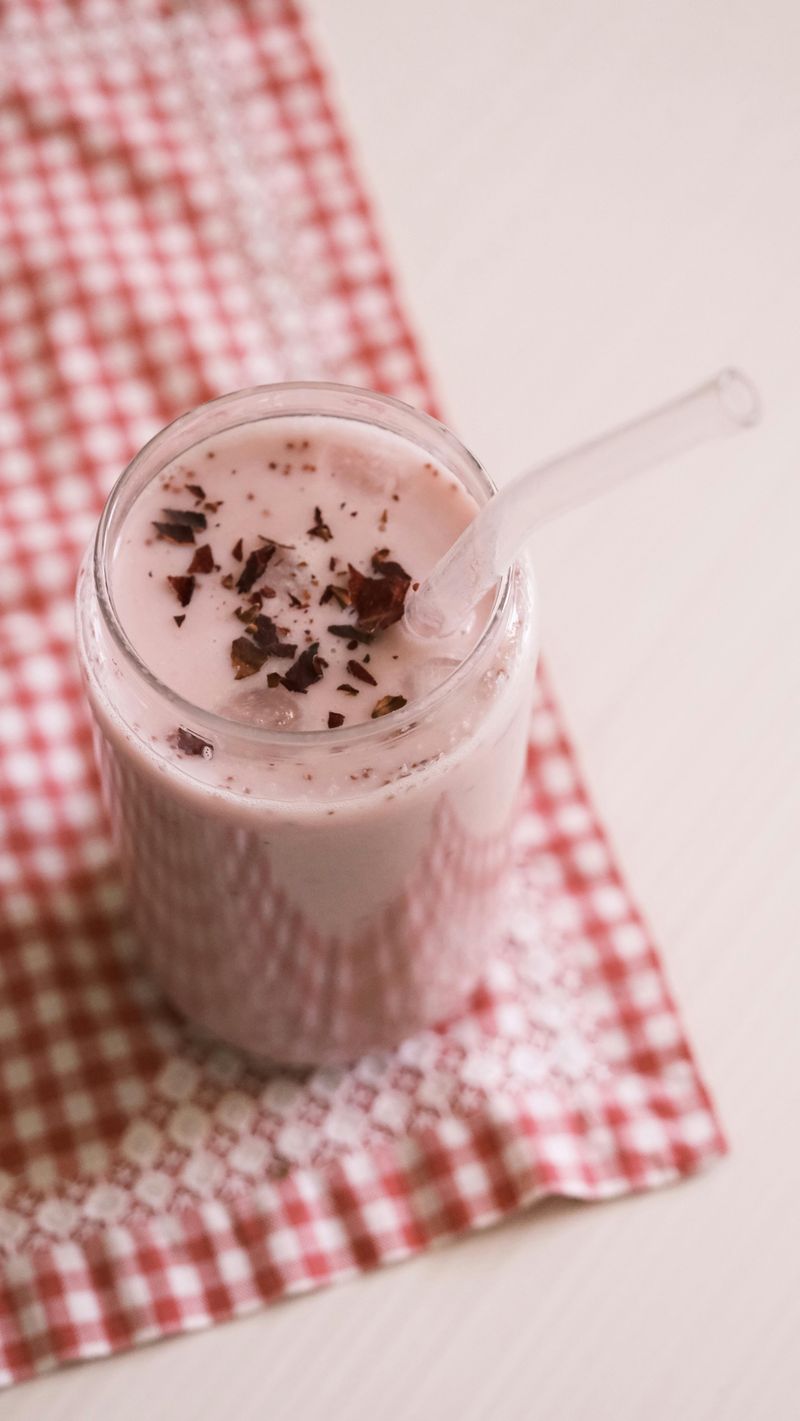
Vernors-plus-ice-cream milkshakes, known as the Boston Cooler, are a distinctly Michigan sweet-treat tradition.
Despite the name, this fizzy float has nothing to do with Boston and everything to do with Detroit, where Vernors ginger soda was invented in 1866.
The classic recipe calls for vanilla ice cream blended or floated with Vernors, creating a creamy, spicy-sweet concoction that’s pure Michigan magic.
Some folks prefer it as a float with scoops bobbing in the soda, while purists insist on blending it into a proper shake.
The name likely comes from Boston Boulevard in Detroit, though the exact origin remains charmingly murky.
Vernors itself has a cult following in Michigan, with its bold ginger flavor setting it apart from ordinary ginger ales.
Grandparents have been introducing grandkids to Boston Coolers for generations, often as a special treat on hot summer days.
The combination of cold, creamy, and fizzy hits all the right notes at once.
You haven’t experienced true Michigan refreshment until you’ve sipped one of these beauties.
8. Wild Blueberry Buckle
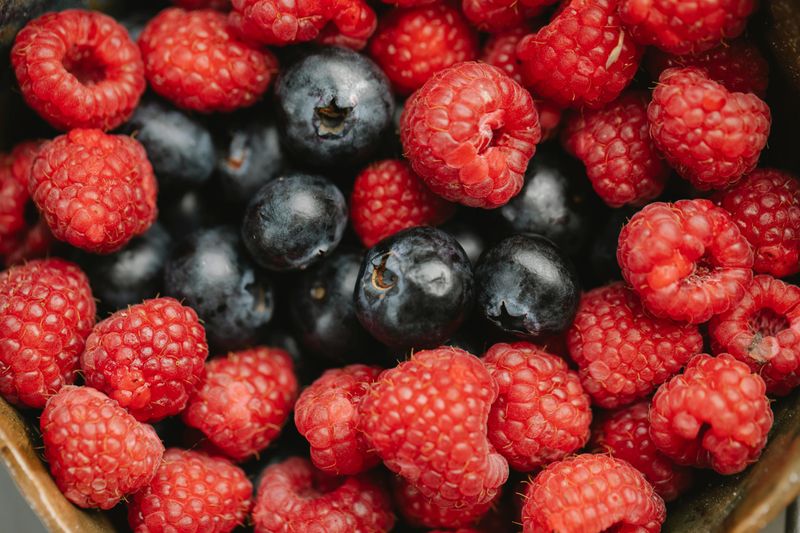
Upper Peninsula and northern Michigan wild blueberries go into buckle coffeecake recipes many families still pass on.
Blueberry buckle resembles a cross between cake and cobbler, with juicy berries nestled into tender batter and topped with buttery streusel crumbs.
The name comes from how the cake appears to “buckle” under the weight of the fruit and crumb topping as it bakes.
Wild blueberries, smaller and more intensely flavored than cultivated varieties, grow abundantly in Michigan’s northern forests and are often hand-picked by families.
My cousin’s family spends a weekend every August in the Upper Peninsula, returning with buckets of tiny berries destined for buckles and freezer bags.
The recipe gets passed down through handwritten cards stained with butter and berry juice, each generation adding little notes in the margins.
Buckle works equally well for breakfast with coffee or as dessert with a dollop of whipped cream.
The simplicity of the recipe makes it accessible to novice bakers while still impressing at potlucks and family gatherings.
9. Superman Ice Cream
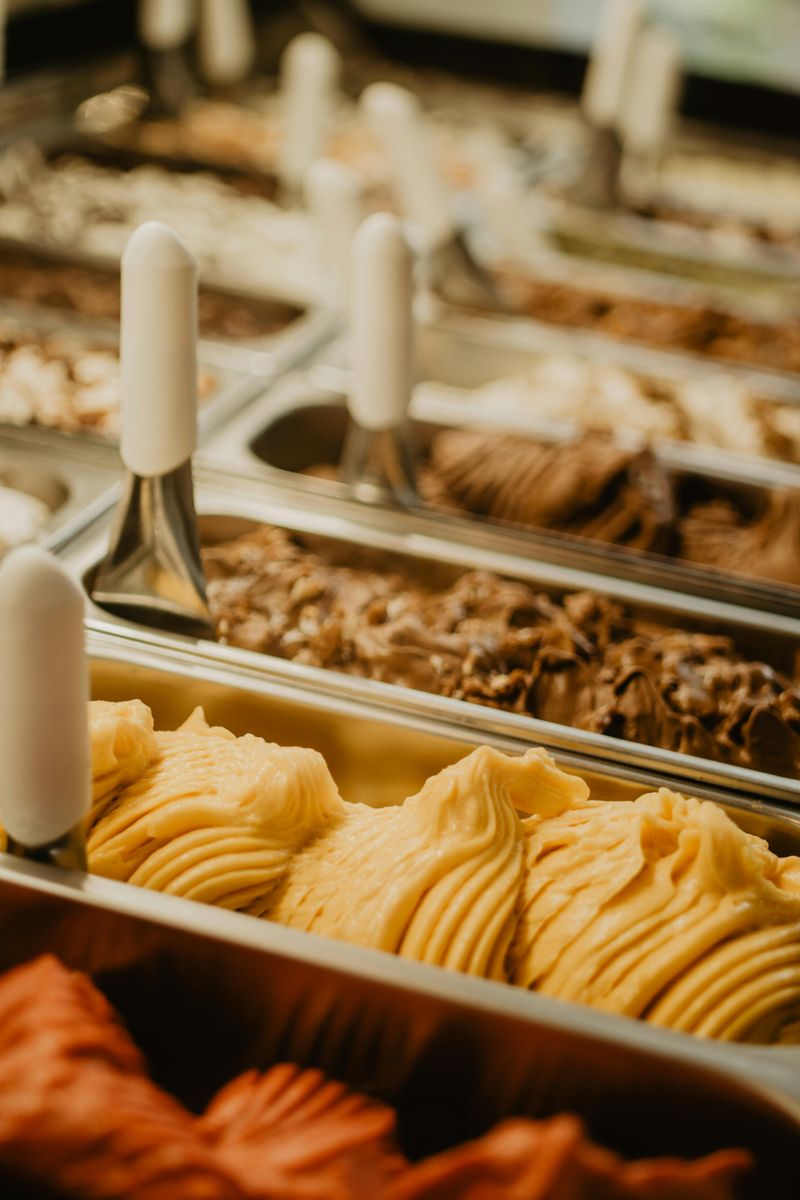
That tri-colored, childhood-nostalgia ice cream swirl is a Midwest tradition, especially beloved in Michigan.
Bright blue, red, and yellow stripes make Superman ice cream instantly recognizable, though pinning down the actual flavors proves surprisingly tricky.
Most versions feature blue moon (a Michigan specialty with a flavor somewhere between marshmallow and cotton candy), cherry, and lemon or vanilla.
The wildly artificial colors and sweet, fruity taste make it irresistible to kids and nostalgic adults alike.
Michigan ice cream parlors have been scooping Superman since the 1960s, and it remains a top seller at places like Stroh’s and House of Flavors.
Some shops create their own variations, adding different flavors or swapping colors, but purists know the classic combination by heart.
Ordering a cone of Superman at the local ice cream stand marks a rite of passage for Michigan children.
The inevitable blue-stained tongues and sticky fingers are all part of the experience.
Even as adults, one lick transports you straight back to carefree summer days.
10. Donckers Confections (Marquette)
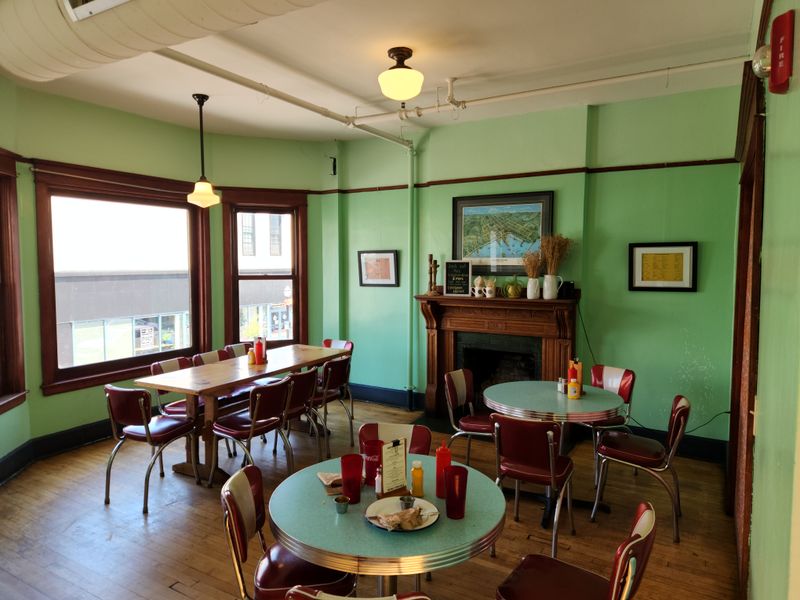
Longstanding regional candy shop treats like caramels and specialty bars that locals gift and hoard.
Since 1896, Donckers has been crafting handmade candies in Marquette, becoming an Upper Peninsula institution that locals treasure fiercely.
Their buttery caramels, chocolate-covered creams, and specialty bars are made using techniques and recipes over a century old.
The shop’s soda fountain serves classic treats in a gorgeously restored historic building that feels frozen in time.
Upper Peninsula residents often stock up on Donckers candies before holidays, knowing that a box of these confections makes the perfect gift.
Out-of-towners who discover Donckers during visits to Marquette become instant converts, often placing mail orders once they return home.
The shop survived economic downturns and changing tastes by staying true to quality and tradition rather than chasing trends.
Walking through the doors feels like stepping into your great-grandmother’s favorite candy shop, complete with glass cases full of colorful sweets.
This is the kind of place that makes you believe good things really do last.
11. Zehnder’s Butterhorns And Frankenmuth Bakery Classics

Frankenmuth bakeries’ butterhorns and German pastries are handed-down family favorites.
Zehnder’s and Bavarian Inn have made Frankenmuth Michigan’s “Little Bavaria,” where German baking traditions thrive alongside chicken dinners and year-round Christmas shops.
Butterhorns, crescent-shaped rolls with a tender, slightly sweet dough, arrive warm at your table and disappear within seconds.
The recipe traces back to German immigrants who settled the area in the 1800s, bringing their baking expertise with them.
Beyond butterhorns, local bakeries turn out stollen, springerle cookies, and other Old World treats that keep heritage alive.
Families drive from across the state for special occasions, knowing that a meal in Frankenmuth isn’t complete without a bag of fresh butterhorns to take home.
The bakeries ship nationwide, but nothing beats biting into one straight from the oven.
Kids grow up thinking all dinner rolls should taste this good, only to be disappointed elsewhere.
Frankenmuth’s commitment to tradition ensures these recipes will nourish many more generations.
12. Legs Inn Carrot Cake And Polish Szarlotka (Cross Village)
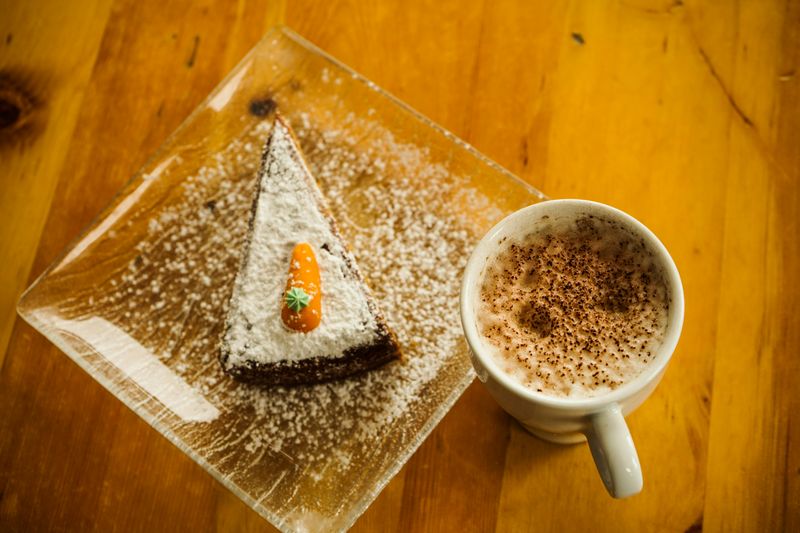
Old-school Polish and family recipes show up at regional institutions like Legs Inn.
Perched dramatically on a bluff overlooking Lake Michigan in tiny Cross Village, Legs Inn serves Polish cuisine with stunning views and quirky decor made from tree roots and driftwood.
The carrot cake here is legendary among regulars, moist and generously spiced with a thick cream cheese frosting that doesn’t hold back.
Szarlotka, a traditional Polish apple cake with a shortbread-like crust and cinnamon-spiced apples, offers a less sweet but equally satisfying option.
Founded by Polish immigrant Stanley Smolak in the 1920s, Legs Inn has maintained its unique character and commitment to authentic recipes for decades.
The restaurant’s remote location makes it a destination rather than a casual stop, so ordering dessert feels like a well-earned reward.
Northern Michigan road-trippers know to save room for whatever the kitchen is baking that day.
The combination of incredible food, artistic surroundings, and lakefront beauty creates an experience you won’t find anywhere else.