
These Dangerous Kitchen Contaminants You Should Remove Immediately In Pennsylvania
I never thought much about my kitchen being dangerous until last winter, when my neighbor’s kid ended up in the emergency room after accidentally mixing two household cleaners under their sink. That moment changed how I saw my own home.
Here in Pennsylvania, we face unique environmental risks—from radon quietly seeping through basement floors to forgotten mercury thermometers tucked away in junk drawers.
Even a kitchen that looks spotless can harbor unseen hazards, from lingering chemical residues to unsafe water filters. It’s easy to overlook these invisible threats, but hidden contaminants could be putting your family’s health at serious risk right now.
1. Old or Unknown Cleaning Chemicals
My grandmother kept a bottle of mystery blue liquid under her sink for twenty years, and I’m pretty sure it could’ve launched a rocket.
Mixing old bleach with ammonia or other cleaners creates chlorine or chloramine gas that burns your lungs and eyes faster than you can say “oops.” Many Pennsylvania homes have cabinets packed with ancient products whose labels have faded into unreadable smudges.
The CDC warns that chemical mixing sends thousands to hospitals every year. Never combine products, always crack a window for ventilation, and take unknowns to your county’s Household Hazardous Waste collection event. Pennsylvania counties run regular HHW days where trained staff dispose of these ticking time bombs safely.
2. Pesticides and Rodenticides Stored Under the Sink
Finding rat poison next to your dish soap is like storing fireworks in your oven. These toxins are designed to exterminate, and a spill near food prep areas or curious kids can turn really bad really fast. Many are also flammable, which means a small kitchen fire could release a cloud of poisonous fumes.
The EPA insists pesticides belong locked away from food and children, not tucked under the sink where anyone can grab them.
Always follow label disposal instructions and use Pennsylvania’s HHW events to get rid of old or unwanted products. Your county likely hosts several collection days each year, making safe disposal easier than you think.
3. Mercury-Containing Items
I once dropped an old glass thermometer and watched those silvery beads scatter like tiny alien invaders across my floor.
Mercury vapor is a neurotoxin that attacks your brain and nervous system, and broken devices contaminate surfaces for months. Pennsylvania’s Department of Environmental Protection supports county collection programs specifically for mercury items.
Never toss mercury thermometers, old thermostats, or compact fluorescent bulbs in the trash. Montgomery County and other PA counties run special drop-off sites where these items get handled properly. One broken thermometer might not seem like much, but mercury accumulates in your body over time, causing tremors, memory loss, and worse.
4. Solvent-Based Products and Aerosols
Paint thinner stored next to your stove is basically a bomb waiting for an invitation. Solvent fumes are flammable and can explode if they get too warm or encounter a spark.
Degreasers, adhesives, and spray oven cleaners release vapors that irritate your lungs and can cause dizziness or worse in poorly ventilated spaces.
The Pennsylvania Resources Council recommends storing these products in cool, ventilated areas far from heat sources. Never pour solvents down your drain, as they contaminate water supplies and can corrode pipes. Take them to your county’s HHW event instead, where they’ll be recycled or disposed of without poisoning your neighborhood.
5. Lead-Glazed or Improperly Labeled Ceramic Cookware
That gorgeous hand-painted mug from the flea market might be serving you a side of lead with your morning coffee. Lead leaches into acidic foods and drinks, causing brain damage, developmental delays in kids, and a host of other health nightmares. The FDA advises against using any lead-positive dishes for food, period.
Pennsylvania has a rich pottery tradition, but older or imported pieces often lack proper testing.
If you suspect lead, stop using the item for food immediately and replace it or display it as decorative art only. You can buy inexpensive lead test swabs at hardware stores to check your dishes in minutes.
6. Mold Growth on Walls, Cabinets, and Pantry Items
I once opened a cabinet and found a science experiment I never signed up for.
Mold triggers asthma attacks, allergic reactions, and signals a moisture problem that could rot your entire kitchen. Pennsylvania’s humid summers and cold winters create perfect conditions for mold to throw a party in your cabinets.
The EPA says to fix leaks immediately, clean hard surfaces with detergent, and toss any porous moldy items like cardboard or fabric. Never mix cleaners while tackling mold, as you might create toxic fumes. If the mold covers more than ten square feet, call a professional, because that’s a sign of serious water damage lurking behind your walls.
7. Radon Seeping Into Lower-Level Kitchens
Pennsylvania sits on some of the most radon-rich geology in the nation, which is about as exciting as it sounds.
Radon is a radioactive gas that seeps up through basements and crawlspaces, becoming the second leading cause of lung cancer after smoking. If your kitchen is on a lower level, you’re breathing air drawn from below, where radon concentrations are highest.
The state’s Department of Environmental Protection urges every home to test for radon. If your levels hit 4.0 picocuries per liter or higher, you need mitigation, which usually involves a vent system to redirect the gas outdoors. Testing is cheap and easy, and it could literally save your life.
8. Combustion Pollutants From Gas or Propane Cooking
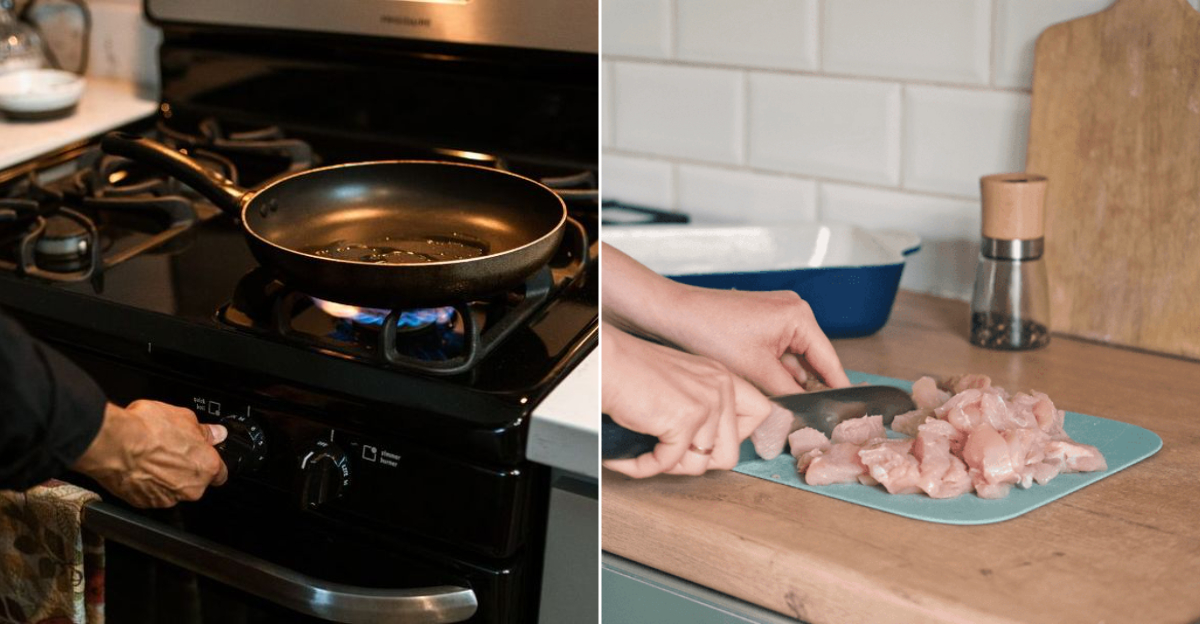
Every time you fire up your gas range, you’re releasing nitrogen dioxide, carbon monoxide, and even benzene into your kitchen air.
These pollutants irritate your respiratory system, trigger asthma, and can be fatal if carbon monoxide builds up. Pennsylvania’s cold winters mean we often cook with windows shut tight, trapping these nasties inside.
The EPA and Pennsylvania’s environmental agencies recommend using vented range hoods that exhaust outdoors, not just recirculate air. Open windows while cooking, install carbon monoxide alarms, and have your appliances serviced annually. A properly vented hood can cut pollutant levels by seventy percent, making your kitchen air safer with every meal.
9. Bulging or Leaking Home-Canned or Commercial Cans
Botulism is the food poisoning villain that doesn’t give you a second chance.
Bulging, leaking, or dented cans signal that botulinum toxin might be brewing inside, and one taste can paralyze your muscles and stop your breathing. Home canning is popular in Pennsylvania, but improper sealing or processing creates the perfect low-oxygen environment for this awful bacteria.
The CDC and USDA preach “when in doubt, throw it out,” and they mean it. Never taste-test suspicious cans to check if they’re safe. Wrap suspect cans in plastic bags and dispose of them where neither people nor animals can access them, because botulism doesn’t discriminate.
10. Recalled or Contaminated Foods in the Pantry or Freezer
Last month, bags of rice got recalled for containing stones that could crack your teeth, which is a fun surprise nobody ordered.
Recalled foods may harbor pathogens like Salmonella or Listeria, undeclared allergens, or foreign materials that can injure you. Pennsylvania families often stock up at warehouse stores, meaning a single recall can affect dozens of items in your home.
Check FoodSafety.gov regularly and compare lot codes on your pantry and freezer items against current recall lists. Don’t assume you’d have heard about it on the news. Discard or return recalled products immediately per the notice instructions, and never serve them to your family or donate them, as that just spreads the risk.
11. Heavily Grooved Cutting Boards, Sponges, and Fridge Drawers
Your kitchen sponge has more bacteria than your toilet seat, which is a fact that ruins everyone’s day.
Deep grooves in cutting boards, ancient sponges, and neglected fridge drawers become five-star hotels for Salmonella, Listeria, and coliforms that cross-contaminate your food. NSF International found that refrigerator compartments rank among the germiest spots in your home.
Replace sponges every week or two, sanitize cutting boards after each use, and run fridge bins through your dishwasher’s sanitize cycle monthly. If your cutting board looks like a topographic map, it’s time for a new one. Pennsylvania’s humid climate accelerates bacterial growth, so vigilance here pays off in fewer stomach bugs.
12. Improperly Stored Bleach Solutions or Over-Concentrated Disinfectants
Bleach loses its disinfecting power over time, so that month-old spray bottle is basically expensive water with an attitude.
Improperly stored or over-concentrated bleach solutions irritate your skin and eyes, and fumes become dangerous in enclosed kitchens. Worse, the wrong concentration won’t even get rid of the viruses you’re trying to eliminate, leaving you with a false sense of security.
Always mix fresh bleach solutions daily using the correct ratios, usually one-third cup per gallon of water for disinfecting. Store bleach in a cool, dark place and ventilate your kitchen while using it. Pennsylvania winters tempt us to seal up tight, but cracking a window while cleaning protects your lungs and keeps your family safer.