
These 7 Fascinating Lighthouses Hiding Along The South Carolina Coast
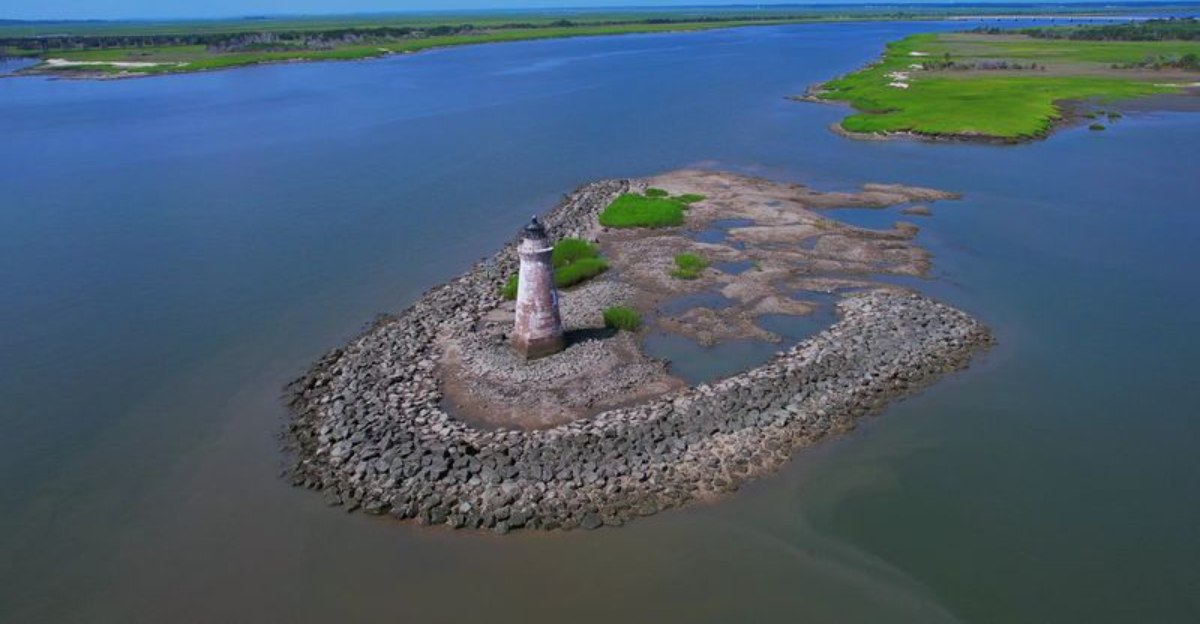
There’s something about spotting a lighthouse along the South Carolina coast that instantly makes everything around you feel slower and older.
You round a bend near the water, and suddenly a tower rises above the marsh or trees like it has been waiting there for centuries. Some stand boldly against the shoreline, while others feel almost hidden, tucked deep into quiet corners most travelers never reach.
South Carolina’s lighthouses don’t just mark the coastline, they completely change the feeling of it.
Each one carries its own atmosphere. Salt air, weathered paths, stories tied to storms, shipwrecks, and generations of sailors who once depended on that light to make it home.
You don’t rush places like this. You stop, look longer, and let the surroundings do the work.
It’s not just about the towers themselves.
It’s about the feeling of discovering them.
And somehow, every one makes the coast feel a little more timeless.
1. Morris Island Lighthouse
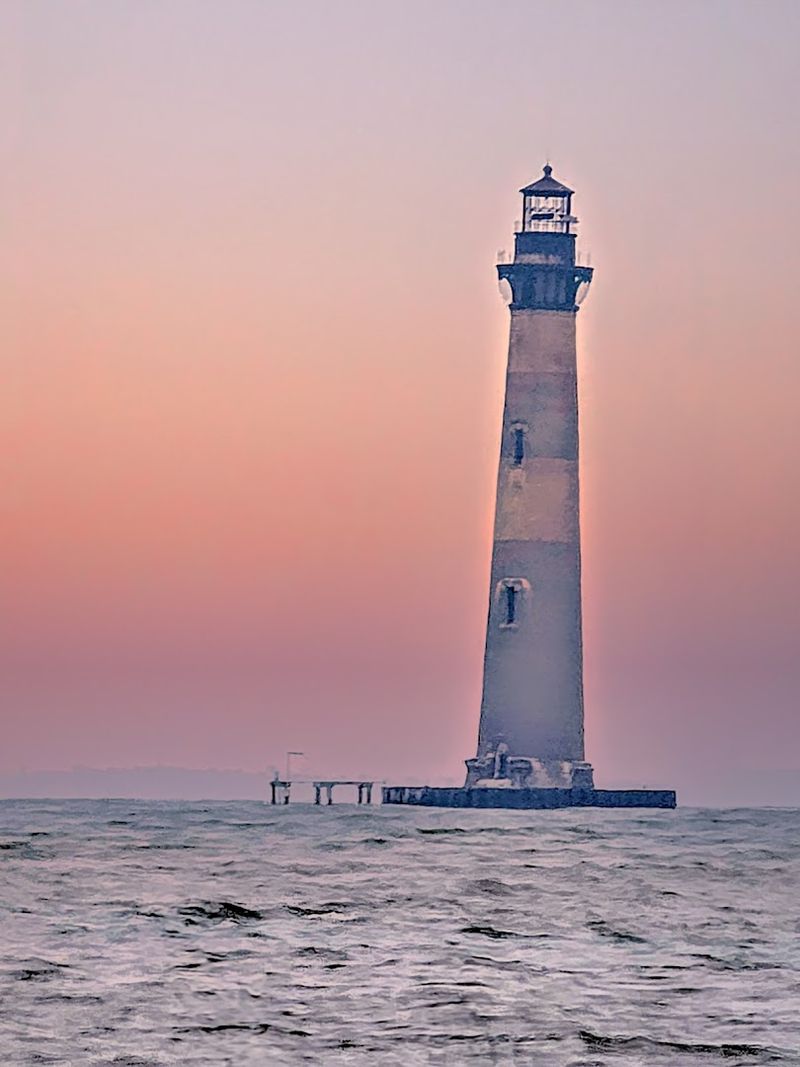
Standing in the surf off the coast of Folly Beach, South Carolina, Morris Island Lighthouse is one of those sights that stops you mid-step.
Built in 1876, this striking 161-foot tower once guided ships safely into Charleston Harbor, but today it stands completely surrounded by water, cut off from the shore by decades of coastal erosion.
I remember the first time I spotted it from the beach and could not quite believe something so tall could look so isolated.
You can kayak or take a small boat tour to get closer, and the views from the water are genuinely breathtaking.
The lighthouse is maintained by the Save the Light organization, which has worked hard to preserve its structure.
At sunset, the warm light hitting that old brick tower turns the whole scene into something that feels almost painted.
Morris Island Lighthouse reminds me why South Carolina’s coast keeps pulling people back.
2. Hunting Island Lighthouse
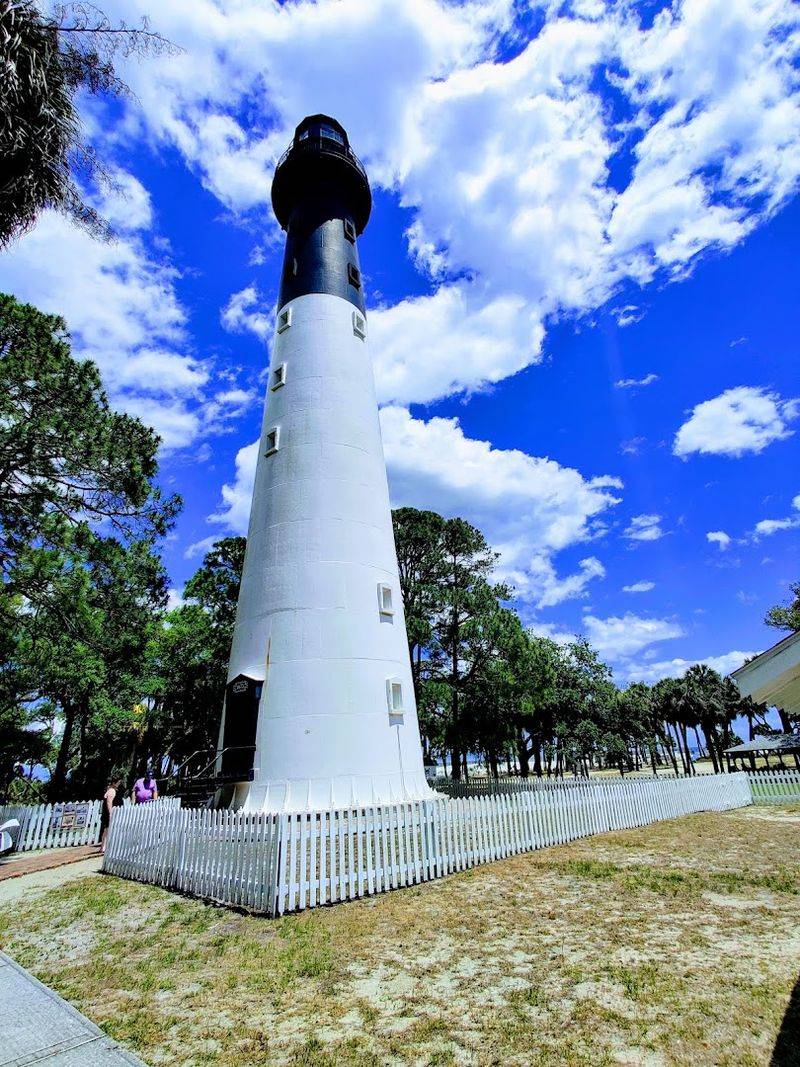
Tucked inside Hunting Island State Park near Beaufort, South Carolina, this is the only publicly accessible lighthouse in the entire state, and climbing it is an experience I keep recommending to everyone I meet.
Built in 1875, the cast-iron tower stands 136 feet tall and offers panoramic views of the Atlantic Ocean, surrounding marshes, and dense subtropical forest from its observation deck.
What makes it especially interesting is that the lighthouse was actually designed to be dismantled and moved, which it was in 1889 when erosion threatened its original site.
I climbed all 167 steps on a breezy October morning, and reaching the top felt genuinely earned.
The surrounding state park is stunning on its own, with miles of beach, campgrounds, and wildlife including loggerhead sea turtles.
Hunting Island Lighthouse manages to feel both historic and alive, which is a rare combination for any landmark.
3. Georgetown Lighthouse
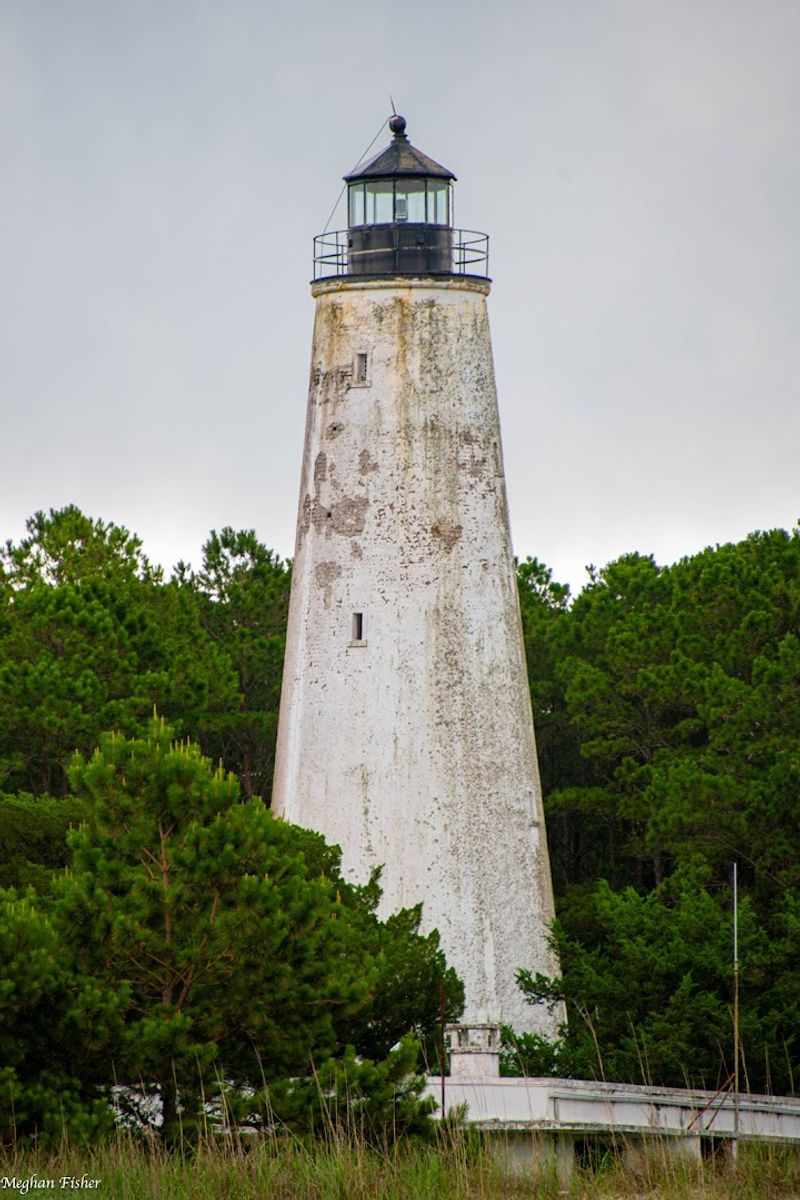
The oldest lighthouse in South Carolina, Georgetown Lighthouse has been marking the entrance to Winyah Bay since 1801, and it carries that long history in every weathered brick.
Located on North Island near Georgetown, South Carolina, this lighthouse sits on a protected wildlife refuge that is not open to casual public access, which gives it an air of mystery that I find completely irresistible.
Special boat tours occasionally bring visitors close enough to appreciate the tower, and those trips tend to sell out quickly for good reason.
Georgetown itself is a charming town with a well-preserved historic district, antebellum architecture, and a waterfront that feels genuinely unhurried.
I paired my lighthouse visit with a walk along Front Street and a stop at one of the local seafood spots overlooking the river.
For anyone researching early American maritime history, Georgetown Lighthouse is a primary chapter that most travelers overlook entirely.
4. Harbour Town Lighthouse
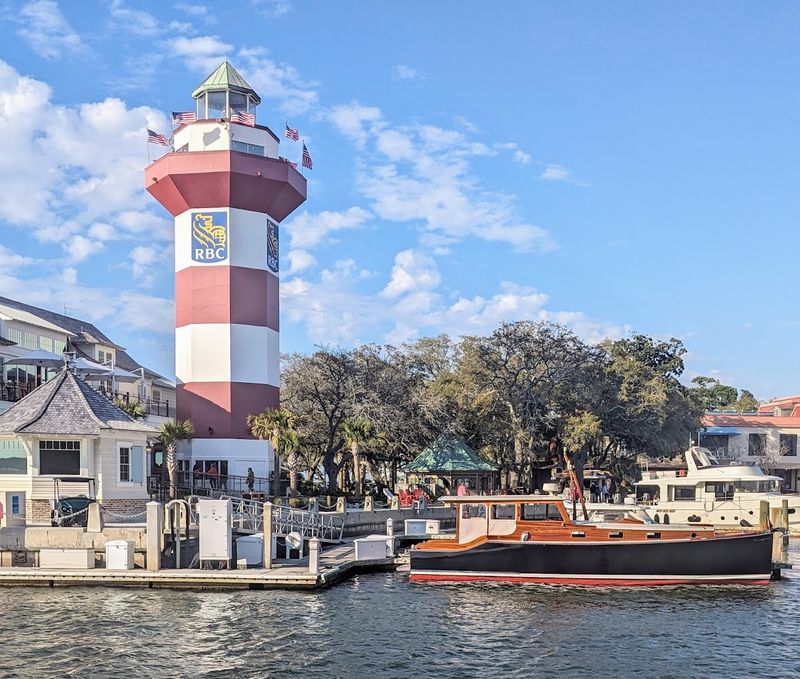
Striped in bold red and white, Harbour Town Lighthouse on Hilton Head Island is probably the most photographed lighthouse in South Carolina, and honestly, the camera does not do it full justice.
Built in 1970 at Sea Pines Resort, it is technically one of the newer lighthouses on this list, but what it lacks in age it more than makes up for in personality and views.
The lighthouse stands 90 feet tall and is open to visitors who want to climb to the top for sweeping views of the marina, Calibogue Sound, and the Lowcountry landscape stretching toward the horizon.
Inside, each level features exhibits about Hilton Head Island’s history, from indigenous culture to the Civil War era.
I visited on a Tuesday morning when the marina was quiet, and the whole experience felt surprisingly relaxed for such a popular destination.
Harbour Town Lighthouse is the kind of place that earns its reputation without trying too hard.
5. Cape Romain Lighthouse
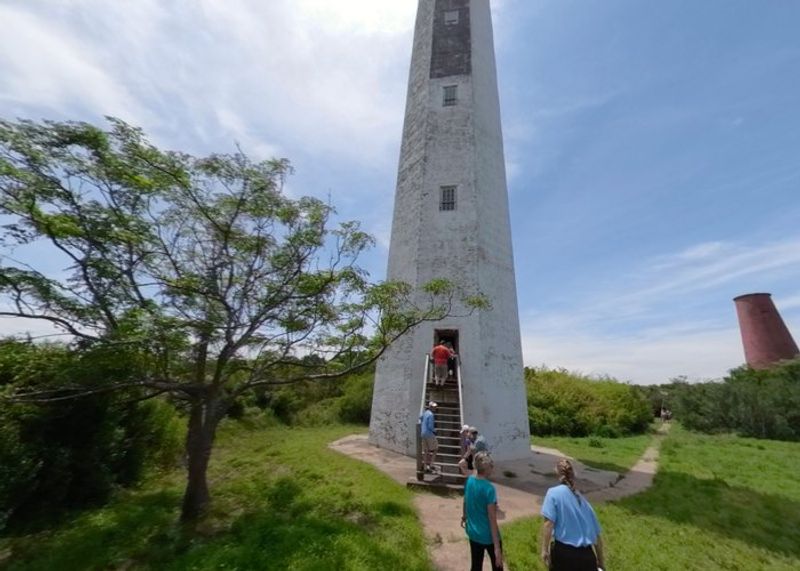
Cape Romain National Wildlife Refuge hides one of the most dramatic lighthouse scenes I have ever encountered anywhere along the East Coast.
Located on Lighthouse Island near McClellanville, South Carolina, the site actually features two lighthouses built in different eras, an 1827 tower and a taller 1858 replacement, standing side by side like old companions comparing notes.
Getting there requires a boat ride through the refuge, which is itself a wildlife spectacle filled with shorebirds, dolphins, and loggerhead sea turtles nesting on the beaches.
The island is only accessible through permitted boat tours, so planning ahead is essential.
I went on a guided trip during late spring and spent hours wandering the island’s shell-covered paths while osprey circled overhead.
The older tower is partially deteriorated, which somehow makes the whole composition more compelling rather than less.
Cape Romain rewards the effort to reach it with scenery that feels completely removed from the modern world.
6. Sullivan’s Island Lighthouse
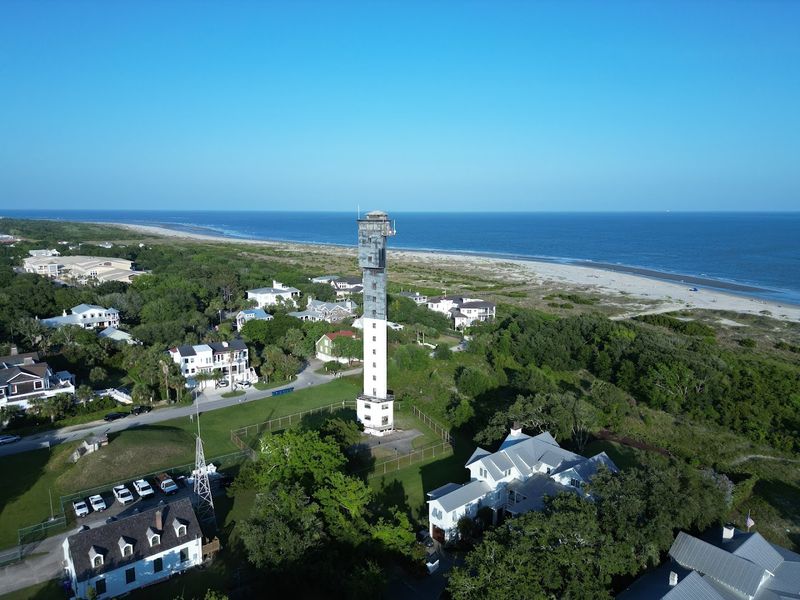
Not every lighthouse on this coast looks like a postcard from the 1800s, and Sullivan’s Island Lighthouse is proof that modern design can still hold its own among historic neighbors.
Completed in 1962 on Sullivan’s Island near Charleston, South Carolina, this triangular aluminum tower replaced an earlier lighthouse and was designed to withstand hurricane-force winds, which explains its unconventional silhouette.
Standing 140 feet tall, it is one of the last staffed lighthouses built in the United States and remains an active aid to navigation today.
The lighthouse is not regularly open to the public, but its exterior is easily visible from the island’s streets and nearby beach access points.
Sullivan’s Island itself is a wonderful place to spend a half day, with Fort Moultrie, a quiet beach, and several good restaurants within easy walking distance.
I found the lighthouse’s bold geometric shape oddly charming once I stopped expecting it to look like all the others.
7. Cockspur Island Lighthouse
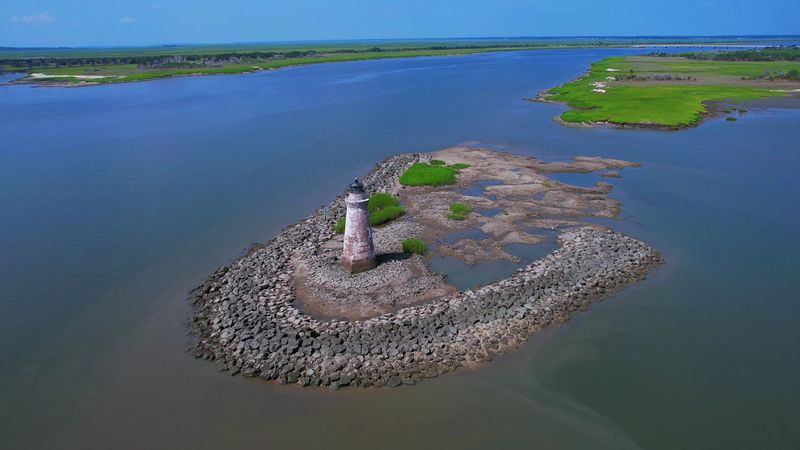
Perched at the mouth of the Savannah River near Tybee Island, Georgia, Cockspur Island Lighthouse technically sits just across the state line from South Carolina, but its story is so deeply tied to the Lowcountry that leaving it off this list would feel like a genuine oversight.
Built in 1848, this compact 46-foot lighthouse guided vessels through the river’s tricky shoals for decades before being decommissioned.
What makes it remarkable is its survival, the lighthouse weathered the Civil War, multiple hurricanes, and years of neglect to stand essentially intact today.
It is part of Fort Pulaski National Monument, and kayakers frequently paddle out to circle the base at high tide when the surrounding marsh grass glows a vivid green.
I paddled out on a calm November afternoon and felt like I had the whole landscape to myself.
Cockspur Island Lighthouse is small in stature but enormous in atmosphere.