
These 12 Florida Cities Are Much Safer Than Most People Realize
Florida has a reputation.
These cities tell a very different story.
Turn on the news, and you might think the Sunshine State is all crowds, chaos, and unbelievable headlines. Spend a little time exploring beyond the famous beaches and theme parks, though, and an entirely different Florida begins to appear.
Front porches replace packed sidewalks. Quiet neighborhoods replace tourist traffic.
Families gather in local parks, neighbors know each other’s names, and evenings end with peaceful walks instead of bumper-to-bumper congestion.
That is the side of Florida more people deserve to see.
Safety is never the only thing that makes a place feel like home, but it certainly helps. The communities on this list have earned reputations for being welcoming, well-kept, and comfortable places to live or visit.
They prove that the state’s story is about much more than the headlines.
Forget the stereotypes.
These Florida cities show that some of the Sunshine State’s greatest surprises are not found at famous attractions, but in the quiet neighborhoods where everyday life feels refreshingly calm.
1. Marco Island

Tucked along Florida’s southwestern Gulf Coast, Marco Island carries the kind of calm that makes you want to slow your pace the moment you cross the bridge onto the island.
It consistently ranks among the safest communities in all of Florida, with crime rates well below the national average, and residents here will tell you that locking your car is more of a habit than a necessity.
The island covers about 24 square miles and is home to roughly 17,000 permanent residents, many of whom chose it specifically for its unhurried, low-drama lifestyle.
Pristine beaches like Tigertail Beach and South Marco Beach attract families and birders rather than rowdy crowds, giving the whole island a relaxed, resort-town feel without the chaos.
Shelling along the shoreline at low tide is practically a local sport here, and the community events calendar is packed with outdoor festivals and farmers markets that bring neighbors together in the best possible way.
2. Parkland
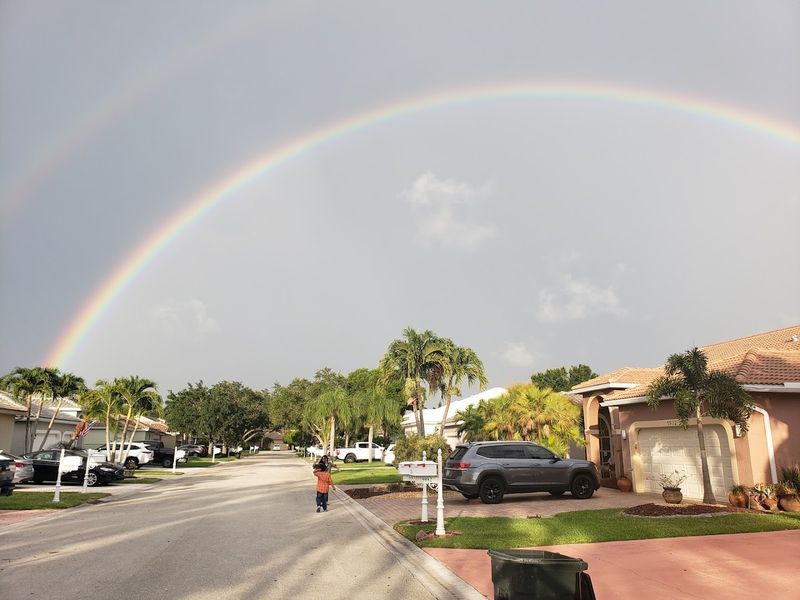
Consistently landing on national lists of the safest cities in the United States, Parkland in Broward County has built a reputation that goes far beyond its zip code.
Situated in the northern part of Broward County, this planned community of around 35,000 residents was literally designed with safety and livability in mind, featuring wide sidewalks, well-lit parks, and an active neighborhood watch culture that actually works.
The city’s median household income and strong school ratings attract families who prioritize stability, and that community investment shows up in everything from well-kept parks to spotless public spaces.
Quiet Trails Park and the Parkland Golf and Country Club give residents plenty of reasons to stay active outdoors, and the local farmers market draws a crowd every weekend without fail.
What strikes me most about Parkland is how genuinely engaged the residents are, showing up for school board meetings, volunteering at local events, and looking out for one another in ways that feel both old-fashioned and deeply reassuring.
3. Weston
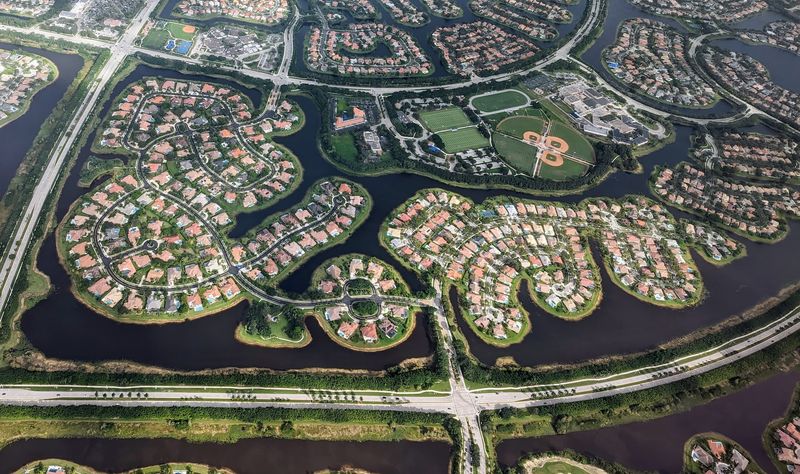
People who have never visited Weston often picture a generic South Florida suburb, but the reality is a meticulously planned city that takes community safety seriously enough to back it up with numbers.
Located in western Broward County, Weston is frequently cited as one of the top ten safest cities in Florida, with a violent crime rate that sits dramatically below the state and national averages year after year.
The city was master-planned from the ground up in the 1990s, which means the streets, parks, and public spaces were all designed with pedestrian safety and neighborhood connectivity in mind from the very start.
Residents have access to over 40 miles of trails winding through the city’s many green spaces, and the Town Center area gives families a walkable hub for dining, shopping, and weekend outings.
The public schools here are among the highest-rated in Broward County, which tells you a lot about the kind of community investment that keeps Weston feeling like a place where people genuinely want to put down roots.
4. Oviedo
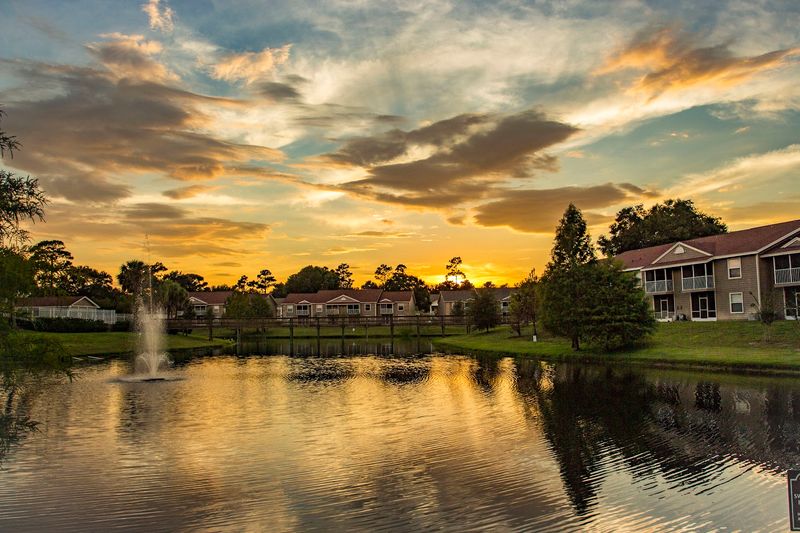
Just northeast of Orlando, Oviedo has quietly become one of Central Florida’s most desirable places to live, largely because it manages to feel like a small town even as the region around it keeps growing.
Seminole County, where Oviedo sits, consistently posts some of the lowest crime rates in the greater Orlando metro area, and Oviedo itself tends to outperform even the county average in terms of overall safety statistics.
The city is perhaps best known locally for its resident population of wild chickens that roam downtown, a quirky detail that has become a beloved piece of local identity rather than a nuisance.
Beyond the feathered residents, Oviedo offers excellent trail access along the Cross Seminole Trail, a well-regarded school district, and a historic downtown area that hosts regular community events without losing its small-town charm.
Families who move here often say the same thing: they expected a sleepy suburb and found an engaged, friendly community where the neighbors know your name within the first week.
5. Niceville, Florida
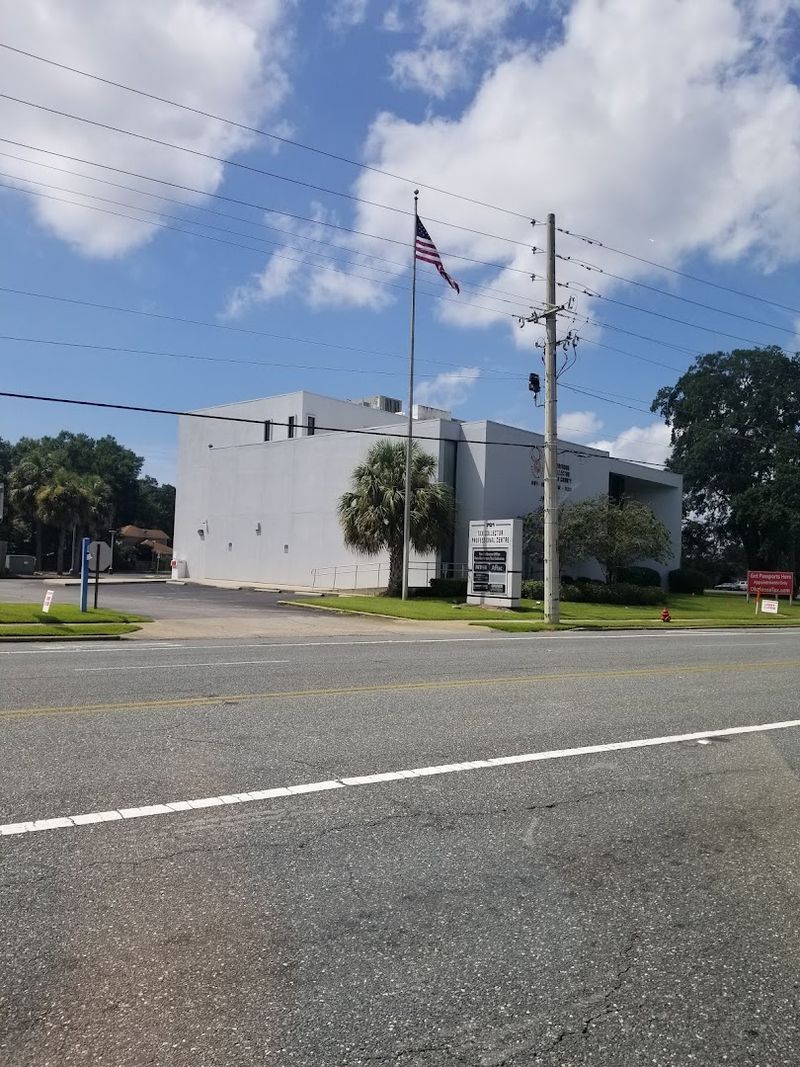
The name alone sounds like a place someone invented for a feel-good movie, but Niceville, Florida, is absolutely real and absolutely earns every syllable of that cheerful name.
Nestled along the shores of Boggy Bayou in the Florida Panhandle, this small city of around 15,000 residents sits in Okaloosa County, which regularly ranks as one of the safest counties in the entire state.
Proximity to Eglin Air Force Base means the community has a strong military presence, and that tends to bring a culture of discipline, civic pride, and neighborhood attentiveness that keeps the city running smoothly.
The bayou itself is a major draw, offering kayaking, fishing, and waterfront picnicking that families enjoy throughout the year, and the local parks are clean, well-maintained, and genuinely busy with active residents.
Niceville has the kind of community feel where youth sports leagues fill up fast, local parades draw real crowds, and the phrase “good neighbor” is not just an expression but a standard people actually hold themselves to.
6. Satellite Beach
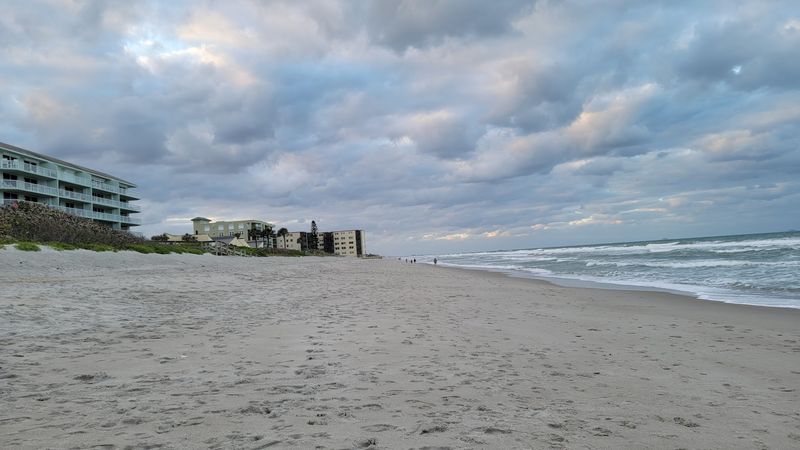
Sitting on a narrow barrier island along Florida’s Space Coast, Satellite Beach is the kind of place where you can watch a rocket launch from your backyard and still be home in time to walk safely through the neighborhood after dark.
Brevard County’s coastal communities tend to score well on safety metrics, and Satellite Beach consistently stands out as one of the most secure small cities in the region, with a population of around 11,000 that keeps things tight-knit and manageable.
The city was largely developed in the late 1950s and 1960s to house NASA workers and their families, which gave it an organized, community-forward foundation that still shows up in how residents engage with local government and neighborhood initiatives today.
The beach itself is uncrowded compared to more famous Florida shores, and the Hightower Beach Park area offers a genuinely peaceful place to spend an afternoon without fighting for a parking spot or a patch of sand.
Locals take real pride in keeping Satellite Beach exactly what it is: a quiet, safe, and unpretentious coastal town that does not need a big reputation to be a great place to live.
7. Winter Springs, Florida
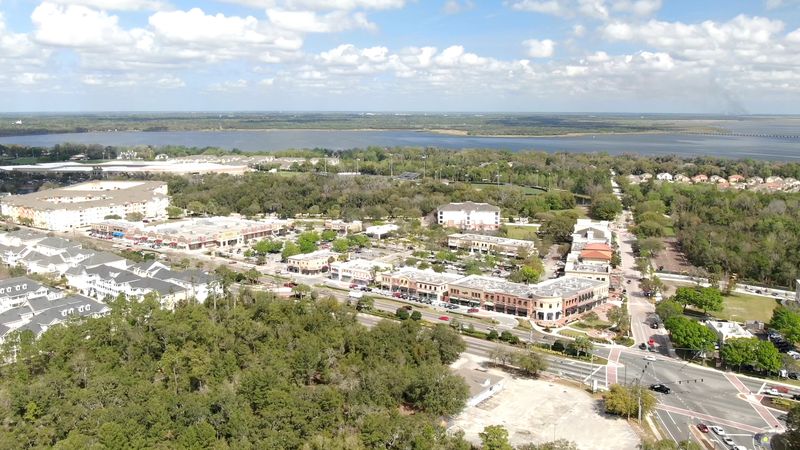
A city that often flies under the radar even among Central Florida locals, Winter Springs sits in Seminole County and quietly maintains one of the most consistently low crime rates in the entire Orlando metro area.
With a population of around 38,000, it has grown steadily over the past two decades while managing to preserve a suburban atmosphere that feels genuinely safe and livable rather than just marketed that way.
The Town Center development along State Road 434 has transformed the heart of Winter Springs into a walkable hub with shops, restaurants, and community spaces that draw residents out and keep the streets active and well-observed.
Central Winds Park is a local favorite, offering sports fields, a dog park, a boat ramp onto Lake Jesup, and enough open green space to make a weekend afternoon feel like a proper escape without leaving the city limits.
Seminole County’s school system is one of the top-rated in Florida, and Winter Springs feeds into it well, making it a consistent top pick for families relocating to the greater Orlando area who want quality of life to match the sunshine.
8. North Palm Beach
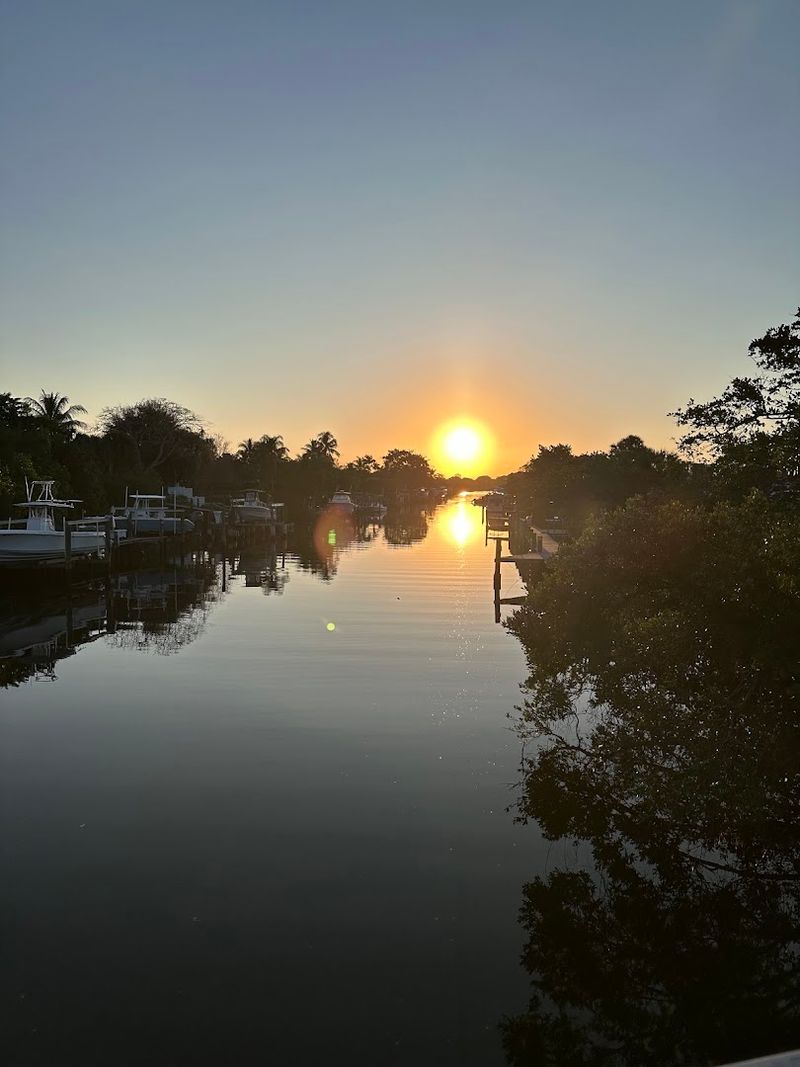
Sandwiched between the Intracoastal Waterway and the Atlantic Ocean in Palm Beach County, North Palm Beach is a small village of about 13,000 residents that punches well above its weight when it comes to safety and quality of life.
The village has its own police department, a low crime rate that consistently makes regional safety rankings, and a community culture built around waterfront living, outdoor recreation, and knowing your neighbors by first name.
The North Palm Beach Country Club, which the village owns and operates, gives residents access to a golf course, tennis courts, and a community pool at rates that feel almost refreshingly reasonable for Palm Beach County.
Anchorage Park along the Intracoastal is a genuine gem for boaters and families alike, offering boat ramps, a playground, picnic areas, and a kayak launch that makes weekend mornings feel like a small adventure.
What I keep coming back to about North Palm Beach is how the village manages to sit right next to one of the wealthiest zip codes in America while still maintaining a grounded, welcoming community feel that never tips into exclusivity.
9. Sanibel, Florida
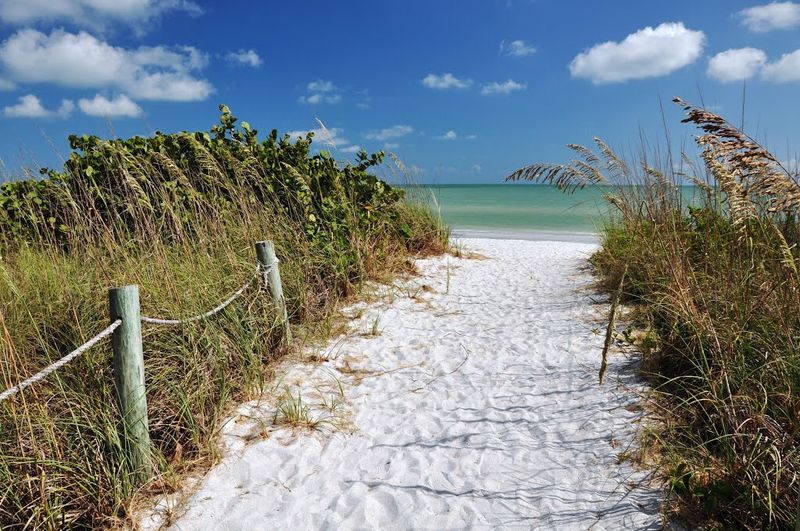
Sanibel Island operates by its own set of rules, and one of the most important ones is that the island stays small, quiet, and intentionally unhurried thanks to strict zoning laws that have kept overdevelopment at bay for decades.
Located off the coast of Fort Myers in Lee County, Sanibel has a permanent population of around 7,000 and a crime rate that reflects a community where the biggest daily decision is often which beach access point to visit first.
The island is world-famous among shell collectors, and the so-called “Sanibel Stoop,” the bent-over posture of someone scanning the sand for a perfect lightning whelk, is a universally recognized sight along the shoreline.
More than half of Sanibel’s total land area is protected as the J.N. “Ding” Darling National Wildlife Refuge, which means the island has built-in limits on how crowded or commercialized it can ever become.
Cycling is one of the best ways to get around, with a network of paved paths that wind through the island’s neighborhoods and nature areas, making it easy to explore safely and at whatever pace suits you.
10. Fernandina Beach
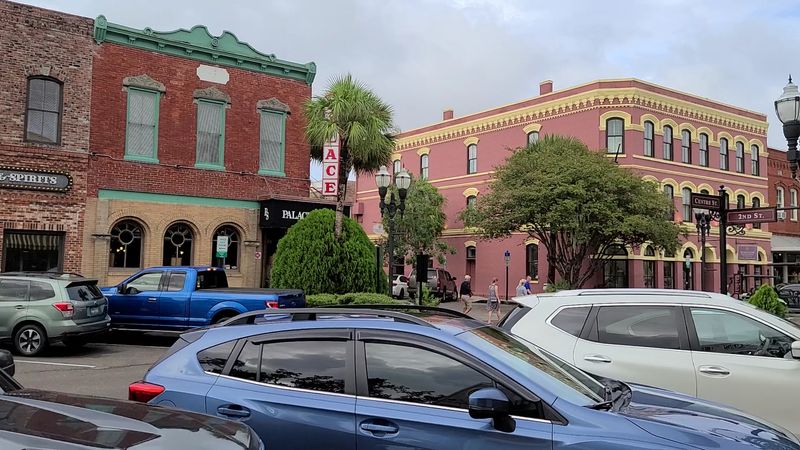
Florida’s northernmost barrier island is home to Fernandina Beach, a city that wears its Victorian-era history like a well-loved piece of architecture and backs it up with a safety record that regularly surprises first-time visitors.
Situated on Amelia Island in Nassau County, Fernandina Beach has a permanent population of around 13,000 and a historic downtown district that draws visitors for its 50-block stretch of 19th-century buildings, boutique shops, and waterfront dining.
Nassau County consistently ranks among the safer counties in Florida, and Fernandina Beach benefits from that county-wide culture of community engagement and civic investment that keeps neighborhoods feeling stable and well-tended.
The city has a fascinating history as the only place in the United States to have been ruled under eight different flags, a distinction that locals celebrate with genuine pride through museums, walking tours, and annual festivals.
Fort Clinch State Park, located just north of downtown, offers camping, fishing, and Civil War-era fort tours in a setting so peaceful and well-maintained that it feels like the kind of place where nothing bad could possibly happen, and the crime statistics largely agree.
11. Dunedin
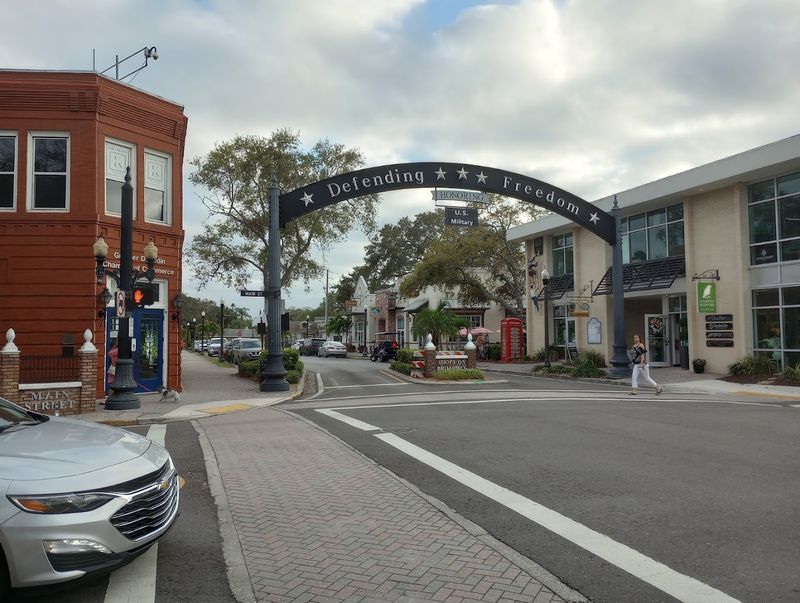
Founded by Scottish merchants in the 1800s and still celebrating that heritage with a bagpipe-filled Highland Games every spring, Dunedin on Florida’s Pinellas County coast is one of those rare cities that has a distinct personality and the safety record to match.
With a population of around 35,000 and consistent placement on Florida’s list of lowest-crime municipalities, Dunedin has cultivated a downtown culture built on walkability, community events, and a laid-back coastal energy that feels authentic rather than manufactured.
The Pinellas Trail runs directly through the city, giving cyclists and pedestrians a safe, dedicated path that connects Dunedin to communities up and down the county, and it is busy with locals using it as actual transportation rather than just weekend recreation.
Honeymoon Island State Park sits just a short drive from downtown, offering one of the least crowded and most naturally preserved beach experiences in the Tampa Bay area, with osprey nests, nature trails, and calm Gulf waters that reward the short trip every single time.
Dunedin’s farmers market, craft festivals, and waterfront parks keep the community genuinely connected, and that level of social cohesion is one of the quiet forces behind why the city stays as safe as it does year after year.
12. Safety Harbor
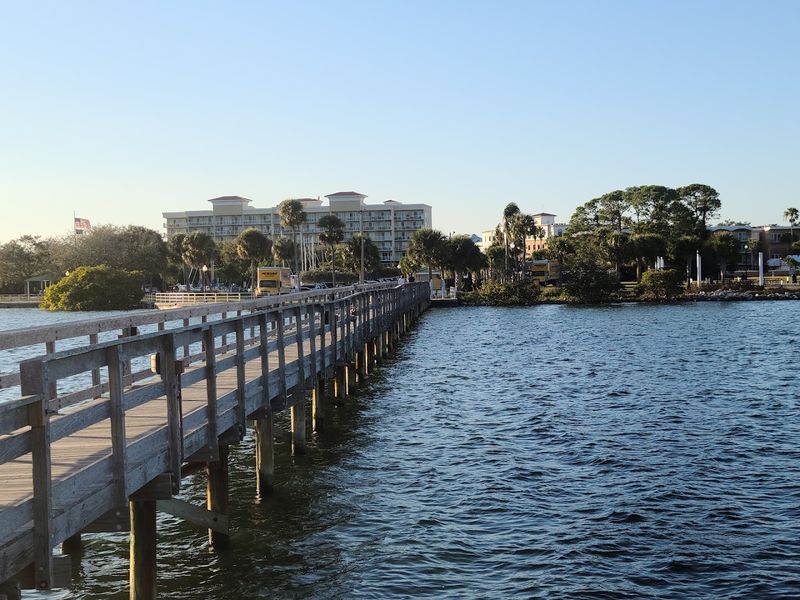
A city with “safety” literally built into its name might sound like a marketing gimmick, but Safety Harbor on the western shore of Tampa Bay has been earning that distinction long before anyone thought to put it on a tourism brochure.
Located in Pinellas County at the northern tip of Old Tampa Bay, Safety Harbor has a population of around 17,000 and a small-town downtown that feels genuinely lived-in, with local coffee shops, independent boutiques, and a waterfront park that anchors community life throughout the year.
The city’s crime rate consistently falls well below both state and national averages, and the active community policing approach used by the Safety Harbor Police Department has earned recognition from regional public safety organizations on multiple occasions.
Safety Harbor is also home to a historic spa resort built on natural mineral springs that Indigenous peoples used for centuries, giving the city a layer of cultural and historical depth that goes well beyond its modest size.
Philippe Park, one of the oldest county parks in Florida, sits just north of downtown and offers waterfront picnic areas, ancient Native American mounds, and towering oak trees that make an afternoon visit feel like stepping into a quieter, slower, and considerably safer version of Florida.