
These Florida Historic Towns That Feel Particulary Timeless This March
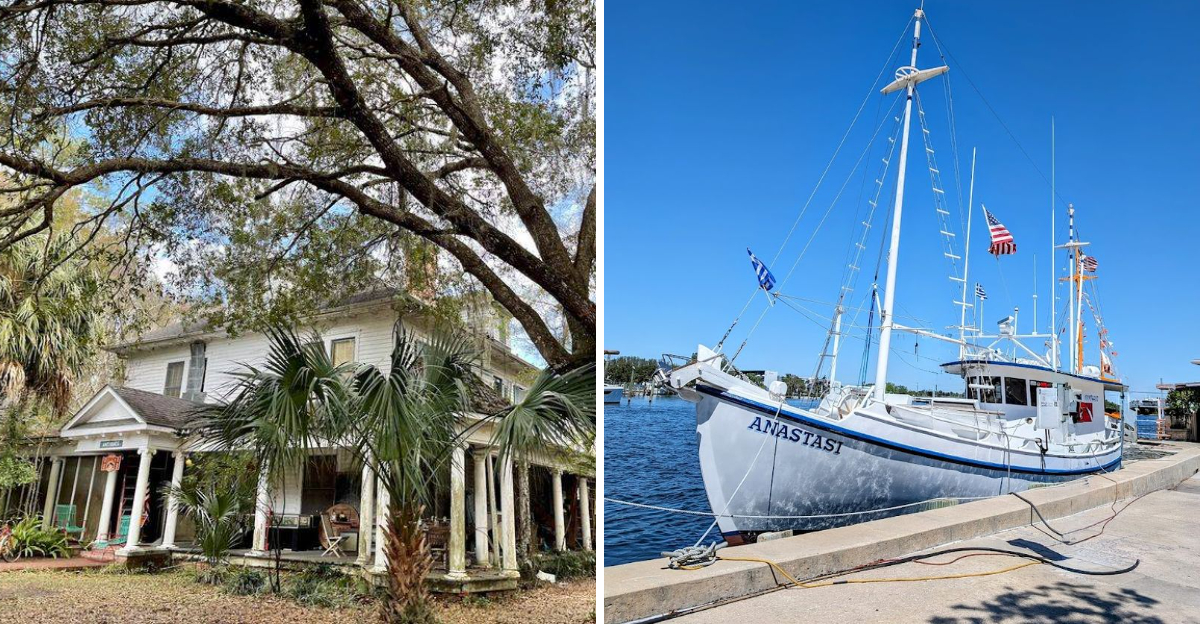
Florida usually appears in travel brochures as beaches, palm trees, and roller coasters. But what if the most fascinating places in the Sunshine State are the ones that feel like time forgot them?
Drive just a little beyond the busy coastal highways and the scenery begins to change. Brick streets replace wide boulevards.
Oak trees draped in Spanish moss stretch over quiet squares. Weathered buildings stand proudly, each one carrying stories from another century.
These historic towns move at a slower rhythm. Cafés open onto old sidewalks.
Antique shops hide inside buildings older than the cars parked outside. And every corner feels like a small discovery waiting to happen.
March is the perfect time to wander through them. The weather is gentle, the crowds are lighter, and the atmosphere makes each stroll feel almost cinematic.
Because sometimes the most unforgettable side of Florida is the one that looks like it belongs in the past.
1. St. Augustine Historic District
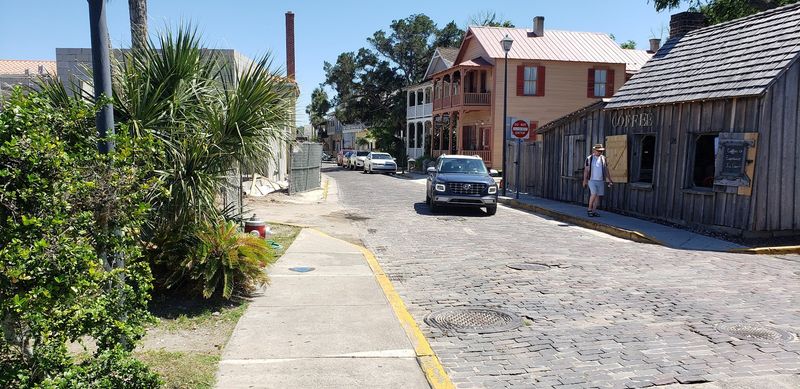
Founded in 1565, St. Augustine Historic District at 1 S Castillo Dr holds the title of America’s oldest continuously occupied European settlement, and boy, does it know how to show off those credentials. Walking these ancient streets feels like stepping into a time machine that forgot to update its software.
The massive Castillo de San Marcos fortress looms over the waterfront like a stone giant that’s been standing guard since 1672, complete with coquina walls thick enough to laugh at cannonballs.
March weather turns this historic gem into an outdoor paradise where you can explore without melting into a puddle. The narrow lanes overflow with centuries-old buildings sporting wooden balconies that creak with character.
Spanish moss dangles from ancient oaks like nature’s own curtains, framing views that haven’t changed much since pirates sailed these waters.
Horse-drawn carriages clip-clop past shops selling everything from handmade chocolates to authentic colonial reproductions. The Fountain of Youth Archaeological Park lets you sip from Ponce de León’s legendary spring, though results on actual age reversal remain scientifically questionable.
Museums, ghost tours, and restaurants serving Spanish-influenced cuisine pack every corner, making this district a living, breathing history textbook that actually keeps you awake.
2. Apalachicola Historic District
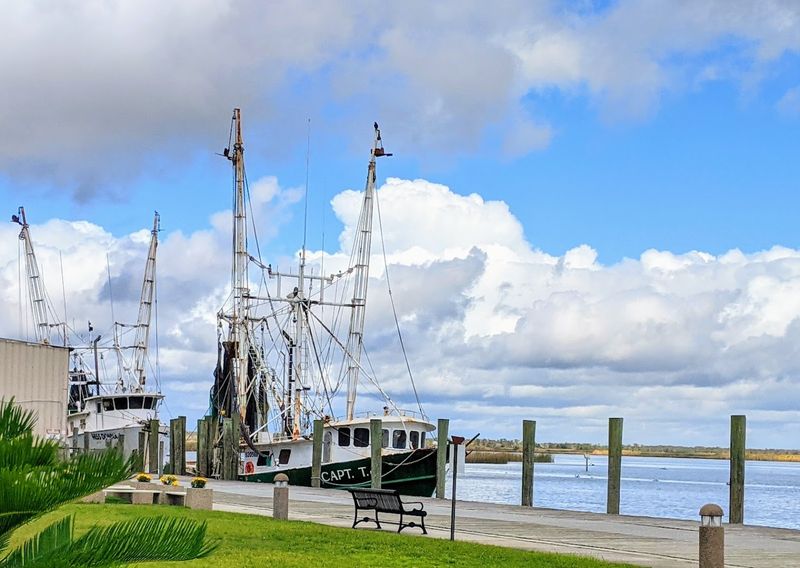
Apalachicola Historic District at 1 Ave E serves up coastal charm with a side of exceptional oysters, functioning as Florida’s best-kept secret for folks seeking authentic Old Florida vibes. This Gulf Coast gem built its fortune on seafood, cotton, and lumber during the 1800s, leaving behind a collection of Victorian-era buildings that refused to get bulldozed for condos.
The entire downtown feels like someone pressed pause around 1900 and forgot to hit play again.
Brick warehouses converted into galleries and restaurants line streets where shrimping boats still unload their daily catches. The town supplies ninety percent of Florida’s oysters, making it the undisputed shellfish champion of the Sunshine State.
March weather makes strolling past historic homes and moss-draped oaks absolutely delightful, without the summer heat that turns Southern walks into endurance challenges.
The John Gorrie Museum celebrates the local doctor who invented mechanical refrigeration, basically making modern Florida livable and giving humanity ice cream year-round. Historic churches, the old cotton warehouse, and the Raney House Museum showcase architectural styles from Greek Revival to Italianate.
Waterfront parks offer perfect spots for watching pelicans dive-bomb for dinner while you contemplate whether oysters really are aphrodisiacs or just delicious lies we tell ourselves.
3. Mount Dora Historic Downtown
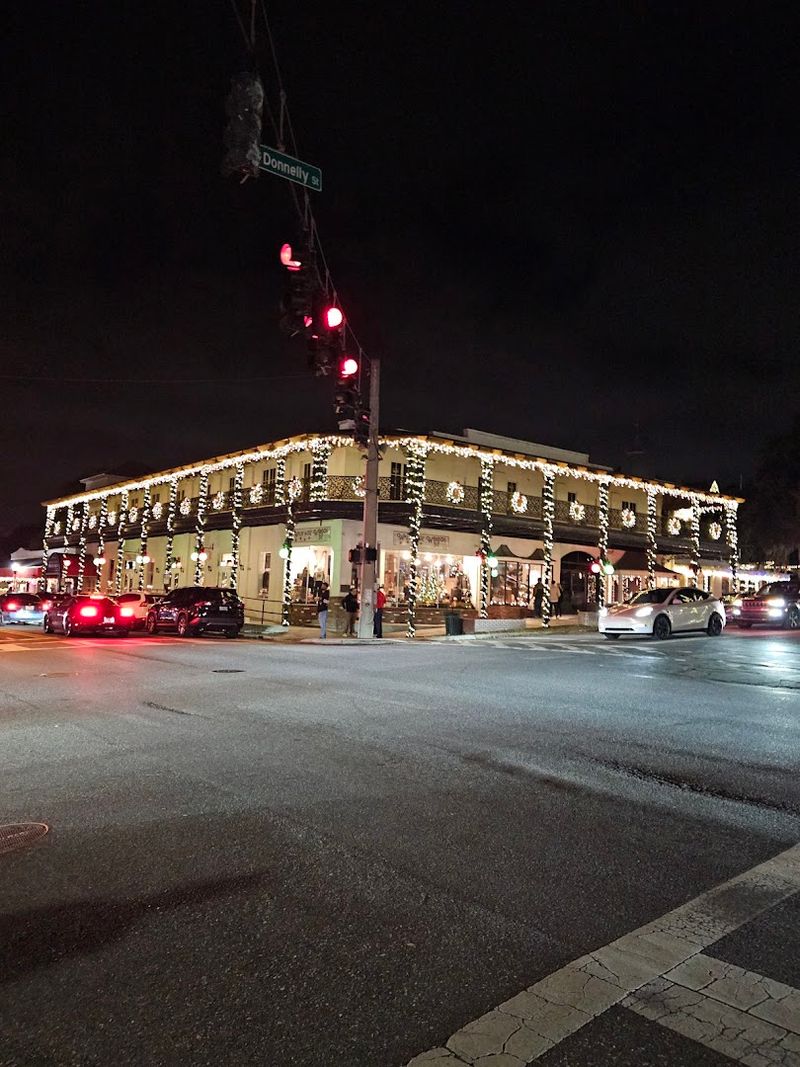
Nestled among rolling hills that Florida forgot it could create, Mount Dora Historic Downtown at 510 N Baker St channels serious New England village energy while maintaining its subtropical location. This lakeside community became an antique hunter’s paradise where treasure seekers prowl shops packed with everything from Victorian furniture to vintage postcards your grandmother might have sent.
The downtown stretches along Lake Dora’s shores, offering views that painters can’t resist capturing on canvas.
Buildings dating back to the early 1900s house boutiques, galleries, and restaurants that take their historic preservation seriously. The Lakeside Inn, Florida’s oldest continuously operating hotel, has welcomed guests since 1883, including presidents who apparently needed small-town relaxation too.
March brings perfect conditions for the monthly antique fairs and festivals that transform streets into open-air treasure hunts.
Tree-canopied streets invite leisurely strolling past shops selling handcrafted jewelry, local art, and curiosities that make you wonder who owned them first. The historic Donnelly House serves as a museum showcasing early settler life, complete with period furnishings and stories about pioneers who chose hills over beaches.
Waterfront parks, the vintage Seaplane Base, and lighthouse replicas add nautical charm to this inland gem that somehow convinced everyone it’s a coastal village.
4. Fernandina Beach Historic District
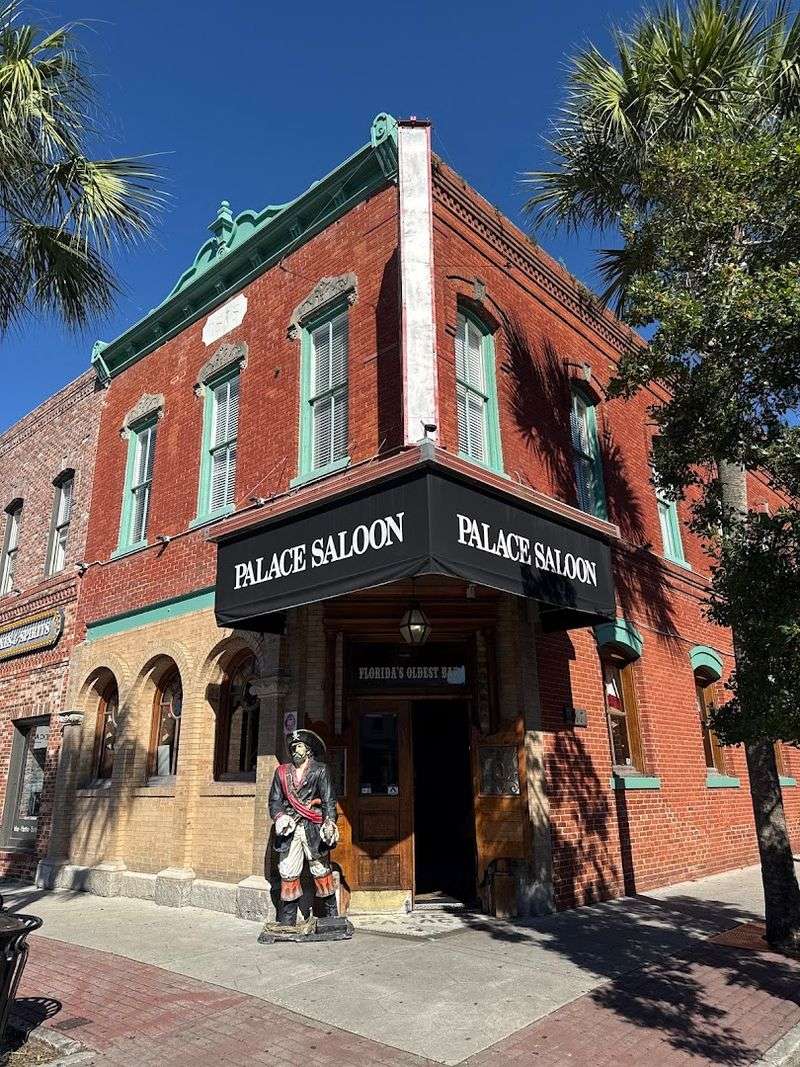
Fernandina Beach Historic District at 102 Centre St wears its Victorian-era architecture like a belle at a Southern cotillion, showing off fifty blocks of buildings that survived everything from pirate raids to modern development pressures. This Amelia Island treasure served as Florida’s primary deep-water port during the late 1800s, attracting wealthy merchants who built homes fancy enough to make their neighbors jealous.
Eight flags have flown over this town, giving it more political identity crises than a swing state during election season.
Centre Street’s brick-lined corridor showcases storefronts where you can browse everything from nautical antiques to locally made pralines that’ll rot your teeth while delighting your taste buds. The Palace Saloon, Florida’s oldest continuously operating bar since 1903, still serves drinks in surroundings where you half-expect Wild West gunslingers to burst through swinging doors.
March temperatures make exploring these historic blocks comfortable, without summer’s humidity that turns sightseeing into survival training.
The working shrimp docks remind visitors this isn’t just a pretty preserved district but a living community where fishermen still haul in catches. Victorian mansions along the residential streets display gingerbread trim, wraparound porches, and turrets that architects apparently couldn’t resist adding.
Fort Clinch State Park preserves a Civil War-era fortress where costumed interpreters demonstrate 1860s military life, complete with period-accurate complaints about the food.
5. Cedar Key Historic District
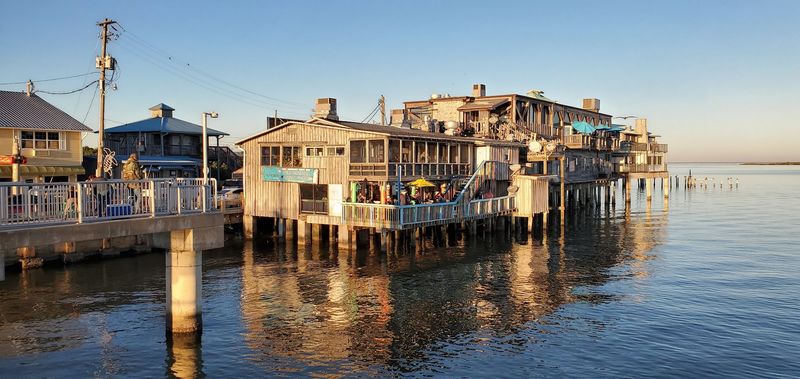
Cedar Key Historic District at 609 2nd St embodies that end-of-the-road island atmosphere where mainland stress evaporates faster than puddles in July sunshine. This collection of islands once served as Florida’s second-largest city during the 1880s, back when cedar lumber and pencil manufacturing made it an industrial powerhouse that nobody today would recognize.
Time and hurricanes humbled this former boom town into a laid-back fishing village where the biggest decision involves choosing between grouper or oysters for dinner.
Weathered buildings on stilts line narrow streets where golf carts outnumber cars and nobody seems particularly rushed about anything. The Historic State Museum occupies an old warehouse, telling stories about the town’s glory days when trains actually reached these remote islands.
March brings spectacular bird-watching opportunities as migratory species stop by, making this district a twitcher’s dream destination.
Art galleries showcase works inspired by stunning sunsets that paint the Gulf waters in colors Photoshop couldn’t invent. Seafood restaurants serve catches so fresh they were probably swimming that morning, prepared with Old Florida simplicity that lets quality ingredients speak for themselves.
The Cemetery Point Park offers peaceful waterfront views where you can contemplate life’s mysteries or just watch pelicans being hilariously awkward. Historic markers dot the islands, explaining how this remote outpost survived boom, bust, and everything nature threw at it.
6. Tarpon Springs Historic Sponge Docks
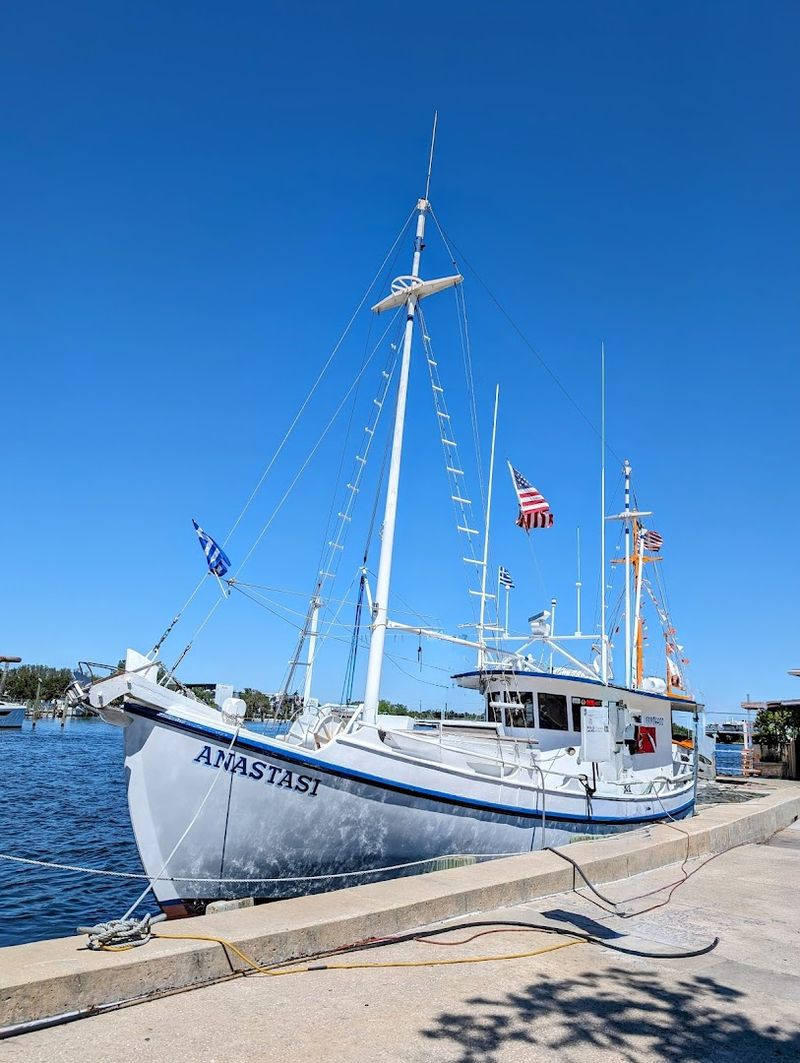
Tarpon Springs Historic Sponge Docks at 735 Dodecanese Blvd transports visitors straight to a Greek island without requiring passports or dealing with international flight delays. Greek sponge divers settled here in the early 1900s, establishing the largest sponge-diving industry in America and apparently deciding Florida needed more baklava and fewer grits.
Their descendants maintain traditions that make this waterfront district feel more Mediterranean than Deep South, complete with Greek Orthodox churches sporting blue domes that pop against Florida’s perpetually blue skies.
Sponge boats still dock along the waterfront, though nowadays they mostly take tourists on cruises rather than dive for natural sponges. Markets overflow with sea sponges in every size imaginable, from tiny face scrubbers to massive specimens that could double as small sofas.
March weather makes wandering these docks absolutely perfect, with temperatures ideal for outdoor dining at Greek restaurants serving authentic dishes that would make Athens proud.
The Sponge Exchange and Sponge Docks Museum explain the industry’s fascinating history, including how divers used primitive equipment that modern safety inspectors would immediately ban. Bakeries sell loukoumades dripping with honey, while shops hawk everything from olive oil to Greek statues of questionable taste.
Street performers and festivals celebrating Greek heritage happen regularly, transforming this working waterfront into celebrations where breaking plates is encouraged rather than frowned upon.
7. DeLand Historic Downtown
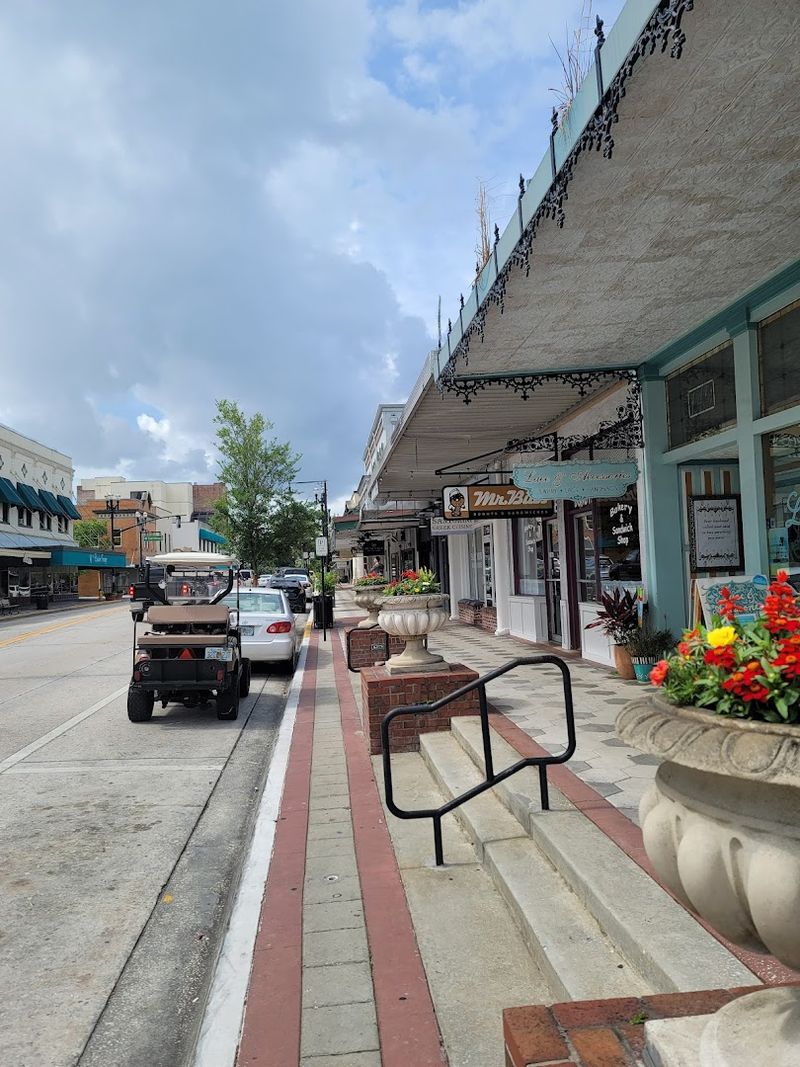
DeLand Historic Downtown at 100 N Woodland Blvd radiates college-town charm mixed with Old Florida sophistication, creating an atmosphere where students, artists, and retirees somehow coexist peacefully. Founded by baking soda magnate Henry DeLand in the 1870s, this town attracted wealthy Northerners seeking winter warmth and cultural refinement, resulting in architecture that looks suspiciously overdressed for Florida.
Stetson University’s presence infuses the district with youthful energy while historic buildings maintain that vintage elegance that Instagram accounts desperately seek.
Woodland Boulevard’s tree-canopied stretch showcases restored storefronts housing locally-owned businesses that somehow resisted chain store invasion. The Athens Theatre, a 1921 movie palace, still screens films in surroundings where you expect flappers to appear during intermission.
March temperatures make outdoor dining at sidewalk cafes absolutely delightful, perfect for people-watching while pretending to read that book you’ve been carrying around.
Art galleries, antique shops, and bookstores line streets where parking is actually findable, unlike most historic districts that treat available spaces like urban legends. The Museum of Art displays collections that punch well above this small town’s weight class.
Historic homes in surrounding neighborhoods showcase styles from Victorian to Mediterranean Revival, many converted into bed-and-breakfasts where you can sleep in rooms with more character than most modern hotels. Farmers markets and festivals regularly transform downtown into community celebrations that feel genuinely welcoming rather than tourist-trappy.
8. Pensacola Historic Village
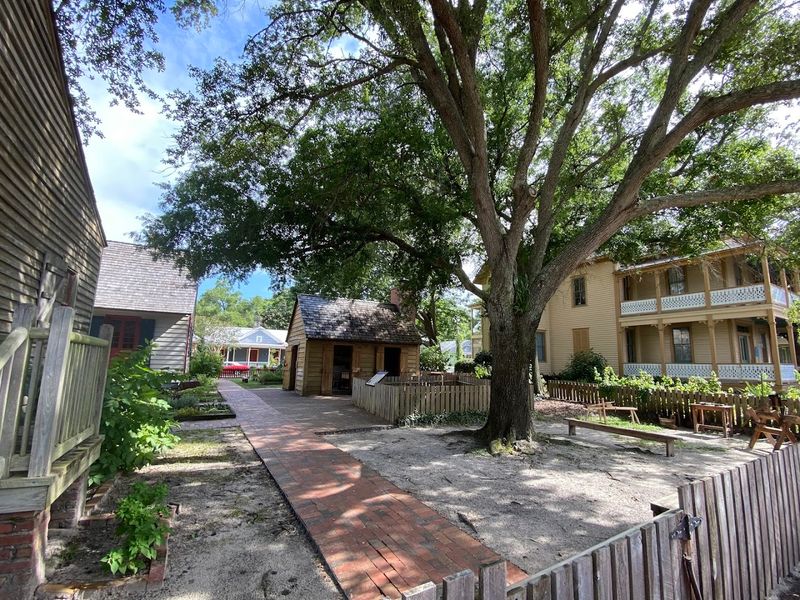
Pensacola Historic Village at 205 E Zaragoza St preserves centuries of Gulf Coast history in a compact area where you can literally walk through different eras without needing a DeLorean. This collection of restored buildings spans from the colonial period through the Victorian age, showcasing how architectural styles evolved when Florida kept changing flags like a indecisive sports fan.
Five different nations ruled Pensacola at various points, leaving behind a cultural gumbo that makes this village uniquely diverse among Florida historic sites.
Twenty-seven properties include everything from humble pioneer homes to elegant museums housed in former warehouses and churches. The Museum of Commerce recreates an 1890s streetscape complete with storefronts, making you feel like you’ve wandered onto a movie set where extras forgot to show up.
Costumed interpreters demonstrate period crafts and answer questions about daily life when indoor plumbing was science fiction and air conditioning was called “sitting in the shade.”
March brings comfortable weather for exploring outdoor exhibits without melting into historically-accurate puddles. The Lavalle House, Pensacola’s oldest surviving home from 1805, shows how French Creole settlers adapted architecture to Florida’s climate.
The Old Christ Church and Dorr House display different facets of 19th-century life, from religious practices to domestic arrangements. Guided tours provide context that transforms these buildings from pretty old structures into fascinating time capsules revealing how people lived, worked, and survived in frontier Florida.
9. Micanopy Historic District
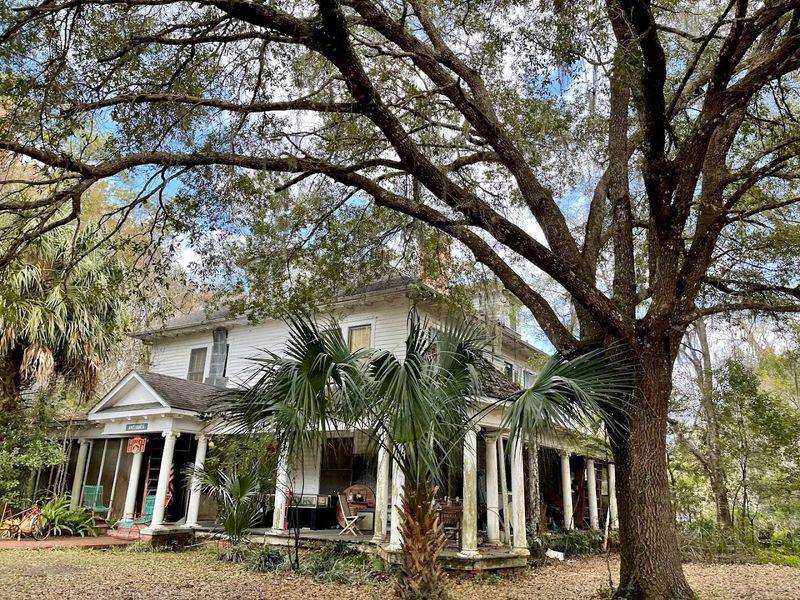
Micanopy Historic District at 607 NE Cholokka Blvd proves that Florida’s oldest inland town knows how to age gracefully, maintaining a sleepy village atmosphere that makes modern life feel unnecessarily hectic. Founded in 1821, this tiny community named after a Seminole chief never grew much beyond a few blocks, which turned out to be excellent preservation strategy since developers generally ignore places without room for strip malls.
Spanish moss drapes from massive oak trees like nature’s own curtains, creating tunnels of shade that keep temperatures bearable even when March occasionally remembers it’s almost summer.
Antique shops pack buildings that actually qualify as antiques themselves, creating meta-shopping experiences where the containers rival their contents in age and character. The Herlong Mansion, a stunning Greek Revival structure, operates as a bed-and-breakfast where you can sleep surrounded by period furnishings and probably a ghost or two.
Cholokka Boulevard stretches maybe three blocks, making this possibly America’s easiest historic district to explore on foot.
Paynes Prairie Preserve State Park borders the town, offering wildlife viewing opportunities where bison and wild horses roam like they’re auditioning for a Western film. Cafes and bookstores invite lingering over coffee while watching the world’s slowest parade of tourists pass by.
This village appeared in the movie “Doc Hollywood,” convincing Hollywood that small-town America still exists in corners that progress forgot to update.