
These 11 Florida Panhandle Towns Empty Out On Weekdays And The People Who Know That Have Stopped Mentioning It
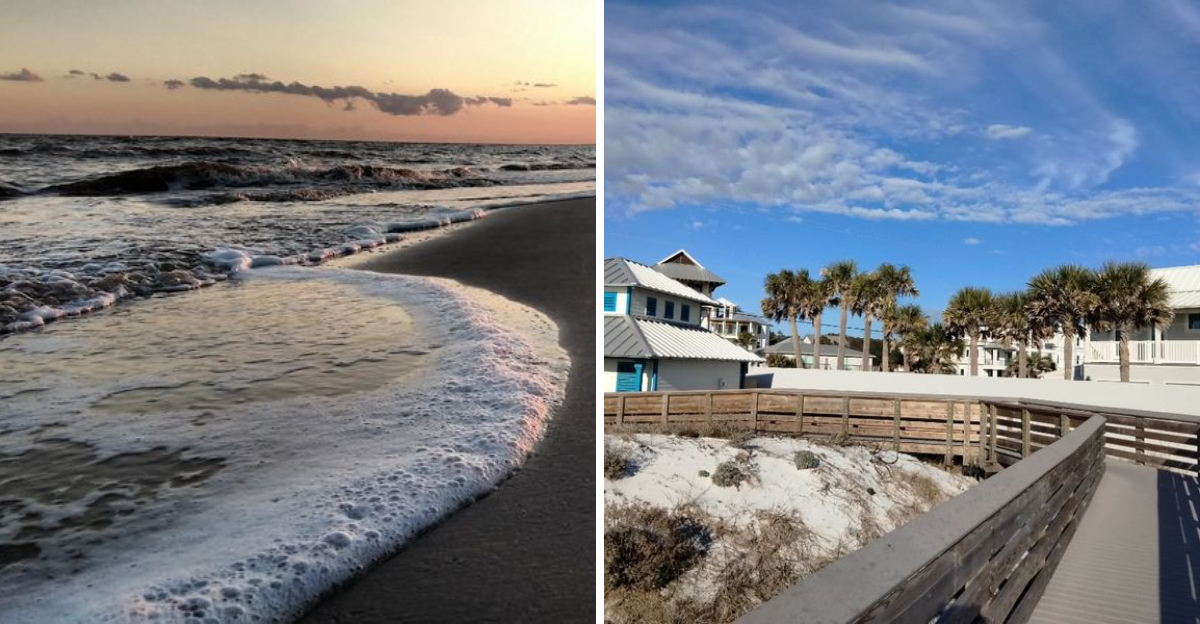
By Tuesday morning, the Florida Panhandle looks like someone found the remote and pressed mute.
The beaches have not changed.
The sand is still white, the Gulf still glows green, and the seafood tastes like it skipped the freezer entirely.
What disappears is the noise.
Without crowds competing for every table and sunset photograph, these towns reveal a slower, friendlier side of Florida that weekends rarely allow.
Locals wave, shopkeepers have time to talk, and an empty stretch of shoreline can feel suspiciously like private property.
That contrast is why weekday visitors become protective of what they find.
Across Florida, these coastal escapes prove that the best time to arrive is often when everyone else has already left, preferably before they realize what they missed and decide to turn around.
1. Apalachicola
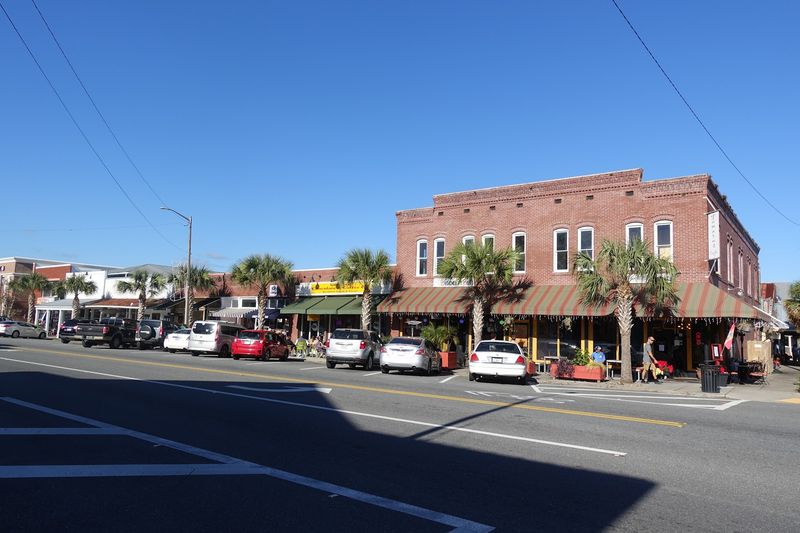
Walking down Commerce Street in Apalachicola on a Wednesday feels like stepping into a slower, kinder version of Florida that the highway billboards forgot to advertise.
Apalachicola sits along the Apalachicola River in Franklin County, about 80 miles southwest of Tallahassee, and its reputation for oysters alone would justify the drive.
On weekends, the waterfront fills up fast, but come back on a Tuesday and you can actually hear the pelicans landing on the dock pilings.
The historic downtown stretches just a few blocks, lined with 19th-century buildings that house galleries, a working oyster bar, and shops where the owners actually know the inventory.
Trinity Episcopal Church, built in 1838, sits quietly on Sixth Street and is one of the oldest churches in Florida, yet most visitors walk right past it.
I always make time for a bowl of she-crab soup at one of the waterfront spots, eaten slowly, with no particular schedule pulling me anywhere else.
2. Port St. Joe
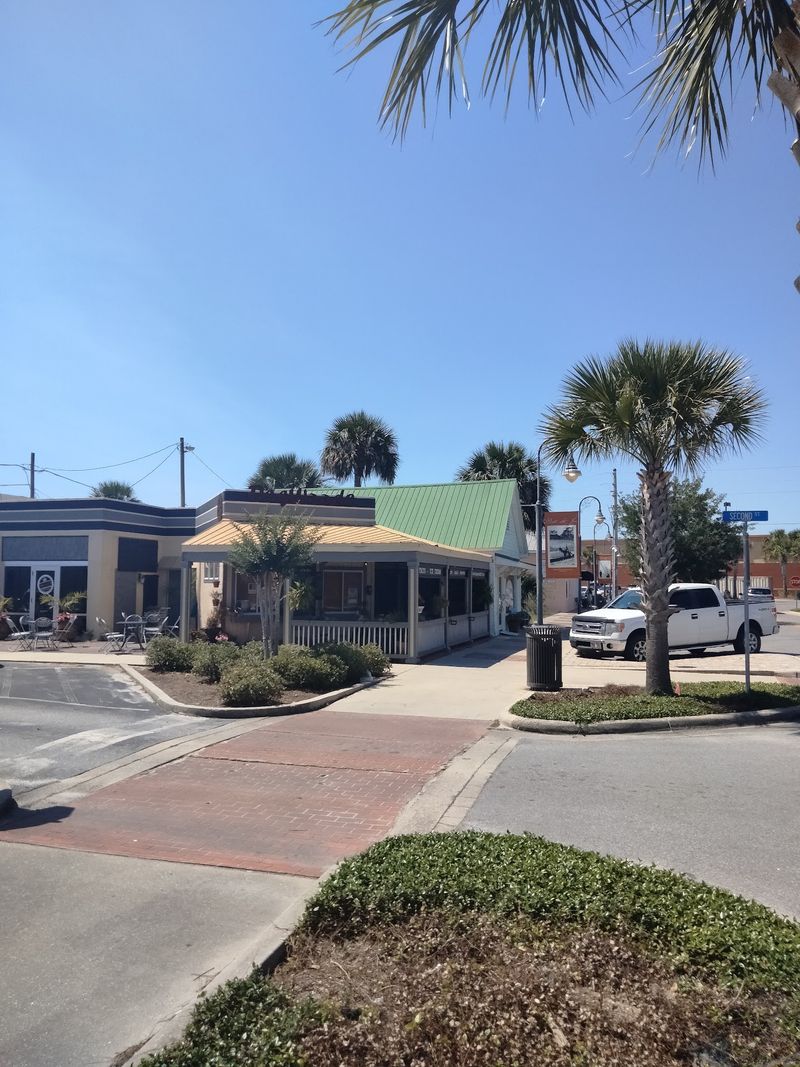
Port St. Joe has a way of making you feel like you accidentally discovered a secret, even though it sits right there on U.S. 98 in Gulf County, about 35 miles from Panama City.
The town was nearly wiped out by Hurricane Michael in 2018, and the rebuild has been slow, thoughtful, and deeply community-driven in a way that gives the place real character.
On a weekday morning, the marina district feels almost meditative, with fishing boats heading out and the smell of salt air mixing with fresh coffee from a nearby cafe.
Cape Palms Park offers a small beach launch that is genuinely uncrowded during the week, and the water color there rivals anything you will find further east along 30A.
The local farmers market, when it runs, draws more regulars than tourists, which means the conversations are better and the produce is actually worth buying.
Port St. Joe rewards patience, and weekdays hand you that patience on a silver platter.
3. Mexico Beach
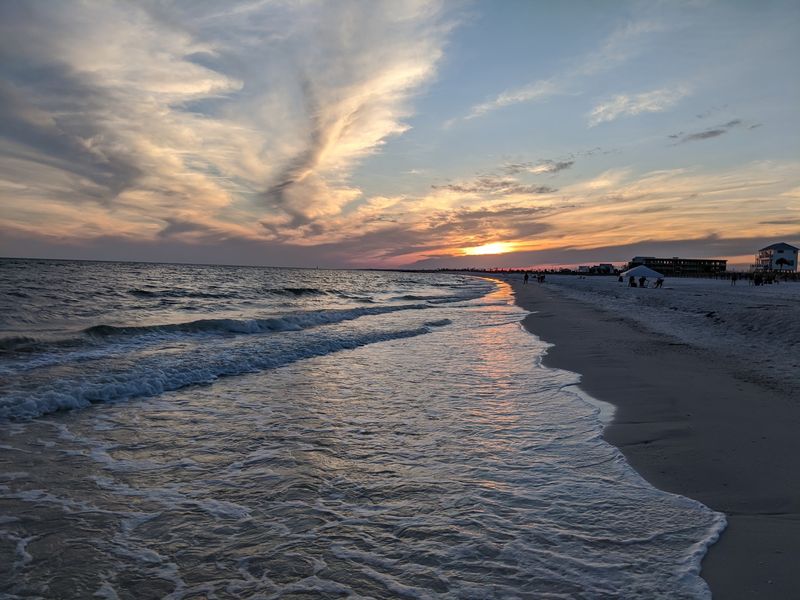
Mexico Beach sits quietly between Port St. Joe and Panama City in Bay County, and it has always carried a reputation as the town that refused to become flashy.
Even after Hurricane Michael reshaped so much of the coastline here, the spirit of the place survived and the rebuilding has kept the low-key identity that made it special to begin with.
Show up on a Thursday and you will find a beach that looks like a postcard but feels like your own backyard, with maybe a handful of other people spread across a long, wide stretch of white sand.
The town pier is a good place to spend an hour watching mullet jump and pelicans glide, and nobody is going to rush you off it.
Local restaurants like the Toucan’s Cafe serve the kind of straightforward Gulf seafood that tastes better because it was not prepared for a crowd of two hundred people.
Mexico Beach keeps its promises quietly, and that is exactly what makes it worth finding.
4. Carrabelle, Florida
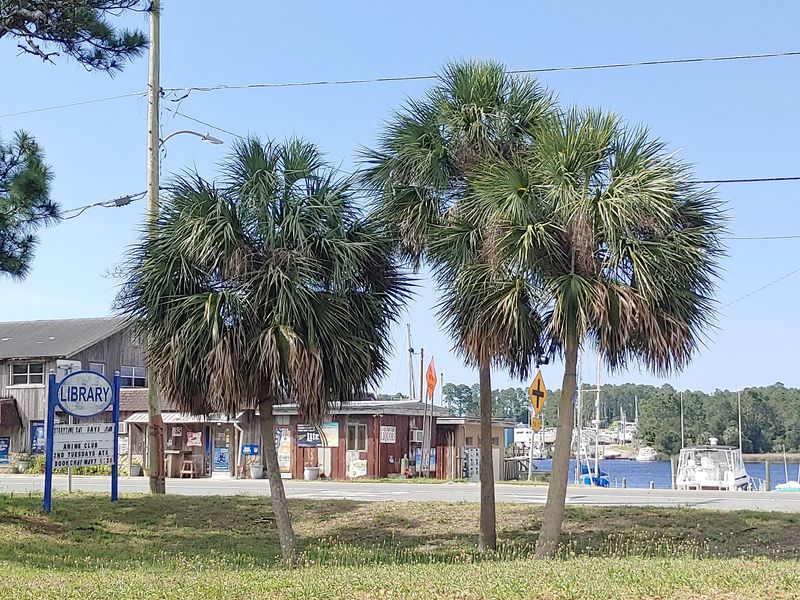
Carrabelle is the kind of town that makes you wonder if time operates on a slightly different schedule here, which, honestly, is the whole point of going.
Tucked along the Carrabelle River in Franklin County about 25 miles east of Apalachicola, this small fishing community has a population of roughly 2,500 people and a waterfront that feels completely unhurried.
The town is home to what is often called the world’s smallest police station, a converted phone booth on Tallahassee Street that has been photographed more times than most local landmarks.
On a weekday, the docks are working docks, with shrimpers and crabbers moving at their own pace and not performing anything for a tourist audience.
Camp Gordon Johnston, a World War II training base once located nearby, left behind a small museum that is genuinely worth an hour of your time if military history interests you.
Carrabelle does not try to impress you, and somehow that makes it more impressive than almost anywhere else on this stretch of coast.
5. Cape San Blas
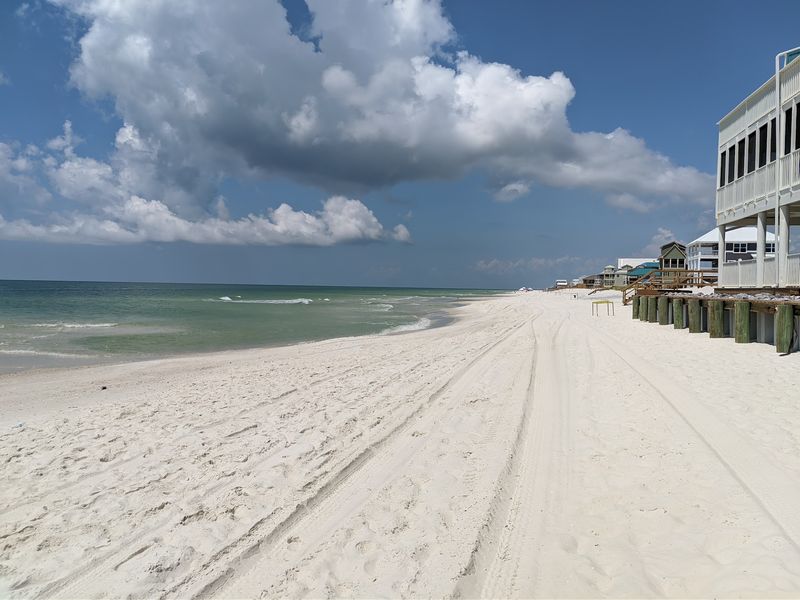
Cape San Blas is a narrow peninsula jutting out into the Gulf of Mexico in Gulf County, and on a weekday it feels like the entire coastline was set aside just for you.
St. Joseph Peninsula State Park covers a significant stretch of the cape and consistently ranks among the best beaches in the country, with dunes that rise well above eye level and water that shifts between mint green and deep turquoise depending on the light.
Weekday visits mean you can actually get a campsite with a reservation, walk the full length of the beach without navigating around umbrella setups, and kayak through the bay side without dodging rental boats.
Loggerhead sea turtles nest along this shoreline from May through October, and the park staff occasionally leads guided nest walks during the week when group sizes are small enough to be meaningful.
The cape has no real commercial strip, no chain restaurants, and no boardwalk distractions, which is either a problem or a feature depending entirely on what you came looking for.
For me, it has always been the feature.
6. Indian Pass, Florida
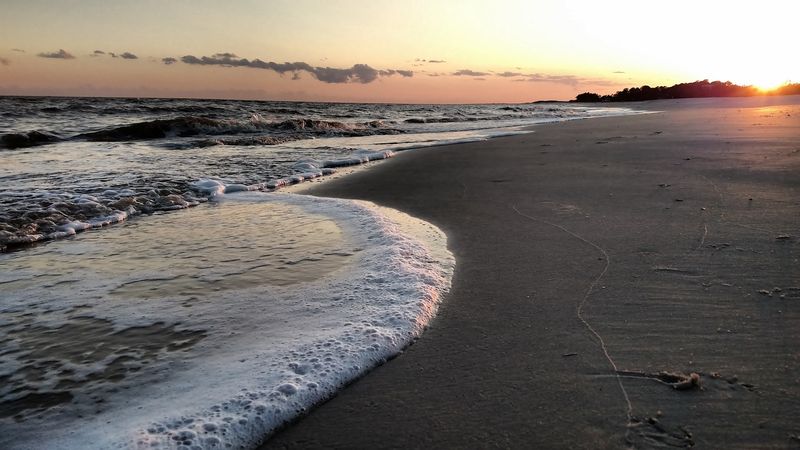
Not many people can tell you exactly where Indian Pass is, and the ones who do know tend to go quiet when you ask them to describe it.
Located on a thin strip of land between the Gulf of Mexico and Indian Lagoon in Gulf County, this is one of the most undeveloped stretches of coast remaining in the Florida Panhandle.
The beach here is raw in the best sense, with no parking attendants, no rental shacks, and no volleyball nets hammered into the sand, just a long, quiet shore that feels genuinely wild.
Indian Pass Raw Bar is the one landmark most regulars mention, a no-frills seafood spot where the oysters come straight from the lagoon and the atmosphere is exactly as casual as the name suggests.
On a weekday, the bar feels like a locals-only gathering spot, the kind of place where conversations start easily and nobody is checking a phone.
Indian Pass is the Panhandle before the Panhandle became a destination, and it is still mostly intact.
7. Navarre
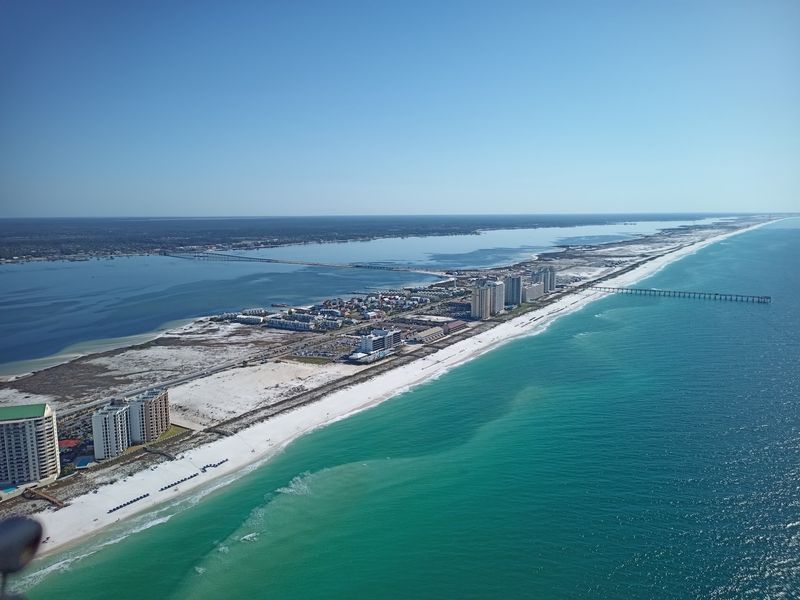
Navarre sits between Pensacola Beach and Fort Walton Beach in Santa Rosa County, which means it is surrounded by much louder neighbors, and yet it somehow maintains a quieter personality than either of them.
The beach here consistently earns high marks for water clarity and sand quality, but because Navarre lacks the bar scene and the big resort towers, it draws a calmer crowd even on weekends.
On a weekday, Navarre Beach is almost surreally peaceful, with the Navarre Beach Pier stretching 1,545 feet into the Gulf and offering some of the best shore-based fishing access in the Panhandle.
The pier is also a fantastic spot for watching dolphins work the nearshore waters in the early morning, which is a free activity that somehow never gets old.
Navarre Beach Marine Sanctuary, the first of its kind in Florida, lies just offshore and draws snorkelers looking for reef fish and the occasional sea turtle.
The town keeps its head down and lets the experience do the talking, which is a strategy that works beautifully on a slow Wednesday afternoon.
8. Seagrove Beach
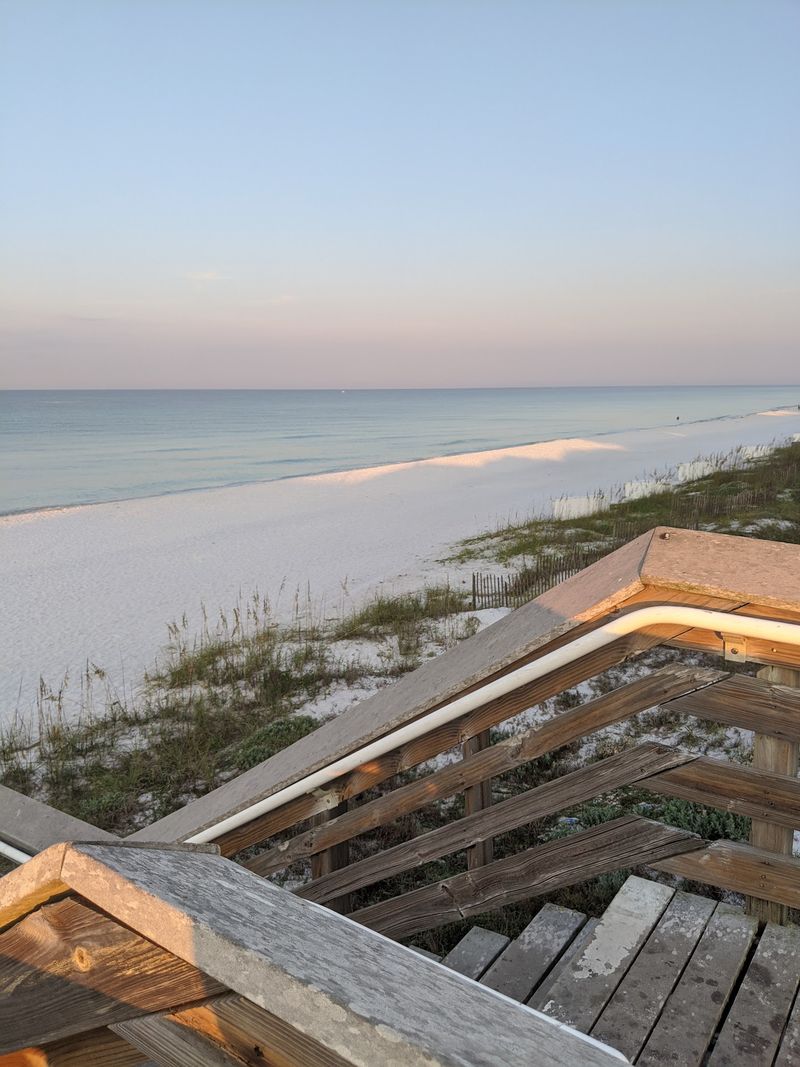
Seagrove Beach occupies a stretch of Walton County coastline along Scenic Highway 30A that feels genuinely older than the boutique resort towns growing up on either side of it.
The neighborhood developed in the 1950s with simple beach cottages tucked under tall longleaf pines, and a good number of those original structures are still standing, still rented, and still beloved by families who have been coming back for decades.
On a weekday, the main beach access at Seagrove is one of the least crowded public entries along all of 30A, with the kind of soft, powder-fine sand and clear green water that shows up on Florida tourism posters but rarely in the tourist experience.
Eastern Lake, a rare coastal dune lake that flows into the Gulf just west of Seagrove, is excellent for paddleboarding on a weekday morning when the wind is low and the surface is glassy.
There is no real commercial center here, which means your options for distraction are limited to the beach, the lake, and a slow walk under the pines.
Seagrove Beach is what 30A looked like before 30A became a brand.
9. Grayton Beach
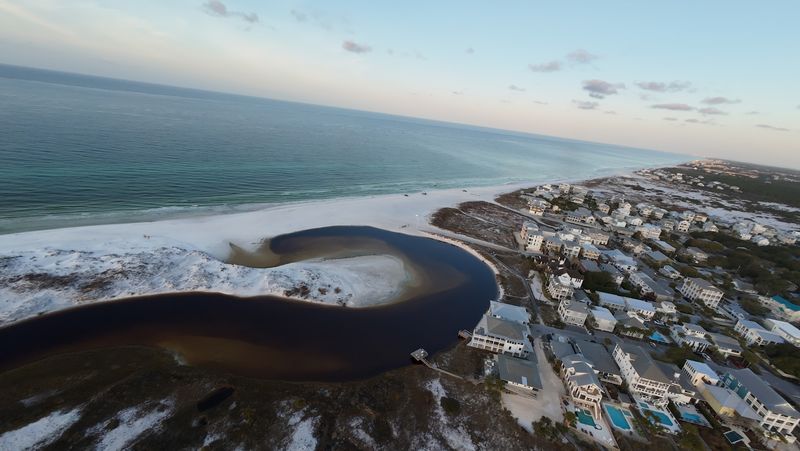
Grayton Beach has a well-earned reputation as the eccentric, slightly weathered older sibling of the polished 30A towns, and that personality is exactly what draws a certain kind of traveler back year after year.
Located in Walton County along Scenic Highway 30A, Grayton Beach State Park surrounds the small community on three sides and consistently ranks among the top state parks in Florida, which is saying something in a state with 175 of them.
The park’s coastal dune lakes, including Western Lake, are a rare ecological feature found in only a handful of places on earth, and on a weekday you can paddle the entire perimeter without sharing the water with more than a few other people.
The town itself has a funky, unpretentious energy with a handful of bars, restaurants, and art spots that feel local because they genuinely are.
Red Bar is the most famous of these, a music venue and restaurant that has been a Panhandle institution for decades and still draws a crowd even on slow nights.
Grayton Beach does not apologize for being exactly what it is, and that confidence is contagious.
10. Santa Rosa Beach
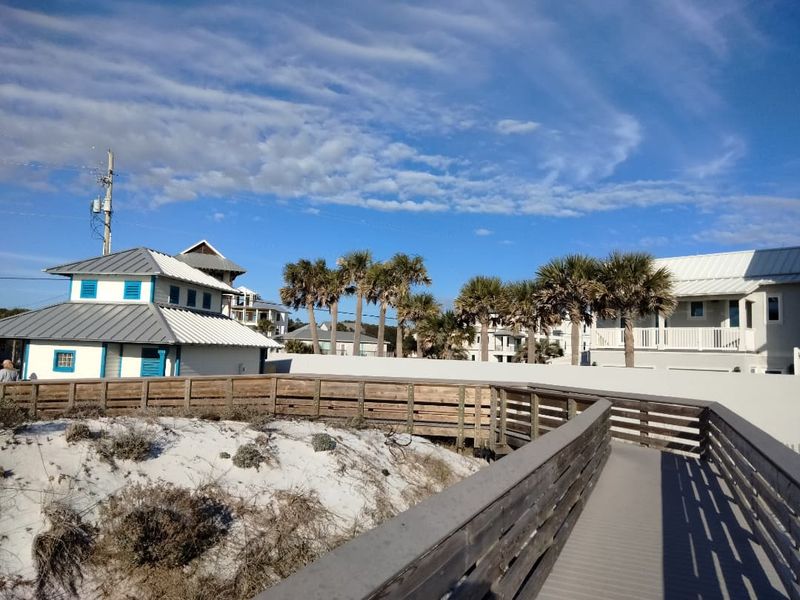
Santa Rosa Beach is one of those places that people often drive through on the way to somewhere else along 30A, which means they are missing the point entirely.
Spread across a generous stretch of Walton County, Santa Rosa Beach is actually the largest community along the 30A corridor, with a mix of upscale neighborhoods, local restaurants, and art galleries that reward slow exploration.
The Timpoochee Trail, a paved multi-use path that runs much of the length of 30A, is best experienced on a weekday when cyclists and joggers have it mostly to themselves and the morning light filters through the coastal scrub in long, golden strips.
Point Washington State Forest, accessible from Santa Rosa Beach, offers miles of hiking and mountain biking trails through longleaf pine flatwoods that feel nothing like the beach scene a few miles south.
Local spots like Bud and Alley’s Pizza have been feeding the 30A community for years and feel genuinely different from the tourist-facing restaurants that have popped up more recently.
Santa Rosa Beach is the connective tissue of 30A, and it tastes better when you stop rushing through it.
11. Perdido Key
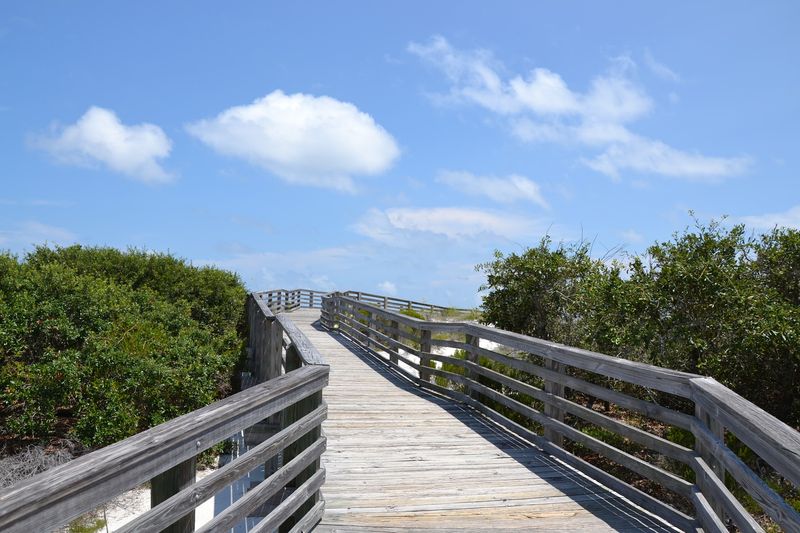
Perdido Key sits at the far western edge of the Florida Panhandle in Escambia County, sharing a border with Alabama and a personality that feels distinctly removed from the rest of the coast.
The key is a narrow barrier island where Perdido Key State Park preserves one of the longest undeveloped stretches of Gulf shoreline in the entire state, and on a weekday the park can feel almost entirely deserted.
The beach here has the same legendary white quartz sand that defines the Panhandle, but the relative isolation means the dunes are taller, the shorebird activity is more consistent, and the water visibility is often exceptional.
Snorkeling around the nearshore areas on a calm weekday morning can turn up flounder, blue crabs, and the occasional ray moving through the shallows without any boat traffic to scatter them.
The Old River, which runs along the bay side of the key, is a favorite among kayakers for its protected waters and the osprey nests visible in the taller pines.
Perdido Key is the Panhandle’s quiet punctuation mark, and it ends the sentence perfectly.